Medical Alert Bracelet vs. Pendant: Which Is Better?
June 16, 2026
Are Home Security Systems Worth It in Upstate SC?
June 17, 2026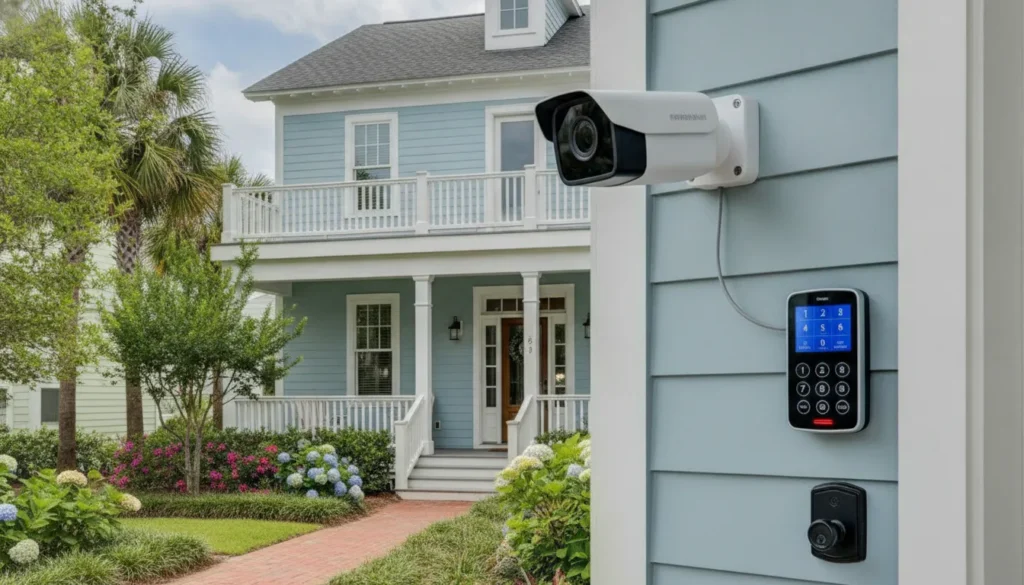
Home Security System Cost in South Carolina
Average homeowners spend between six hundred and two thousand dollars on a new home security system. Knowing these costs upfront helps you pick the right gear for your family and your budget.
Request a custom home security quote from ADP Security Systems.
The home security system cost for a typical property usually falls between $600 and $2,000 for equipment and setup. Monthly monitoring fees are another key expense, usually ranging from $25 to $50 for local professional services. According to NerdWallet, complete systems with professional setup can reach over $2,000, while basic DIY kits may start around $130. Local providers in South Carolina often offer easy terms, such as no long-term contracts and lower monthly rates. This can reduce the total lifetime expense compared to national brands. Choosing a local company also helps you avoid hidden fees or the burden of a long contract. You can feel sure that your home is safe without spending more than you need to.
Finding the right balance between price and protection can feel hard for many homeowners. To help you plan your budget, we will look at the details of what goes into your final bill. The best place to start is by looking at the average home security system cost. The path begins with a review of typical equipment, installation, and monitoring expenses.
What is the average home security system cost?
A typical home security system costs about $600 to $2,000 for equipment and setup, while basic DIY kits can start near $130. The final price depends on home size, coverage, installation, and monitoring.
Upfront vs. Monthly Fees
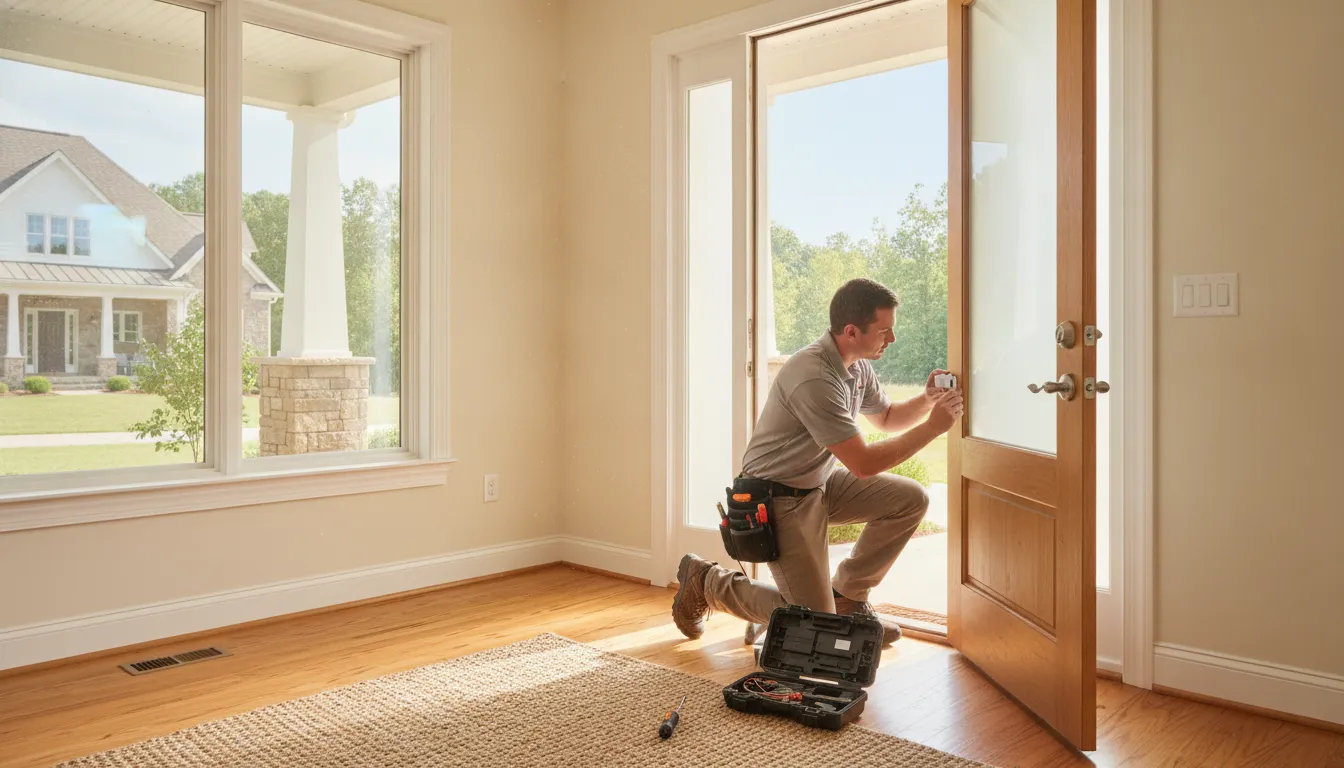
When you look at your budget, you must split the costs into two groups: hardware and service. Most people pay for the gear once, while professional monitoring needs a monthly fee. According to industry data, security and fire alarm installers maintain the complex wiring that keeps these systems running. These monthly monitoring fees typically range from $27.95 to $45.00 depending on the features you choose.
You can often find ways to save on these costs. For example, some providers offer a monitored home security system with annual billing discounts that can save you about $5 every month. This helps lower the long-term price while keeping your family safe.
Comparing Security Options
A local custom quote is the best way to get a real price for your house. Factors like the number of windows, doors, and if you want cameras will change the final bill. Below is a look at how different system types compare in price and features.
| System Type | Setup Cost | Monthly Fee | Key Features |
|---|---|---|---|
| Basic DIY Kit | $130 – $300 | $0 – $20 | Hub, 2 sensors, self-monitoring |
| Mid-Range System | $300 – $600 | $28 – $45 | Motion sensors, professional monitoring |
| Full Integrated System | $600 – $2,000+ | $45 – $80 | Cameras, fire safety, smart home tech |
Additional Cost Factors
Beyond the base kit, adding items like video doorbells or flood sensors will increase the total. Professional setup is another factor to keep in mind, as it often starts around $99. Choosing an integrated home security system allows you to manage everything from one app, which adds value even if the initial cost is higher. A local expert can help you find a plan that fits your needs without hidden fees.
The costs that make up a security system quote
A security system quote typically combines equipment, installation, and ongoing monitoring or storage fees. Reviewing each line item makes it easier to compare options and understand the total home security system cost.
Equipment and hardware pricing
The hardware is the base of your protection. Most starter kits cost a bit over $200 and come with a hub, keypad, and basic sensors. If you add high-end tools like smart locks or AI cameras, the price will rise. For larger homes in South Carolina, a full system with many entry points may cost $2,000 or more. You can learn more about picking the right tools in our residential security system costs guide.
Installation and setup fees
Professional setup ensures your sensors and cameras work the right way. Expert work often starts around $99. This fee covers the time it takes to mount gear and test the signal. Some providers include this cost in a monthly plan, while others ask for it upfront. ADP Security Systems gives clear prices so you do not see hidden fees on your bill. Our local team knows how to secure homes in the southeastern United States with care.
Monthly monitoring and storage
Monitoring is what makes a system work well. Local professional monitoring costs usually range from $27.95 to $45.00 per month. This fee pays for a team to watch for alerts and call for help if an alarm goes off. If you use cameras, you may also pay a small fee for cloud video storage. You can save $5 per month on your cost of a professionally integrated smart home system by choosing annual billing. These monthly fees ensure you have help ready at all times.
DIY vs. professionally installed home security
DIY systems usually have a lower upfront home security system cost, while professional installation adds expert planning, setup, and testing. The better choice depends on your budget, comfort with setup, and desired coverage.
The appeal of DIY kits
DIY home security kits are popular because they have lower upfront costs. You can often find a basic DIY kit for as low as $130, according to NerdWallet’s cost guide. These systems are easy to set up without special tools and give you the freedom to choose where each sensor goes. Many homeowners like this level of control and the chance to save money on labor.
DIY users must do all the work themselves and plan where to put every part of the system. If you miss a spot, your home might not be fully safe, and you must fix any tech issues on your own. While these kits are cheap, they may not offer the same full coverage as a custom plan. You can learn more about home alarm system cost guide to see how they fit your budget.
Why professional setup adds value
Professional setup offers peace of mind that DIY kits may lack. Experts from a trusted company will look at your home and check the layout for any weak spots. This step is vital to make sure the system works well, as emphasized in the FTC’s home security shopping guidance. A pro will also make sure every sensor and camera links up to the main hub.
In South Carolina, a local Greenville home security options often includes this expert help. Pros can set up complex features like fire alerts and smart home locks that all talk to each other. This full service helps stop false alarms and ensures your system stays on during a power out. Professional monitoring fees are also not subject to South Carolina sales tax if they are for the service alone.
Regional costs in South Carolina
Local prices in our state are often better than the national rate. The average home security system cost in South Carolina is about $522, according to CostWhale’s South Carolina estimate. This price is 13 percent lower than what most people pay in other states. Most people in our area spend between $174 and $1,305 for their full setup.
Monthly fees for monitoring also stay fair. In South Carolina, the average fee is about $29.56 each month, based on ProMatcher’s South Carolina cost data. These fees cover the cost of a team watching your home and mean you get clear prices with no hidden fees. We help you find a plan that fits your needs without long contracts.
What affects security system pricing in South Carolina?
Home size, outdoor coverage, storm readiness, and advanced features are the main factors that affect security system pricing in South Carolina. These needs determine how much equipment, installation work, and ongoing service a home requires.
Home size and outdoor layout
In South Carolina, many homes have large yards or detached buildings. Adding cameras or sensors to a shed or garage will increase your home security company guide. You may need more hardware to cover all entry points if you have a wide property. Pros often check for signal strength in these outer areas to ensure your system works well.
Outdoor coverage is a big factor for Greenville homeowners. Weatherproof cameras and motion lights cost more than indoor parts. Since many people in the area enjoy outdoor living, protecting porches and decks is common. This extra layer of safety adds to the total price but gives full peace of mind for your whole property.
Storm readiness and reliability
South Carolina often faces heavy storms that can knock out power or internet. A reliable system needs a battery backup and cellular link to stay active during a storm. The National Institute of Standards and Technology (NIST) notes that strong links are key for safety alerts. Buying these features adds to the price but ensures your home stays safe when the power goes out.
Local service also impacts what you pay. Using a provider with a local office in Greenville can save you money on travel fees for repairs. Local experts know the area’s needs, such as which hardware stands up best to humidity and heat. Picking a local team for your best home security systems in Greenville can lead to fast help and better long-term value.
Advanced features and smart tech
Smart home features are growing in use across the Southeast. Adding smart locks or lights to your alarm plan will change your monthly fee. While basic monitoring for many plans starts near $28 per month, adding video storage or smart home tools can push that price higher. Most people find that the ease of a smart home is worth the extra cost for daily use.
Monitoring is another key price point. While some DIY kits allow for free self-monitoring, most families in South Carolina prefer the safety of a pro center. Pro centers give a 24/7 link to help, which is vital in a crisis. You should look at monthly fees and terms to find the best fit for your family.
How to build a home security budget
Build a home security budget by listing entry points, desired cameras, life-safety sensors, and monitoring needs before requesting quotes. This coverage-first plan helps you compare the true home security system cost without paying for unnecessary equipment.
Explore the home alarm cost guide before building your budget.
Main home entry points
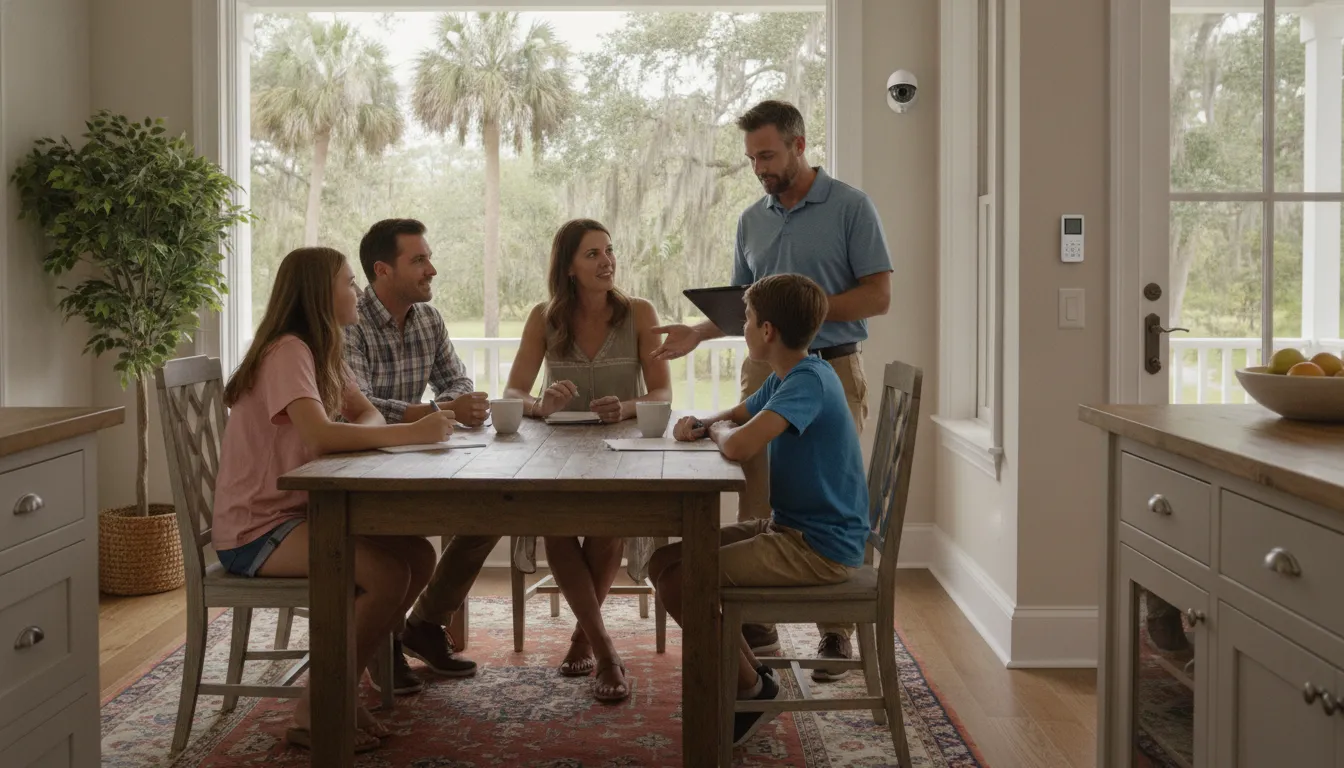
Start by counting every door and ground-floor window. These are the spots where a thief is most likely to try and get in. A basic kit often has two or three sensors, but most homes in the South need more. Make sure your list of parts matches the layout of your home before you buy.
Trusted firms will check your home layout before they suggest a clear plan. Adding cameras can also change your total price. You may want a doorbell camera to see who is at your front porch. Some people also add a floodlight camera for the back yard or driveway.
Life safety and fire tools
Security is about more than just locks and alarms. You should also think about fire and gas safety. Smoke alarms that tie into your system can save lives and money. Adding these sensors may raise your upfront price, but they give full peace of mind for your family.
You should also ask about backup power. If a storm hits and the power goes out, your system must still work. Many systems use a backup battery to stay on during a blackout. Ask if the battery is included or if you need to pay more to add it to your plan.
Monitoring plans and fees
The DIY versus professional home security guide includes both parts and monthly fees. Watching a home in South Carolina usually runs about $30 per month. Some big brands want you to sign a three-year deal with high fees if you leave. ADP Security Systems is different because we offer plans with no long-term contracts.
Also, look for ways to save on your monthly bill. Some firms give a discount if you pay for a full year at once. For example, paying for the whole year can save you about five dollars each month. Ask about any hidden fees for activation or service calls to keep your spending in line.
- Walk through your home to count all doors and windows that need a sensor.
- Decide if you want video cameras for the front porch, driveway, or back yard.
- Pick life-safety sensors like smoke, heat, and carbon monoxide detectors.
- Choose a monthly monitoring plan that fits your family’s daily routine.
- Check the contract terms to avoid long-term traps or high ending fees.
- Ask about local support and how fast the team responds to a call.
How to get better value from your security investment
Get better value by matching equipment to actual risks, using professional planning where helpful, and comparing flexible monitoring terms. The lowest home security system cost is not always the best value if the system leaves coverage gaps or goes unused.
Assess your actual security needs
The best way to save money is to buy only what you need. Do not pay for extra tools that do not help you. A good company will look at your home and its layout before they try to sell you a kit. This helps you find the right mix of door sensors, window sensors, and motion detectors. This step helps you avoid the cost of too many sensors or cameras.
You should also think about what you want to track. Some systems only look for intruders. Others can find fire, smoke, or water leaks. Buying a system that handles many tasks can be a better deal than buying separate tools later. Adding fire safety can even lead to long-term savings by stopping injuries. This kind of residential security options can save you money over time.
Choose professional help over DIY kits
DIY kits can seem like a way to keep your home security system cost low. They often have low setup fees. But these kits can have hidden gaps. If you do not set them up right, they might not work when a thief breaks in. A system is only useful if you use it the right way. A pro knows where to put each sensor so it catches an intruder fast.
Pros also check for things like back-up battery systems. These help the system keep running if the power goes out. A pro can also help you find the best spots for cameras. This means you might need fewer cameras to see the same area. Paying for an expert layout can lower your total bill. It also gives you peace of mind that your home is truly safe.
Look for flexible monitoring and tax savings
Monitoring is a big part of the long-term home security system cost. In South Carolina, most people pay about $27.95 to $45.00 per month for this service. You can get better value by looking for a company that does not use long-term contracts. This lets you change your plan if your needs change. Some firms even offer a few months of free service when you buy your tools.
You can also save by paying your bill once a year. This often comes with a small discount of about $5 per month. Also, keep in mind that South Carolina does not charge sales tax on monitoring fees. The South Carolina Department of Revenue states that these fees are not taxed like other goods. Knowing these rules can help you plan for the true guide to whether home security is worth it.
Frequently Asked Questions
These answers cover common questions about South Carolina monitoring fees, taxes, no-fee systems, and the lowest-cost ways to protect a home.
What is the average monthly cost of home security monitoring in South Carolina?
In South Carolina, the usual price for paid monitoring is about $29.56 per month. This fee normally stays between $27.51 and $31.61. Some local firms like ADP Security Systems offer plans from $27.95 to $45.00. These monthly costs keep your home under watch all day and night. Professional monitoring helps alert the right people fast during a break-in or fire.
Are home security monitoring services taxed in South Carolina?
Most monitoring fees in South Carolina do not have state sales tax. The South Carolina Department of Revenue says these fees are not for system access. You will still pay sales tax on items like sensors or cameras. Setup fees might also be taxed if they are not listed as a separate line on your bill.
Can I get a home security system with no monthly fees?
Yes, you can buy systems that do not need a monthly fee. These DIY kits allow you to watch your own home using a phone app. Groups like Eufy offer local storage on a card or home base. This path saves you money on monthly bills. Just keep in mind that you must handle all alerts yourself if an alarm goes off.
What is the cheapest way to secure my home?
The lowest cost path is to buy a basic DIY kit. These kits often start at about $130 for a starter set. You can also save by choosing self-monitoring to avoid monthly fees. Many firms offer lower rates if you pay for a full year of service at once. It also helps to look for bundle deals on sensors and cameras during holiday sales.
Get a home security quote built for your South Carolina home
A useful estimate starts with the property you want to protect, the coverage you need, and the level of support you prefer. ADP Security Systems can assess your home and recommend a right-sized professionally installed solution with 24/7 monitoring options.