Fall Detection Devices: A Complete Buyer’s Guide
May 7, 2026
Business Alarm Systems Pricing: A Full Breakdown
May 12, 2026
Let’s be honest. You’ve probably put off getting a security system because you think it’s too expensive, too complicated, or you’ll be stuck in a long, inflexible contract. While those concerns might have been true years ago, the industry has changed for the better. Modern home security is more accessible and user-friendly than you might realize. This guide cuts through the myths. We’ll give you the straight facts on costs, contracts, and technology so you can confidently evaluate different home security companies and make the right choice for your family.
Key Takeaways
- Look Beyond a Standard Package: The best security system is one designed for your unique home and lifestyle. Consider your property’s layout, your daily routines, and your budget to create a list of must-haves before you start comparing quotes.
- Know the Full Financial Picture: A system’s cost includes more than just the monthly fee; consider the upfront price for equipment, installation charges, and the length of the service contract to get a true understanding of your total investment.
- Prioritize People and Professionalism: Technology is only half the story, so investigate the company’s reputation, technician training, and monitoring center response times. A provider’s reliability during an emergency is what provides true peace of mind.
How Do I Find the Best Home Security Companies?
Choosing the right security company can feel like a big decision, but it doesn’t have to be complicated. The market is full of options, from huge national brands you see on TV to do-it-yourself kits and dedicated local experts. The best choice for your home in Greenville, Spartanburg, or Anderson really comes down to what you value most. Are you looking for white-glove professional installation where experts handle everything, or do you prefer a hands-on DIY project? Is a low monthly fee your top priority, or is having a local team you can call directly more important for your peace of mind?
Thinking through these questions is the first step. Some companies excel at providing cutting-edge smart home tech that integrates with your daily life, while others focus on delivering the fastest possible emergency response when an alarm is triggered. To help you sort through it all, let’s break down the main types of security providers you’ll encounter. We’ll look at the big national players, some popular DIY alternatives, and what a local South Carolina expert can bring to the table. This will give you a clear picture of your options and help you find the perfect fit for protecting your family and home.
Understanding Expert Reviews and Rankings
When you’re shopping for just about anything, you probably check the reviews. It’s no different with home security, but the stakes are obviously much higher. While individual customer comments can be useful, it’s even more helpful to see what professional testing sites have to say. These are the organizations that dedicate thousands of hours to putting systems through their paces in controlled, real-world conditions. They aren’t just unboxing a product; they’re living with it. They have a structured process for evaluating everything from equipment durability to the speed of emergency monitoring, giving you a much clearer picture of how a system will perform when you actually need it. Let’s look at what that testing process involves.
How Experts Test Security Systems
So, what does it mean when experts “test” a security system? It’s a lot more than just turning it on. For instance, the team at SafeHome.org conducted months of hands-on testing with dozens of different systems inside actual homes, not labs. They focus on the things that matter most to a homeowner. A huge part of their score is based on the equipment itself—is it well-made and reliable? They also test the professional monitoring, timing how quickly the system alerts the authorities during a simulated emergency. Finally, they analyze the true cost, factoring in equipment fees and contract terms, not just the monthly price. This comprehensive approach ensures their recommendations are based on real performance.
How Security Cameras Are Tested
When it comes to security cameras, the testing process gets even more interesting. To find out which cameras are truly effective, some experts go to incredible lengths. The research team at Security.org, for example, simulated more than 250 fake break-ins to see how well different cameras captured crucial evidence. Over thousands of hours, they evaluated the most important features for homeowners. They looked at video quality to see if you could actually identify a person’s face, tested special features like motion alerts and two-way audio, and compared video storage options. This kind of detailed, scenario-based testing helps you trust that the camera you choose will actually do its job in a worst-case scenario.
ADP Security Systems: Your Local SC Expert
When you want service that feels personal and accountable, a local provider is often the best path forward. As a South Carolina-based company, we specialize in designing security solutions specifically for homes and businesses right here in the Upstate. We aren’t just a voice on a national hotline; we’re your neighbors. Our team handles everything from the initial consultation and custom system design to professional installation and 24/7 monitoring. This integrated approach ensures every piece of your security ecosystem works together flawlessly, giving you true peace of mind without the runaround.
A Look at the Big National Brands
You’ve probably heard of the big national security companies. Brands like ADT and Vivint have been in the business for a long time and have a massive presence across the country. They are known for offering professional installation and have well-established monitoring networks. For instance, some studies show ADT has one of the fastest response times in the industry due to its extensive network of monitoring centers. These companies are often considered the top home security systems because of their brand recognition and long history, making them a default choice for many homeowners who are just starting their research.
ADT: The Industry Veteran
With 150 years in the business, ADT is one of the most recognized names in home security. They are known for their professionally installed systems and extensive network of monitoring centers, which contributes to their reputation for reliability. ADT offers systems that are designed to fit your specific needs, moving beyond one-size-fits-all packages. Their long-standing presence has made them a go-to for homeowners who value a traditional, full-service approach to security. While they are a national giant, their model focuses on providing a professional touch from installation to monitoring, which is why they are often called one of America’s most trustworthy names in the industry.
Vivint: The Smart Home Innovator
If you’re looking to integrate your security with a fully connected smart home, Vivint is a major player to consider. Their systems are built around the idea of proactive protection, aiming to prevent incidents rather than just recording them. Vivint combines security features like cameras and alarms with smart home automation, including energy management and smart locks. This approach is ideal for tech-savvy homeowners who want a single, streamlined system to control their entire home environment. Their focus on cutting-edge technology and seamless smart home integration sets them apart in the market.
SimpliSafe: The DIY Leader
For those who prefer a hands-on approach and want to avoid installation fees, SimpliSafe has become the leading do-it-yourself option. Their systems are known for being budget-friendly and incredibly easy to set up right out of the box. A key feature is their optional professional monitoring, which includes unique services like “Intruder Intervention,” where agents can speak directly to intruders through an outdoor camera. This makes SimpliSafe a strong choice for renters or homeowners who want effective, no-frills security without being locked into a long-term contract. It empowers you to install a system on your own terms and timeline.
Other Notable Brands
Beyond the big three, several other companies offer compelling features. Cove Security is often highlighted for its affordability and frequent sales, making it a great value-driven choice. Alder Security has built a reputation for some of the fastest response times in the industry, a critical factor for many families. If customization is your top priority, Frontpoint Home Security provides a high degree of personalization in its system packages. Finally, Brinks Home Security is known for offering flexible installation options, giving you a choice between DIY and professional setup. These brands show just how diverse the market is, reinforcing the need to find a provider that aligns with your specific priorities.
Exploring Other Regional and Local Providers
Beyond the major national chains, you’ll find a growing number of companies that focus on flexibility and affordability, particularly with DIY systems. Brands like SimpliSafe and Cove have become popular by putting control directly into the homeowner’s hands. They offer equipment that is easy to install yourself, often without needing any tools, and their monitoring plans are typically very straightforward and low-cost. This can be a great route if you’re on a budget or enjoy a hands-on approach. These systems often come with unique features designed to give you more control over how your home is protected.
What Features Should My Security System Have?
A modern security system is so much more than a noisy alarm. It’s a complete ecosystem designed to keep you safe and connected to your home. When you’re looking for the right system, it’s easy to get overwhelmed by all the options. Let’s break down the essential features that make a real difference, so you can feel confident you’re getting protection that truly fits your life. From the basic hardware to the smart tech that ties it all together, here’s what you should have on your checklist.
Your Essential Security Equipment Checklist
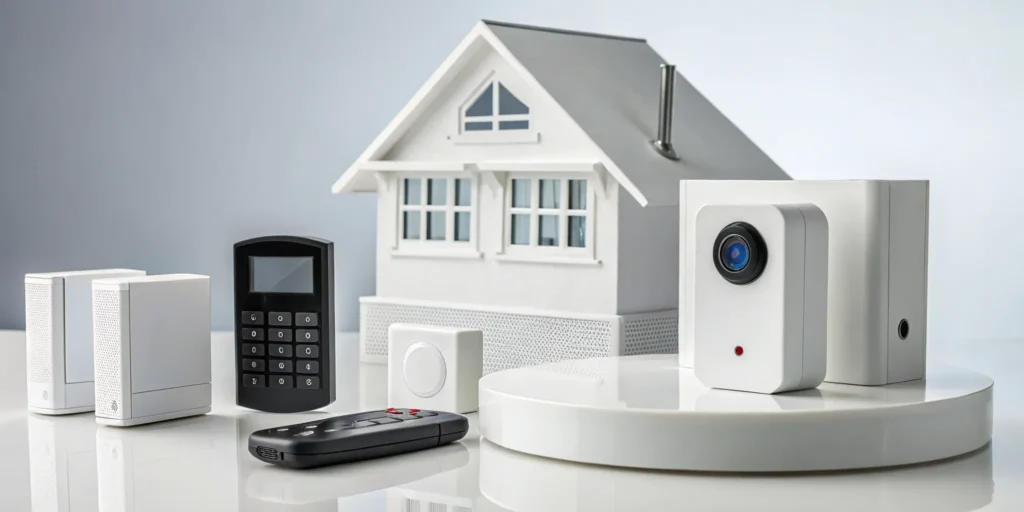
The foundation of any solid security system is its hardware. At a minimum, you’ll want door and window sensors to detect entry, motion detectors for key areas inside your home, and a central control panel to manage it all. But today’s best systems go a step further with advanced surveillance. High-definition security cameras for both indoors and outdoors, along with a video doorbell, act as your eyes and ears. They don’t just deter potential intruders; they give you a clear picture of what’s happening, whether you’re home or away. This visual verification is a cornerstone of modern home protection, giving you concrete evidence and greater peace of mind.
Advanced Sensor Technology
Beyond the basics, advanced sensors offer another layer of protection by detecting specific threats. Think of glass break sensors that listen for the exact sound frequency of shattering glass, providing an immediate alert even if an intruder doesn’t open a door or window. But true home safety goes beyond break-ins. Environmental sensors are crucial for protecting your family from silent dangers like smoke, fire, and carbon monoxide. You can even add flood detectors in basements or laundry rooms to prevent costly water damage. These specialized sensors transform your system from a simple burglar alarm into a comprehensive life safety solution, all monitored 24/7 by a team ready to dispatch help when you need it most.
Smart Home Integration
Your security system shouldn’t feel like a separate, clunky device. It should work seamlessly with the other technology in your home. That’s where smart home integration comes in. A great system will connect with platforms like Amazon Alexa or Google Assistant, allowing you to arm your system with a simple voice command. You can also create helpful routines, like having your smart lights turn on automatically if a sensor is tripped at night. This level of smart home automation doesn’t just add convenience; it makes your security more intuitive and responsive, turning your house into a truly connected and protected space.
Why 24/7 Professional Monitoring Matters
While technology is powerful, nothing replaces the value of having a human expert ready to help. That’s the promise of 24/7 professional monitoring. With this service, a trained team is always on standby at a secure monitoring center. If an alarm is triggered, they immediately assess the situation and contact you to verify the emergency. If you don’t respond or confirm there’s a problem, they dispatch the appropriate first responders, like the police or fire department, to your home. This is a critical feature that ensures a real-time response to any security breach, giving you and your family in the Upstate an essential layer of protection around the clock.
Stay in Control with a Mobile App and Remote Access
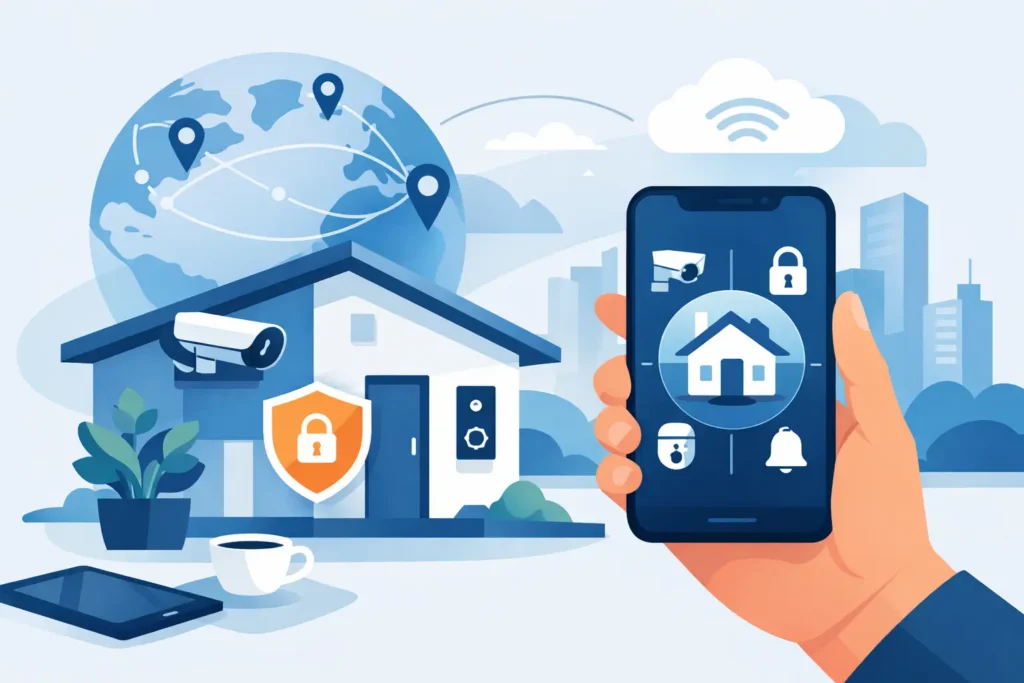
Life keeps you busy, and you can’t always be home. A user-friendly mobile app gives you complete control over your security system from anywhere. Whether you’re at the office in Greenville or on vacation, you should be able to arm or disarm your system, check live video feeds from your cameras, and receive instant alerts directly on your smartphone. This remote access is about more than just convenience. It’s about staying connected and aware. Did you forget to arm the system when you left? No problem. Want to check in on a pet or see when the kids get home from school? A good app makes it simple, putting peace of mind right in the palm of your hand.
Choosing the Right Security Cameras
Security cameras are one of the most powerful tools in your home protection toolkit. They act as a visible deterrent to potential intruders and give you the ability to see what’s happening at your property in real-time. But with so many different types, brands, and features on the market, picking the right ones can feel like a project in itself. The key is to focus on what will serve you best, whether that’s getting a clear view of your driveway in Anderson or checking in on your front porch in Greer. Let’s walk through the most important factors to consider so you can choose cameras that provide genuine security and peace of mind.
Key Camera Specifications to Look For
When you start comparing cameras, you’ll see a lot of technical terms. Don’t get bogged down; focus on the specs that actually impact performance. First is video quality. Look for a camera with at least 1080p resolution to ensure the picture is clear enough to identify faces or license plates. Good night vision is also non-negotiable. Some of the best security cameras now offer color night vision and High Dynamic Range (HDR), which helps balance out bright light and dark shadows for a clearer image. Beyond the picture, consider features like two-way audio, which lets you talk to a delivery person or warn off a stranger, and smart AI detection that can tell the difference between a person, a pet, and a passing car to reduce false alarms.
Wired vs. Wireless Cameras
One of the biggest decisions you’ll make is whether to go with wired or wireless cameras. Wireless cameras are popular because they are easy to set up and can be placed almost anywhere without drilling holes. However, they run on batteries that need to be recharged or replaced, which adds a bit of ongoing maintenance. Wired cameras, on the other hand, are powered through a cable, so you never have to worry about a dead battery. They offer a more stable and reliable connection but are more complex to install. For many homeowners, the thought of running wires through walls is daunting, which is where a professional installation from a local team like ours at ADP Security Systems can make all the difference, giving you the reliability of a wired system without any of the hassle.
Understanding Storage Options: Local vs. Cloud
Your cameras aren’t much good if you can’t review the footage they capture. You have two main options for storing video: local and cloud. Local storage means the video is saved on a physical device in your home, like a microSD card in the camera itself or a central digital video recorder (DVR). The main benefit here is that you own the storage and there are typically no monthly fees. Cloud storage saves your video clips to a secure online server. This usually requires a monthly subscription but allows you to access your footage from anywhere and ensures your recordings are safe even if a burglar steals or damages your camera. Many modern systems offer a hybrid approach, giving you the best of both worlds.
Top Camera Brands for Specific Needs
As you research, you’ll see that different brands are known for different strengths. For example, DIY-focused brands like Ring are known for battery-powered cameras with built-in lights, while SimpliSafe is often highlighted for its interactive monitoring features. Large national providers like ADT integrate high-end cameras, such as Google Nest Cams with facial recognition, into their professionally installed systems. While these brands offer great products, the best solution often comes from mixing and matching the right technology for your specific home. Working with an expert integrator like ADP Security Systems means you aren’t limited to one brand’s ecosystem. We can help you select the ideal cameras for your property and ensure they work together seamlessly as part of a complete, customized security plan.
How Much Does a Home Security System Cost?
Let’s talk about the bottom line. Understanding the cost of a home security system can feel tricky, but it really breaks down into three main parts: the initial price for the gear, the monthly fee for monitoring, and the terms of your agreement. Getting a clear picture of these costs from the start helps you find a solution that protects your home and your budget without any surprises. While prices vary, looking at some of the national brands can give you a general idea of what to expect as you start your search.
Breaking Down Upfront Equipment and Installation Costs
The first expense you’ll encounter is for the hardware itself. This includes your control panel, sensors, cameras, and any other devices you choose. For a basic setup, you can expect to pay a few hundred dollars. For example, some national brands offer starter equipment packages that begin around $250. If you’re looking for a more comprehensive system with full smart home features like smart locks and multiple cameras, the upfront cost can climb to $600 or more. Professional installation can sometimes be an additional fee, so it’s always a good idea to ask if that’s included in your equipment quote.
Factoring in Monthly Monitoring Fees
After the initial setup, you’ll have a recurring monthly fee for professional monitoring. This is what pays for the 24/7 team of experts who respond when an alarm is triggered. It’s the core service that ensures someone is always watching over your home. Looking at the big companies, you’ll find that most monitoring plans start at about $25 per month for basic protection. If you want to add video camera monitoring and storage, that fee can increase to around $50 per month. This fee is a critical part of your security investment, giving you peace of mind that a professional is ready to dispatch help to your Greenville home when you need it most.
Understanding Contracts and Financing Options
Finally, it’s important to understand the service agreement. Some companies are known for requiring long-term contracts, which can range from three to five years. This often allows you to finance the equipment over time, but it also means you’re locked into that service. Other providers offer more flexibility with no long-term contracts, letting you pay for the equipment upfront and then go month-to-month for monitoring. As a local South Carolina provider, we believe in transparent and fair terms, so be sure to ask any company you consider about contract length, cancellation policies, and what happens if you move.
Comparing Costs of Top National Brands
To give you a clearer idea of what to expect, it helps to look at the pricing structures of some of the most well-known companies in the security space. These national brands often set the standard for features and services, so understanding their costs can provide a useful benchmark. Keep in mind that these numbers are just a starting point, as the final price will always depend on the size of your home and the specific equipment you choose. This overview should give you a solid baseline for comparison as you evaluate your options and decide what level of investment feels right for you.
ADT Pricing and Contracts
As one of the oldest and most recognized names in the industry, ADT is known for its reliable professional monitoring and extensive service network. Their equipment packages generally start around $269. When it comes to monitoring, you can expect their basic plans to begin at about $24.99 per month. If you want to include security cameras in your system, that monthly fee typically increases to around $39.99. ADT is often seen as one of the best home security systems for those who prioritize brand history and want a professionally installed and managed experience from start to finish.
SimpliSafe Pricing and Contracts
SimpliSafe has made a name for itself by focusing on budget-friendly, DIY-friendly systems. This is a great route for homeowners who are comfortable setting up their own equipment and want to avoid long-term commitments. Their equipment packages are competitively priced, starting at about $250. What really sets them apart is their contract flexibility; they don’t require long-term monitoring agreements. Basic monitoring plans start around $22.99 per month, with more advanced features available on higher-tiered plans. This model is appealing if you value flexibility and want to control your upfront investment without being locked into a lengthy service agreement.
Vivint Pricing and Contracts
Vivint is a leader in the smart home security space, offering advanced technology and AI-powered cameras. This high-tech approach comes with a higher price tag, as their equipment packages often start at $599 or more. Basic monitoring plans begin at $24.99 per month, but if you want to support their advanced cameras, the cost can be closer to $50 per month. It’s also important to note that Vivint often requires a long-term contract, sometimes up to 60 months, unless you purchase all the equipment upfront. This is a significant commitment, so it’s a key factor to consider when weighing your options and deciding if the technology is worth the long-term agreement.
National vs. Local: What Are the Pros and Cons?
Choosing between a national giant and a local expert is one of the biggest decisions you’ll make when securing your home. Both have their advantages, but the right fit depends on what you value most: brand recognition or personalized attention. It’s helpful to weigh the pros and cons of each before you commit, so you can feel confident in your choice. Let’s break down what each type of company typically offers.
The Pros and Cons of National Chains
You’ve seen their logos on yard signs and their ads on TV. National security companies have been around for a long time, and that history builds a certain level of trust. Brands like ADT, for example, highlight their massive network of monitoring centers, which contributes to some of the fastest response times in the industry. With huge resources, they can offer 24/7 customer service lines and standardized equipment packages that have been tested on millions of homes.
The trade-off, however, often comes down to service. While these companies have large support teams, you may not get the same person twice or find someone who understands the specific needs of your neighborhood. Their approach is built for scale, which can sometimes feel impersonal and inflexible when you need a solution that’s tailored just for you.
Why a Local Provider Could Be Your Best Bet
If a one-size-fits-all system doesn’t feel right, a local provider is likely your best bet. Local security companies thrive on their community ties and reputation. We live and work in the same South Carolina communities you do, from Greenville to Anderson, so we have a firsthand understanding of the community and its unique security needs. This allows us to provide truly personalized service.
Instead of selling you a pre-made package, a local expert will assess your property and lifestyle to design a system that makes sense for you. We can address specific concerns, like securing a lake house in Clemson or setting up a medical alert for a parent in Simpsonville. This tailored approach ensures you get the protection you actually need without paying for features you don’t.
Should You DIY or Go with Professional Installation?
Another key decision is whether to install the system yourself or hire a professional. DIY systems from companies like SimpliSafe are popular because they often don’t require long-term contracts and seem easy to set up. You can order a box of sensors online and stick them to your walls in an afternoon. This can be a good option if you’re on a tight budget or renting.
However, professional installation provides peace of mind that your system is set up correctly from the start. An expert technician knows the optimal placement for motion detectors, cameras, and sensors to eliminate blind spots. They ensure every component communicates perfectly and can teach you how to use the system effectively. For a system you’re trusting to protect your family and home, expert setup is an investment in reliability.
How Can I Judge a Company’s Customer Service?
A security system’s technology is only one part of the equation. The other, more critical part, is the people behind it. When you need help, whether it’s for a false alarm at 2 a.m. or a question about your camera settings, you want fast, effective support. Judging a company’s customer service before you sign a contract is one of the most important steps you can take. After all, you won’t know how a company performs in an emergency until you’re in one.
Great service isn’t just about a friendly voice on the phone. It’s about expertise, reliability, and speed when it matters most. To get a clear picture of what you can expect, focus on three key areas: their definition of 24/7 support, the quality of their installation and technical help, and exactly what happens during a real emergency. Asking pointed questions about these topics will help you separate the companies that just sell equipment from the ones that provide true, around-the-clock protection.
Is 24/7 Support Really Available Around the Clock?
Many companies advertise 24/7 support, but what does that actually mean? For a security provider, it should mean that trained professionals are actively monitoring your system every second of every day. When an alarm goes off, you need a real person ready to assess the situation and contact emergency services, not an automated menu. This is the core of professional monitoring, and it’s what keeps your home safe whether you’re there or not.
Beyond emergency monitoring, consider what happens when you need technical help. If a sensor goes offline or you get locked out of your app, who can you call? Ask if their support team is in-house and local, or if calls are routed to a massive national center. A local team in South Carolina will have a better understanding of your area and can often provide more personal, consistent service.
Evaluating Installation Quality and Tech Support
A security system is only as reliable as its installation. Even the most advanced motion detector is useless if it’s installed in the wrong spot. While some people prefer a DIY approach to save on upfront costs, professional installation is often recommended to ensure every component is placed for optimal coverage and performance. A professional technician can identify vulnerabilities you might miss, make sure all devices communicate correctly, and show you how to use your new system with confidence.
When vetting a company, ask about their technicians. Are they full-time employees or third-party contractors? Do they have extensive training and background checks? A reputable company invests in its team, ensuring the person you let into your home is a true expert you can trust to get the job done right the first time.
What Happens During a Real Emergency?
This is the moment of truth for any security company. When an alarm is triggered, the clock starts ticking. The industry average for a monitoring center to respond to a signal is around 45 seconds, but faster is always better. A quick response can mean the difference of minutes in getting police or fire services to your door. Ask companies for their average response time and what their verification process looks like.
Many modern systems use video verification to confirm a threat. If a monitoring professional can see an intruder on camera, they can relay that information to dispatchers. As a result, police often treat the call with higher priority. This simple feature can dramatically improve response outcomes, so it’s a key detail to ask about when comparing the best home security systems.
Understanding Response Times
When you’re comparing companies, one of the most important questions to ask is about their response time. This isn’t just a technical detail; it’s the measure of how quickly a monitoring professional reacts when your alarm goes off. The industry average is about 45 seconds, but in an emergency, every single second matters. A faster response can mean police or fire services get to your door minutes sooner. This is also why video verification is such a critical feature. With it, a monitoring professional doesn’t just see an alert; they can actually see what’s happening on your cameras. If they can visually confirm a threat, like an intruder in your living room, they can tell dispatchers it’s a verified emergency. Police often treat these calls with higher priority, which can dramatically improve the outcome. It’s a feature that turns a simple alarm into an urgent, actionable report for first responders.
Don’t Fall for These Common Home Security Myths
Thinking about home security can bring up a lot of questions and, frankly, a lot of misinformation. It’s easy to put off protecting your home when you’re worried about high costs, confusing technology, or restrictive contracts. But many of these concerns are based on outdated ideas about the security industry.
Let’s clear the air and look at the reality behind some of the most common home security myths. Understanding the facts can help you make a confident and informed decision for your family’s safety here in South Carolina. You might be surprised to find that modern, professional security is more accessible than you think.
Myth #1: “It’s too expensive and complicated.”
One of the biggest hurdles for many homeowners is the belief that a quality security system is a luxury they can’t afford. The truth is, modern security has become much more accessible, with a wide range of options that can fit nearly any budget. From essential alarm monitoring to fully integrated smart home systems, you can choose the level of protection that works for you.
And what about complexity? Gone are the days of clunky, confusing keypads. Today’s systems are designed to be intuitive, with user-friendly apps you can manage right from your phone. Some of these myths can make home security seem more intimidating than it really is, but the reality is much simpler. A professional installer can get you set up and show you just how easy it is to use.
Myth #2: “I’ll be trapped in a long contract.”
The fear of being locked into a rigid, multi-year contract is a valid concern. No one wants to feel stuck with a service they’re unhappy with. While some national brands built their business on this model, the industry has changed significantly. Many providers, especially local companies, now offer much more flexibility to earn your business every month.
It’s a common belief that you have to sign a contract to get professional monitoring, but that’s not always the case. You can often find month-to-month plans or straightforward financing that doesn’t tie you down. The most important thing is having a system that makes your home a less attractive target. The right company will provide that peace of mind without the pressure of an ironclad agreement.
Myth #3: “All security systems do the same thing.”
It’s easy to think that a security system is just a security system. A door sensor is a door sensor, right? Not exactly. While the basic components might seem similar, the quality of the equipment, the reliability of the monitoring, and the features offered can vary dramatically. A basic DIY kit from a big-box store simply won’t offer the same robust protection as a professionally installed and monitored system.
Some systems are designed purely for intrusion, while others integrate fire, carbon monoxide, and flood detection. It’s important to educate yourself about your options to find a solution that truly fits your family’s needs. That’s why we design custom systems for our neighbors in the Upstate, ensuring you get exactly the protection you need.
What’s New in Home Security?
Home security technology is moving faster than ever, and it’s about much more than a simple alarm and a keypad by the door. The latest advancements are designed to make your life easier and your home safer in ways that feel intuitive, not complicated. These aren’t just futuristic gadgets; they are practical tools that provide real peace of mind, whether you’re at work in Greenville or on vacation. Modern systems are becoming smarter, more connected, and more aware of their surroundings, giving you a level of control and awareness that wasn’t possible just a few years ago.
The biggest changes are happening in three key areas. First, video cameras are getting a major intelligence upgrade, learning to tell the difference between a real threat and a false alarm. This means fewer interruptions and more meaningful alerts. Second, your security system is becoming the central hub for your entire smart home, connecting everything from your locks to your lights for seamless automation. Finally, the definition of “safety” is expanding beyond intrusion to include protection from environmental dangers like fire and carbon monoxide, offering a complete safety net for your home. Let’s look at what these trends mean for you and your family’s protection.
Smarter Video: How AI Verification Reduces False Alarms
We’ve all seen video doorbells, but the newest cameras are truly intelligent. Instead of just recording motion, they use artificial intelligence (AI) to understand what they’re seeing. This is a game-changer. A system with AI verification can distinguish between a person, a pet, and a passing car, which dramatically reduces the number of pointless notifications you receive. Some can even learn to recognize familiar faces, so you know when it’s a family member at the door versus a delivery driver.
This intelligence makes your security far more effective. A facial recognition security camera can send you a specific alert, like “Package detected” or “Unfamiliar person at the front door,” giving you useful information instantly. It means you pay attention when an alert comes through because you know it’s something that actually matters.
Creating a More Connected and Secure Smart Home
Your security system is no longer a standalone device. It’s now the brain of your connected home, working in sync with all your other smart devices. This smart home integration creates routines that simplify your life while strengthening your security. For example, when you arm your system as you leave for the day, your smart thermostat can automatically adjust to an energy-saving temperature, your doors can lock themselves, and your lights can turn off.
This seamless connection gives you complete control from anywhere. From a single app on your phone, you can check if you closed the garage door, let a neighbor in to water your plants, or turn on a few lights before you get home. It’s about making your home work for you, creating a secure and responsive environment that fits your lifestyle.
Protecting Your Privacy and Environment
True home security is about protecting your family from every kind of threat, not just break-ins. That’s why modern systems now include comprehensive environmental monitoring. Integrated sensors can detect smoke, heat, and carbon monoxide, which is an odorless, invisible gas that can be deadly. These aren’t like the battery-powered detectors you buy at the store; they are connected directly to your 24/7 monitoring center.
If a sensor is triggered, a professional is immediately alerted and can dispatch emergency services, even if you’re away or unable to call for help. This is especially critical for protecting children, seniors, and pets. As systems become more connected, it’s also important to work with a company you trust to protect your data privacy and keep your personal information secure.
Your Checklist for Choosing the Right Security Company
With a few companies in mind, how do you make the final call? Choosing the right security partner is a big decision, but it doesn’t have to be overwhelming. It really comes down to asking the right questions and matching a company’s services to your specific needs. Let’s walk through the three most important areas to look at so you can feel confident you’re picking the perfect provider for your home.
First, Assess Your Home’s Unique Needs
First, let’s focus on you. Every home is different, so a one-size-fits-all system rarely works. Before talking to any company, think about what you truly need. Do you prefer professional installation or a DIY setup? What’s your budget for equipment and monthly monitoring? Consider your home’s layout. Do you need sensors on all first-floor windows or just key entry points? Making a list of your must-have equipment and budget gives you a clear starting point and helps you compare different home security systems fairly. This simple step ensures you only pay for the protection you actually need.
Next, Check Their Reputation and Licensing
Next, look closely at the companies themselves. A provider’s reputation is everything. You’re trusting them with your family’s safety, so find a company known for professionalism and reliability. Check online reviews and ask for local references. In South Carolina, security companies must be properly licensed, so don’t hesitate to ask for their credentials. A trustworthy provider will be transparent about their experience and certifications. This is a key step in evaluating a security service provider and ensuring you’re working with qualified experts who are accountable to state standards.
Finally, Ask How Their Monitoring Center Works
This detail is easy to overlook but critical in an emergency. When an alarm goes off, how quickly does the monitoring center respond? Experts say a fast response is crucial, with the best centers acting in under 30 seconds. This speed gets help to you quickly while also giving you a moment to cancel a false alarm before police are dispatched. Ask companies about their average response time and where their monitoring center is located. A U.S.-based, company-owned center often provides more consistent service than an outsourced one. Knowing a real person is ready to respond quickly provides true peace of mind.
How Can I Save Money on Home Security?
Feeling secure in your home is a priority, but it shouldn’t come at a cost that makes you feel financially insecure. The good news is that there are plenty of practical ways to get a top-tier security system without overspending. It’s all about knowing what to look for and asking the right questions. From seasonal deals to smart service bundles, let’s walk through a few key strategies to make home security more affordable for your South Carolina home.
Ask About New Customer and Seasonal Promotions
One of the easiest ways to save is by keeping an eye out for promotions. Many security companies run special offers for new customers or during certain times of the year. You might see national brands advertising significant discounts on equipment when you sign up for a monitoring plan. Some companies even offer unique value, like SimpliSafe’s promise to help cover your insurance deductible if a burglary occurs on their watch. When you’re getting quotes, always ask if there are any current promotions for new customers. As a local provider, we often have special offers tailored for our neighbors right here in the Upstate.
Bundle Services to Maximize Your Savings
Bundling is another fantastic way to get more value from your security system. This means combining your core security services (like intrusion detection and monitoring) with other smart home features. For example, many modern systems can integrate with smart thermostats, video doorbells, and smart locks. National companies like ADT often promote their compatibility with popular smart devices. By bundling these services through one provider, you can often simplify installation and management while potentially unlocking a better price than you would by purchasing each component separately. It creates a single, seamless system that makes your home safer and smarter.
Look for Flexible Payment and Contract Options
Understanding contracts and payment plans is crucial for managing your budget. The industry generally offers two paths. Some companies are known for their no-contract monitoring plans, which give you the flexibility to start or stop your service as needed. This is a great option if you’re renting or prefer not to be tied down. Other companies offer a contract, typically for 36 months, in exchange for lower upfront equipment costs or free professional installation. The right choice depends entirely on your financial comfort level and long-term plans. The most important thing is to partner with a company that is transparent about all costs and helps you find a plan that fits your needs.
Why Choose a Local Expert for Your South Carolina Home?
When you start looking for a security system, you’ll see plenty of ads from big, national companies. They have massive marketing budgets and a one-size-fits-all approach. But when it comes to protecting your home and family here in South Carolina, a local expert offers something a national chain just can’t: a genuine, neighborly connection. Choosing a local provider means you’re not just another account number. You’re working with a team that lives in the same communities, understands the specific needs of the Upstate, and is personally invested in keeping our area safe. From transparent pricing to support from technicians you can trust, the benefits of going local are clear.
Local Expertise That Only Comes from Living Here
Effective home security is about more than just alarms; it’s about making your home a less attractive target for opportunistic crime. A company based hundreds of miles away won’t understand the nuances of your neighborhood in Greer or Simpsonville the way a local team does. We live here, too. We know the area, we follow local news, and we understand the specific security concerns that are unique to the Upstate. This firsthand knowledge allows us to recommend and design a system that provides practical, effective protection for your home, not just a generic package of equipment. We’re your neighbors, and our top priority is the safety of our shared community.
Transparent Protection Without Surprise Fees
It’s a common myth that a quality security system is a luxury you can’t afford. The truth is, security systems range dramatically in price, and a local expert can help you find a solution that fits your budget without sacrificing protection. Unlike national brands that often push expensive, inflexible packages with hidden fees, we believe in transparent pricing. We’ll sit down with you, listen to your needs, and design a custom system that makes sense for your family and your home. Our goal is to provide total peace of mind, and that includes feeling confident that you’re getting exactly what you need at a fair price, with no surprises on your bill.
Installation and Support from a Team You Can Trust
When you let someone into your home to install a security system, you need to know they are trustworthy and professional. When you evaluate a security service provider, reputation and experience are everything. As a local company, our reputation in the Greenville, Spartanburg, and Anderson communities is our most valuable asset. Our technicians are our employees, not third-party contractors. They are highly trained, background-checked members of your community. If you ever need support, you’ll be talking to our local team, not a call center on the other side of the country. We’re here to build a lasting relationship and provide support you can count on for years to come.
Related Articles
- Best Home Security Camera System South Carolina Guide
- Smart Home Alarm Installation Greenville SC: What to Know
- Blog – ADP Security
Frequently Asked Questions
Why should I pay for professional installation if I can just do it myself? I completely understand the appeal of a DIY project. But when it comes to security, professional installation is about more than just convenience. An expert technician knows exactly where to place sensors and cameras to eliminate blind spots and ensure maximum coverage. They make sure every component communicates flawlessly and that the system is set up correctly from the start, which is a huge factor in its reliability. Think of it as an investment in knowing your system will work exactly as it should during an emergency.
Is 24/7 professional monitoring really necessary, or can I just use cameras and an app? This is a great question because it gets to the heart of what a security system does. A system with only an app alerts you when something happens, which is helpful if you’re able to respond immediately. Professional monitoring alerts a team of trained experts who are ready to dispatch police or firefighters on your behalf. It’s the difference between knowing there’s a problem and having a professional actively getting you help, especially when you can’t get to your phone or are away from home.
All the new tech like AI cameras sounds complicated. Do I really need all those advanced features? It’s easy to think more tech means more complications, but in this case, it’s the opposite. Smart features like AI verification actually make your life simpler. For example, an intelligent camera can tell the difference between a person and a stray cat, so you aren’t bothered by constant false alarms. These advancements are designed to give you more meaningful information and less noise, making your security system more intuitive and effective, not harder to use.
Will a security system save me money on my homeowner’s insurance? Yes, in most cases it will. Many insurance providers offer a significant discount, sometimes up to 20 percent, for homes with professionally installed and monitored security systems. They do this because a monitored system is proven to reduce the risk of burglary and minimize damage from things like fire. It’s a good idea to call your insurance agent to ask about the specific discount they offer, as it can help offset the monthly monitoring cost.
What’s the single biggest advantage of choosing a local company over a well-known national brand? If I had to pick just one, it would be accountability. A local company’s reputation is built right here in the communities we serve, like Greenville and Spartanburg. We’re your neighbors, and our success depends entirely on your satisfaction. When you call for support, you’re talking to someone who understands the area. This personal connection ensures you get service that is tailored to your needs, not a generic solution from a national call center.