How to Find the Best Commercial Fire Alarm Monitoring Companies
May 19, 2026
The 6 Best Fall Detection Bracelets for Seniors
May 21, 2026
Let’s be honest: the idea of getting a security system can bring up some concerns. You might worry about false alarms, getting locked into a long contract, or whether the monthly fee is just another bill to pay. To truly answer the question “are home security systems worth it,” you have to look at the complete picture, including the potential downsides. This guide isn’t a sales pitch; it’s a straightforward look at what you can expect. We’ll discuss common issues, how to avoid them, and the crucial differences between a big national company and a local South Carolina partner who understands your community. Our goal is to give you the information you need to choose with confidence.
Key Takeaways
- Modern Security is Multi-Layered: A comprehensive system protects you from more than just break-ins; it integrates door sensors, cameras, and professionally monitored life safety devices like smoke detectors to create a complete safety net for your home.
- Deterrence is a Financial Win: A security system is a powerful visual deterrent that encourages burglars to skip your house. This proactive protection helps you avoid the high cost of a break-in and may also qualify you for a discount on your homeowner’s insurance.
- Professional Monitoring Provides Guaranteed Help: While self-monitoring puts the responsibility on you, a 24/7 professional service ensures a trained team is always on standby to verify alarms and dispatch emergency services, even if you are unavailable.
What’s Really in a Home Security System?
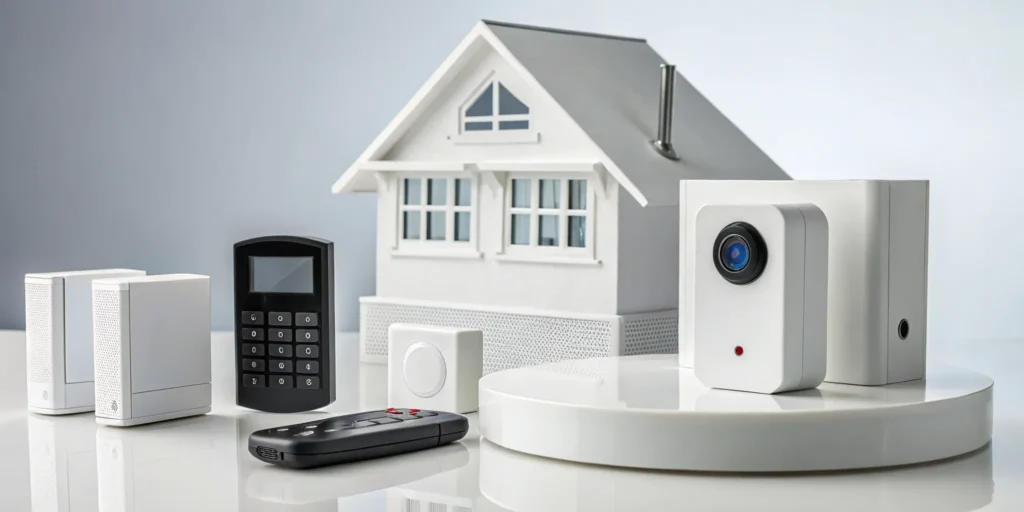
When you think of a home security system, you might picture a blaring alarm and a keypad by the door. While that’s part of it, a modern system is much more. It’s a complete ecosystem of smart devices designed to protect your home from multiple angles, from break-ins to fires. Think of it as a team of digital lookouts, all reporting back to a central hub. Most of today’s systems are wireless, using your home’s Wi-Fi to connect everything seamlessly.
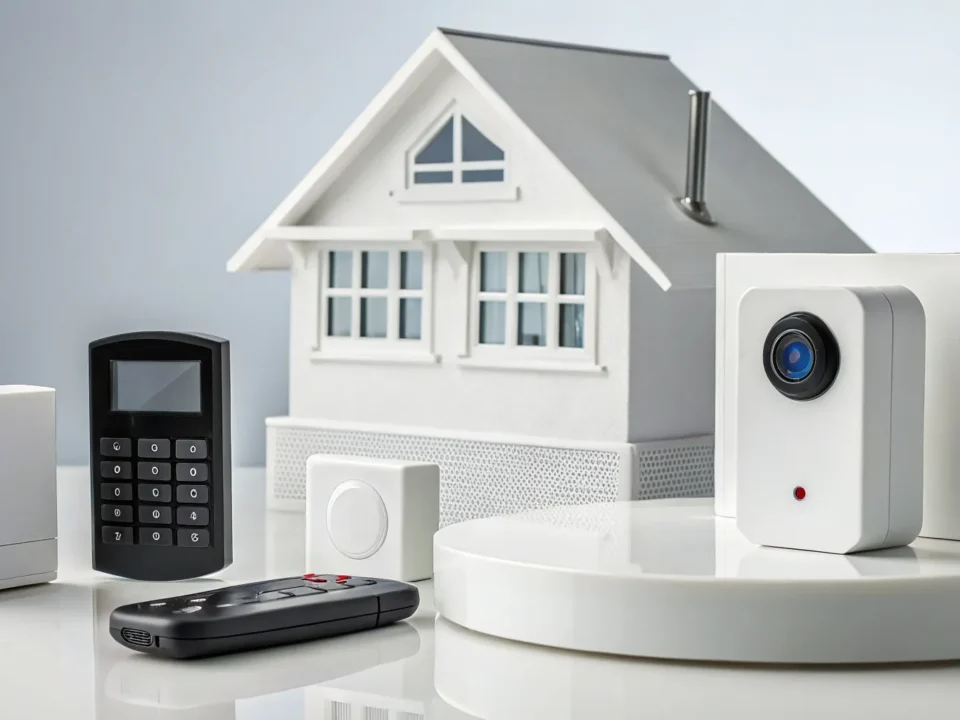
The exact mix of components can be tailored to your home and lifestyle, whether you live in a quiet Simpsonville neighborhood or a bustling area of Greenville. A typical setup includes a main control panel, sensors for your doors and windows, motion detectors, and security cameras. But it doesn’t stop there. A truly comprehensive system also includes life safety devices, like smoke and carbon monoxide detectors, that are monitored 24/7. Let’s break down what each part does.
The Brains: Control Panels and Keypads
Every security system has a central command center, which is usually a touchscreen control panel or keypad. This is the brain of the entire operation. It’s the communication hub that connects all the sensors, cameras, and detectors in your home into one network. When a sensor is triggered, it sends a signal to the control panel. The panel then sounds the alarm and, if you have professional monitoring, instantly sends an alert to the monitoring center. This hub is what turns a collection of individual gadgets into a cohesive, powerful security solution for your home.
Your First Line of Defense: Door and Window Sensors
These simple devices are the unsung heroes of home security. They create an invisible perimeter around your property. Each sensor consists of two parts: one for the door or window itself and one for the frame. When the door or window is closed, the two parts are connected, forming a closed circuit. If a burglar opens it, the connection breaks, and the sensor instantly tells the control panel to sound the alarm. Placing these on ground-floor entry points is one of the most effective ways to secure your home’s perimeter and stop an intruder before they even get inside.
Eyes and Ears: Motion Sensors and Cameras
While door and window sensors protect the perimeter, motion sensors and cameras guard the interior and exterior of your home. Motion sensors use technology like infrared to detect movement within a specific area, providing another layer of protection if someone manages to get past the initial defenses. Security cameras, including popular doorbell cameras, act as your eyes. They not only record what’s happening but also serve as a powerful visual deterrent. Studies and police interviews confirm that visible security items can make criminals think twice before targeting a property, encouraging them to move on to an easier target.
Life Safety: Smoke and CO Detectors
A great security system protects you from more than just break-ins. Integrated smoke and carbon monoxide (CO) detectors are essential for complete home safety. Unlike the battery-operated detectors you buy at the store, these are connected to your security system. If they detect smoke or dangerous CO levels, they don’t just make a noise. They trigger an immediate alert to your monitoring center, which can dispatch the fire department to your home, even if you’re away or unable to call for help yourself. This is a critical feature that provides true peace of mind.
Smart Control: Home Integration and Remote Access
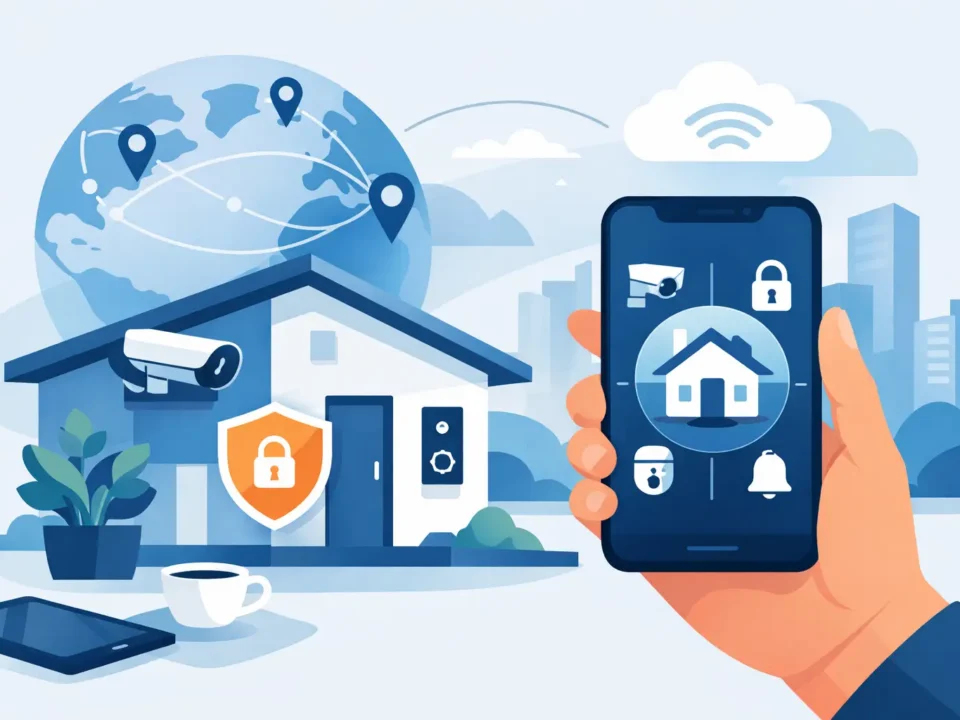
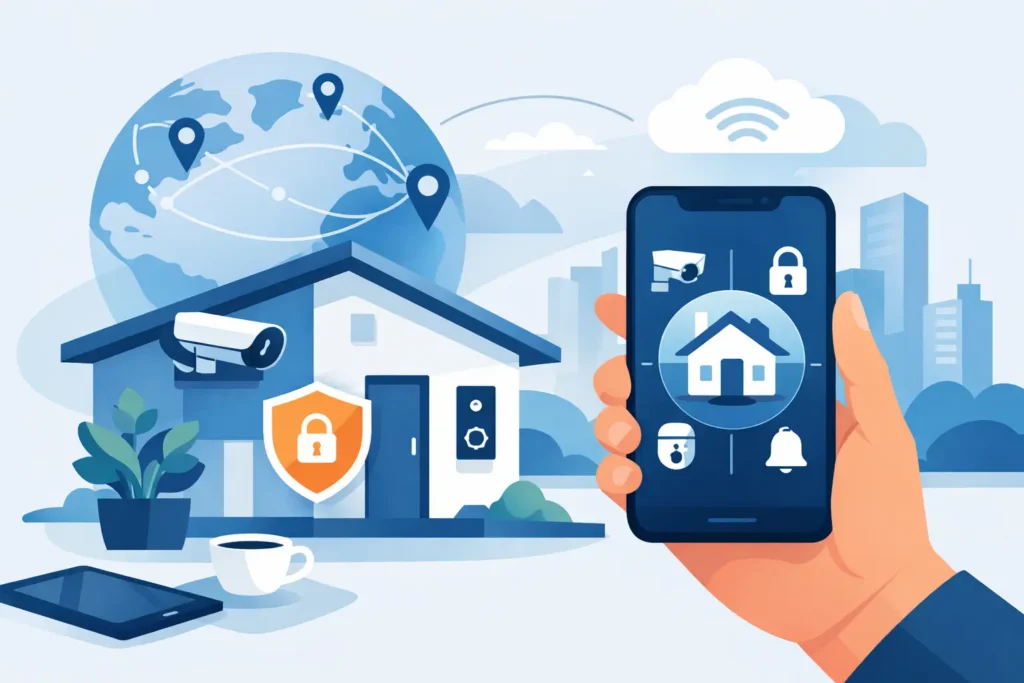
This is where modern security systems really shine. With smart home integration, your security system becomes a central part of your daily life. Using a simple app on your phone, you can have complete control over your home from anywhere. Forgot to arm the system when you left for work? Do it from your desk. Want to check on a package delivery? Pull up a live feed from your doorbell camera. You can even check cameras, lock doors, and adjust your thermostat remotely. It’s about combining security with convenience, keeping you connected and in control.
Do Security Systems Actually Deter Crime?
It’s the number one question on everyone’s mind, and I’m happy to report that the answer is a clear yes. While no system can promise to stop every possible threat, a security system is one of the most effective tools you can have to protect your home. It works on two simple but powerful principles: making your home a less attractive target and ensuring a fast response if something does happen. For a potential intruder, time is the enemy. Anything that makes a break-in more difficult, more conspicuous, or more time-consuming is a huge deterrent. It’s all about shifting the odds so decisively in your favor that a criminal decides your home just isn’t worth the risk.
Think of it from their perspective. They are looking for the easiest target with the lowest chance of getting caught. A house with cameras, sensors, and a monitoring sign is the opposite of that. It signals that an attempt will be loud, it will be recorded, and help will be on the way quickly. This creates a powerful psychological barrier before anyone even touches your door. The goal isn’t just to catch a burglar, but to convince them to walk away in the first place. This proactive approach to safety is what makes a professionally installed and monitored system such a valuable investment for any homeowner in South Carolina, giving you confidence that your property is actively being protected.
What the Data Shows About Burglary
Let’s talk numbers for a moment, because they tell a powerful story. Compelling research from the University of North Carolina at Charlotte found that homes without security systems are up to 300% more likely to be burglarized. The study also revealed that about 80% of convicted burglars admitted they would first try to determine if a home had an alarm system before attempting a break-in. If they found one, the majority said they would move on to an easier target. This isn’t just about a feeling of safety; it’s a statistically proven advantage that makes your home a far less appealing option for criminals.
The Simple Power of a Yard Sign
It might seem too simple to be true, but never underestimate the power of a visual warning. That small sign in your yard and the stickers on your windows are your first line of defense. Burglars are often opportunistic, looking for the path of least resistance. A home with visible security measures signals that it is a hard target, one that comes with a high risk of being caught. This simple visual cue is a well-known deterrent that encourages them to skip your house and look for an easier one down the street. Even if an intruder is bold enough to try, the immediate sound of an alarm often sends them running before they can grab anything of value.
Staying Connected with Real-Time Alerts
Deterrence is key, but a modern security system does so much more than just scare off potential intruders. It keeps you connected and ensures a rapid response when you need it most. If a sensor is triggered, you’ll get an instant alert on your phone. More importantly, if you have professional monitoring, a signal is sent to a 24/7 command center where trained experts are ready to act. They can verify the alarm and dispatch police, fire, or medical services to your home immediately. This is crucial whether you’re away on vacation in Myrtle Beach or just asleep in bed. This constant watchfulness provides true peace of mind, knowing that a dedicated team is always standing by to protect your home and family.
Can a Security System Save You Money?
When you think about getting a security system, peace of mind is probably the first thing that comes to mind. But what about your wallet? A professionally monitored security system is an investment in your family’s safety, and it’s also a smart financial decision that can pay for itself in several ways. From lowering your monthly bills to protecting you from major unexpected costs, let’s look at the real financial benefits of securing your home.
Lowering Your Homeowner’s Insurance Bill
One of the most immediate financial perks of installing a security system is the discount you can get on your homeowner’s insurance. Most insurance companies offer a significant price break because a monitored system makes your home a lower risk for them. Think about it: with sensors and 24/7 monitoring, you’re less likely to experience a devastating break-in or have a small fire turn into a total loss. According to some reports, installing an alarm system can lower your homeowners’ insurance premiums by as much as 15%. It’s a simple call to your insurance agent to see what kind of discount they offer for homes with professionally monitored security and fire protection.
Weighing the Cost of a Break-In vs. Protection
No one wants to think about a burglary, but it’s important to consider the financial reality. The cost of a break-in goes far beyond what’s stolen. You also have to account for repairing broken doors or windows and replacing personal items that may be irreplaceable. Statistics show the average burglary costs victims around $2,661, not to mention the emotional distress it causes. When you compare that sudden, stressful expense to the predictable monthly fee for a security monitoring service, the value becomes clear. A security system helps you proactively protect your assets instead of reactively dealing with a significant financial and emotional setback.
Adding Real Value to Your Property
A modern security system does more than just protect your home; it can actually increase its market value. In today’s housing market, features that add convenience and security are major selling points. A professionally installed and integrated system with smart home features like remote-controlled locks, lights, and thermostats is a huge draw for potential buyers. It shows that the home is well-maintained and up-to-date. Home security systems are a smart choice for homeowners because they signal safety and modern living. When it comes time to sell your home in a competitive area like Greenville or Spartanburg, having a quality security system already in place can make your property stand out.
Understanding the True Cost of a Security System
When you think about getting a security system, the price tag is often the first thing that comes to mind. But the total cost isn’t just one number. It’s a combination of the initial equipment, any installation fees, and the ongoing monitoring service. Breaking down these costs helps you see exactly what you’re paying for and find a solution that fits your budget without compromising on safety. Let’s walk through the different parts of the investment so you can feel confident in your decision.
Upfront Equipment and Installation
Your initial investment covers the physical hardware that makes up your security system. This includes the control panel, door and window sensors, motion detectors, and any cameras or smart home devices you choose. The price can vary quite a bit depending on the brand and the features you select. It’s tempting to go for the lowest price, but it’s smarter to look for good value. A reliable system that meets your specific needs is a much better investment than a basic kit that leaves you with security gaps.
You also have to consider installation. While some people choose to install systems themselves to save money, a professional installation ensures everything is set up correctly and optimized for your home’s layout. A pro can spot vulnerabilities you might miss and make sure every component communicates perfectly. This initial setup is the foundation of your home’s protection, so getting it right from the start is key.
Monthly Monitoring and Service Agreements
After the initial setup, the main recurring cost is the monthly monitoring fee. This fee pays for a team of trained professionals to watch over your home 24/7. If a sensor is triggered, they are the ones who verify the alarm and dispatch police, fire, or medical services on your behalf. This service is what truly provides peace of mind, especially when you’re away, asleep, or unable to respond to an alert yourself.
Some systems offer a self-monitoring option where alerts go directly to your phone. While this avoids a monthly fee, it also means you are solely responsible for contacting the authorities in an emergency. Professional monitoring plans ensure a rapid, expert response is always on standby. The monthly cost covers this constant vigilance, cellular backup in case your internet goes down, and the infrastructure needed to keep you protected.
Clearing Up Common Cost Myths
It’s easy to think of a security system as just another monthly bill, but it can actually be an investment that pays off. One of the biggest perks is a potential discount on your homeowner’s insurance. Many insurance providers offer reduced premiums for homes with professionally monitored security systems because they are statistically less likely to be burglarized and suffer major losses. Be sure to call your insurance agent and ask what kind of discount you could get.
Another myth is that any system is better than no system. While that’s true to an extent, a cheap, unreliable system can cause more headaches than it solves. Constant false alarms can be frustrating and may even lead to fines from your local police department. Investing in quality equipment and professional monitoring from the start ensures your system works when you need it most, providing real security instead of just a false sense of it.
What Are the Potential Downsides to Consider?
A security system is a significant investment in your peace of mind, but it’s smart to go in with your eyes wide open. Like any technology, there are potential drawbacks to think about before you commit. From the annoyance of false alarms to the fine print in a service agreement, being aware of these issues ahead of time helps you choose the right system and partner. Let’s walk through some of the most common concerns so you can feel confident in your decision and know exactly what to expect.
How to Handle and Minimize False Alarms
Nothing will make you question your security system faster than it going off for no reason in the middle of the night. False alarms are a genuine concern, not just because they’re disruptive, but because they can lead to fines in some communities. In many areas, police response to alarms can be slow precisely because a high percentage of them are false.
The best way to prevent this is with proper setup and quality equipment. Many issues stem from improperly installed or managed systems, like a motion sensor placed too close to a heating vent or a door sensor that isn’t perfectly aligned. Working with a professional installer who understands how to position sensors correctly for your home’s layout, and even account for pets, makes a world of difference.
Understanding Your Service Contract
When you start shopping for security systems, you’ll quickly notice that the conversation involves more than just equipment costs. If you opt for professional monitoring, there will be a monthly service fee. Some people feel that large, national companies often come with expensive and inflexible contracts. It’s crucial to read any agreement carefully and ask questions.
Find out the length of the contract, what happens if you move, and exactly what the monthly fee covers. While these fees are an ongoing expense, remember what you’re paying for: a team of professionals ready to respond to an emergency 24/7. For many homeowners, that peace of mind is well worth the investment, but you should always choose a plan and a provider that feels right for your budget.
The Limits of Self-Monitored Systems
To avoid monthly fees, some homeowners choose self-monitored systems. With this setup, if a sensor is triggered, you get an alert on your phone, and it’s entirely up to you to decide what to do next. You are responsible for assessing the situation and calling the police if needed. This can be a good option if your primary goal is simply to keep an eye on things while you’re away.
However, this approach has its limits. What if an alarm goes off while you’re on a flight, in an important meeting, or sleeping? The responsibility to respond always falls on you. While some people believe they can get a faster police response by calling themselves, a professional monitoring center has a direct line to emergency dispatchers, ensuring a verified alarm gets the attention it needs without delay.
DIY vs. Professional Monitoring: Which Is Right for You?
One of the biggest decisions you’ll make when getting a security system is choosing how it’s monitored. This choice boils down to who responds when an alarm is triggered: you or a dedicated team of professionals. There’s no single right answer, as the best fit depends entirely on your budget, your lifestyle, and what gives you the most genuine peace of mind. Let’s walk through what each option looks like so you can feel confident in your decision.
The DIY Approach: You’re in Charge
With a self-monitored system, you are the command center. When a sensor is tripped, you get an alert sent directly to your phone. From there, it’s up to you to assess the situation, maybe by checking a camera feed, and decide whether to call for help. The main appeal of this self-monitored approach is avoiding monthly fees. However, this requires you to be available and ready to act 24/7. If you’re in a meeting, on a flight, or even just in an area with bad cell service, you could miss a critical alert. You are fully responsible for making that emergency call when seconds count.
The Professional Approach: A Team on Standby
Opting for professional monitoring means you have a team of experts watching over your home around the clock. When an alarm goes off, it sends a signal to a central monitoring station. A trained agent will then quickly attempt to verify the alarm with you and, if necessary, dispatch the appropriate emergency services to your Greenville home. This service covers everything from break-ins to fires and medical alerts. While it involves a monthly fee, you’re paying for the assurance that someone is always ready to respond, whether you’re home, at work, or on vacation. This is what 24/7 professional monitoring is all about: constant, reliable protection.
Choosing Based on Your Lifestyle and Needs
So, how do you choose? Start by honestly assessing your daily life. If you’re confident you can always receive and respond to an alert immediately, DIY might work for you. But if you travel often, have a demanding job, or simply want the assurance that an expert is always on standby, professional monitoring is likely the better choice. Think about what you’re truly protecting. For many South Carolina families, the decision to invest in a home security system is about more than just property; it’s about safeguarding loved ones and creating a true sense of security. Your choice should reflect that personal value.
Key Features to Look For in a Security System
Once you decide a security system is a good fit for your home, the next step is sorting through the options. Not all systems are created equal, and the right features can make all the difference. Focusing on a few key areas will help you choose a system that protects your family, fits your lifestyle, and gives you genuine peace of mind.
Smart Home Compatibility and Room to Grow
Your security system shouldn’t feel like a separate piece of tech. The best systems integrate smoothly into your daily life, allowing you to control everything from a single app. Imagine checking cameras or locking doors from anywhere. A great system also has room to grow. You might start with basic sensors but later add a video doorbell. Choosing a flexible platform ensures your investment continues to meet your needs. This ability to pair your security system with other smart products creates a truly connected and convenient home.
Reliable 24/7 Monitoring and Fast Response
A security system’s most important job is to get you help when you need it. That’s where professional monitoring comes in. This service means trained experts watch over your home around the clock. If an alarm is triggered, they are instantly notified and can dispatch police, fire, or medical services on your behalf. This is critical if you’re away or unable to call for help yourself. While self-monitored systems put the responsibility on you, 24/7 professional monitoring means a dedicated team is ready to respond in any emergency, ensuring help arrives quickly.
The Difference Between Local and National Providers
When choosing a provider, you’ll find two options: large, national corporations and smaller, local companies. National brands are well-known but often use standardized packages and rigid contracts. A local provider offers a more personalized touch. They live and work in your community and understand the area. You’re more likely to get a system designed just for you, installed by familiar faces. Many homeowners find that local companies offer flexible terms and direct customer support, making the experience feel more personal and accountable.
The Advantage of a Local South Carolina Security Partner
When you’re choosing a security system, you’ll see plenty of ads for big, national companies. But there’s a compelling reason to consider a partner right here in our own backyard. A local South Carolina security provider offers a level of service and understanding that a faceless corporation simply can’t match. They’re not just protecting a property; they’re protecting their neighbors in communities from Greenville to Anderson. This connection makes a real difference in the quality of your protection and your peace of mind.
Expertise in the Upstate Community
A security company based in the Upstate knows our communities. They understand the unique security concerns of a family in Greer versus a business in downtown Spartanburg because they live and work here, too. This local knowledge builds a foundation of trust. More importantly, it translates into practical benefits. Local monitoring centers can often respond faster to alarms, which is critical when every second counts. When you call for service, you’re not talking to someone in a call center a thousand miles away; you’re talking to a team that knows the area and is dedicated to keeping it safe.
Solutions Tailored for Your Home and Family
A local partner sees you as a person, not a sales quota. Instead of pushing a generic package, they can provide a personalized assessment of your home and family’s needs. This tailored approach is why homeowners often report higher satisfaction when working with local experts. They take the time to understand your lifestyle, whether you need a system that’s easy for aging parents to use in Mauldin or one that integrates with your smart home in Simpsonville. They are invested in the well-being of the community, creating a network of protection that benefits everyone. It’s about building a safer South Carolina, one home at a time.
The Final Verdict: Is a Home Security System Worth It?
When you’re weighing the cost, it helps to consider what you’re really buying: a powerful deterrent. The data is pretty clear on this. One study found that a majority of convicted burglars said they would intentionally avoid a house with a visible security system. Think about that for a moment. A simple yard sign and a few well-placed cameras can make a potential intruder think twice and move on to an easier target. It’s not just about reacting to a break-in; it’s about preventing the incident from ever happening. This proactive protection is one of the most compelling reasons to invest in a system for your South Carolina home.
Beyond deterrence, a security system can make financial sense in ways you might not expect. Many homeowners are surprised to learn that their insurance provider may offer a discount for having a professionally monitored system. These savings on homeowner’s insurance can help offset the monthly monitoring cost, making professional protection more affordable than you might think. When you factor in the potential cost of a break-in, from stolen valuables to property damage, the investment in security starts to look even more practical. It’s a smart financial move that protects your assets while also protecting your family.
Finally, let’s talk about the one thing you can’t put a price on: peace of mind. Knowing your home in Greenville or your business in Spartanburg is protected 24/7 brings a unique kind of calm. It’s the ability to go on vacation without constantly checking your phone, or to sleep soundly knowing that smoke and carbon monoxide detectors are being monitored. As many homeowners agree, the decision often comes down to how much you value that feeling of security. For many of us, that feeling is priceless. A security system is more than just equipment; it’s a service that provides reassurance and lets you focus on living your life, knowing that a dedicated team is always watching over what matters most.
Related Articles
- DIY vs Professional Home Security: Which is Best?
- Best Home Security Camera System South Carolina Guide
- Your Guide to a Burglar Alarm for a House in Greer
Frequently Asked Questions
What happens if my power or internet goes out? Will my system still work? This is a great question, and it’s one of the key differences between a basic setup and a truly reliable security system. Professional systems are designed with multiple layers of protection. They include a battery backup that keeps the main panel running during a power outage. They also use a dedicated cellular connection, so even if your home’s Wi-Fi goes down, the system can still communicate with the 24/7 monitoring center. This ensures you stay protected through storms, power failures, or any other interruption.
I have a dog. Will my pet constantly trigger false alarms? This is a very common concern, but you can rest easy. Modern motion sensors are quite sophisticated and can be calibrated to be “pet-friendly.” These sensors can ignore movement from animals under a certain weight, typically around 40 to 80 pounds, so your dog or cat can roam freely without causing a false alarm. A professional installer will also know the best places to position sensors to avoid issues while still providing excellent coverage for your home.
Is professional monitoring really that different from just getting alerts on my phone? While getting alerts on your phone is useful, professional monitoring provides a critical layer of service that self-monitoring can’t match. With self-monitoring, you are solely responsible for seeing the alert and contacting the police. But what if you’re in a meeting, on a plane, or asleep? A professional monitoring center is staffed 24/7 by trained experts whose only job is to respond to alarms. They verify the emergency and dispatch help immediately, ensuring a fast response when every second counts.
My home is older. Can a modern wireless system be installed without major construction? Absolutely. One of the best things about today’s security technology is how flexible and discreet it is. Most modern systems are wireless, meaning the sensors and cameras communicate with the control panel without needing to run cables through your walls. This makes the installation process clean, quick, and minimally invasive. It’s an ideal solution for any type of home, including historic properties, because it provides state-of-the-art protection without disrupting your home’s character.
Besides break-ins, what other emergencies can a security system help with? A comprehensive security system is really a life safety system. In addition to door sensors and cameras, it includes monitored smoke and carbon monoxide detectors. Unlike standard store-bought detectors that just make a noise, these are connected to the monitoring center. If they detect a threat, the fire department can be dispatched automatically, even if you’re not home. Many systems can also integrate medical alert pendants, providing a direct line to help for seniors or anyone with health concerns.