Access Control System 101: A Guide for Businesses
March 31, 2026
Comparing the Best Business Alarm Systems in Greenville SC
April 1, 2026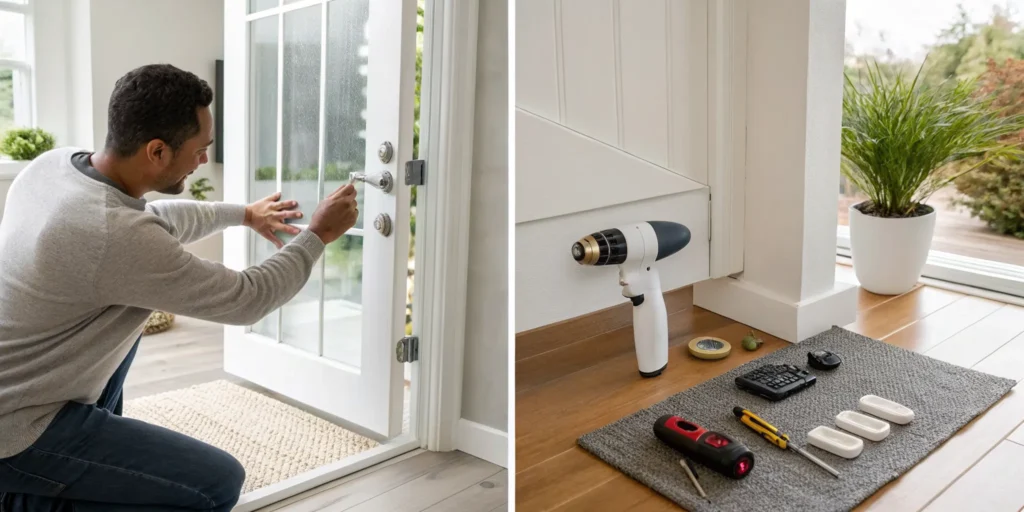
A security system is supposed to give you peace of mind. But what does that actually look like for you? For some, it’s the hands-on satisfaction of setting up their own system. For others, it’s the quiet confidence that comes from knowing a team of experts is watching over their home 24/7. The debate over DIY vs. professional home security is really about defining what makes you feel safest. This guide breaks down the differences—from the tech to the emergency response—so you can find the solution that lets you truly rest easy.
Key Takeaways
- Choose DIY for lower upfront costs, but professional for guaranteed expertise: A DIY system saves you the installation fee, but you are responsible for the entire setup and troubleshooting. A professional service ensures every sensor is placed correctly and provides ongoing support for long-term reliability.
- Professional monitoring is your most reliable link to emergency services: While self-monitoring requires you to see an alert and call for help, a 24/7 professional team verifies the alarm and dispatches authorities for you. This provides a critical response even when you are asleep, away, or can’t get to your phone.
- A complete system integrates security with smart home technology: Look beyond basic alarms and choose a system that connects cameras, smart locks, and life safety devices like smoke detectors. This creates a single, cohesive network that offers more comprehensive protection and is easier to manage.
DIY vs. Professional Home Security: Which Is Right for You?
Choosing a security system for your home in Greenville or anywhere in the Upstate isn’t just about picking a brand. It’s about deciding on the right approach for your family and your lifestyle. The biggest question you’ll face is whether to go with a do-it-yourself (DIY) system or hire a professional company. While it might seem like a simple matter of cost, the differences run much deeper, touching on everything from installation and emergency response to the quality of the technology itself.
Think of it this way: a DIY system puts you in the driver’s seat. You choose the components, you set them up, and you decide how to respond to alerts. It offers flexibility and a lower initial investment. A professional system, on the other hand, is like having an expert co-pilot. A dedicated team handles the design, installation, and 24/7 monitoring, providing a comprehensive service built for reliability. Understanding how these two paths differ in practice is the first step to finding the protection that truly fits your needs.
Why Home Security Is More Than Just Preventing Break-Ins
When most of us think about home security, our minds jump straight to door sensors and alarms that scare off intruders. And while that’s a huge part of it, a modern security system offers a much wider safety net. It’s about creating a connected ecosystem that protects your family from multiple threats, not just break-ins. A truly comprehensive security system integrates life safety devices like smoke and carbon monoxide detectors directly with your alarm panel. This means that in a fire, the same professional monitoring team that handles burglaries can dispatch the fire department for you—often faster than you could yourself. It’s this level of integrated protection that provides real peace of mind, knowing that help is on the way for any emergency, whether you’re home or away.
Who Handles the Installation?
With a DIY system, the name says it all. You are the installer. You’ll order a kit online or pick one up from a store, and it’s up to you to follow the instructions to place sensors, connect the hub, and get everything running. For those who are tech-savvy and enjoy a weekend project, this can be a straightforward way to save on setup fees. The main draw is avoiding the initial cost of a professional coming to your home.
A professional installation means a trained technician handles everything for you. They won’t just stick sensors on doors; they’ll assess your home’s unique layout, identify vulnerable spots you might have missed, and ensure every component is placed for optimal performance. While there is an upfront fee for this service, you’re paying for expertise and the assurance that your system is set up correctly from day one.
How Does Monitoring Work?
Monitoring is how you and the authorities are notified when an alarm is triggered. Most DIY systems are designed for self-monitoring. If a sensor is tripped, you get a notification on your phone. From there, it’s your responsibility to assess the situation and call the police or fire department if needed. Many DIY brands now offer optional professional monitoring for a monthly fee, giving you a backup if you miss an alert.
With a professional security system, 24/7 monitoring is the core of the service. Your system is connected to a dedicated center staffed by trained professionals. If your alarm goes off, they are instantly notified. Their job is to verify the emergency, filter out false alarms, and dispatch the appropriate first responders to your address immediately. This constant oversight means your home is protected whether you’re at work, on vacation, or even if you can’t get to your phone.
What Kind of Tech Can You Expect?
The technology in DIY and professional systems can vary quite a bit. DIY kits are built for simplicity and ease of use. You can find many reliable self-installed systems that include basic door and window sensors, motion detectors, and a central hub. While these systems get the job done for basic security, they often operate as standalone setups with limited integration options for other smart home devices.
Professional providers typically offer a more robust and integrated ecosystem. The equipment is often commercial-grade and designed to work together seamlessly. Beyond basic alarms, you can integrate advanced security cameras, video doorbells, smart locks, and even life safety devices like smoke and carbon monoxide detectors into one unified system. This creates a comprehensive smart home security network that you can control from a single app, giving you a more powerful and cohesive way to protect your home.
DIY vs. Pro Security: A Full Cost Breakdown
When it comes to home security, the price tag is often the first thing we look at. It’s easy to see a DIY kit online and think you’ve found a bargain, but the true cost of a security system isn’t just the number on the box. You have to consider the initial purchase, installation fees, monthly monitoring, and any unexpected expenses that might pop up down the road. For homeowners in communities like Greer or Taylors, finding a solution that fits your budget without compromising on safety is key.
Let’s break down the real financial differences between a DIY setup and a professionally installed system. The upfront savings of a DIY project can be appealing, but it’s important to look at the complete picture. A professional system might have a higher initial cost, but it often provides long-term value and reliability that can save you money and headaches over time. We’ll compare the numbers so you can see which path makes the most sense for your family and your home.
What Are the Upfront Costs?
This is where DIY systems have a clear edge. When you choose a DIY security system, you’re only paying for the equipment. Because you’re handling the setup yourself, you completely avoid installation fees. As one analysis points out, you will save money by installing a home security system yourself instead of paying for a professional to do it.
On the other hand, a professional installation comes with a service fee for the technician’s time and expertise. These fees typically start around $100 and can go up to $200, depending on the complexity of your system. You’re paying for the convenience and the guarantee that every sensor and camera is placed correctly for optimal performance.
What Are the Monthly Fees?
After the initial setup, the next cost to consider is the monthly monitoring fee. This is where the lines between DIY and professional systems can blur a bit. Many DIY systems now offer optional professional monitoring, which usually starts at around $20 per month. This service connects your self-installed system to a call center that can dispatch emergency services.
Professionally installed systems almost always include professional monitoring, with plans often starting between $45 and $60 per month. While this is a higher monthly investment, these plans typically include more comprehensive services, such as cellular backup (so your system works if the Wi-Fi goes down), advanced smart home integrations, and dedicated customer support.
Understanding Contract Requirements
Contracts are a key distinction, particularly with professional systems. Most DIY options are contract-free; you own the equipment outright. A contract only enters the picture if you add an optional monitoring service. Professional systems, however, typically require a service agreement because you’re paying for ongoing 24/7 protection. These contract terms can vary, often lasting around 36 months, so it’s important to understand the length of the commitment before signing.
That agreement isn’t just a formality—it’s your guarantee of service. It ensures a team is always ready to verify alarms and dispatch help, which is the primary value of professional monitoring. Before you commit, be sure to read the fine print to understand the cancellation policy, what happens if you move, and any potential fees for ending the service early. Knowing these details upfront helps you choose a plan that truly fits your life without any surprises down the road.
Are There Hidden Costs to Consider?
While a DIY system might seem cheaper upfront, it’s important to be aware of potential hidden costs. DIY projects can sometimes require you to buy special tools, and if you make a mistake during installation, fixing it can cost you both time and money. Your time is valuable, and a project that takes an entire weekend to complete has a cost of its own.
Over the long run, a professionally installed system can sometimes be more cost-effective. As one industry expert notes, DIY systems often need ongoing fixes and updates that add up over time. With a professional system, you get the benefit of high-quality, durable equipment installed correctly from the start, which often means fewer maintenance issues down the line.
The Real Pros and Cons of DIY Home Security
DIY home security systems have become incredibly popular, and it’s easy to see why. They promise affordability and control, letting you protect your home on your own terms. But before you add a kit to your online cart, it’s important to look past the marketing and understand what you’re really signing up for. While a DIY approach works well for some, it comes with its own set of challenges and responsibilities that aren’t always obvious at first glance. Let’s break down the real pros, cons, and common myths.
The Perks of Going DIY
The biggest draw for DIY security is, without a doubt, the cost. You can definitely save money by installing a system yourself because you skip the professional installation fee right from the start. This upfront saving is what convinces many people to go the DIY route. You also have total control over the process. You get to choose the exact cameras, sensors, and keypads you want, and you can install them on your own schedule without having to book an appointment. This flexibility is perfect for anyone who enjoys a hands-on project and wants to build their system piece by piece.
Potential Pitfalls of DIY Security
When you choose a DIY system, you become your own security expert, installer, and troubleshooter. That means you’re the one responsible for making sure every sensor is placed correctly and every corner of your home is covered. It’s easy to install something incorrectly, which can create blind spots or cause false alarms. If a sensor stops working or your camera feed goes down, it’s up to you to figure out why and fix it. This can be a time-consuming learning curve, and any mistakes could leave your home vulnerable when you think it’s protected. You’re trading professional expertise for personal responsibility.
Busting Common DIY Security Myths
Let’s clear up a few things about DIY security. A common myth is that you’re completely on your own if a break-in happens. The truth is, many DIY brands offer optional professional monitoring services, often for a lower monthly fee than traditional systems. Another misconception is that the price on the box is all you’ll ever pay. While you avoid installation fees, you might find yourself needing to buy extra sensors or upgrade cameras down the line, which adds to the total cost. The initial savings are appealing, but it’s important to think about the long-term commitment of maintaining and potentially expanding the system yourself.
The Case for Professional Home Security
While DIY security kits have their appeal, there’s a reason so many homeowners and businesses in South Carolina trust their safety to a professional team. Choosing a professional security system is about more than just buying equipment; it’s an investment in expertise, reliability, and genuine peace of mind. When you work with a professional, you’re not just getting cameras and sensors. You’re getting a custom-designed safety solution tailored to your property’s unique layout and your family’s specific needs.
From the moment a trained technician steps into your home to the ongoing support you receive for years to come, every step is handled for you. Professionals bring a level of experience that ensures every angle is covered, every component works together seamlessly, and help is always standing by. This comprehensive approach means you can feel confident that your home, business, and loved ones are protected by a system that’s installed correctly, monitored constantly, and built to last. It removes the guesswork and leaves you with a powerful, easy-to-use system you can truly depend on.
Why Professional Installation Matters
One of the biggest advantages of a professional system is the expert installation. A trained and licensed technician knows the best places to install cameras and sensors to cover your entire property, eliminating the blind spots you might miss. They understand how to strategically place motion detectors to avoid false alarms from pets and where to position door sensors for maximum effectiveness. There’s no need to spend your weekend on a ladder or deciphering complicated instruction manuals. The pros handle all the wiring and setup, then walk you through exactly how to use your new smart home security system, so you feel comfortable from day one.
What to Expect on Installation Day
When you schedule a professional installation, you can expect a smooth and stress-free experience. A trained technician arrives at your home ready to create a security plan tailored specifically to your property. They won’t just stick sensors on doors; they’ll assess your home’s unique layout, identify vulnerable spots you might have missed, and ensure every component is placed for optimal performance. This expert placement is key to preventing false alarms and eliminating security blind spots. The technician handles all the wiring, syncing, and testing, and once the system is fully operational, they will walk you through how to use it, answering any questions you have. You’re not just paying for the setup; you’re paying for the assurance that your system is installed correctly from day one.
How Companies Vet Their Technicians
It’s completely understandable to be cautious about who you let into your home. That’s why choosing a professional company with a rigorous vetting process is so important. Reputable security providers don’t take this lightly. As industry resource Security.org points out, major security companies perform background checks, drug tests, and require specialized training and certifications for their technicians. At ADP Security Systems, our team members are not just highly skilled; they are your neighbors here in the Upstate. We ensure that every technician who visits your home is a trustworthy professional who is fully licensed, bonded, and committed to your safety. This level of accountability is a core benefit of working with a professional service and provides an essential layer of trust.
Access to Better Tech and Integration
Professional security companies typically offer higher-quality, more durable equipment that’s designed to work together as a single, cohesive ecosystem. Instead of trying to piece together different smart devices from various brands, you get a fully integrated system where your security panel, cameras, smart locks, and even your thermostat communicate flawlessly. This creates a truly smart home automation experience that’s both powerful and simple to manage from a single app. You can create custom rules, like having your lights turn on when motion is detected at night, all without worrying about compatibility issues between different products.
24/7 Professional Monitoring for True Peace of Mind
This is where professional systems truly shine. With 24/7 professional monitoring, a dedicated team of security experts is watching over your home around the clock. If a smoke detector or alarm is triggered, they are notified instantly. The monitoring center will verify the emergency and can quickly dispatch police, firefighters, or medical services to your home, even if you’re away or unable to call for help yourself. This immediate, professional response is a critical layer of protection that self-monitored systems simply can’t provide, offering true security for your family and property.
How Fast Is the Emergency Response?
When an alarm goes off, every second is critical. With a self-monitored system, the response time depends entirely on you. You have to see the notification, figure out what’s happening, and then make the call to 911. This process can take several minutes, especially if you’re asleep, driving, or in an area with poor cell service. Professional monitoring centers, however, are built for speed. The moment an alarm is triggered, a trained agent is alerted. While the industry average can be up to a minute, many top-tier monitoring stations respond in under 30 seconds. This rapid verification process ensures help gets to your home faster in an emergency, which can be the deciding factor in minimizing damage from a fire or increasing the odds of catching an intruder.
Don’t Forget Warranties and Ongoing Support
When you invest in a professional security system, you’re also investing in a long-term partnership. The installation and equipment are typically backed by comprehensive warranties, so if a camera stops working or a sensor fails, you have a dedicated team to call. You won’t have to troubleshoot issues on your own or spend money on replacement parts. This ongoing local support ensures your system remains in perfect working order. For business owners, professionals also make sure that fire and safety systems are installed correctly to meet local codes, giving you one less thing to worry about.
Comparing Top Professional Security Companies
When you start looking for a professional security system, you’ll quickly come across a few big national names. These companies have massive marketing budgets and operate across the country, but their services can vary quite a bit. Understanding the key differences in their technology, pricing, and contract requirements is essential to finding a partner you can trust. Let’s look at some of the most well-known providers so you can see how they stack up and decide what features matter most for protecting your home.
ADT Security
ADT is one of the oldest and most recognized names in the security industry. They are known for their classic, professionally installed systems and have built a reputation on reliability over many decades. Their partnership with Google allows them to integrate well with Google Nest devices, which is a big plus for anyone already in that ecosystem. They offer a traditional security experience, focusing on professional installation and monitoring as the core of their service.
Key Features and Technology
ADT’s main strength lies in its professional installation and monitoring services. When you sign up with ADT, you can expect a trained technician to handle the entire setup. Their systems are particularly appealing if you want to integrate with Google Nest products, like smart speakers and cameras. This creates a more unified smart home experience, allowing you to control your security and other smart devices from one place. The focus is on providing a reliable, professionally managed system that you don’t have to set up or troubleshoot yourself.
Pricing and Contracts
With ADT, you’ll have both upfront and ongoing costs. Professional monitoring plans typically start around $25 per month, but the price can increase depending on the features you choose. There is also an installation fee that begins at $99 and can go higher for more complex setups. ADT offers a range of contract options, from flexible month-to-month plans to longer-term agreements of 36 months or more, so it’s important to clarify which one you’re signing up for.
Potential Downsides
The primary drawbacks with ADT are the potential costs and commitment. The installation fees can be pricey, especially if you have a larger home or want a more customized system. Additionally, many of their plans require you to sign a long-term contract, which can be a significant commitment. If you prefer flexibility or are looking for a more budget-friendly upfront option, the required contract and installation fees might be a point of concern.
Vivint Smart Home
Vivint positions itself as a leader in high-tech smart home automation. Their systems are designed for homeowners who want more than just security; they want a fully integrated smart home where their locks, lights, thermostat, and cameras all work together seamlessly. Vivint is known for its sleek, modern equipment and advanced features that appeal to the tech-savvy consumer looking for a premium, all-in-one solution.
Key Features and Technology
Vivint’s biggest selling point is its advanced home automation. Their systems are built to work with both Z-Wave and Zigbee technologies, which are two of the most common languages smart home devices use to communicate. This compatibility means you can connect a wide range of smart products to your security system, creating a powerful and cohesive smart home. If you want to build a sophisticated smart home centered around your security panel, Vivint offers one of the most robust platforms available.
Pricing and Contracts
Vivint’s monitoring plans start at a competitive $24.99 per month. However, the company is known for having high installation fees, though these are sometimes waived during promotional periods. The biggest financial consideration with Vivint is the contract length. Their contracts can extend for up to five years, which is one of the longest commitments in the industry. This can be a major factor for anyone who isn’t sure about their long-term housing plans.
Potential Downsides
The main challenges with Vivint are its long contracts and a lack of pricing transparency. A five-year contract is a serious commitment, and it can be difficult to get out of if your circumstances change. Additionally, their website doesn’t always provide clear, upfront pricing for equipment and installation, which can make it hard to know the total cost until you speak with a sales representative. This can be frustrating for customers who want to compare options easily.
SimpliSafe
SimpliSafe made a name for itself in the DIY space but has since expanded to offer professional installation for those who want a hands-off experience. This hybrid approach gives customers more flexibility than many traditional security companies. They are known for their straightforward, easy-to-use systems and unique features like “Intruder Intervention,” where monitoring agents can speak to intruders through the base station to scare them off.
Key Features and Technology
While SimpliSafe is famous for its easy DIY setup, their professional installation option makes them a contender in this category. One of their standout features is the ability to choose between self-monitoring at no monthly cost or professional monitoring for a reasonable fee. This flexibility is a major advantage. Their systems are designed to be simple and effective, offering solid protection without the complexity of some of the more high-tech smart home systems.
Pricing and Contracts
SimpliSafe is one of the more affordable options, with professional monitoring plans starting around $23 per month. A huge benefit is that they do not require long-term contracts, so you can cancel your service at any time. This makes them an excellent choice for renters or anyone who doesn’t want to be locked into a multi-year agreement. You buy the equipment upfront, and the monthly monitoring is optional and flexible.
Potential Downsides
One potential drawback is that SimpliSafe uses third-party installers, so the quality of your installation experience can vary depending on the local contractor. Unlike companies with their own dedicated technicians, there may be less consistency. Additionally, their selection of smart home devices is more limited compared to competitors like Vivint or ADT, so it may not be the best fit if you’re looking to build a highly integrated smart home.
Alder Security
Alder Security is known for its incredibly fast response times, which is a critical factor in any emergency. They emphasize their ability to connect you with help quickly, often in under 25 seconds. The company uses its own professional technicians for installation and provides a user-friendly app for managing your system. Their marketing often focuses on providing a “free” starter system to get customers in the door.
Key Features and Technology
The standout feature for Alder is its rapid emergency response. In a real crisis, every second counts, and Alder has built its reputation on speed. They provide professional installation with their own technicians, which ensures a consistent and knowledgeable setup process. Their mobile app is also well-regarded, giving homeowners a reliable way to control their system, view cameras, and receive alerts from anywhere.
Pricing and Contracts
Alder’s pricing model can be a bit confusing. They often advertise a “free” starter system, but this requires signing a three-year monitoring contract at around $40 per month. When you do the math, that “free” system ends up costing over $1,400 in monitoring fees over the life of the contract. This approach can feel misleading if you’re not paying close attention to the terms of the agreement.
Potential Downsides
The biggest concerns with Alder are its pricing structure and sales tactics. The “free” equipment offer is tied to an expensive, long-term contract that may not be clear upfront. The company has also faced accusations of using tricky or high-pressure sales tactics, which can be a major red flag for consumers. It’s crucial to read the contract carefully and be wary of any deal that seems too good to be true.
Self-Monitoring vs. Professional: Which Is Safer?
When an alarm goes off, what happens next is the most important part of your security plan. This is where the difference between self-monitoring and professional monitoring really comes into focus. One puts the responsibility squarely on your shoulders, while the other provides a dedicated team of experts who are always ready to act. Let’s look at how these two approaches stack up when it comes to keeping your home and family safe.
Self-Monitoring vs. Pro: The Key Differences
With a self-monitored system, you are the monitoring center. When a sensor is triggered, you get an alert on your phone. From there, it’s up to you to figure out what’s happening and what to do next. While you avoid monthly fees, you take on all the work, from installation to troubleshooting. This also means there’s a greater chance for error, like placing sensors in the wrong spots or leaving gaps in your coverage.
Professional monitoring connects your system to a 24/7 command center staffed by trained professionals. Yes, this service comes with a monthly fee, but it also includes dedicated support. You’re not just buying equipment; you’re investing in a service that ensures someone is always watching over your home, whether you’re at work in Spartanburg, on vacation, or asleep in bed.
Who Responds in an Emergency?
This is the most critical difference. If you self-monitor, you have to be the one to call for help. If you’re in a meeting, on a plane, or can’t get to your phone, you could miss a critical alert. Even if you see the notification immediately, you still have to assess the situation and contact the police or fire department yourself, which can cost precious time.
With professional monitoring, a trained team is notified the second an alarm is triggered. They immediately work to verify the emergency and can dispatch the right first responders to your home. Police departments often prioritize calls from licensed monitoring stations because they are more likely to be verified emergencies, ensuring a faster, more reliable response when every second counts.
Can Your System Save You Money on Insurance?
Many homeowners don’t realize that a security system can lead to savings. Most home insurance companies offer significant discounts for homes with professionally monitored security systems, especially those that include fire and smoke detection. These homeowners insurance discounts can help offset the cost of your monthly monitoring fee.
While the discount might not cover the entire monthly payment, it’s a financial perk you typically won’t get with a DIY, self-monitored system. An insurer sees a professionally monitored system as a lower risk because it guarantees a swift response to threats like break-ins and fires, reducing the potential for major property loss. It’s a smart way to protect your home and your wallet at the same time.
Your Home Security Checklist: Must-Have Features
Whether you go with a DIY kit or a professional service, the right features make all the difference. A modern security system is more than just a loud alarm; it’s a connected ecosystem designed to protect your home and simplify your life. When you’re comparing options, there are a few key components and capabilities that should be on your checklist. Let’s walk through the features that provide real security and peace of mind.
The Non-Negotiable Basics
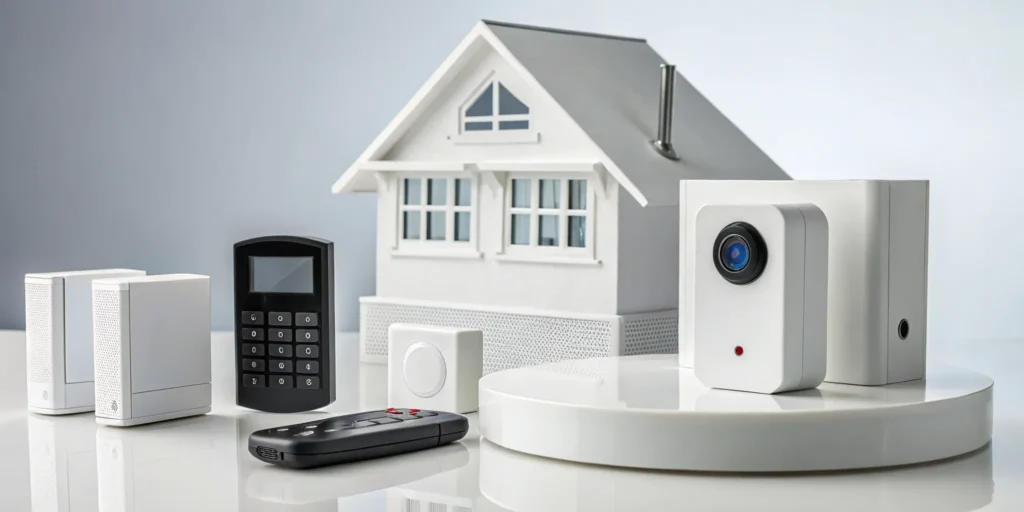
At its heart, a reliable security system is built on a few essential pieces of technology. You’ll need a central control panel, along with door and window sensors to detect entry and motion detectors for larger areas. Most importantly, these components should be tied to 24/7 professional monitoring. This ensures a trained professional is ready to dispatch emergency services when an alarm is triggered, whether it’s a break-in or a fire. These core features are the foundation of a system that actively protects you, not just makes noise.
Making It Part of Your Smart Home
A great security system doesn’t just stand alone; it works with the other technology in your home. Look for a system that offers smart home integration, allowing you to connect devices like video doorbells, smart locks, and thermostats. Imagine your system automatically locking the doors when you arm it for the night or turning on lights if motion is detected outside. This level of automation adds convenience and creates a more powerful security setup. It turns individual gadgets into a cohesive network that keeps your home safer and more efficient.
Why a Great Mobile App Is Key
You should be able to manage your home security from anywhere. A user-friendly mobile app is a must-have, letting you arm and disarm your system, view live video, and receive instant alerts. While an app is great for checking in, don’t confuse this with true security. Some systems rely on you to self-monitor your home, making you responsible for calling for help in an emergency. A professional system gives you a powerful app for convenience, backed by a team of experts who are always watching over your home.
Choosing the Right Sensors for Your Space
Every home is different, and your security system should reflect that. Beyond the basics, consider what other sensors could protect your property, like glass break sensors for windows or flood sensors for basements. Integrated smoke and carbon monoxide detectors are also vital for life safety. Just as important as the type of sensor is its placement. A common mistake with DIY systems is placing sensors incorrectly, leaving gaps in your coverage. A professional installer can assess your home’s unique layout to ensure every angle is covered for complete protection.
How to Find the Perfect Security System for Your Home
Choosing a security system feels like a big decision, but it doesn’t have to be overwhelming. The “perfect” system is simply the one that fits your life, your home, and your budget. By asking yourself a few straightforward questions, you can narrow down your options and find a solution that gives you genuine peace of mind. Let’s walk through what you need to consider.
How Comfortable Are You with Tech?
Your relationship with technology is a great starting point. If you enjoy setting up new gadgets and troubleshooting, DIY home security systems might seem appealing. These kits let you pick and install all the equipment yourself. However, it’s important to be realistic about the scope of the project. Just as you’d hire a professional for complex electrical or plumbing work, installing a security system correctly often requires specialized knowledge. A professional installation ensures that every sensor is placed for optimal coverage and that the entire system works together seamlessly from day one, with no guesswork on your part.
What’s Your Budget?
It’s easy to assume that a DIY system is the cheaper option, and in some ways, it is. You will definitely save money by installing a home security system yourself because you avoid the initial installation fee. But it’s important to look at the total cost over time. Professional systems are often built with higher-quality, more durable components that require fewer fixes down the road. When you factor in potential maintenance, the need to replace devices, and the value of your own time, a professionally installed system can offer more predictable and reliable value in the long run.
What Does Your Home Actually Need?
Every home has unique security needs. Before you buy anything, walk around your property and think like a burglar. Where are the vulnerable spots? Are there basement windows, a secluded back door, or a poorly lit side yard? The main goal is to make your home a harder target so intruders decide to move on. While a DIY kit offers basic protection, a professional can conduct a thorough assessment to identify risks you might have missed. They can recommend the right combination of door sensors, motion detectors, and cameras to create a truly customized security plan for your specific layout.
When to Definitely Choose a Professional Installer
While a DIY project can be tempting, there are certain times when calling in a professional is the smartest and safest move. This is especially true for larger, multi-story homes or for any system that needs to be hardwired into your electrical framework. A trained technician will design a layout for the best coverage, making sure every sensor and camera is placed in the right spot to eliminate guesswork and blind spots. If your goal is a fully integrated smart home where your security system, locks, and lights work together seamlessly, a professional ensures everything communicates correctly from the start. This expert installation provides long-term reliability and is typically backed by warranties and support, giving you a system you can truly count on without the hassle.
How Much Time Can You Commit?
Finally, consider the value of your time. A DIY installation isn’t just about unboxing sensors; it involves reading manuals, climbing ladders, and potentially troubleshooting connectivity issues. If you have a busy schedule or simply aren’t comfortable with the physical work, paying for professional installation is a smart investment. For a fee that typically starts around $100, an expert technician handles everything for you in just a few hours. This not only saves you a weekend of work but also gives you the confidence that your system is installed correctly and ready to protect your family.
Where Should You Look for a Security System?
Once you know what features you need, the next big question is where to get your system. The market is split between two main paths: working with a professional security company or buying a do-it-yourself (DIY) kit online or from a big-box store. Your choice will shape everything from installation to how your home is monitored in an emergency. Both have their place, but understanding the key differences is essential to finding the right fit for your home and family.
The Advantage of a Local Professional Team
Working with a local security provider means you get more than just equipment; you get expertise tailored to your area. Professional installation ensures your system is set up for maximum effectiveness. Trained and licensed experts know the best places for cameras and sensors to cover your whole home, leaving no vulnerable blind spots. They also teach you how to use everything before they leave. A local team in the Greenville area understands specific community needs and can provide a level of personalized service that larger national brands often can’t match. When you need support, you’re calling a neighbor who is invested in your safety, not a distant call center.
What to Look for in a Professional Provider
When vetting a professional company, start with the essentials. The most critical feature is 24/7 professional monitoring. This means a dedicated team is always watching over your home. If an alarm goes off, they are notified instantly and can send police or fire services to your home right away. Look for a provider with licensed, insured technicians and a strong reputation with positive local reviews. Ask for clear, upfront pricing to avoid surprises. A trustworthy company will offer comprehensive warranties on their equipment and provide ongoing support to ensure your system works perfectly for years to come.
Popular DIY Security Options
If you’re comfortable with technology and looking to save on upfront costs, a DIY system might be a good fit. Brands like SimpliSafe and Cove have become popular by offering affordable, easy-to-install kits that you can set up in an afternoon. The biggest advantage is that you save money on installation since you’re doing the work yourself. Most DIY systems still offer optional professional monitoring for a monthly fee, so you don’t have to handle emergencies alone. This path offers flexibility and is a solid choice for renters or anyone who wants a more hands-on approach to their home security.
Common Security Mistakes (And How to Avoid Them)
Getting a security system is a great first step, but a few common missteps can undermine its effectiveness. Whether you’re setting up a system yourself or working with a pro, being aware of these potential pitfalls helps ensure your home is truly protected. Let’s walk through some of the most frequent mistakes and, more importantly, how you can easily avoid them.
Getting Sensor Placement Right
It’s tempting to think you can just stick a sensor on every door and window and call it a day, but placement is more of an art than you might think. A poorly placed motion detector could be triggered by a pet or a heating vent, leading to a string of false alarms. Even worse, incorrect placement can create blind spots, leaving parts of your home vulnerable. When you install a system yourself, there’s a higher chance of mistakes during setup. A professional installer, on the other hand, knows exactly where to place sensors for maximum coverage without disrupting your daily life, ensuring your system works correctly when you need it most.
What Does Your Monitoring Service *Actually* Do?
Not all monitoring is created equal. With self-monitoring, you’re the one who gets a notification on your phone when an alarm goes off. It’s then up to you to assess the situation and call for help, which can be tough if you’re in a meeting or on vacation. In contrast, professional monitoring means a dedicated team is watching over your system 24/7. The moment an alarm is triggered, they verify the emergency and dispatch the police or fire department for you. This immediate, expert response is a huge advantage, giving you confidence that your home is protected no matter where you are or what you’re doing.
Don’t Forget Regular Maintenance
A security system is only effective if it’s working properly. With a DIY setup, you become the head of IT. You’re responsible for changing batteries, troubleshooting connection issues, and making sure all the components are communicating correctly. While many DIY systems are reliable, they still require regular attention to keep them in top shape. When you partner with a professional service like ADP, ongoing support and maintenance are part of the package. If a camera goes offline or a sensor needs a new battery, you have a local team of experts ready to help. This ensures your system remains a reliable shield for your home, not another item on your to-do list.
Keeping Your Emergency Contacts Updated
Your emergency contact list is a critical part of your security plan, especially when you have professional monitoring. This isn’t just a list of names; it’s the first line of defense for the monitoring center when an alarm is triggered. Before dispatching emergency services, the professional team will call the primary number on your account to verify the alarm. If they can’t reach you, they move down your list. Keeping this information current ensures they can quickly confirm a real emergency or dismiss a false alarm, like when you accidentally burn the toast. Make it a habit to review your contacts every six months or after any major life change to ensure your system provides a seamless, effective response when you need it.
Testing Your System Regularly
A security system is only useful if it works correctly in an emergency. That’s why it’s so important to test your alarm on a regular basis. This simple check ensures that your sensors are functioning and, more importantly, that they are communicating properly with the monitoring station. Most professional security providers, including our team at ADP, recommend testing your system at least once a month. It’s a quick process that usually involves putting your system into a special “test mode” so you don’t accidentally dispatch the police. A quick call to your provider can walk you through the steps, giving you confidence that your connection to help is strong and reliable.
Related Articles
- Your Guide to Commercial Burglar Alarms in Greenville SC
- Residential Security – ADP Security
- Commercial Fire Alarm Installation Greenville SC: A Guide
Frequently Asked Questions
Is a professional system really that much more expensive than DIY in the long run? While a DIY kit has a lower upfront price because you avoid installation fees, the total cost over time can be surprising. Professional systems often use higher-quality, more durable equipment that is less likely to need repairs or replacements. When you also consider the value of comprehensive warranties, ongoing technical support, and potential discounts on your homeowner’s insurance, a professional system often proves to be a more predictable and reliable investment.
I’m pretty handy. Why can’t I just install the system myself? It’s less about being handy and more about having security expertise. A professional technician does more than just connect wires; they assess your home’s unique layout to find vulnerabilities you might overlook. They know the precise angles for cameras to eliminate blind spots and the best spots for motion sensors to prevent false alarms from pets or sunlight. This expert setup ensures your system is optimized for performance from the very beginning.
If I get alerts on my phone, do I really need professional monitoring? A phone alert is great for convenience, but it makes you the sole person responsible for responding to an emergency. Professional monitoring ensures someone is always watching over your home, 24/7. If an alarm is triggered while you’re on a flight, in a meeting, or simply can’t get to your phone, a trained professional is already verifying the situation and dispatching help. It’s a critical safety net that self-monitoring just can’t provide.
I already have a DIY system. Is it difficult to switch to a professional one? Not at all. Making the switch is a straightforward process. A professional security consultant can evaluate your current setup, identify any gaps in coverage, and design a new, fully integrated system that meets your needs. They handle the removal of old equipment and the installation of the new system, making the transition to more reliable protection completely seamless for you.
Why should I choose a local company over a big national brand? Working with a local provider means you get personalized service from a team that understands your community. When you need support, you’re not calling a massive call center; you’re speaking with a neighbor who can provide faster, more attentive service. A local company is invested in your safety and can offer a level of accountability and customized care that larger, one-size-fits-all brands often can’t match.