South Carolina Fire Alarm Requirements Explained
April 9, 2026
How to Choose the Best Home Security Camera
April 13, 2026
Before you even think about specific camera models, take a walk around your property. Look at it with fresh eyes. Where are the most vulnerable spots? Are there ground-floor windows hidden by shrubs or a side door that’s poorly lit? Answering these simple questions is the first step toward building an effective security plan. Choosing the best security camera system for your South Carolina home starts not with a shopping cart, but with a clear understanding of your home’s unique layout. This guide is your practical roadmap to identifying weak points, selecting the right equipment, and creating a customized setup that provides real security.
Key Takeaways
- Prioritize practical camera features: Look for cameras with the functions that actually keep you safe, including clear HD video with night vision, smart motion detection to reduce false alarms, and weather-resistant construction designed for South Carolina’s climate.
- Choose professional monitoring for a faster response: While self-monitoring puts the responsibility on you, a professional monitoring service ensures a trained team is always ready to verify a threat and dispatch emergency services, providing reliable protection 24/7.
- Partner with a local expert for a better system: A local security company offers a tailored solution based on your home’s specific layout, professional installation that prevents common mistakes like blind spots, and ongoing support from a team that understands our community.
Choosing the Best Security Cameras for Your South Carolina Home
When you decide to install security cameras at your South Carolina home, one of the first questions you’ll face is whether to work with a local security expert or buy a DIY kit from a national brand. It’s a big decision, and the right answer really depends on your specific needs, your comfort level with technology, and what gives you the most confidence in your home’s protection. Both paths can lead to a safer home, but they offer very different experiences and levels of security.
Big-box stores and online retailers are filled with camera kits that promise easy, out-of-the-box setup. These systems can be a great starting point if you’re on a tight budget or enjoy tackling home projects yourself. You get the flexibility to place cameras wherever you like and manage the system through a smartphone app. On the other hand, partnering with a local professional offers a completely different, more comprehensive approach. A local team brings a deep understanding of our communities, from Greenville to Anderson, and can design a system that’s perfectly tailored to your property’s layout and potential vulnerabilities. They handle the complex parts of the installation, like wiring and network configuration, and provide ongoing support, so you’re never left troubleshooting on your own. Before you choose, it’s important to understand the key differences.
Local Pro vs. DIY Kit: Which Should You Choose?
Choosing between a local professional and a DIY kit comes down to what you value most: customized expertise or hands-on flexibility. A local security company provides a tailored solution from day one. An expert will assess your home’s unique layout, recommend the best camera placements, and ensure everything is installed correctly for maximum coverage. They also offer the critical service of 24/7 professional monitoring, which means a trained team is ready to dispatch emergency services if a threat is detected.
DIY systems from national brands offer affordability and control. You can set them up on your own schedule and avoid installation fees. However, most of these kits are designed for recording footage, not for emergency response. While you’ll get an alert on your phone, it’s up to you to see it, verify the threat, and call for help. This gap is where a professionally monitored system provides true peace of mind.
What Security Camera Features Actually Matter?
When you start looking at security cameras, the sheer number of features can feel overwhelming. From cloud storage options to AI-powered analytics, it’s easy to get lost in the technical details. But a great security system isn’t about having the most features; it’s about having the right ones that deliver genuine peace of mind. Cutting through the noise helps you focus on what will actually keep your home and family safe.
The best systems are designed around core functions that work reliably, day in and day out. You need clear video that’s actually useful, alerts that don’t constantly cry wolf, and simple ways to interact with your system from anywhere. Think of it this way: a fancy feature you never use is just a distraction. A camera that gives you a crisp, clear view of your front porch at 2 a.m. is an investment in your security. Let’s break down the features that truly make a difference for South Carolina homeowners.
Why You Need Clear Video, Day and Night
The primary job of a security camera is to show you what’s happening, and that’s impossible with a blurry, pixelated image. High-definition (HD) video is the standard you should look for. Crystal-clear video ensures you can make out important details, like faces or license plates, which is critical if you ever need to share footage with law enforcement. Equally important is night vision. A camera that goes blind after sunset is only doing half its job. Modern infrared (IR) night vision provides a sharp, black-and-white picture even in complete darkness, ensuring your property is monitored around the clock.
Beyond Standard Infrared: The Rise of Color Night Vision
While traditional IR gives you a reliable black-and-white view, newer technology is taking night surveillance a step further. Many advanced cameras now feature color night vision, which uses ambient light from sources like streetlights or landscape lighting to produce a surprisingly vivid, full-color image after dark. This isn’t just a cosmetic upgrade; it provides a significant security advantage. Seeing in color allows you to capture critical details that are completely lost in a monochrome image. For example, you can identify the color of a suspicious vehicle or the clothing worn by an intruder. This level of detail makes your video footage far more useful if you ever need to provide it to the authorities, turning a simple recording into a powerful piece of evidence.
Get Alerts That Matter, Instantly
Constant notifications on your phone for every passing car or swaying tree branch can quickly become frustrating. This is where smart detection comes in. Instead of just sensing motion, advanced cameras use AI to tell the difference between people, animals, and vehicles. This intelligence means you only get timely alerts for the events that actually matter. You can create custom rules, like getting a notification only when a person enters your driveway or a car pulls up after 10 p.m. This makes your security system a helpful partner instead of a digital nuisance.
See and Speak with Visitors from Anywhere
Your security cameras shouldn’t just be a passive set of eyes; they should be an active tool for protecting your home. A feature like two-way audio, often found in video doorbell cameras, lets you hear and speak to anyone on your property directly through the app on your phone. You can instruct a delivery driver where to leave a package, greet a friend at the door, or verbally warn a potential intruder that they are being recorded. This ability to interact in real-time is one of the most effective ways to deter unwanted activity before it starts.
Choose Cameras That Can Handle SC Weather
Here in South Carolina, our weather can be tough on electronics. Between the sweltering summer humidity, heavy thunderstorms, and occasional winter freezes, an indoor camera simply won’t survive outside for long. It’s crucial to choose cameras that are specifically rated for outdoor use. Look for a device with a high IP (Ingress Protection) rating, which tells you how well it’s sealed against dust and water. A weather-resistant camera is built to withstand the elements, ensuring it works reliably when you need it most.
Understanding IP Ratings
That IP rating you see on a camera’s spec sheet isn’t just random jargon. It stands for Ingress Protection, and it’s a straightforward way to measure how well a device is sealed against solids like dust and liquids like water. The rating is made up of two numbers. The first digit rates protection against solids (from a finger to fine dust), while the second rates protection against moisture (from a light spray to full submersion). For our unpredictable South Carolina weather, you’ll want a camera with a high rating, like IP66 or IP67. This ensures your equipment is completely dust-tight and can handle everything from a humid summer afternoon to a powerful downpour during a thunderstorm, giving you reliable security year-round.
Choosing the Right Camera Style and Type
Once you know which features are most important, the next step is to think about the physical camera itself. The shape and design of a security camera aren’t just about looks; they play a big role in how it functions and what it communicates. A highly visible camera can be a powerful deterrent, while a more discreet one can monitor an area without drawing attention. The best security plan often uses a mix of different camera styles, each chosen for a specific job. A camera watching over your front door might have different requirements than one monitoring a wide-open backyard or a vulnerable side entrance.
Common Camera Shapes: Bullet, Dome, and Turret
You’ll likely come across three main camera shapes: bullet, dome, and turret. Bullet cameras are what most people picture—they’re long, cylindrical, and very noticeable. Their visibility is their strength, as they send a clear message to potential intruders that your property is protected. They are excellent for monitoring specific areas like driveways or walkways. Dome cameras, on the other hand, are more discreet. The camera lens is housed inside a tinted dome, which makes it difficult for anyone to tell exactly where it’s pointing. This makes them a great choice for covered porches, entryways, or indoor spaces where you want security without an imposing presence. Turret cameras offer a great middle ground with their “eyeball” shape, providing clear visibility and easy-to-adjust angles without the potential for IR glare that can sometimes affect dome cameras.
Specialized Cameras for Unique Needs (PTZ, Dual-Lens, Vandal-Proof)
For some situations, you might need a camera with more advanced capabilities. Pan-Tilt-Zoom (PTZ) cameras are a perfect example. These devices can be remotely controlled to move up, down, and side-to-side, allowing you to actively survey a large area like a backyard or commercial property. If you need to cover an expansive space, a dual-lens camera can capture a super-wide 180-degree view, effectively doing the job of two standard cameras. For cameras installed in easily accessible locations, it’s smart to consider a vandal-proof model. These cameras are built with durable, impact-resistant housings (often with an IK10 rating) to protect them from being tampered with or damaged, ensuring your security system stays operational when you need it most.
Manage Everything from One Simple App
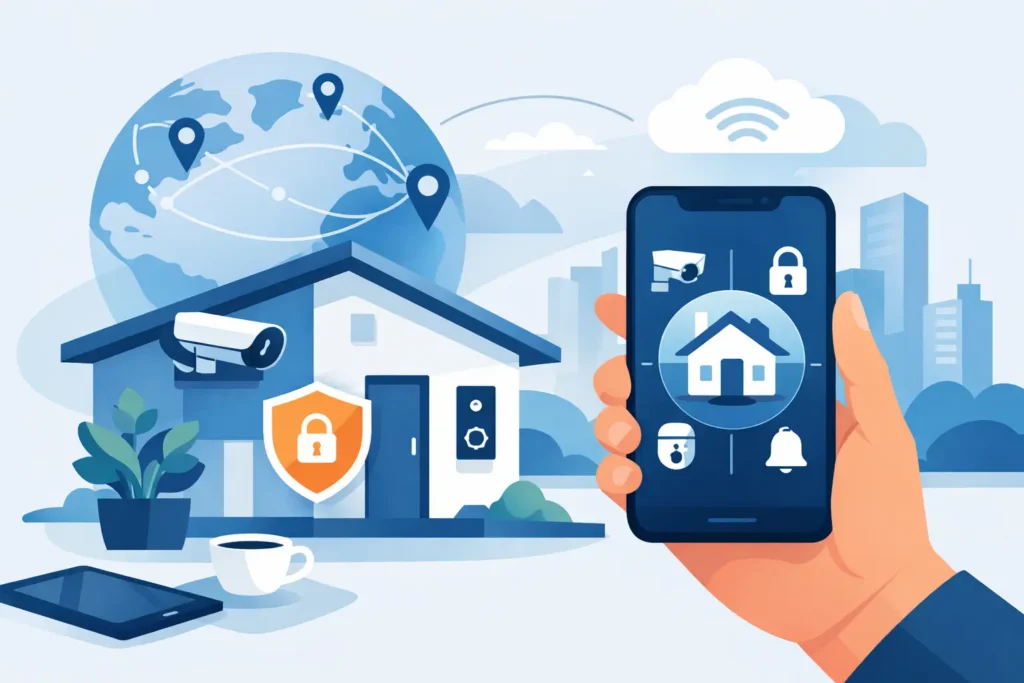
Your security system should simplify your life, not complicate it. Having to switch between multiple apps to view your cameras, arm your alarm, or lock your doors is inefficient. A truly integrated system brings everything together into one intuitive mobile app. This centralized control allows you to manage your entire security ecosystem from anywhere with a few taps on your phone. Whether you’re at work in Greenville or on vacation, you can check live video feeds, review recordings, and adjust settings, giving you complete command over your home’s safety.
What Should a Security Camera System Cost in SC?
Figuring out the cost of a security camera system can feel a bit like asking, “How much does a car cost?” The answer really depends on what you need it to do. The final price tag is a mix of hardware, installation, and any ongoing services like monitoring or cloud storage. You can find a solution for nearly any budget, from simple DIY kits you can set up in an afternoon to fully integrated smart home security ecosystems designed specifically for your property.
Think of it as an investment in your family’s safety and your own peace of mind. The key is to find the right balance between the features you need and a price that feels comfortable. Whether you’re in a quiet neighborhood in Simpsonville or a bustling area of Greenville, there’s a system that fits your home and your budget. Let’s break down the different tiers to give you a clearer picture of what to expect.
What to Expect from Budget-Friendly Kits
If you’re looking for a straightforward, low-cost entry into home security, DIY kits are a great place to start. Brands like SimpliSafe offer packages with basic cameras and sensors that you can install yourself. These systems are appealing because the upfront cost is minimal, and you aren’t usually locked into a long-term contract. While professional monitoring is available, with some plans starting around $19.99 per month, the trade-off is often in the camera quality and advanced features. These kits are a solid choice for renters or anyone who wants basic surveillance without a significant financial commitment.
Stepping Up to a Mid-Range System
Mid-range systems offer a sweet spot between affordability and robust protection. These setups typically include higher-quality cameras, more reliable hardware, and professional installation, which takes the guesswork out of placement and setup. While the initial investment is higher than a DIY kit, you get a more dependable and effective system. A major benefit here is that many insurance companies offer discounts of 5% to 20% for homes with professionally monitored security. This can help offset the monthly monitoring fees and adds another layer of value to your investment.
When to Go for a Premium, Integrated System
For those who want a seamless, top-of-the-line security experience, a premium, integrated solution is the way to go. Companies like CPI Security aim to provide “total peace of mind” by designing a system tailored to your home’s unique layout and your family’s needs. This approach combines high-definition cameras with smart home automation, allowing you to control locks, lights, and thermostats from a single app. While it’s the most significant upfront investment, you’re paying for a customized, professionally installed system that offers unparalleled convenience, reliability, and comprehensive protection for your entire property.
Don’t Forget Monitoring and Cloud Storage Fees
Beyond the initial cost of the cameras and hardware, it’s important to budget for recurring monthly fees. The two most common are professional monitoring and cloud storage. Professional monitoring ensures that a trained team is ready to dispatch police or fire services when an alarm is triggered. Basic monitoring services can cost around $19 per month. Cloud storage saves your video footage securely online, so you can access it from anywhere and ensure it’s safe even if a camera is damaged or stolen. These services are what turn your cameras from simple recording devices into an active security shield for your home.
Should You DIY or Hire a Professional Installer?
Deciding between installing security cameras yourself or hiring a local expert is a big step. While DIY kits seem convenient, a professional installation offers a level of precision and reliability that’s hard to match on your own. Your choice impacts everything from camera placement to how you’ll get help in an emergency. Let’s walk through what each option means for your home and your peace of mind.
Thinking About DIY? Here’s What to Know
DIY camera systems are popular because they seem straightforward. You can buy a kit and set it up in an afternoon. These systems are often great for basic recording, but they have some significant drawbacks. One of the biggest is that most don’t include professional monitoring to dispatch emergency services when an alarm is triggered. Proper installation also requires careful planning to avoid common mistakes like creating blind spots, mounting cameras at the wrong angle, or failing to secure the system from hackers. If a camera isn’t placed correctly, it might not capture the footage you need when it matters most.
The Benefits of Professional Installation
Hiring a professional installer takes the guesswork out of securing your home. A local expert can assess your home’s unique layout, identify vulnerable spots you might have missed, and design a custom system that fits your needs perfectly. They handle everything from running wires cleanly to ensuring each camera is positioned for optimal coverage and performance. This process ensures your system works correctly from day one. Plus, with a local company, you have ongoing support from technicians who understand the specific security challenges we face here in South Carolina.
Understand South Carolina’s Camera and Privacy Laws
Whether you choose DIY or a professional setup, it’s essential to understand local privacy laws. In South Carolina, you can legally install security cameras on your property for security purposes. However, you cannot place them in areas where someone has a reasonable expectation of privacy. This means you should never point cameras toward a neighbor’s windows, backyard, or inside their home. The same rules apply indoors; be very careful with camera placement in or near bedrooms and bathrooms. Following these guidelines helps you stay respectful of others’ privacy while keeping your property secure.
What’s the Right Camera Setup for Your Home?
Figuring out the best security camera setup for your home isn’t about finding a single “best” product. It’s about creating a system that fits your property and your life. The right setup for a family in a quiet Greer neighborhood will look different from one for a home on a busy street in Anderson. It all comes down to your specific goals. Are you trying to keep an eye on your pets while you’re at work? Do you want to prevent package theft? Or is your main priority deterring potential intruders? Answering these questions is the first step to building a security plan that truly works.
Before you even start looking at camera models, take a walk around your property. Look at it from the perspective of someone who might want to get in. Where are the most vulnerable spots? Are there any dark corners, overgrown shrubs, or ground-floor windows that are hidden from view? Making a note of these areas will help you design a layout that covers your home’s unique weak points. A well-planned system gives you more than just footage; it gives you confidence that your home is protected. Let’s walk through the key decisions you’ll need to make to design a camera layout that brings you peace of mind.
Wired vs. Wireless: Which is Best for You?
One of the first choices you’ll make is between wired and wireless cameras. Wireless cameras are popular because they are incredibly easy to install. You can place them almost anywhere without drilling holes or running cables through your walls. The trade-off is that you’ll need to manage their batteries, either by recharging them or replacing them periodically. A major plus is that many wireless models can keep recording during a power outage, keeping your home secure when it’s most vulnerable.
Wired cameras, on the other hand, offer a rock-solid connection. They are powered directly from your home’s electrical system, so you never have to worry about a dead battery. This also means they can often record 24/7 without draining power. While the installation is more complex and usually requires a professional, the result is a highly reliable system you can set and forget. The best choice really depends on whether you prioritize flexibility or uninterrupted power.
Understanding Wired System Technology
If you’re leaning toward a wired system for its reliability, you’ll quickly run into a few technical terms. The most common debate is NVR versus DVR. These acronyms refer to the type of recorder that acts as the brain of your system, and understanding the difference is key to choosing the right setup. It’s not just about the box that sits on a shelf; it’s about the technology that powers your cameras and determines the quality and flexibility of your entire security network. Let’s break down what these terms mean in a practical sense, so you can feel confident in your choice.
NVR vs. DVR Systems: What’s the Difference?
The main distinction between a Network Video Recorder (NVR) and a Digital Video Recorder (DVR) is how they process video. A DVR system connects to older, analog cameras using coaxial cables and does all the video processing at the recorder itself. Think of it as a central hub doing all the heavy lifting. An NVR system, however, uses modern IP (Internet Protocol) cameras that are like mini-computers. These cameras process the video data right at the source before sending it to the recorder for storage. This generally results in higher-quality footage and opens the door to more advanced features like AI-powered analytics.
A Note on NDAA Compliance for Businesses
For business owners in the Upstate, especially those in sensitive industries or who work with government entities, there’s an extra layer to consider: NDAA compliance. The National Defense Authorization Act includes provisions that ban the use of certain video surveillance equipment from specific manufacturers deemed a national security risk. Choosing an NDAA-compliant system ensures your equipment is secure and meets federal standards. While this might seem like a complex issue, a local security partner can help you select the right equipment to keep your business protected and compliant.
Core System Components and How They Work
Regardless of whether you choose an NVR or DVR system, the core components work together to create a cohesive security network. The recorder is the central hub, the cameras are your eyes on the property, and the way they connect determines the system’s reliability and capabilities. Understanding how these pieces fit together helps you appreciate why professional design and installation are so valuable. A well-planned system ensures every component is optimized to provide clear, accessible footage when you need it most.
The Role of the Recorder and Local Storage
The recorder (NVR or DVR) is the heart of your wired system. It’s a physical device that receives the video feeds from all your cameras and stores them on an internal hard drive. This gives you a secure, local copy of all your footage, so you don’t have to rely solely on cloud storage. The recorder is also what allows you to view live feeds and playback recorded video on a monitor or through a mobile app. Because NVRs work with IP cameras that have already processed the video, they typically offer more flexibility and higher resolution than older DVR technology.
System Scalability and Accessories
Your security needs might change over time. You might build a new garage, add a pool, or simply want to expand your coverage. This is where system scalability becomes important. NVR systems are generally much easier to scale than DVRs. Because they use network-based IP cameras, adding a new camera is often as simple as connecting it to your network. This makes NVRs a more future-proof choice, allowing your security system to grow with you and easily integrate with other smart devices and accessories for a truly comprehensive setup.
Where to Place Your Indoor and Outdoor Cameras
Where you put your cameras is just as important as which ones you buy. Even the most advanced camera is useless if it’s pointing at the wrong spot. The most common home security installation mistakes involve poor placement, creating blind spots that leave your home exposed. Start by covering the most obvious points of entry: your front door, back door, and any ground-floor windows, especially those hidden from the street. A camera covering your driveway can also capture activity around your cars and garage.
Inside, focus on high-traffic areas like the main living room or the hallway connecting the front and back doors. It’s also critical to use the right equipment for the job. An indoor camera won’t survive a South Carolina summer storm, so make sure any outdoor cameras are specifically rated for weather resistance. Thinking through your home’s layout will help you create a seamless web of coverage.
How Many Cameras Do You Really Need?
One of the most common questions I hear is, “How many cameras do I actually need?” There’s no magic number, because the right answer depends entirely on your property’s size, layout, and what you want to protect. The goal isn’t to turn your home into a fortress but to strategically cover the most important areas. Think about your main entry points, any vulnerable spots like ground-floor windows, and high-traffic zones. A well-designed system provides complete coverage without unnecessary extras. The following guidelines can help you estimate a starting point for your home or business, whether you’re in a cozy Taylors neighborhood or managing a commercial space in Spartanburg.
Systems for Small Homes and Offices
For most small homes and offices, a system with four to eight cameras is a great starting point. This number is usually enough to cover the most critical locations without feeling overwhelming or breaking the bank. Think of it as your essential coverage: one camera for the front door, one for the back door, and a couple more to watch over vulnerable ground-floor windows or the driveway. This setup ensures you have eyes on all primary entry points, which is the foundation of any solid security plan. A system of this size provides the essential coverage and peace of mind that most families are looking for.
Coverage for Larger Homes and Small Businesses
If you have a larger home with multiple entry points or a small business to protect, you’ll want to think about a more extensive setup. A system with up to 16 cameras is often ideal for these situations. This allows you to achieve more comprehensive coverage, monitoring not just doors and windows but also the entire perimeter of your property, a detached garage, a stockroom, or a customer-facing area. With more cameras, you can eliminate blind spots and get a complete picture of what’s happening around your property, ensuring every important angle is covered.
Solutions for Large Properties
For large residential properties or commercial facilities, security needs become much more complex. In these cases, you’ll want a robust system that can handle 32 cameras or more. This level of coverage is designed for expansive areas with multiple buildings, large parking lots, and numerous access points. It ensures that every corner of your property is monitored effectively, which is essential for protecting significant assets and managing a large space. A professional assessment is especially important here to map out a layout that provides seamless surveillance across the entire site.
How to Protect Your Porch from Package Thieves
With more of us shopping online, our front porches have become prime targets for thieves. A smart video doorbell is your first line of defense. These devices do more than just show you who’s ringing the bell. They send motion alerts to your phone, let you see and speak to visitors from anywhere, and record clips of any activity. Many would-be burglars test the front door first, so having a camera right there is one of the most effective burglar deterrents you can have.
For even better coverage, consider pairing your video doorbell with a second outdoor camera that has a wider view of your porch and front yard. Placing it up high, under an eave, makes it harder to tamper with and gives you a clear look at anyone approaching your home. The goal is to make your porch a less attractive target, encouraging thieves to simply move on.
Rules for Recording Audio
While video recording on your property is generally straightforward, adding audio can introduce some legal complexities. Many states, including South Carolina, operate under “one-party consent” laws. This means you can legally record a conversation as long as you are part of it or have consent from at least one person involved. However, this gets tricky with outdoor cameras that might pick up conversations from neighbors or people passing by on the street. To stay on the safe side and avoid any potential privacy issues, it’s often best to disable the audio recording feature on your outdoor cameras. This ensures you capture all the visual information you need for security without accidentally recording private conversations you aren’t a part of.
What to Do About a Neighbor’s Camera
It can be unsettling to notice a neighbor’s security camera pointing toward your property. The key thing to remember is the concept of a “reasonable expectation of privacy.” Your neighbor is well within their rights to monitor their own property, but that right ends where your privacy begins. A camera should never be aimed at areas like your bedroom windows, your backyard where your kids play, or your back patio. If you’re concerned, the best first step is always a calm, friendly conversation. Your neighbor may not even realize the camera’s field of view is causing an issue. A simple chat can often resolve the situation quickly and respectfully, without escalating the issue.
Security Camera Guidelines for Renters and Landlords
If you’re renting your home, it’s essential to communicate with your landlord before installing any security cameras. Always check your lease agreement first, as it may have specific clauses about surveillance equipment. Even if it doesn’t, you should get written permission from your landlord before setting anything up. For landlords, you can install cameras in common areas like hallways, lobbies, or parking lots for the safety of all tenants. However, placing cameras inside a tenant’s private living space is a serious privacy violation. Clear communication is the best policy for both parties to ensure the property is secure and everyone’s privacy is respected.
How Do Monitoring Services Compare?
Once you’ve picked out your cameras, the next big decision is how they’ll be monitored. This is what turns a simple recording device into a true security system that protects your home and family. The right monitoring service acts as your first line of defense, ensuring that when an alert comes through, the right people are notified immediately. Your choice generally comes down to two paths: doing it yourself or hiring a professional team to watch over your home 24/7. Let’s break down what each option means for you.
Pro Monitoring vs. Self-Monitoring: Which Do You Need?
Self-monitoring puts you in the security driver’s seat. When a camera detects motion, an alert is sent directly to your phone. It’s then up to you to view the footage and decide whether to call for help. While this can be a lower-cost option, it requires you to be available and responsive around the clock. If you’re in a meeting, on a flight, or in an area with poor cell service, you could miss a critical alert.
Professional monitoring connects your system to a dedicated team of security experts who are always on watch. If an alarm is triggered, a trained professional immediately assesses the situation. They can verify the threat and dispatch police, fire, or medical services on your behalf. This provides incredible peace of mind, knowing that your home is protected whether you’re at work in Spartanburg or on vacation.
What to Look for in an Emergency Response Service
If you opt for professional monitoring, it’s important to know that not all services are the same. The most critical feature to look for is a verified response protocol. A high-quality monitoring center won’t just blindly call 911 for every motion alert, which can lead to false alarms. In fact, many local municipalities have programs to reduce these unnecessary dispatches, like the City of Greenville’s false alarm ordinance.
Instead, a great service verifies the threat first, often by reviewing video footage or contacting you directly. This confirmation ensures that when emergency services are sent, it’s for a real event, leading to a faster and more effective response. This intelligent approach is the hallmark of a truly professional security partner.
Contract vs. No-Contract: Which Plan is Better?
Finally, you’ll need to consider the service agreement. Some national security brands are known for requiring long-term contracts, sometimes lasting 36 months or more. This can be a major issue for homeowners who may need to relocate or want the freedom to change their plan. Before you sign anything, make sure you fully understand the length of the commitment and any penalties for early cancellation.
Other companies offer more flexible month-to-month plans. While these provide more freedom, it’s still important to read the fine print to see what’s included and if there are any hidden fees. The best approach is to find a provider who is transparent about their terms and can offer a solution that fits your lifestyle, not the other way around.
How to Choose the Right Security Company
Choosing the right security cameras is a great first step, but the technology is only half of the equation. The company you choose to install and monitor that technology is what truly creates a sense of safety. Finding the right partner means looking beyond the hardware and focusing on the expertise, support, and trust that a provider brings to your home.
A security company that knows South Carolina offers a distinct advantage. Local experts understand the specific security challenges in communities from Greer to Anderson and can design a system that makes sense for your home. They aren’t just selling a one-size-fits-all box; they are providing customized protection plans tailored to your neighborhood. This local insight means you get a more effective and reliable system from day one. Plus, when you need support, you’re calling a neighbor, not a call center thousands of miles away.
Think about what happens after the installation. If you have a question or an issue, you want to talk to someone who is friendly, knowledgeable, and ready to help. The best security partners have teams that earn glowing customer reviews for their excellent service and clear communication. This human element is what turns a good security system into a great one. You should feel supported and confident that your provider has your back 24/7.
Finally, your security needs can change over time. That’s why it’s smart to look for a partner who offers flexibility. Many homeowners prefer local companies that don’t lock them into rigid, long-term contracts. This gives you the freedom to adjust your services as your life changes. A trustworthy partner will be transparent about all costs, from installation fees to monthly monitoring, so you know exactly what you’re paying for without any surprises.
Related Articles
- Best Alarm System for Retail Store South Carolina Guide
- Pro Security Camera Installation Greenville SC: A Guide
- ADP Security Systems | Home & Business Security Experts SC
Frequently Asked Questions
Is professional installation really worth the extra cost compared to a DIY kit? Absolutely. While DIY kits are great for getting started, a professional installation ensures your system is set up for maximum effectiveness from the very beginning. An expert will identify your home’s specific vulnerabilities, place cameras to eliminate blind spots, and make sure everything is connected securely. This expertise saves you from common setup mistakes and gives you confidence that your system will work correctly when you need it most.
With so many features available, what is the one thing I absolutely shouldn’t compromise on? Clear, high-definition video with reliable night vision is non-negotiable. The entire purpose of a camera is to see what’s happening, and if the footage is too blurry to identify a face or a license plate, it isn’t doing its job. A camera that provides a sharp image, day or night, is the foundation of any effective security system.
Can a professionally monitored security system actually save me money in the long run? Yes, it often can. Many home insurance providers offer significant discounts, sometimes up to 20%, for homes with professionally monitored security systems. These savings can help offset the monthly monitoring fee. More importantly, a monitored system can prevent a costly break-in, saving you from the financial and emotional toll of a loss.
Why is professional monitoring so important if I can just get alerts on my phone? Getting an alert on your phone is helpful, but it puts the responsibility entirely on you to see it, assess the situation, and call for help. If you’re busy, asleep, or have poor cell service, you could miss a critical event. Professional monitoring provides a dedicated team that responds instantly, verifies the emergency, and dispatches the police or fire department for you, ensuring help is on the way no matter where you are.
What’s the most common mistake people make when placing their own security cameras? The biggest mistake is mounting cameras at the wrong height or angle. People often place them too low, where they can be easily tampered with, or too high, which captures the top of someone’s head instead of their face. A professional understands the ideal placement to get a clear, identifiable view of a person’s face while keeping the camera secure.