Choosing a Security System Camera: A Pro Guide
May 7, 2026
What to Look For in Home Security Companies
May 11, 2026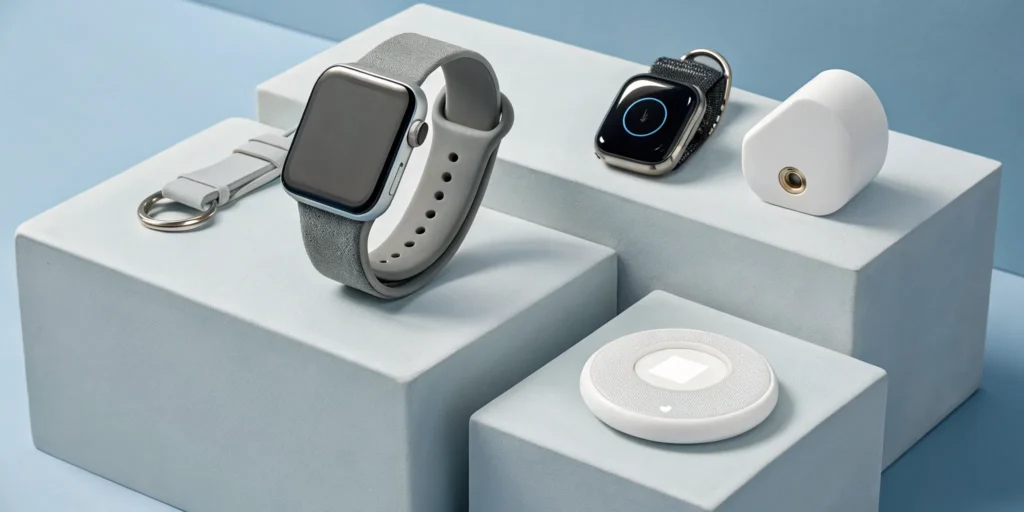
Ever wonder how a small pendant knows the difference between sitting down quickly and a serious fall? It’s not magic, but it is incredibly smart. These devices act as silent guardians, using tiny sensors—much like the technology in your smartphone—to constantly monitor movement. When they detect the specific, sudden motion of a fall, the system springs into action. This is the core of modern fall detection devices. Instead of just sounding an alarm, they automatically text or call a list of your chosen family members, ensuring the people who care most are the first to know you need help.
Key Takeaways
- Prioritize Practical Features for Reliable Support: When choosing a device, focus on the functions that provide real security, such as accurate fall detection, GPS tracking for safety outside the home, and two-way talk for direct communication during an emergency.
- Match the Device and Alerts to Your Routine: Select a system that fits your lifestyle, whether it’s an in-home model or a mobile GPS unit, and then create a strategic contact list with reliable responders who know how to act when an alert is sent.
- Understand the Technology’s Role in Your Safety Plan: Automatic detection is best for hard, sudden falls and may not sense slow slides, which is why the manual SOS button is a crucial backup. This ensures you always have a way to call for help, creating a complete safety net.
The Importance of Rapid Fall Response
Understanding Fall Risks for Older Adults
Maintaining independence is a priority for many seniors, and having the right support system is key to living confidently at home. However, the risk of a fall can be a source of anxiety for both older adults and their families. This is where medical alert systems become so valuable. These devices are designed to help keep older adults safe and independent, providing a direct line to help when it’s needed most. For anyone living alone or managing health conditions, having a reliable way to signal for assistance offers incredible peace of mind. It’s not just about reacting to an emergency; it’s about creating a safety net that allows you to continue living life on your own terms, knowing help is always within reach.
The Dangers of a “Long Lie” After a Fall
The moments immediately following a fall are critical. Lying on the floor for an extended period, sometimes called a “long lie,” can lead to severe health complications that go beyond the initial injury. In fact, being unable to get up for even an hour can cause a life-threatening condition called rhabdomyolysis. This is why automatic fall detection is such a game-changer. These advanced systems use sensors and smart algorithms to distinguish a genuine fall from everyday movements. When a hard fall is detected, the device doesn’t wait for you to press a button—it automatically calls for help, ensuring a rapid response that can prevent the serious dangers of a long lie. It’s a proactive layer of protection that works for you when you might be unable to act for yourself.
How Fall Detection Devices Connect You to Family
A fall detection device that calls family is a personal alarm system with one crucial job: it automatically senses when you’ve fallen and immediately reaches out to your loved ones for help. Think of it as a modern safety net that connects you directly to the people you trust most, whether it’s your daughter in Greenville, your son across town in Anderson, or a close neighbor. Instead of only alerting a professional monitoring service, these devices can be set up to send a text or notification straight to a pre-selected list of family and friends, ensuring the people who know you best are the first to know you need assistance.
This immediate connection is what provides so much peace of mind for everyone involved. For the person wearing it, it’s a powerful tool for maintaining independence, offering the confidence that help is just a button press, or even an automatic alert, away. These devices use smart technology with tiny motion sensors to understand the difference between sitting down quickly and an actual, serious fall. When a potential fall is detected, the system springs into action, initiating the call or text to your designated contacts. This process ensures that even if you can’t speak or reach a phone, your family knows you need them, bridging the gap between living confidently on your own and staying safely connected to your support system.
How Do Fall Detectors Know When to Call for Help?
It can feel like a bit of magic, can’t it? How does a small pendant or watch know the difference between you sitting down for dinner and an actual fall? The answer isn’t magic, but a clever combination of tiny, powerful sensors and smart programming working together to keep you or your loved one safe. This technology is designed to be a silent guardian, paying close attention to movement so it can spring into action when it’s needed most. Let’s break down exactly how these devices sense a fall and what happens next.
The Tech Behind Sensing a Fall
Inside every fall detection device are tiny motion sensors, primarily accelerometers and gyroscopes. Think of them as the device’s inner ear, constantly keeping track of balance and movement. An accelerometer measures changes in speed and direction, while a gyroscope tracks orientation and rotation. Together, these components create a complete picture of how the wearer is moving. This is the same kind of technology that flips the screen on your smartphone when you turn it sideways. By constantly monitoring for specific patterns, the device can recognize the tell-tale signs of a fall. This advanced fall detection technology is what makes these systems so reliable.
Motion and Barometric Sensors
To make the system even smarter, many devices also include a barometric sensor. This sensor is designed to detect sudden drops in elevation. Think about it: when someone falls, they move from a standing position to a horizontal one on the floor very quickly. The barometric sensor registers this rapid change in height, adding another piece of evidence that a fall has likely occurred. By combining the motion data from the accelerometer and gyroscope with the altitude data from the barometer, the device gets a much clearer picture. This multi-sensor approach is key to distinguishing a real fall from just sitting down too fast, which helps prevent false alarms and ensures that when an alert is sent, it’s for a real emergency.
What Happens When the Device Sends an Alert?
When a potential fall occurs, the device’s algorithm gets to work. It looks for a very specific sequence: a sudden, rapid downward movement (the fall) immediately followed by a complete lack of motion (the impact). Sophisticated systems are even programmed to tell the difference between a genuine fall and other abrupt movements, like plopping into a comfy chair or accidentally dropping the device. Once the system confirms a likely fall, it triggers the alert. This usually involves a short countdown, giving the wearer a chance to cancel the alarm if it’s a false alarm. If the alert isn’t canceled, the device automatically initiates a call to a pre-set list of family contacts or a 24/7 monitoring center, explaining exactly how fall detection works to protect you.
Types of Fall Detection Devices to Consider
Fall detection technology comes in a few different forms, each designed to fit a unique lifestyle. From all-in-one systems monitored by local experts to discreet smartwatches, the goal is the same: to provide a safety net that connects you to help when you need it most. Understanding the differences between these devices is the first step toward choosing the right one for yourself or a family member. Let’s look at the most common options available to residents here in South Carolina so you can find the perfect fit.
Medical Alert Systems from ADP Security
Our medical alert system is a comprehensive solution designed for total peace of mind. It combines a lightweight, wearable help button with a base station that connects you directly to our 24/7 local monitoring center in Greenville. The wearable device uses advanced technology, including accelerometers and gyroscopes, for accurately detecting the speed of movement and identifying the distinct pattern of a fall. If a fall is detected, an alert is sent to our team, who can speak with you through the base unit and dispatch emergency services or notify your family, depending on your personalized plan. It’s a reliable, professionally monitored option for ensuring help is always on the way.
On-the-Go Safety with Mobile GPS Devices
For active individuals who are frequently out and about, a mobile GPS device is an excellent choice. These are small, portable units, often worn as a pendant or clipped to a belt, that work anywhere with a cellular signal. Just like in-home systems, they contain an accelerometer that detects a sudden downward acceleration followed by an abrupt stop. When a fall is detected, the device can automatically call a pre-programmed list of family members or a monitoring service. The built-in GPS is key, as it allows your loved ones to see your exact location, whether you’re gardening in the backyard or running errands in Spartanburg.
Fall Detection Smartwatches for Modern Protection
If you’re looking for a more discreet and modern option, a smartwatch-style alarm might be the perfect fit. These devices look and function like a typical smartwatch, tracking steps and displaying the time, but they have fall detection built right in. These wrist-worn motion sensing devices use a combination of sensors to monitor your movement. If the watch detects a hard fall, it will display an alert on the screen. If you don’t respond within a minute or so, it will automatically text or call your designated family contacts, sharing your location with them. This is a great option for tech-savvy seniors who want protection without advertising it.
Understanding the Limitations of Consumer Smartwatches
While consumer smartwatches are incredibly popular and offer a sleek way to stay connected, it’s important to understand their specific capabilities when it comes to fall detection. These devices are generally engineered to detect ‘hard’ falls—sudden, high-impact events. This means they might not register a slower slide from a chair or a less forceful stumble, which are still very real risks. Because no system is perfect, and devices worn on the wrist can sometimes be less sensitive than those worn on the chest, relying solely on a consumer watch might leave some gaps in your safety net. They are a fantastic piece of technology, but for those needing the most reliable protection, it’s worth considering how they fit into a broader safety strategy alongside a dedicated medical alert device.
Discreet Protection with Wearable Sensors
Beyond pendants and watches, there are other small, discreet sensors designed for accuracy and comfort. These devices often use sophisticated algorithms to reduce the number of false alarms. By analyzing data from both an accelerometer and a gyroscope, the technology can distinguish sitting down fast from falls, so your family is only alerted during a true emergency. This level of accuracy provides confidence for the wearer and prevents unnecessary worry for caregivers. These sensors are typically lightweight and can be worn comfortably all day, offering a seamless layer of protection that doesn’t interfere with your daily life.
Non-Wearable Systems for Private Spaces
What about those times when a wearable device isn’t practical, like in the shower, or for a loved one who often forgets to put their pendant on? This is where non-wearable systems provide a crucial layer of safety. Instead of being worn, these discreet sensors are installed in high-risk areas like bathrooms and bedrooms. They use advanced technology, such as millimeter-wave radar, to monitor the space for movement patterns consistent with a fall. Because they don’t use cameras, these systems are designed to respect privacy while still ensuring immediate help can be summoned. For families in South Carolina looking for complete peace of mind, integrating these sensors into a home safety plan offers a seamless solution, ensuring protection is always active, even when a wearable device isn’t being used.
What to Look For in a Fall Detection Device
Once you start looking at different fall detection devices, you’ll notice they come with a variety of features. While it’s easy to get caught up in the details, focusing on a few key functions will help you find the perfect fit for your family’s needs. Think about the user’s daily routine, their comfort with technology, and what will ultimately provide the most reliable support. Comparing these core features side-by-side is the best way to make a confident choice.
Fall Detection Accuracy: Does It Really Work?
The most important job of a fall detection device is to, well, detect falls accurately. False alarms can be stressful, while a missed fall defeats the purpose of the device entirely. Modern systems use a combination of sensors, including accelerometers and gyroscopes, to monitor the user’s movements. These tiny components track speed and orientation, allowing the device to distinguish between a genuine fall and everyday actions like sitting down quickly or bending over. A quality device has a smart algorithm that minimizes false positives, ensuring that when an alert is sent, it’s for a real emergency.
How Device Placement Affects Accuracy
Where you wear your fall detection device has a major impact on its performance. Proper placement is crucial for the internal sensors to accurately distinguish between a genuine fall and an everyday movement. For instance, a device worn on the torso as a pendant is often more reliable than one worn on the wrist. This is because it’s positioned closer to your body’s center of gravity, giving it a clearer view of your overall motion. A wrist-worn device might misinterpret a sudden arm gesture, while a pendant is better positioned to capture the dynamics of a full-body fall. A snug fit is also important, as a loose device can move around and trigger false alarms. For the best protection, always wear the device as directed.
GPS Tracking for Safety at Home and On the Go
For seniors who enjoy an active life outside the home, GPS tracking is a non-negotiable feature. Whether it’s a walk around the neighborhood in Greer or a trip to the grocery store in Anderson, a GPS-enabled device ensures help can find you anywhere. These systems work by using an accelerometer that detects a sudden downward acceleration followed by an impact. When a fall is detected, the device sends your precise GPS coordinates along with the alert. This gives family members and emergency responders the exact location, providing peace of mind no matter where the day takes you.
Two-Way Talk for Instant Communication
The two-way talk feature transforms a fall detection device from a simple alarm into a direct line of communication. After a fall is detected, this function allows the user to speak directly with their family contact or a monitoring professional through a speaker and microphone built into the device. This is incredibly reassuring in a moment of crisis. It allows the user to explain what happened, confirm if they need help, or simply hear a calming voice. The advanced fall detection algorithms that trigger the alert are impressive, but the ability to have a real conversation afterward is what provides true comfort.
Battery Life and Water Resistance for Daily Use
A fall detection device is only effective if it’s being worn, so it needs to fit seamlessly into daily life. Two of the most practical features to consider are battery life and water resistance. Look for a device with a battery that lasts for several days on a single charge, so you don’t have to worry about it dying unexpectedly. Water resistance is also crucial, as many falls happen in the bathroom. A water-resistant pendant or wristband can be worn in the shower or bath, ensuring the components that track how you move are always protected and ready.
Understanding Battery Backup and Power Sources
Beyond the battery in the wearable itself, think about the power source for the entire system, especially if it includes an in-home base station. What happens during a power outage, like the ones we sometimes see during a South Carolina storm? This is where a battery backup is a critical feature. A reliable system will include a backup battery in its base unit, allowing it to remain fully operational for hours if the power goes out. This ensures you have continuous protection when you might need it most. When you’re looking at different options, make sure to ask about these battery backup features. Convenient charging is also key—a simple docking station makes it much easier to keep the device powered and ready to go.
Custom Alerts: Decide Who Gets Notified
Not every situation requires a call to 911. That’s why the ability to customize your alert list is so valuable. The best devices allow you to create a pre-determined contact list that is notified in the event of a fall. You can choose to have the alert go to a daughter who lives nearby, a trusted neighbor, and a son who lives out of state, all at the same time. This flexibility ensures the right people are informed immediately. The internal sensing device triggers the alert, but you get to decide who receives it, putting control back in your hands.
Advanced App Features for Family Caregivers
Beyond the initial alert, many modern fall detection systems come with a companion smartphone app that gives family caregivers an extra layer of connection. These apps are a game-changer for peace of mind. From your phone, you can often check the device’s battery level, see its current location, and manage the contact list. The best part is the direct line of communication. These systems can be set up to send a text or notification straight to a pre-selected list of family and friends, ensuring the people who know you best are the first to know you need assistance. This means you get an immediate heads-up if your mom or dad needs help, allowing you to coordinate a response quickly. It’s a simple, powerful way to stay connected and informed.
Ensuring Emergency Services Can Get Inside
An alert is only the first step; getting help inside the home is just as critical. It’s a detail that’s easy to forget, but planning for home access can save precious time in an emergency. Fortunately, there are simple solutions. One popular option is a secure lock box—a small, sturdy box installed outside that holds a spare key. The combination can be shared with a monitoring service, like ours at ADP, so we can give it to first responders. Another fantastic solution is a smart lock. As part of an integrated security system, a smart lock allows you or the monitoring center to unlock the door remotely. Both are excellent ways to ensure emergency services can get inside without delay or damage.
Checking for Warranties and Protection Plans
A fall detection device is a piece of technology you rely on every day, so it’s important to make sure it’s protected. Before you make a final decision, take a moment to look into the warranty and any available protection plans. A good warranty is a sign that the company stands behind its product, and it will typically cover manufacturing defects. For an extra layer of security, consider a protection plan. As the National Council on Aging suggests, you should look for a good warranty and protection plan for extra safety. These plans often cover things a standard warranty won’t, like accidental damage from a drop or water exposure. This small investment can save you from the cost and hassle of replacing a damaged device, ensuring your safety net is always intact.
How Much Do Fall Detection Devices Cost?
When you’re choosing a fall detection device, the price is a big piece of the puzzle. The costs can be broken down into a few different categories, and understanding them ahead of time helps you budget without any surprises. From the initial price of the device itself to ongoing monthly service fees, let’s walk through what you can expect to pay. This way, you can find a solution that gives you peace of mind and fits comfortably within your financial plans.
Monthly Subscriptions vs. One-Time Costs
When you start comparing medical alert systems, you’ll notice the most common pricing structure is a monthly subscription. This fee typically covers 24/7 professional monitoring and the fall detection service itself. While some devices that call family directly might not require monitoring, many providers still charge a monthly fee for the feature. It’s important to factor this ongoing expense into your budget. Alternatively, some devices are sold with no subscription. You buy the hardware outright, and it’s programmed to contact your family list directly. While this avoids a recurring bill, it also means you won’t have a professional monitoring team as a backup.
Breaking Down Equipment and Activation Fees
Beyond the monthly fee, be sure to ask about any initial costs. Many companies charge a one-time equipment fee for the device itself, which can range from $50 to over $350. Some providers may also have an activation fee to get your service started. It’s always a good idea to clarify these charges upfront so you know the total initial investment. In some cases, you might find companies that allow you to rent the equipment or waive the fee entirely, which can be a great option if you want to reduce the initial cost of getting set up.
Watching Out for Extra Feature Costs
The base price of a system might not include every feature you want. Automatic fall detection, for example, is often an add-on service. Many companies charge an extra monthly fee, typically around $10, to enable fall detection on a device. Other popular features like mobile GPS for on-the-go protection or extra accessories like wall-mounted buttons might also come with their own costs. Think about which features are must-haves for your lifestyle and which are nice-to-haves. This will help you build a package that meets your needs without paying for extras you won’t use.
Will Insurance Cover the Cost?
This is a great question, and one we hear often. The answer isn’t a simple yes or no, as coverage really depends on your specific insurance plan and financial situation. While standard insurance policies can be a bit tricky, there are several avenues you can explore to help manage the cost of a fall detection device. The good news is that many people can use health-related savings accounts to pay for these systems, and certain insurance plans do offer benefits. Let’s break down the most common options so you can figure out the best path forward for your family.
Medicare vs. Medicare Advantage Plans
Let’s start with Medicare, as it’s a common question for many seniors in South Carolina. Traditional Medicare (Part A and Part B) typically does not cover the cost of personal emergency response systems, which includes fall detection devices. However, the story can be different if you have a Medicare Advantage Plan (Part C). These plans are offered by private insurance companies and are required to cover everything traditional Medicare does, but they often include extra benefits. According to the National Council on Aging, some of these supplemental benefits may include coverage for medical alert systems. The key is to check directly with your plan provider to see what’s included in your specific policy.
Using an FSA or HSA for Payment
If you have a Flexible Spending Account (FSA) or a Health Savings Account (HSA) through your employer or health plan, you’re in luck. These accounts allow you to set aside pre-tax money for health-related expenses, and fall detection devices are generally considered a qualified medical expense. This is a fantastic way to make the purchase more affordable, as you’re using untaxed dollars to pay for it. The IRS outlines that you can use your HSA or FSA to pay for medical expenses not covered by your insurance. Just be sure to keep your receipts and confirm the eligibility with your account administrator.
Finding Discounts and Financial Assistance
Beyond insurance and savings accounts, there are other programs and potential discounts that can make a fall detection device more accessible. Many organizations recognize how vital these systems are for helping seniors maintain their independence safely, and they’ve created resources to help offset the cost. From support specifically for veterans to local community programs right here in the Upstate, it’s worth taking a little time to see what financial assistance might be available to you or your loved one. You might also be able to find some relief during tax season.
Support for Veterans and Local Programs
For veterans, the U.S. Department of Veterans Affairs (VA) is an excellent resource. The VA offers a range of services that may include providing assistive technology to support independent living, and this can sometimes cover fall detection systems. It’s definitely worth reaching out to your local VA office to inquire about your eligibility and benefits. Additionally, don’t forget to look into local resources. Non-profits and your local Area Agency on Aging sometimes have programs that offer subsidized devices or financial help for seniors in need. A quick search for programs in Greenville, Spartanburg, or Anderson could point you to some helpful options.
Potential Tax Deductions
In certain situations, the cost of a fall detection device may be tax-deductible. If the device is considered medically necessary to treat or mitigate a medical condition, you may be able to include the expense when you itemize your deductions on your tax return. According to the IRS Publication 502, you can deduct medical expenses you pay for yourself, your spouse, or your dependents, which includes the cost of certain equipment and devices. Of course, tax rules can be complex, so it’s always a smart idea to consult with a tax professional to understand how this might apply to your specific financial situation.
Why Choose a Device That Calls Family Directly?
Choosing a fall detection device that alerts family members directly offers a unique blend of security and personal connection. The biggest advantage is the peace of mind it brings to everyone involved. For many seniors, the goal is to stay independent and live comfortably in their own homes. This technology supports that goal, giving them the confidence to go about their day while reassuring family that a safety net is in place. It’s a solution that respects autonomy while keeping loved ones protected.
When a fall does happen, hearing a familiar voice on the other end of the line can make a world of difference. Instead of speaking with a stranger in a call center, your loved one connects with you, your sibling, or a trusted neighbor. This personal touch can be incredibly calming during a stressful and frightening moment. As AARP notes in its guide to medical alert systems, this direct connection can feel more personal and may even lead to help arriving faster if a family member lives nearby.
Finally, these systems are often a more budget-friendly choice. Many devices that connect directly to family contacts don’t require the ongoing monthly subscription fees associated with 24/7 professional monitoring services. You typically purchase the equipment, set up your contact list, and that’s it. This makes it a practical and accessible option for many South Carolina families, providing high-quality protection without a recurring financial commitment. It’s a modern approach to safety that puts family first.
Are There Any Downsides to Consider?
Fall detection devices offer incredible peace of mind, but it’s smart to go in with a clear understanding of how they work and what their limitations are. Like any piece of technology, they aren’t perfect, and knowing what to expect ensures you can rely on them effectively. Being aware of these factors helps you and your loved ones create the best possible safety plan.
One common concern is the potential for false alarms. The sensors that detect falls are sensitive, so a sudden drop into a recliner or a bumpy car ride might occasionally trigger an alert. While this can be a minor nuisance, most devices make it easy to cancel a false alarm before it notifies your contacts. It’s a small trade-off for knowing that a real emergency won’t be missed.
Another practical point is battery life. These devices are only effective when they’re charged and working. Forgetting to charge the device is a real possibility, so it’s important to build it into a daily routine, just like charging a smartphone. Many modern systems include low-battery reminders to help you stay on top of device maintenance.
Finally, it’s important to know that automatic detection has its limits. The technology is best at identifying sudden, hard impacts. A slow slide from a chair or a gradual slump to the floor may not always trigger an automatic alert. This is precisely why every reliable fall detection device also includes a manual SOS button. It ensures the user always has a way to call for help, even if the fall detection system doesn’t activate automatically.
Avoiding Predatory Contracts and Hidden Fees
The last thing you want when securing peace of mind for your family is a surprise bill. Sorting through the costs of medical alert systems can be tricky, so it’s important to know what to look for. Many companies use a monthly subscription model, which covers the 24/7 monitoring service, but you should always ask about initial costs like one-time equipment or activation fees. It’s also crucial to understand what’s included in that base price. For instance, automatic fall detection is often an add-on feature that comes with an extra monthly charge. Before you commit, make sure you clarify all potential charges so you have a clear picture of the total investment. A reputable provider will be completely transparent, helping you avoid predatory contracts and hidden fees.
How to Set Up Your Family Contact List
Your fall detection device is a powerful tool, but it’s only as strong as the contact list you create for it. Setting up this list thoughtfully is the most important step to ensure you get help quickly when you need it. Think of it as building your personal response team. Here’s how to do it right.
First, choose your responders wisely. Start by listing people you can count on to act fast. This isn’t just about who you’re closest to; it’s about who is most likely to answer their phone and can either get to you quickly or coordinate help. Consider neighbors, nearby family members, or close friends who live in the area. When choosing the best option for your safety, a reliable contact list is just as important as the device itself.
Next, order your contacts strategically. Most devices don’t call everyone at once. Instead, they work through your list sequentially. When you press the button or a fall is detected, the system calls contacts one by one until someone answers. Because of this, you’ll want to place the person most likely to respond at the top of your list. This could be a spouse who is usually home or a child who lives just a few minutes away in Greer or Simpsonville.
Also, plan for missed calls. We all miss calls, so what happens if your first contact doesn’t pick up? The device will simply move to the next person on your list. Many modern systems also have smart features to prevent an alert from getting lost in voicemail. For example, some devices can detect an answering machine and will immediately hang up and dial the next number. At the same time, they can send a text message to everyone on your list, so even if someone misses the call, they still get a notification that you need help.
Finally, talk to everyone on your list. Once your list is set, have a conversation with every person on it. Let them know they are one of your emergency contacts and explain what will happen during an alert. Make sure they save the device’s number in their phone so they recognize the call. Discuss what they should do if they receive an alert: call you back first to check in, and if you don’t answer, head over or call 911. A little preparation goes a long way in making the process smooth for everyone involved.
How to Choose the Right Device for Your Lifestyle
Selecting a fall detection device is a personal decision. The best choice depends on your daily routine, activity level, and comfort. Do you spend most of your time at home, or are you frequently out and about in the community, maybe running errands in Greer or visiting family in Simpsonville? Answering this question is the first step in finding a system that fits seamlessly into your life and provides reliable protection when you need it most. Think about what you will feel most comfortable wearing every day, because consistency is the key to safety.
In-Home vs. Mobile: Which System Fits Your Needs?
Your lifestyle is the biggest factor when deciding between an in-home system and a mobile one. In-home systems connect to a base station and are ideal for those who spend the majority of their time at home. They offer a reliable connection within your house and yard. Mobile, on-the-go devices are designed for active individuals. These units use GPS technology to protect you anywhere, from a walk in a Clemson park to a shopping trip in Anderson. These portable devices contain tiny sensors, like accelerometers and gyroscopes, that measure your speed and orientation to detect the sudden, sharp movement of a fall.
Considering the Range of In-Home Systems
If you spend most of your time at home, an in-home system provides a strong, reliable safety net. These systems typically consist of a base station plugged into a central area of your house and a wearable help button, either a pendant or a wristband. The wearable device is what contains the smart technology—tiny sensors that monitor your movements. When these sensors detect the specific motion of a fall, the system automatically alerts your pre-selected contacts or a professional monitoring center. This setup is a powerful tool for maintaining independence, giving you the confidence to move freely around your home knowing that help is always within reach. A personal alarm system that connects you to family or a local team, like ours at ADP Security, ensures you’re never truly alone in an emergency.
Pendants, Watches, or Wristbands: Choosing Your Style
Once you decide between an in-home or mobile system, you can pick a style you’ll be happy to wear. Traditional pendants are lightweight and can be worn discreetly under a shirt. For those who prefer something on their wrist, options range from simple, button-style wristbands to sophisticated smartwatches with a modern look. Regardless of the design, these wrist-worn motion sensing devices use the same core technology to sense a fall. The most effective device is the one you wear consistently, so choose the style that feels most natural for you.
Consulting with Healthcare Professionals
Before you make a final decision, it’s a great idea to bring in the experts who know your loved one’s health best. Talk to their doctor, occupational therapist, or physical therapist about their specific needs. These professionals can provide invaluable insight into current and future health considerations. They understand the nuances of a person’s mobility, cognitive function, and any medical conditions that might influence which device is most suitable. For example, they can help you determine if automatic fall detection is a must-have feature due to a risk of fainting, or if a simple manual button is sufficient. This conversation helps ensure the device you choose is a perfect match for their health profile.
Assessing the User’s Physical Abilities
A fall detection device is only effective if the person wearing it can use it comfortably and confidently. Take a moment to think about their physical capabilities. Can they easily press a small button, especially if they have arthritis or limited dexterity in their hands? Is the clasp on the wristband simple to manage, or is a pendant that slips over the head a better option? As AARP suggests, it’s important to check motor skills to ensure the device is user-friendly. The goal is to find a system that feels like a natural part of their day, not a complicated gadget they have to struggle with. This practical assessment ensures the device empowers them rather than becoming a source of frustration.
Evaluating the Monitoring and Response Center
Even if your primary goal is to have the device call family, many systems offer professional monitoring as a crucial backup. When evaluating this service, it’s important to ask the right questions. Find out if the company runs its own response center or outsources it. A dedicated, in-house team, like our local monitoring center right here in Greenville, often provides more consistent and personalized service. You should also ask about the average response time—it should be just a few seconds. A fast response is critical in an emergency. Knowing that a trained professional is ready to dispatch help provides an essential layer of security for you and your family.
What to Do After You’ve Made a Choice
Once the device arrives, your job isn’t quite done. The final, and perhaps most important, step is to help your loved one get comfortable with their new safety tool. Sit down with them and walk through how it works, from charging it to what happens when the button is pressed. Run a test call so they can experience the process firsthand and know what to expect. Most importantly, listen to their feedback. Is the pendant comfortable? Do they have any worries or questions? Addressing these concerns and helping them establish a daily charging routine will ensure they wear it consistently, making it a reliable part of their safety plan.
Related Articles
- GPS Medical Alert with Professional Installation Guide
- 5 Best Medical Alert Systems in South Carolina
- Medical Alert – ADP Security
- ADP Smart Care – ADP Security
Frequently Asked Questions
What happens if I fall and can’t speak or press the button? This is exactly why automatic fall detection is so important. The device is specifically designed to recognize the distinct motion of a hard fall. If it senses one, it will automatically begin the process of contacting your family for you, even if you are unconscious or unable to move. Think of it as a safety net that works independently when you are unable to act yourself.
Can I choose to have the device call both my family and a professional monitoring service? Yes, many systems offer this flexibility, which gives you layers of protection. You can often set up a plan where the device first alerts a professional monitoring center, like our local team here in Greenville. Our experts can then speak to you through the device and, based on your needs and your plan, can dispatch emergency services and also notify your family contacts. It’s a great way to get the best of both worlds.
How do I prevent false alarms from happening all the time? While no device is 100% perfect, modern systems are quite smart and designed to minimize false alerts. They use advanced programming to tell the difference between dropping into a chair and a genuine fall. If a false alarm does occur, the device typically gives you a short window, maybe 30 seconds or so, to cancel the alert with a simple button press before it contacts anyone. This prevents unnecessary worry for your family.
Is a device that calls my family better than one that calls 911 directly? It really depends on what provides the most comfort for you. A device that calls family first allows your loved ones to assess the situation. They can talk to you, determine the seriousness of the fall, and decide on the best next step, whether that’s coming over themselves or calling for an ambulance. This can prevent unnecessary emergency calls while ensuring the people who know you best are the first to respond.
What if my family members don’t answer the call? This is a common and very valid concern. The systems are designed with this exact scenario in mind. If your first contact doesn’t answer, the device will automatically hang up and dial the next person on your pre-set list. It will continue this process until someone answers. Many devices will also send a text message to everyone on the list simultaneously, so even if they miss the call, they still receive an immediate notification that you need help.