What to Look For in Home Security Companies
May 11, 2026
Business Alarm Systems Pricing: A Full Breakdown
May 12, 2026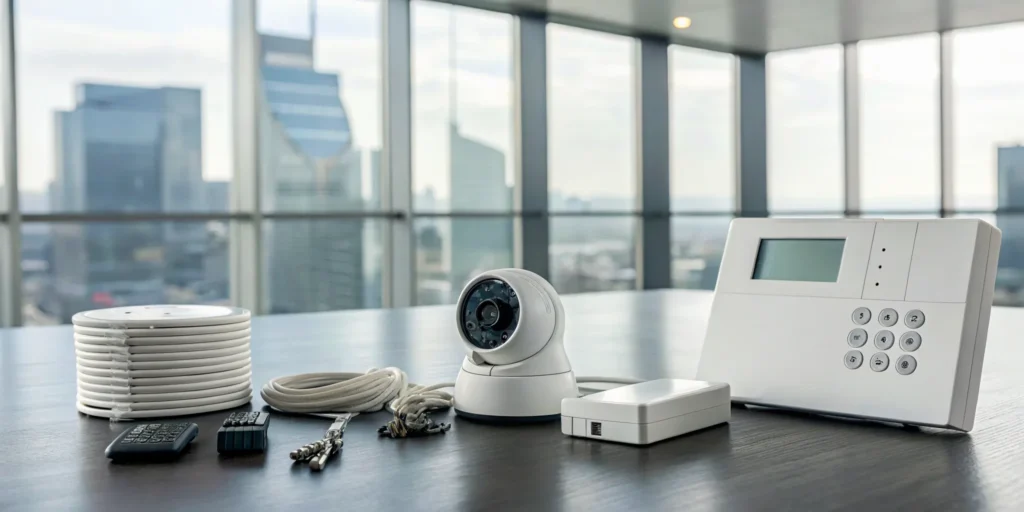
A business alarm system does more than just make noise during a break-in. A modern, integrated system is a silent partner in your daily operations, protecting you from threats you might not have even considered. It can alert you to a fire before it spreads, provide video evidence to fight a fraudulent liability claim, and even notify you of a burst pipe in the stockroom before it causes thousands in damages. When you see security through this lens, the conversation about cost changes. It’s no longer just an expense; it’s an investment in continuity and stability. Understanding the full range of protection is the first step to properly evaluating business alarm systems pricing and choosing a solution that truly safeguards your assets, employees, and bottom line.
A business alarm system does more than just make noise during a break-in. A modern, integrated system is a silent partner in your daily operations, protecting you from threats you might not have even considered. It can alert you to a fire before it spreads, provide video evidence to fight a fraudulent liability claim, and even notify you of a burst pipe in the stockroom before it causes thousands in damages. When you see security through this lens, the conversation about cost changes. It’s no longer just an expense; it’s an investment in continuity and stability. Understanding the full range of protection is the first step to properly evaluating business alarm systems pricing and choosing a solution that truly safeguards your assets, employees, and bottom line.
Key Takeaways
- Look Beyond the Upfront Price: To understand the real cost, calculate the total cost of ownership. This includes the initial equipment and installation fees plus recurring expenses like monthly monitoring, service plans, and local permits.
- See Monitoring as a Smart Investment: Professional monitoring is more than a monthly fee; it’s a service that provides a reliable emergency response. It can also save you money by preventing false alarm fines and potentially lowering your business insurance premiums.
- Get the Best Value with Strategic Planning: Maximize your return by getting itemized quotes, buying your equipment instead of leasing, and choosing a system that can scale with your business. These steps give you greater control and prevent future replacement costs.
First Things First: What Is a Business Alarm System?
When you think about securing your business, you’re probably picturing a system that stops break-ins. And you’re right, but that’s only part of the story. A modern business alarm system is a complete safety net designed to protect your property, your employees, and your bottom line from multiple threats. Think of it as an ecosystem of smart devices all working together. Adding a security system is one of the best ways to protect your business because a proper setup will inform you about any serious situations, such as a burglary or a fire.
At its core, a business alarm system connects sensors, detectors, and cameras to a central control panel. When a sensor is triggered, the system takes action. That action could be sounding a loud siren, sending an alert to your phone, or notifying a professional monitoring center that can dispatch help. Whether you run a retail store in Greenville or manage an office in Spartanburg, the right system gives you constant awareness and control. It’s not just about catching criminals; it’s about creating a secure environment where your business can thrive. To find the right fit, you’ll need to understand a few key components, like whether you need professional monitoring, if a wired or wireless setup is better, and what types of threats you want to guard against.
Monitored vs. Unmonitored: What’s the Real Difference?
Choosing between a monitored and an unmonitored system is one of the most important decisions you’ll make. An unmonitored system, often called self-monitored, sends alerts directly to your smartphone when an alarm is triggered. From there, it’s up to you to assess the situation and call the police or fire department. While this option seems more affordable upfront, it puts all the responsibility on your shoulders.
A professionally monitored system connects your alarm to a 24/7 central station. When a sensor is triggered, trained professionals immediately receive the signal. They can verify the emergency, often using video footage, and dispatch the appropriate authorities for you. This ensures a fast, reliable response, even if you’re busy, asleep, or away from your phone. A comprehensive monitoring plan is what truly makes your system work for you, providing peace of mind that help is always on the way.
Wired vs. Wireless: Which Is Right for Your Business?
Your next choice is between a wired and a wireless alarm system. Wired systems connect all the components, like sensors and keypads, to the main control panel using low-voltage cables. They are known for being extremely dependable since you don’t have to worry about signal interference or changing batteries. However, the installation can be more complex and invasive, especially in older buildings without easy access to run wires.
Wireless systems use radio frequencies to communicate, making installation much faster and cleaner. You can place sensors anywhere without drilling holes, which is perfect for historic properties or leased spaces. While older wireless technology had its issues, today’s systems are highly reliable. The main consideration is that you’ll need to perform some light upkeep, like replacing batteries every few years. The best option really depends on your building’s layout and your long-term plans.
More Than Just Break-Ins: Types of Protection
A comprehensive security system protects you from more than just theft. It’s a multi-layered solution that covers intrusion, fire, and environmental hazards. Intrusion protection is the foundation, using door and window sensors, motion detectors, and glass-break sensors to scare off thieves and secure your assets.
Fire and life safety is just as critical. Commercial-grade smoke, heat, and carbon monoxide detectors are essential for protecting your employees and customers while ensuring your business meets local fire codes. These life-safety sensors can save lives and are a non-negotiable part of any responsible business security plan. Finally, environmental sensors can alert you to non-criminal threats like water leaks, burst pipes, or extreme temperature changes, preventing costly damage to your inventory and equipment before it becomes a disaster.
What Do You Get with a Business Alarm System?
When you invest in a business alarm system, you’re getting more than just a siren. You’re getting a complete ecosystem of devices designed to work together to protect your property, employees, and assets. Think of it as a team where each player has a specific job. Let’s break down the key components, from the essential building blocks to the smart upgrades that give you total control.
The Core Components of Your Security System
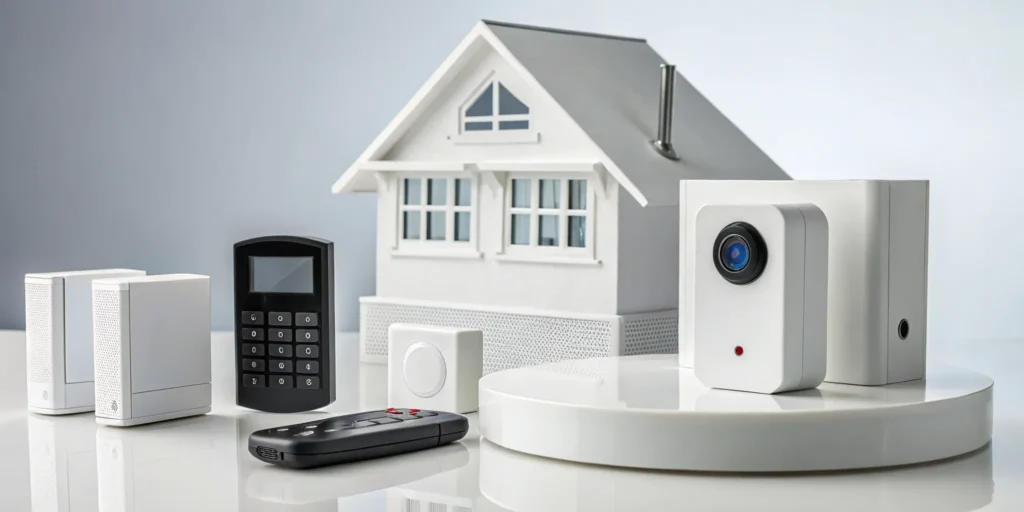
Every professional security system is built on a foundation of core components. The central hub, or control panel, acts as the brain of the operation, communicating with all the other devices. From there, you have sensors that act as your eyes and ears. Door and window sensors detect unauthorized entry, while glass break detectors listen for the specific sound of shattering glass. Just as important are life-safety sensors, like smoke and carbon monoxide detectors, which alert you to environmental dangers. Together, these pieces form a critical safety net, ready to inform you and our 24/7 monitoring center about any emergency, from a burglary to a fire.
Popular Smart Features and Upgrades
This is where your security system gets really powerful. Smart features use modern technology to give you more control and reduce headaches. For instance, AI-powered video analytics can distinguish between a person and a stray animal, which drastically cuts down on false alarms. You can also add advanced features like video surveillance to keep an eye on your property from anywhere. Another popular upgrade is access control, which lets you ditch traditional keys for key cards, fobs, or keypad codes. This makes it easy to manage who can enter certain areas and when, and you’ll never have to change the locks again when an employee leaves.
Making Your Security Systems Work Together
The true strength of a modern security setup lies in integration. Instead of having separate, standalone systems, all your components can communicate with each other for a smarter, more responsive solution. Imagine your fire alarm is triggered. An integrated system can automatically unlock designated doors for a quick evacuation, shut down your HVAC system to slow the spread of smoke, and send a live video feed from your cameras directly to your phone. This seamless connection not only provides a higher level of security but also simplifies management. While linking your alarm with cameras, access control, and fire systems does affect the overall cost, the added protection and peace of mind are invaluable.
Breaking Down the Upfront Costs of a Business Alarm
When you start looking into a security system for your business, it’s easy to focus on the monthly monitoring fee. But before that recurring cost begins, there are a few initial investments you’ll need to plan for. Understanding these upfront costs helps you create a realistic budget and avoid any surprises down the road. Think of it as building a strong foundation for your business’s safety. The total initial price is a combination of three main things: the physical hardware you choose, the cost to have it professionally installed, and any local permits required to operate it legally.
Each of these components is essential for a reliable and compliant system. Skimping on one area, like trying to install a complex system yourself, can lead to bigger costs and headaches later. As your local security partner here in South Carolina, we believe in transparency. We want you to know exactly what you’re investing in from day one. Let’s break down what you can expect to pay for equipment, installation, and those necessary permits, so you can make an informed decision that protects your business, your employees, and your peace of mind.
How Much Does the Security Equipment Cost?
The hardware is the heart of your security system, and its cost will make up a significant part of your initial investment. For a small business in a single location, a basic equipment package typically runs from $1,500 to $3,000. This usually includes a control panel, a few door and window sensors, and a motion detector.
Of course, the final price depends entirely on your needs. You might require more advanced components like 4K AI security cameras ($180 to $650 each) or additional motion sensors ($20 to $100 each) to cover a larger warehouse or retail floor. The key is to get exactly what you need without overpaying for features you won’t use. We can help you design a system that fits your space and budget perfectly.
Factoring in Professional Installation Costs
While DIY security is fine for a small apartment, your business requires a professional touch. Expert installation ensures every sensor is placed correctly, every camera angle is optimized, and the entire system communicates flawlessly. The cost for professional installation typically ranges from $300 to $1,200, depending on the size and complexity of your system.
This isn’t just about convenience; it’s about compliance and liability. A properly installed system minimizes false alarms and guarantees your equipment functions as intended during a real emergency. For business owners in communities like Greer or Simpsonville, having a certified technician handle the setup is the best way to ensure your system meets local codes and protects your assets effectively from the start.
Don’t Forget About Permits and Compliance Fees
One small but crucial upfront cost that’s often overlooked is the alarm permit. Most cities and counties in South Carolina, including Greenville and Anderson, require businesses to register their alarm systems with local law enforcement. This helps them manage emergency responses and reduce the impact of false alarms.
The fee for an alarm permit is usually quite modest, often between $30 and $110 per year. While it may seem like a minor detail, failing to get one can result in significant fines if your alarm goes off. As your local security provider, we can guide you through the specific permitting process for your area, ensuring your business is fully compliant from the moment your system is activated.
Beyond the Initial Price: What Are the Ongoing Costs?
Once your new alarm system is installed, it’s easy to think the spending is over. However, the initial purchase is just the first step. To keep your business protected around the clock, you’ll need to account for a few recurring expenses. These ongoing costs are what transform your equipment from a simple noisemaker into a comprehensive security solution that actively safeguards your property, employees, and assets.
Think of it like owning a company vehicle; you have the initial purchase price, but you also budget for fuel, insurance, and regular tune-ups to keep it running reliably. Your security system is no different. The most common ongoing costs include professional monitoring services, maintenance plans to keep the hardware in top shape, and potential fees you’ll want to avoid, like fines from false alarms. Understanding these expenses from the start helps you create an accurate budget and ensures there are no surprises down the road.
How Much Is Professional Monitoring?
Professional monitoring is the service that connects your alarm system to a 24/7 command center. When a sensor is triggered, a signal is sent to a team of trained professionals who can verify the alarm and dispatch the appropriate emergency services, whether it’s the police or fire department. This constant oversight is the core of a truly effective security strategy.
The cost for professional monitoring typically ranges from $40 to $120 per month. The price can depend on the type of connection your system uses. While monitoring over a traditional landline is sometimes an option, most modern systems rely on a more secure cellular connection. A cellular-based system ensures your security stays online even if your phone lines are cut or your internet goes down, providing a much more reliable layer of protection for your business.
Budgeting for Maintenance and Service Plans
Your security system is a sophisticated piece of technology that works hard every single day. Just like any other critical equipment, it needs occasional check-ups to perform at its best. Regular maintenance ensures that your camera lenses are clear, your sensors are correctly calibrated, and your backup batteries are ready to take over during a power outage.
Many security providers offer annual service plans that cover these preventative measures. You can generally expect to budget between $300 and $500 a year for a maintenance plan. This proactive approach helps you catch small issues before they become big problems, ensuring your system is fully operational when you need it most. A good service plan gives you peace of mind, knowing your investment is protected and your business is secure.
Understanding Hourly Service Call Rates
If you decide against a service plan, you’ll pay for any necessary maintenance on an hourly basis. Think of this like calling a plumber for a leaky faucet—you pay for the technician’s time and expertise to fix a specific problem. For security systems, you can expect to pay between $45 and $75 per hour for repairs or check-ups. This rate covers a professional technician coming to your site to diagnose a faulty sensor, troubleshoot a connection issue, or perform other essential fixes. While paying by the hour offers flexibility, these costs can add up unexpectedly. It’s often more predictable and cost-effective to have a maintenance plan in place, which bundles these potential service calls into a single, manageable annual fee.
The Hidden Cost of False Alarms
Nothing disrupts your day quite like a call about a false alarm at your business. Besides being an unnecessary distraction, they can also be costly. Many municipalities, including several here in South Carolina, issue fines to business owners for excessive false alarms to discourage the waste of emergency resources. These fines can be around $150 per incident and often increase for repeat offenses.
The best way to prevent these fees is with a system that includes video verification. When an alarm is triggered, video verification allows the monitoring center to quickly view camera footage associated with the event. They can instantly confirm if it’s a real emergency or just an employee who forgot the code. This simple step drastically reduces false alarms, saving you money and keeping you in good standing with local law enforcement.
Cloud Storage and Data Management Fees
If your security system includes video surveillance, where you store that footage is just as important as the cameras themselves. While you can save video on a physical recorder at your business, that device could be stolen in a break-in or damaged in a fire. Cloud storage solves this problem by securely saving your video files online. This service typically comes with a monthly or yearly fee, but it offers two huge advantages. First, it allows you to access your footage from anywhere with an internet connection. Second, it protects your video evidence from being tampered with or destroyed. For a small price, you get the peace of mind that your most critical proof is always safe and accessible when you need it.
Cybersecurity and Network Protection
As business alarm systems become smarter and more connected, they also become a part of your IT network. This integration means you have to think about digital security right alongside physical security. A firewall is an essential tool that acts as a digital guard for your network, preventing unauthorized users from accessing your system and the sensitive data connected to it. Protecting your computer network with a professional-grade firewall is a critical investment. Depending on the level of protection you need, this service can add to your monthly security costs, but it’s a non-negotiable layer for any modern business. It ensures that the very system designed to protect you doesn’t become a vulnerable entry point for cyber threats.
What to Look for in Your Contract
Before you sign on the dotted line, it’s crucial to read your service agreement carefully. Your contract outlines the terms of your monitoring service, warranty information, and policies on cancellation or relocation. Pay close attention to the contract length, as some companies lock you into multi-year agreements that can be difficult and expensive to break.
Also, be sure you understand whether you are buying your equipment outright or leasing it. While leasing may offer a lower upfront cost, it often means you’re stuck in a long-term contract and will never actually own the hardware. Buying your equipment gives you more freedom and flexibility. You own the hardware from day one and can often move it to a new location or switch monitoring providers more easily if your business needs change.
What Factors Influence Business Alarm System Pricing?
When you request a quote for a business alarm system, the final number depends on a few key variables. Understanding these factors will help you see exactly where your money is going and allow you to work with a security partner to design a system that fits your property and your budget perfectly. Think of it less as a fixed price tag and more as a custom solution built just for your business. Let’s walk through the main elements that shape the cost.
Your Business’s Size and Layout
The physical characteristics of your building are the biggest driver of cost. A small retail shop on Main Street in Greenville will have different needs than a sprawling warehouse in Spartanburg. The more doors, windows, and interior spaces you need to cover, the more sensors, cameras, and wiring will be required. A professional security consultant will conduct a walkthrough to map out entry points, vulnerable areas, and high-traffic zones. This process ensures you get complete coverage without paying for equipment you don’t need, creating a system that’s both effective and efficient.
The Quality of Your System’s Components
It can be tempting to choose the cheapest hardware, but the quality of your security components has a direct impact on performance and long-term costs. Higher-quality sensors and control panels are more reliable, which means they last longer and are less likely to trigger frustrating and expensive false alarms. Investing in dependable equipment from the start gives you a system you can trust day in and day out. It’s a smart investment in your business’s safety and your own peace of mind, preventing future headaches and service calls.
Your Specific Industry and Risk Level
The type of business you run plays a huge role in determining your security needs and, consequently, the cost of your system. A business with high-value, easily accessible inventory, like a jewelry store or a pharmacy, faces a much higher risk of theft than a standard office building. Because of this, your security system will need more layers of protection. While an office might prioritize access control and after-hours monitoring, a high-risk retail shop will require a more robust setup, including glass-break sensors, panic buttons, and advanced video surveillance. The security needs for a boutique in downtown Greenville are simply different from those of a manufacturing plant in Anderson. Understanding the specific risks associated with your industry is the first step in designing a system that provides adequate protection without unnecessary expense.
Required System “Grade” for Insurance
Your insurance provider will also have a say in the type of system you need. Many insurance carriers require businesses to install alarm systems that meet a specific “grade.” These grades (ranging from 1 to 4) are industry standards that define a system’s reliability and resistance to tampering. For example, insurance companies often require higher-grade systems for commercial properties because they offer more advanced features and backup communication paths. Installing a compliant, professionally monitored system can not only satisfy your insurer’s requirements but may also qualify you for significant discounts on your business insurance premiums. It’s always a good idea to talk to your insurance agent to see what they recommend or require before you finalize your security plan.
Cost Differences: Wired vs. Wireless Installation
You have two main options for how your system is installed: wired or wireless. Traditional wired systems are known for their steadfast reliability but can be more labor-intensive to install, especially in older buildings with thick walls. Wireless systems offer more flexibility and a cleaner, faster installation process since they don’t require running cables through walls. However, they may require occasional maintenance like battery changes. The right choice depends on your building’s structure, your budget, and your specific security needs. A good partner will explain the pros and cons of each for your space.
Monitoring Connection: Cellular vs. Landline
The way your alarm system communicates with our 24/7 monitoring center is a critical factor in its reliability and cost. While some older systems still use a traditional landline, this method is becoming obsolete for a simple reason: it’s vulnerable. A burglar can cut your phone line, and just like that, your system is silenced. That’s why modern security solutions rely on a more secure cellular connection. Using the same technology as your smartphone, a cellular communicator ensures your system stays online even if your internet is down or your phone lines are cut. This dedicated, reliable link is the standard for any serious business security setup and is a key part of what makes professional monitoring so valuable.
Data Storage Needs (24/7 vs. Motion-Activated Recording)
If your security plan includes video surveillance, you’ll need to decide how your cameras record and store footage. Most businesses opt for motion-activated recording, where cameras only save clips when they detect activity. This is efficient, saves a tremendous amount of storage space, and makes it easy to find important events. However, some businesses may require 24/7 continuous recording to capture every single moment. Just be aware that recording all the time costs more because it requires significantly more data storage. Storing video online through the cloud is a popular choice, as it protects your footage from being stolen or damaged and allows you to access it from anywhere.
How Your Location and Local Rules Affect Cost
Where your business is located also plays a role. Many cities and counties in South Carolina require you to obtain a permit for a commercial alarm system. For example, the requirements in Anderson might differ from those in Clemson. These permits often come with a small annual renewal fee. A professional security provider can help you handle the local business license and permit requirements to ensure your system is fully compliant from day one. This helps you avoid potential fines and ensures first responders will be dispatched if there’s an emergency.
Is Professional Monitoring Worth the Cost?
When you’re looking at the total cost of a security system, the ongoing fees for professional monitoring can feel like a big question mark. Is it really necessary to pay a monthly fee for someone to watch over your system? It’s a valid question every business owner asks, especially when trying to manage a budget. The alternative, self-monitoring, puts you in the driver’s seat by sending alerts directly to your phone. While that might seem like a good way to save money upfront, it also puts all the responsibility squarely on your shoulders.
Choosing between self-monitoring and professional monitoring is about more than just cost; it’s about deciding who responds when an alarm goes off at 2 a.m. Are you prepared to assess the situation and contact the authorities yourself, even when you’re on vacation or in an important meeting? Professional monitoring provides a reliable, 24/7 safety net. This service ensures that even if you’re unavailable, a potential threat at your business is never ignored. It’s an investment in consistency and, most importantly, in the peace of mind that comes from knowing your property is always protected by a team of trained experts.
Self-Monitoring vs. Professional: Which Is Better?
With self-monitoring, you are the central station. When a sensor is triggered, you get a notification on your phone and have to decide what to do next. This works if you’re always available and have a reliable internet connection. Professional monitoring, on the other hand, connects your system to a 24/7 command center. The best business security alarm systems use a cellular connection, so even if your power or Wi-Fi goes out, your system stays connected to the monitoring team. This constant link is the most reliable way to protect your property. While it comes with a monthly fee, you’re paying for a dedicated team that is always ready to respond, day or night.
How Video Verification Can Save You Money
One of the smartest features of modern professional monitoring is video verification. When an alarm is triggered, the monitoring team can immediately access a short video clip from your security cameras to see what caused the alert. This is a huge advantage because it helps them confirm if there’s a real emergency or just a false alarm, like a sign blowing in the wind. False alarms are not just a nuisance; they can be expensive. Many South Carolina municipalities issue fines for repeated false dispatches, which can cost you around $150 per incident. With video verification, the monitoring team can cancel a false alarm before it leads to a costly fine, saving you money and maintaining a good relationship with local law enforcement.
How to Calculate the True Cost of Your System
When you’re looking at quotes for a new security system, it’s easy to focus on the initial price tag. But the number on that first proposal doesn’t tell the whole story. To make a smart investment for your South Carolina business, you need to look at the complete picture. This means calculating the total cost of ownership over the entire life of the system, not just the day it’s installed.
Thinking this way helps you budget accurately and prevents surprise expenses down the road. It shifts the question from “What does this cost today?” to “What is my actual investment over the next three to five years?” By understanding all the potential expenses, you can compare different providers and systems on a level playing field and find the solution that offers the best long-term value for your business.
Understanding the Total Cost of Ownership (TCO)
Total Cost of Ownership, or TCO, is a simple concept that accounts for every expense related to your security system, not just the upfront equipment price. Think of it like owning a car; you don’t just pay for the vehicle itself, you also budget for gas, insurance, and maintenance. Your security system is the same. A true TCO calculation includes the initial equipment and installation, monthly monitoring fees, potential maintenance or service plans, and even local permit fees. Looking at all associated costs over a three to five-year period gives you a much more realistic view of your financial commitment and helps you avoid hidden fees.
Sample Security System Costs for SC Businesses
So, what can a business owner in Greenville or Spartanburg expect to invest? While every system is unique, we can look at some typical figures to get a general idea. For a basic system at a single location, the initial equipment and installation might range from $1,500 to $3,000. Professional monitoring services, which are essential for a rapid response, typically add a monthly fee of around $40 to $120. Understanding the full financial commitment is key. For more advanced systems with features like video surveillance or access control, the initial investment could be $5,000 or more, depending on the size of your property and the complexity of the setup.
Video Surveillance Systems
Adding video surveillance is one of the most powerful upgrades you can make to your security system. It gives you a visual record of everything that happens on your property, which is invaluable for investigating incidents, deterring theft, and even fighting fraudulent liability claims. A professionally installed four-camera system typically costs between $800 and $2,000. The price depends on the camera quality and features, with a single commercial-grade camera often running from $200 to $500 for the hardware alone. While it’s an added investment, having the ability to check in on your business from anywhere provides a level of control and peace of mind that’s hard to put a price on.
Access Control Systems
Tired of changing the locks every time an employee leaves? An access control system is the modern solution. Instead of traditional keys, you can use keypads, key cards, or even biometrics to manage who enters your building and when. A basic keypad system might cost between $500 and $1,200, offering a simple way to secure entry points. For businesses needing a higher level of security, advanced systems using fingerprint or facial recognition can range from $1,500 to $8,000. This technology not only enhances security but also simplifies operations, giving you a complete audit trail of who accessed which areas and at what time.
Commercial Fire Alarm Systems
A commercial fire alarm system is more than just a piece of equipment; it’s a life-saving necessity that’s required by law. These systems are designed to meet strict local and national fire codes to protect your employees, customers, and property. The investment for a code-compliant fire detection system can range from $2,000 to over $10,000, depending on the size of your building and the specific rules in your area. While this may seem like a significant expense, it’s a non-negotiable part of responsible business ownership. It ensures you can evacuate safely during an emergency and protects your assets from a devastating loss.
Environmental Monitoring Sensors
Some of the biggest threats to your business aren’t criminal. A burst pipe, a failing HVAC system, or a power outage can cause thousands of dollars in damage to your inventory and equipment. Environmental sensors are your first line of defense against these silent threats. These devices can detect water leaks, extreme temperature changes, and humidity fluctuations, sending you an immediate alert before a small issue becomes a catastrophe. Depending on the type of sensor, the cost can range from $500 to over $2,000 per device. It’s a small price to pay to prevent a major disaster and ensure your business continuity.
Fully Integrated Enterprise Systems
For the ultimate in security and efficiency, a fully integrated system connects all your security components—intrusion detection, video surveillance, access control, and fire alarms—into one seamless platform. This allows your systems to “talk” to each other. For example, a fire alarm can automatically unlock doors for evacuation and shut down your HVAC to prevent smoke from spreading. The initial cost for an advanced, integrated system can range from $2,000 to over $5,000. For very large or high-security operations, such as a manufacturing facility, the investment could be $25,000 or more. This level of integration provides unparalleled control and a smarter, faster response to any situation.
4 Common Myths About Security System Costs
When you’re focused on protecting your business, the last thing you want are surprises on your invoice. Unfortunately, there are a lot of misconceptions floating around about the price of a commercial security system. Believing them can lead to unexpected expenses and leave you with a system that doesn’t quite fit your needs. Let’s clear up a few of the most common myths so you can budget with confidence and make a smart investment in your company’s safety.
Myth #1: “The upfront quote covers everything.”
It’s easy to assume the first price you see is the final price, but that’s often not the whole story. Many initial quotes only cover the basic equipment and leave out other essential costs. The first price you get often doesn’t include everything, which can lead to budget overruns if you aren’t careful. For example, a quote might not factor in installation complexities, local permit fees, or the one-time activation fee for professional monitoring services. To avoid any surprises, always ask for a detailed, itemized quote that breaks down every single charge, from hardware and installation to any potential third-party fees.
Myth #2: “A cheaper system saves money long-term.”
Choosing the cheapest option upfront can feel like a savvy business move, but it can cost you more down the road. It’s important to think about more than just the initial price; a good system saves money in the long run by being more reliable and effective. Lower-priced systems may use components that are more prone to failure, leading to frequent service calls and repair bills. More importantly, a system that fails during a break-in or fire can result in losses that far exceed any initial savings. Investing in high-quality, durable equipment from a reputable provider is an investment in your business’s continuity and your own peace of mind.
Myth #3: “False alarms are no big deal.”
A false alarm might seem like a minor inconvenience, but they can be a significant and unnecessary expense. Many municipalities, including several here in South Carolina, issue fines to business owners for excessive false alarms to discourage wasting emergency resources. These fines can be costly, sometimes around $150 per incident. The good news is that modern technology can help prevent this. Systems with video-verified monitoring allow our team to confirm a real threat is in progress before dispatching authorities, which dramatically reduces the chance of a false alarm and its associated fees.
Myth #4: “I don’t need a permit for my system.”
This is a risky assumption that could lead to serious headaches. The reality is that most cities and counties across South Carolina require you to have a permit for a monitored business alarm system. For example, businesses within the City of Greenville must obtain and renew an alarm permit to ensure their system is registered with local law enforcement. Skipping this step can result in hefty fines and may even lead to authorities refusing to respond to your alarm. A professional security partner will know the specific regulations in your area and can often handle the permitting process for you, ensuring you’re fully compliant from day one.
How to Get the Best Value on Your Security System
Securing your business is one of the most important investments you’ll make, but getting the best value goes beyond simply finding the lowest price. A truly valuable system is one that is reliable, fits your specific needs, and gives you lasting peace of mind without any hidden surprises down the road. It’s about finding a security partner who is transparent and a system that can adapt as your business grows.
Making a smart choice means looking at the total cost of ownership, not just the initial quote. By asking the right questions and understanding what to look for, you can ensure your investment protects your assets and your bottom line for years to come. Here are five practical steps to help you find a solution that delivers real, long-term value.
Always Ask for an Itemized Quote
When you’re comparing security providers, a detailed, itemized quote is your best tool for making an informed decision. Don’t settle for a single lump-sum price. Ask at least two licensed security companies for a complete breakdown that clearly separates the costs for each component. Your quote should list the price for all equipment (like sensors, cameras, and keypads), professional installation, and any local permit fees required in your South Carolina city or county.
Most importantly, make sure the ongoing expenses are clearly defined, including the monthly monitoring plan and the terms of any service agreements. This transparency allows you to accurately compare offers and prevents you from getting hit with unexpected fees after you’ve already signed a contract.
Should You Buy or Lease Your Equipment?
You’ll generally have two options for your security equipment: buying it outright or leasing it from the provider. While leasing might seem attractive because of the lower upfront cost, it often locks you into a long and restrictive contract. If you decide to switch monitoring services later, you could lose the equipment you’ve been paying for all along.
Buying your equipment gives you full ownership and greater flexibility. Though the initial investment is higher, you own the hardware and are free to choose or change your monitoring provider in the future. For most businesses, purchasing the system is the more cost-effective and strategic choice, giving you control over your security assets for the long haul.
Look for Financing and Leasing Options
A comprehensive security system is a significant but necessary investment. If the upfront cost of purchasing your equipment feels like a hurdle, don’t let it stop you from getting the protection you need. Many security companies offer financing or leasing options to make a top-tier system more accessible. Financing allows you to break down the cost of the equipment into manageable monthly payments, so you can get the best system now without draining your cash reserves. This way, you still get the long-term benefits of owning your hardware. While leasing is also an option with lower initial costs, remember that financing helps you build equity in an asset you’ll own, giving you more control and flexibility in the long run.
Check for Potential Insurance Discounts
A professionally installed and monitored alarm system does more than just protect your business; it can also save you money on your insurance premiums. Many insurance carriers offer significant discounts to businesses that take proactive steps to reduce their risk of theft, fire, and property damage. A monitored system is proof that you are serious about security, which makes your business a lower risk to insure.
Before you finalize your security plan, call your insurance agent. Ask them what kind of discounts they offer for businesses with monitored intrusion and fire alarm systems. The savings on your annual premium could be substantial, helping to offset the cost of the system itself and adding another layer of financial return on your investment.
Ask About Tax-Deductible Expenses
Beyond insurance savings, your security system can offer another financial benefit when tax season rolls around. The costs associated with protecting your business—including the equipment, professional installation, and monthly monitoring fees—are often considered necessary operational expenses. This means you may be able to deduct them from your business taxes. It’s a significant advantage that helps lower the overall cost of ownership and adds to the system’s long-term value. While we can help you understand the costs, it’s always a smart move to speak with your accountant. They can provide specific advice on how to properly document these expenses and ensure you’re taking full advantage of every available business expense deduction. This conversation can make your investment in security even more affordable.
Choose a System That Grows with You
Your business isn’t static, and your security system shouldn’t be either. When choosing a system, think about where your business will be in five or ten years. Are you planning to expand your facility, add a new warehouse, or open another location in the Upstate? A scalable security system is designed to grow with you, making it easy to add more cameras, door sensors, or access points as your needs change.
Discuss your future plans with your security consultant. It is often much cheaper to install a system with the capacity for expansion now than it is to replace an entire system later. Planning for growth from the start ensures your security solution remains a perfect fit, saving you time and money as your business succeeds.
Budgeting for Future Technology Upgrades
The security technology that protects your business today will eventually be surpassed by newer, more effective solutions. That’s not a problem to worry about; it’s a reality to plan for. Budgeting for future technology upgrades is a crucial part of your long-term security strategy and a key component of your system’s total cost of ownership. When you plan for costs down the line, you ensure your business remains protected against emerging threats without facing a sudden, massive expense. A forward-thinking approach means you can strategically phase in new cameras, smarter sensors, or updated software, keeping your security robust and your budget predictable.
Review the Warranty and Support Plan
The value of a security system extends far beyond the day it’s installed. A strong warranty and a reliable support plan are critical for ensuring your system operates flawlessly for years to come. Before signing a contract, make sure you understand exactly what the equipment warranty covers and for how long. A comprehensive warranty protects you from paying out-of-pocket for faulty parts.
Equally important is the provider’s plan for service and support. Ask about their average response time for service calls and what’s included in their maintenance package. A great local partner will be there to provide timely support when you need it, ensuring your system is always protecting your business without causing you costly downtime or surprise repair bills.
Avoid Proprietary “Locked-In” Equipment
Some security companies use proprietary equipment, which is a fancy way of saying their hardware is designed to work only with their monitoring service. While it might not seem like a big deal at first, it can become a major headache. If you’re unhappy with their service or they raise their prices, you’re stuck. Your only option is to rip out the entire system and start over, which means the money you invested in that equipment is gone. It’s a strategy that locks you into a single provider, taking away your freedom to choose what’s best for your business.
Choosing a provider that uses standard equipment is a much smarter long-term strategy. When you own non-proprietary hardware, you have the flexibility to switch monitoring services if you find a better option down the road. This puts you in control of your security investment. You own the system, and you get to decide who monitors it. This freedom ensures you can always get the best service at a fair price without being forced into a costly and unnecessary replacement.
Inquire About Provider Certifications (UL, NSI)
When you’re trusting a company to protect your business, you want proof that they’re up to the task. That’s where third-party certifications come in. Look for security providers whose monitoring centers are certified by recognized organizations like UL (Underwriters Laboratories). A UL certification isn’t just a sticker on a window; it’s a rigorous seal of approval that proves the monitoring station meets the highest industry standards for reliability, security, and performance.
A UL-Listed central station has been independently audited to ensure it has redundancies in place for power, connectivity, and staffing. This means that even during a power outage or a natural disaster, the team monitoring your business will still be fully operational. It’s your guarantee that when an alarm is triggered, a trained professional will be there to respond quickly and effectively. This certification is a key indicator of a provider’s commitment to quality and gives you peace of mind that your system is in truly capable hands.
The Benefits of Choosing a Local Provider
When you have a question or need service, who do you want to call? A massive, anonymous call center halfway across the country, or a local expert who knows your name and your community? Choosing a local security provider offers a level of personalized service that larger national companies often can’t match. A local team understands the specific security challenges and permitting regulations in areas like Greenville, Anderson, and Spartanburg, allowing them to design a more tailored and effective solution for your business.
Beyond customized solutions, local providers are simply more responsive. Because they’re part of your community, they can provide faster service for installations, maintenance, and emergency calls. At ADP Security Systems, our team lives and works right here in South Carolina. We’re invested in the safety of our neighbors, and that accountability drives us to provide the highest level of customer care. You’re not just another account number to us; you’re a local business we’re proud to protect.
Ready to Secure Your South Carolina Business?
When you’re running a business in South Carolina, choosing a security partner is a major decision. You’ll see ads from large, national companies, but what you really need is a solution that understands the specific challenges and opportunities of operating in communities like Greenville, Spartanburg, or Anderson. While some providers offer starter equipment packages for a few hundred dollars and basic monitoring plans, these one-size-fits-all solutions often miss what makes your business unique. At ADP Security, we believe your protection shouldn’t come from a call center hundreds of miles away; it should come from local experts who are your neighbors.
A great security system does more than protect your inventory overnight. It’s a vital investment in your daily operations and long-term stability. High-definition video surveillance, for example, is one of the most effective ways to protect your company from fraudulent liability claims, like staged slip-and-fall incidents. Having clear video evidence can save you from costly legal battles and is a key part of a comprehensive small business security strategy. We design systems that not only watch your doors but also safeguard your bottom line.
Another factor to consider is the hidden cost of false alarms. A single accidental trigger can result in fines from local authorities, sometimes averaging around $150 per incident. This is where having a local partner truly makes a difference. We specialize in installing and monitoring systems with advanced features like video verification, which allows our 24/7 monitoring center to confirm a real threat before dispatching emergency services. This simple step drastically reduces false alarms and their associated fees. By choosing ADP, you’re not just buying equipment; you’re gaining a dedicated team committed to providing responsive, intelligent security for your South Carolina business.
Related Articles
- Best Business Alarm Systems Greenville SC: A Buyer’s Guide
- Best Alarm System for Retail Store South Carolina Guide
- Your Guide to Commercial Burglar Alarms in Greenville SC
- Smart Home Alarm Installation Greenville SC: What to Know
- Why Hire Certified Fire Alarm Installers Anderson SC?
Frequently Asked Questions
What’s a realistic budget for a small business security system? While every business is different, you can create a general budget by combining the initial investment with the first year of service. For a smaller retail or office space, you might expect an upfront cost of $1,500 to $3,000 for professional installation and all the necessary hardware. Then, add the monthly monitoring fee, which typically runs from $40 to $120. Thinking about the total cost over the first year gives you a much clearer picture of your investment than just looking at the equipment price alone.
Why shouldn’t I just install a DIY system from a big box store? While DIY systems seem convenient, they often fall short for a commercial environment. A professional system is designed for business-level reliability and compliance. Expert installation ensures every sensor is placed correctly to minimize false alarms and that your system meets local fire and safety codes, which is critical for your business license and insurance. A professional partner also helps you navigate the local permit process, saving you from potential fines and ensuring authorities will respond when you need them.
Is professional monitoring really worth the monthly fee? Absolutely. Think of it as having a dedicated security staff on duty 24/7. A self-monitored system puts all the responsibility on you to see an alert and call for help, which isn’t practical if you’re busy, asleep, or have poor cell service. Professional monitoring guarantees that a trained expert will always receive the signal, verify the emergency (often with video), and dispatch the police or fire department immediately. This ensures a fast, reliable response every time.
How can I avoid hidden costs when getting a security system? The best way to avoid surprises is to ask for a detailed, itemized quote from any provider you consider. This document should clearly separate the costs for equipment, installation, and any one-time activation or permit fees. Also, be sure to read the service agreement carefully to understand the contract length and whether you are buying the equipment or just leasing it. A transparent partner will be upfront about all potential costs, so you know exactly what you’re paying for.
What happens to my system if my business moves or expands? This is a great question and highlights the importance of planning for the future. If you buy your equipment outright, you own it and have the freedom to move it to a new location. Choosing a scalable system from the start also makes it simple and cost-effective to add more cameras or sensors as your business grows. Discussing your long-term plans with your security provider ensures you invest in a flexible solution that can adapt with you, rather than one you’ll outgrow in a few years.