Addressable Fire Alarm System: SC Business Guide
August 25, 2026
Are Medical Alert Devices Waterproof? What to Know
August 28, 2026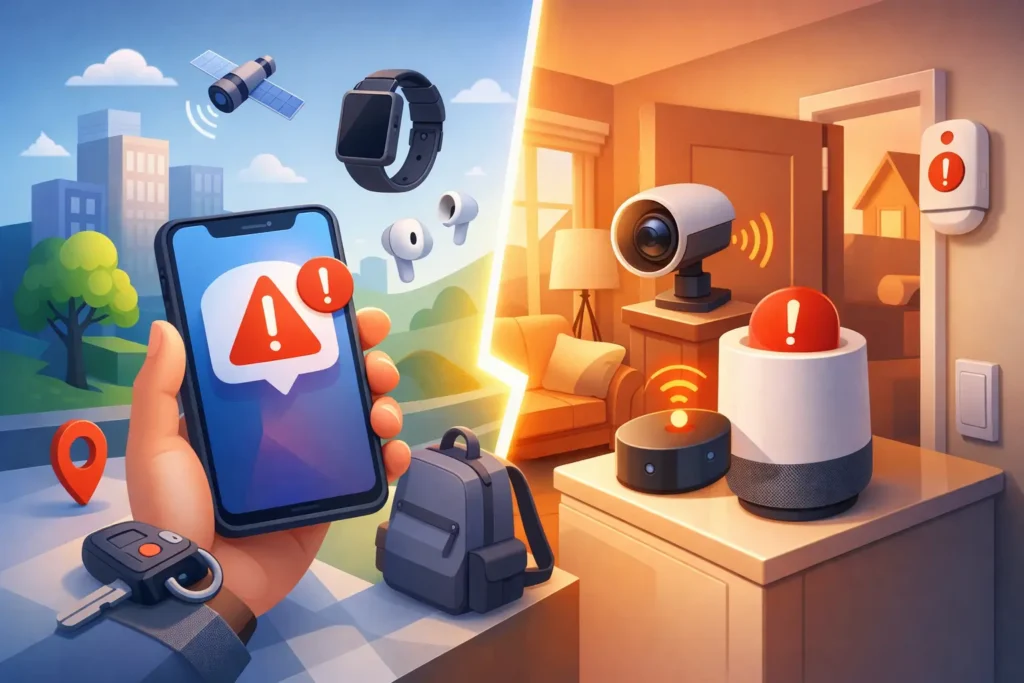
A medical emergency rarely arrives at a convenient time. It may happen while getting out of bed, taking a shower, walking to the mailbox, or shopping across town. When families compare mobile versus in home alerts, the real question is not which device has more features. It is which type of protection matches the person’s daily life, health needs, and ability to get help quickly.
Both options can connect a user to trained emergency response operators with the press of a button. The difference is where the device works, how it is worn, and how much protection it provides beyond the front door. Choosing well can help an older adult remain independent while giving family members greater confidence that help is available when it is needed.
What Is an In-Home Medical Alert?
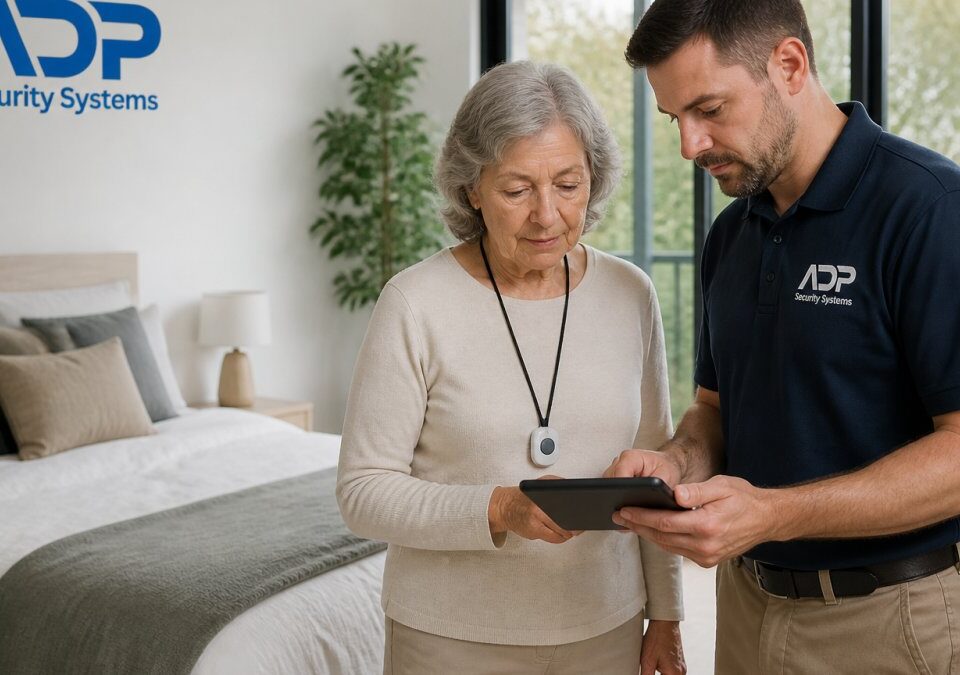
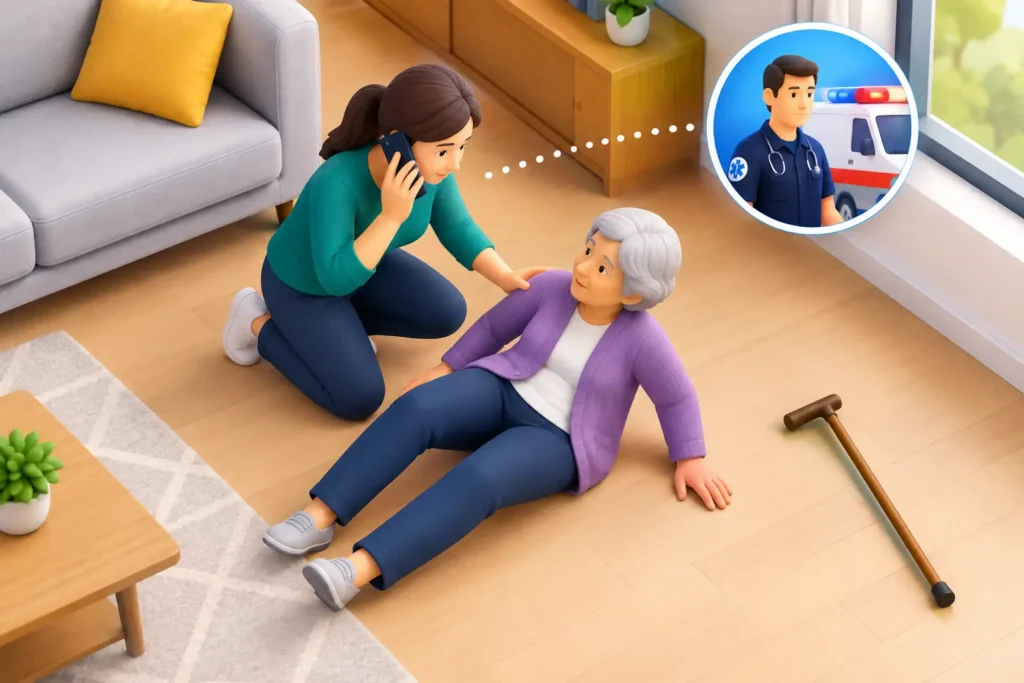
An in-home medical alert system is designed to provide emergency help while someone is at home. It typically includes a base unit placed in a central area and a lightweight wearable help button, often worn as a pendant or wristband. If the user feels weak, falls, experiences chest pain, or has another urgent concern, they press the button to request assistance.
The signal reaches the base unit, which connects the user with a monitoring center. A trained operator can speak through the base unit, assess the situation, contact emergency services when appropriate, and notify designated family members or caregivers.
For someone who spends most of the day at home, this can be a dependable and straightforward choice. It is especially useful for people who are comfortable with a familiar routine, live alone, or need reliable access to help in common areas such as the bedroom, kitchen, bathroom, and living room.
When an in-home alert makes sense
An in-home system may be the right fit for a person who rarely drives, has limited mobility, or mainly needs support during daily activities at home. It can also work well for someone who prefers a simple wearable button and does not want to manage a cellular device.
However, coverage depends on the system selected and the user remaining within range of the base unit. A traditional in-home alert does not provide the same level of protection during errands, appointments, visits with friends, or travel. That limitation matters for seniors who remain active in their communities.
What Is a Mobile Medical Alert?
A mobile medical alert is built for protection at home and away from home. Instead of relying only on a base station, the wearable device uses cellular connectivity, often through 4G service, to contact a monitoring center from many locations nationwide. Many mobile systems also include GPS technology, allowing responders and family members to identify the user’s location during an emergency.
Mobile devices are commonly worn around the neck, clipped to clothing, or carried in a pocket or purse. They are designed for everyday use and are often waterproof, so the user can keep protection nearby during activities where falls are more likely, including showering or walking outdoors.
For an older adult who still drives, attends church, shops independently, walks the dog, or visits family, mobile coverage can fill a meaningful safety gap. A medical alert should not require someone to choose between independence and access to help.
The role of GPS in an emergency
GPS is one of the key differences in mobile versus in home alerts. If a person has an emergency in a parking lot, on a walking trail, or while traveling, they may not be able to clearly explain where they are. GPS-enabled mobile devices can help monitoring professionals locate the user and send assistance to the right place.
Location technology is not a replacement for emergency services or personal awareness. It is a practical safeguard when stress, pain, confusion, or a fall makes communication difficult. For families, that added layer of location support can be especially reassuring when a loved one lives alone.
Comparing Mobile Versus In Home Alerts
The best option depends on the individual, not a one-size-fits-all rule. An in-home system provides focused protection where many accidents occur: inside the home. A mobile system extends that connection to help into the wider community.
Consider the person’s normal week. Do they spend most of their time at home, or do they regularly leave for appointments, social activities, errands, and family visits? Do they use a walker and have a higher fall risk in the bathroom or on the front steps? Do they drive? Are they likely to remember to keep a mobile device charged and with them?
An in-home alert can be the simpler choice for someone with a predictable, home-centered routine. Mobile alerts are often better for people who value an active lifestyle or whose medical needs make it essential to have a direct line to help wherever they go.
It is also worth considering how the device is used. The most capable medical alert system cannot help if it is left on a nightstand. A comfortable, easy-to-wear device that fits naturally into someone’s routine may offer more real-world value than a feature-heavy option they do not want to wear.
Fall Detection Adds Another Layer of Support
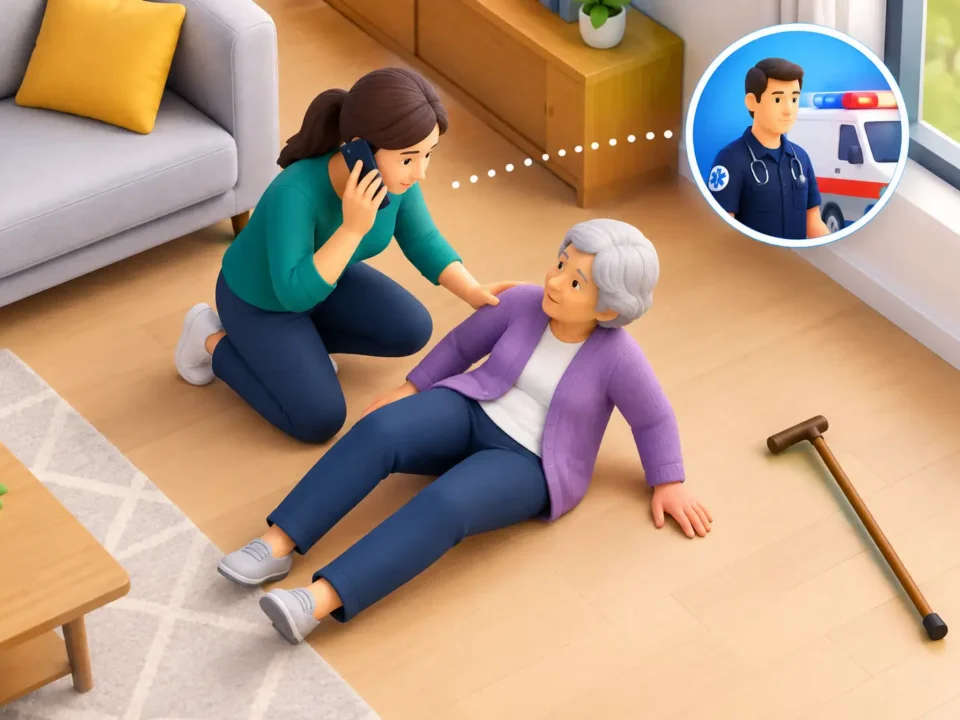
Many medical alert systems offer automatic fall detection. This feature can identify certain types of falls and trigger a call for help even when the user cannot press the SOS button. That can be valuable after a serious fall, loss of consciousness, or injury that limits movement.
Fall detection should be viewed as an added safeguard, not a guarantee that every fall will be detected. The user should still press the help button whenever possible. Professional monitoring provides the human response behind the technology: someone who can communicate with the user, contact local emergency responders, and follow the family’s notification plan.
For individuals with a history of falls, balance concerns, mobility limitations, or medical conditions that could cause sudden weakness, automatic fall detection deserves careful consideration. It may be appropriate with either an in-home or mobile solution, depending on the device and service plan.
Questions Families Should Ask Before Choosing
The conversation should begin with daily life, not just the equipment. Ask where the person spends time, whether they are comfortable wearing a pendant or wristband, and what situations worry them most. A person who has fallen in the shower has different needs from someone who is concerned about becoming ill while driving alone.
Families should also ask who responds after the button is pressed. Look for professional 24/7 monitoring, clear communication with emergency contacts, dependable cellular connectivity, and straightforward instructions for charging and testing the device. A system should be easy enough for the user to trust in a stressful moment.
It can help to discuss the choice openly with the person who will wear the alert. Medical alert devices support independence. Framing the system as a practical way to stay active and maintain control often leads to a more comfortable decision than treating it as a loss of freedom.
Professional Guidance Makes the Choice Easier
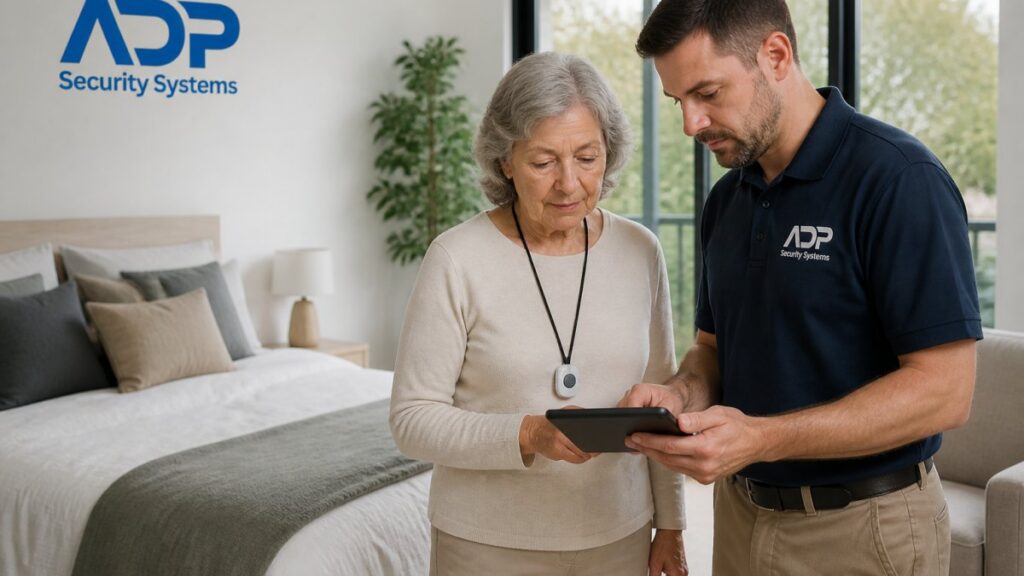
A personal medical alert is not merely a device. It is a connection to help when a person may be frightened, injured, or unable to reach a phone. That is why installation guidance, clear training, reliable monitoring, and local support all matter.
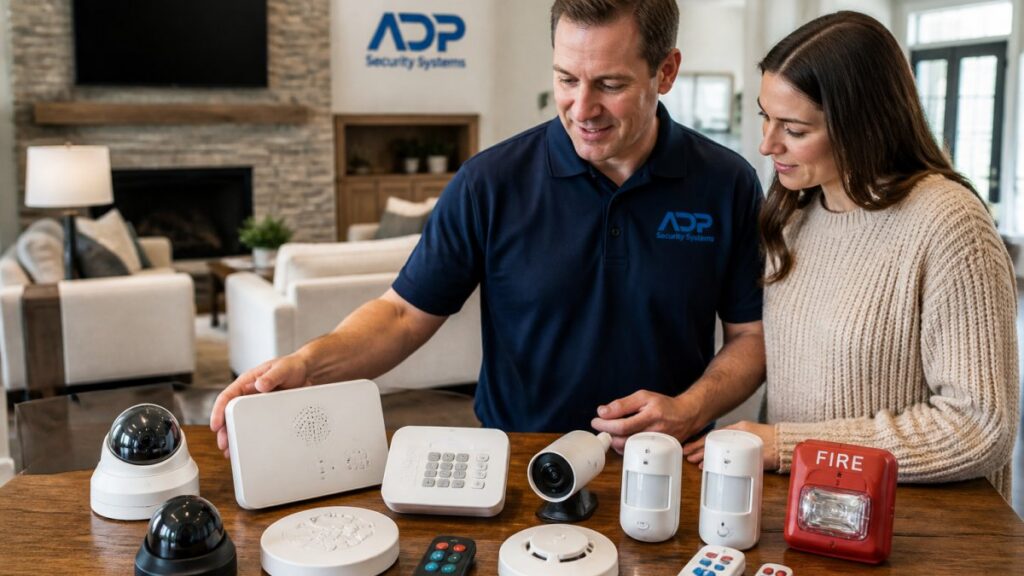
ADP Security Systems helps South Carolina families evaluate Smart Care medical alert options based on the user’s routine and level of risk. With one-touch SOS access, optional fall detection, waterproof wearable options, and mobile devices with GPS and 4G connectivity, the goal is practical protection that feels manageable every day.
The right alert is the one a loved one will wear consistently and can depend on without hesitation. A thoughtful conversation now can make it easier for them to continue living confidently at home, around town, and wherever life takes them.