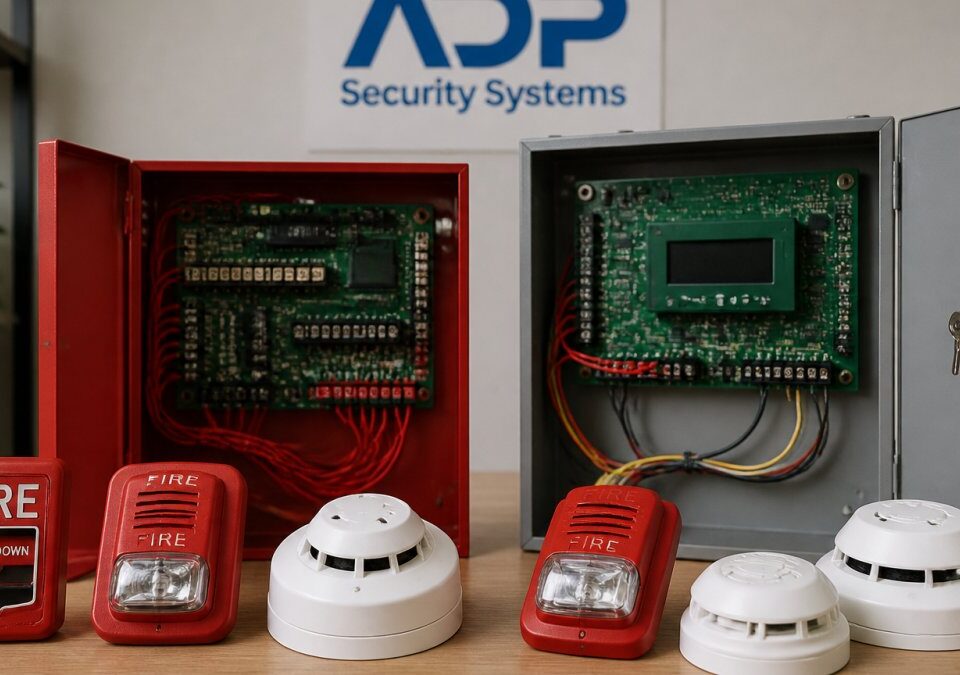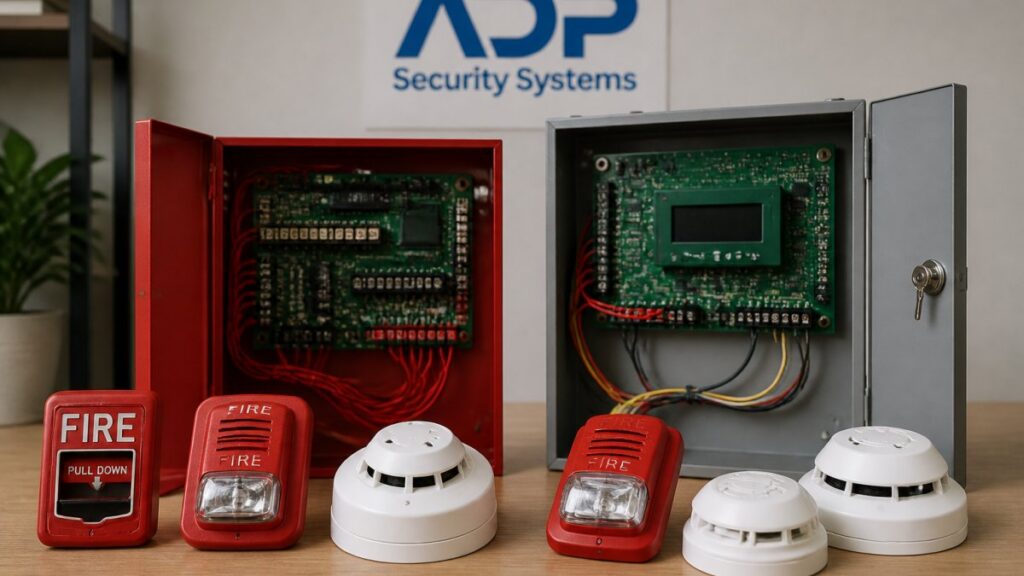
Conventional vs Addressable Fire Alarm Systems: 2026 Comparison
October 20, 2026
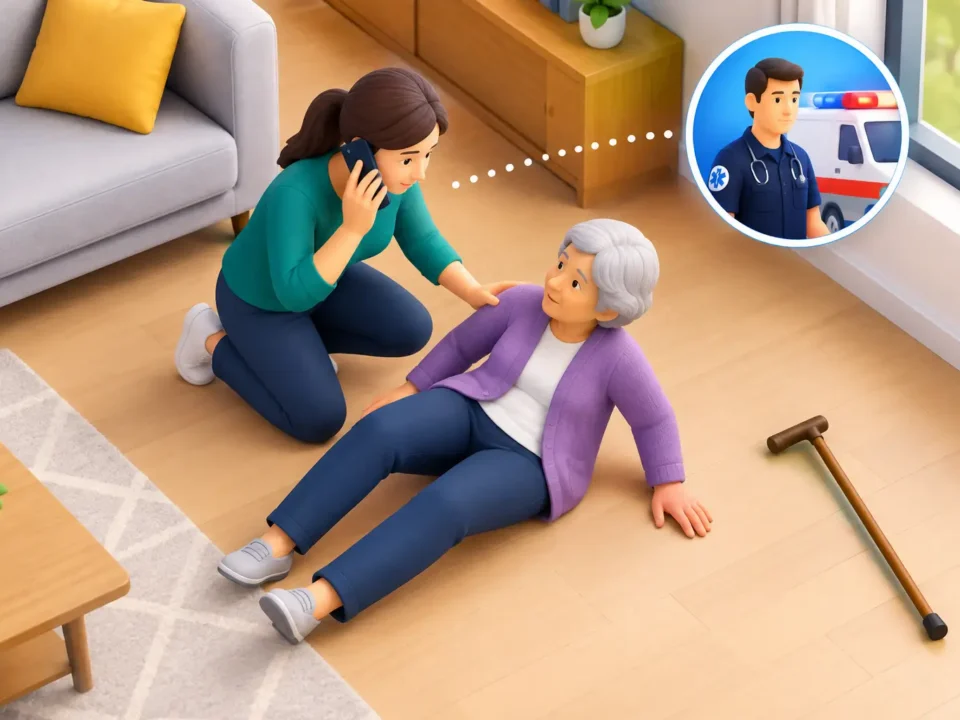
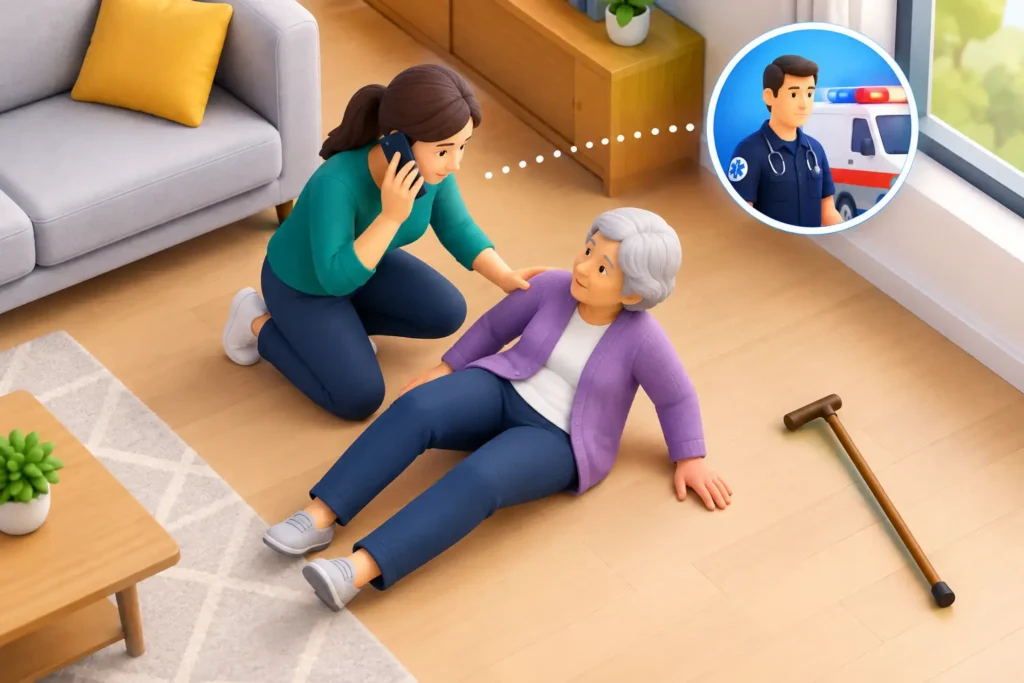
What a Fall Response Example Looks Like
October 21, 2026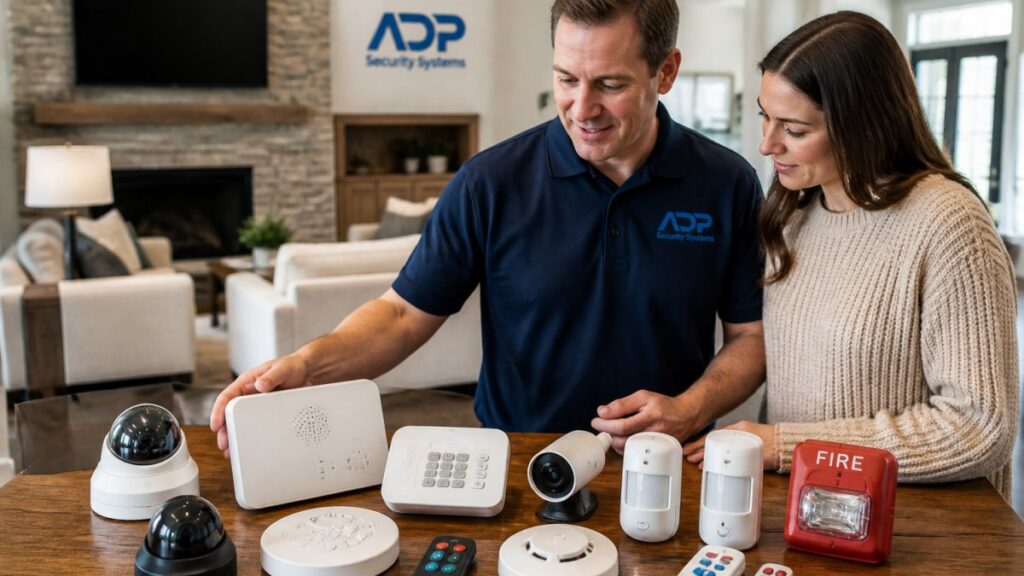
Table of Contents
- What Are Integrated Life Safety Solutions for Modern Homes?
- Core Components: Fire Detection, Intrusion Alarms, and Sensors
- Integrated Home Security and Fire Alarm Systems Working Together
- Smart Home Safety Systems: Connected Protection and Automated Response
- 24/7 Home Security Monitoring and Emergency Response
- Life Safety System Maintenance and Testing
- Codes, Standards, and Residential Permitting
- Resilience: Power, Internet, and Communication Failure Planning
- Frequently Asked Questions
Last Updated: October 20, 2026
What Are Integrated Life Safety Solutions for Modern Homes?
Integrated life safety solutions are coordinated systems that combine fire detection, intrusion alarms, emergency response capabilities, and smart home automation into a unified platform designed to protect occupants and property.
At ADP Security Systems, we’ve spent over 30 years helping homeowners understand that true protection goes beyond installing individual devices. A smoke detector that operates independently from your security system leaves gaps.
The core value is straightforward: faster threat detection, quicker emergency response, and fewer false alarms that erode community trust. When your fire detection system recognizes smoke, it can simultaneously alert your monitoring center, notify you via smartphone, trigger emergency lighting, and unlock exit doors, all within seconds. That coordination saves lives.
Core Components: Fire Detection, Intrusion Alarms, and Sensors
Modern homes benefit from understanding the distinct roles each component plays within an integrated system. Fire detection catches what your eyes might miss. Intrusion alarms catch what your locks can’t prevent. Sensors provide the sensory layer that ties everything together.
Fire Detection and Alarm Systems
Fire detection systems identify smoke or heat before flames become visible. Photoelectric detectors sense smoke particles; ionization detectors respond to flame byproducts; heat detectors trigger at specific temperature thresholds. In an integrated environment, these devices don’t just sound a local alarm, they communicate with your central monitoring station, log the event for insurance purposes, and trigger secondary responses like unlocking doors or activating ventilation systems.
The difference between a standalone fire alarm and one integrated into your life safety system is response time. A standalone alarm notifies occupants. An integrated system notifies occupants, your monitoring center, emergency responders, and your smartphone simultaneously. Many homes still rely on detectors that do nothing but beep, leaving the burden of calling 911 entirely on panicked occupants who may be disoriented by smoke.
Intrusion Detection and Security Alarms
Intrusion detection systems monitor entry points, doors, windows, perimeter boundaries, and alert you to unauthorized access. Door/window sensors detect opening. Glass-break detectors sense the acoustic signature of breaking glass. Motion sensors identify movement in protected spaces. In a standalone configuration, these sensors trigger a local siren and perhaps a text message. In an integrated system, they feed into a coordinated response protocol that may include locking interior doors, activating cameras, alerting your monitoring center, and notifying police.
The security value compounds when intrusion detection integrates with fire safety. If a break-in is detected while a fire alarm is active, your monitoring center knows to prioritize fire response but maintain security protocols, preventing an intruder from exploiting emergency confusion.
Sensors and Initiating Devices
Sensors are the foundation of awareness. Motion-activated lighting improves safety by illuminating pathways when occupants move through the home. Environmental sensors monitor temperature, humidity, and air quality, data that feeds into both comfort systems and emergency protocols. Door sensors, window sensors, and pressure-sensitive floor mats create a perimeter of detection.
Initiating devices are the triggers that activate responses. A smoke detector is an initiating device. A door sensor is an initiating device. A panic button is an initiating device. In an integrated system, each initiating device contributes to a shared picture of what’s happening in your home right now, enabling the system to make coordinated decisions about which responses to activate.
Integrated Home Security and Fire Alarm Systems Working Together
The real power of integrated home security and fire alarm systems emerges when you stop thinking of them as separate tools and start thinking of them as a unified organism with multiple sensory inputs and coordinated response capabilities.
Consider a realistic scenario: it’s 2 AM. A window breaks on the side of your house. Your intrusion sensor detects it. Simultaneously, a faulty electrical outlet in the kitchen begins to smolder.
In an integrated system, both alerts reach your monitoring center within milliseconds. The operator sees the break-in on the side of the house and the fire detection in the kitchen.
Integration also reduces false alarms. A common complaint is that motion sensors trigger security alarms when pets move through the home or when wind rattles a door.
Smart Home Safety Systems: Connected Protection and Automated Response
Smart home safety systems extend integrated life safety solutions by adding automation, remote access, and learning capabilities. Where traditional integrated systems respond to threats reactively, smart systems can anticipate conditions and adjust proactively.
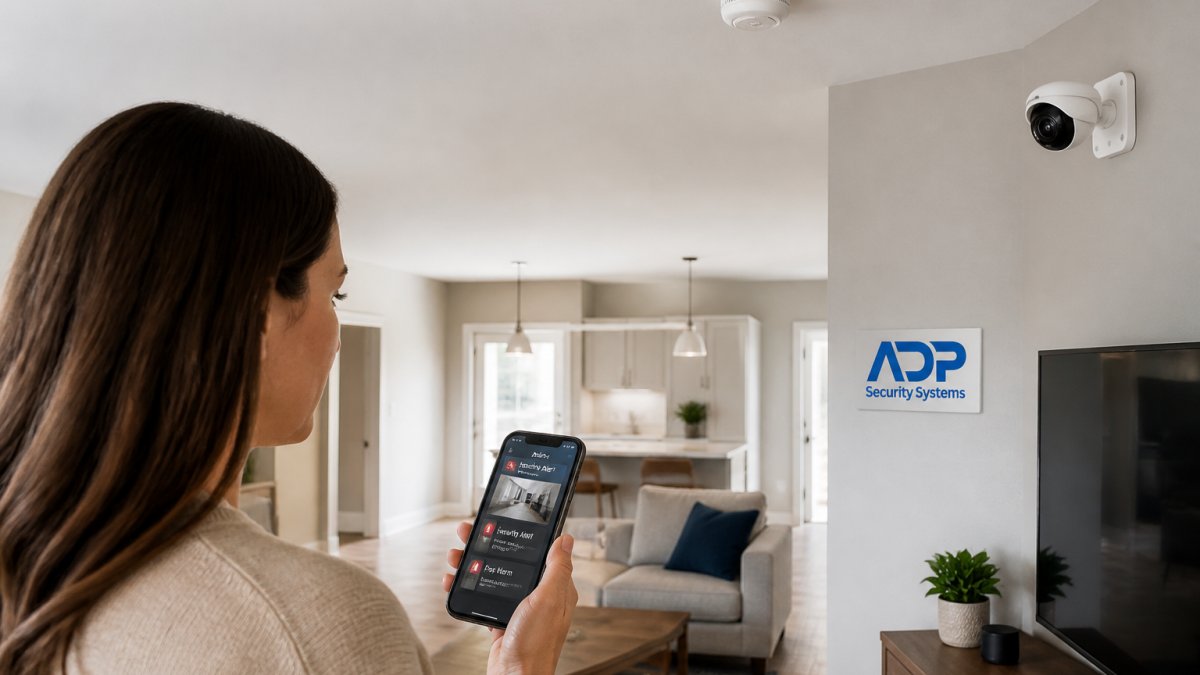
A smart system learns your patterns. It knows when you’re typically home versus away. It recognizes your smartphone’s location and can adjust security modes automatically, arming when you leave, disarming when you return.
Remote monitoring transforms your relationship with your home’s safety. If you’re at work and your home security system detects motion, you can speak to the operator, who can speak to the intruder, potentially stopping a crime before it happens.
Automated response is where smart systems prevent escalation. When your fire detection system identifies smoke, a smart system can automatically unlock doors to ensure occupants can exit freely.
24/7 Home Security Monitoring and Emergency Response
24/7 home security monitoring means that someone is watching your home every moment you’re not. When an alarm triggers, a trained operator answers within seconds. They verify the threat. They contact emergency services.
The difference between monitored and unmonitored systems is the difference between having a security guard and having a camera.
A monitored system means a professional is aware of the threat before you are. If your door sensor triggers at 3 AM, your monitoring center knows it within seconds.
Emergency response speed matters. Police response times vary by location and call volume, but in many areas, response can take 10-20 minutes.
ADP Security Systems provides 24/7 monitoring with trained operators who understand the difference between a genuine emergency and a false alarm.
Get a Free Security Assessment →
Life Safety System Maintenance and Testing
A system installed and then ignored degrades. Batteries lose charge. Sensors drift out of calibration. Connections corrode. Firmware becomes outdated. Life safety system maintenance is the ongoing work that keeps your protection effective.
Testing should happen quarterly at minimum. Test your fire detectors by pressing the test button, you should hear the alarm. Test your door sensors by opening doors and confirming the alert registers.
Professional maintenance catches problems that homeowner testing misses. A technician can verify that your system is communicating with the monitoring center.
Customizable maintenance schedules allow you to align testing and professional service with your actual risk profile and usage patterns. A home with elderly occupants who might fall benefits from monthly fall-detection system checks.
Codes, Standards, and Residential Permitting
Building codes and fire codes establish minimum standards for life safety systems in residential construction. The National Fire Protection Association publishes codes that most jurisdictions adopt or adapt. Local building departments enforce these codes through permitting and inspection.
If you’re renovating or building, your local building department will require that fire detection systems meet current code standards. This typically means interconnected smoke detectors on every level, in every bedroom, and in common areas.
Permitting matters because it creates accountability. A permitted system has been inspected by a third party, your building department, to verify that it meets code.
Standards like NFPA 72 (fire alarm systems) and NFPA 101 (life safety code) establish technical requirements for component performance, installation practices, and testing protocols.
Resilience: Power, Internet, and Communication Failure Planning
A sophisticated integrated life safety system depends on electricity and internet connectivity. What happens when both fail?
Resilience requires planning for failure modes. Battery backup systems keep your fire and intrusion alarms functional during power outages, typically for 24-48 hours depending on system size and battery capacity.
Internet connectivity is equally critical. Many modern systems rely on broadband for remote access and cloud-based monitoring. If your internet goes down, can your system still reach your monitoring center?
Communication failure planning also means understanding what your system can and cannot do without connectivity.
ADP Security Systems designs systems with nationwide GPS and 4G wireless capabilities, ensuring that your monitoring center remains connected even if your home’s primary internet connection fails.
Protecting your home requires more than individual devices scattered throughout your space.
ADP Security Systems has spent over 30 years building integrated life safety solutions that address this complexity. We design systems that address those risks with state-of-the-art technology and professional service. Get a Free Security Assessment and discover how integrated protection can give you genuine peace of mind.
Frequently Asked Questions
What are integrated life safety solutions for a home?
Integrated life safety solutions combine fire detection, intrusion alarms, medical emergency response, and smart home automation into one coordinated system. These solutions link smoke detectors, security cameras, motion sensors, and alarm monitoring through a central hub, allowing all components to communicate and respond automatically to threats. A fire alarm can trigger lights and unlock doors; a medical alert button can contact emergency services and notify family members instantly. Integration reduces response time and eliminates gaps in protection.
How do integrated home security and fire alarm systems work together?
Integrated home security and fire alarm systems share the same control panel, sensors, and monitoring service. When a fire alarm detects smoke, it can simultaneously arm security zones, unlock emergency exits, and alert the monitoring center. Security cameras record footage during fire events; motion sensors can activate emergency lighting. Both systems use the same power supply and backup battery, and communicate through the same internet connection. This unified approach reduces false alarms, speeds emergency response, and simplifies maintenance and testing.
Do I need professional monitoring for a smart home safety system?
Professional 24/7 monitoring is essential for life safety systems. Self-monitoring through a smartphone app adds convenience but cannot replace professional response. A monitoring center dispatches fire departments and police within minutes of an alarm, even if you are asleep, away, or unable to call 911 yourself. Professional monitoring also verifies alarms to reduce false dispatches that can result in fines. Many homeowners combine professional monitoring with app notifications for real-time awareness and faster personal response.
What should homeowners consider when choosing an integrated life safety provider?
Evaluate providers on experience, local knowledge, and responsiveness. Ask about their monitoring center certifications, response protocols, and references from homes similar to yours. Verify they offer customizable maintenance schedules and can integrate existing equipment or work with your home’s wiring. Confirm they provide 24/7 support, use redundant communication paths (cellular backup if internet fails), and explain their approach to cybersecurity and data privacy. A provider with 30+ years of local service and professional installation expertise reduces installation disruption and ensures long-term reliability.
Can older homes use integrated life safety systems, or do I need rewiring?
Many integrated systems work with existing wiring in older homes through wireless sensors, retrofit panels, and hybrid approaches. Wireless motion detectors, door/window sensors, and smoke detectors eliminate the need for new conduit runs. A professional assessment determines whether existing wiring can support additional devices or whether wireless expansion is more practical. Newer homes with structured cabling integrate more easily, but age alone does not prevent installation. A qualified installer can design a system that works with your home’s current infrastructure and avoids costly renovation.
How fast do emergency responders arrive after a monitored alarm triggers?
The center immediately dispatches fire, police, or medical services based on the alarm type and your account information. Response time depends on local emergency service availability, distance from your home, and traffic conditions. Medical alerts often trigger faster response because the monitoring center can dispatch paramedics and notify family simultaneously. Professional verification (confirming the alarm is real) reduces false dispatches and associated fines.
What happens to my system if my internet or power goes out?
Quality integrated life safety systems include cellular backup (4G/5G) and battery backup to maintain operation during outages. When internet fails, the system automatically switches to cellular to continue monitoring and alert transmission. Battery backup (typically 24-48 hours) powers the control panel, wireless sensors, and emergency lighting. Wired devices may require uninterruptible power supplies (UPS). A professional installer ensures your system includes redundant communication paths and battery capacity for your home’s size. Test your backup systems annually to confirm they function when primary power and internet are unavailable.
How often does life safety system maintenance need to happen?
Professional maintenance is recommended annually for fire and life safety systems. Maintenance includes testing all sensors, checking battery backup, verifying alarm transmission to the monitoring center, and inspecting wiring and connections. Monthly self-checks (pressing test buttons, confirming indicator lights) catch obvious failures early. Smoke detectors need battery replacement twice yearly (or per manufacturer specs); hardwired detectors should be tested monthly. Access control and medical alert devices require quarterly testing. A customizable maintenance schedule from your provider ensures compliance with local codes and maximizes system reliability.