Vacation Home Security System South Carolina Guide
August 5, 2026
Driveway Alarm Guide: Types, Costs, and Installation
August 6, 2026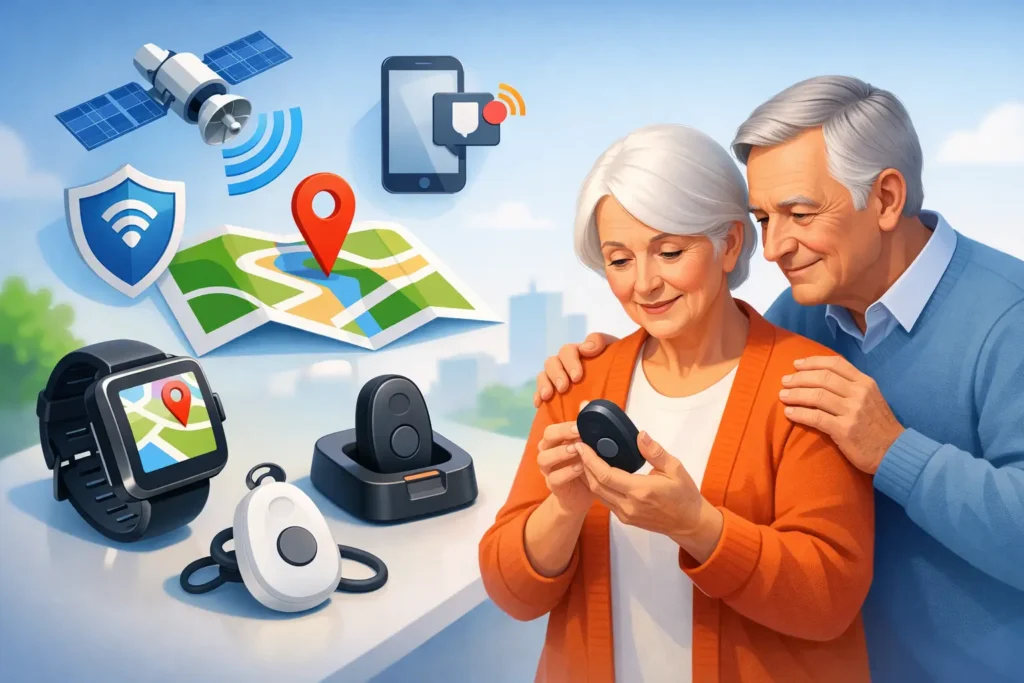
A GPS alert device for seniors can make a critical difference when a loved one falls, feels ill, becomes disoriented, or needs help away from home. The value is not simply knowing where someone is. It is knowing they have a clear, dependable way to reach trained emergency support when they may not be able to reach a phone.
For families across South Carolina, that reassurance can help an older adult maintain independence without asking relatives to be on constant watch. The right device should be easy to wear, simple to activate, and supported by professional monitoring that responds when every minute feels long.
What a GPS Medical Alert Device Is Designed to Do
A GPS-enabled medical alert device is a wearable personal safety device, usually worn as a pendant or wristband. When the wearer presses the SOS button, the device connects through a cellular network to a monitoring center. An operator can communicate with the wearer, identify their approximate location, and contact family members, neighbors, or emergency services based on the response plan.
This is different from a traditional in-home medical alert button. In-home systems are often well suited for someone who spends most of their time at home, but their range may be limited to the house and immediate property. A mobile GPS device is intended to provide protection while shopping, visiting family, walking the dog, traveling, or simply moving through daily life.
Some devices also offer automatic fall detection. If the device detects a sudden drop and impact followed by little movement, it can place a call for help even if the wearer is unable to press the button. Fall detection is valuable, but it should be viewed as an added safeguard, not a replacement for manually calling for help whenever possible. Not every fall creates the movement pattern needed to trigger an alert, and some everyday movements can resemble a fall.
Who Benefits Most From a GPS Alert Device for Seniors?
A GPS alert device for seniors can be a practical choice for people who are active outside the home or whose health situation creates a higher risk of needing urgent help. That can include an older adult with a history of falls, balance concerns, heart or breathing conditions, diabetes, memory changes, or a recent hospitalization.
It can also help families during a transition. Perhaps a parent is no longer comfortable driving at night but still enjoys errands with a friend. Perhaps a spouse is recovering from surgery and wants to continue taking short walks. In those situations, the device supports independence while providing a direct connection to assistance.
The best candidates are not defined by age alone. A healthy, independent 72-year-old who spends time alone may benefit more from a mobile alert device than an 85-year-old who always has a caregiver nearby. The decision should be based on daily routines, medical needs, mobility, and how quickly help could arrive in an emergency.
Features That Matter When Help Is Needed Quickly
Many devices look similar at first glance. The practical differences become clear when you consider how the device will be used during a stressful moment.
One-touch SOS access
The emergency button should be large enough to find and press without fumbling. A wearer should not need to unlock a screen, enter a passcode, or navigate an app before asking for help. Before choosing a system, have the person who will wear it hold the device and practice pressing the button.
Two-way voice communication
A built-in speaker and microphone allow the monitoring center to speak directly with the wearer. This helps operators understand what happened, determine whether emergency services are needed, and reassure the person that help is being arranged. It is especially useful when a loved one is confused, frightened, or unable to explain their situation to a bystander.
Nationwide GPS and cellular coverage
A mobile device relies on cellular connectivity, so coverage matters. GPS helps identify location outdoors and in many open areas, while cellular service connects the device to the monitoring center. Location accuracy can vary indoors, in parking garages, in heavily wooded areas, or where cell service is limited. A good provider will explain these limits plainly rather than promising exact location information in every circumstance.
Waterproof construction and comfortable wearability
Falls often happen in bathrooms, near sinks, or during daily routines when a device may be exposed to water. A waterproof wearable can stay on in the shower, where an older adult is particularly vulnerable. Comfort matters, too. A device only works if it is worn consistently. Consider the weight, pendant length, wristband feel, and whether the wearer can manage charging without help.
Automatic fall detection
For some individuals, fall detection adds meaningful protection. It may be especially appropriate for someone living alone, managing mobility challenges, or taking medications that increase fall risk. Still, it is not necessary for every household, and it may add cost. Discuss whether the added layer of coverage matches the individual’s actual risk.
Monitoring Is More Than an Alert on a Map
A device can send a location to a family member, but location alone does not guarantee help will be dispatched. If a daughter is in a meeting, a son is out of town, or a neighbor misses a text, valuable time can be lost.
Professional monitoring provides a dedicated response path. When an SOS signal is received, trained operators follow the customer’s plan, attempt communication, contact designated responders, and request emergency services when appropriate. The monitoring center should operate around the clock, because emergencies do not follow a schedule.
Ask who answers the call and what happens after an alert is activated. Find out whether operators are trained for medical emergencies, whether they can speak with the wearer through the device, and how contacts and instructions are updated. A reliable response plan should be reviewed whenever a health condition, medication, caregiver, or emergency contact changes.
Choosing the Right Setup for Daily Life
Start with where the person spends time. Someone who rarely leaves home may be better served by an in-home button with broad coverage throughout the house. Someone who runs errands, attends church, visits friends, or travels should consider a mobile unit with GPS and 4G connectivity. Some households benefit from both, particularly when a person wants coverage at home and on the go.
Next, think honestly about habits. A pendant placed on a nightstand is not protection during a fall in the kitchen. A wrist device that is removed to shower will not help in the bathroom. The most effective option is often the one that fits naturally into the person’s routine and can be worn every day.
Battery needs also deserve attention. Rechargeable devices need a simple charging routine. For some seniors, placing the device on a charger each night is easy. For others, a longer-life battery or caregiver assistance may be a better fit. There is no single right answer, but the plan should be realistic from day one.
Questions Families Should Ask Before Choosing a Provider
The equipment is only part of the decision. The service behind it matters just as much. Before enrolling, ask how installation or setup works, whether someone will explain the device in person, and how the wearer can test it. A test call is one of the best ways to replace uncertainty with confidence.
Families should also ask about monitoring credentials, response procedures, cellular coverage, monthly service terms, and the process for changing emergency contacts. Be cautious of a system that makes broad claims but offers little explanation of who is monitoring alerts or how help is coordinated.
For a local family, support close to home can be reassuring. ADP Security Systems provides Smart Care personal medical alert systems with one-touch SOS access, automatic fall detection options, nationwide GPS and 4G connectivity, waterproof wearables, and professionally monitored emergency response. With more than 30 years serving South Carolina, the focus is on matching protection to the person, not simply handing over a device.
A Small Device Can Preserve More Than Safety
The right medical alert system should never make an older adult feel watched or limited. Used well, it does the opposite. It gives a person a practical way to call for help while continuing to enjoy familiar routines, private time, and meaningful independence.
Talk through the choice with your loved one, let them try the device, and build a response plan everyone understands. The goal is simple: if an emergency happens at home or away, they should not have to face it alone.