False Alarm Causes and How to Prevent Them
August 24, 2026
Mobile Versus In Home Alerts: Which Fits You?
August 26, 2026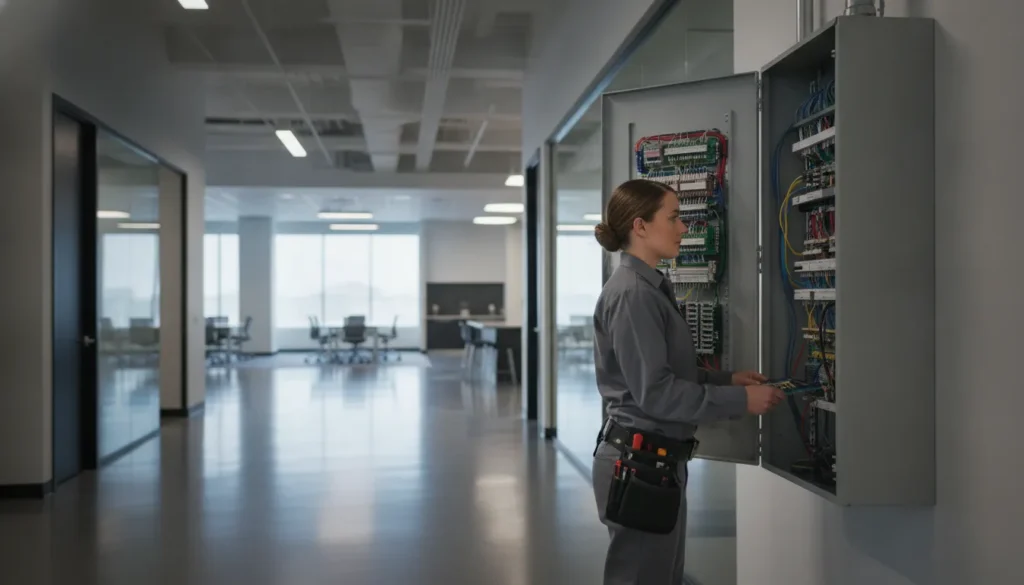
—
title: ‘Addressable Fire Alarm System: SC Business Guide’
metaTitle: ‘Addressable Fire Alarm System: SC Business Guide’
description: >-
Compare an addressable fire alarm system with conventional zones for South
Carolina businesses. Learn design, fault reporting, growth, AHJ review, and
service.
excerpt: >-
Compare an addressable fire alarm system with conventional zones for South
Carolina businesses. Learn design, fault reporting, growth, AHJ review, and
service.
subtitle: >-
Compare an addressable fire alarm system with conventional zones for South
Carolina businesses. Learn design, fault reporting, growth, AHJ review, and
service.
slug: addressable-fire-alarm-system-sc-business-guide
image: >-
https://zleague-public-prod.s3.us-east-2.amazonaws.com/article_images/51fc2e45-1e7d-4c8a-84b8-d7e20ca2f396/addressable-fire-alarm-system-sc-business-guide-506579.webp
imageAlt: >-
Technician inspecting an addressable fire alarm system in a commercial
building
targetKeyword: addressable fire alarm system
—
Choosing a fire alarm system for a South Carolina business involves more than selecting equipment. Building size, occupancy, layout, future expansion, maintenance needs, and local Authority Having Jurisdiction (AHJ) expectations all affect the design. A system that fits a small, simple facility may create limits in a complex or changing property.
Schedule a consultation to discuss your facility’s needs with a fire alarm professional.
What Is an Addressable Fire Alarm System?
An addressable fire alarm system gives each compatible device a unique address. The fire alarm control unit can then associate an alarm or trouble signal with a particular detector, module, or other device location. A conventional system groups devices into zones and generally identifies an area instead of one device. Addressable technology can provide more detailed information and support facility growth, but the right choice depends on the building, approved design, selected equipment, and AHJ coordination.
The distinction matters because a fire alarm is both a life-safety system and an operating tool. Facility staff need understandable information during an event. Technicians need useful information when they test or service the system. The best design connects those needs to the building’s actual use rather than treating addressable or conventional technology as a universal answer.
How Does an Addressable Fire Alarm System Work?
At the center of an addressable fire alarm system is the fire alarm control unit (FACU), also called a fire alarm control panel or FACP. The FACU supervises connected devices over a signaling line circuit (SLC). Each compatible addressable device has an individual identification number. That lets the panel associate a signal with a detector or other device location instead of only a broad zone.
The National Fire Protection Association’s guide to fire alarm basics describes how initiating devices communicate conditions to a fire alarm system. In normal operation, the FACU polls devices on the SLC and checks their status. A device may report normal conditions, an alarm, or a problem that needs attention.
The panel and connected devices
An addressable system typically includes three groups of components:
- FACU or FACP: The control unit receives device signals, supervises the system, displays conditions, and manages programmed responses.
- Initiating devices: Smoke detectors, heat detectors, manual pull stations, waterflow switches, and other compatible devices detect or initiate a condition.
- Notification appliances: Audible and visible appliances communicate an alarm condition to occupants according to the system design.
Some initiating devices can transmit additional information, such as smoke density or temperature variation. That capability varies by device and configuration. It should be confirmed in the proposed equipment and design documents rather than assumed from the word addressable.
Alarm signals and trouble signals are different
An alarm signal indicates that an initiating device has detected a condition configured to require emergency action. A trouble signal is different. It indicates a problem with the system or a supervised component, such as a wiring or communication issue. More detailed device information can give a trained technician a clearer starting point for inspection and repair.
Addressable technology does not replace inspection, testing, maintenance, monitoring, or AHJ coordination. It provides information that qualified professionals can use while managing those responsibilities.

Where Do Conventional Fire Alarm Systems Fit?
A conventional fire alarm system organizes initiating devices into defined zones. Smoke detectors, heat detectors, manual pull stations, and other devices connect through an initiating device circuit. When a device activates, the circuit signals the fire alarm control unit, and the panel places the associated zone into alarm.
Zone-level information is useful, but it is broader than device-level information. A manager may see that an alarm originated in a second-floor office zone, for example, without seeing which detector or pull station activated. Zones can still be arranged around recognizable areas such as a floor, wing, tenant space, or common area. That arrangement gives staff a practical starting point for investigation.
When a zone-based layout may be practical
Conventional systems can be a reasonable fit for simpler buildings with a limited footprint, clear area boundaries, and little expectation of expansion. A small, single-story business with straightforward occupancy may not need the same level of device information as a large, multi-story facility. The right decision depends on the building’s use, layout, life-safety objectives, existing infrastructure, and applicable AHJ expectations.
Managers should also understand the operating limits of a conventional circuit. When one device on a zone changes the circuit condition, the system may not provide separate device-level information for other devices on that zone. That does not make conventional design universally unsuitable. It means the zone plan, device distribution, notification coverage, testing process, and response procedures require careful review.
Addressable vs Conventional Fire Alarm Systems for South Carolina Businesses
Both approaches can use a fire alarm control unit, initiating devices, notification appliances, supervision, testing, and monitoring. The primary difference is how the system organizes and reports information. An addressable system can identify an individual device when it is correctly addressed, labeled, programmed, and supported by compatible equipment. A conventional system generally identifies the zone where the circuit condition occurred.
| Consideration | Addressable system | Conventional system |
|---|---|---|
| Signaling approach | Compatible devices communicate an individual address through an SLC, and the panel supervises device status. | Devices operate in zones through initiating device circuits, and a circuit condition signals the connected zone. |
| Location detail | Can identify a specific device location when labeling and programming are accurate. | Generally identifies a zone or broader area rather than one individual device. |
| Expansion | Often supports detailed organization in larger or changing facilities, subject to panel, circuit, and device capacity. | May suit a stable, simpler facility, but added zones, circuits, and capacity require design review. |
| Troubleshooting | Device-level status or trouble information can help technicians narrow the starting point for investigation. | Zone-level information may require a broader inspection to locate the affected device or wiring condition. |
| Design needs | Requires coordinated addressing, programming, circuit planning, testing, and documentation. | Still requires professional layout, coverage decisions, testing, documentation, and AHJ coordination. |
| Best planning question | How much device-level information and future flexibility does the facility need? | Can clearly defined zones provide enough information for this building’s staff and responders? |
This comparison is a planning aid, not a substitute for a site-specific review. A larger office, healthcare facility, industrial site, retail property, or multi-story building may place a higher value on specific location information. A smaller property may prioritize compatibility with existing infrastructure and a straightforward design. The applicable South Carolina fire code and local AHJ process must guide the final system.
ADP Security Systems provides commercial fire alarm design and installation in South Carolina, along with monitoring, inspection, testing, and maintenance services. A professional evaluation can connect the technology choice to the facility’s real operating conditions.
Why Do Scalability and Fault Identification Matter?
The value of an addressable fire alarm system often becomes clearer as a facility grows in size, complexity, or operating demands. In a small building, a general zone indication may give staff enough direction to begin an investigation. In a multi-story office, industrial property, healthcare facility, or expanding campus, the same level of information may leave a team searching through too much space.
Individual device identities can support better situational awareness when the system is designed and maintained correctly. A facility manager may be able to see which detector, module, or other device reported a condition. That information can help the manager communicate with responders and help a technician plan the next inspection step. The exact information available depends on the equipment and configuration.
Expansion without losing visibility
Scalability is not simply a matter of adding more detectors. An expanding facility may gain rooms, floors, production areas, tenant spaces, or connected life-safety equipment. The designer must consider panel capacity, SLC capacity, wiring paths, compatible devices, notification needs, and the likely phases of construction. Addressable architecture may make the information structure easier to extend, but it does not remove those engineering decisions.
Before an upgrade, document the current layout and likely changes. Review occupancy, environmental conditions, areas requiring different detection approaches, and the way staff use panel information. Planning for the next phase can be more practical than selecting a system that only matches today’s footprint.
Turning a fault into an actionable maintenance task
Detailed status information can improve the maintenance workflow. Instead of treating every issue as a broad zone problem, technicians may be able to identify a specific detector, module, circuit condition, or other device requiring investigation. Some devices can transmit additional values, but those capabilities depend on the equipment and system configuration.
More precise fault information can help a maintenance team plan corrective work without unnecessarily disrupting coverage across an entire building. It also gives facility managers a clearer record of recurring trouble conditions and affected areas. That information is useful only when the system is inspected, tested, documented, and serviced by qualified professionals.
What Should a Fire Alarm Design Process Include?
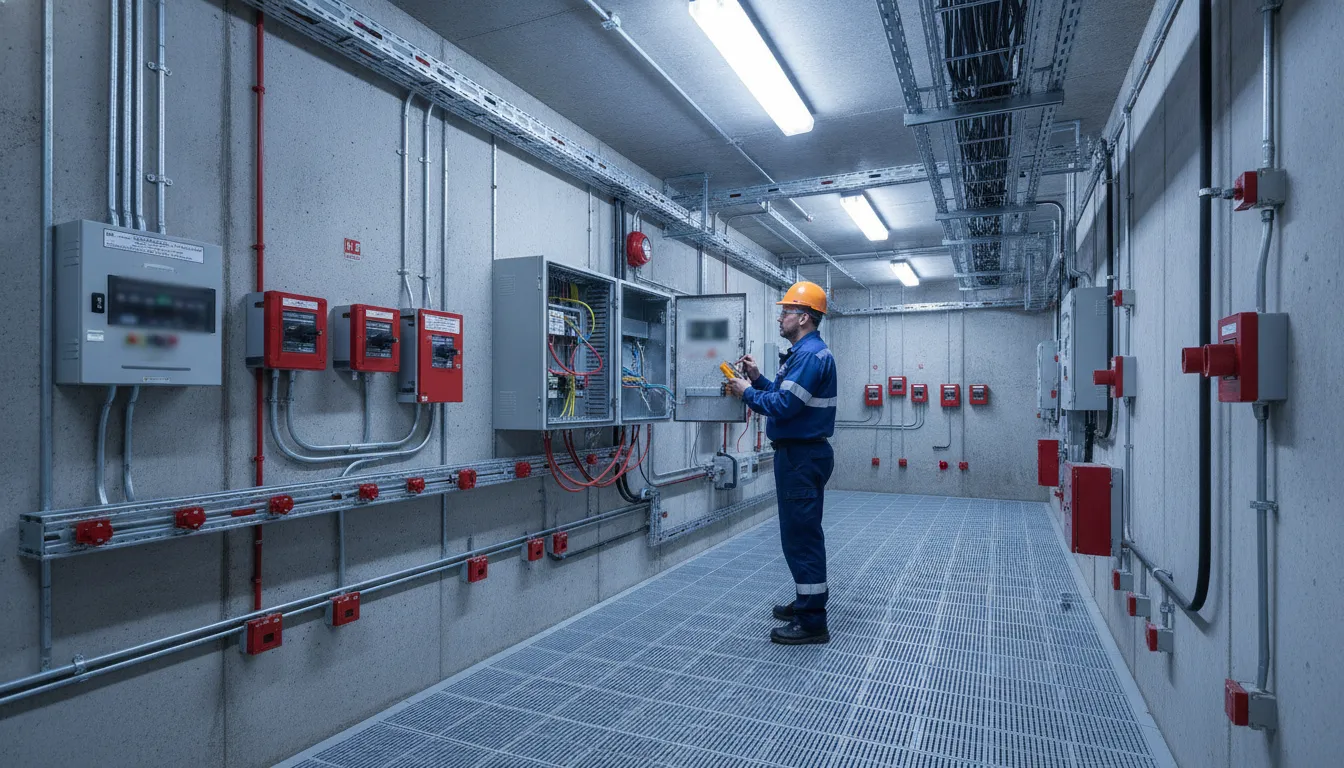
A dependable fire alarm project begins before equipment is mounted. The design team should understand how the building is used, how people move through it, and which conditions could affect detection, notification, and emergency response. That review helps determine whether an addressable fire alarm system is appropriate and how it should be configured.
- Review occupancy, layout, and risk. Consider occupancy type, floor area, ceiling height, work areas, tenant spaces, storage rooms, mechanical rooms, kitchens, stairways, and other areas with different detection or notification needs.
- Establish detection and notification needs. Select and place compatible initiating devices and notification appliances according to the building’s use and the approved design. Consider where visual notification may be needed.
- Plan addressing, labeling, and documentation. For an addressable system, device names and locations should be practical for facility staff, responders, and technicians. For a conventional system, zone boundaries should be clear and useful.
- Coordinate with the AHJ. The applicable AHJ and local conditions must be considered alongside the technical design. Do not assume that one approval process applies to every South Carolina municipality.
- Install, test, and maintain the system. Commissioning, user training, monitoring, inspection, testing, documentation, and ongoing maintenance are part of responsible system ownership.
ADP’s documented fire alarm services include design, installation, testing, inspection, maintenance, and code-compliance support. See the guide to NFPA 72 fire alarm requirements in South Carolina for related planning considerations. Requirements can vary by facility and AHJ, so a site-specific review remains important.
When Should a South Carolina Business Review Its Fire Alarm System?
A review may be appropriate when a building is renovated, occupancy changes. A tenant layout is reconfigured, new hazards are introduced, or the existing system produces recurring trouble signals. A review is also useful when staff cannot quickly understand the panel’s information or when technicians need to investigate a broad area to find a device-level problem.
Other questions can help guide the discussion:
- Does the current zone or device information match how the facility is used today?
- Are planned additions, renovations, or tenant changes reflected in the design?
- Can staff and service personnel identify locations from the system’s labels and documentation?
- Are inspection, testing, monitoring, and maintenance records current and easy to review?
- Has the appropriate AHJ been consulted about the proposed change?
An addressable upgrade is not automatically necessary, and a conventional system is not automatically inadequate. The goal is a documented design that supports life-safety objectives, facility operations, maintenance, and AHJ coordination.
Schedule a consultation before selecting equipment or planning a commercial fire alarm upgrade.
Frequently Asked Questions
What is the difference between an addressable and conventional fire alarm?
An addressable system assigns individual identities to compatible devices and can report a more specific location. A conventional system groups devices into zones and generally reports the broader area where a circuit condition occurred. The best choice depends on the building, equipment, approved design, operational needs, and AHJ coordination.
How does an addressable fire alarm system work?
A fire alarm control unit supervises compatible devices over a signaling line circuit. Each device has an address. So the panel can associate an alarm or trouble signal with that device location when the system is correctly installed, programmed, labeled, and maintained.
What are the main downsides of an addressable fire alarm system?
Addressable systems can require more detailed design, programming, documentation, compatible equipment, and technician expertise. Their value depends on correct configuration and maintenance. A professional should compare those needs with the building’s size, layout, future plans, and information requirements.
What are the core components of an addressable fire alarm system?
Core components typically include a fire alarm control unit, a signaling line circuit, compatible initiating devices, and notification appliances. The exact device mix and programming depend on the building, hazards, occupancy, notification needs, selected equipment, and approved design.
Is an addressable fire alarm system scalable for a growing business?
It may be a practical option for a growing or complex facility because device-level organization can support more detailed system information. Scalability still depends on panel and circuit capacity, wiring, compatible devices, programming, building changes, and the design team’s review of future needs.
Can an addressable system identify specific faults?
It can provide more specific trouble information when the device and system are designed to support it. The panel may identify an affected detector, module, circuit condition, or other device. That information does not replace inspection or repair by qualified technicians.
n
Schedule a Fire Alarm Design Consultation
System selection should follow a review of the facility, occupancy, current equipment, expansion plans, maintenance needs, and AHJ process. ADP Security Systems can help South Carolina businesses evaluate fire alarm design, installation, monitoring, inspection, testing, and maintenance needs without assuming that one system type fits every property.
Schedule a consultation to discuss a site-specific fire alarm plan.