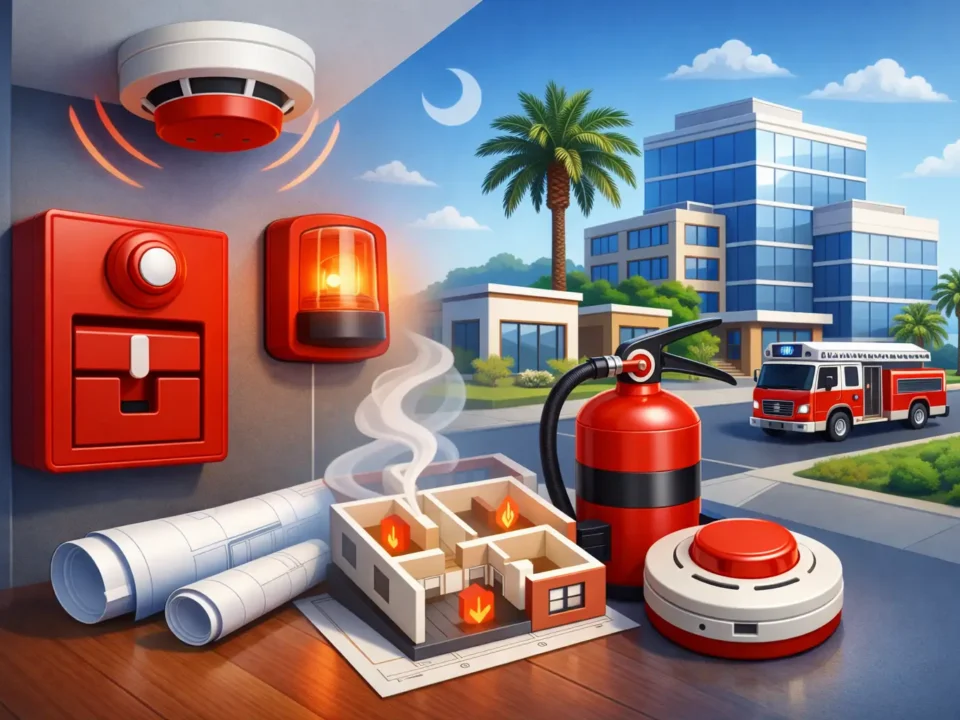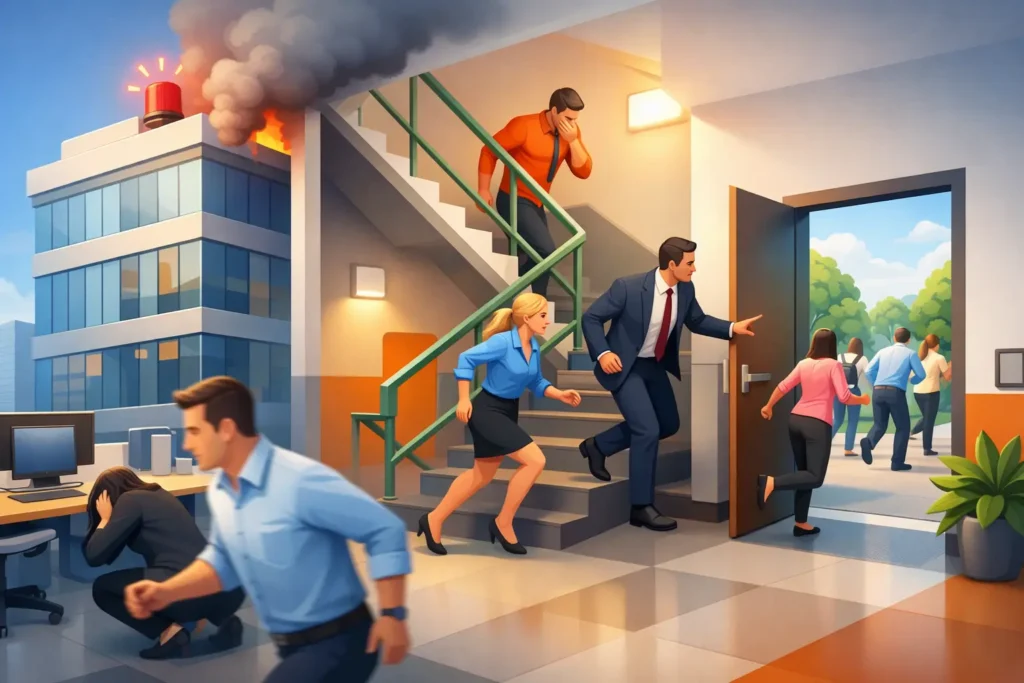
Choosing a Commercial Fire Alarm Monitoring Service: What SC Building Owners Must Verify
July 13, 2026
How to Choose Between Traditional Locks and Commercial Access Control Systems
July 15, 2026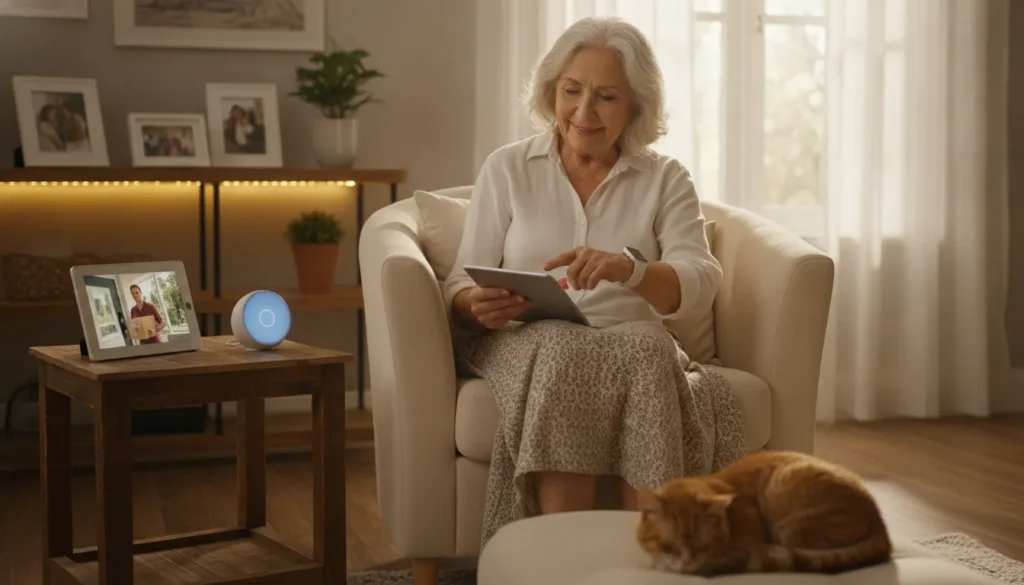
Most seniors in Greenville want to stay in their own homes as they age. New tools like smart locks and fall sensors provide the safety they need to do so. These systems allow you to live with confidence while knowing help is always nearby.
Smart home automation for seniors combines smart lights, locks, and thermostats with emergency systems to help older adults age in place. These tools work together to reduce daily risks while making sure help is just one button press away during a fall. According to AARP, almost 90% of adults over age 65 want to stay in their own homes as long as possible. Linked safety layers like smart door locks and auto-shutoff lights prevent common accidents before they happen. When you add a mobile GPS watch with fall detection, you create a complete safety net that covers you inside and outside. This approach allows seniors in Greenville to stay safe with the help of professional monitoring.
Choosing the right tools for your home can feel hard with so many choices. It is vital to learn why these systems are key for long term health and safety. The path begins with understanding why more families are turning to smart home systems for their aging parents.
Smart Home Automation For Seniors: The Growing Need for Smart Home Safety for Seniors
Most seniors want to stay in their own homes as they age. A recent study by AARP found that 75% of Americans age 50 and older plan to age in place. This desire for independence is a major trend in the United States today. By the year 2030, every baby boomer will be at least 65 years old. This means more than 20% of the country will be at retirement age. The need for senior safety solutions is growing fast across South Carolina and the whole country.
A Focus on Aging in Place
Living at home feels better for most people than moving to a facility. It allows seniors to stay near friends, keep their daily routines, and hold onto their memories. But staying home also brings new risks that families must manage. By 2034, there will be more people over age 65 than under age 18 in the U.S. for the first time. That shift means millions of families will need to keep their parents safe without giving up independence.
The Serious Risk of Falls at Home
Falls are the leading cause of injury for older adults. According to the National Council on Aging, one person dies from a fall every 19 minutes. These accidents often happen because of poor lighting, loose rugs, or trips on stairs. The good news is that many falls can be prevented with simple home upgrades. Modern home automation systems in Greenville can help lower these risks. Smart lights can turn on when they sense motion, lighting the path to the bathroom at night. This simple change alone can prevent a dangerous trip in the dark.
Safety Through Smart Tools
New tools make it easier for seniors to live alone with less worry. Technology now bridges the gap between total freedom and full-time care. Using medical alert systems for seniors with smart devices creates a home that watches over its resident. These systems call for help quickly if a fall happens. They also automate key tasks that reduce everyday risks. This mix of smart home tech and instant help is a powerful way to keep seniors safe in Greenville and across the Upstate.
Essential Smart Home Devices for Aging in Place
Staying at home as you get older is a goal for many people. To make this safe, you need the right tools in place. The market for home automation systems in Greenville is growing fast. More families are looking for ways to help their aging parents stay independent. Experts predict the global smart home device market will reach $165 billion by 2025. Using smart home automation for seniors helps you keep your freedom while staying safe at home.
Smart lights with motion sensors
Falls are a major risk for seniors. In fact, falls are the leading cause of injury for older adults in the U.S., according to the National Council on Aging. Smart lights can help prevent these accidents. You can set them to turn on automatically when they sense motion. This is very helpful at night when you need to walk to the bathroom or kitchen. You will not have to fumble for a wall switch in the dark. Smart bulbs also let you adjust brightness from your phone. You can set schedules so lights turn on at sunset and off at bedtime.
Secure locks and video doorbells
Smart locks let you enter your home without fumbling for keys. You can use a key code or a phone app to unlock the door. This is helpful for seniors who may struggle with small keys due to arthritis. It also lets you create temporary codes for family members or home health aides. You can see when they arrive and leave through your system logs. Video doorbells let you see who is at the door without getting up from your chair. You can talk to visitors through the speaker on your phone or tablet. Many systems link these devices to a central hub. At ADP, we use the 2GIG GC3 panel with Z-Wave Plus to connect your locks and lights into one easy system.
Voice control and smart thermostats
Voice assistants are very helpful for hands-free tasks. You can ask them to set timers for medications, read the news, or call a family member. They can also control your lights and locks with your voice. Research shows that smart home technology helps seniors maintain their independence and stay in their homes longer. Smart thermostats let you control your home’s temperature from anywhere using a phone app. You can adjust the heat or air conditioning from your bed. These devices learn your daily habits and adjust automatically. They can also save money on energy bills.
| Device Type | Key Benefit for Seniors | Approximate Cost |
|---|---|---|
| Smart Lights | Prevents trips and falls at night with motion-activated light | $15 – $50 each |
| Smart Locks | Keyless entry for family members and caregivers | $150 – $250 |
| Video Doorbells | See and speak to visitors without walking to the door | $100 – $200 |
| Smart Thermostats | Easy climate control from a phone or voice command | $120 – $250 |
| Voice Assistants | Hands-free reminders, calling, and device control | $50 – $150 |
| Medical Alert System | 24/7 emergency monitoring with fall detection and GPS | $20 – $40/month |
Why Medical Alert Systems Are a Critical Safety Layer
A smart home automation for seniors setup often starts with smart lights and locks. But the most vital part of a safe home is a personal emergency response system (PERS). These systems give seniors a fast way to call for help if they fall or have a health crisis. They act as a safety net that works every hour of every day. For those who live alone in Greenville, having a plan for help is the key to staying in their own homes for years.
How personal emergency response systems work
When a user presses a help button, the system connects them to a live operator within seconds. These help centers are staffed by trained professionals who can call family members or send medics. About 75 percent of adults over age 50 plan to age in place. A medical alert system makes this safer by cutting down the time it takes to get help. Instead of worrying about how to reach a phone after a fall, the senior just presses a button worn around the neck or wrist.
ADP uses monitoring centers that meet strict UL 827 certification standards. This means they have backup power systems to stay online during storms or blackouts. On average, our team picks up a call in just 30 seconds. This quick response is a core part of any smart home automation for seniors plan. For seniors living alone in Greenville, that 30-second connection can be the difference between a quick recovery and a long hospital stay.
Automatic fall detection and GPS tracking
One of the best new features in senior safety is automatic fall detection. Built-in sensors detect the sudden impact of a fall. If the user cannot move or is knocked out, the device still calls for help. This is a life-saving feature because falls are the top cause of injury for seniors. You can learn more in our guide to medical alert systems for seniors.
For active seniors, GPS tracking is a must-have feature. Mobile systems use cellular networks so they work at the store or on a walk. If a user falls while away from home, the help center finds their exact location through GPS. A GPS medical alert system is the best way to stay safe while staying active around Greenville.
The ADP Smart Care GPS watch
The ADP Smart Care GPS watch is a top choice for modern safety. It looks like a normal wristwatch but includes a panic button, two-way voice, and automatic fall detection. It also tracks heart rate and steps to help users monitor their health. The watch costs $99 for the equipment and $39.99 per month for 24/7 monitoring. It has a 6-day battery life so you do not have to charge it every night. The watch works anywhere there is cellular coverage, protecting seniors at home and on the go.
For those who stay mostly at home, lower-cost options provide excellent protection. A landline PERS system costs $25 per month. For homes without a landline, a cellular LTE system costs $39.99 per month with a fall detection necklace. Since 1996, ADP has helped seniors in the Upstate stay safe with these devices.
How to Bridge Smart Home Tech and Medical Alert Systems
Most safety tools for seniors work alone. A smart lock keeps the door shut while a medical alert button calls for help. But when you connect these systems together, they work as one complete safety network. This link between smart home automation for seniors and emergency response gives people better protection and more freedom.
The Role of Z-Wave Plus in Home Safety
Modern security hubs like the 2GIG GC3 panel use a wireless technology called Z-Wave Plus. This system lets the main panel communicate with many smart devices throughout the home. It connects locks, lights, thermostats, and motion sensors to one central brain. According to research from the National Institute of Standards and Technology, these unified systems help seniors manage their homes with less stress. With a Z-Wave hub, you can lock all doors and dim the lights with one touch or a voice command.
Building an Integrated Safety Network
A true safety system does more than wait for a button press. When a senior falls, a fall detection device for seniors sends a signal to the monitoring center. At the same time, the smart home system turns on every light to help the senior stay oriented. It can also unlock the front door so medics can enter without delay. This saves vital seconds when every moment matters. As the National Council on Aging notes, getting help quickly after a fall is essential for recovery.
Remote Oversight for Family Caregivers
Family members can check on their loved ones from anywhere. When you pair a medical alert bracelet or pendant with a smart home hub, caregivers get real-time data about daily activity. They can see if the senior is moving around by checking smart light logs and motion sensors. A sudden lack of activity might signal a problem. This provides peace of mind without taking away a senior’s privacy or independence.
Building a Complete Senior Safety Ecosystem: Step by Step
Setting up a smart home for an older adult does not have to happen all at once. A step-by-step plan is often the best approach. It lets the user get used to each new tool before adding the next one. The goal is to create a safe space that supports aging in place for many years. Keep things simple and easy to use.
Start with Core Safety Tools
The first layer of any safety plan should focus on health and fall prevention. Facts from the National Council on Aging show that falls are a leading cause of injury for seniors. About one in four older adults falls each year. Falls are the most common cause of traumatic brain injuries. Because of this serious risk, the foundation of your system should be a trusted way to call for help.
Choosing the right tools for home automation systems in Greenville means looking at how devices work together. You want a setup that is easy to manage from a single place. This reduces stress for the senior and for family members. Starting with the most essential tools makes sure that the most common risks are covered first.
- Get a medical alert system. Start with a device like a GPS medical alert system or an in-home LTE unit with fall detection.
- Add a voice assistant. Smart speakers let you control your home, set medication reminders, and call family using only your voice.
- Install motion-activated smart lights. Place these in hallways, bathrooms, and stairways. They turn on automatically when someone walks by.
- Set up smart locks and a video doorbell. See and speak to visitors without opening the door. Smart locks let caregivers enter during an emergency.
- Add a smart thermostat. Keeps the home at a safe temperature and can alert family if the house gets too hot or too cold.
- Connect everything to one hub. Use a central panel like the 2GIG GC3 to link all your devices for unified control.
Get Expert Support from a Local Team
Many steps can be done on your own, but some prefer professional help. Choosing professional home security installation makes sure every device is set up correctly. Experts can test sensor range and confirm the hub connects to every light and lock. In Greenville and Upstate South Carolina, a local team can provide ongoing support as your needs change.
Smart Home Safety for Greenville Seniors: Getting Started
Greenville and the surrounding Upstate region offer a strong community for seniors who want to age in place. The Greenville-Spartanburg metro area is home to nearly one million people. This includes a growing population of retirees. Finding local support for smart home safety makes a real difference. Working with a local company means faster service and personal attention.
Why a Local Provider Matters
ADP Security Systems has been serving Greenville since 1995. As a family-owned business, we take personal responsibility for every system we install. When a senior needs help with a device or has a question, they speak to a local team. Our technicians can visit the home to install devices and test connections. We serve Spartanburg, Anderson, Columbia, and Charleston. Our UL 827 certified monitoring centers are staffed 24/7 by trained professionals who respond in an average of 30 seconds.
Professional Installation or DIY
Many smart home devices are designed for DIY setup. Smart lights, voice assistants, and thermostats can be installed by a family member in under an hour. However, medical alert systems and integrated security hubs benefit from professional installation. A technician makes sure fall detection sensors are placed correctly and every device connects to the hub. Read more in our guide to professional home security installation vs DIY systems.
Getting Started with ADP
Starting your smart home safety journey is simple. Begin with a free consultation where we discuss your needs, home layout, and budget. We help you choose the right devices, from a basic medical alert pendant to a full ecosystem with lights, locks, and thermostat integration. Every system includes 24/7 monitoring and local support. Learn more about home security in Upstate SC. There is no long-term contract required for most services.
Frequently Asked Questions
How can smart home devices help seniors live on their own?
Smart home tools help seniors stay in their own homes by automating difficult tasks. Lights that turn on when you walk in and locks that open with a code make daily life safer. Most adults over age 65 want to stay in their homes as they get older, as shown by AARP. These tools let seniors maintain their freedom while staying safe in the Upstate.
Can smart lights and smart locks really prevent falls?
Yes. Smart lights with motion sensors turn on automatically when a senior walks through the room. Smart locks can be controlled by voice, so no one has to rush to the door. Falls are the leading cause of harm for seniors. Every 19 minutes an older person dies from a fall, according to the National Council on Aging. Proper lighting and easy-to-use locks reduce these risks.
How much does a smart home setup for seniors cost?
A basic setup starts with a voice assistant for about $50 and smart lights for $15 each. Smart thermostats cost between $100 and $250. Adding a medical alert system from ADP Security Systems adds a monthly fee. Plans start at $20 per month for in-home landline systems. The GPS Smart Watch with fall detection is $39.99 per month plus $99 for equipment.
Does Medicare pay for medical alert systems?
Original Medicare does not usually pay for smart home devices or medical alert systems. Some Medicare Advantage plans may help with PERS costs. Many seniors pay for these systems on their own to stay at home safely. ADP offers affordable monthly plans that do not require insurance.
What is the best medical alert system for an active senior?
For seniors who stay active and go outside, a mobile GPS system is the best choice. The ADP Smart Care GPS watch provides fall detection, heart rate monitoring, and two-way voice. It works anywhere with cellular coverage and has a 6-day battery. The watch costs $99 with $39.99 monthly monitoring.
How does fall detection work in a medical alert device?
Fall detection devices use built-in sensors to detect the sudden impact and motion changes of a fall. If a fall is detected, the device automatically alerts the monitoring center. This works even if the senior is unable to press the button. This feature is available on the ADP Smart Care GPS watch and the in-home LTE system with a fall detection necklace.
Can family members check on a senior remotely?
Yes. When smart home devices and medical alert systems connect to a central hub, family can check activity logs through a phone app. They can see when lights turn on, when doors are locked, and whether the alert system has been tested. This provides peace of mind without being intrusive.
What should I set up first for an aging parent?
Start with a medical alert system with fall detection for emergency response. Add motion-activated lights in hallways to prevent nighttime falls. A voice assistant helps with daily reminders and hands-free calling. Finally, smart locks and a smart thermostat add security and convenience.
Ready to keep your freedom at home in Greenville SC?
Waiting until after a fall to improve your home safety can lead to long hospital stays. By setting up your smart home and alert system now, you gain peace of mind and fast help from our local team. Our safety systems allow you to live in your own house for many years.
Ready to protect your freedom? Call (864) 246-1006 to talk to a local expert and get a free consultation on smart home safety for seniors.