Commercial Video Analytics: How AI-Powered Security Cameras Prevent South Carolina Business Trespassing
July 10, 2026
Smart Home Automation for Seniors: Safety and Medical Alerts
July 14, 2026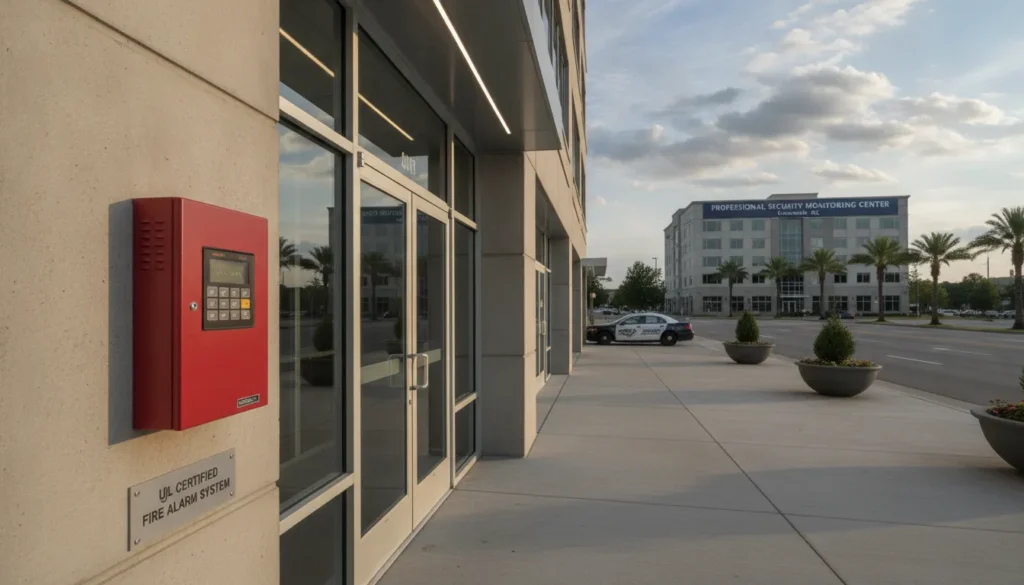
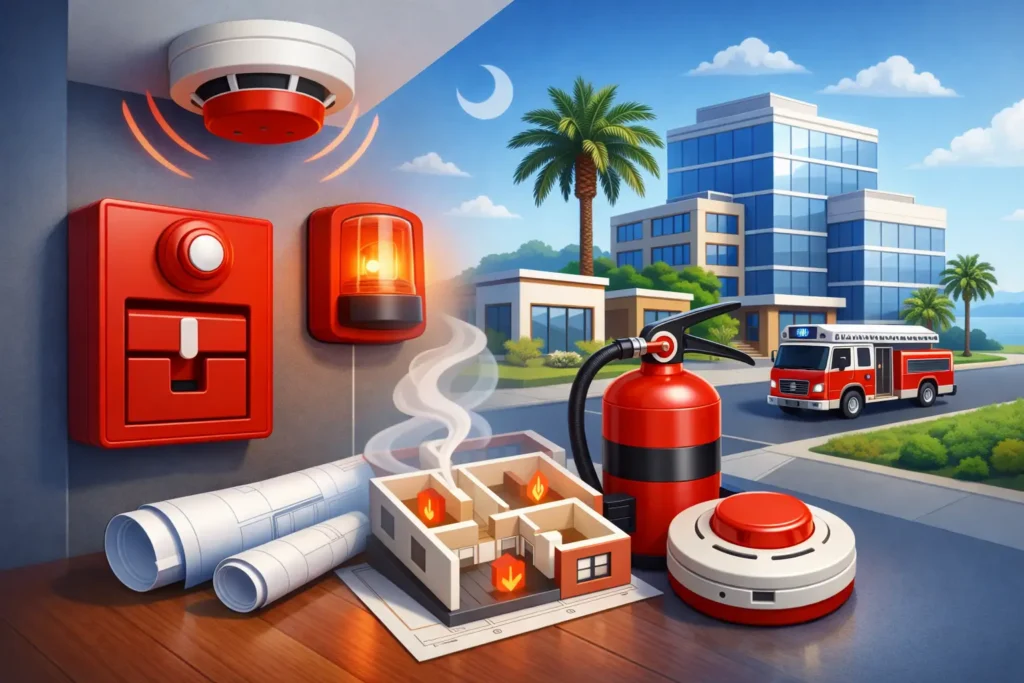
A reliable commercial fire alarm monitoring service is the backbone of any South Carolina building safety plan. It ensures that fire departments receive an alert the moment a detector senses smoke or heat.
Schedule a free consultation for commercial fire alarm monitoring in Greenville SC by calling (864) 246-1006 today.
A commercial fire alarm monitoring service connects your building’s fire panel to a UL 827 certified station that calls for help 24/7. Since copper phone lines are phasing out, modern systems use cellular or dual-path communication. Choose a local provider with UL 827 certification and no long-term contracts for the best protection.
Understanding the basics of professional fire protection allows you to protect your building and employees very well. Many owners are surprised to learn how much the technology has changed in recent years. To find the right fit, start by asking what matters most for your property type and local fire code requirements.
What Is a Commercial Fire Alarm Monitoring Service?
A commercial fire alarm monitoring service is a system that keeps a constant eye on your business. It connects your fire detectors and sprinkler systems to a remote center that stays open all day and night. If a fire starts, the system sends a signal to experts who can call for help right away. This setup ensures that your property has protection even when the building is empty. Having a monitored system means you do not have to rely on a passerby to notice smoke.
How Professional Monitoring Works
The monitoring process starts with your on-site gear. Your smoke detectors, heat sensors, and pull stations are all linked to a main fire alarm control panel. When a sensor finds a threat, the panel sends an alert to a professional monitoring center. This center is a key part of staying in line with South Carolina fire codes. The panel acts as the brain of the system, while the center links you to emergency help.
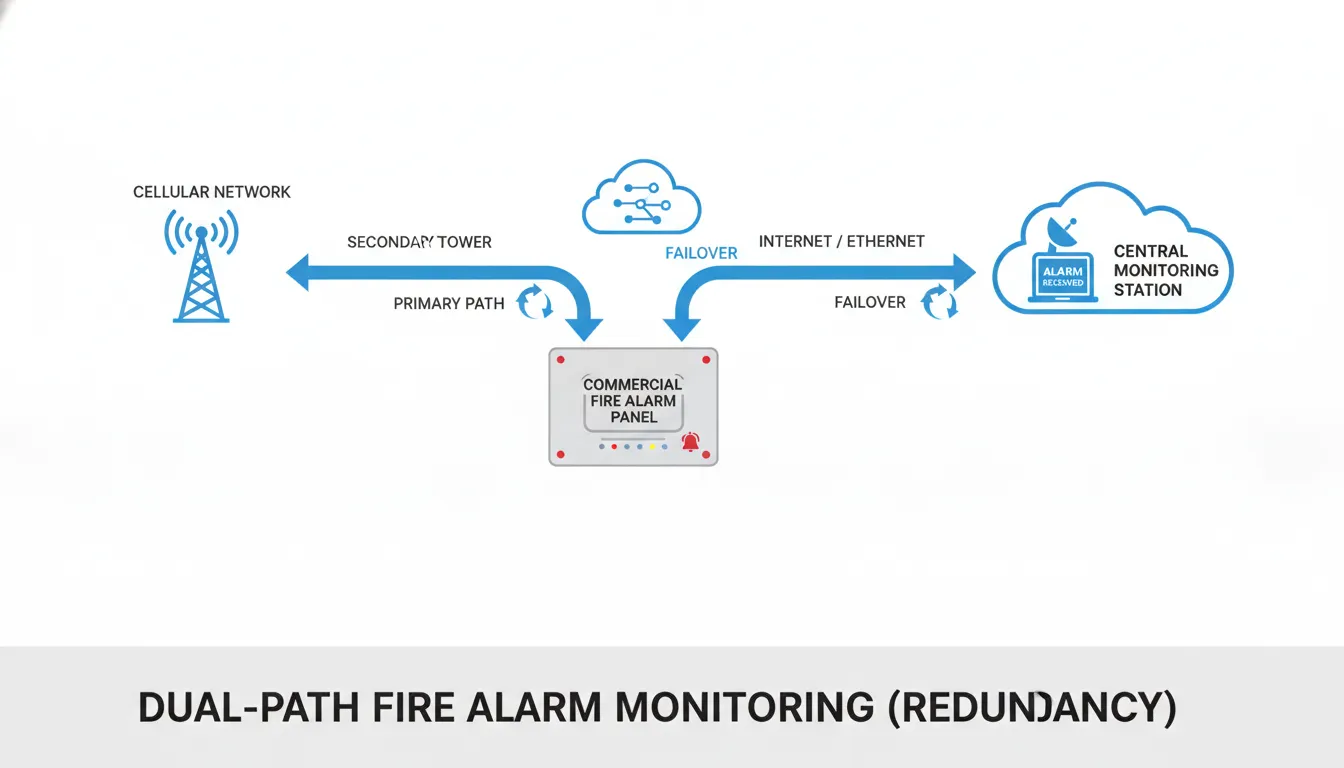
Most systems today use modern tools like cellular signals or the internet to send these alerts. These methods are much faster than old copper phone lines. Backup paths, like dual-path communication, help make sure the signal gets through even if one path fails. This redundancy is vital for high-risk properties or buildings with commercial fire alarm systems. It ensures that a single cut wire or network outage does not leave your business at risk.
The Role of the Central Station
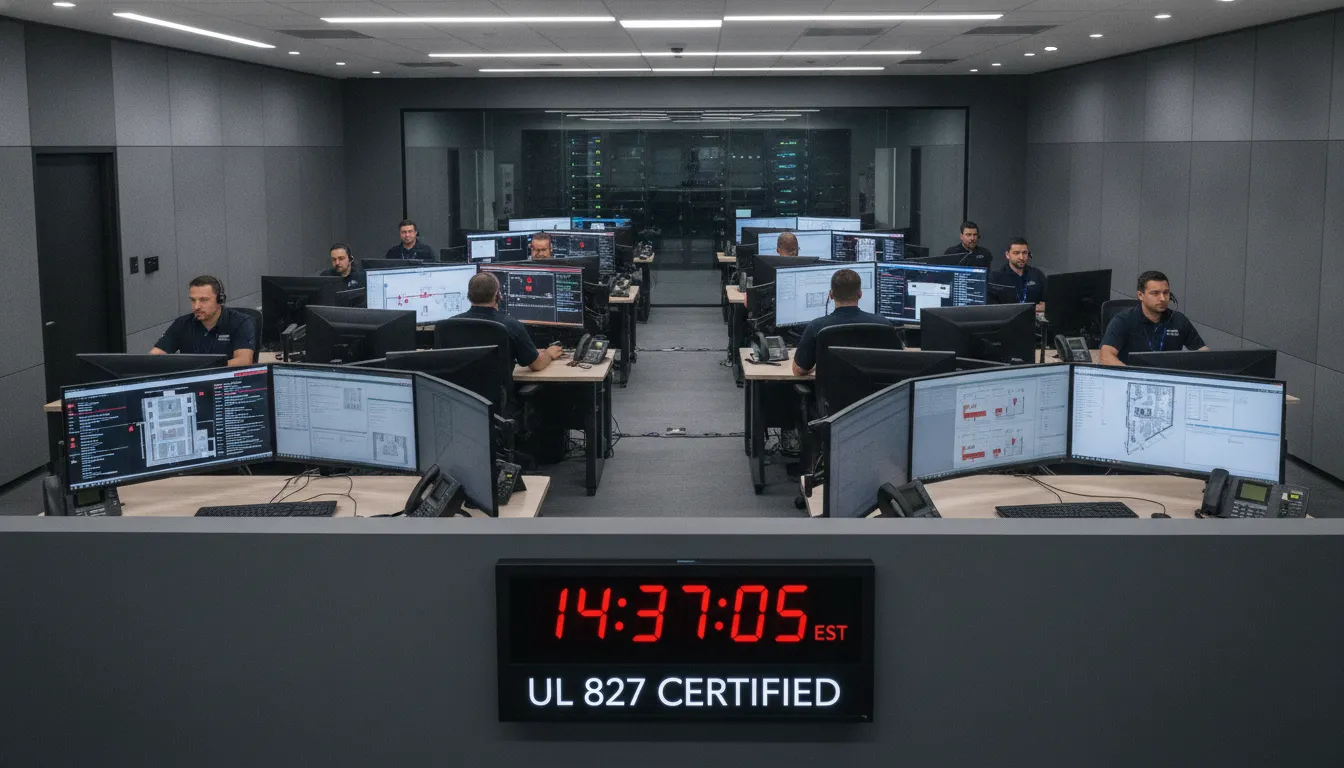
The heart of any monitoring service is the central station. This is a secure facility where trained agents watch alarm signals 24 hours a day. For commercial properties in the Upstate, using a UL 827 certified center is often a need for insurance. This mark means the site has passed strict tests for security, backup power, and fast response times. It guarantees that the center can handle events even during a big storm.
When an alarm reaches the station, agents follow a set of steps. They first check the signal type to see if it is a fire or just a low battery. If it is a fire alarm, they notify the local fire department at once. They also contact people on your business call list to let them know. This joint effort helps to reduce property damage and keep people safe from harm.
Why 24/7 Monitoring Is Vital
Without a monitoring service, a fire alarm is just a loud noise. It may tell people inside the building to leave, but it cannot call for help on its own. If a fire starts late at night, the building could suffer big damage before anyone sees it. A monitoring service fills this gap by providing an automatic link to help. It ensures that every alarm gets the attention it needs, no matter when it happens.
Professional monitoring also helps you follow local safety laws. Codes like NFPA 72 need many businesses to have a way to send alarm signals to a central hub. Using a local provider for these services can offer faster support. It gives you peace of mind that your life safety systems are always ready.
Why UL 827 Certification Matters for Your Monitoring Provider
When you choose a commercial fire alarm monitoring service, the UL 827 mark is the most important trust signal to find. This standard from Underwriters Laboratories (UL) sets the rules for how a central station must operate. It covers everything from the strength of the building to how fast staff must answer a signal. For a business in South Carolina, this mark ensures your property has expert eyes on it at all times.
Safety and Redundancy Standards
A UL 827 center must have backup power and extra ways to talk to the world. If the local power grid fails or a phone line goes down, the station keeps running. These centers use onsite generators and many internet links to stay online. This level of care is why many insurance firms need this mark before they will cover a big building. You can find more about these safety rules on the NIST standards guide.
ADP Security holds top marks, such as UL 827, UL 1635, and UL 1610. These labels show that we meet strict safety goals for fire, digital signals, and theft monitoring. Having these marks means our team follows clear steps during a fire. We do not just watch for alarms. We use tools and training that meet the best national grades for safety and speed.
Code Compliance and Insurance Benefits
South Carolina fire codes often point to NFPA 72 for monitoring rules. This code says that a listed station must handle your fire signals. Using a UL 827 provider helps you meet these state and local laws. It also helps during your yearly check. You can use our commercial fire alarm inspections SC checklist to see how monitoring fits into your full safety plan. Most fire marshals in the Upstate look for this specific UL mark during their work.
Lower insurance rates are another big win. Many firms give discounts to shops that use a UL-listed central station. They know that these centers have the best tools to find a fire fast. This quick response can save lives and stop property loss. The FEMA fire safety guide notes that early detection is key to less damage. By using a certified firm, you prove to your agent that you take fire safety seriously.
Contact ADP Security Systems today to learn about our UL 827 certified monitoring for your Greenville commercial property.
Cellular vs. Dual-Path Communication: What SC Building Owners Need to Know
For decades, commercial fire alarms relied on landlines to send signals to monitoring centers. Today, these copper lines, known as POTS (Plain Old Telephone Service), are fading away. Telecom companies are phasing out these old lines because they are hard to keep up. For building owners in South Carolina, this means moving to new ways to send alarm signals is now a must for fire safety.
Why POTS Lines are Phasing Out
Landlines are no longer the best way to handle commercial fire alarm monitoring service needs. They can be slow and may fail if a wire is cut or a storm hits. Most phone companies now focus on fiber and wireless tools instead. As copper lines disappear, the cost to keep them goes up while how well they work goes down. Many property owners find that their old lines are no longer supported. This is why it is important to know how to vet a commercial alarm monitoring provider before you make a change.
Old phone lines also lack the speed needed for fast response times. In a fire, every second counts. A legacy landline can be slow when it tries to send a signal. Newer tools do this in just a few seconds. This gap can make a big difference in how much damage a fire causes. Upgrading is a smart move for any SC business owner who wants to protect their property and people.
How Cellular Fire Alarm Monitoring Works
Cellular monitoring uses the same tech as your mobile phone to send fire signals. It is fast and does not need a physical wire to connect to the street. This makes it a great choice for properties in Greenville or Spartanburg that want a clean setup. Cellular paths are not affected by local power outages or cut phone lines. This ensures your signal reaches help without delay.
ADP Security uses cellular links that connect your panel to our UL 827 certified monitoring center. This path is very hard to block or cut, which keeps your building safer around the clock. By removing the physical wire, you remove a single point of failure. You can rest easy knowing your fire alarm will always have a way to call for help.
The Advantage of Dual-Path Backups
Dual-path linking uses two paths at once: your local internet and a cellular link. This setup offers the best protection for commercial fire alarm systems. If your office internet goes down, the cellular path takes over right away. This backup is a key part of staying in line with NFPA 72 codes. Having a second path means your monitoring center stays alert even during a major network failure.
ADP supports this dual-path tech on Honeywell VISTA platforms. It gives you a solid way to protect your property. This also helps you meet commercial fire alarm inspections SC checklist standards. Using both paths ensures your building has the highest level of security available today. This is the best choice for large buildings that need constant uptime.
| Feature | Cellular Only | Dual-Path |
|---|---|---|
| Reliability | High | Highest |
| Signal Speed | Fast | Instant |
| Redundancy | Single wireless path | Internet + wireless paths |
| POTS Dependency | None | None |
| Backup Method | None (Direct) | Automatic path swap |
| Monthly Cost | Standard | Slightly higher |
6 Factors to Evaluate When Choosing a Fire Alarm Monitoring Company
Picking a commercial fire alarm monitoring service is a key task for any business in South Carolina. A quick response can save lives and keep your site safe. To get the best care, you must look at more than just the monthly cost. You need a firm that knows the local laws and uses new tools to keep you safe.
Critical Rules and Backups
A top firm must follow strict safety laws. For example, a UL 827 certified central station goes through tests to make sure it stays live during big storms. This level of care is often a need for your insurance plan. Most modern commercial fire alarm systems in Greenville SC now use cellular or internet paths to send signals. These dual-path tools make sure your alarms reach the station even if one link fails.
- Verify UL 827 Central Station Certification. Make sure the station that watches your site meets the best safety rules for security and uptime.
- Confirm Communication Path Redundancy. Use both cellular and IP paths so that a cut wire or a network glitch does not stop your alarm signals.
- Ensure NFPA 72 Compliance Skill. Work with a team that knows the SC fire codes and NFPA 72 rules for system tests.
- Check Local Service and Response. Pick a local team that can reach your site fast for repairs instead of a national firm.
- Review Contract Terms and Pricing. Look for fair rates and avoid 36-month deals that lock you in even if the help is bad.
- Check Insurance Carrier Needs. Many insurance firms will not pay for a fire loss unless your help is UL-listed and professionally run.
Cost and Contract Clarity
When you learn how to vet a commercial alarm provider, price is a big factor. Some national brands charge high fees and ask for long-term deals. Local firms in Upstate SC often give better value. You can find expert help for $25 to $45 per month without a 36-month lock-in. This gives you more control over your safety budget while you get better local trust.
It is also smart to check for hidden fees in your deal. Some firms add extra costs for cellular links or basic tests. A good local team will give you a clear quote that covers all you need to stay in line with the law. By picking a firm with deep roots in the area, you ensure they care about your business success as much as you do.
Why a Local South Carolina Provider Makes a Difference
Choosing a local partner for your commercial fire alarm monitoring service gives you more than just a nearby office. A South Carolina provider like ADP Security Systems knows the local fire codes and regional rules that national chains often miss. Based in Greenville, SC, we provide fast service and quick help for businesses across the Upstate. We serve local firms with the care they need to stay safe.
Accountability from Local Owners
Working with a local family-run firm means you can talk to the people in charge. ADP Security Systems started in 1995 and has served this area for over 30 years. This local model creates a high level of trust that large national firms cannot match. You are not just a name in a file. You are a local partner who gets personal care from a team that truly wants to keep you safe.
Our work spans from Greenville to Spartanburg, Anderson, Columbia, and Charleston. Since we are local, we do not force you into the long 36-month contracts that national brands use. This choice keeps us focused on giving you the best commercial fire alarm systems in Greenville SC every month. We work hard to earn your trust each day.
Knowledge of South Carolina Fire Codes
South Carolina uses the International Fire Code to set safety rules. Local firms have deep experience working with local fire marshals in cities like Anderson and Spartanburg. This skill ensures your system stays in line with state laws. Staying on track helps you avoid fines or insurance problems.
The South Carolina State Fire Marshal sets these safety rules to protect lives. A local provider who knows these rules can help you through tests and system updates. This local knowledge is key to keeping the high standards needed for 24/7 fire monitoring in South Carolina.
Fast Support and Local Response
When a fire system needs a fix, every hour counts for your safety. Local firms can often offer same-day service calls because our team is already near you. We protect sites from large shops to medical offices. Our local team ensures that help is always just a short drive away when you need it most.
Supporting a local South Carolina firm also keeps your money in the state. By picking a partner with 30 years of local work, you get a team that cares about our towns. Our local roots let us give clear quotes for the unique needs of South Carolina owners.
What Does Commercial Fire Alarm Monitoring Cost?
Most South Carolina business owners can expect to pay between $25 and $45 per month for commercial fire alarm monitoring service. While this range is common, your final rate depends on the size of your building and how your system sends signals. A system that uses both cellular and internet links for backup often costs slightly more.
Monthly Monitoring Fees and Factors
The total cost for fire monitoring usually depends on how many zones your panel must track. Large sites with many fire zones or special sensors may see higher monthly fees. The type of signal path also matters. Cellular monitoring uses a data link that is more reliable than old phone lines. It is helpful to get a custom quote to find the best fit for your property needs.
Comparing National and Local Providers
Big national firms often charge more and need long-term deals. For example, ADT usually charges between $44.99 and $53.99 per month for business fire monitoring. These plans often come with a 36-month contract that can be hard to change. Local firms like ADP Security Systems offer a better path with no long-term contracts. This lets you keep your service because of the quality you get rather than a paper you signed.
Value of UL 827 Certified Monitoring
While price is a big factor, you must also look at the quality of the monitoring center. Top centers hold UL 827 certification, which is the high standard for security and response. This level of service ensures that fire crews are sent to your site fast during a real alarm. Many insurance firms also need this certification to give you the best rates on your policy.
Ready to protect your commercial property? Call (864) 246-1006 for a free quote on UL 827 certified fire alarm monitoring in Greenville and Upstate SC.
Frequently Asked Questions
How does fire alarm monitoring differ from fire alarm inspections?
Fire alarm monitoring provides continuous 24/7 remote watch over your building’s fire system. If sensors go off, the monitoring center quickly dispatches the fire department. On the other hand, fire alarm inspections are periodic tests to obey NFPA 72 rules. These tests check if devices like smoke detectors and sirens still work right. Most South Carolina commercial properties need both for total life safety and to follow local building codes.
Does fire alarm monitoring help lower commercial property insurance rates?
Yes, many commercial insurance companies give lower rates for properties with 24/7 fire monitoring. Carriers often need proof of service from a UL 827 certified provider before they will give you a discount. This monitoring ensures that emergency signals reach the fire department even if no one is at the building.
What is the difference between cellular and dual-path fire alarm monitoring?
Cellular monitoring uses a wireless signal to send alarms from your fire panel to the monitoring center. It is faster than old phone lines and works even when the internet is down. Dual-path monitoring uses both cellular and internet connections at the same time. If one path fails, the other takes over right away. Dual-path offers more redundancy and is often required for large commercial buildings under NFPA 72.
Why are traditional copper phone lines no longer reliable for fire alarm monitoring?
Telecom companies are phasing out legacy POTS (Plain Old Telephone Service) lines across the country. These copper lines are expensive to maintain and prone to failure during storms. They also transmit signals more slowly than modern alternatives. Most phone providers no longer guarantee repair times for copper lines, which creates a fire code compliance risk for commercial properties.
What does UL 827 certification mean for a central monitoring station?
UL 827 is the highest standard for central station monitoring in the United States. A certified station must pass strict tests for physical security, backup power systems, redundant communication paths, and staff response times. This certification is often required by insurance carriers and local fire marshals before they approve a commercial fire alarm monitoring plan.
How much can a local SC fire alarm monitoring provider save me compared to national brands?
Local providers like ADP Security Systems typically charge $25 to $45 per month for commercial fire alarm monitoring. While national brands often charge $44.99 to $53.99 per month or more. Local providers also avoid long 36-month contracts, giving you more flexibility and better service without hidden fees or cancellation penalties.