Commercial Door Entry Systems: A Complete Buyer’s Guide
July 22, 2026
Cloud-Based Access Control Systems vs. On-Premise: A Buyer’s Guide
July 24, 2026
A lost master key can force a business owner to rekey an entire Greenville facility overnight. This costly headache shows why integrating smart building security is difficult with separate, fragmented systems.
A smart building security system unifies smart locks, automated lights, climate sensors, and video cameras into one central dashboard to simplify property management. Research from the National Institute of Standards and Technology shows that unified smart building frameworks improve physical safety and operational resilience for commercial properties. Instead of managing separate tools, property owners use these integrated platforms to track digital access logs and control building temperatures from any mobile device. This proactive strategy helps Greenville businesses stop unauthorized entry, lower their monthly utility bills, and protect valuable physical assets with less manual work. By connecting physical security with energy management, a unified commercial system helps you run your facility safely while reducing overall daily operating costs.
How can your own commercial property in Greenville start this smart setup? To build a unified smart building security strategy, you must understand how these tools work together by exploring What Is a Smart Building Security System? The path begins with
What Is a Smart Building Security System?
When property managers focus on integrating smart building security, they connect separate systems into a single network. Instead of running alarms, cameras, and locks on lone platforms, this setup connects them all. The National Institute of Standards and Technology (NIST) notes that a unified building framework improves safety and health. It also makes your property stronger. For commercial property owners, this means your security tools share data to protect your assets well.
Point tools versus unified systems
Many older commercial sites use standalone point tools. These are systems that do not talk to each other. For example, your cameras do not share data with your badge readers. If an alarm goes off, your system cannot show you the camera view right away. You must look at two different screens to find the issue. This slows down your team when every second matters.
| Feature | Standalone Point Tools | Unified Smart Building System |
|---|---|---|
| System communication | No data sharing between devices | All devices share data in real time |
| Alarm response | Manual check of separate screens | Auto-triggers cameras, lights, and alerts |
| Access management | Physical keys with no audit trail | Digital credentials with full activity log |
| Energy control | Manual HVAC and lighting adjustments | Auto-adjusts based on occupancy sensors |
| Remote access | On-site only | Mobile dashboard from any device |
A unified setup connects these tools into a single platform. If a side door opens after hours, the smart system lights up the area and turns on the nearest camera. The system then alerts your team. This active path keeps small problems from growing. It also removes the gap between finding a threat and taking action.
Unified management platforms
A unified management platform is the brain of a smart building. These shared platforms let you use a single dashboard to control your security, climate, and energy systems. Rather than switching between apps, you can manage your whole site from one screen. Research from the National Institute of Standards and Technology (NIST) shows that these single dashboards ease building management. They also make it easier for teams to respond to issues. It gives your staff a clear view of the entire building.
Using a single dashboard does not just protect your doors. It also helps you run a greener site. When your security sensors detect that an office is empty, the system can quickly adjust the HVAC and turn off the lights. This reduces energy waste without losing comfort. A smart building system ensures that your security and utility systems work together, saving you time and money.
The role of digital audit trails
Modern security relies heavily on digital tracking. Older locks and metal keys cannot tell you who entered a room or when they left. If a key is lost, you must rekey the entire site, which is both slow and costly. Smart access control systems solve this issue by giving each user a unique pass, such as a keycard or a mobile app token.
The Cybersecurity and Infrastructure Security Agency (CISA) states that access control systems help businesses manage and audit entry to secure areas. These systems produce a detailed log of all building activity. These digital audit trails record every entry and exit in real time. If a security event occurs, your managers can run a report to see exactly who was in the area. This level of tracking is crucial for meeting compliance standards and protecting vital assets.
Smart Locks and Access Control: The Foundation of Modern Building Security
Keyless entry systems
Modern buildings need strong safety. Smart locks are the core of a smart building security system. These tools remove the need for brass keys. Staff use keycards, fobs, or phone apps to open doors. Based on data from Security.org, smart locks can be locked or opened from far away to let approved teams enter without real keys. This setup keeps your site safe while making daily work easy.
In Greenville, South Carolina, local business owners use these tools to secure their shops. Local firms find that automated access control entry systems help stop theft and manage staff flow. If a worker leaves your firm, you do not have to change the locks. You can turn off their access badge with a few clicks on your screen. This saves cash and keeps your site safe at all hours.
Centralized control platforms
A central cloud platform lets you manage all your doors from one place. You can check entry points from your laptop or phone no matter where you are. This cloud setup is a key part of integrating smart building security into your daily plans. You do not need to stand next to a door to let a driver inside. One click from your app opens the door, and one more click locks it again.
This linked setup also works well with video cameras and alarm systems. When someone tries to open a locked door, your system can trigger a camera nearby to start recording. You get a real-time alert and video clip of the event on your phone. If you use Honeywell VISTA panels, these tools can work as one to give you a strong shield against threats. This means you have fewer blind spots and can act fast when an issue happens.
Audit logs and visitor management
Running a safe business needs knowing who enters your building. Modern access systems create online records for every person who scans a badge or fob. Guidance from the Cybersecurity and Infrastructure Security Agency shows that access systems let firms manage and audit entry to secure areas.
These systems give a detailed log of all building events. These logs show you which worker went where and at what exact time. If a theft happens or assets go missing, you can search the audit trail to find the cause.
This setup also makes guest check-in fast and safe. Instead of a paper sign-in sheet, guests scan a QR code to get a short-term pass. This pass only works for certain doors and turns off when their visit ends. This keeps guests where they belong and protects your private space.
Automated Lighting: More Than Just Energy Efficiency
A modern smart building security system does more than lock doors and track cards. It also runs your lights to keep your building safe and cut costs. When you link your lights to your main security panel, you get better control of your space. This setup turns simple lights into an active part of your safety plan.
Smart sensors and occupancy controls
Empty rooms do not need bright lights. You can program your lighting controls based on occupancy sensors to save energy. As seen on Energy.gov, these controls shut off lights when areas are not in use. The sensors find when a room is vacant and turn off the bulbs.
This quick step helps local firms save money and cut power waste. It stops staff from leaving lights on all night in empty rooms or stock rooms. You can also check your energy use through a single dashboard. Over time, these small savings add up to lower your monthly power bills.
Crime deterrents through active lighting
Smart lights also play a key role in keeping thieves away. By linking your lights with safety tools, you can set up lights to turn on when sensors find movement. The National Institute of Standards and Technology shows that this setup helps scare off prowlers. Bright floodlights will turn on the moment someone walks near your fence or back door.
This action works best when you pair your lights with outdoor cameras. You get a stronger shield when you use security camera integration in smart buildings. When a camera finds a threat, it can trigger your lights to flash. It also scares off intruders before they can cause damage. This alerts your guard team and gives them a clear view of the scene on their screens.
Daylight harvesting and solar tracking
Smart buildings also use sun light to save on daily costs. As noted by Energy.gov, smart building systems can adjust lighting levels based on daylight harvesting. When the sun shines bright through your windows, the system dims your indoor lights. If clouds roll in or the sun goes down, the lights slowly turn back up.
You can also set fixed schedules for your entire site. Lights in hallways can stay bright during work hours but dim late at night. Outdoor paths can turn on at sunset and shut off at dawn. An expert security team can design these schedules to match your daily business hours. This careful balance keeps your business safe while stopping power waste when the building is quiet.
Temperature Monitoring and Climate Control Integration
Modern buildings need more than lock and key systems to stay safe. By linking climate control with a smart building security system, you build a safer, cheaper site. This setup lets you watch and manage indoor air from one screen. In Greenville, South Carolina, local firms use this to guard against hot summers.
Commercial systems often work alone. Your alarms, locks, and HVAC units might not talk to each other. Linking them under a single plan makes control simple. This guide shows how climate control and security work as one.
Protection for critical equipment
Stock rooms, food storage, and server rooms need steady climates. When temperature rises, fragile gear can break down. With automated temperature monitoring, sensors track indoor heat and send alerts before damage occurs. This is vital for IT rooms and food plants. This constant watch helps firms protect their assets and follow compliance rules.
By tracking small heat trends, the system alerts you to HVAC issues early. If a cooling unit works too hard to hold a temperature, it triggers a warning. According to the Department of Energy, predictive maintenance of building systems cuts unplanned downtime and extends equipment life. This keeps your vital systems running without sudden failures.
Occupancy-based climate adjustments
Most office buildings waste energy by heating or cooling empty rooms. A smart system solves this by using occupancy sensors linked to your climate controls. When workers leave a room, the system changes heat settings. You stop wasting money on empty halls. This zone-based design means you only climate-control active parts of the building.
The Department of Energy notes that occupancy-based automation adjusts HVAC levels in empty rooms to lower energy use. You never have to manage these changes by hand. Instead, smart thermostats do this work without your help. This keeps workers happy while cutting power bills.
Unified control for energy efficiency
When you combine your heating, cooling, and lights, you save even more money. These systems should not run alone. A California Energy Commission report shows that integrated building control systems save energy by linking lighting, temperature, and HVAC. A unified system ties these tools into a single smart network.
When you link these systems under a unified smart building security strategy, you reduce daily waste. When the security system arms at night, the building can shut down lights and lower heat at once. This smart setup ensures that you only run your building systems when they are truly needed.
AI-Powered Video Analytics and Threat Detection
Old video systems are passive tools. They record hours of footage, but they only help after a crime has happened. Building managers must search through video files by hand to find an event. This approach is slow and costly.
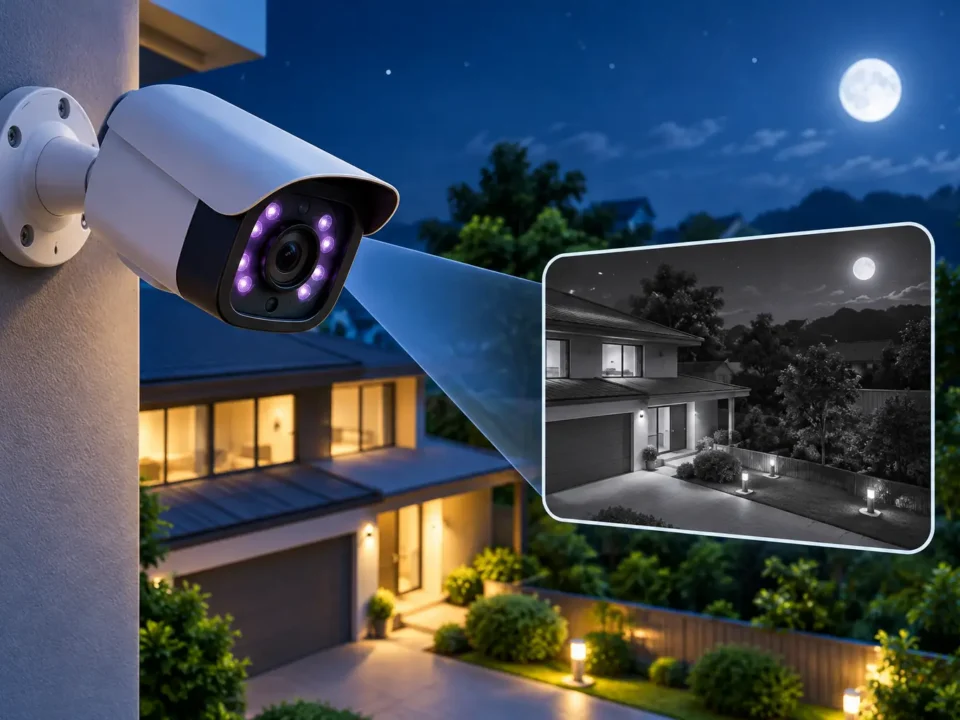
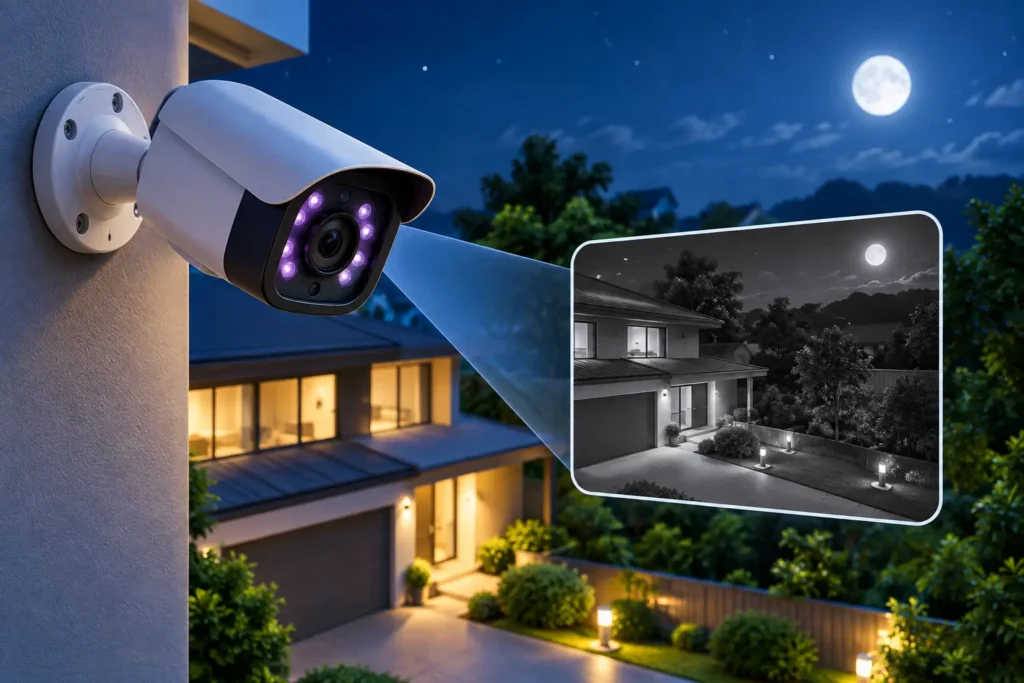
A modern security camera integration in smart buildings changes this setup. Instead of just recording, these systems always watch your property. They use smart software to spot hazards as they happen to build a proactive defense.
Spotting threats early
Old security tools wait for an alarm to go off. In contrast, AI tools can watch live footage and find risks right away. This software helps protect a building by scanning for odd actions, blocked fire exits, or unknown cars.
For instance, the system can alert guards the moment someone enters a closed zone after hours. It can also spot a car idling near a loading dock for too long. Guarding a building becomes a proactive task. A business can stop an event before it causes real harm.
Reducing false alarms
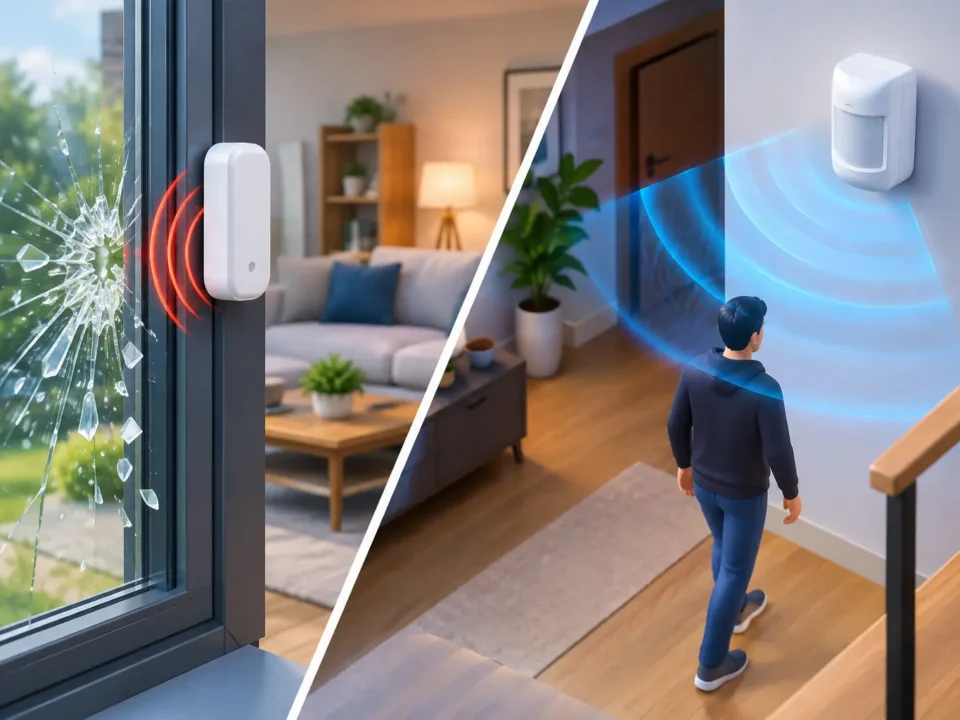
Basic motion sensors are simple. They trigger an alert for any movement, such as wind, rain, or a stray dog. This leads to many false alarms that waste time and security tools. Modern software solves this issue by learning to spot clear shapes and paths.
AI software lowers false alerts by using video analytics to tell human motion from swaying trees and blowing leaves. It knows a real thief from a shadow on the wall. This sharp focus means your staff only responds to true hazards. It keeps your team focused and prevents alarm fatigue. It also ensures that police are only called for real threats.
Secure storage and connections
Smart cameras work best when they connect to a central platform. This setup lets you control your security, fire alarms, and access systems from one dashboard. You can watch live feeds or search past clips from any device. This makes it easy to manage many sites at once.
But sending and storing video online comes with cybersecurity risks. You must safeguard video files through secure and encrypted data storage to protect privacy and follow local laws. Proper encryption prevents hackers from viewing your feeds. It ensures your security data remains safe from digital threats. This creates a strong, safe smart building security system for your local business.
How Smart Building Systems Save Energy and Reduce Operating Costs
Modern commercial properties waste a large amount of energy every day. When you set up a unified smart building security strategy, you get more than just protection. A complete smart building security system lets you run your space in a clean, cheap way. This kind of system links your locks, cameras, and alarms together. It turns your security setup into an active control tool.
Coordinated controls for utility savings
In many offices, the lights stay on and the heat runs in empty rooms. This waste costs business owners a lot of money. When integrating smart building security, you link your alarms, lights, and climate controls to work as one.
These integrated setups are highly useful. A study by the California Energy Commission shows that integrated systems save energy by linking lights and HVAC units. When the alarm system is set to armed, the building knows it is empty. It turns down the heat and shuts off all the lights. This simple change stops waste when your team goes home.
Operating cost reductions through system retrofits
You do not need a brand new building to get these benefits. Many building owners choose to retrofit older spaces. This process updates your current hardware with smart controls. It is a smart way to update a local office or shop without rebuilding. You can keep your structure but change how it works.
A report by the Lawrence Berkeley National Laboratory shows that retrofitting a building with integrated controls cuts operating costs. The system automates basic tasks to run on its own. Instead of manual checks, the system handles these jobs. This saves work hours and lowers monthly bills.
Real-time monitoring and predictive maintenance
To cut costs, you must know where your energy goes. Smart systems track use at all times. They send this data to a single dashboard. This dashboard shows you how much power each floor or room is drawing. This helps you make smart choices.
Data from Energy.gov highlights that real-time energy tracking helps managers find and fix bad building systems fast. If a cooling unit uses too much power, you will see it right away. This lets you make quick changes to prevent a costly breakdown.
This same data shows that predictive care of building parts reduces unplanned downtime. It also makes your equipment last much longer. By using sensors to watch wear and tear, you can fix parts on a plan. You will not have to pay for emergency weekend repairs. Your systems will run better for many years.
Key Considerations for Commercial Property Owners
Network security and system integration
When you connect different parts of a smart building security system, you create new access points. Because of this, property owners must focus on cybersecurity when integrating smart building systems. This focus stops bad actors from getting into your network. Weak links can let threat actors reach your local database. Property managers can choose between local servers or cloud setups. Cloud setups make it easy to scale security across many sites.
Local servers give you full direct control of your data. But cloud-based tools allow you to manage and update software from any device. This choice helps managers who need to watch many buildings at once. Cloud systems also receive quick security updates to fix new software bugs. These digital safety tools help protect your building and sensitive data.
Code compliance and certifications
Fire safety is another vital area when you plan a new smart building security system. You must ensure that your setup meets local building codes. In the United States, NFPA 72 sets the standard for fire alarms and signaling devices. Commercial properties need professional design and regular testing to remain safe and compliant. Working with a provider who builds code-compliant fire alarm systems protects your workers and keeps your business from facing heavy fines.
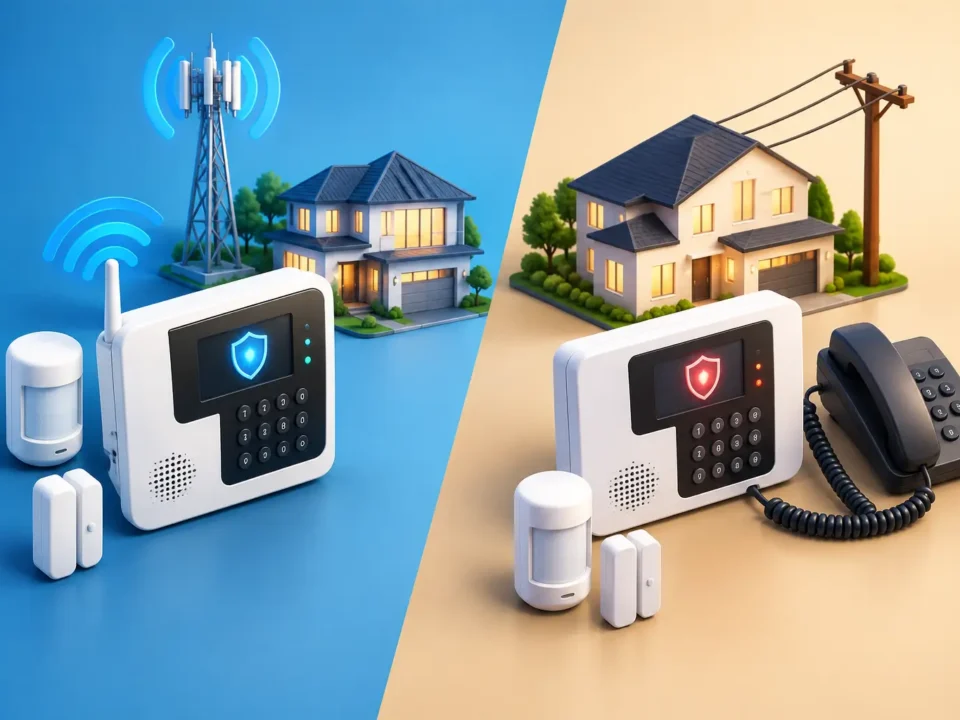
Beyond fire safety, your alarm monitoring must always work. You should check if your security provider uses a monitoring station with UL 827 certification. This standard ensures that the central station meets strict safety, backup, and service rules. Certified stations have extra power and backup links to keep running during major storms or power outages. This constant monitoring ensures that emergency services get alerts even when your local internet goes down. Reliable alert setups give business owners peace of mind during off-hours.
Scaling with local support
Many national security brands offer standard packages with remote tech support. But commercial smart systems need precise local care. Local providers in Upstate South Carolina understand regional building codes and weather challenges. They can perform on-site audits and fit your hardware to your needs. When choosing a partner, look for teams with factory-trained technicians who can handle complex setups and give regular upkeep. Professional setup ensures that each sensor works well from day one.
A local partner can also respond quickly when your hardware needs repairs. This fast response is crucial when managing entry gates, smart locks, or security cameras. By choosing local experts, you get custom-designed setups that integrate smoothly with your other building tools. If you are comparing different access control solutions, a local team can guide you from design to final setup. This close support helps your business stay safe for the long term.
Frequently Asked Questions
Is a smart security system worth the investment for commercial properties?
Yes, it is very helpful. Research from the Lawrence Berkeley National Laboratory shows that adding integrated controls to your building cuts daily operating costs. These smart systems save money by turning off lights and HVAC when rooms are empty. They also protect your business from theft and fire, which lowers your long term risks.
How much does a smart security system cost for a commercial building?
The total cost depends on your building size, layout, and the specific devices you need. Setup for commercial facilities needs custom design and professional installation. Many modern systems also use subscription models. According to Siemens, subscription plans help property managers get ongoing software updates and support to keep their systems secure.
How does smart lighting integrate with commercial security alarms?
Smart lighting connects directly to your main security panel. When sensors detect movement or an alarm goes off, the system instantly turns on lights in that specific zone. Research from the National Institute of Standards and Technology shows that this automatic lighting helps light up areas during a security event. This action deters intruders and helps your cameras capture clear video.
How does artificial intelligence improve commercial building security?
Artificial intelligence makes your security proactive rather than passive. Instead of just recording theft, AI systems analyze live video to find threats as they happen. According to the National Institute of Standards and Technology, AI tools can also tell the difference between human movement and blowing trees. This drastically reduces false alarms so your team can focus on real security events.
What fire safety standards must a commercial smart security system meet?
In South Carolina, commercial systems must meet strict local and national fire codes. According to the National Fire Protection Association, your system must follow NFPA 72 standards for code compliant alarm installation. This needs professional testing, cellular or dual path backup lines to survive outages, and connection to a UL 827 certified central monitoring station.
Ready to design a smarter, safer commercial building?
Running your security, lighting, and climate controls as separate systems wastes money every day. Delaying your smart building setup leaves your commercial property open to safety risks. Connecting these systems now protects your business assets and cuts your daily running costs.
Do not let hidden commercial security gaps or high energy bills hurt your business growth. Our local team designs custom smart setups that fit your exact property needs. We offer professional, factory-trained installation and reliable 24/7 monitoring to keep you safe. Ready to get started? Schedule a free smart building security consultation today to protect your commercial space. Our Greenville, family-owned business is ready to help you secure your building right now.