What Is a Medical Alert System with Fall Detection?
May 6, 2026
Fall Detection Devices: A Complete Buyer’s Guide
May 7, 2026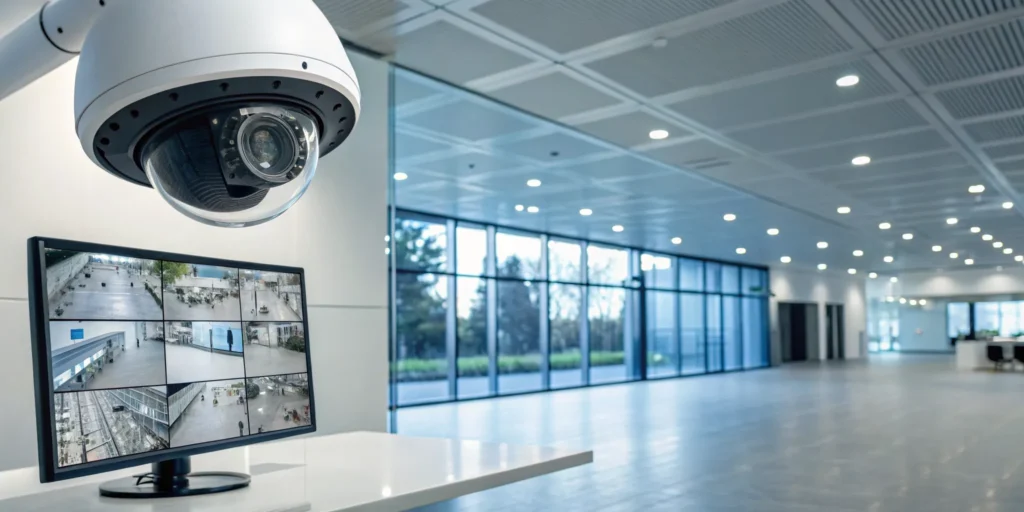
It’s easy to see a security system as just another business expense. But what if you viewed it as an investment that actually pays you back? A modern security system camera does so much more than just deter theft—it actively works for your business. The right system can help lower your insurance premiums, reduce liability from false claims, and even provide data to improve your daily operations. It transforms from a necessary expense into a powerful tool for risk management and business intelligence. We’ll cover all the unexpected benefits, showing you the true value of protecting your people, property, and profits.
Key Takeaways
- Build a complete safety ecosystem: A truly effective security plan goes beyond just cameras. It integrates intrusion detection, access control, and life safety sensors for fire and carbon monoxide, creating a layered system that protects your business from a wide range of threats.
- Your security partner is as important as your hardware: Choosing a local expert over a DIY kit or national chain ensures you get a custom system designed for your specific needs. A professional handles correct installation, helps you follow local laws, and provides reliable support for long-term peace of mind.
- Plan for the long haul with maintenance and scalability: A security system is not a set-it-and-forget-it tool. Keep it effective by performing simple maintenance like cleaning lenses and updating software, and choose a scalable system that can adapt as your business grows or your needs change.
What Makes a Security System “Business-Grade”?
When you think about securing your business, you might picture a few cameras mounted on the wall. But a true business security system is much more than that. It’s an integrated network of electronic devices all working together to protect your property, your employees, and your assets from theft, fire, and other emergencies. Think of it as a complete safety ecosystem designed specifically for the needs of your commercial space, whether you run a small shop in Greenville or a larger facility in Spartanburg.
A comprehensive system gives you a full view of your operations, helps deter potential threats, and provides critical evidence if an incident occurs. Let’s break down what these systems are made of and how they function in the real world.
What’s Inside a Modern Security System?
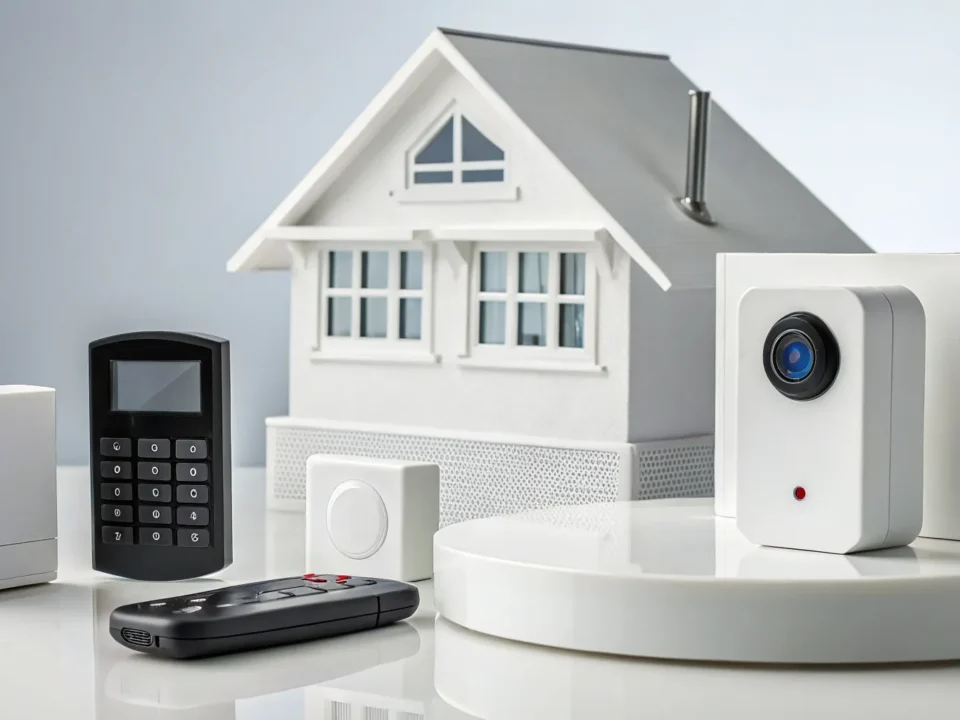
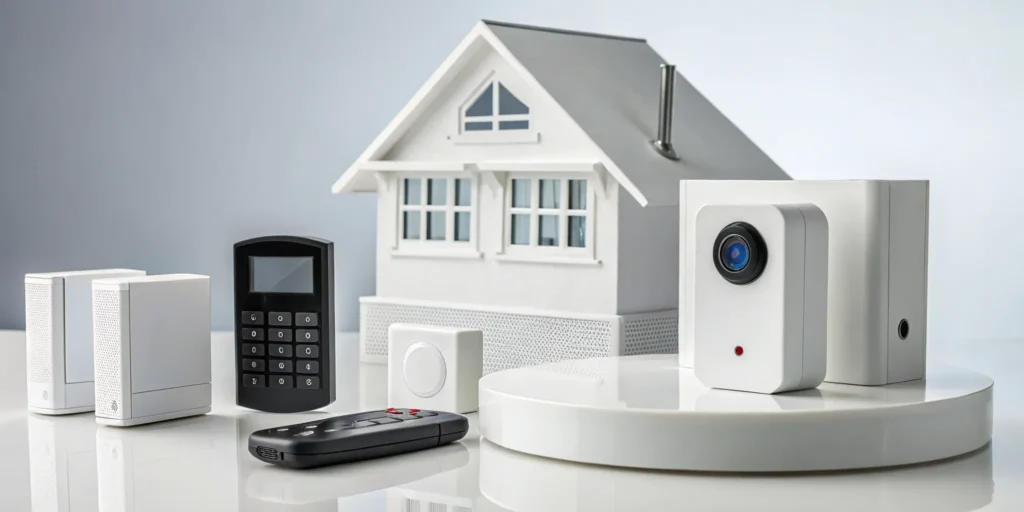
A modern business security system is built from several key pieces of hardware that act as your eyes and ears. The foundation is typically an intrusion detection system, which includes sensors on doors and windows, as well as motion detectors for interior spaces. Next, you have video surveillance, using security cameras to provide visual monitoring and recording. For many businesses, access control is also essential, allowing you to manage who can enter certain areas and when. Finally, a complete solution includes environmental monitoring with sensors for smoke, heat, and carbon monoxide, which are vital for life safety. All these components report back to a central control panel, the brain of the operation.
Understanding Your Recording System: NVR vs. DVR
All that video footage needs a place to go, and that’s the job of your recording device. You’ll generally encounter two types: Digital Video Recorders (DVRs) and Network Video Recorders (NVRs). DVR systems are often the more affordable choice, using a special coaxial cable to transmit video. They are a practical option if your building in Anderson or Clemson already has existing coaxial wiring from an older system. On the other hand, NVR systems represent the latest in surveillance technology. They use a single Ethernet cable for both power and video, which can simplify installation and provide the best possible image quality. With access to smarter features and clearer footage, an NVR is a great investment for future-proofing your security. Deciding between them often comes down to your budget, existing infrastructure, and desired video quality.
How Do Today’s Security Systems Actually Work?
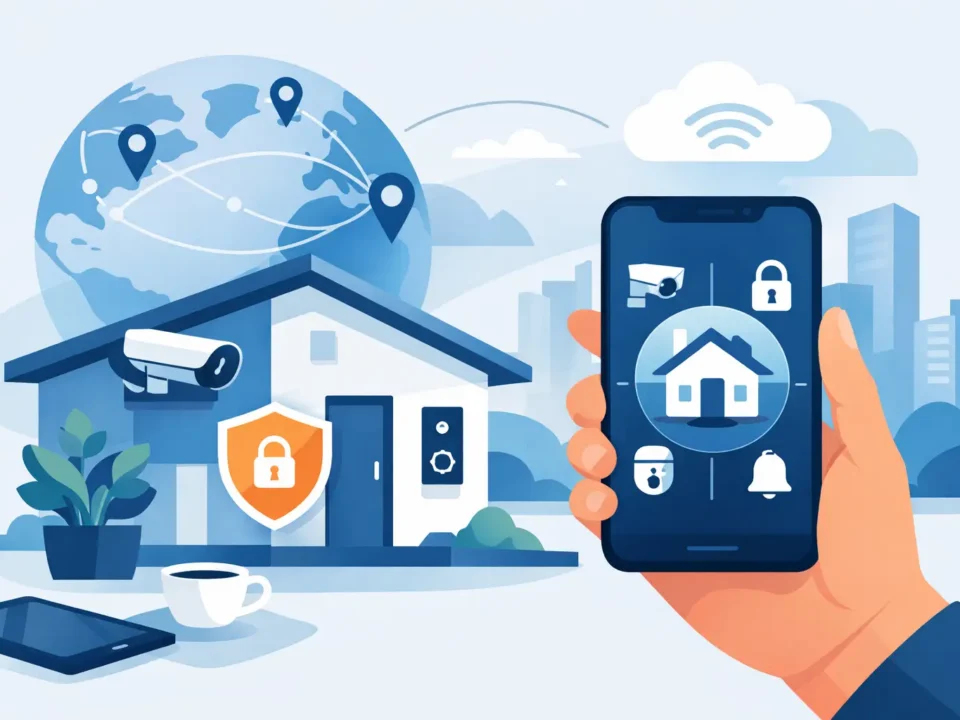
It might sound complex, but today’s security systems are designed to be incredibly user-friendly. All the components, from cameras to sensors, are connected to a control panel. When a sensor is triggered, the panel instantly sends an alert to a 24/7 professional monitoring center. At the same time, you receive a notification directly on your smartphone. Through a simple app, you can remotely monitor your property, view live camera feeds, and arm or disarm your system from anywhere. This seamless integration is what makes modern security so powerful. A professional partner helps design a system with commercial-grade technology that fits your unique layout, ensuring there are no gaps in your protection.
Finding the Right Security Partner for Your Business
Selecting a security system is more than just buying cameras; it’s about forming a long-term relationship with a partner you can trust. The company you choose is just as important as the technology they install. A great partner listens to your needs, provides reliable support, and is there when you need them most. As you compare your options, think about who you want on your team for the long haul.
Should You Hire a Local Pro or a National Chain?
A national chain might have a recognizable name, but a local partner understands your community. They know the specific security challenges in areas like Greenville or Spartanburg because they live and work here, too. A local provider can offer a truly customizable security system that is scalable for your home or business, because they aren’t just selling a one-size-fits-all box. They’re familiar with local codes and can provide a level of personalized service that larger companies often can’t match. When you have a question or need a technician, you’re calling a neighbor, not a call center hundreds of miles away.
How to Vet Their Customer Support and Response Times
Imagine your system goes down in the middle of the night. Who are you going to call? Your security partner’s customer support is your lifeline. Before you sign anything, ask about their support structure. Do they offer 24/7 monitoring from a local center? What are their guaranteed response times for technical issues or emergencies? Professional security companies bring expertise and experience that you simply can’t get from an off-the-shelf product. Look for a team that not only installs your system but also provides ongoing training and is readily available to help you get the most out of it.
What Tech and Integrations Should You Look For?
The right security partner will act as your technology consultant, not just a salesperson. They should offer a diverse range of high-quality equipment and be able to explain why certain tools are best for your space. For example, a good plan often involves a mix of different cameras, like discreet dome units for indoor offices and visible bullet cameras to deter trespassers outside. Ask potential partners how their systems integrate with other smart technology, such as lights, locks, and thermostats. A cohesive, integrated system is easier to manage and provides more comprehensive protection for your property.
Connecting with Smart Home Assistants like Alexa and Google
Integrating your security system with smart assistants like Amazon Alexa or Google Assistant makes managing your property incredibly convenient. You can check on your storefront or see who’s at the front door with a simple voice command, all without pulling out your phone. This is possible because many modern security cameras, including those from brands like Lorex, are built to connect with these smart home devices. This hands-free control is a huge help for busy business owners in the Upstate or parents at home in Simpsonville. Other brands, like Ring, create a cohesive ecosystem where your cameras, doorbell, and alarm all work together through Alexa. When we design a system at ADP Security, we focus on these integrations to ensure the technology fits your lifestyle, not the other way around.
Decoding Contracts and Hidden Fees
A security system is an investment in your peace of mind, not just another monthly expense. A transparent partner will provide a clear, itemized quote that breaks down all costs, including equipment, professional installation, and ongoing monitoring fees. Be wary of providers who aren’t upfront about their pricing or try to lock you into confusing, long-term contracts. It’s also worth noting that many insurance providers offer discounts for properties with professionally monitored security systems, which can help offset the initial cost. Ask for a straightforward agreement that you fully understand before making a commitment.
Must-Have Features for Your Business Security Camera System
When you start looking at security systems, the options can feel overwhelming. But a great system isn’t just about having cameras; it’s about having the right features that work for your business. Think of these as the non-negotiables for protecting your property, your team, and your peace of mind. From crystal-clear video that leaves no room for doubt to smart alerts that don’t cry wolf, these are the core functions that turn a simple camera setup into a powerful security partner for your South Carolina business.
Why Crystal-Clear Video Is Non-Negotiable
If an incident occurs, grainy footage is the last thing you need. Modern security systems have moved far beyond the blurry, hard-to-watch videos of the past. Look for systems that offer high-definition video, such as 2K (4MP) or even 4K (8MP) resolution. This level of detail is crucial for identifying faces, reading license plates, or capturing small but important details from a distance. Just as important is the frame rate (FPS). A system that records at a smooth 30 FPS will capture fluid motion, preventing the choppy playback that can miss a critical moment. Clear video is your best evidence and your most reliable set of eyes.
The 4K Difference: Why More Pixels Matter
Let’s talk specifics. You’ll often see “1080p” and “4K” when looking at cameras, but what’s the real difference? Think of it like this: 4K video offers four times more detail than standard 1080p HD. That isn’t just a minor upgrade; it’s a game-changer for security. With so many more pixels packed into the image, you can digitally zoom in on recorded footage without it turning into a blurry mess. This means you can clearly identify a person’s face, read the license plate on a suspicious vehicle, or see exactly what a shoplifter is pocketing. For a business in the Upstate, that level of clarity can be the deciding factor in a police investigation or an insurance claim.
Get Smarter Alerts with AI-Powered Detection
Constant notifications from your security system can quickly become background noise. This is where artificial intelligence (AI) makes a huge difference. Modern cameras can use smart detection to tell the difference between people, vehicles, and other movements, like swaying trees or passing animals. Instead of getting an alert every time a car drives by your Clemson storefront, you’ll only be notified of relevant activity. This intelligence drastically reduces false alarms, ensuring that when you do get a notification, it’s something that truly warrants your attention. It lets you stay informed without feeling overwhelmed by constant, unnecessary pings on your phone.
Beyond Basic Motion: 3D Detection and Precise Alerts
AI-powered detection is a great start, but some systems take this a step further with 3D motion detection. Instead of just analyzing a flat image, these cameras map your space in three dimensions, allowing them to understand an object’s size, distance, and trajectory with incredible accuracy. This intelligence drastically reduces false alarms, ensuring that when you do get a notification, it’s something that truly warrants your attention. For a business in a high-traffic area like downtown Anderson, this means the system can tell the difference between a person approaching your entrance and a car just passing by, letting you focus on events that actually matter.
Personalized Security with Facial Recognition
Facial recognition adds another powerful layer of intelligence to your security. By creating a database of authorized employees, you can program your system to recognize familiar faces and instantly flag anyone who doesn’t belong. This is especially useful for securing sensitive areas or monitoring after-hours activity. Imagine getting an alert not just that a person was detected, but that an *unrecognized* person is near your inventory room. When paired with access control, it can even grant entry to employees without a key card. A cohesive, integrated system like this is easier to manage and provides more comprehensive protection for your property, giving you precise control over who is where, and when.
Cloud vs. Local Storage: Which Is Right for You?
Where your video footage is stored is just as important as its quality. You generally have two choices: local or cloud storage. Local storage keeps your recordings on-site on a device like a Network Video Recorder (NVR). This gives you direct control over your data with no monthly fees. The downside is that if a thief steals or damages the recorder, your evidence is gone with it. Cloud storage saves your video on a secure remote server. This means your footage is safe even if something happens to your on-site equipment. Many businesses in the Upstate find that a hybrid approach, using both local and cloud storage, offers the perfect balance of control and security.
The Case for Local Storage: No Monthly Fees
If you prefer to keep your data in-house and avoid recurring costs, local storage is an excellent choice. This method keeps your video footage on a physical device at your business, typically a Network Video Recorder (NVR). The primary benefit is financial simplicity; because you own the hardware, you don’t have to pay monthly subscription fees for cloud storage. This approach gives you direct control over your recordings, ensuring your sensitive data remains entirely on your property. Many wired security systems are designed to store video locally, turning your security into a one-time investment rather than another monthly bill. For business owners who value ownership and predictable budgeting, this is a powerful advantage.
Ensuring Nothing Is Missed with 24/7 Recording
While motion-activated recording is great for saving storage space, it can sometimes miss the crucial moments leading up to or following an event. That’s why 24/7 continuous recording is a must-have for any serious business security system. This feature ensures your cameras are always recording, capturing an uninterrupted timeline of everything that happens on your property. All the footage is saved directly to your recorder, so you have a complete record of the day’s events, not just isolated clips. Whether you’re protecting a storefront in Easley or a warehouse in Spartanburg, this constant vigilance provides critical evidence if an incident occurs and delivers true peace of mind knowing that no detail will be overlooked.
Check In From Anywhere with Remote Access
As a business owner, you can’t be on-site 24/7. That’s why remote access is an essential feature. Because modern security systems connect to the internet, you can check your cameras from your phone or computer no matter where you are. Whether you’re at home in Greer or on vacation, you can pull up a live feed of your business with a few taps. You can also receive important alerts and review recorded footage on the go. This ability to remotely monitor your property provides incredible peace of mind, allowing you to always know what’s happening at your business, day or night.
Making Sure Your Mobile App Fits Your System
Your mobile app is the remote control for your entire security system, so it needs to be powerful and easy to use. A well-designed app gives you more than just a window into your camera feeds; it provides comprehensive control over your property. From your phone, you should be able to arm or disarm the system, check the status of door sensors, and review footage, whether you’re in Easley or on the other side of the country. The best apps also filter alerts intelligently, so you’re only notified about events that truly matter. When choosing a security partner, you’re also choosing their software. A professional provider ensures the app is as reliable and user-friendly as the hardware itself, putting true peace of mind right in your pocket.
Go Beyond Video: Two-Way Audio and Environmental Sensors
Today’s security cameras can do more than just see; they can also hear and speak. Many systems include built-in microphones and speakers that allow for two-way audio. This feature lets you talk through the camera from your phone, which is perfect for greeting visitors, giving instructions to delivery drivers, or even warning off a potential trespasser. Beyond audio, a truly comprehensive system integrates environmental sensors. These can detect smoke, heat, carbon monoxide, or water leaks, providing a complete life safety solution that protects your business from a wider range of threats, not just theft.
Why Audio Quality Matters for Clear Communication
Having a camera with a microphone is one thing, but having one with high-quality audio is another. Muffled, distorted sound makes the feature almost useless. Clear audio is essential for understanding context, whether you’re reviewing footage of a customer dispute or trying to communicate with a delivery driver after hours. Crisp, clear sound allows you to hear exactly what was said, identify unusual noises like breaking glass, and ensure your own voice is understood when you use the two-way talk feature. Think of it as the difference between a phone call on a landline and one with spotty cell service. For a business owner, that clarity provides not just better evidence, but a more effective tool for managing day-to-day operations.
Active Deterrence: More Than Just Recording
A traditional security system simply records a crime in progress, giving you evidence to review after the damage is done. A modern, business-grade system takes a more proactive approach through active deterrence. The goal is to stop trespassers in their tracks before they can cause harm or loss. A comprehensive system helps deter potential threats by using features like motion-activated lights, audible warnings, and live two-way communication. Instead of just being a passive observer, you have tools that actively protect your property. This shifts your security from a reactive measure to a preventative strategy, giving you the power to intervene the moment a threat is detected.
Spotlight and Floodlight Cameras
One of the most effective forms of active deterrence is light. Spotlight and floodlight cameras have powerful, motion-activated lights built right in. When someone enters a monitored area after hours, they are instantly illuminated by a bright light. This sudden exposure is often enough to startle a potential intruder and send them running. It tells them they’ve been seen and are being recorded. As a bonus, the bright light allows the camera to capture video in full, clear color at night, which is far more useful for identifying individuals than grainy, black-and-white infrared footage. Strategically placing these visible cameras outside your Anderson business is a simple but powerful way to discourage trespassers.
Two-Way Audio and Remote Sirens
While lights are a great deterrent, sound can be even more powerful. With two-way audio, you can do more than just listen in; you can speak directly to whoever is on your property. This feature lets you talk through the camera from your phone to warn off a potential trespasser in real-time. Hearing a direct, human voice saying, “You are being recorded and the authorities are on their way,” is incredibly effective. For an even stronger response, many systems allow you to trigger a loud, remote siren from your app. This not only scares away the intruder but also draws immediate attention to your property, turning your security system into an active guardian for your business.
How Much Does a Business Security System Really Cost?
Thinking about a security system is a lot like planning any other major business investment. The final price tag isn’t just one number; it’s a combination of equipment, installation, and ongoing services that work together to protect your property. Understanding these different cost components from the start helps you create a realistic budget and choose a system that truly fits your needs without any surprises down the road. Let’s walk through the main expenses you can expect.
The Upfront Cost of Your Equipment
The first cost you’ll encounter is for the hardware itself. The price for commercial-grade cameras can vary significantly, from around $100 for a basic model to over $2,000 for a high-end one with advanced features. This range reflects differences in video quality, weather resistance, night vision capabilities, and AI-powered analytics. While it might be tempting to go for the cheapest option, remember that the true cost of a surveillance system includes its reliability and lifespan. Investing in quality equipment upfront often means fewer headaches and better performance when you need it most.
Factoring in Professional Installation Fees
Proper installation is just as important as the equipment you choose. While DIY projects have their place, commercial security camera installation requires technical expertise to ensure cameras are placed for optimal coverage, cables are run safely, and the entire system is configured correctly. Professional installation can cost between $80 and $250 per camera, depending on factors like your building’s construction, the height of the cameras, and the complexity of your network. Paying for a professional ensures the job is done right the first time, preventing blind spots and technical glitches that could compromise your security.
Don’t Forget Ongoing Monitoring and Maintenance Costs
A security system’s value comes from its ability to provide constant protection. Most professionally installed systems include a subscription for 24/7 monitoring. This service ensures that a team of experts is ready to respond to any alerts, from a potential break-in to a fire alarm, and dispatch emergency services if needed. While DIY systems often rely on self-monitoring, a professional monitoring plan offers invaluable peace of mind. Plus, many insurance providers offer discounts for businesses with professionally monitored security, which can help offset the monthly fee and make it a smart financial decision.
Unlocking Features with Subscription Plans
Beyond the essential 24/7 professional monitoring that dispatches help, a subscription plan is what activates your system’s most powerful capabilities. Think of it as the software that powers your hardware. These plans give you access to secure cloud storage, allowing you to save, share, and review video clips for an extended period—a critical feature if you ever need to provide evidence. A subscription also enables the advanced AI detection that distinguishes between a delivery driver and a stray animal, sending you truly smart alerts for things like familiar faces or specific activity. This transforms your system from a simple recording device into an intelligent partner that gives you deeper insights and greater control, all from your phone.
What Factors Influence the Final Price?
Ultimately, the final price of your security system is unique to your business. The total cost will depend on a few key variables: the number and quality of cameras you need, your data storage requirements (local vs. cloud), and the overall complexity of the installation. Modern systems also offer interactive features like remote access, two-way audio, and smart alerts, which can also influence the price. Because every property is different, the best way to get an accurate figure is to work with a security partner who can assess your specific needs and design a custom solution that fits your budget and your goals.
More Than Just Security: The Unexpected Perks
When you think about a security system for your business, your mind probably goes straight to preventing break-ins and theft. That’s a huge part of it, of course, but a modern security system offers so much more. It’s a powerful tool that can improve your daily operations, protect your team, and even save you money in ways you might not expect. Think of it less as a defensive measure and more as a smart investment in your company’s overall health and efficiency. From Greenville to Anderson, South Carolina business owners are discovering that the right system provides value far beyond the front door.
Protect Your Team and Lower Your Liability
A safe workplace is a productive workplace. Visible security cameras do more than just deter shoplifters; they create a secure environment for your employees and customers. Knowing that a reliable system is in place can discourage workplace misconduct and provide your team with a greater sense of safety throughout their day. Beyond prevention, cameras are essential for protecting your business from liability. If a slip-and-fall accident or another incident occurs on your property, video footage provides an objective record of what happened. This can be invaluable for resolving disputes quickly and fairly, protecting your business from potentially fraudulent claims and helping you maintain a safe environment for everyone.
Stop Internal Theft and Gather Clear Evidence
It’s an uncomfortable topic, but internal theft and fraud are significant challenges for businesses of all sizes. A well-placed security system is one of the most effective ways to protect your assets from the inside. By monitoring sensitive areas like cash registers, stockrooms, and points of sale, you create a culture of accountability that discourages dishonest behavior. Should an incident occur, high-definition video provides clear, indisputable proof. This footage is critical for internal investigations and, if necessary, can be turned over to law enforcement. As experts point out, cameras are incredibly helpful for police to identify suspects and gather the evidence needed to pursue a case, ensuring that you can resolve issues decisively.
Use Your Security Cameras to Improve Operations
Modern security cameras are more than just a silent witness; they are a source of valuable business intelligence. With features like advanced AI analytics, your system can help you understand customer behavior and streamline your operations. For example, you can analyze foot traffic patterns to identify your busiest hours, see which product displays are attracting the most attention, or ensure your staff is positioned effectively during peak times. For businesses in manufacturing or logistics, cameras can monitor production lines to spot inefficiencies or confirm that safety protocols are being followed. This transforms your security system from a simple expense into a tool that helps you improve service and efficiency every single day.
How a Security System Can Lower Your Insurance Bill
Investing in a professional security system is a proactive step toward managing risk, and insurance companies take notice. Many providers offer significant discounts on business insurance premiums for properties equipped with professionally installed and monitored security systems, including fire alarms and surveillance cameras. Why? Because a protected business is less likely to file a claim for theft, vandalism, or other damages. These savings can help offset the cost of the system itself, making it an even smarter financial decision. When you get a quote, be sure to mention your security setup; you’ll find that protecting your business can directly contribute to your bottom line.
DIY vs. Professional Installation: Which Is Right for You?
Deciding how to install your security system is a big step. You can go the do-it-yourself route with a kit from a big-box store, or you can hire a local expert to handle it for you. There’s no single right answer, but understanding the trade-offs will help you make the best choice for your home or business here in South Carolina. Let’s break down what each path looks like.
Weighing the Pros and Cons of DIY Installation
The appeal of a DIY security system is easy to see. It offers flexibility and can feel more budget-friendly upfront. If you’re tech-savvy and enjoy a hands-on project, setting up your own cameras can be a rewarding weekend task. However, this path isn’t without its challenges. A successful installation requires a good amount of technical knowledge and troubleshooting skills. If a camera goes offline or you can’t figure out a software glitch, you’re the one responsible for fixing it. This can leave your property unprotected while you search for solutions, turning a cost-saving measure into a significant security gap.
Why Go with a Professional Installer?
Choosing a professional installer means you’re investing in peace of mind. Instead of spending your weekend on a ladder, you can trust an expert to get the job done right the first time. Professionals focus on accuracy and long-term reliability, ensuring cameras are placed optimally to eliminate blind spots and the system is configured for peak performance. This is especially true for businesses, where security systems can be quite complex. A professional installation also gives you access to advanced features and commercial-grade equipment that you simply won’t find in a DIY kit, providing a more robust and dependable layer of security.
Best Practices for Camera Placement and Wiring
Where you place your cameras is just as critical as the quality of the cameras themselves. The goal is to create overlapping fields of view that cover all main entry points—like doors and first-floor windows—and high-traffic areas without leaving any blind spots. But strategic placement is only half the battle; you also have to consider the wiring. A professional installer knows how to run cables safely through walls and ceilings, protecting them from both the elements and potential tampering. They’ll assess your building’s construction and network setup to ensure a clean, reliable connection for every camera. This expertise is what turns a collection of cameras into a truly comprehensive security system that you can count on.
When to Call in the Experts
So, when is professional installation the clear winner? If you’re a business owner in the Upstate who needs a reliable, code-compliant system, an expert is essential. Professionals bring experience and access to commercial-grade technology that isn’t available off the shelf. For homeowners, if your goal is strong monitoring, complete camera coverage, and seamless smart home integration, a professional setup provides more value over time. Ultimately, if you prioritize guaranteed performance, expert support, and a system that is perfectly tailored to your property, calling in a local expert is the smartest move you can make for your security.
Which Security System Camera Is Right for Your Business?
Once you decide to install a security system, the next big question is which cameras to choose. With so many options on the market, it’s easy to feel overwhelmed. The key is to think strategically about what you need to protect. An effective system will help you deter theft, keep an eye on daily operations, and provide clear evidence if an incident occurs.
Your camera choice depends entirely on your specific goals, your property’s layout, and the unique risks your Greenville or Spartanburg business faces. Are you monitoring a cash register, a parking lot, or a large warehouse? Each scenario calls for a different type of camera. Let’s break down the main considerations to help you find the perfect fit for your security plan.
Indoor vs. Outdoor Cameras: What’s the Difference?
The most basic distinction is where your cameras will be placed. Outdoor cameras are your first line of defense, built to withstand South Carolina’s heat, humidity, and surprise thunderstorms. Look for models with a high IP (Ingress Protection) rating, which tells you how well they resist dust and water. They also need excellent night vision capabilities to capture clear footage after dark.
Indoor cameras, on the other hand, can be more discreet. They are perfect for monitoring sensitive areas like stockrooms, server rooms, or points of sale. While they don’t need to be weatherproof, you might prioritize features like a wide field of view to cover an entire room or two-way audio to communicate with employees on the floor.
Built to Last: Weatherproofing and Vandal-Proof Casings
Your outdoor cameras are on the front lines, so they need to be tough enough for the job. Here in South Carolina, that means standing up to intense summer heat, thick humidity, and those sudden, powerful thunderstorms. That’s why you should always look for cameras with a high IP (Ingress Protection) rating, which confirms they are sealed against dust and water. But weather isn’t the only threat. Quality cameras are also built tough with vandal-proof casings to protect them from tampering or damage. Investing in durable, well-constructed equipment from the start ensures your system performs reliably when you need it most, saving you from future headaches and replacement costs.
Wireless vs. Wired Cameras: Which Is More Reliable?
Deciding between a wireless and a wired system is a major consideration. Wireless cameras offer installation flexibility since they don’t need to be connected to your central recorder with a data cable. However, it’s important to know there are common myths about business security cameras; for example, wireless models still need a power source, so they aren’t completely wire-free. They also rely on a strong Wi-Fi signal, which can sometimes be a point of failure.
Wired systems are the gold standard for reliability. Because they are physically connected, they provide a stable, secure video feed that isn’t subject to wireless interference. While the installation is more involved, the long-term performance is often worth it. A professional can evaluate your business’s specific needs and recommend the right setup.
Exploring Camera Power Options: PoE, Solar, and More
How your cameras get their power is a detail that has a big impact on your installation. The most common and reliable method for wired business systems is Power over Ethernet (PoE). This technology is a game-changer because it uses a single Ethernet cable to both power the camera and transmit video data. This means you don’t need to have an electrical outlet right next to every camera, which dramatically simplifies the installation process and gives you more flexibility in where you can place them. For locations that are too remote to run a cable, solar-powered cameras are an option, though they depend on consistent sunlight. Of course, there are also cameras that use a standard AC power adapter, but for a clean, professional setup, PoE is typically the preferred choice.
Understanding Wiring Limitations: PoE vs. Coaxial Cable
When it comes to reliability, wired systems are considered the gold standard because they provide a consistent, uninterrupted connection. Within wired systems, you’ll generally encounter two types of setups. The first uses Network Video Recorders (NVRs) with PoE cameras, which we just discussed. These systems use modern Ethernet cables for a high-quality digital signal. The second type uses Digital Video Recorders (DVRs) with analog cameras. These systems are often more affordable and use a special coaxial cable that carries both the video signal and power. While NVR systems generally offer higher video quality and more advanced features, a DVR system can be a great choice for businesses on a tighter budget or for upgrading an older analog system without having to run all new wiring.
Choosing the Right Wi-Fi for Wireless Cameras
Wireless cameras offer fantastic flexibility, but their performance is completely dependent on one thing: your Wi-Fi network. These cameras connect using either the 2.4 GHz or 5 GHz Wi-Fi band. The 2.4 GHz band offers a longer range but is more susceptible to interference from other devices, while the 5 GHz band is faster with less interference but has a shorter range. Before you commit to wireless, it’s critical to test your signal strength in the exact locations you plan to mount your cameras. A weak or unstable signal will result in dropped connections, laggy video, and missed recordings. For a business, where reliability is key, a professional assessment can ensure your network is robust enough to support your security needs without any gaps.
Dome, Bullet, or PTZ: Picking the Right Camera Type
Finally, you’ll need to select the right camera style, or form factor, for each location. The three most common types for businesses are dome, bullet, and PTZ.
- Dome cameras are discreet and vandal-resistant, making them ideal for indoor spaces like retail stores, lobbies, and offices where you want security without creating an intimidating atmosphere.
- Bullet cameras are highly visible and act as a strong visual deterrent. Their prominent shape sends a clear message to potential intruders, making them great for monitoring building exteriors, entry points, and parking lots.
- PTZ (Pan-Tilt-Zoom) cameras offer the most flexibility. An operator can remotely control the camera to actively monitor large, open areas like warehouses, manufacturing floors, or event spaces, allowing you to zoom in on specific details as needed.
Common Mistakes to Avoid When Buying a Security System
Choosing a security system for your business is a big decision, and it’s easy to get overwhelmed by the options. While you’re focused on finding the best technology, it’s just as important to avoid common pitfalls that can leave your business vulnerable. A few simple missteps can result in a system that offers a false sense of security instead of real protection. From poor camera placement to overlooking local laws, these mistakes are more common than you might think. Let’s walk through what to watch out for so you can invest in a system that truly protects your people, property, and peace of mind.
Mistake #1: Bad Camera Placement and Blind Spots
Even the most advanced, high-definition camera is useless if it’s pointed at a wall or misses a critical entry point. One of the most frequent mistakes we see is poor camera placement that creates significant blind spots. Before any installation, it’s essential to walk through your property and identify the most vulnerable areas: entrances, exits, cash registers, stockrooms, and parking lots. A professional installer will help with mapping out these critical areas to ensure comprehensive coverage. Thinking like a potential intruder can help you spot weaknesses in your layout and design a camera plan that leaves no room for error, ensuring every important angle is covered.
Mistake #2: Ignoring Key Tech Specs Like Resolution
It’s easy to get caught up in the numbers game, assuming that the camera with the highest megapixel count is automatically the best. While resolution is important for capturing clear, usable footage, it’s only one piece of the puzzle. In fact, it’s a common myth that resolution is the only spec that matters. Factors like field of view (how wide an area the camera sees), low-light performance (for clear nighttime video), and weather resistance are just as crucial. The right camera for a small Greenville boutique will be very different from the one needed for a large Spartanburg warehouse. Focus on what you need the camera to do, not just its resolution specs.
Mistake #3: Overlooking Cybersecurity Risks
In our connected world, your security system’s biggest strength, its network connection, can also be its biggest vulnerability if not properly managed. Many business owners overlook the importance of cybersecurity for their surveillance systems, leaving them open to digital threats. An unsecured system can be hacked, allowing unauthorized users to view your camera feeds or even disable them entirely. To prevent this, work with a provider that prioritizes digital security. This includes using strong, unique passwords, enabling two-factor authentication, and ensuring your system’s software is regularly updated to protect against the latest threats. Your physical security shouldn’t come at the cost of your digital safety.
Mistake #4: Forgetting About South Carolina’s Privacy Laws
When installing a security system, you must consider the privacy of your employees and customers. South Carolina has specific laws regarding video and audio recording that you can’t afford to ignore. For example, while video surveillance is generally permitted in public areas of your business, placing cameras in areas where people have a reasonable expectation of privacy, like restrooms or break rooms, can lead to serious legal trouble. Furthermore, South Carolina’s recording laws require one party’s consent to record audio. Working with a local expert who understands these state-specific rules is crucial for designing a system that is both effective and fully compliant, protecting your business from liability.
What About Your Neighbor’s Cameras?
It’s great to see more cameras in your neighborhood or business district. When multiple properties have surveillance, it creates a web of security that can help deter crime and provide law enforcement with more angles to piece together events if something happens. However, it’s a mistake to rely on your neighbor’s system for your own protection. Their cameras are positioned to protect their property, not yours, and will likely miss the critical details you’d need during an incident. You have no control over their video quality, whether the system is even recording, or if they’d be willing to share the footage when you need it. While community awareness is a great bonus, the only way to ensure you have an objective record for liability and clear evidence for law enforcement is with a comprehensive system designed specifically for your property.
Getting Past Common Implementation Hurdles
Bringing a new security system into your business is a big step, and it’s completely normal to feel a little overwhelmed by the details. Many South Carolina business owners I talk to worry about the same things: the cost, the impact on their team, and whether they’re making the right choice for the future. The good news is that these hurdles are not only common, but they are also entirely manageable with a bit of planning. Thinking through these challenges ahead of time is the key to a smooth process and a system that truly serves you.
Instead of seeing it as one giant project, it helps to break it down. First, we can tackle the budget by looking at a security system as a long-term investment that protects your assets and can even create savings. Next, we can address privacy concerns for employees and customers with transparency and clear communication. Finally, we’ll make sure the system you choose today is ready to grow with you tomorrow. A great security partner won’t just sell you cameras; they’ll help you create a strategy that fits your Greenville business perfectly and gives you confidence every step of the way.
How to Find a Great System That Fits Your Budget
It’s easy to look at the price of a commercial security system and see it only as a major expense. I encourage you to reframe that thinking. A professional security system is an investment in the stability and safety of your business. It actively protects your inventory, your property, and your people from theft and other threats. Beyond that, many insurance providers offer discounts for businesses with monitored security, which helps offset the initial cost over time. Modern systems also provide valuable operational insights, helping you manage staff and improve efficiency, delivering a return that goes far beyond just security.
Using Online Tools to Find the Right Fit
Before you pick up the phone, spend some time doing initial homework with online resources. Tech review blogs and comparison sites are perfect for getting familiar with the latest features. You’ll quickly see that modern systems have moved far beyond blurry recordings, now offering high-definition video and AI analytics that can even help improve your operations. As you research, look for articles that explain how a professional system can lower your insurance bill, which helps frame it as a smart investment. The goal isn’t to find a one-size-fits-all kit, but to build a shortlist of reputable local providers. From there, a great security partner will help you create a strategy that fits your business perfectly, turning your online research into a tangible, effective security plan.
How to Address Employee and Customer Privacy Concerns
Introducing cameras into the workplace requires a thoughtful approach that respects everyone. The best strategy is transparency. Talk to your team about where cameras will be installed and why their purpose is to ensure safety and secure business assets, not to micromanage. Avoid placing cameras in areas where employees have a reasonable expectation of privacy, like break rooms or restrooms. For your customers, simple and clear signage stating that the premises are under surveillance is usually all that is needed. Addressing these concerns openly helps build trust and shows that you value your employees and patrons as much as your property.
How to Plan a System That Scales with Your Business
The system that’s perfect for your business in Easley today might not be enough after a few years of growth. That’s why it’s so important to think about the future from the very beginning. The last thing you want is to invest in a system only to find out it can’t be expanded when you open a second location or need to monitor a new warehouse. A truly well-designed security system is scalable, allowing you to add more cameras, integrate new smart features, or expand your coverage area without having to start over. Working with a professional ensures you build on a flexible foundation that can adapt right alongside your business.
Understanding “Channels” for Future Expansion
When you’re looking at security recorders, you’ll often see them described by the number of “channels” they have—like an 8-channel or 16-channel system. It’s a simple but crucial detail. Think of each channel as a dedicated parking spot for one camera. If you buy an 8-channel recorder and install eight cameras, all your spots are full. When you need to add a ninth camera down the road, you can’t just add another spot; you have to replace the entire recorder. That’s a frustrating and expensive limitation. By choosing a system with more channels than you need right now, you’re giving your business room to grow. It ensures you can easily add more cameras as your needs evolve, without having to start from scratch.
How to Maintain Your Security Camera System
Investing in a security system is a huge step toward protecting what matters most, whether it’s your family in Greer or your business in Anderson. But the installation is just the beginning. To ensure your system works flawlessly for years, a little routine care goes a long way. Think of it like the regular maintenance you do on your car or home; simple, preventative checks keep everything running smoothly and help you avoid bigger problems down the road. A system that isn’t maintained can develop blind spots, produce fuzzy images, or fail to record at a critical moment, which defeats the whole purpose of having it.
You don’t have to be a tech expert to keep your system in top shape. Most of it comes down to simple habits like keeping things clean, running software updates, and occasionally reviewing your setup to make sure it still fits your needs. By building these small tasks into your routine, you ensure your cameras, sensors, and alarms are always ready to perform when you need them most. This proactive approach is the key to turning your security system into a long-term asset that provides lasting peace of mind and a reliable return on your investment.
Keep Your System Healthy with Regular Cleaning and Updates
A blurry camera is almost as bad as no camera at all. Over time, outdoor cameras in places like Greenville and Spartanburg can collect dust, pollen, and even cobwebs that obstruct the view. Make it a habit to gently wipe down your camera lenses with a soft, microfiber cloth every few months. While you’re at it, check for software updates. These updates are crucial; they often contain important security patches that protect your system from digital threats and keep it running efficiently. Just like your smartphone, your security system performs best when its software is current.
How to Check Your System’s Health and Performance
Don’t wait for an incident to discover a dead camera or a full hard drive. Take a few minutes each month to actively check your system’s health. Log into your app and review the live feeds from all your cameras. Are they all online? Is the picture clear? Test a few motion alerts to make sure they’re working as expected. It’s also smart to check your recording history and storage. This quick spot-check helps you address common pitfalls early, ensuring your system delivers reliable protection when it counts. Think of it as a quick wellness check for your peace of mind.
Planning Ahead to Scale Your System
The security system that was perfect for your business on day one might not cover all your bases five years later. As your business grows or your home life changes, your security needs will evolve, too. Maybe you’ve added a new wing to your office, built a detached garage, or expanded your inventory. A well-designed system should be scalable and customizable, allowing you to add new cameras or sensors without overhauling everything. Once a year, take a walk around your property and reassess your coverage. Look for new blind spots or vulnerabilities, and make sure your system is still the right fit.
Related Articles
- Best Alarm System for Retail Store South Carolina Guide
- DIY vs Professional Home Security: Which is Best?
- Pro Security Camera Installation Greenville SC: A Guide
Frequently Asked Questions
Do I really need professional monitoring if I can just watch the cameras on my phone? While remote access on your phone is a fantastic feature for checking in, it relies on you to be the one to see an alert and decide what to do. Professional monitoring means a dedicated team is watching over your property 24/7. If a fire or intrusion alarm is triggered, they can verify the emergency and dispatch police or fire departments immediately, even if you’re asleep, in a meeting, or on a flight. It’s the difference between having a watchdog and having a dedicated security guard.
Is a professional security system affordable for a small business? Absolutely. A security system isn’t a one-size-fits-all product, and the cost is flexible based on your specific needs. A good security partner will work with you to design a system that protects your most critical assets within your budget. Think of it as an investment, not just an expense. It protects you from costly theft or damage, and many insurance companies offer premium discounts for professionally monitored properties, which helps the system pay for itself over time.
What’s the biggest mistake people make when setting up security cameras? The most common mistake is poor planning. Many people buy a few cameras and install them without a clear strategy, which almost always results in critical blind spots. They might have a great view of a wall but completely miss a back door or a vulnerable window. A professional helps you think like a potential intruder, mapping out a camera layout that provides complete coverage of your property’s unique weak points.
How do I make sure the system I buy today will still be useful in five years? That’s a great question, and the answer is scalability. The key is to choose a system that can grow with you. A professional partner will build your security on a flexible foundation, so when you expand your building or need to add more cameras, you can easily do so without replacing the entire setup. Avoid closed, proprietary systems that lock you in and instead choose a solution designed to adapt as your business evolves.
Why should I choose a local company over a big national brand? Choosing a local partner means you’re getting more than just equipment; you’re getting personalized service from a team that understands our community. A local provider knows the specific security challenges in areas like Greenville and Spartanburg and can provide faster, more reliable support when you need it. When you call for service, you’re talking to a neighbor who is invested in your safety, not a distant call center.