How to Control Home Security Remotely From Anywhere
August 1, 2026
Fire Alarm Inspection Checklist South Carolina Property Managers Need
August 3, 2026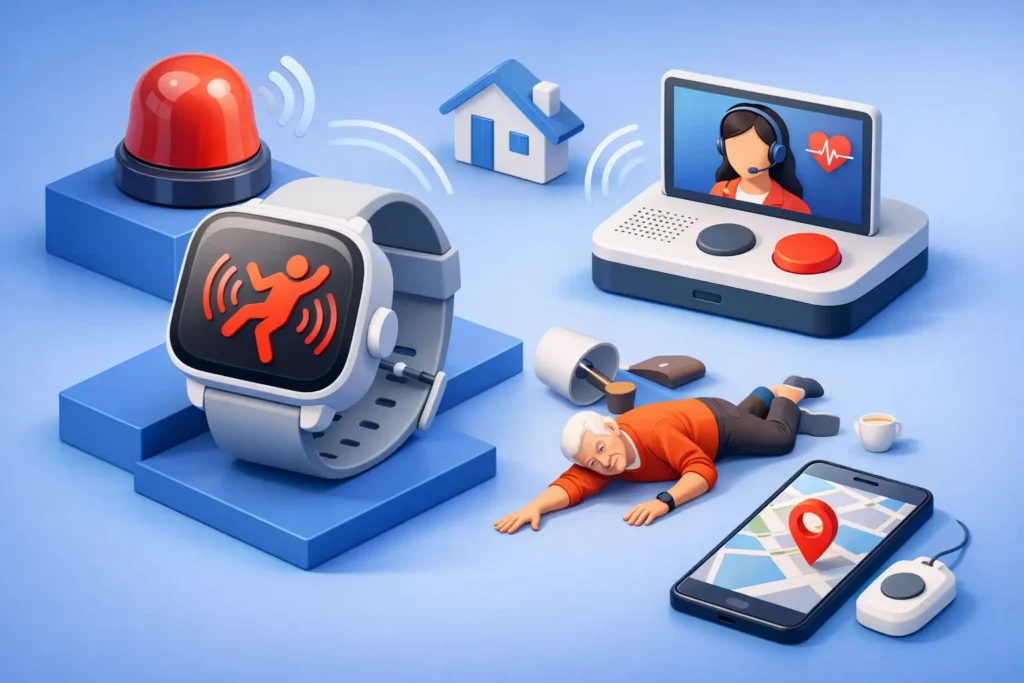
A fall can turn an ordinary afternoon into a frightening emergency, especially when a person cannot reach a phone or call out for help. Medical alert fall detection gives older adults and medically vulnerable individuals a direct path to trained emergency support, whether they are at home, in the yard, or traveling. For families, it can replace some of the uncertainty that comes with leaving a loved one alone.
A medical alert system is not a substitute for medical care, home safety improvements, or regular contact with family. It is a practical layer of protection: a wearable device designed to help summon assistance quickly when a person needs it most.
How Medical Alert Fall Detection Works
Most medical alert systems include a small wearable button, often worn as a pendant or wristband. When the wearer presses the SOS button, the device connects to a monitoring center where a trained operator can assess the situation, contact emergency services if needed, and notify the person’s designated contacts.
Fall detection adds an automatic response option. The device uses sensors to recognize movement patterns that may indicate a sudden fall. If it detects a possible fall, it typically prompts the wearer to cancel the alert if they are safe. If there is no response, the system contacts the monitoring center.
That distinction matters. A person who is conscious and able to press a button can request help directly. A person who is disoriented, injured, or unable to reach the button may benefit from automatic fall detection. Neither feature eliminates every risk, but together they can shorten the time between an emergency and a response.
What Fall Detection Can and Cannot Detect
Automatic fall detection is valuable, but families should have realistic expectations. No wearable system can identify every fall with perfect accuracy. A slow slide from a bed, a gradual collapse, or a fall where the person remains relatively still may not trigger the device. In other cases, a sudden hard movement can resemble a fall and create a false alert.
This does not mean the technology is unreliable. It means it is designed as an added safeguard, not a guarantee. The SOS button remains essential because the wearer can use it for more than falls. Chest pain, dizziness, weakness, trouble breathing, confusion, or feeling unsafe can all be reasons to request help.
The best approach is to choose a system with both one-touch emergency access and automatic fall detection, then make sure the wearer understands how it works. A short practice session can make the device feel familiar rather than intimidating.
Choosing the Right Type of Medical Alert System
The right medical alert system depends on where a person spends time, how independently they live, and whether they are likely to remember to carry a device. The most useful system is the one that fits naturally into daily life.
An in-home system is often a good choice for someone who is usually at home. It may use a base station with a pendant that connects from different rooms around the house. This option can be simple and dependable for people who do not drive often or who have a consistent routine.
A mobile medical alert device is built for people who go beyond the front door. It uses cellular connectivity so the wearer can reach help at the grocery store, while visiting family, during a walk, or while traveling. Many mobile devices also include GPS location technology, which can help responders locate the wearer when they cannot clearly explain where they are.
For some people, a waterproof wearable is especially helpful. Falls do not only happen in hallways or living rooms. Bathrooms and showers are common places for slips, and a device that can be worn while bathing is more likely to be available during a real emergency.
Questions Families Should Ask Before Choosing
Before selecting a system, focus less on the appearance of the device and more on what happens after an alert. Ask whether the service provides 24/7 professional monitoring, how operators communicate with the wearer, and whether emergency contacts can be customized.
It is also worth asking about cellular coverage at the person’s home and the places they visit most often. Mobile devices depend on network connectivity, so dependable coverage is part of dependable protection. If the wearer spends time in rural areas of South Carolina or travels regularly, discuss that situation during the assessment.
Consider the device itself. Is it comfortable enough to wear every day? Is it waterproof? How often does it need charging? Can the wearer manage the charging routine independently, or will a family member need to help? A device stored on a nightstand because it is inconvenient is not providing much protection.
Finally, ask how the system is installed, tested, and supported. Clear instructions and responsive local service can make a meaningful difference, particularly for customers who do not want to troubleshoot technology during an urgent situation.
A Medical Alert Is Part of a Safer Home Plan
Medical alert protection works best alongside practical fall-prevention habits. Clear pathways, secure rugs, brighter lighting, handrails on stairs, grab bars in bathrooms, and non-slip bath surfaces can reduce common household hazards. A physician or physical therapist may also help identify medication side effects, balance concerns, vision changes, or mobility issues that increase fall risk.
Families should also create a simple communication plan. Make sure emergency contacts are current, house numbers are visible, and responders can access the home if the wearer cannot open the door. If a person lives alone, a lockbox or another approved access arrangement may save valuable time during an emergency.
These steps are not about taking independence away. They are about helping a person remain confident and secure in the home they know and love.
Who Benefits Most From Fall Detection?
Fall detection can be a strong fit for adults who have a history of falling, use a walker or cane, live alone, take medications that affect balance, or manage conditions that may cause fainting, weakness, or confusion. It can also help people recovering from surgery or illness during a period when mobility is limited.
Still, a diagnosis is not required for a medical alert system to make sense. Some active older adults choose one because they value independence and want reassurance while gardening, walking the dog, or taking trips. Others select it because their adult children live in another city and cannot always be nearby.
The decision is personal. A person who strongly dislikes wearing jewelry may prefer a wrist-worn option. Someone who rarely leaves home may not need GPS. Someone who drives, shops, attends church, and visits friends may find mobile coverage far more useful than a home-only device.
Why Professional Monitoring Matters
When an alert is triggered, the goal is not simply to make a phone ring. The goal is to connect the wearer with a trained person who can determine what support is needed. Professional monitoring can provide a calm voice in a stressful moment, coordinate emergency response, and contact family or caregivers according to the wearer’s instructions.
This is especially important when relatives cannot answer immediately. Family members may be at work, asleep, traveling, or in a meeting. A monitored medical alert system does not depend on a loved one seeing a missed call at the right moment.
For South Carolina families, ADP Security Systems provides Smart Care personal medical alert options with one-touch SOS access, automatic fall detection, nationwide GPS and 4G connectivity, and waterproof wearable devices. The system should be matched to the person’s routine, home environment, and comfort with the equipment, rather than chosen as a one-size-fits-all product.
Making Sure the Device Is There When It Counts
The most common challenge with any wearable alert device is not the technology. It is consistency. Encourage the wearer to put it on as part of the morning routine and keep it on through the day, including in the bathroom if the device is rated waterproof.
Test the system according to the provider’s instructions. Review how to cancel an accidental alert, who will be contacted, and what the wearer should say if they can communicate with the operator. Check that contact information stays current after a move, a change in caregivers, or a change in family phone numbers.
A medical alert device cannot prevent every fall. It can, however, ensure that a person is not left waiting alone for help after one. For many families, that reliable connection is what makes independent living feel safer and more manageable.