NFPA 72 Fire Alarm Requirements South Carolina: Compliance Guide
July 29, 2026
How to Control Home Security Remotely From Anywhere
August 1, 2026
A missed phone call can leave an adult child wondering whether a parent is safe, especially after a fall, sudden illness, or another emergency at home. The right alert system creates a direct way to reach help without taking away the senior’s independence.
For families comparing medical alert systems for seniors living alone, the best choice depends on where the person spends time. How easily they can reach a button or wearable, whether fall detection is appropriate, and which monitoring response provides dependable support.
AARP recommends that older adults with serious health conditions who live alone consider setting up a medical alert device. That need often becomes urgent after an incident: nearly 75% of people surveyed by the National Council on Aging said they decided to buy a system after a fall or medical emergency. Understanding the available system types, monitoring options, and practical features can help your family choose a safety plan that fits daily life.
Start by looking at why a reliable emergency connection matters for seniors who want to continue living at home.
Why Medical Alert Systems Matter for Seniors Living Alone
Aging in place can give older adults control over their routines, familiar surroundings, and daily choices. Living alone does not have to mean giving up that independence, but it does make a reliable safety plan more important. A medical alert device provides a direct way to request help when reaching a phone is difficult or no one else is at home.
Independence works best with a safety net
Older adults with serious health conditions who live alone are specifically advised to set up a medical alert device, according to AARP. The recommendation is not based only on fall risk. A person may need assistance after sudden weakness, chest pain, difficulty breathing, or another urgent event that makes walking to a phone unsafe.
Many people wait until an emergency changes their view of personal safety. In a February 2025 survey of recent medical alert buyers. Almost 75% said they decided to purchase a device after experiencing a fall or medical emergency, according to the National Council on Aging. Planning before that moment gives a senior more choices and reduces the chance that an incident becomes a prolonged crisis.
Support for seniors and reassurance for family
For an adult child, a medical alert system cannot replace regular visits, good communication, or appropriate medical care. It can provide an additional layer of reassurance between check-ins. Knowing that a parent can reach a trained monitoring team may ease the worry that an unanswered call means no one can get help.
Home safety improvements matter just as much. The National Institute on Aging notes that many falls occur at home, where people move through familiar spaces without always thinking about hazards. Better lighting, handrails, clear walkways, and other modifications can reduce risk. An alert system complements those changes by creating a response option if a fall or other emergency still occurs.
Families in South Carolina can review medical alert systems in South Carolina to compare local options. For seniors who may be especially vulnerable to falls, a separate guide to fall detection for seniors explains how that feature can fit into a broader aging-in-place plan.
What Types of Medical Alert Systems Are Available
Medical alert systems are not one-size-fits-all. The right option depends on where a senior spends time, whether a home phone line is available, and how much protection they need away from home. ADP Telecare offers three formats, making it easier to choose a system that supports independence without paying for features that do not fit daily life.
| System type | How it works | Best fit | ADP Telecare details |
|---|---|---|---|
| In-home landline PERS | A base station connects through a traditional landline, while the user presses a wearable help button to reach monitoring support. | Seniors who spend most of their time at home and already have a compatible landline. | $5 per month, or $0 per month with annual payment. |
| Cellular in-home system | A home base station uses a cellular connection rather than a traditional phone line, so the system can work without landline service. | Households that want in-home coverage without adding or maintaining a landline. | In-home protection through ADP Telecare’s monitoring service. |
| Mobile GPS smart watch | A wearable device provides help access beyond the house through nationwide GPS connectivity. | Active seniors who walk, travel, run errands, or want protection that follows them. | Includes automatic fall detection, heart rate monitoring, nationwide GPS, and a battery lasting up to six days. |
Landline and cellular systems support aging in place
Traditional and cellular in-home systems are designed for people who want a simple way to request help from home. The landline option can be especially appealing when a senior already has the required phone connection and wants predictable, low monthly costs. The cellular version offers a practical alternative when there is no landline or when the household prefers not to depend on one.
Mobile coverage adds protection outside the home
A GPS smart watch is a stronger fit for seniors who remain active or may need assistance while away from home. ADP’s watch combines emergency access with automatic fall detection and heart rate monitoring, while its six-day battery reduces the need for frequent charging. Nationwide GPS coverage helps extend safety beyond a single property.

For context, the National Council on Aging reports that reputable medical alert systems commonly charge about $24.95 to $36.95 per month. ADP Telecare’s $5 monthly landline plan, or $0 monthly equivalent when paid annually, offers a notably lower-cost starting point for families comparing medical alert systems for seniors living alone. A consultation can help match the system type to the senior’s home, routine, and comfort level.
Choosing Between In-Home and Mobile Medical Alert Systems
The right device should match how a senior actually moves through the day, not just where the system will be installed. A person who spends most of the day at home may value a simple in-home unit. While someone who gardens, walks the neighborhood, or travels needs protection that goes with them.
When an in-home system makes sense
In-home systems are a practical choice for seniors who spend most of their time at home and have a reliable landline or strong cellular signal. A base unit connects the residence to a monitoring center, while a wearable button lets the user request help from another room. This setup can be especially reassuring for someone who lives alone. Because assistance is available without needing to reach a phone after a fall, sudden illness, or other emergency.
Consider the home’s layout, too. A large house, detached garage, basement, or outdoor area may require coverage beyond the base unit’s normal range. Ask how far the wearable can travel from the base station, then test that range in the places the senior regularly uses. ADP Telecare offers landline PERS for $5 per month, or $0 per month when paid annually, making it a straightforward option for qualifying homes with landline service.
When mobile GPS protection is the better fit
Mobile GPS systems are designed for seniors who want to remain active outside the home. They can support daily walks, gardening, errands, visits with friends, and travel, providing a way to connect with help when the person is away from the base unit. ADP’s GPS smart watch includes nationwide GPS tracking, automatic fall detection, heart rate monitoring, and a battery that can last up to six days. See how mobile medical alert systems can fit an active routine.
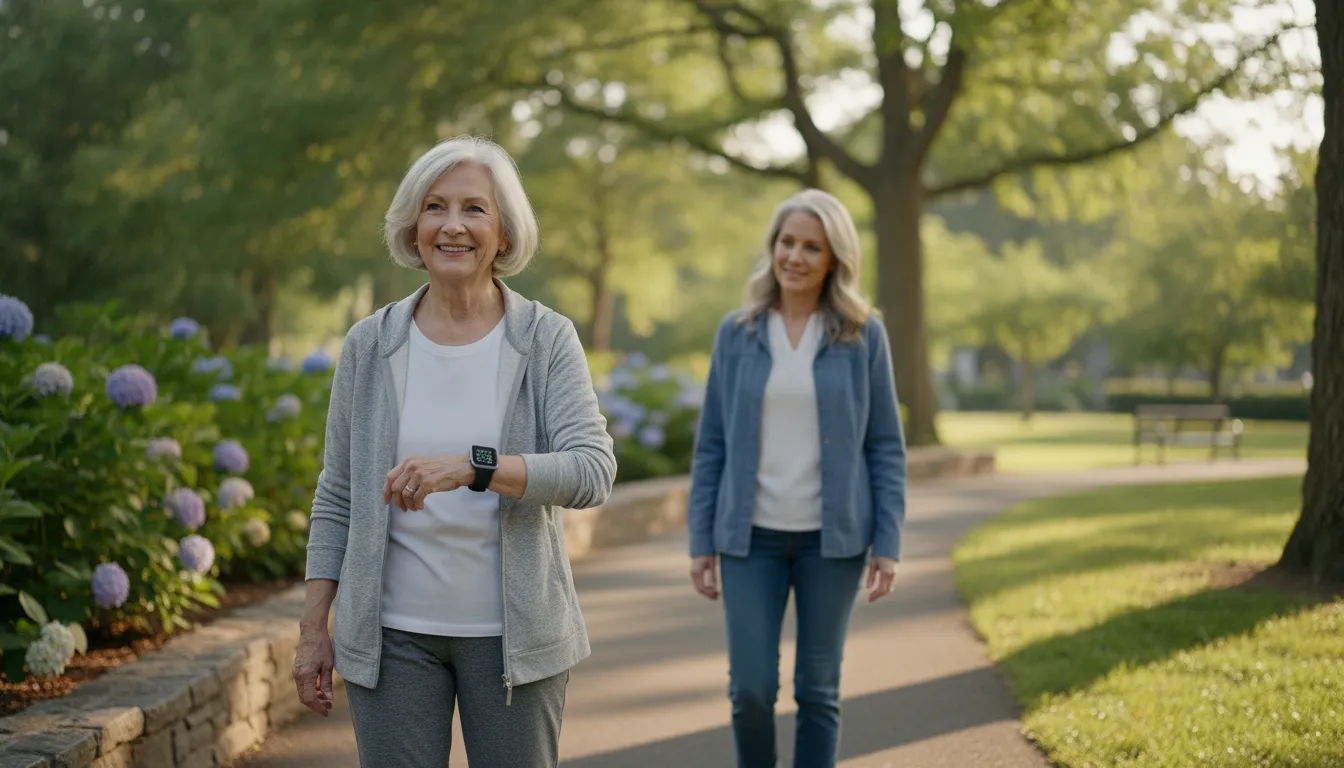
Wearability matters in either setup. A bracelet may be easier to keep on continuously, while a pendant can be more noticeable and accessible for some users. Compare comfort, button size, charging habits, and whether the device will be worn in the shower. This guide to choosing a medical alert bracelet or pendant can help families evaluate the ergonomics before selecting a system.
Fall detection is another consideration. Major brands commonly charge an additional $8 to $12 per month for the feature, according to the National Council on Aging. ADP includes fall detection in its GPS watch offering, which may simplify the decision for an active senior who wants added protection without a separate feature charge.
Understanding Fall Detection and Other Key Features
Fall detection can add another layer of protection, especially for a senior who may not be able to reach or press a help button after an accident. It should support, not replace, a wearable button and a clear plan for getting help. With major national brands, automatic fall detection commonly costs an additional $8 to $12 per month. So confirm whether it is included or priced as an add-on before comparing plans. Fall detection for seniors can be especially valuable for people who live alone or have a history of falls.
Look for protection that fits daily routines
A useful device is one a senior will wear consistently. Heart rate monitoring can provide an additional health-related data point. While two-way talk lets the user speak with a monitoring professional through the device instead of finding a phone. Water resistance matters just as much. A shower-safe pendant or watch can remain available in one of the rooms where falls commonly occur, rather than being left on a counter.
Battery life also affects reliability. ADP’s GPS watch provides up to six days of battery life, reducing the frequency of charging. Its nationwide GPS capability supports mobile protection beyond the home. While the right range for an in-home system depends on the home’s layout and the distance between the wearable and its base unit. Ask how range is tested, and whether walls, floors, or a detached space could affect the connection.
Monitoring quality matters after the button is pressed
Features are only useful when a trained person responds quickly and follows the right contact plan. ADP’s monitoring centers are U.S.-based, available 24/7, and UL 827 certified. That certification applies to monitoring-center operations and gives families an important quality benchmark when reviewing medical alert systems for seniors living alone. Before enrollment, confirm who will be contacted first, how emergency services are dispatched, and how the system handles a missed check-in or an unanswered call.
For many families, the best choice is not the device with the longest feature list. It is the system that a senior will wear, charge, understand, and trust every day.
How Much Do Medical Alert Systems Cost
Price matters when a family is comparing medical alert systems in South Carolina for a senior who lives alone. The monthly fee should be weighed alongside monitoring, equipment terms, fall detection, and the flexibility to cancel. A lower price is useful only when the service still fits the senior’s daily routine and emergency needs.
| Option | Typical monthly cost | What to consider |
|---|---|---|
| National medical alert systems | $24.95-$36.95 | Monthly subscription pricing varies by system and included services. |
| Fall detection add-on | About $8-$12 extra | Usually added to the base monthly monitoring fee. It does not replace pressing the help button when the senior can do so. |
| ADP Telecare landline PERS | $5, or $0 with annual payment | No long-term contract or credit check, with 3 months of free monitoring when equipment is purchased. |
For context, the National Council on Aging reports that monthly fees for its top medical alert picks range from $24.95 to $36.95. Fall detection commonly adds another $8 to $12 per month. That puts a typical base plan with the feature at roughly $33 to $49 monthly, before any equipment or activation charges a provider may apply. Review the NCOA pricing comparison for the source ranges.
ADP Telecare takes a different approach for households with a compatible landline. Its PERS service costs $5 per month, or $0 per month when paid annually. There are no long-term contracts or credit checks, and equipment purchases include three months of free monitoring. That predictable structure can make ongoing protection easier to budget, especially for families paying on a parent’s behalf.
Before choosing a plan, ask what the monthly fee includes, whether the device works throughout the home, and how billing changes when fall detection is added. Families can also compare a medical alert bracelet or pendant for comfort and accessibility. The best value is a system the senior will wear, understand, and use when help is needed.
Frequently Asked Questions
Which type of medical alert system is best for someone living alone?
Choose based on where the senior spends time. A landline or cellular in-home system fits someone who is usually at home, while a mobile GPS device or smartwatch adds protection during walks, errands, and travel. ADP offers all three options, so families can match coverage to daily routines.
Does Medicare cover medical alert systems?
Original Medicare generally does not cover medical alert systems or their monthly monitoring fees. Some Medicare Advantage plans may offer coverage or a discount as a supplemental benefit. Check with the specific plan provider to confirm eligibility before purchasing a system.
How much does a medical alert system usually cost?
Reputable systems commonly charge about $24.95 to $36.95 per month for monitoring. While fall detection often adds another $8 to $12 monthly, according to the National Council on Aging. Equipment, activation fees, contracts, and promotional terms can change the total, so ask for a complete price before enrolling.
Is automatic fall detection worth paying extra for?
Fall detection can be valuable when a senior may be unable to press a help button after falling. It should supplement, not replace, manual button access because sensors cannot identify every fall. Consider it especially when the person has a fall history, balance concerns, or spends time alone in rooms where a phone may be out of reach.
Can a medical alert system work outside the home?
Yes. Mobile GPS systems use cellular connectivity and location services to support alerts away from home, while traditional in-home systems are designed around the residence. Ask about coverage in the places the senior visits regularly, plus battery life and charging requirements.
Can I get monitoring without a long-term contract?
Some providers offer month-to-month monitoring. ADP Telecare provides landline PERS without long-term contracts or credit checks, with a three-month free monitoring offer when equipment is purchased. Confirm current eligibility, equipment costs, and whether annual payment changes the monthly price before ordering.
Ready to Choose the Right Medical Alert System?
A thoughtful consultation can help your family match a medical alert system to a senior’s home, routine, and preferred level of support. ADP Telecare can discuss in-home and mobile options for seniors living alone in South Carolina, including features such as fall detection and monitoring. Explore ADP Telecare medical alert options to request a free consultation and take the next step toward greater confidence at home or away.