Greenville SC Smart Home Alarm Installation Buyer’s Guide
April 6, 2026
Your Guide to Home Security Systems in Greer
April 8, 2026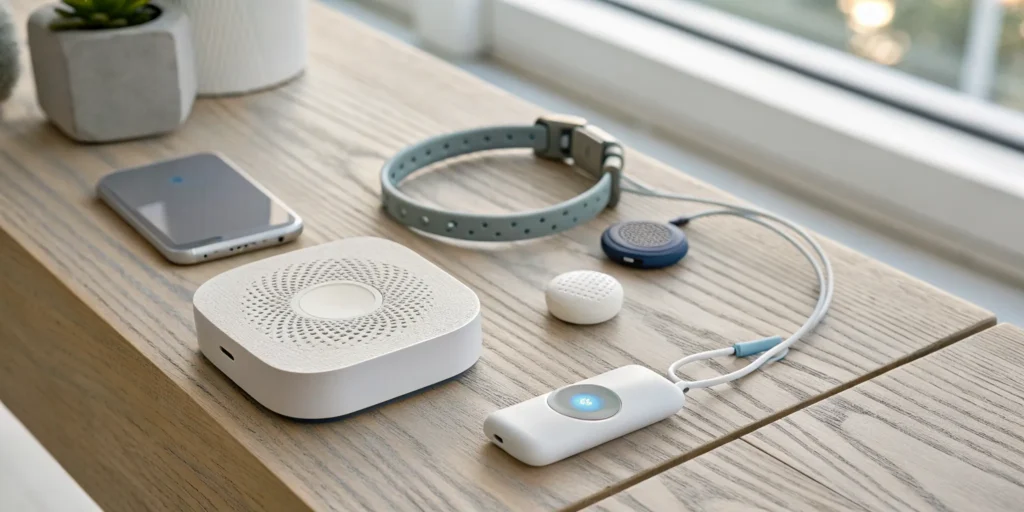
Living in South Carolina means understanding our unique environment, from the quiet rural roads in the Upstate to the unpredictability of hurricane season along the coast. These factors matter when choosing a safety device. You need a system with reliable cellular coverage and a solid backup plan for power outages. As a local company, we understand these challenges firsthand. This guide is designed specifically for our neighbors, focusing on what works right here at home. We will compare the top providers and help you find the best medical alert systems in South Carolina that are built to perform when you need them most.
Key Takeaways
- Focus on Essential Safety Features: Look for critical functions like automatic fall detection, mobile GPS capabilities, and a direct connection to a 24/7 professional monitoring center for a fast, reliable response.
- Choose a System That Fits Your Life: Decide if you need protection primarily at home or if a mobile system is better for an active lifestyle, ensuring safety whether you’re gardening at home or running errands across town.
- Investigate Costs and Financial Aid: Understand the full price, including monthly fees and any upfront equipment costs, and be sure to ask about potential assistance from programs like Medicaid, VA benefits, or your private insurance plan.
Choosing the Right Medical Alert System in South Carolina
Finding the right medical alert system for yourself or a loved one is a deeply personal decision. You want a service that’s reliable, easy to use, and ready to help at a moment’s notice. Here in South Carolina, we have several excellent options to consider, each with its own strengths. Whether you’re looking for a simple at-home unit or a mobile device with GPS for active days out in Greenville or Spartanburg, one of these providers is sure to fit your needs.
Think about what matters most to you. Is it the fastest possible response time? Automatic fall detection? Or maybe it’s the comfort of working with a local company that understands our communities. Let’s look at five of the top choices available to South Carolinians to help you find the perfect match for your lifestyle and give you that priceless peace of mind.
ADP Security Systems
As a local South Carolina company, we at ADP Security Systems take a comprehensive approach to keeping you safe. We don’t just offer medical alert devices; we provide complete, integrated security solutions designed for your life. Our team of trained professionals lives and works right here in the Upstate, so we understand the importance of protecting our neighbors. We focus on designing quality systems that offer protection against a wide range of threats, ensuring you and your family feel secure. Choosing us means you’re getting more than a product, you’re getting a local partner dedicated to your well-being and safety at home.
Medical Guardian
Medical Guardian is a name you’ll see often, and for good reason. It’s frequently recognized as one of the best overall medical alert systems because of its impressively fast response times and wide variety of features. They offer several different devices, from classic pendants to discreet smartwatches, so you can find something that feels comfortable. Their pricing is also straightforward, typically falling between $25 and $40 per month. For many seniors and their families, Medical Guardian provides a reliable and accessible option that covers all the essential bases without breaking the bank, making it a strong contender.
LifeStation
If you or your loved one leads an active life, LifeStation is definitely one to consider. Their systems are built to support independence, whether you’re at home in Simpsonville or out and about across the state. Many of their devices come equipped with GPS and location services, which is a critical feature for safety on the go. This means that if you need help, emergency responders can find you quickly. LifeStation’s focus on mobile protection makes it an excellent choice for seniors who enjoy gardening, walking, or visiting family and don’t want to be limited by a traditional at-home system.
Medical Care Alert
When you press an alert button, you want to know that a trained professional is on the other end of the line. That’s where Medical Care Alert shines. They provide 24/7 monitoring from EMT/EMD-Certified operators who are prepared for any emergency. When you call, the operator already has your personal information and location on file, which helps them dispatch the right kind of assistance quickly and efficiently. This level of professional response can make all the difference in a critical moment. For South Carolina residents, Medical Care Alert offers the assurance that a certified expert is always ready to help.
GetSafe
Sometimes, simplicity and ease of use are the most important features. GetSafe is known for its user-friendly technology and flexible, customizable system options. They aim to provide peace of mind without a complicated setup process, making it a great choice for those who might feel a bit intimidated by new gadgets. Their systems are designed to be intuitive from day one. With 24/7 monitoring and a straightforward approach to safety, GetSafe delivers a reliable solution that helps seniors feel secure and their families feel at ease, knowing that help is always available with the simple push of a button.
What Are the Must-Have Features?
When you start comparing medical alert systems, the options can feel overwhelming. To simplify your search, it helps to focus on the core features that truly make a difference in an emergency. These aren’t just bells and whistles; they are the essential functions that provide reliable protection and genuine peace of mind for you and your family. Think of this as your non-negotiable checklist for finding a system that offers a real safety net, whether at home in Greenville or on the go anywhere in South Carolina.
Automatic Fall Detection
Falls are one of the biggest safety concerns for older adults, and they don’t always happen when you’re able to press a button. That’s where automatic fall detection comes in. Using advanced sensors, these devices can recognize the sudden motion of a fall and automatically alert the monitoring center, even if you can’t. This feature is a critical backup, providing protection when a person might be disoriented, injured, or unconscious. It’s the difference between waiting for help and having help sent the moment you need it most. When choosing a system, this is one of the most important safety features for seniors to look for.
GPS and Mobile Capabilities
A medical alert system should support an independent lifestyle, not limit it. Modern systems with GPS and mobile capabilities offer freedom and security that extends far beyond the front door. Whether you’re heading to the grocery store in Spartanburg, visiting family in Anderson, or just taking a walk around the neighborhood, a mobile system with GPS ensures that help can find you. If you press your button, the monitoring center uses location services to pinpoint your exact position and dispatch emergency services. This is an essential feature for anyone who wants to remain active and engaged in their community while still having a reliable safety net.
24/7 Monitoring and Fast Response
When an emergency happens, every second counts. That’s why professional, 24/7 monitoring is the backbone of any effective medical alert system. This means that whenever you press your alert button, you’re instantly connected to a highly trained operator who is ready to help, day or night. The best services use EMT/EMD-certified professionals who can assess your situation, access your personal health information, and dispatch the right kind of help to your exact location. They stay on the line with you, offering reassurance until assistance arrives. This immediate, expert response is what provides true security and peace of mind.
Clear Two-Way Communication
In a stressful situation, clear communication is vital. A must-have feature is a high-quality, built-in speaker and microphone that allows you to speak directly with the monitoring center operator. This two-way communication lets you explain what’s happening, whether it’s a serious fall or a non-emergency question. The operator can also provide instructions and comfort while you wait for help. For South Carolina residents, it’s especially important that these systems are reliable. Look for devices designed to work even during power outages or severe weather like hurricanes, ensuring you can always make that critical call for help when you need it most.
Long Battery Life and Durability
A medical alert device is only effective if it’s on and working. A system with a long battery life reduces the hassle of constant charging and lowers the risk of being caught with a dead battery in an emergency. Some of the best mobile devices can hold a charge for several days, giving you more freedom and less to worry about. Durability is just as important. The device should be water-resistant so it can be worn in the shower or bath, a common place for falls. A system that is built to withstand the bumps and splashes of daily life ensures your lifeline for help is always ready.
What’s the Real Cost of a Medical Alert System?
When you’re looking for a medical alert system, the price tag is often one of the first things you consider. You want peace of mind, but you also need a solution that fits your budget without any surprise charges. The good news is that pricing is usually straightforward once you know what to look for. Most companies structure their costs around a monthly monitoring fee, plus some potential one-time costs for the equipment and setup. Let’s break down what you can expect to pay so you can make a confident choice for your family.
Breaking Down Monthly Fees
The core of your medical alert system cost is the monthly monitoring fee. This recurring charge covers the 24/7 connection to the emergency response center, ensuring someone is always ready to help. In South Carolina, you can generally expect these fees to range from about $25 to $45 per month. The exact price often depends on the features you choose. A basic in-home system will be on the lower end, while a mobile system with GPS and automatic fall detection might cost a bit more. Many of the best medical alert systems fall within this competitive price range, making reliable protection accessible.
Upfront Costs for Equipment and Setup
Beyond the monthly fee, some companies have one-time costs to get you started. This can include an activation or programming fee, which typically runs between $99 and $159. While many providers waive these charges to stay competitive, it’s always something to ask about. You might also want to purchase extra equipment, like an additional help button for another room or a wearable for a spouse. These add-ons can cost anywhere from $30 to $60 each. Planning for these potential upfront expenses helps you see the full picture of what your initial investment for medical alert systems in South Carolina will be.
How to Spot and Avoid Hidden Fees
No one likes surprise charges, so it’s smart to read the service agreement carefully before signing. Look out for hidden equipment fees, which can sometimes add $150 or more to your bill if they aren’t included in your plan. Also, ask about the company’s policy on false alarms. It’s common to accidentally press the button, and you shouldn’t be penalized for it. Reputable companies make it easy to cancel a false alarm by simply speaking with the operator. Understanding how to handle issues with medical alert devices ensures you won’t face unexpected fees if you or a loved one makes a mistake.
What Are Real Customers Saying?
Technical specs and feature lists are important, but the true measure of a medical alert system is how it performs for real people in real emergencies. When you read reviews, you’ll notice a few key themes that tell you a lot about a company’s service. From the speed of the emergency response to the friendliness of the support team, here’s what actual customers in South Carolina and beyond are talking about.
Quality of Emergency Response
When you press the button, you need to know that help is truly on the way. This is the single most critical function of any alert system. The good news is that these devices work. A recent U.S. News survey found that 69% of users have received help after activating their system. Look for reviews that mention fast, professional, and reassuring dispatchers. This feedback shows that a company’s monitoring center is staffed with trained professionals who know how to handle a crisis calmly and efficiently, which is exactly what you need when seconds count.
Ease of Setup and Daily Use
The best technology is the kind you don’t have to think about. A medical alert system should integrate seamlessly into your life, not complicate it. That’s why many users prioritize a simple, clear setup and straightforward features. According to the National Council on Aging, top devices are designed for people who want simplicity. Reviews often highlight how easy a system was to get running right out of the box. This is especially important for seniors who may not be comfortable with complex gadgets. A system that’s easy to install and use is one that will be worn and relied on consistently.
Helpfulness of Customer Support
From choosing the right plan to setting up the device, you’ll likely interact with customer support at some point. This experience can make all the difference. Positive reviews frequently mention friendly and helpful service representatives who take the time to explain options and walk them through the setup process. As one user on Trustpilot noted, helpful staff made choosing and installing the right system a breeze. A supportive team shows that the company cares about its customers’ well-being beyond just the initial sale, providing peace of mind that help is available for any question, big or small.
System Reliability vs. False Alarms
Trust is everything when it comes to a medical alert system. You need to be confident it will work when needed and won’t cause unnecessary stress with false alarms. It’s common to find mixed online opinions, with some users sharing life-saving stories while others complain about false alerts or device issues. While no technology is perfect, a quality system will have advanced fall detection algorithms to minimize false positives. Look for companies that are transparent about how their technology works and have a clear, no-penalty policy for accidental activations.
At-Home vs. Mobile: Which System Fits Your Life?
One of the first questions you’ll face when picking a medical alert system is where you need protection most. Do you spend most of your time at home, enjoying your garden or relaxing indoors? Or are you often out and about, running errands in Anderson, visiting friends in Greer, or enjoying South Carolina’s beautiful parks? Your daily routine is the best guide for choosing between an at-home system and a mobile one. Let’s look at how each type works so you can find the perfect fit for your life.
For the Homebody: At-Home Systems
If you’re most comfortable in and around your house, an at-home system is a wonderfully reliable choice. These systems typically include a base unit that plugs into a wall in a central location, like your kitchen or living room. This unit connects to a 24/7 monitoring center through your landline or a cellular network. You’ll also get a lightweight, waterproof help button to wear as a pendant or wristband. With the press of a button, you can speak to a trained operator through the base unit’s powerful speaker, ensuring that help is always available whether you’re in the living room or out in the yard.
For the Active Adult: Mobile Systems
If your days are filled with activities outside the home, a mobile system gives you the freedom to live life confidently. These compact, all-in-one devices go wherever you go. Using GPS and cellular technology, they can pinpoint your location and connect you to help from almost anywhere in South Carolina, as long as you have a cell signal. Whether you’re volunteering, shopping, or visiting family across the state, you’re protected. This is the perfect option if you want peace of mind without being tied to a base station, giving you help anywhere you have cell coverage.
The Best of Both Worlds: Hybrid Systems
Can’t decide? You don’t have to. Many providers now offer hybrid systems that give you the security of an at-home base station plus a portable mobile device for when you’re on the go. This is a fantastic solution for people who want solid protection at home but also want the flexibility to travel or spend winters elsewhere without losing their connection to help. You get the best of both worlds: a powerful in-home unit and a mobile button for everything else. Some systems are even designed so you can take them with you if you move or go on vacation, which is a huge plus.
How to Choose a Medical Alert System for South Carolina
To choose a medical alert system in South Carolina, match the device to cellular coverage, power-outage readiness, where it will be used, and the monitoring response process. Test coverage at home and along routine travel routes before committing.
- Check coverage where it matters. Test cellular service inside the home and along frequent routes, especially in rural areas. If coverage is inconsistent, ask whether an in-home landline option is available.
- Plan for power outages. Compare base-station backup battery time and how long a mobile device lasts between charges. Ask how the system works during an outage before hurricane season.
- Match the device to daily life. An in-home button may suit someone who is usually at home. A mobile GPS device may be a better fit for someone who drives, walks, or visits family regularly.
- Verify monitoring and response. Confirm that monitoring is available 24/7, ask what happens after an alert, and make sure the contact and dispatch process fits the user’s needs.
- Try the device before relying on it. Check button comfort, two-way voice clarity, water-resistance details, charging steps, and how family contacts are notified.
Compare ADP’s medical alert systems for South Carolina or contact the local team to discuss an in-home or mobile option.
Can You Get Help Paying for a System in SC?
A medical alert system is an investment in safety and independence, but the cost can be a concern for many families. The good news is that you don’t always have to cover the full price out of pocket. Several programs and discounts are available right here in South Carolina to make these life-saving devices more affordable. From government programs to private insurance benefits, exploring your options can significantly reduce the financial burden. Let’s walk through the primary ways you can find help paying for a system.
Does Medicare or Medicaid Cover Costs?
This is one of the most common questions we hear. While Original Medicare (Part A and Part B) typically does not cover medical alert systems, some Medicare Advantage (Part C) plans may offer partial or full coverage as a supplemental benefit. It’s always worth checking the specifics of your plan. More promisingly, some companies are a registered Medicaid provider for Personal Emergency Response Systems (PERS) in South Carolina. This means that if you or your loved one is eligible for Medicaid, the cost of a system could be covered.
Benefits and Discounts for Veterans
If you or your spouse served in the military, you may be eligible for assistance. The U.S. Department of Veterans Affairs (VA) often provides medical alert systems, sometimes called personal response systems, at a reduced cost or even for free to qualifying veterans. This benefit is designed to help veterans live safely and independently in their own homes. We recommend contacting your local VA office or speaking with your VA healthcare provider to learn more about your eligibility and how to apply for the program. It’s a well-earned benefit that can provide significant peace of mind.
Using Your Private Insurance
Don’t forget to check with your private health insurance provider. While most plans don’t cover the full cost of a medical alert system, many have partnerships with device companies to offer their members exclusive discounts. For example, some providers offer up to 30% off if you have a qualifying insurance plan. A quick call to your insurance company’s member services line can clarify what discounts or reimbursements you might be entitled to. Every little bit helps, and this is a simple step that could lead to real savings.
Finding Local and Non-Profit Aid
Beyond federal programs and insurance, local organizations can be a fantastic resource. Some charities in South Carolina are dedicated to helping seniors and individuals with disabilities access the tools they need to live safely, including medical alert systems. Your local Area Agency on Aging is an excellent starting point; they can connect you with non-profits and community groups that may offer financial assistance or provide systems for free. These local programs are specifically designed to support South Carolina residents, so they understand the unique needs of our communities.
Answering Your Top Concerns
Making the decision to get a medical alert system comes with a lot of questions. It’s completely normal to have concerns about how these devices work in real-life situations, from accidental button presses to privacy. Let’s walk through some of the most common worries so you can feel confident about finding the right solution for your family in South Carolina. We want you to have total peace of mind, and that starts with having all your questions answered clearly and honestly.
What Happens If It’s a False Alarm?
This is a top concern for many people. You might worry that an accidental button push will cause a huge scene, with ambulances and fire trucks showing up unannounced. You can relax, because that’s not how it works. When you press the button, you are first connected to a trained operator at a monitoring center. You’ll speak with them directly through the system’s two-way speaker.
The operator will ask if you need help. If you say it was an accident, they will simply disconnect the call, and that’s it. No emergency services will be sent. This protocol is in place specifically to minimize unnecessary emergency responses and give you a safety net without the stress.
Are These Systems Complicated to Use?
Not at all. In fact, medical alert systems are specifically designed to be as simple as possible. The whole point is to provide a quick and efficient way to get help, not to add a technological headache to your day. Most devices feature a single, large, easy-to-press button. There are no complicated menus or confusing screens to deal with.
The setup is also very straightforward, and many companies, including us here at ADP, offer professional installation to make it even easier. These systems are built with user-friendliness as a top priority, ensuring that anyone can operate them with confidence, regardless of their comfort level with technology.
How Is My Privacy Protected?
Your privacy is a serious and valid concern. Reputable medical alert companies operate under strict privacy policies to protect your personal information. The system is not always listening; the microphone for two-way communication is only activated when you press the help button or when an automatic fall detection sensor is triggered. Your location data from a GPS device is only shared with the monitoring center during an active emergency to help responders find you.
When choosing a provider, look for one that is transparent about its privacy practices. Reading medical alert reviews from other families can also give you insight into how a company handles sensitive data and respects the privacy of its clients.
Your Checklist: Questions to Ask Before You Buy
Choosing a medical alert system is a significant decision, one that brings peace of mind to families all over South Carolina. To make sure you find the perfect fit, it helps to think through a few key questions. This isn’t just about the technology; it’s about finding a solution that fits seamlessly into your or your loved one’s life. Let’s walk through what to consider.
First, think about daily routines. Is the system needed mostly inside the home, or for someone who is active and often out and about in the community? An at-home system might be perfect for someone who spends most of their time at home, while a mobile device with GPS is essential for staying safe during errands, visiting friends, or enjoying a walk in a local park. Deciding if you need a system for home, on-the-go, or both is the best place to start.
Next, focus on the non-negotiable features. The most effective systems include automatic fall detection, which can signal for help even if the user is unable to press their button. Other important features include reliable GPS tracking for mobile units, long battery life, and a fast connection to a 24/7 monitoring center. Make a list of your must-haves before you start comparing providers.
It’s also crucial to consider comfort and ease of use. Is the device simple to operate? A single, easy-to-press button is often best. This is also a good time to have a gentle conversation about the device itself. It can be helpful to frame it as a tool that helps provide more senior independence, allowing them to continue living confidently on their own terms. Finally, do your homework on the company’s reputation. Reading medical alert device reviews gives you unfiltered insight into how a system performs in real emergencies and how helpful their customer support team really is.
Related Articles
- Medical Alert – ADP Security
- Best Alarm System for Retail Store South Carolina Guide
- ADP Security Systems | Home & Business Security Experts SC
- The Small Business Guide to Fire Alarms in Upstate SC
Frequently Asked Questions
Do I need a landline for a medical alert system to work? Not anymore. While traditional systems did require a landline, most modern medical alert devices now operate on reliable cellular networks. This is great news because it gives you more flexibility and often provides more consistent coverage, especially in rural parts of South Carolina. Choosing a cellular-based system means you don’t need to have or keep a landline just for your security.
What’s the real difference between a local provider and a national brand? The biggest difference often comes down to service and understanding. A local company, like us at ADP, has technicians and support staff who are your neighbors here in the Upstate. We understand local needs, from preparing for hurricane season to knowing the specific response protocols in our communities. While national brands offer great products, a local provider can offer a more personal, hands-on approach to installation and service.
How does automatic fall detection actually work, and is it reliable? Automatic fall detection uses sensors, like accelerometers, built into the wearable device to recognize the sudden speed and impact of a fall. When it detects a potential fall, it automatically sends an alert to the monitoring center, even if you can’t press the button yourself. While no technology is 100% perfect, these systems are highly accurate and provide a critical layer of protection, especially for situations where someone might be disoriented or unconscious after a fall.
Can a spouse or another family member be added to the same system? Yes, absolutely. Most companies make it easy to protect more than one person in the same household. You can typically add an extra wearable help button to your plan for a small additional monthly fee. This is a cost-effective way to ensure everyone in the home has immediate access to help without needing to purchase a second, separate system.
How do I start the conversation about getting a medical alert system with a reluctant parent? This can be a sensitive topic, so it helps to approach it with empathy. Frame the conversation around independence rather than dependence. Explain that a medical alert system is a tool that empowers them to continue living safely and confidently in their own home. Focusing on the peace of mind it brings for everyone, including them, can make the idea feel more like a smart safety upgrade and less like a loss of freedom.