What Medical Alert Fall Detection Can Do
August 2, 2026
Business Security Assessment Checklist for Safer Sites
August 4, 2026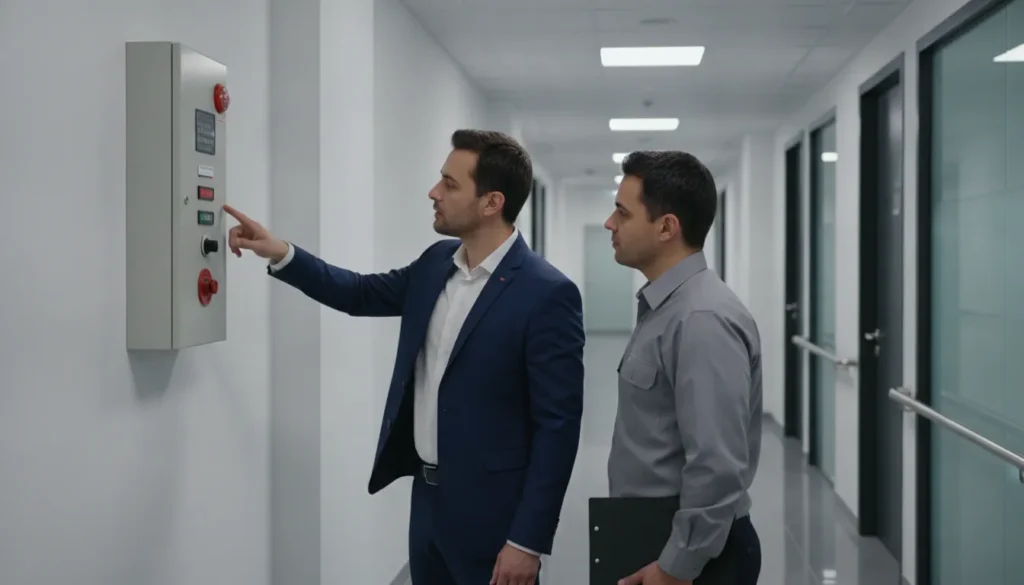
Managing a property means keeping fire safety tasks moving even when tenants, vendors, and maintenance requests compete for attention. A missed inspection can leave occupants less protected and make it harder to demonstrate compliance when records or safety tags are reviewed.
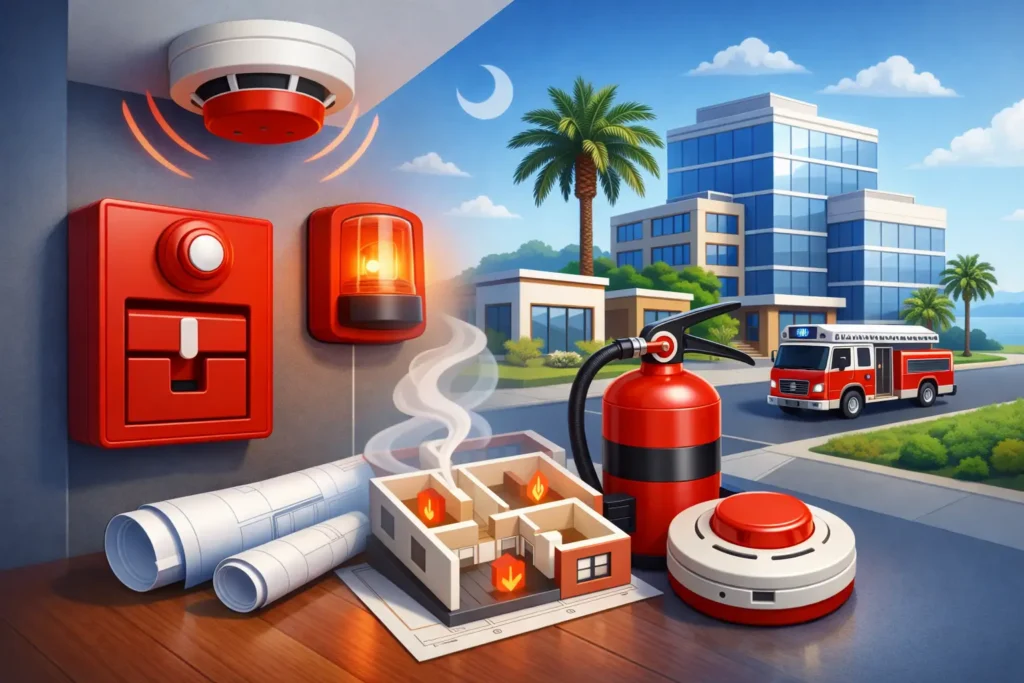
A fire alarm inspection checklist South Carolina property managers can use should track the annual professional inspection, functional testing of system components, current safety tags, and complete inspection records. South Carolina adopted the 2019 edition of NFPA 72 effective January 1, 2023. And commercial fire alarm systems require annual professional inspection to stay aligned with state and local fire codes. See the NFPA 72 fire alarm standards in SC for additional context.
The practical question is not only whether an alarm system exists, but whether every part remains accessible, functional, and documented across the property. A clear checklist gives property managers a repeatable way to organize those responsibilities and protect tenants.
Why Property Managers Need a Fire Alarm Inspection Checklist
Property managers are responsible for more than collecting rent and coordinating repairs. They also help protect tenants, employees, visitors, and the property itself. A fire alarm inspection checklist gives managers a repeatable way to confirm that critical equipment has not been removed. Blocked, damaged, or left in a trouble condition between professional inspections. It also creates a practical record of what was reviewed and which issues need prompt correction.
Tenant safety is an ongoing management responsibility
Fire alarm systems only help occupants when their components are available and working as intended. Owners and service providers must verify that equipment remains present, accessible, functional, and properly maintained. That includes looking beyond the control panel. A detector hidden by a renovation, a pull station blocked by stored materials. Or an alarm appliance made inaccessible by a tenant improvement can undermine the system when people need it most.
For property managers, these details also create a legal and operational responsibility. A manager who cannot show that fire protection concerns were identified, documented, and addressed may face difficult questions after an incident. A checklist does not replace professional testing or transfer liability, but it helps establish a consistent process for monitoring conditions and escalating defects.
South Carolina follows specific NFPA 72 requirements
South Carolina adopted the 2019 edition of NFPA 72, effective January 1, 2023. State law requires an annual professional inspection for commercial fire alarm systems. NFPA 72 governs the inspection, testing, and maintenance of fire alarm systems. So a property manager should use its checklist to organize site access, tenant coordination, documentation, and follow-up before the annual visit.
Managers can review simple conditions during routine property walks, but those checks are not the same as an annual professional certification. Learn more about NFPA 72 fire alarm standards in SC and confirm which requirements apply to each building’s occupancy and system.
Unchecked deficiencies can lead to fines and disruption
Missing an inspection, allowing access problems to persist, or failing to correct known deficiencies can create more than a safety concern. It may lead to fire-code enforcement, fines, tenant complaints, and disruptive corrective work. A property-specific checklist helps prevent small oversights from becoming documented compliance failures by assigning responsibility, recording dates, and flagging issues for a qualified fire alarm professional.
The Essential Fire Alarm Inspection Checklist for South Carolina Property Managers
Use this checklist to prepare for a professional inspection and identify obvious gaps between service visits. NFPA 72 sets the inspection, testing, and maintenance framework for fire alarm systems, and South Carolina adopted the 2019 edition effective January 1, 2023. For installation planning or system changes, review this fire alarm installation checklist as a separate reference.
-
Inspect the control panel and trouble signals
Confirm the fire alarm control panel is accessible, clearly identified, and free of active trouble, supervisory, or ground-fault signals. Check that the display, indicator lights, audible trouble signal, annunciators, and programmed inputs and outputs respond correctly. The annual NFPA 72 schedule calls for a full functional test of all programmed control-panel inputs and outputs. Document any trouble condition instead of silencing it and assuming the system is ready.
Frequency: annual full functional test. Source: NFPA 72 inspection frequency guidance.
-
Operate every manual pull station
Test each manual pull station in the building, including stations in tenant areas, common corridors, exits, and other locations shown on the system plans. Verify that every station activates the expected alarm signal and that the control panel receives and displays the correct initiating-device signal. After testing, reset each station according to the manufacturer procedure and confirm the panel returns to normal.
Frequency: annual operation of every station and confirmation of the panel signal. Source: NFPA 72 inspection frequency guidance.
-
Test horns, strobes, and speakers
Activate notification appliances throughout the property. Check that horns are audible in occupied spaces, strobes are visible where required, and speakers deliver clear emergency instructions. The inspection should also verify the correct candela setting for visual appliances and synchronization among devices. Pay special attention to sleeping areas, noisy mechanical spaces, large rooms, and areas where walls or renovations may affect coverage.
Frequency: annual verification of audibility, candela, and synchronization. Source: NFPA 72 inspection frequency guidance.
-
Perform smoke detector sensitivity testing
Check that smoke detectors are present, accessible, clean, and free from obstructions or conditions that could affect operation. Functional testing confirms activation, while sensitivity testing confirms that each detector responds within the required range. Record detectors that are contaminated, damaged, inaccessible, or outside the acceptable sensitivity range so they can be serviced or replaced.
Frequency: sensitivity testing within one year of installation, then every alternate year under the cited NFPA 72 schedule. Source: NFPA 72 inspection frequency guidance.
-
Check batteries and backup power
Inspect sealed lead-acid batteries for swelling, corrosion, leakage, loose connections, or an expired service life. Verify charger operation and confirm the system remains powered during an appropriate backup-power test. Record battery condition, test results, and replacement recommendations in the property file. A battery that appears normal can still fail under load.
Frequency: visual inspection semi-annually and full load test annually. Source: NFPA 72 inspection frequency guidance.
South Carolina Fire Code Requirements for Commercial Properties
South Carolina commercial property managers have two separate responsibilities: keep the fire alarm system operational, and maintain evidence that it has been inspected according to applicable requirements. The state adopted the 2019 edition of NFPA 72, effective January 1, 2023. For commercial fire alarm systems, that framework includes an annual professional inspection and certification. Review the complete NFPA 72 fire alarm standards in SC when planning inspections, system changes, or compliance reviews.
What the annual inspection should confirm
An annual professional inspection is more than a quick visual walkthrough. A qualified technician evaluates the system’s programmed functions and documents whether key components remain present, accessible, functional, and properly maintained. The inspection should account for the building’s occupancy, layout, and fire protection needs. Since a warehouse, multifamily property, office, or retail space may require different equipment and notification coverage.
Property managers should coordinate access to alarm panels, locked rooms, tenant areas, risers, pull stations, detectors, and notification appliances before the technician arrives. Any changes to walls, tenants, floor plans, or building use should also be disclosed. These details can affect how the system is expected to perform and whether devices remain appropriately located.
Safety tags and inspection records matter
South Carolina fire inspectors check commercial alarm panels for current safety tags. A missing, expired, or inaccurate tag can create a compliance problem even when the system appears to be working. Keep the current inspection certificate and service documentation with the property’s fire safety records, and confirm that the tag is updated after the annual inspection.
It is worth treating these records as an operating control, not paperwork stored until inspection day. One industry checklist reports that 73% of commercial buildings were cited for at least one fire code violation during annual inspections. With an average reported cost of $35,000 per violation when fines, remediation, and business disruption are included. Those figures are from a commercial property-management analysis, not a South Carolina government enforcement dataset, but they illustrate the financial exposure of allowing deficiencies to accumulate: review the cited inspection-cost analysis.
Monthly staff checks can help identify obvious trouble signals or access issues, but they do not replace the required annual professional inspection. Use the annual professional fire alarm inspection to establish the certification timeline, then schedule early enough to correct deficiencies before the current safety tag expires.
Monthly Self-Checks vs. Annual Professional Inspections
A practical fire alarm inspection checklist South Carolina property managers can use should separate routine observation from code-level testing. Monthly self-checks help a manager spot visible problems and record changes between service visits. They do not replace the annual professional inspection required for commercial systems under South Carolina requirements. The state adopted the 2019 edition of NFPA 72 effective January 1, 2023, and requires annual professional inspection for commercial fire alarm systems. Review the annual professional fire alarm inspection process for the formal compliance scope.
| Monthly self-checks | Annual professional inspection |
|---|---|
| Purpose: Catch obvious issues early and maintain awareness of system condition between service visits. | Purpose: Verify system operation, document compliance, and identify faults that require qualified testing or repair. |
| Panel review: Look for trouble signals, damaged equipment, blocked access, or missing components. | Functional testing: Test the control panel and all programmed inputs and outputs, including trouble signals. |
| Limited device checks: Test a few pull stations according to the property’s procedures, and confirm horns and strobes can be heard or seen in occupied areas. | Complete device testing: Operate every manual pull station, verify panel signals, and test notification appliances for audibility, candela, and synchronization. |
| Recordkeeping: Log the date, areas checked, findings, and corrective actions. Escalate any alarm or trouble condition promptly. | Specialized testing: Perform NFPA 72 functional testing, smoke-detector sensitivity testing, and battery load testing, then provide formal certification and update required records or tags. |
Keep monthly checks focused and consistent. A manager should not open panels, alter programming, remove detectors, or treat a quiet panel as proof that every device will operate during an emergency. Equipment must remain present, accessible, functional, and properly maintained. For a broader property maintenance cadence, use this commercial fire alarm maintenance schedule alongside the property’s fire alarm records.
When a monthly check reveals a trouble signal, damaged device, obstructed notification appliance, or failed test, document the finding and contact the alarm service provider. Monthly observations are an early-warning layer. The annual inspection remains the formal, comprehensive evaluation required to support compliance and occupant safety.
Documentation and Record-Keeping Best Practices
For property managers, a fire alarm inspection checklist is only useful when its results are documented and easy to retrieve. Clear records show what was tested, when it was tested, who performed the work, and whether corrective action was completed. They also help protect owners and management teams against liability by demonstrating that fire safety responsibilities were handled consistently.
Maintain inspection logs and annual certifications
Keep a property-specific inspection file, either digitally or in a designated binder. Record monthly self-checks, service visits, deficiencies, repairs, and technician recommendations. Retain each annual professional inspection report and certification with the date, system status, and any follow-up work. South Carolina guidance emphasizes that documentation helps demonstrate compliance during fire inspections.
Use a calendar or maintenance platform to track the NFPA 72 testing schedule. Set reminders well before annual inspections, battery testing, and any other recurring task identified by the system manufacturer or service provider. A record should not simply say “passed.” Note the areas or devices tested, problems found, parts replaced, and the person responsible for closing each item.
Keep panels and records ready for inspection
- Verify that inspection logs and annual certifications match the correct property and system.
- Keep service reports, permits, system changes, and corrective-action documentation together.
- Confirm that every fire alarm panel has a current safety tag. South Carolina fire inspectors check for current tags on commercial alarm panels.
- Document that system components remain present, accessible, functional, and properly maintained.
Before a fire marshal visit, review the file and walk the property. Make sure panels are accessible, tags are current, and unresolved deficiencies have a written status. This preparation lets a property manager answer questions quickly instead of searching through scattered invoices. For a broader operational reference, review the annual professional fire alarm inspection guidance for South Carolina properties.
How to Choose a Fire Alarm Inspection Provider in South Carolina
The right inspection provider does more than place a date on your calendar. They should help you document compliance, identify developing equipment problems, and keep tenants, employees, and visitors protected. Use these questions when comparing companies for a South Carolina property.
Can the technicians demonstrate the right expertise?
Ask whether the technicians are trained and certified to inspect systems under NFPA 72, the standard that governs fire alarm inspection, testing, and maintenance. A qualified provider should be comfortable testing the control panel, initiating devices, notification appliances, batteries, and monitoring path, not just checking whether the panel appears normal.
Does the monitoring service meet UL 827 requirements?
If your system reports alarms to a central station, verify the provider’s certification and monitoring capabilities. UL 827 certification is an important indicator that the central station follows recognized requirements for alarm signal handling. Ask how signals are received, documented, and escalated, and whether the provider can monitor a system installed by another company.
Will you receive usable records and current inspection tags?
Property managers need more than a verbal assurance that testing went well. Request a clear report identifying the equipment tested, deficiencies found, corrective work recommended, and any items requiring follow-up. Confirm that the inspection tag is updated when appropriate. These records make it easier to demonstrate that components remain present, accessible, functional, and properly maintained.
Local knowledge also matters. A South Carolina-based company is more familiar with the state’s adopted fire code and can provide a practical point of contact when a property needs service. Look for a provider that combines inspection, maintenance, and monitoring rather than sending you to several vendors. You can review options for commercial fire alarm systems before requesting proposals.
ADP Security Systems is family-owned, has served South Carolina since 1995, and brings more than 30 years of experience to commercial fire protection. ADP is UL 827 certified, provides inspection, maintenance, and monitoring, and offers service without long-term contracts or hidden fees. Ask for a complete scope of work and written pricing before scheduling.
Frequently Asked Questions
What does a commercial fire alarm inspection in South Carolina consist of?
A professional inspection reviews the control panel, trouble signals, initiating devices, manual pull stations, notification appliances, and backup batteries. Technicians operate pull stations, confirm the panel receives each signal, verify horns and strobes, and test programmed inputs and outputs. Smoke detector sensitivity testing follows the schedule set by NFPA 72 guidance, including annual testing after installation and every alternate year thereafter.
How often must fire alarm systems be inspected in South Carolina?
Commercial fire alarm systems require a professional inspection annually. South Carolina adopted the 2019 edition of NFPA 72, effective January 1, 2023, and the annual inspection supports compliance with state and local fire codes. Monthly self-checks can help identify obvious issues between visits, but they do not replace the annual professional inspection or certification. See the state’s NFPA 72 requirements for more context.
What documentation should a property manager keep after an inspection?
Keep the completed inspection report, deficiency list, correction records, annual certification, and current safety-tag information with the property’s fire safety records. Also retain monthly check logs and service records so you can show what was tested, when it was tested, and how problems were addressed. Clear records help demonstrate compliance during an inspection.
Who is responsible for fire alarm maintenance in a leased property?
The lease may assign day-to-day duties, but the owner or property manager should confirm that required inspections, repairs, access, and records are completed. Owners and service providers must verify that system components remain present, accessible, functional, and properly maintained. Coordinate with tenants and the inspection provider rather than assuming a tenant’s routine checks cover the property’s compliance obligations.
Schedule Your South Carolina Fire Alarm Inspection
A professional inspection can help property managers keep documentation current and address issues before they affect tenant safety or compliance. Schedule a professional fire alarm inspection for your South Carolina property today.