Commercial Security Camera Systems: Your Business Guide
August 17, 2026
Business Video Surveillance: A Complete Installation Guide
August 18, 2026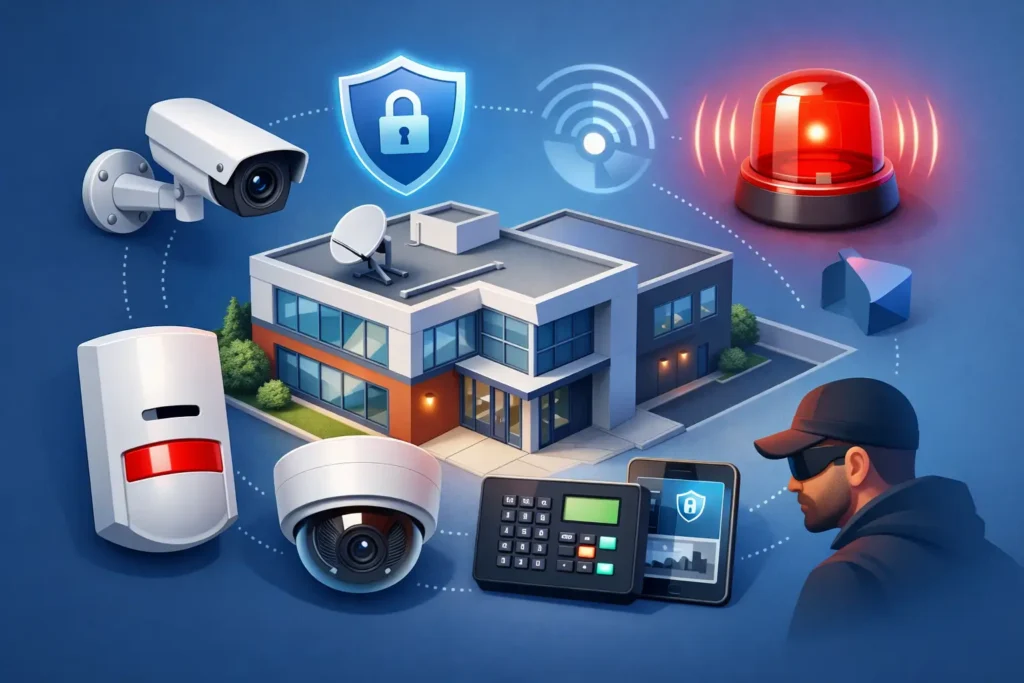
A retail storefront with one rear door needs a different level of protection than a warehouse with loading bays, multiple shifts, and valuable inventory moving after hours. That is why learning how to choose business alarms starts with your building, daily routines, and actual risks – not with a package picked from a catalog.
The right commercial alarm system should help protect your people and property without making work harder. It should be easy for authorized staff to use, professionally installed, and backed by dependable monitoring and support when an alarm occurs. For South Carolina business owners and facility managers, a thoughtful assessment is the best way to make those decisions with confidence.
Start With the Risks at Your Property
Before comparing equipment, identify what you need the system to detect and what must happen when it does. A break-in is one concern, but it may not be the only one. Your business may also need to manage employee access, watch exterior activity, respond to a fire emergency, or protect a server room, stock area, or equipment yard.
Walk the property as someone trying to enter without permission would. Consider front entrances, rear doors, windows, loading docks, roof access, gates, and areas where landscaping or poor lighting creates concealment. Then consider the inside of the building. Where are cash, tools, inventory, records, controlled products, and sensitive equipment stored? A burglar alarm should account for the path an intruder may take after entering, not only the point of entry.
Your operating schedule matters just as much. A professional office that is empty every evening has different needs than a restaurant where staff leave at varying times or a manufacturing facility operating overnight. If employees regularly arrive before dawn, work late, or enter through different doors, your system needs clear user controls and procedures that fit those routines.
Choose Protection in Layers, Not as One Device
Commercial security works best when several components support one another. Door and window contacts can alert you when a protected opening is breached. Motion detectors help cover interior areas where an intruder may travel. Glass-break detection may be appropriate where large glass storefronts or windows create another entry point.
For many properties, the alarm system should work alongside cameras and access control rather than operate separately. Cameras can provide visual awareness around entrances, parking areas, registers, docks, and other priority locations. Access control can limit who enters specific areas and create a record of authorized entry. When these systems are planned together, the result is clearer visibility and fewer gaps in protection.
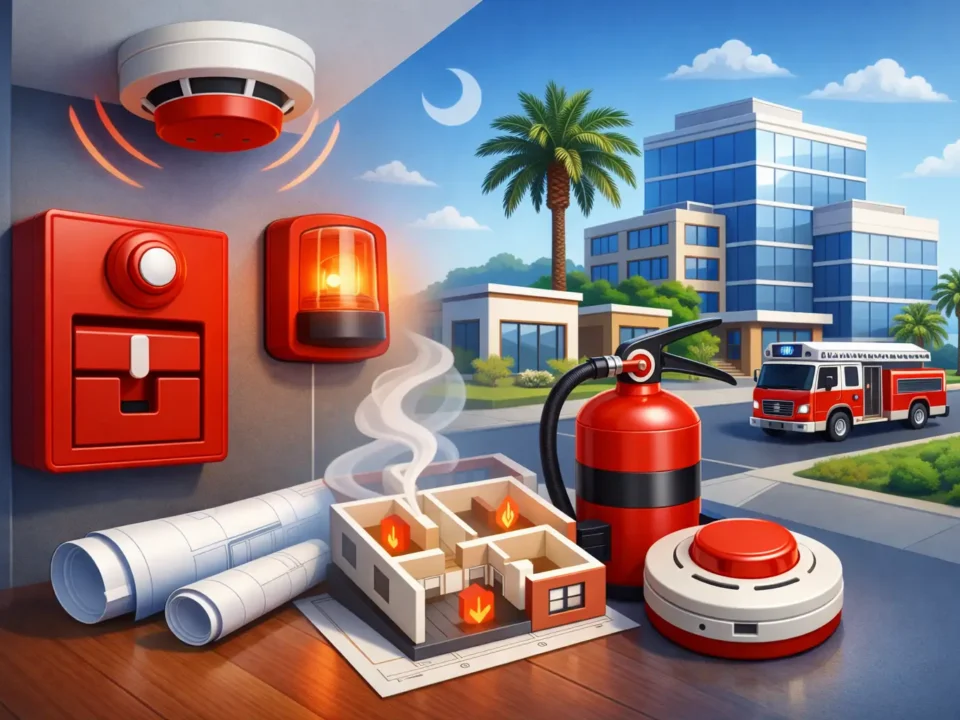
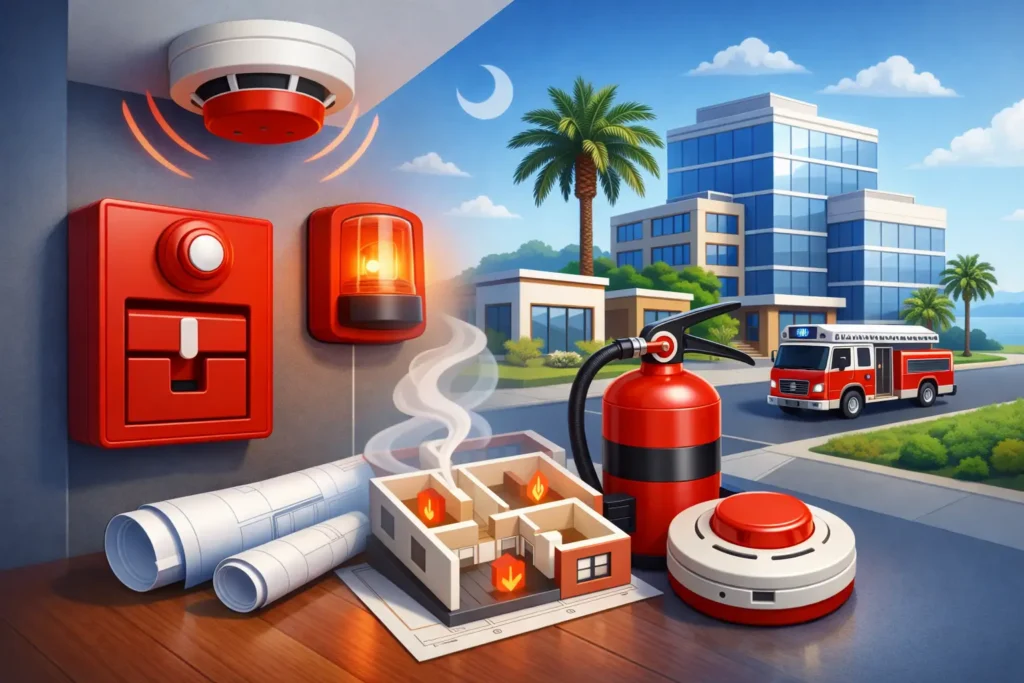
A business alarm is also part of a broader life-safety plan. Commercial fire alarm requirements depend on the building type, occupancy, local codes, and fire authority requirements. Do not assume a burglar alarm can address fire protection needs. A qualified provider can help determine whether your property needs monitored fire detection, manual pull stations, smoke or heat detection, notification devices, inspections, or other life-safety measures.
How to Choose Business Alarms for Your Daily Operations
The best system is one your team can reliably use. A complicated keypad process, unclear authority levels, or frequent false alarms can create frustration and reduce the value of the investment. Ask how employees will arm and disarm the system, how managers will receive activity alerts, and what happens when an employee leaves unexpectedly.
User management deserves special attention. Individual user codes or credentials are generally more accountable than a shared code passed among staff. They allow managers to remove access when roles change and help identify who opened or closed the building. For facilities with restricted offices, inventory rooms, or records areas, access control may provide the additional control that a basic intrusion alarm cannot.
Remote access can be helpful for owners and managers who oversee more than one location or are frequently away from the property. Depending on the system design, a smartphone app may allow authorized users to check system status, receive notifications, review video, or manage access. The benefit is not simply convenience. It is the ability to respond faster when something needs attention without relying on guesswork.
Still, connected features should be selected with purpose. More notifications are not always better. If every routine event creates an alert, important information can get lost. Work with your security professional to determine which events should trigger immediate notifications, which should be logged for review, and who should receive them.
Look Closely at Monitoring and Emergency Response
An alarm panel can make noise on-site, but a monitored alarm system adds another level of protection when no one is available to respond. With 24/7 professional monitoring, trained operators receive alarm signals and follow established response procedures, including contacting designated parties and requesting emergency dispatch when appropriate.
Ask prospective providers how their monitoring center operates, what training its operators receive, and how backup communications are handled. A system that depends on one communication path may be vulnerable if that path is disrupted. Many commercial systems can use cellular communication as a dependable connection, with other options considered based on the property and system design.
You should also discuss false alarm prevention. False alarms can interrupt operations, create unnecessary emergency calls, and lead to local fines in some jurisdictions. Proper equipment placement, professional installation, clear employee training, and regular system testing all reduce the chance of avoidable activations. The goal is a system that responds quickly to legitimate threats while fitting the realities of a busy workplace.
Consider the Building, Not Just the Equipment
A professionally designed system takes the physical environment seriously. A detached storage building, multi-tenant office suite, medical practice, church, retail store, auto shop, and industrial facility each present different concerns. Ceiling heights, building materials, door types, environmental conditions, wireless signal range, power availability, and expansion plans can all affect equipment choices.
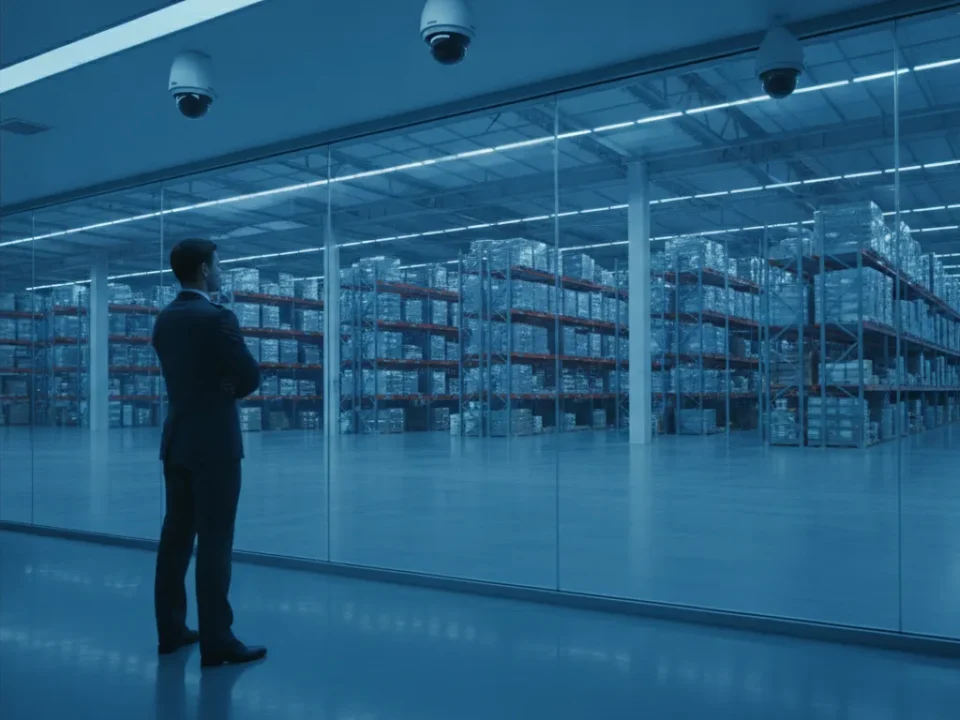
For example, a warehouse may require thoughtful coverage around overhead doors and high-value storage areas, while a small office may benefit more from controlled entry and interior motion coverage. A business with customer traffic needs security that protects employee-only areas without making the front entrance feel unwelcoming. If your company expects to add staff, change locations, or expand into another suite, ask whether the proposed system can grow with you.
Do not overlook power and communications reliability. Alarm systems typically include backup power, but the right configuration depends on the site and the services being used. Ask how the system continues communicating during a power outage and how you will know if a device, battery, or communication path needs service.
Make Professional Installation and Service Part of the Decision
A commercial alarm is not a purchase you should have to manage alone after installation. The provider should take time to understand your facility, explain the recommended design in plain language, install equipment cleanly, test every device, and train the people who will use it.
Ongoing service matters because businesses change. New doors are added, floor plans shift, managers come and go, and equipment ages. Scheduled maintenance can identify issues before they affect protection, while responsive local support helps resolve problems when they do arise. Keep records of user codes, alarm contacts, service visits, and system changes so your security plan remains current.
When evaluating proposals, compare more than the monthly price. Look at the quality of the assessment, the equipment and communications included, monitoring credentials, installation practices, warranty terms, service availability, and whether the provider is properly licensed, bonded, and insured. A lower initial number can become costly if the system leaves critical areas unprotected or support is difficult to reach.
For more than 30 years, ADP Security Systems has helped South Carolina businesses match intrusion detection, video, access control, fire protection, monitoring, and maintenance to the needs of their properties. The right recommendation should feel specific to your operation, not copied from another business.
A security assessment is a practical place to begin. When you can see your risks, operating habits, and response needs in one clear plan, choosing a business alarm becomes less about buying equipment and more about protecting the people who count on your business every day.