Are Home Security Systems Worth It? An Honest Guide
May 20, 2026
The 5 Best Fall Detection Devices of 2026
May 22, 2026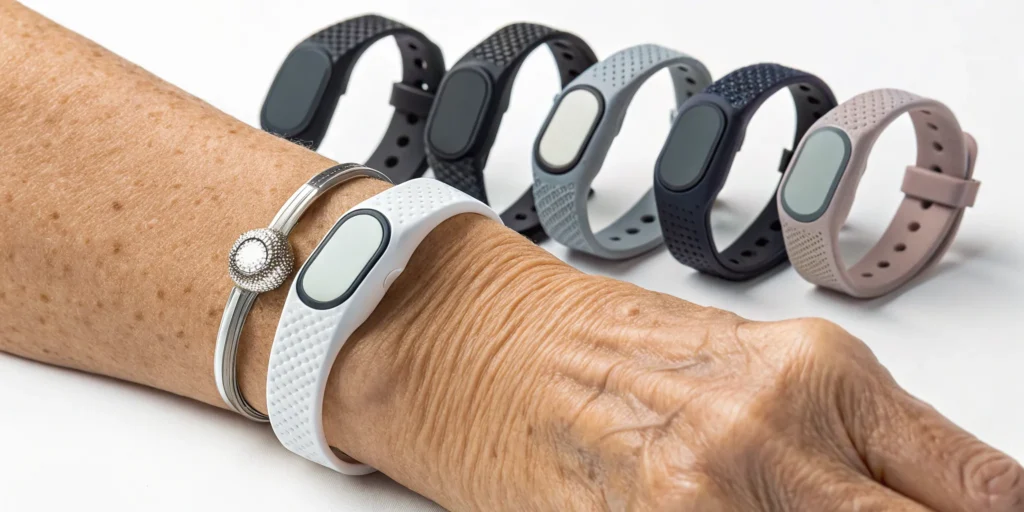
If you have an aging parent or loved one, you know the feeling. It’s that little knot of worry that tightens when you can’t get them on the phone right away. You want to respect their independence, but you also need to know they’re safe. This is where technology can offer real, tangible peace of mind for families from Anderson to Spartanburg. A fall detection bracelet is more than just a gadget; it’s a direct line to help when it’s needed most. It provides a layer of security that allows your loved one to live confidently on their own, knowing that a trained professional is always on standby. In this article, we’ll explore how these devices work and help you choose the right system to ease your worries.
Key Takeaways
- Automatic Detection Is the Key Feature: Unlike standard medical alerts, these bracelets automatically call a 24/7 monitoring center after a fall, providing a critical safety net even if your loved one is unable to press the button.
- Look Beyond the Bracelet to the Full Service: When choosing a system, evaluate the entire package, including essential features like GPS and a waterproof design, the total monthly cost, and the provider’s contract terms to find the right fit.
- Prioritize Comfort for Consistent Use: The most effective device is the one your loved one will wear every day, so choose a lightweight, discreet style that fits their routine to ensure they are always protected.
What Is a Fall Detection Bracelet?
Imagine having a safety net you can wear right on your wrist. That’s the simplest way to think about a fall detection bracelet. It’s a smart, wearable device that looks much like a watch or a simple band, but it’s packed with technology designed to protect you. Inside the bracelet, tiny sensors called accelerometers constantly monitor your movements. If they sense a sudden, sharp drop that indicates a fall, the device automatically springs into action. It connects directly to a 24/7 emergency monitoring center, where a trained professional can speak to you through the device, assess the situation, and send help right away, whether that’s a family member or emergency services.
This automatic feature is what makes these bracelets so special. While you can always press a button for help, you don’t have to. The bracelet is designed to call for assistance even if you are unable to. Many models are also waterproof, so you can wear them in the shower where many falls happen, and include GPS technology. This allows emergency responders to find your location quickly, which is crucial if you fall while you’re out for a walk or running errands. It’s a modern, practical tool that provides a constant layer of security, giving both you and your loved ones incredible peace of mind.
How Is It Different from a Standard Medical Alert?
You might be familiar with standard medical alert buttons, which have been a trusted safety tool for years. The key difference lies in one word: automatic. A standard medical alert system requires you to press a button to call for help. While effective, this isn’t always possible if a fall leaves you disoriented, unconscious, or unable to reach the button. A fall detection bracelet closes this gap. It automatically detects a fall and initiates the call for you, ensuring help is on the way no matter what.
Think of it as an upgrade. Most fall detection bracelets still include a manual help button, giving you two ways to get assistance. They are also often designed to be more discreet than traditional pendants, looking more like a modern fitness tracker. It’s important to know that no system is 100% perfect; a very slow slide or a cushioned fall might not always trigger an alert. However, for many, the added layer of automatic protection is a game-changer.
Who Is a Fall Detection Bracelet For?
A fall detection bracelet is an excellent tool for anyone who wants to maintain their independence while having a safety plan in place. It’s particularly valuable for older adults living alone. With falls being a leading cause of injury for seniors, getting help quickly after a fall can make a significant difference in recovery. This technology empowers individuals to continue living confidently in the comfort of their own homes, a goal many of us share for ourselves and our parents.
These devices are also a source of comfort for family members and caregivers. Knowing your loved one has a way to get immediate help, even if they can’t ask for it, relieves a tremendous amount of worry. It’s for the active grandparent who still enjoys gardening, the spouse recovering from surgery, or anyone with a medical condition that might affect their balance. It’s less about expecting a fall and more about being prepared, allowing everyone to focus on living life fully and safely.
How Does Automatic Fall Detection Work?
It’s natural to wonder how a small bracelet or pendant can tell the difference between a sudden fall and simply sitting down too quickly. Automatic fall detection isn’t magic; it’s a smart combination of technology and human support designed to get help fast, even if your loved one can’t press their button. When a fall occurs, the device automatically connects to a 24/7 monitoring center. There, a trained professional can assess the situation, speak to the user through the device, and dispatch emergency services if needed.
This technology provides an essential safety net for seniors who live alone or are at a higher risk of falling. It offers peace of mind not just for the person wearing it, but for their entire family. Knowing that help is on the way automatically can make all the difference in an emergency. It bridges the critical gap between the moment of a fall and the arrival of assistance, ensuring your loved one is never truly alone.
Understanding the Technology Behind the Alert
At the heart of every fall detection device are tiny, sophisticated sensors. These sensors, called accelerometers and gyroscopes, constantly measure movement, speed, and orientation. They are specifically calibrated to recognize the unique pattern of a fall: a sudden, high-speed drop followed by an abrupt stop and a lack of movement. When the device’s internal algorithm detects this sequence, it triggers an alert. It’s important to know that no system is 100% perfect. False alarms can happen, and occasionally, a slow slide or slump might not be detected. That’s why the best medical alert systems always include a manual help button as a backup.
Wrist vs. Pendant: Does Placement Matter?
Yes, where the device is worn can make a difference. While bracelets are often seen as more comfortable and discreet, pendants worn as a necklace on the chest tend to be more accurate. This is because your torso is your body’s center of gravity, and its movement provides a clearer indication of a genuine fall. A wrist-worn device can sometimes be triggered by rapid arm movements, like waving enthusiastically or clapping your hands. When choosing, consider the trade-off between daily comfort and durability and the slight edge in accuracy that a pendant may offer. The best device is ultimately the one your loved one will wear consistently.
What Are the Must-Have Features in a Fall Detection Bracelet?
When you start comparing fall detection bracelets, you’ll notice they come with a lot of different bells and whistles. To make the right choice for your family, it helps to focus on the core features that truly make a difference in an emergency. Think of these as the non-negotiables for safety, independence, and your peace of mind. From the technology inside the device to how it feels on your wrist, each of these six features plays a critical role in creating a reliable safety net for your loved one.
Automatic and Accurate Fall Detection
The most important feature is, of course, the one in the name. An automatic fall detection system uses built-in sensors, like accelerometers, to sense a sudden drop followed by an impact. If it detects a potential fall, it automatically calls the monitoring center, even if your loved one can’t press the button themselves. While no device is 100% perfect, modern systems are highly accurate. It’s good to be aware that fall detection systems can sometimes have false alarms, but a quick chat with the monitoring center can easily resolve those. The goal is reliable protection that works when it’s needed most.
GPS Location Tracking
For anyone who enjoys getting out of the house, whether it’s for a walk around the neighborhood in Greer or a trip to the store in Anderson, GPS is essential. If a fall happens away from home, built-in GPS technology allows the monitoring center to pinpoint the user’s exact location and send help right away. This feature provides the freedom to stay active and independent without being confined to the home. When choosing a device, look for one with reliable, real-time tracking so you know that help can find your loved one, no matter where they are.
Waterproof Design
A surprising number of falls happen in the bathroom, where surfaces are often wet and slippery. That’s why a waterproof or water-resistant design is a non-negotiable feature for any fall detection bracelet. Your loved one should be able to wear their device in the shower or bath, ensuring they are protected in one of the highest-risk areas of the home. This continuous coverage means they never have to take the bracelet off and risk being without help. It’s a simple feature that provides an incredible amount of security and peace of mind for the entire family.
Long-Lasting Battery Life
A fall detection bracelet is only effective if it’s charged and working. Battery life can vary significantly between models, from a few days to several years. Devices with more features like GPS and two-way talk are often rechargeable and may last for three to five days on a single charge. Other, simpler button-only bracelets might have a long-lasting battery that never needs charging and lasts for years. The best choice depends on your loved one’s routine. A rechargeable device is great for someone who is comfortable with a nightly charging habit, similar to a phone.
Clear Two-Way Communication
In a stressful situation, hearing a calm, reassuring voice can make all the difference. A bracelet with two-way communication has a built-in microphone and speaker, allowing the user to talk directly with the monitoring center agent after a fall or a button press. This feature lets your loved one explain what happened, confirm if it was a false alarm, or describe the specific help they need. It turns the device from a simple alert button into a direct communication line to a trained professional, adding a vital human element to the emergency response process.
All-Day Comfort and Style
For a medical alert device to be effective, it has to be worn consistently. If a bracelet is bulky, heavy, or uncomfortable, it’s likely to be left on the nightstand. The best devices are lightweight, discreet, and designed for all-day wear, so much so that the user might even forget it’s there. Many modern bracelets are also designed with style in mind, looking more like a watch or a fitness tracker than a medical device. This helps reduce any stigma and makes it easier to incorporate into a daily routine, ensuring protection is always within reach.
Comparing the Top Fall Detection Bracelets
Choosing the right fall detection bracelet can feel overwhelming, but it really comes down to matching the features with your family’s specific needs. Some systems are great for active seniors who are always on the go, while others are perfect for those who spend most of their time at home. Let’s walk through some of the top names in the industry so you can see how they stack up. We’ll look at what makes each one unique, from battery life and design to cost and contract terms, helping you find the perfect fit for your loved one in South Carolina.
1. ADP Security Systems Medical Alert
As your local South Carolina security experts, we integrate our medical alert systems into a complete life safety plan for your home. Instead of a one-size-fits-all bracelet, we start with a conversation to understand your family’s unique situation. This allows us to recommend the right device and ensure it’s professionally monitored by our 24/7 local team right here in the Upstate. You get a system designed just for you, with the peace of mind that comes from knowing the person on the other end of the line is a neighbor. This integrated approach provides a more comprehensive safety net, connecting your medical alert with ADP Smart Care senior care solutions and your home’s security and fire systems for total protection.
2. Medical Guardian
Medical Guardian is a popular national brand known for its reliable performance and is a great choice for active individuals. Its bracelets offer optional automatic fall detection that works quite well, and the impressive battery life can last up to five days on a single charge. This means more freedom and less worry about daily charging. The built-in GPS is accurate, providing peace of mind when your loved one is out running errands or visiting friends. The main things to consider are the costs, as it tends to be a bit more expensive than some competitors and often comes with upfront equipment fees.
3. Bay Alarm Medical SOS Micro
If you’re looking for something small and discreet, the Bay Alarm Medical SOS Micro is worth a look. It’s an all-in-one bracelet that’s much smaller than many other devices, so it doesn’t feel bulky on the wrist. For many seniors, wearing a large medical alert can feel stigmatizing, but this device’s sleek design encourages consistent use. You have the flexibility to add GPS and fall detection as optional features, allowing you to tailor the device to your specific needs without paying for extras you don’t want. While there are equipment fees, the company is well-regarded for its helpful customer service, which is a big plus during setup.
4. SecuLife SOS Wristband
The SecuLife SOS Wristband is a straightforward and affordable option designed with simplicity in mind. It includes all the essential features you’d expect: automatic fall detection, GPS tracking, and a simple SOS button for emergency calls. The pricing is very transparent, with a clear monthly subscription that covers unlimited tracking, alerts, and customer support. This makes it an accessible choice for families on a budget who don’t want to sacrifice core safety functions. You can find the SecuLife SOS Wristband online, and it provides a simple way to ensure your loved one is protected without a complicated setup or hidden fees.
5. Life Alert
You’ve probably seen the commercials for Life Alert, but it’s important to look closely at what they offer. While it’s a well-known brand, its services have not kept pace with modern technology. The most significant drawback is that it does not offer automatic fall detection, a critical feature since many falls can leave a person unable to press a button for help. Furthermore, Life Alert requires customers to sign a binding three-year contract, which is a major commitment in a market that now favors flexibility. Combined with high activation fees and monthly costs, it’s often not the best fit for families seeking modern features and fair terms.
6. ADT Medical Alert
ADT is another trusted name in security that offers a simple and reliable medical alert system. Their devices are an excellent fit for individuals who primarily need protection at home. The bracelets are water-resistant, so they can be worn in the shower where many slips occur, and they include an optional fall detection feature. One of the biggest advantages of ADT’s system is that there are no upfront equipment fees, which helps keep initial costs down. The monthly monitoring fees are competitive, making it one of the more affordable medical alert bracelets from a major national provider. It’s a solid, no-fuss option for dependable at-home coverage.
How Much Should You Expect to Pay?
Figuring out the cost of a fall detection bracelet can feel a little overwhelming at first, but it generally breaks down into two simple parts: a one-time upfront cost for the device and a recurring monthly fee for the monitoring service. Think of it as an investment in safety and independence for someone you care about. While prices vary between providers and the features you choose, understanding these two categories will help you compare your options clearly and find a solution that fits your family’s budget.
This service is about more than just a piece of technology; it’s about providing a constant, reliable connection to help when it’s needed most. Knowing that a trained professional is always on standby offers invaluable peace of mind for both the wearer and their loved ones. We’ll walk through what you can typically expect to pay for equipment and monitoring, plus a few factors that can influence the final price, so you can make an informed decision without any surprises.
Understanding Upfront Equipment Costs
The first cost you’ll likely encounter is for the equipment itself. Some companies charge a one-time equipment fee, which can range from around $150 to $200. On top of that, you might see an activation fee, typically between $75 and $200, to get your system set up and connected to the monitoring network. However, it’s good to know that not all providers have these initial charges. When you’re shopping around, make sure to ask specifically about equipment and activation fees so you have a full picture of the initial investment. This helps you avoid unexpected costs on your first bill and compare different services more accurately.
Breaking Down Monthly Monitoring Fees
After the initial setup, you’ll have a predictable monthly monitoring fee. This is what keeps the device connected to a 24/7 emergency response center. For standard monitoring, you can expect to pay between $20 and $34 per month. Because automatic fall detection uses more advanced technology, it’s usually offered as an add-on feature for an additional fee, often around $10 per month. This recurring cost is the heart of the service, ensuring that a trained professional is always ready to help, day or night. It’s the key to providing immediate assistance and ensuring your loved one is never truly alone in an emergency.
What Factors Influence the Price?
Several factors can adjust the total price of your medical alert system. For instance, choosing a device with mobile GPS tracking for an active lifestyle might affect the monthly cost compared to a system designed only for in-home use. You can often find ways to save, too. Many companies offer discounts if you pay quarterly or annually instead of monthly.
It’s also worth checking if your Medicare Advantage Plan (Part C) offers any coverage for medical alert systems, as some plans do. Finally, memberships with groups like AARP sometimes provide special pricing, so be sure to ask about any available partner discounts when you call. Taking a few minutes to explore these options can lead to significant savings over time.
How Reliable Are Fall Detection Bracelets?
When you’re choosing a medical alert system for yourself or a loved one, reliability is everything. You need to know that the device will work when it matters most. While fall detection technology has become incredibly advanced, it’s helpful to have a realistic understanding of how these bracelets perform in the real world. The great news is that modern systems are highly dependable, but knowing what to expect and how to get the best performance can give you even greater peace of mind.
A Realistic Look at False Alarms and Missed Detections
Let’s talk about something you might be worried about: false alarms and missed falls. It’s important to know that no fall detection system is 100% perfect. Occasionally, a device might trigger a false alarm if it’s dropped or during a sudden, jerky movement that isn’t a fall. On the other hand, a slow slide or a fall against a wall might not always be registered. Research from the National Council on Aging shows that while wrist-worn devices are convenient and effective, pendants worn on the chest can sometimes be slightly more accurate because they are closer to your body’s core. Understanding this helps you set realistic expectations and use the device effectively.
How to Reduce False Alarms
The good news is that you can take simple steps to make your fall detection bracelet as reliable as possible. First, ensure the device has a strong connection where it will be used most. Whether it uses a cellular network, a landline, or Wi-Fi, a solid signal is key, so check the provider’s coverage in your specific South Carolina neighborhood. Second, make sure the bracelet is worn snugly and correctly, just as the manufacturer recommends. A loose device is more likely to move around and cause a false trigger. Following these simple guidelines helps the internal sensors do their job properly, ensuring an alert is sent when it should be and not when it shouldn’t.
Why a Fast Response Time Is Critical
A fall detection bracelet is only one part of the safety equation; a fast, professional response is the other. Once a fall is detected, the device automatically connects to a 24/7 monitoring center. According to industry tests, the average response time for top systems is often under a minute. This speed is crucial. As experts at The Senior List point out, getting help quickly after a fall can prevent more serious complications and is a key factor in helping seniors maintain their independence at home. A trained professional on the line can assess the situation, speak to your loved one through the device, and dispatch local emergency services in Greenville or anywhere in the Upstate right away.
Bracelets vs. Other Medical Alert Systems
Choosing a medical alert system is a personal decision, and the style of the device plays a big role in whether your loved one will wear it consistently. While fall detection bracelets are a popular and effective choice, it’s helpful to see how they stack up against other options like pendants and smartwatches. Understanding the key differences will help you find the perfect balance of comfort, function, and safety for your family member’s daily life. Each style has its own strengths, and the best one is always the one that fits seamlessly into a person’s routine.
Comparing Bracelets and Pendants
The most common debate is between a wrist-worn bracelet and a neck-worn pendant. Both devices connect to the same 24/7 monitoring center, but their placement can make a difference. For many, a bracelet feels more natural and discreet, similar to wearing a watch. It’s less likely to get tangled or caught on clothing. However, it’s worth noting that some fall detection sensors can perform more accurately when worn as a necklace. This is because everyday arm movements, like waving or reaching for something, can sometimes be mistaken for a fall, potentially causing a false alarm. A pendant rests on the stable torso, which can lead to fewer false alerts. Ultimately, the best choice comes down to personal preference and what feels most comfortable for all-day wear.
Comparing Bracelets and Smartwatches
At first glance, a medical alert bracelet might look like a smartwatch, but their core functions are very different. A smartwatch is a multi-purpose gadget that can track fitness, display text messages, and make calls, with some models offering fall detection as an added feature. In contrast, a medical alert bracelet is a specialized safety device. Its primary, and often only, purpose is to connect you to an emergency response center with the simple push of a button. This simplicity is its greatest strength. Medical alert bracelets typically have a much longer battery life than smartwatches (days or weeks vs. hours) and are designed to be incredibly easy to use, especially during a stressful event.
When to Choose a Bracelet Over Other Options
A bracelet is an excellent choice for anyone who wants a simple, discreet, and reliable way to stay protected. It’s particularly well-suited for active seniors who are comfortable wearing something on their wrist and may not want the extra features or charging demands of a smartwatch. If your loved one lives alone or has a health condition that puts them at a higher risk of falling, a bracelet offers a direct line to help that is always within reach. When the button is pressed, it instantly connects to a 24/7 monitoring center where a trained operator can assess the situation and dispatch help, whether that’s a neighbor, a family member, or local Greenville paramedics. It provides independence and confidence without any complicated technology.
What to Watch Out For When Choosing a System
Choosing a fall detection bracelet is a big decision, and you want to feel confident you’re making the right one for your family. While the technology offers incredible peace of mind, it’s smart to go in with your eyes open. A little bit of homework can help you sidestep common issues, like confusing contracts or systems that don’t quite match your loved one’s needs. Let’s walk through a couple of key areas to pay close attention to so you can find a solution that truly fits.
Avoiding Long Contracts and Hidden Fees
The price you see advertised isn’t always the full story. When you’re comparing systems, be sure to ask about the total cost. Many companies have a base monthly monitoring fee but then add extra charges for essential features like automatic fall detection. You might also run into one-time costs, such as equipment or activation fees, that can add a significant amount to your initial investment. Before signing anything, ask for a complete breakdown of charges and inquire about the contract length. A trustworthy provider will be transparent about their pricing and plans, helping you find a solution that fits your budget without any surprises down the road.
Common Misconceptions That Can Lead to a Poor Fit
It’s important to have realistic expectations about what a fall detection bracelet can do. While the technology is highly advanced, no system is 100% foolproof. False alarms can happen, and in rare cases, a genuine fall might be missed. It’s also worth knowing that some studies suggest devices worn on the chest are slightly more accurate than those on the wrist. However, the convenience and comfort of a bracelet often make it the most practical choice. The goal isn’t perfection; it’s providing a reliable and fast way to call for help. For many older adults in South Carolina, these devices are a key tool for maintaining their independence and continuing to age in place safely.
Is a Fall Detection Bracelet the Right Choice for Your Family?
Deciding on a medical alert system is a significant step, one that’s rooted in love and a desire for safety. It’s about finding a balance that respects a loved one’s independence while providing a reliable safety net for everyone’s peace of mind. These devices aren’t about limiting freedom; they’re about extending it safely. By providing a direct line to help in an emergency, a fall detection bracelet can empower seniors to live confidently in the homes they love, whether they’re in Greenville, Anderson, or anywhere across South Carolina. It’s a practical tool that helps families feel connected and secure, even when they’re apart.
Key Signs It’s Time to Consider a Medical Alert System
It can be tough to know when the time is right for a medical alert system. Often, the conversation starts after a scare, but being proactive is always the best approach. Falls are a common risk for older adults, and getting help quickly can make all the difference in a recovery.
Consider a system if your loved one:
- Lives alone or spends significant time by themselves.
- Has experienced a fall or a few “close calls” recently.
- Manages a chronic condition like heart disease, diabetes, or arthritis that could affect their balance or strength.
- Sometimes feels dizzy or unsteady on their feet.
- Expresses anxiety about falling or being unable to get help.
How These Devices Support Independence and Peace of Mind
A fall detection bracelet is a powerful tool for helping seniors continue to age in place safely. Think of it as a quiet partner in their daily routine. It’s a discreet, wearable device that provides a direct link to emergency help with a simple press of a button or, even better, automatically after a fall is detected. This immediate access to assistance gives the wearer confidence to go about their day, from gardening to visiting with neighbors, without the constant worry of “what if?” For family members, it replaces anxiety with reassurance, knowing that a professional is always on standby, 24/7. This simple technology fosters independence by ensuring that help is never out of reach.
Why 24/7 Professional Monitoring Is Essential
Let’s talk about what happens after a fall is detected. A fall detection bracelet is more than just a piece of technology; its real value comes from the professional monitoring service behind it. This isn’t a system that just sends an alert to a family member’s phone. It connects the wearer directly to a dedicated team of trained professionals, ready to help any time, day or night. This constant connection is what transforms a simple device into a true lifeline, providing a crucial safety net for your loved ones.
When the bracelet senses a fall or the wearer presses the help button, a signal is sent to a 24/7 monitoring center. Within seconds, a live operator will speak to your loved one directly through a speaker in the device. They can assess the situation, offer reassurance, and determine the right kind of help. This immediate, human-centered approach is critical. The care team can dispatch emergency services if needed or simply contact a designated family member or neighbor for non-critical assistance, ensuring the response is always appropriate for the situation.
For families in South Carolina, from Greenville to Anderson, this service provides incredible peace of mind. Knowing that a professional is always available means you don’t have to worry about a missed call or a text that goes unseen. It allows seniors to maintain their independence with confidence, knowing they aren’t truly alone. This subtle way to get help quickly is often the key to helping seniors feel safe and secure while living in their own homes. The monitoring team acts as a constant, reliable safety net for your entire family.
Related Articles
- GPS Medical Alert with Professional Installation Guide
- Medical Alert – ADP Security
- 5 Best Medical Alert Systems in South Carolina
Frequently Asked Questions
What happens if I accidentally press the button or the bracelet sends a false alarm? This is a very common question, and the answer is simple: it’s not a problem at all. If you press the button by mistake or the device triggers an alert, a trained operator will speak to you through the two-way communicator. You can just tell them you are okay and that no help is needed. The monitoring team understands that accidents happen, so there’s no need to worry or hesitate to wear your device.
Do I need to have a landline phone for a fall detection bracelet to work? No, most modern fall detection bracelets do not require a landline. They operate using their own built-in cellular connection, similar to a mobile phone. This allows the device to connect to the 24/7 monitoring center from anywhere with a cellular signal, giving you the freedom and flexibility to be protected both inside and outside your home without being tied to old technology.
Can I use the help button for emergencies other than a fall? Yes, absolutely. The help button is your direct connection to the monitoring center for any kind of emergency. You can press it if you are feeling unwell, experiencing a medical issue, feel unsafe for any reason, or need assistance with a non-medical situation like a fire. Think of it as a universal help button that ensures a trained professional is ready to assist you, no matter the circumstances.
How will I know when the bracelet needs to be charged? Most rechargeable bracelets are designed to make this easy. They typically have indicator lights that will change color or flash when the battery is getting low. Many systems will also send a notification to you or a designated family member. Charging is usually straightforward, often involving a simple cradle that you place the device on overnight, just like you would with a phone.
Will the bracelet still work if I’m away from home, like at the grocery store? Yes, it will, as long as you choose a mobile system with GPS. These devices are designed for active individuals and work anywhere in the United States where there is a cellular signal. If you need help while you are out running errands in Anderson or visiting family, the built-in GPS allows the monitoring center to identify your exact location and dispatch local emergency services to you quickly.