How to Choose the Best Home Security Camera
April 13, 2026
How to Hire Certified Fire Alarm Installers Anderson SC
April 15, 2026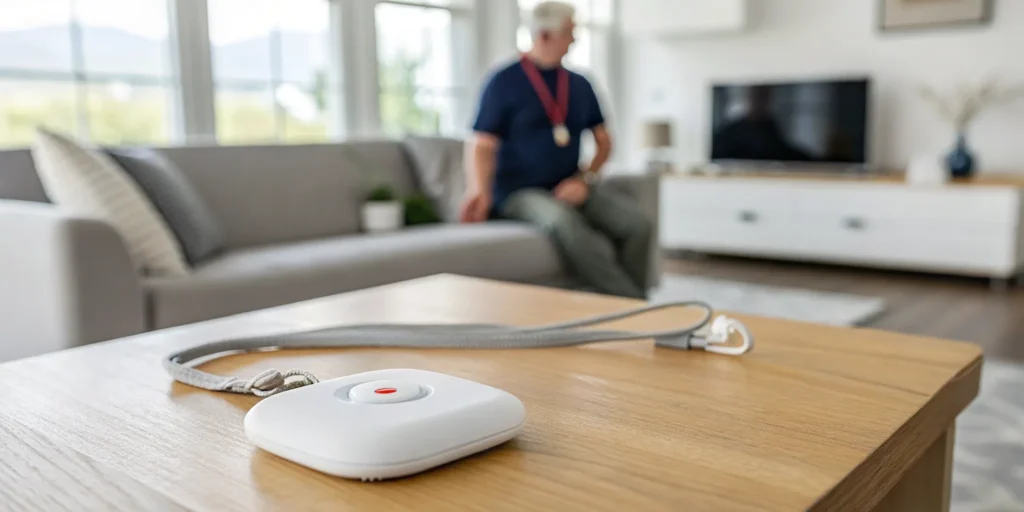
When you order a new gadget, you usually expect to pull it out of the box and set it up yourself. But a medical alert system is different. This isn’t just another device; it’s a lifeline. Its reliability depends entirely on being set up and tested correctly. A weak cellular signal or improper placement can create uncertainty when you need confidence the most. This is why the setup process is just as important as the technology itself. A GPS medical alert with professional installation isn’t a convenience; it’s a crucial step toward a safety net you can truly depend on.
Key Takeaways
- GPS provides safety beyond your front door: A GPS-enabled system works anywhere with a cellular signal, offering the freedom to live an active life while ensuring help can find your exact location in an emergency.
- Focus on essential life-saving features: When comparing devices, prioritize automatic fall detection, clear two-way communication, and a long-lasting battery to ensure the system is reliable and easy to use when it matters most.
- A local partner ensures better support: The service behind the device is critical, so choose a provider that offers professional installation, personalized training, and ongoing support from a local team you can trust.
What Is a GPS Medical Alert System?
A GPS medical alert system is a small, wearable device that gives you or your loved one a direct line to help in an emergency, no matter where you are. Think of it as a safety net that travels with you, whether it’s a discreet pendant, a modern smartwatch, or a simple clip-on device. For many older adults in South Carolina, the goal is to maintain an active and independent lifestyle. These systems are designed to support that goal by providing a simple, fast way to summon assistance when it’s needed most.
Whether you’re gardening at your home in Greer, shopping in Spartanburg, or taking a walk in a local park, a GPS-enabled device ensures you’re never truly alone. With the press of a button, you can connect with a monitoring center that can dispatch help to your exact location. This provides incredible peace of mind not just for the person wearing the device, but for their family and caregivers, too. It bridges the gap between living independently and having a reliable plan for unexpected health events, supporting the desire for many to age in place safely and confidently. It’s about empowering you to continue your daily routines without worry.
How Does a GPS Alert System Work?
The process is straightforward and designed for ease of use, even in a stressful situation. When you need help, you simply press the emergency button on your pendant, watch, or mobile device. This instantly sends a signal to a 24/7 professional monitoring center. Within moments, a trained operator will speak to you directly through a speaker built into your device. You can tell them what’s wrong, and they will assess the situation. Based on your needs, they can contact family members, neighbors, or dispatch local emergency services like paramedics or the fire department right away.
The Smart Tech That Keeps You Safe
The magic behind this mobile freedom is a combination of two key technologies: GPS and a cellular network. The device uses the Global Positioning System (GPS) to pinpoint your precise location, just like the navigation app on your smartphone. At the same time, it uses a built-in cellular connection to communicate with the monitoring center. This means your device works anywhere you have a reliable cell signal, without needing a landline or a home Wi-Fi network. This powerful combination ensures that if you need help, the response team knows exactly where to find you quickly.
What to Look For in a GPS Medical Alert System
When you start looking at GPS medical alert systems, you’ll notice they come with a variety of features. While it’s easy to get lost in the details, a few core functions are absolutely essential for providing reliable protection and true peace of mind. These are the non-negotiables that separate a basic device from a comprehensive safety solution. Think of them as the foundation of your loved one’s security, whether they’re at home in Greenville or enjoying a day out in Anderson. Focusing on these key features ensures you’re choosing a system that delivers help exactly when and where it’s needed most.
Reliable GPS Location Tracking
The freedom to live an active life shouldn’t come at the expense of safety. This is where accurate GPS tracking becomes a game-changer. Unlike older, landline-based systems that only work inside the home, a GPS-enabled device provides protection anywhere with a cellular signal. As experts at Lifeline note, GPS technology is essential for quickly locating individuals in need of assistance, ensuring that help can reach them without delay. If your loved one is walking at Falls Park, shopping in Spartanburg, or even just visiting a neighbor, our 24/7 monitoring team can pinpoint their exact location and dispatch emergency services right to them. This feature is the key to maintaining independence with confidence.
Enhanced Accuracy with Wi-Fi and Cellular Triangulation
While GPS is incredibly powerful outdoors, its signal can sometimes be weakened by things like dense buildings or being deep inside a large store. That’s why the best systems don’t rely on GPS alone. They also use a smart combination of Wi-Fi and cell tower signals to get an even more accurate fix on your location. By scanning for nearby Wi-Fi networks and measuring its distance from multiple cell towers, the device can pinpoint your position with remarkable precision, often within a few yards. This multi-layered approach ensures that whether you’re in a basement, a hospital, or a crowded mall, our monitoring team can find you quickly and reliably when every second counts.
Automatic Fall Detection for Immediate Help
A sudden fall can be disorienting, and in some cases, it can leave a person unable to press their help button. That’s why automatic fall detection is one of the most important features you can choose. Using advanced sensors, the device can identify the sudden motion of a fall and automatically signal our monitoring center, even if the wearer is unconscious or can’t move. This proactive alert system provides an essential safety net. This feature is designed to automatically alert emergency services if a fall is detected, providing peace of mind for users and their families. For caregivers, knowing that help will be on the way after a fall offers an unparalleled sense of security.
Crystal-Clear Two-Way Communication
In an emergency, clear communication is critical. The best GPS medical alert systems include a high-quality, built-in speaker and microphone, allowing your loved one to speak directly with a trained monitoring specialist. This isn’t just a siren; it’s a conversation. The ability to communicate directly through the pendant means the user can describe their symptoms, explain their situation, or even cancel a false alarm. Our South Carolina-based specialists will stay on the line, offering reassurance and comfort until help arrives. This direct link ensures the right kind of assistance is sent and helps reduce the panic and fear that can accompany an emergency.
A Battery That Keeps Up With You
A medical alert device is only effective if it’s powered on and ready to go. A system with a reliable, long-lasting battery is a must. An ideal system should have a battery that can last for several days on a single charge, though we always recommend making charging a simple part of the daily routine, just like a cell phone. Many modern systems also include helpful low-battery reminders that can alert both the user and a designated family member or caregiver. This ensures the device is always operational, providing continuous protection without adding another complicated task to your loved one’s day.
Understanding Battery Life: From 3 to 5 Days on a Single Charge
A medical alert system is only useful if it has power, so battery performance is a critical feature to consider. You’ll find that most modern GPS devices offer impressive longevity, with a battery that can last anywhere from three to five days on a single charge. Some of the top systems on the market highlight that their mobile device can last up to 5 days, giving you or your loved one flexibility. However, to ensure the device is always ready, it’s wise to make charging a simple part of a daily routine. As one provider suggests, even with a multi-day battery, it’s best to charge it every night. This simple habit removes any guesswork and provides peace of mind, guaranteeing the device is fully powered for the day ahead.
A Waterproof Design for Everyday Life
Accidents can happen anywhere, but the bathroom is one of the most common places for falls to occur. A medical alert device needs to be wearable 24/7, and that includes in the shower or bath. That’s why it’s so important to find systems that include waterproof medical pendants or wristbands, as these features enhance usability in all environments. Beyond being waterproof, the device should also be durable enough to handle the bumps and scrapes of daily life. A comfortable, lightweight, and resilient design means your loved one will be more likely to wear it consistently, ensuring they are protected around the clock.
Clarifying Water Resistance vs. Waterproof
You’ll see the terms “water-resistant” and “waterproof” used a lot, and it’s easy to think they mean the same thing. For a medical alert device, however, the difference is critical. A water-resistant device can handle minor splashes from washing hands or getting caught in a light rain. A truly waterproof device is built to be submerged in water, which is exactly what’s needed for safety in the shower or bath. When comparing options, look for a technical specification like an IP67 rating or higher, which confirms the device can handle submersion. This detail is crucial because if a device isn’t waterproof, it has to be removed for bathing, creating a dangerous gap in protection right where it’s often needed most. A waterproof design ensures your loved one can wear their device consistently for uninterrupted peace of mind.
Why Professional Installation Matters
When you’re choosing a medical alert system, it’s easy to focus on the device itself. But how it’s set up is just as important as the technology inside. While many companies mail you a box and a set of instructions, professional installation offers a layer of certainty and support that a DIY setup just can’t match. Having an expert handle the installation means you can be confident the system is configured correctly, tested thoroughly, and tailored to your specific needs from the very beginning. It’s about more than just plugging something in; it’s about setting up a reliable lifeline and ensuring you or your loved one feels completely comfortable using it. This initial investment of time and expertise provides lasting peace of mind, knowing that every detail has been handled by a professional who is dedicated to your safety. A local technician understands the specific cellular coverage in areas like Greenville and Anderson, ensuring your device has a strong connection where you need it most. They take the guesswork out of the equation, so you can focus on the freedom and security the system provides, not on whether you put it together correctly.
Ensuring Your System Is Set Up Correctly
Many medical alert devices seem simple, but a one-size-fits-all approach doesn’t work for everyone’s safety. A professional technician does more than just activate the system. They assess your home’s layout, check for cellular signal strength, and ensure the base station is placed in the optimal location for clear communication. This hands-on approach helps address potential problems before they can become an issue during an emergency.
The most critical step is comprehensive testing. An installer will run diagnostics on the device, trigger a test call to the monitoring center, and confirm that the GPS location is reporting accurately. They can also walk you through how to avoid accidental activations and other common issues, so you can feel secure knowing your system works exactly as it should.
Personalized Training to Use Your Device with Confidence
A medical alert system is only effective if you feel confident using it. That’s why personalized training is a core part of professional installation. Instead of leaving you with a manual, a technician will sit down with you and your family members to provide a hands-on demonstration. They’ll show you exactly how to use the help button, explain what happens when you press it, and answer any questions you have in a clear, patient way.
This one-on-one guidance helps turn an unfamiliar piece of technology into a trusted tool. Embracing a medical alert system as part of your daily routine fosters a sense of security and independence. When you know precisely how your device works, from charging it to speaking with the monitoring center, you’re more likely to wear it consistently and use it without hesitation when you need it most.
Long-Term Peace of Mind with Ongoing Support
Your safety needs don’t end after the installation is complete. Choosing a professional service means you’re not just buying a device; you’re gaining a local partner committed to your well-being. When you have a question or need assistance, you can call a team right here in South Carolina, not a faceless call center hundreds of miles away. This local connection is invaluable for getting quick and helpful answers.
This ongoing relationship provides peace of mind, especially for individuals with health conditions that put them at a higher risk of falling. Whether you need help troubleshooting an issue, replacing a battery, or adjusting your service, your local team is there to provide continuous support. It ensures your system remains a reliable safety net for years to come.
What to Expect During Professional Installation
Inviting a technician into your home for an installation can feel like a big step, but a professional setup is designed to be a smooth, reassuring, and even empowering experience. Unlike a do-it-yourself kit that leaves you with a box of parts and a confusing manual, a professional installation ensures your medical alert system is perfectly tailored to you and your home from day one. The process is straightforward and focuses entirely on your safety and comfort, giving you and your family confidence that everything is set up correctly.
From the moment your local technician arrives, their goal is to get to know you, understand your needs, and install a system that fits seamlessly into your life. They handle all the technical details so you don’t have to worry about things like signal strength or proper device placement. The entire visit is structured around three key phases: a personal consultation to map out the best solution, a careful setup and testing process to guarantee reliability, and a clear, patient walkthrough to make sure you feel completely confident using your new device. It’s a white-glove service that replaces uncertainty with peace of mind, knowing an expert has handled every detail.
Starting with Your Initial Consultation
The process begins with a simple conversation. Your technician will take the time to listen and learn about your daily routines, your home’s layout, and any specific health or safety concerns you have. This isn’t about a sales pitch; it’s about collaboration. They will ask questions to understand your lifestyle, ensuring they can design a system just for you and your unique situation. Whether you have a multi-story home, spend a lot of time in the garden, or have specific areas where you feel less secure, this consultation ensures your system’s placement and features are a perfect match for your life.
How We Set Up and Test Your System
Once you’ve settled on the right plan, your technician gets to work on the installation. They handle everything, from setting up the main communication hub to activating your mobile GPS pendant. You can simply relax while they manage all the technical details. A crucial part of this step is rigorous testing. The technician will verify a strong connection to the 24/7 monitoring center, test the GPS signal, and confirm that every feature, like fall detection, is calibrated and working correctly. They won’t leave until they’ve confirmed your system is fully operational and ready to protect you.
Your Personal System Walkthrough
After the technical setup is complete, your technician becomes your personal trainer. They will patiently guide you through exactly how to use your new system, showing you how to press the help button and what to expect during an emergency. You’ll get to practice so you can feel the button’s click and learn how to speak directly to a trained specialist through the pendant itself. They will also explain how your loved ones are notified when help is on the way. This hands-on demonstration is your time to ask every question you can think of, ensuring you feel secure and in control.
What Makes a GPS Medical Alert System Top-Tier?
When you’re looking for a GPS medical alert system, the options can feel overwhelming. But a truly top-tier system stands out by focusing on what matters most: reliability, usability, and trustworthy support. It’s not just about the device itself; it’s about the entire service built around it. A great system delivers more than just technology; it provides confidence and independence. Let’s look at the three core elements that separate the best systems from the rest.
24/7 Monitoring You Can Count On
The heart of any medical alert system is its monitoring center. A top-tier service provides access to a team of highly trained professionals who are available 24 hours a day, 7 days a week. This isn’t an answering service; it’s a dedicated emergency response team. When you press the button, you connect with a real person who can assess the situation, contact family or caregivers, and dispatch local emergency services if needed. This immediate assistance is what provides genuine peace of mind for both you and your loved ones, knowing that help is always just a button-press away, no matter the time of day or night.
How Operators Use Your Health Information in an Emergency
When you first set up your system, you’ll provide key health details. This isn’t just for our records; it’s a vital part of your personalized emergency plan. The moment you press your help button, the monitoring specialist who answers sees this profile on their screen. This gives them immediate context about your situation, even before you say a word. Information like pre-existing conditions, allergies, and current medications helps the operator make faster, smarter decisions. For example, knowing you have a heart condition allows them to relay that critical detail to paramedics on their way. They also have your list of emergency contacts, so they can immediately alert your designated family members or caregivers. This profile allows the operator to be an informed advocate for you in a critical moment, ensuring you get the precise care you need.
A Device That Fits Your Active Lifestyle
The best medical alert device is one you’ll actually wear, and that means it needs to fit into your life, not disrupt it. A top-tier system is designed for comfort and simplicity, allowing you to continue your daily routines with confidence. Whether you’re gardening, taking a walk around your Taylors neighborhood, or running errands, the device should feel like a natural part of your day. These systems are designed to empower seniors and other users to live independently by offering a safety net without feeling restrictive. It’s about adding a layer of security that supports your freedom, not limits it.
Lightweight and Discreet: Sizing Up Modern Devices
Let’s be honest: no one wants to wear something that’s bulky or screams “medical device.” Thankfully, today’s systems are designed with style and comfort in mind. You can choose from sleek pendants that look like jewelry, modern smartwatches, or small clips that attach to a belt or pocket. The goal is for the device to feel so natural that you forget you’re even wearing it. A comfortable and lightweight design is crucial, because it means you’re more likely to wear it consistently, ensuring you are protected around the clock. This includes being waterproof, so you can stay safe in the shower or bath, where many falls happen. It’s all about providing a safety net that fits seamlessly into your life, rather than weighing you down.
A Local Team You Can Trust
When you need help, you want to know the person on the other end is part of a team you can rely on. Choosing a local provider means you get more than just a device in a box; you get a partner in your safety. A local team understands the Greenville, Spartanburg, and Anderson areas, ensuring reliable coverage where you live and work. You can count on responsive customer service from people who are part of your community. When you look for a provider, check for positive verified reviews from your neighbors. A strong local reputation is often the best indicator of quality service and dependable support when you need it most.
All-in-One Service with Included Cellular Coverage
A top-tier GPS medical alert system simplifies your safety by bundling everything you need into one service. You don’t have to worry about setting up a separate cellular plan or dealing with a phone company; the connection is built right into the device and included in your monitoring service. This all-in-one approach means your system is ready to go from day one. A GPS-enabled system works anywhere with a cellular signal, offering the freedom to live an active life while ensuring help can find your exact location in an emergency. This is crucial for maintaining independence, whether you’re at home or on the go. It’s a seamless solution that removes technical headaches and lets you focus on what matters: living confidently and securely.
Features for Caregiver Peace of Mind
A great medical alert system provides security not just for the person wearing it, but for their entire support network. Knowing your loved one is safe brings an incredible sense of relief, which is why the best systems include features designed specifically for caregivers. These tools help you stay connected without being intrusive, offering reassurance when you can’t be there in person. For example, some systems allow family members to simply text the device to get an update on their loved one’s location. This simple check-in capability can ease a lot of the daily worry that comes with caregiving. It transforms the device from a simple emergency button into a communication tool that strengthens the circle of care and provides peace of mind for everyone involved.
Location Sharing and Smartphone Apps
To make staying connected even easier, many top-tier systems offer a dedicated smartphone app for family and caregivers. This puts powerful peace-of-mind tools right at your fingertips. With a few taps on your phone, you can view your loved one’s current location on a map, check the device’s battery level, and receive notifications for important events, like when a fall is detected or the help button is pressed. This feature provides a discreet and respectful way to check in, honoring your loved one’s independence while keeping you informed. Many services offer a free smartphone app for family members to check location and get alerts. It’s a modern solution that bridges the distance and ensures you’re always in the loop when it comes to their safety.
GPS vs. Traditional Medical Alerts: What’s the Difference?
Choosing a medical alert system can feel overwhelming, but the decision often comes down to one key question: where do you need protection? Both traditional and GPS-enabled systems connect you to help 24/7, but they are designed for very different lifestyles. Understanding these differences will help you find the perfect fit for yourself or a loved one, ensuring peace of mind whether you’re at home or on the go.
Go Anywhere vs. At-Home Only Coverage
The most significant difference between the two systems is mobility. A traditional medical alert system works with a base station plugged into your wall. It’s a fantastic, reliable option if you or your loved one spends most of the time at home. The wearable help button communicates with the base station, but its range is limited to your house and immediate yard.
A GPS system, on the other hand, is built for an active lifestyle. It uses cellular technology to protect you anywhere you go, from a walk around your Greer neighborhood to a doctor’s appointment in Anderson. These systems help seniors live independently by offering a safety net that travels with them, providing confidence to continue enjoying life outside the home.
Comparing Response Times and Communication
With either system, pressing your help button connects you to a trained operator in a monitoring center within seconds. You can speak directly with them through a speaker in your base station or the GPS device itself. The critical difference is the information the operator receives. With a traditional system, they know help is needed at your home address.
With a GPS device, the operator sees your exact location in real time. If you have an emergency at the grocery store or while visiting family, they can dispatch help to you right away, no matter where you are. This precise location tracking is vital for getting you the right assistance, quickly and efficiently, especially when you may be disoriented or unable to share your location.
A Look at Costs and Key Features
Generally, traditional in-home systems are the most budget-friendly option. GPS systems often have a slightly higher monthly monitoring fee because they include the cost of cellular service and more advanced hardware. However, that extra cost comes with valuable features that provide an even greater level of safety.
The most important of these is automatic fall detection. This technology uses sensors to identify a fall and automatically calls the monitoring center, even if you can’t press the button yourself. For anyone with mobility concerns or a history of falls, this feature is essential. When comparing systems, think of the cost as an investment in the specific features that best support your health and lifestyle.
Subscription vs. No-Fee GPS Trackers: Understanding the Trade-Offs
When you start comparing systems, you’ll quickly notice two main pricing models: a one-time purchase with no monthly fee, and a subscription-based service. The no-fee option can seem tempting because you pay for the device upfront and you’re done. However, it’s crucial to understand what you might be giving up. These devices often lack professional 24/7 monitoring and instead just call or text a pre-set list of family members, placing the burden of response entirely on them. A subscription, on the other hand, covers the cellular service and, most importantly, access to a dedicated team of trained emergency operators. While the long-term costs are higher, you’re investing in a complete safety service that guarantees a professional is always ready to help. It’s the difference between buying a gadget and securing true peace of mind.
Your GPS Medical Alert Questions, Answered
When you’re considering a GPS medical alert system, it’s natural to have a few questions. From how often it needs charging to what happens if you press the button by mistake, getting clear answers helps you feel confident in your choice. Let’s walk through some of the most common questions we hear from families in Greenville and across the Upstate.
How Long Does the Battery Last?
One of the first things people ask about is the battery. Most mobile GPS medical alert devices have a battery designed to last for several days on a single charge. However, the best way to ensure it’s always ready when you need it is to make charging a part of your daily routine, just like you would with a smartphone. Placing the charger on your nightstand and plugging it in every night is a simple habit that provides total peace of mind. Your device will also have an indicator to let you know when the battery is running low, so you’ll never be caught off guard.
Will It Work Where I Go?
The biggest advantage of a GPS medical alert is the freedom it offers. Unlike older, landline-based systems that only work inside your home, a GPS device works virtually anywhere you have a cellular signal. This means you’re protected whether you’re gardening in your backyard in Simpsonville, shopping at the supermarket in Anderson, or visiting family in Spartanburg. The system uses reliable cellular networks to connect you to the monitoring center, ensuring you can get help quickly in an emergency, no matter where you are.
How to Handle False Alarms
It’s a common worry: “What if I press the button by accident?” While false alarms can happen, they are easy to handle. When you press the help button, you’ll be connected to a live operator through the device’s two-way speaker. You can simply tell them it was an accident and that no help is needed. During a professional installation, our technicians will show you exactly how to use the device and how to cancel an alert if you trigger it by mistake. Understanding how your system works is the best way to feel comfortable and confident using it every day.
What Are the Costs and Setup Fees?
The cost of a GPS medical alert system is typically broken down into a monthly service fee. This fee covers the 24/7 professional monitoring that keeps you or your loved one protected around the clock. Some systems may also have an initial cost for the equipment itself. While many devices are designed for simple setup, a professional installation ensures everything is configured correctly from day one. An expert can test the signal strength in your home, answer all your questions, and provide a personalized walkthrough so you know exactly how to use every feature.
How Much Does a GPS Medical Alert System Cost?
When you’re considering a medical alert system, the cost is naturally a top concern. It’s helpful to think of it not as an expense, but as an investment in independence, safety, and peace of mind for your entire family. The total price is typically broken down into two main parts: the initial equipment and the ongoing monitoring service. Understanding how these work will help you find a solution that fits your budget and provides the protection you need.
Breaking Down Equipment vs. Monthly Fees
Most medical alert companies structure their pricing around a monthly service fee. This fee covers the 24/7 professional monitoring, which is the core of the service. It ensures that a trained professional is always ready to respond when the help button is pressed. These monthly costs can be quite affordable, with some plans starting around $19 per month, or less than a dollar a day.
Some companies may also charge a one-time fee for the equipment itself, which includes the wearable device and the base station. However, many providers waive this cost or bundle it into the monthly plan. When comparing options, always ask for a clear breakdown of any upfront equipment fees versus the recurring monitoring service costs so you know exactly what to expect.
Example Monthly Plans and Fall Detection Add-Ons
To give you a clearer idea, a basic plan for an in-home system can start as low as $20 to $30 per month. Mobile GPS systems are often slightly more, as the monthly fee includes the cellular service that keeps you connected on the go. The most valuable add-on you can choose is automatic fall detection. This feature typically adds around $10 per month to your plan, but it’s an investment that provides an essential layer of protection. It uses sensors to detect a fall and automatically signals for help, even if you’re unable to press the button. For anyone with mobility concerns, this is a non-negotiable feature that offers true peace of mind for the entire family.
Is Professional Installation Worth the Cost?
While some systems offer a do-it-yourself setup, there’s incredible value in professional installation. Having an expert technician visit your home ensures everything is configured correctly from the start. They will test the system’s range and connectivity throughout your property, making sure there are no dead zones.
More importantly, a professional installer provides personalized training. They can walk you or your loved one through exactly how to use the device, what happens during an emergency call, and answer any questions you have. This hands-on guidance builds confidence and makes sure the system will be used effectively when it’s needed most. It’s a small investment for the assurance that your safety net is properly in place.
How to Make Your System More Affordable
There are several ways to make a GPS medical alert system even more budget-friendly. First, ask if the company offers a discount for paying annually instead of monthly. Many providers will reward you with a lower overall rate, free shipping, or even a complimentary accessory like a key lockbox for paying upfront.
You should also inquire about available discounts. Many companies offer special pricing for veterans, AARP members, or even members of certain law enforcement or homeowner associations. Some health insurance plans may also offer partial reimbursement. Don’t hesitate to ask your provider what options are available; there are often programs and resources designed to make these life-saving devices more accessible.
Finding Plans with Price-Lock Guarantees and No Hidden Fees
When you’re comparing prices, it’s important to look beyond the monthly fee and check for any hidden costs. The last thing you want is a surprise charge on your bill. The best providers are upfront about their pricing, offering plans with no activation fees, no setup fees, and no long-term contracts. This means you can cancel anytime without facing a penalty. A price-lock guarantee is another great feature to look for, as it ensures your monthly rate won’t unexpectedly increase down the road. This transparency is a sign of a trustworthy company that prioritizes your peace of mind over locking you into a complicated agreement.
Discounts for Annual Payments and Risk-Free Trials
If you’ve found a system you like, paying for a full year upfront can often lead to significant savings. Many companies will offer a discount, free shipping, or even a free month of service when you choose an annual billing plan. It’s a great way to lower the overall cost if you’re comfortable with the commitment. Another reassuring feature to look for is a risk-free trial period. This gives you a chance to test the device in your own home and daily life. If you find it’s not the right fit within a certain timeframe, you can return it for a full refund, giving you the confidence to make a choice without any pressure.
Does Medicare Cover GPS Medical Alert Systems?
This is one of the most common questions we get, and the answer can be a bit confusing. Generally, Original Medicare (Part A and Part B) does not cover the cost of medical alert systems. This is because they are not considered “durable medical equipment” (DME) like walkers or hospital beds. While this can be disappointing, it’s important to know that this is the standard across the board. However, this doesn’t mean you’re completely out of options. There are other avenues for financial assistance that can make these life-saving systems more affordable, so it’s worth exploring them before making a final decision.
The good news is that some Medicare Advantage Plans (Part C) may offer benefits that help cover the cost. These plans are offered by private insurance companies and often include extra perks not covered by Original Medicare. Because coverage varies widely from one plan to another, the best first step is to contact your insurance provider directly. Ask them if your specific plan includes coverage or reimbursement for a “Personal Emergency Response System” (PERS). They can give you the most accurate information about what your benefits include and how to access them. It’s a simple phone call that could lead to significant savings.
Understanding Coverage from Medicare and Medicare Advantage Plans
Since Original Medicare doesn’t cover these systems, your best bet for insurance assistance is through a Medicare Advantage (Part C) plan. These plans are offered by private companies and often bundle extra benefits. To find out if you have coverage, you’ll need to contact your insurance provider directly and ask if your specific plan includes benefits for a “Personal Emergency Response System” or PERS. Some plans may cover the full cost, while others might offer a partial reimbursement. It’s crucial to check your plan’s details, as coverage is not standard and can change from year to year. This simple step can clarify exactly what financial help is available to you.
Is a GPS Medical Alert Right for You or a Loved One?
Deciding on a medical alert system is a big step, and it’s one that often comes with a lot of questions. It’s not just about safety; it’s about lifestyle, independence, and peace of mind for everyone involved. A GPS-enabled system, in particular, offers a modern solution that extends protection far beyond the four walls of a home, making it a powerful tool for maintaining an active and confident life.
Whether you’re a senior who loves spending time in the garden or visiting friends across town, an individual managing a health condition, or a caregiver looking for reassurance, this technology can fit seamlessly into your life. The right system isn’t about limiting freedom, it’s about providing a reliable safety net that makes that freedom possible. Let’s look at a few common situations where a GPS medical alert system can make a meaningful difference.
For Active Adults Who Value Independence
For many older adults in South Carolina, independence is everything. It’s the freedom to head to the farmers market in Spartanburg, take a walk around the neighborhood in Taylors, or continue living in the home you love. A GPS medical alert system is designed to protect that independence, not take it away. These systems empower seniors to live independently by offering a safety net that travels with them. With a discreet, wearable device, you have the confidence to go about your day knowing that if you need help, it’s just a button-press away, no matter where you are. It’s a simple way to ensure you stay in control of your life while giving yourself and your family an extra layer of security.
For Those with Specific Health Concerns
A medical alert system isn’t just for seniors. It’s a vital tool for anyone living with a health condition that could lead to an emergency, such as a heart condition, epilepsy, or mobility challenges that increase the risk of a fall. In a critical moment, trying to find and use a phone can be difficult or impossible. Medical alert systems provide a safe, reliable alternative that can detect falls automatically and connect you to emergency responders with a single touch. This immediate connection is crucial when every second counts. It ensures that no matter what happens, you can get the right help to your exact location, quickly and efficiently.
A Note on Pacemakers and Medical Alert Necklaces
If you or a loved one has a pacemaker, it’s important to consider if a medical alert necklace is safe to wear. Because many pendants use cellular technology or contain small magnets, there is a small potential for interference if the device is worn directly over a pacemaker. Your doctor is the best person to consult first, as they can give you advice specific to your medical device. The FDA also provides clear recommendations for keeping electronics a safe distance from heart implants. Often, the solution is simple, like choosing to wear the device on a wristband or belt clip instead of as a necklace. This is exactly the kind of personalized guidance our technicians provide during installation, ensuring you have a setup that is both safe and comfortable.
For Caregivers Who Need Peace of Mind
As a caregiver, you carry a lot on your shoulders. You want your loved one to be safe, but you can’t be there every minute of the day. This constant worry can be exhausting. A GPS medical alert system can lift a significant weight, offering invaluable peace of mind. Knowing that your parent or family member has immediate access to help during an emergency allows you to breathe a little easier. These systems provide reassurance that if a fall or medical event occurs, a professional is ready to respond instantly. This allows you to support your loved one’s independence while still feeling connected and confident in their safety, which can greatly improve your own well-being as a caregiver.
How to Choose the Right Medical Alert Partner
Selecting a medical alert system is about more than just the device itself; it’s about the team of people standing behind it. This partner becomes your direct line to help during an emergency, so it’s essential to choose a company you can trust completely. When you’re comparing options, think about their local presence, the quality of their emergency response team, and the level of support they offer from day one. A great partner provides not only reliable technology but also the reassurance that a dedicated, professional team is ready to assist you or your loved one at a moment’s notice.
Confirm Their Service and Coverage Area
Before you get too far in your research, confirm that the company provides service in your specific location. This is especially important when you want a partner with a local presence. While many national companies offer service across the country, a local provider offers a distinct advantage. When you need support or service, having a team nearby ensures you get timely and personalized attention. For those in the Upstate, it’s helpful to find reliable medical alert professionals who understand the area and can provide prompt, hands-on assistance when you need it most. A local team is more than a voice on the phone; they’re your neighbors.
Evaluate Their Emergency Response Center
The response center is the heart of your medical alert service. When you press the button, the people on the other end of the line are your first point of contact. You want to be sure they are highly trained, compassionate, and available 24/7. Ask questions about their operators. Are they certified? What is their average response time? A top-tier monitoring center can make all the difference in an emergency, providing the immediate assistance that gives both users and their families peace of mind. This isn’t just a call center; it’s your lifeline.
The Importance of EMT/EMD-Certified Operators
Not all monitoring centers are created equal. When you press your help button, you want to know the person on the other end is more than just a call operator. This is why having EMT/EMD-certified professionals is so important. These are trained emergency dispatchers who know how to manage a crisis. They can calmly assess the situation, provide pre-arrival instructions, and coordinate with local first responders in Greenville or Spartanburg to get you the right help, fast. They are trained to stay on the line, offering comfort and reassurance until paramedics walk through your door. This level of expertise ensures you receive professional care from the very first moment, turning a frightening experience into a managed response.
Ask About Installation and Support
How a system gets set up can impact how well it works. Some companies offer DIY kits, but professional installation guarantees everything is configured correctly from the start. A technician can test the system thoroughly, ensure it has a strong connection, and show you exactly how to use it. This hands-on training is invaluable, as it builds confidence and ensures you’re comfortable with the device. It’s also wise to ask about ongoing support. If you have questions or technical issues down the road, you’ll want a responsive and helpful customer service team ready to assist you. Understanding the installation process and available support is key to a positive experience.
Not sure whether GPS mobility or simpler home coverage is the better fit? Compare in-home and mobile medical alert systems for seniors before choosing a device.
Related Articles
- Medical Alert – ADP Security
- 5 Best Medical Alert Systems in South Carolina
- ADP Smart Care – ADP Security
Frequently Asked Questions
How is a GPS medical alert system different from just carrying a cell phone? While a cell phone is a great tool, a medical alert system is designed specifically for emergencies. In a moment of panic or after a fall, unlocking a phone and dialing can be difficult. A medical alert device gives you immediate access to a trained operator with a single button press. Plus, features like automatic fall detection can call for help even if you are unable to, providing a level of protection a smartphone simply can’t offer.
What happens if I accidentally press the help button? This is a very common concern, but there’s no need to worry. When you press the button, you are connected to a live operator through the device’s two-way speaker. You can simply let them know it was a false alarm and that you are okay. Our monitoring team will confirm you are safe and then disconnect the call. It’s a simple process designed to prevent unnecessary emergency dispatches.
Can my family be contacted during an emergency? Absolutely. When your system is set up, we create a personalized response plan with you. You can designate specific family members, friends, or neighbors to be contacted in an emergency. The monitoring specialist will follow your instructions, keeping your loved ones informed while also dispatching professional help if it’s needed.
Do I need a landline or home Wi-Fi for the system to work? No, you do not. A GPS medical alert system operates independently using its own built-in cellular connection. This is what allows it to protect you anywhere you have a reliable cell signal, whether you’re at home, in your car, or out in the community. You don’t need to have a landline or an internet connection for it to function.
Is the device comfortable and easy to wear every day? Yes, modern devices are designed to be lightweight, discreet, and comfortable enough for 24/7 use. They are typically waterproof, so you can wear them in the shower where many falls occur. The goal is for you to put it on and forget it’s there, knowing that it’s ready to help whenever you might need it.