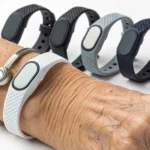
The 6 Best Fall Detection Bracelets for Seniors
May 21, 2026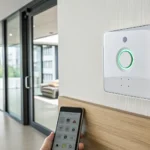
What Is a Monitored Alarm System & Is It Worth It?
May 25, 2026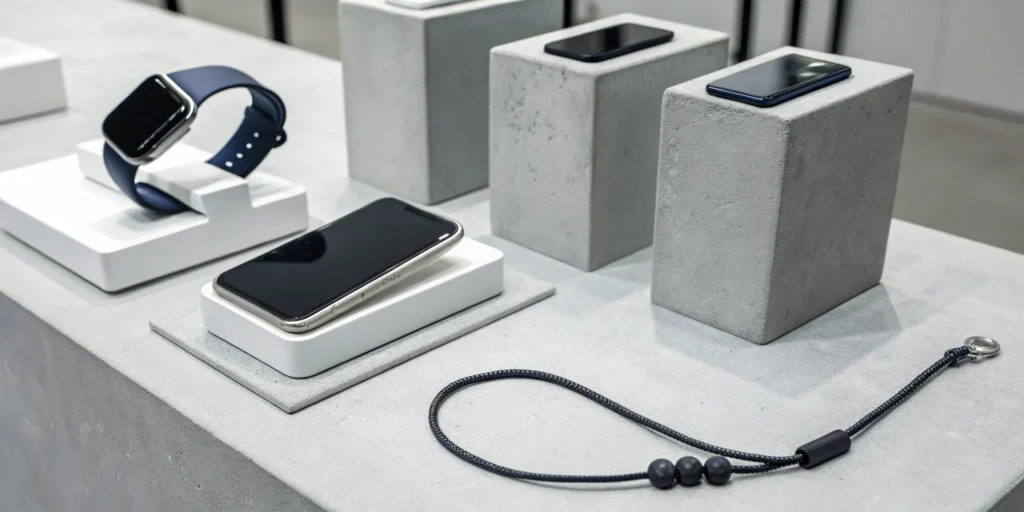
When you hear “medical alert system,” you might picture the old, clunky pendants from commercials years ago. But the technology has come a long way. Today’s devices are sleek, smart, and incredibly effective, designed to fit seamlessly into an active lifestyle. The most important innovation is automatic fall detection, a feature that uses advanced sensors to recognize a fall and immediately signal for help, even if you’re unable to press a button. This is a game-changer for senior safety. In this article, we’ll break down how this technology works, what features to look for, and how to compare the best fall detection devices so you can make an informed choice for yourself or a family member.
Key Takeaways
- Choose a system based on lifestyle: Decide between an in-home system for someone who spends most of their time at home and a mobile GPS device for an active person on the go. This ensures the protection matches their actual daily routine.
- Focus on the most critical features: The best device will have 24/7 professional monitoring, be waterproof for use in the shower, and be comfortable enough to wear all day. These features are essential for reliable, round-the-clock safety.
- Plan for the investment and technology: A dedicated medical alert device is specifically designed for safety and is more reliable than a standard smartwatch. Expect both a one-time equipment fee and a monthly monitoring subscription for this service.
What Is a Fall Detection Device?
A fall detection device is a smart, wearable piece of technology designed to automatically call for help if you fall. Think of it as an intelligent safety net. While many of us are familiar with medical alert buttons that you have to press, fall detection takes it a step further. It uses built-in sensors to recognize the sudden, jarring motion of a fall and immediately alerts a 24/7 monitoring center, even if you are unable to move or speak. This is a critical feature, as getting help quickly after a fall can make a significant difference in recovery.
For many seniors in South Carolina who want to maintain their independence at home, these devices offer incredible peace of mind. Whether you live alone in Greenville or have family checking in on you in Anderson, knowing that help is always on standby provides a sense of security. These systems are more than just gadgets; they are a proactive way to stay safe. Instead of simply reacting to an emergency, they actively monitor for one. This technology empowers older adults to continue living confidently in the homes they love, knowing that a dedicated team is ready to respond the moment they are needed.
How Does the Technology Work?
The magic behind fall detection lies in tiny, sophisticated sensors called accelerometers and gyroscopes. These are the same sensors in your smartphone that flip the screen when you turn it sideways. In a fall detection pendant or watch, they constantly measure your movement, speed, and orientation. When the device senses an abrupt, high-impact change that matches the pattern of a fall, it triggers an alert. The device will then automatically connect to a professional monitoring center, where a trained operator can speak to you through the device, assess the situation, and dispatch emergency services to your home if needed. This automatic fall detection is the key, as it works without you ever having to push a button.
How Accurate Is Fall Detection?
It’s important to have realistic expectations about the technology. While incredibly advanced, no fall detection system is 100% perfect. Most high-quality devices have an accuracy rate between 80% and 95%, meaning they successfully detect the majority of falls. Occasionally, a device might trigger a false alarm if it’s dropped, or it might miss a slow, sliding fall (like slumping out of a chair). This is why every fall detection device also includes a manual help button you can press anytime. Research also suggests that pendants worn on the chest are often more accurate than wrist-worn devices, as they are closer to your body’s center of gravity.
Key Features to Look For in a Fall Detection Device
When evaluating options, you can see our detailed breakdown of fall detection features to understand what matters most for safety and usability.
When you start looking at fall detection devices, you’ll quickly see there are many options out there. While they all share the same basic goal, their features can vary quite a bit. Choosing the right one isn’t just about the technology; it’s about finding a device that fits seamlessly into your or your loved one’s daily life. The best system is one that is worn consistently and works reliably when you need it most.
To help you compare your options, let’s walk through the most important features to consider. Thinking about these five key areas will give you a solid framework for deciding which device offers the right blend of safety, convenience, and peace of mind for your family here in South Carolina. From GPS tracking for active adults to waterproofing for safety at home, each feature plays a vital role in creating a dependable safety net.
GPS and Location Services
For anyone who enjoys an active and independent lifestyle, GPS is a non-negotiable feature. If a fall happens outside the home, whether you’re gardening, walking the dog around your neighborhood in Greer, or running errands in Greenville, GPS allows the monitoring center to pinpoint your exact location. This is critical because a fall can be disorienting, and you may not be able to describe where you are. Reliable GPS tracking ensures that help can be sent directly to you, without any guesswork or delay. It provides the freedom to continue your daily activities with confidence, knowing you’re protected wherever you go.
Battery Life and Charging
A fall detection device is only effective if it has power. That’s why battery life is such a practical and important feature to check. Look for devices that can last for multiple days on a single charge, so you aren’t tethered to a charging station. Many modern mobile pendants can last up to three or even five days, and they typically only take a few hours to fully recharge. This long battery life means you can wear the device day and night, which is essential for round-the-clock protection. A simple charging routine, like placing it on the charger each night before bed, can ensure it’s always ready.
Comfort and Wearability
A medical alert device can’t protect you if it’s sitting on a dresser. Comfort is perhaps the most critical factor for ensuring the device is worn consistently. The best options are lightweight, discreet, and designed for all-day wear. Whether it’s a small pendant that can be tucked under a shirt or a modern smartwatch-style device, it shouldn’t feel bulky or burdensome. When choosing a system for a loved one, ask yourself: Is this something they will realistically wear every day? Finding a comfortable fit is key to making fall detection a natural and effortless part of their safety plan.
Waterproofing
Many serious falls happen in the bathroom, where wet surfaces create a significant hazard. Because of this, it is essential to choose a device that is waterproof or at least highly water-resistant. This feature allows you to wear your pendant or wristband directly into the shower or bath, providing uninterrupted protection in one of the most high-risk areas of the home. You shouldn’t have to take off your device and sacrifice your safety just to bathe. When comparing your medical alert system options, make sure waterproofing is on your checklist, as it closes a common and dangerous gap in protection.
24/7 Monitoring and Response Time
When a fall occurs, every second matters. That’s why a professionally monitored system is so important. These systems connect directly to a 24/7 call center staffed by trained emergency operators. Once a fall is detected, an agent will immediately attempt to speak with you through the device’s two-way speaker. They can assess the situation, comfort you, and dispatch local emergency services in Anderson or Spartanburg if needed. They also alert your designated family contacts. Top-tier monitored systems have an average response time of less than a minute, ensuring you get the fast, expert help you need right away.
Choosing Between In-Home and Mobile Fall Detection Systems
Choosing the right fall detection system really comes down to one thing: lifestyle. Where does your loved one spend most of their time? Answering this question is the first step to finding a solution that fits their daily routine and gives everyone peace of mind. The two main categories are in-home systems, which are designed to work within the house, and mobile systems, which offer protection anywhere you go. Let’s look at the key differences to help you decide which path is the best fit for your family.
In-Home Systems: Protection Within Your Walls
In-home systems are a classic and reliable choice for anyone who spends the majority of their day at home. These setups typically include a base station that plugs into a wall and connects to our 24/7 monitoring center, plus a lightweight, waterproof pendant or wristband. Your loved one can press the button on their wearable to call for help from anywhere in their home or yard, within the system’s range. This option is perfect for seniors who enjoy their independence at home and want the reassurance of immediate assistance without needing coverage on the go. It’s a straightforward, effective way to keep them safe in their most familiar environment.
Mobile Systems: Safety on the Go
If your loved one is an active adult who loves getting out of the house, a mobile system is the way to go. Whether they’re volunteering in Greenville, meeting friends for lunch in Clemson, or just running errands, a mobile device provides protection beyond the front door. These all-in-one units are portable and use cellular service and GPS tracking to pinpoint their location if they need help. Because they are designed to be worn daily, they are lightweight and discreet. The main trade-off is that they require regular charging, much like a cellphone. For active seniors, this small step is well worth the freedom and security it provides.
Comparing Your Fall Detection Options
Once you start looking at fall detection devices, you’ll notice they come in a few common styles. Each one is designed for a different lifestyle, so thinking about your loved one’s daily routine is the best way to narrow down the choices. Do they spend most of their time at home, or are they always out and about in the community? Are they comfortable with new technology, or do they prefer something simple and straightforward? Let’s walk through the main types of systems so you can find the perfect fit for your family.
All-in-One Mobile Pendants
For active adults who enjoy getting out of the house, an all-in-one mobile pendant is often the perfect solution. These small, lightweight devices are worn around the neck and work anywhere with a cellular signal, whether you’re gardening in the backyard or visiting friends across town in Greenville. Because they have built-in GPS and fall detection, they offer a complete safety net in a single, portable package. If a fall occurs, the device automatically connects to a monitoring center, giving both the user and their family incredible peace of mind. Many of today’s best medical alert systems come in this convenient, all-in-one format.
Smartwatch-Style Devices
If your loved one prefers a more discreet and modern look, a smartwatch-style device is an excellent choice. These devices offer a modern approach to fall detection by packing safety features into a stylish watch that looks just like the popular tech wearables you see everywhere. In addition to automatic fall detection, many include features like a heart rate monitor, step tracker, and an easy-to-press SOS button. With a long-lasting battery and a familiar design, a smartwatch makes personal safety feel less like a medical necessity and more like a part of a connected, active lifestyle. It’s a great option for anyone who values both function and fashion.
In-Home Base Station Systems
For individuals who spend most of their time at home, an in-home base station system provides reliable and powerful protection. This setup includes a central base station that plugs into a wall and a lightweight, waterproof help button worn as a pendant or wristband. These systems are known for their exceptional range, covering the entire house and even the immediate yard. The base station features a large, easy-to-find help button and a sensitive speaker for clear, two-way, hands-free communication with the monitoring center. This ensures that even if a fall happens in another room, help is just a button press away.
Why a Professionally Monitored System Matters
While some devices can be programmed to simply call a family member, a professionally monitored system offers a much higher level of security. When a fall is detected, these systems automatically connect to a 24/7 emergency call center staffed by trained professionals. A live agent will immediately speak to the user through the device’s two-way speaker to assess the situation. They can determine the severity of the event and dispatch local emergency services, like paramedics or the fire department, if needed. They also notify family members according to a pre-set plan. This ensures your loved one gets immediate, appropriate help, which is a critical part of choosing the best option for their safety.
Smartwatch vs. Traditional Pendant: Which Works Better?
One of the most common questions when choosing a fall detection device is whether a smartwatch or a traditional pendant provides better protection. Both have distinct advantages, and the right choice depends on your lifestyle, comfort, and safety priorities. Below is a side-by-side comparison to help you decide.
| Feature | Traditional Pendant | Smartwatch |
|---|---|---|
| Fall Detection Accuracy | Higher — worn at center of gravity, detects a wider range of falls | Moderate — may miss slower falls or slides |
| Battery Life | 30+ days (pendant battery) | 1–2 days (needs daily charging) |
| Ease of Use | Very simple — wear and forget, no apps or screens | Requires smartphone pairing and app management |
| 24/7 Professional Monitoring | Yes — built into the service | Depends on brand and setup |
| Waterproof for Shower | Yes (most models) | Water resistant, not always shower-safe |
| Cellular Dependency | Works with base station or cellular | Requires cellular plan and compatible smartphone |
| Monthly Cost | $20–$40 per month | $10–$15 + smartwatch cost ($200–$400+) |
For seniors who want the most reliable fall detection with minimal maintenance, a traditional pendant with professional monitoring is often the best choice. However, if you are already comfortable with wearable technology and prefer an all-in-one device, a smartwatch-style medical alert offers convenience. The ADP Smart Care GPS watch offers automatic fall detection with 24/7 monitoring, combining the best of both worlds in a wearable form factor.
Understanding the Costs of Fall Detection
If you are exploring your options, compare medical alert options available in South Carolina to find a solution that fits your budget and needs.
When you’re exploring fall detection options for yourself or a loved one, the price is naturally a big part of the conversation. It’s helpful to think of the cost in two parts: the initial price for the device and setup, and the ongoing monthly fee for the monitoring service. While it’s an investment, it’s one that brings incredible peace of mind, knowing that help is always just a button-press or an automatic detection away. Let’s break down what you can expect so you can plan with confidence.
Upfront Equipment and Setup Fees
The first cost you’ll typically see is for the physical device. This one-time equipment fee can range from around $149 to $199, depending on the provider and the type of system you choose. Some companies may also have a separate activation fee, which can be anywhere from $75 to $200, to get your service started. It’s always a good idea to ask about these charges upfront. At ADP, we believe in transparent pricing, so you’ll know exactly what you’re paying for from the very beginning, without any hidden surprises.
Ongoing Monitoring Service Costs
After the initial setup, you’ll have a recurring monthly fee for the monitoring service. Think of this as the subscription that keeps your device connected to a 24/7 emergency response center. For most medical alert systems, this service costs between $20 and $34 per month. If you add automatic fall detection, which we highly recommend for the extra layer of protection, you can expect to add about $10 to that monthly fee. This ongoing cost ensures that a trained professional is always ready to respond, day or night.
Will Insurance or Medicare Help Cover the Cost?
This is one of the most common questions we hear, and it’s an important one. Generally, Original Medicare (Parts A and B) does not cover the cost of medical alert systems or fall detection devices. However, there is some good news. Some private Medicare Part C plans, also known as Medicare Advantage, may offer benefits that help pay for these systems. Because coverage varies so much from one plan to another, the best step is to call your insurance provider directly to see what your specific plan covers.
Who Is a Good Candidate for a Fall Detection Device?
To explore your options, learn more about ADP’s medical alert monitoring options and find the right fit for your lifestyle.
Deciding if a fall detection device is the right choice for you or a loved one is really about gaining peace of mind. While these systems are often associated with seniors, the truth is they offer a vital layer of security for a wide range of people. The common thread is a desire for independence, backed by the reassurance that help is always available if needed. Think of it as a quiet partner, there to support an active and self-sufficient lifestyle without being intrusive.
Anyone with an increased risk of falling can benefit, whether that risk comes from age, a specific medical condition, or a temporary situation like recovering from an injury. These devices are designed for real life, providing a safety net for someone living alone, an active person managing a health concern, or an individual getting back on their feet after a hospital stay. It’s about empowering people to live confidently, knowing that a sudden fall won’t leave them isolated and unable to call for help. The goal is to catch a small problem before it becomes a big one, ensuring a quick response when it matters most.
Seniors Who Live Independently
For many seniors in South Carolina, living at home is a top priority. A fall detection device is a key tool that helps make aging in place a safe reality. With falls affecting about one in four older adults each year, having a plan is essential. A medical alert system with fall detection acts as an immediate connection to help, automatically signaling our monitoring center even if the person can’t press a button. This rapid response can prevent bigger problems down the road and gives both the user and their family confidence and peace of mind. It’s the perfect solution for maintaining a cherished independent lifestyle.
Individuals Recovering from Surgery or Illness
The road to recovery after a surgery or a serious illness can leave you feeling vulnerable. Your balance might be off, you may feel weaker than usual, or you could be adjusting to new medications. During this time, a fall detection device offers practical support, especially if you live alone. These personal emergency response systems provide a safety net, giving you the confidence to move around your home without the constant fear of what might happen if you fall. It’s a temporary aid that can make a huge difference in feeling secure as you regain your strength and get back to your normal routine.
Active Adults with Medical Conditions
Fall detection isn’t just for those who stay indoors. Many active adults manage medical conditions like vertigo, epilepsy, or low blood pressure that can cause sudden dizziness or loss of balance. A mobile fall detection device with GPS is a perfect fit for this lifestyle. Whether you’re gardening, taking a walk through your neighborhood in Anderson, or running errands in Greenville, the system travels with you. If a fall occurs, the built-in GPS tracking allows our monitoring team to pinpoint your exact location and send help right away. It ensures you can continue enjoying your favorite activities with an added layer of protection.
Understanding the Limitations of Fall Detection
Fall detection technology is a fantastic tool for maintaining independence and providing peace of mind for families across South Carolina. But like any technology, it has its limits. Understanding these limitations helps you choose the right system and use it effectively. It’s not about finding a flawless device, but about finding the most reliable one for your specific needs. Let’s clear up a few things so you can feel confident in your decision.
A Note on False Alarms and Missed Falls
It’s important to know that no fall detection system is 100% accurate. Sometimes, a device might trigger a false alarm if you drop it or make a sudden, jarring movement. On the other hand, it could occasionally miss a slow slide out of a chair or a fall from a seated position. While this might sound concerning, the best medical alert systems are engineered to minimize these issues. Experts agree it’s much better to have a false alarm than to miss a real emergency where help is needed. Our 24/7 monitoring team is always ready to check in, so a false alarm is simply a quick, reassuring conversation.
Clearing Up Common Misconceptions
One common point of confusion is where the device should be worn for best results. Pendants worn on the chest or torso tend to be more accurate than wrist-based devices because they are closer to your body’s center of gravity. Another misconception involves popular smartwatches. While some can detect “hard falls,” many real-world tumbles are slower slides or stumbles that these watches may not register. That’s why we recommend a dedicated medical alert system as your primary safety net. These devices are specifically designed to detect a wider range of falls and connect you directly to a professional monitoring center, ensuring you get help whenever you need it.
Integrating Fall Detection with Your Smart Home
A fall detection device is a powerful tool on its own, but it becomes even more effective when it’s part of a connected smart home ecosystem. Think of it as creating layers of protection. When your medical alert system works together with other smart devices, you create a comprehensive safety net that provides greater security for the user and more peace of mind for family members. This integration allows for faster, more informed responses during an emergency because every piece of technology is communicating. For example, a fall alert could automatically turn on lights to help first responders see, or send a notification to a family member’s phone through a dedicated app.
Modern home security systems are designed to be the central hub for all your safety devices. Instead of managing multiple apps and services, you can have one seamless system that connects your fall detection pendant, cameras, and sensors. At ADP Security, we specialize in creating these unified ecosystems, ensuring that every component works together perfectly to protect your loved ones in their Greenville, Anderson, or Spartanburg home. This approach simplifies daily use, reduces the chance of technical glitches, and makes it much easier for caregivers to stay informed and in control from anywhere.
Smart Speakers and Voice Commands
Smart speakers like Amazon Alexa or Google Assistant can serve as an important backup for getting help. If a fall occurs and your loved one is conscious but can’t reach their button, they can use a simple voice command to call 911 or a pre-programmed family contact. This hands-free activation is incredibly useful in situations where movement is limited. Setting this up is straightforward and adds another accessible way to signal for assistance, ensuring that help is never out of reach as long as they can speak.
Motion Sensors and Smart Lighting
Motion sensors, a standard feature in many security systems, can also play a role in senior safety. These sensors can be configured to detect a lack of movement in key areas of the home, like the living room or bedroom, for an unusual period. If the system notices prolonged inactivity when the person should be up and about, it can send an alert to a caregiver’s phone. This allows you to check in and make sure everything is okay. Smart lighting can also be linked to these sensors to automatically illuminate pathways at night, helping to prevent falls before they happen.
Video Cameras and Two-Way Communication
Indoor cameras can add a crucial layer of verification during a potential emergency. While respecting privacy is key, placing a camera in a common area like the kitchen or living room allows a designated family member to visually check in if a fall alert is triggered. This helps you quickly assess the situation and provide accurate information to first responders. Many modern systems also feature two-way communication, which lets you speak directly with your loved one through the camera or a base station, offering reassurance while help is on the way.
How to Choose the Right Device for Your Loved One
Selecting a fall detection device is a deeply personal decision. The best system is one that your loved one will actually wear and use, so it needs to fit their life, not the other way around. Think of this as a conversation, not just a purchase. Involving your family member in the choice gives them a sense of control and makes them more likely to embrace the technology. By considering their daily habits, comfort, and technical confidence, you can find a solution that provides security for them and peace of mind for you.
Match the Device to Their Lifestyle
The first step is to look at your loved one’s daily routine. Are they an active gardener who loves spending time outside, or do they primarily stay at home? This is the key difference between choosing a mobile GPS system versus an in-home one. Mobile devices are perfect for seniors on the go, offering protection whether they’re at the grocery store in Greenville or walking at a park in Anderson. In-home systems are connected to a base station and are a great fit for those who spend most of their time indoors. Since many falls happen in the bathroom or kitchen, make sure any device you choose is waterproof. These personal emergency response systems are designed to get help quickly after a fall or sudden illness, which is especially important for anyone living alone.
What to Expect from Setup and Day-to-Day Use
Once you’ve narrowed down the type of system, consider the practical side of things. A great starting point is to talk with your loved one’s doctor about their specific health needs. From there, think about usability. Is the device simple to charge? Are the buttons easy to press and understand? The goal is to find a device that feels like a natural part of their day, not a complicated chore. While no technology is flawless, most modern systems are highly reliable, and their accuracy is typically between 80% and 95%. Finally, check the connectivity requirements. You’ll want to confirm the device works reliably with the cellular service or landline at their home. A well-chosen system empowers seniors to live independently while reassuring family members that help is always just a button press away.
Related Articles
- ADP Smart Care — GPS Medical Alert Watch
- Medical Alert Systems — ADP Security
- 5 Best Medical Alert Systems in South Carolina
- GPS Medical Alert with Professional Installation
- Fall Detection Devices for Seniors — Key Features Guide
Frequently Asked Questions
Do pendants or smartwatches work better for fall detection? Pendants worn on the chest are generally more accurate because they are closer to the body’s center of gravity. However, modern smartwatch-style medical alert devices like the ADP Smart Care GPS Watch have improved significantly. Your choice should depend on which form factor you will wear consistently throughout the day.
Can a smartwatch replace a medical alert system? Consumer smartwatches offer basic fall detection, but they are not a replacement for a dedicated medical alert system. Professional monitoring centers provide 24/7 human response, dispatch emergency services, and notify family members — features that consumer smartwatches cannot match on their own.
How accurate is automatic fall detection? Accuracy varies by device type and placement. Chest-worn pendants are the most accurate, detecting up to 95% of falls. Wrist-worn devices are slightly less sensitive but continue to improve with newer sensor technology. No device is 100% accurate, which is why professional monitoring with two-way communication is important as a backup.
Will Medicare or insurance cover fall detection devices? Original Medicare does not typically cover medical alert systems or fall detection devices. However, some Medicare Advantage plans and private insurance policies may offer partial coverage or discounts. It is best to check with your specific insurance provider to understand what your plan covers.
What happens when fall detection is triggered? Who gets alerted? When a fall is detected, the device automatically sends a signal to a 24/7 professional monitoring center. A trained operator communicates through the device’s two-way speaker to assess the situation. If you need help or cannot respond, the operator dispatches emergency services and notifies your family contacts.
Do I need a smartphone for fall detection devices to work? Not typically. Most dedicated medical alert systems, including pendants and all-in-one mobile devices, work independently over cellular networks or through a base station connected to your home phone line or cellular backup. No smartphone is required for daily use, though some devices offer companion apps for family members.
How long do fall detection device batteries last? Battery life varies significantly by device type. Traditional pendants can last 30 days or more between charges, while smartwatch-style devices typically need charging every 1 to 2 days. In-home base stations have backup batteries that last for hours during a power outage.
Are fall detection devices waterproof for shower use? Most dedicated medical alert pendants are waterproof and rated for shower use, which is critical since bathrooms are one of the most common places for falls. Smartwatch-style devices are generally water resistant but may not be suitable for prolonged submersion. Always check the specific device’s IP rating before exposing it to water.