Comparing the Best Business Alarm Systems in Greenville SC
April 1, 2026
Greenville SC Smart Home Alarm Installation Buyer’s Guide
April 6, 2026
You’ve made the smart choice to go with a professional. Great move! But what actually happens on installation day? It’s so much more than a technician showing up with a drill and some boxes. A quality security camera installation is a thoughtful, step-by-step process designed to give you a system that’s reliable and perfectly suited to your property. From the first walkthrough to the final tutorial, you should feel confident and completely in the loop. We’ll break down exactly what a top-notch service in Greenville, SC involves so you feel totally prepared.
Key Takeaways
- Match the Camera to Your Mission: Your security system should solve your specific problems. Think through whether a reliable wired system or a flexible wireless one makes more sense, and prioritize features like remote access that give you practical control over your property.
- Invest in a Professional Setup: The best cameras are useless if they’re pointed at the wrong thing. Professional installation ensures strategic placement to cover vulnerabilities, eliminate blind spots, and guarantee your system works correctly from day one.
- Vet Your Installer Carefully: Choosing your installation partner is as critical as choosing the hardware. Look for a licensed and insured local expert, read detailed customer reviews, and ask pointed questions about their plan for your property before signing anything.
What Are My Security Camera Options in Greenville?
Choosing the right security cameras for your Greenville home or business can feel like a huge task. With so many types and features available, it’s easy to get overwhelmed. The key is to match the technology to your specific needs. Whether you’re protecting your family in Simpsonville or your storefront in Anderson, understanding the main categories of cameras will help you make a confident and informed decision. Let’s break down the most common options to find the perfect fit for your property.
Should I Choose Wired or Wireless Cameras?
One of the first decisions you’ll make is between a wired or wireless system. Wired cameras connect directly to a power source and a central recorder, offering a highly reliable and stable video feed that isn’t dependent on Wi-Fi strength. This makes them a fantastic choice for businesses or large properties where consistent coverage is critical.
Wireless cameras offer more flexibility in placement since they connect to your network via Wi-Fi. However, it’s important to remember that even wireless security cameras still need power, so they aren’t completely wire-free and will require a nearby outlet or frequent battery changes. For renters or homeowners who want a simpler installation, a wireless system can be an excellent starting point.
Systems That Record Without an Internet Connection
A common question I hear is, “What happens to my security cameras if my internet goes out?” It’s a valid concern, especially with South Carolina’s unpredictable weather. The good news is, you don’t have to lose your peace of mind just because your Wi-Fi is down. Many modern security systems are designed to continue recording without an active internet connection. These systems prioritize local storage, ensuring that every important moment is captured directly on-site. This means you can review footage later, whether your internet is working or not, giving you a truly reliable layer of protection.
The most dependable way to achieve this is with a system built around a Network Video Recorder (NVR) or a Digital Video Recorder (DVR). These devices act as the central hub for your cameras, saving all the video footage to a dedicated hard drive right in your home or office. Even if your internet service is interrupted, the cameras keep communicating with the recorder. Another great option, especially for remote areas or properties without broadband, are cellular security cameras. They operate on a 4G or 5G network, just like your phone, to transmit data, making them completely independent of your local Wi-Fi.
Covering All Angles with Indoor and Outdoor Cameras
A comprehensive security plan protects your property from the inside out. Outdoor cameras are your first line of defense. Built to withstand South Carolina’s heat and humidity, these cameras should be weatherproof and durable. They are designed to monitor entry points like doors, gates, and driveways.
Indoor cameras help you keep an eye on activity inside your home or business. You can monitor high-traffic areas, check on pets, or ensure employees are safe. Before you start shopping, it’s wise to have a clear idea of which specific features your system needs. Thinking through your property’s vulnerable spots will help you create a security camera layout that provides total coverage and peace of mind.
Beyond the Basics: Advanced Features for Businesses
Today’s security cameras do more than just record video. Many systems now come with powerful tools that can make protecting your business much easier. Key features to look for include AI-powered video intelligence, which can distinguish between people, vehicles, and animals to reduce false alarms. This is perfect for a busy commercial area in Greenville where you only want alerts that matter.
You’ll also want to consider storage. On-premises storage keeps your footage on a local device, while cloud storage saves it online for easy access. Many modern systems offer a hybrid approach, giving you both local reliability and remote flexibility. These advanced options transform your camera system from a passive recorder into an active security partner.
Key Performance Metrics: Resolution, Viewing Angle, and Range
When you’re comparing cameras, the technical specs can seem confusing, but they really boil down to how well the camera can see. The first metric is resolution. Think of this as image clarity. While 720p is considered high definition, 1080p is the modern standard, giving you a much sharper picture where you can make out important details. Next is the viewing angle, which determines how wide of a scene the camera can capture. A wider field of view is essential for monitoring large areas like a backyard or a parking lot, as it helps eliminate blind spots. Finally, consider the range—how far the camera can effectively see. Most cameras have a range of 30 to 100 feet, which is perfect for residential properties, but specialized options are available for businesses needing to monitor larger distances.
Continuous vs. Motion-Activated Recording
You also need to decide how your cameras will record footage. Many systems offer two main options: continuous and motion-activated recording. Continuous recording runs 24/7, capturing everything without a break. This is ideal for high-traffic commercial areas or any situation where you can’t risk missing a single moment. The trade-off is that it requires a significant amount of data storage. On the other hand, motion-activated recording only begins when the camera detects movement. This method saves a tremendous amount of storage space and makes it much easier to find specific events when reviewing footage. For most homeowners in the Upstate, motion-activated recording options provide the perfect balance of security and efficiency.
Keep an Eye on Your Business From Anywhere
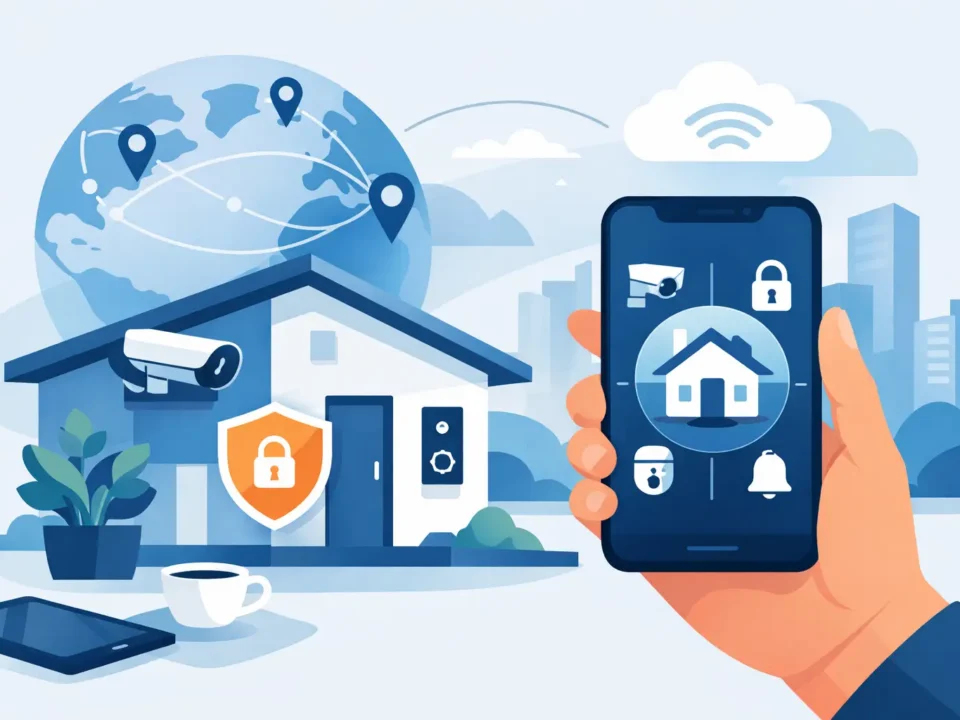
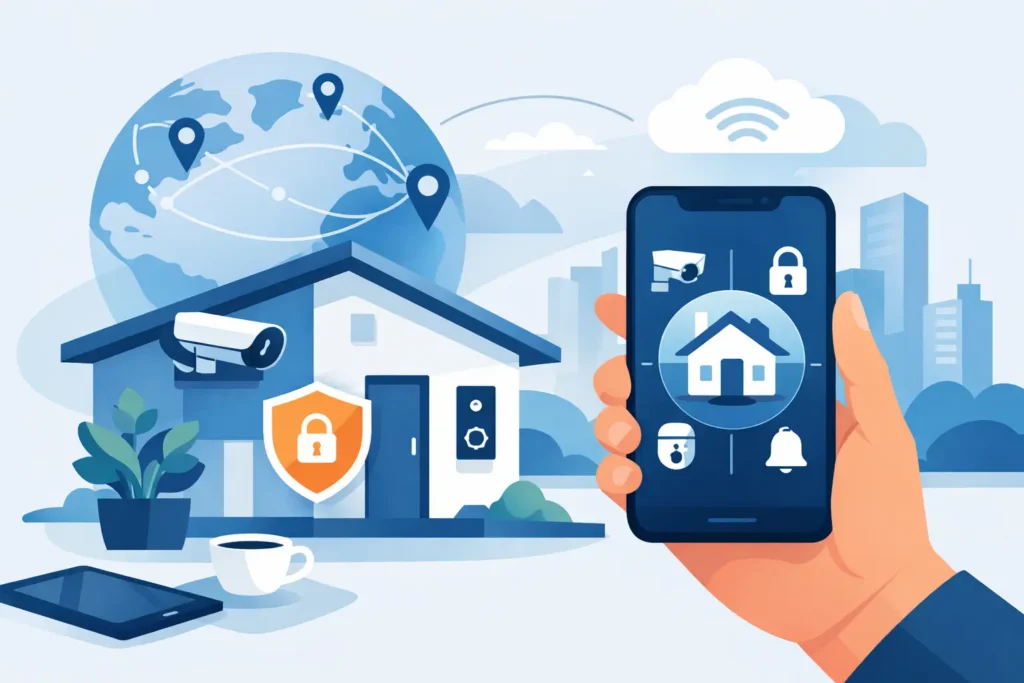
What good is a security system if you can’t see what’s happening? Modern business and home camera systems offer remote access solutions, allowing you to monitor your property from anywhere using a smartphone, tablet, or computer. This means you can check a live feed of your home while on vacation or view alerts from your business after hours.
This feature provides incredible peace of mind. You can receive instant notifications when motion is detected, watch recorded clips, and even use two-way audio to speak with someone at your door. For Upstate residents, this constant connection ensures you are always aware of what’s happening at your property, no matter where you are.
Compatibility with Popular Smart Home Brands
Your security camera system shouldn’t live on an island. For a truly connected and responsive home, you’ll want cameras that integrate smoothly with the smart devices you already use and love. Think about how powerful your security becomes when your Ring camera can trigger your smart lights to turn on at the first sign of motion, or when you can ask your Google Assistant to show you the front door feed. This level of smart home integration transforms your cameras from simple recording devices into active security partners that work together to protect your property.
Making sure all this technology communicates correctly is where professional installation really shines. An expert can ensure your new cameras work seamlessly with your existing ecosystem, whether it’s built around popular platforms like Google Nest, Ring, or Amazon Alexa. This eliminates the guesswork and frustration of trying to get different devices to talk to each other, which can be a major headache for a DIY setup. Here at ADP Security Systems, our local team specializes in designing and installing fully integrated systems for homeowners across the Upstate. We handle all the technical details to create a smart, cohesive security network that gives you total control and peace of mind.
Why Professional Security Camera Installation is Worth It
While it might be tempting to grab a DIY security camera kit from a big-box store, professional installation is one of the smartest decisions you can make for your home or business. Think of it this way: you can buy the best ingredients, but that doesn’t guarantee a gourmet meal. The same is true for security. The effectiveness of your system doesn’t just depend on the quality of the cameras; it hinges on strategic placement, correct configuration, and seamless integration.
A professional installer brings the expertise needed to design a system that truly covers your property’s unique vulnerabilities. They know how to avoid common mistakes, like creating blind spots or placing cameras where they can be easily tampered with. They also ensure every component works together flawlessly, from the cameras and wiring to the recording device and monitoring software. This expertise provides something a DIY kit can’t: the confidence that your system will perform exactly as it should when you need it most. Investing in a professional setup means you’re not just buying equipment; you’re investing in reliable, long-term peace of mind.
Stop Crime Before It Starts
One of the primary goals of a security system is to stop an incident before it even happens. The simple presence of professionally installed cameras is a powerful visual deterrent for potential intruders. A local expert knows how to map out the critical areas of your Greenville property that need constant monitoring. They’ll position cameras to cover entry points, vulnerable windows, and high-traffic zones without leaving glaring blind spots.
This strategic placement does more than just discourage criminals. It ensures that if something does happen, you have a clear view of the event. A professional considers factors like lighting conditions, camera angles, and field of view to maximize coverage and protect your home, family, or business assets around the clock.
The Impact of Visible Cameras on Crime Rates
It’s not just about feeling safer; it’s about actively making your property a less attractive target. The data backs this up, with some research showing that security cameras can significantly reduce crime. When a potential burglar cases a neighborhood, they are looking for the path of least resistance. A home or business with clearly visible, professionally installed cameras signals that the property is monitored and the risk of getting caught is high. This simple visual cue is often enough to make them move on to an easier target. It’s a proactive security measure that works by changing a criminal’s risk-reward calculation before they ever set foot on your property.
Using Local Crime Data to Assess Your Risk
Understanding your specific security needs starts with understanding your environment. You can get a clear picture of what’s happening in your area by looking at local crime data. Many local law enforcement agencies, like the Greenville County Sheriff’s Office, provide public crime maps that show recent incidents in your neighborhood. Are car break-ins common? Is package theft on the rise? This information is invaluable because it helps you identify your actual vulnerabilities. A local security expert can then use this knowledge to recommend specific solutions, like a doorbell camera to monitor your porch or a wide-angle camera covering your driveway, ensuring your system addresses the real risks you face.
Keep Your Team Safe and Accountable
For business owners in the Upstate, security cameras are about more than just protecting inventory. They are a critical tool for creating a safe and accountable work environment. A properly installed surveillance system helps protect your team from external threats and can provide clarity during internal disputes or workplace accidents. When everyone knows that key areas are being monitored, it naturally encourages a more professional and secure atmosphere.
Getting the job done correctly is key. A professional installer understands the nuances of commercial surveillance, including where to place cameras to be effective without infringing on employee privacy. They can help you build a system that not only secures your facility but also shows your team that their safety is a top priority.
Capture Crystal-Clear Evidence and Lower Your Risk
If a break-in, vandalism, or accident occurs on your property, fuzzy or poorly angled camera footage is practically useless. Professional installation ensures your cameras are configured to capture high-quality, clear evidence that can be crucial for law enforcement and insurance claims. Experts have the technical knowledge to optimize settings for resolution, frame rate, and nighttime recording, so you always get a usable image.
This is especially important for local businesses looking to reduce liability. Clear video evidence can be your best defense against fraudulent slip-and-fall claims or other disputes. A professional setup gives you a reliable, factual record of events, protecting your business from unfounded accusations and potential financial loss.
Lower Insurance Costs and See a Real ROI
Investing in a professionally installed security system often comes with a welcome financial perk: lower insurance premiums. Many insurance providers offer significant discounts to homeowners and businesses that have robust, monitored security systems in place. They recognize that these systems reduce the risk of theft, damage, and liability, which means fewer claims for them to pay out.
This discount can help offset the initial cost of the system, turning your security into an investment that provides a tangible return. When you speak with your insurance agent, be sure to mention your professionally installed system. It’s a smart financial move that adds another layer of value on top of the essential protection it provides for your property.
Understanding the Legal and Privacy Rules
Installing a security system is a fantastic step toward protecting your property, but it comes with a responsibility to be a good neighbor. It’s not just about where you can physically mount a camera; it’s about understanding the legal and ethical lines you shouldn’t cross. The core principle guiding camera placement is the “reasonable expectation of privacy.” This legal concept means you generally cannot record people in places where they would assume they are not being watched, like inside their home or a fenced-in backyard. While you have every right to monitor your own property, that right ends where your neighbor’s privacy begins.
Navigating these rules can feel tricky, which is another reason why working with a professional is so valuable. An experienced installer doesn’t just focus on the technical setup; they understand the local regulations and best practices for respectful surveillance. They can help you design a system that maximizes your security coverage while ensuring you aren’t infringing on anyone’s privacy. This expert guidance helps you avoid potential disputes with neighbors and ensures your system is both effective and compliant from the start, giving you true peace of mind.
Respecting Your Neighbor’s Privacy
Your goal is to secure your home, not to monitor your neighbors’ lives. Even with the best intentions, a camera placed to watch your driveway might inadvertently capture a view of your neighbor’s front window or backyard patio. This is where communication and consideration become key. Before your system is even installed, it’s a great idea to have a friendly chat with your neighbors. Let them know you’re getting cameras for security and reassure them that you’re being mindful of their privacy. A simple conversation can prevent misunderstandings and build trust, ensuring your new security system contributes to a safer—and friendlier—neighborhood for everyone.
Laws on Filming Private Property
While laws vary by state, they consistently protect areas where individuals have a reasonable expectation of privacy. For example, it is widely considered illegal to point a camera directly into a neighbor’s bedroom, bathroom, or a fully enclosed backyard. Think of it this way: if someone is in a space where they would feel comfortable being undressed, they have a high expectation of privacy that you cannot legally breach with a camera. However, filming your own front yard, which may incidentally capture the public street or sidewalk in front of your house, is generally permissible because there is no expectation of privacy in public view.
Using Digital Privacy Zones
Thankfully, modern technology offers a perfect solution for balancing security and privacy. Many high-quality security cameras, like the ones we install at ADP Security Systems, come with a feature called “digital privacy zones” or “privacy masking.” This tool allows you to digitally black out specific areas within the camera’s field of view. For instance, if your camera’s wide-angle lens captures a corner of your neighbor’s yard, you can simply draw a box over that section in the system’s software. That area will be permanently excluded from view and will not be recorded, ensuring you get the coverage you need without capturing anything you shouldn’t.
How Much Does Security Camera Installation Cost in Greenville?
Figuring out the cost of a security camera system isn’t as simple as picking a number. The final price depends entirely on your specific needs, whether you’re securing your family home in Greer or your business in downtown Greenville. The total investment is a combination of three main things: the equipment itself, the professional installation, and any ongoing services like monitoring.
While a basic DIY kit might seem cheap upfront, a professionally installed system is tailored to your property, ensuring there are no gaps in coverage and that every component works together flawlessly. Think of it less as a one-time purchase and more as a long-term investment in your peace of mind. To give you a clear picture of what to expect, let’s break down the costs you’ll encounter when setting up a security camera system in the Upstate. We’ll look at everything from the hardware to the labor, so you can create a realistic budget.
What to Budget for Cameras and Hardware
The hardware is often the most significant part of your initial investment. For a small business, a basic setup might start around $1,500, while comprehensive multi-site or enterprise deployments can be much more. For homeowners, the range is just as wide. A couple of simple wireless cameras will cost far less than a complete system with high-resolution cameras, a dedicated video recorder, and smart home integrations.
The price of individual cameras is influenced by their features. A 4K camera with color night vision and two-way audio will cost more than a standard HD model. The key is to match the equipment to your goals, not just to find the cheapest option. A security professional can help you decide where to invest in higher-end cameras and where a simpler model will do the job.
Typical Costs for Common System Sizes
While every property is unique, it’s helpful to have a general idea of what to budget. For a simple setup, like a single professionally installed camera watching your front door, you can expect to invest between $200 and $600. This range typically covers both the camera and the expert installation. A four-camera system is a popular choice for many Greenville homeowners. For that, a wireless package might run from $500 to $950, while a more reliable wired system often costs between $900 and $1,400, with the price difference reflecting the labor needed to run cables. For larger homes or businesses needing eight or more cameras, system costs generally start around $1,800 and go up from there. Keep in mind these are ballpark figures, but they should give you a solid starting point for planning.
What Are Typical Installation and Labor Fees?
Professional installation ensures your cameras are positioned correctly, wired securely, and configured to give you reliable coverage. On average, labor costs can range from $80 to $200 per camera, but this varies. The final price depends on the complexity of the installation, especially for wired systems that require running cables through walls and ceilings.
Factors like camera placement (a camera on a high roofline is harder to install than one over a doorway), the type of building material, and the time it takes to integrate the system with your network all play a role. While it might be tempting to save money with a DIY install, paying for professional labor means you can trust your system to work when you need it most.
Planning for Monitoring and Maintenance
Beyond the initial setup, you should also consider ongoing costs. Many people choose 24/7 professional monitoring, where a dedicated team is ready to respond to alerts and dispatch emergency services if needed. This monthly service provides an active layer of protection for your home or business. You may also have costs for cloud storage to save video footage or for periodic maintenance to keep your system running smoothly.
It’s helpful to view the cost of a security system as an investment, not just an expense. A professionally monitored system can deter crime, prevent loss, and may even qualify you for a discount on your homeowner’s or business insurance, helping to offset the cost over time.
Potential Hidden Costs to Consider
When you get a quote for a security system, it’s smart to ask what’s not included. The initial price for hardware and basic installation might not cover everything, and a few extra costs can pop up. For instance, if you want a camera placed where there isn’t a power outlet, you might need to pay for an electrician to install one. Similarly, if you want a clean, professional look with no visible wires, the extra labor for hiding cables will add to the final bill. Beyond the setup, think about ongoing expenses. Many systems rely on cloud storage to save your video clips, which usually comes with a monthly or annual subscription fee. Optional yearly maintenance plans can also be a factor, ensuring your cameras are always working perfectly. A trustworthy installer will be upfront about these possibilities so you can budget accurately from the start.
Cost Myths That Could Mislead You
There are a few common misconceptions about security camera costs that can lead to sticker shock or an inadequate system. One is that you only need one or two cameras to be secure. In reality, most properties have multiple entry points and blind spots that require strategic camera placement for full coverage. A professional site assessment is the only way to know for sure how many cameras you truly need.
Another myth is that DIY installation is just as good as professional service. While you might save on labor, you risk improper setup, poor camera angles, and unreliable performance. A professional installer not only handles the physical work but also ensures your system is optimized for your property’s unique layout and your specific security goals.
Understanding “Free Installation” Offers
You’ve probably seen the ads: “Free Installation!” It sounds like an unbeatable deal, but it’s smart to approach these offers with a healthy dose of curiosity. Often, “free” doesn’t mean without cost; it means the price of installation has been bundled into something else, like a higher monthly monitoring fee or a mandatory long-term contract. Some companies use this tactic to lock you into their service for years, and the total amount you pay over the contract period can be significantly more than if you had paid for the installation upfront. Before you sign, always ask for a detailed breakdown of costs. A transparent company will have no problem explaining exactly what you’re paying for and what’s included in your agreement.
Do You Own or Rent Your Equipment?
This is one of the most important questions to ask a potential security provider, but it’s one that many people overlook. Some companies, especially large national brands, lease the equipment to you as part of your monthly service. If you decide to cancel your service or move, you may have to return the cameras, sensors, and control panel, leaving you with nothing. On the other hand, when you own your equipment outright, it’s a permanent asset for your home or business. You have the freedom to choose your monitoring service and take the system with you if you relocate. Working with a local Greenville expert often means you get clear answers on ownership, ensuring your investment truly belongs to you.
How to Save Money on Your Security System
Getting the best value for your security system isn’t about finding the cheapest option; it’s about making smart, informed decisions that give you reliable protection without breaking the bank. The best way to start is by getting several detailed quotes from different local installers. This allows you to compare not just the final price but also the quality of the equipment and the scope of the installation plan. A reputable provider will give you an itemized proposal that clearly explains the cost of each camera, the recorder, and the labor involved, so you can see exactly where your money is going and ensure you’re getting a fair deal for your property.
Another key strategy is to focus on what you truly need. It’s easy to get excited about the latest high-tech features, but you can save a lot by prioritizing the tools that solve your specific security challenges. Do you need 4K resolution in every location, or will a standard HD camera suffice for certain areas? By working with a professional to design a system tailored to your property’s vulnerabilities, you can avoid paying for unnecessary extras. A well-designed system is an investment that not only helps prevent crime but also provides lasting peace of mind, making it one of the most valuable additions to your home or business.
How to Choose the Best Security Camera Installer in Greenville
Finding the right person to install your security cameras is just as important as picking the right equipment. A great installation ensures your system works flawlessly from day one, covering all the right angles without any frustrating blind spots. For homeowners in Greer or business owners in Spartanburg, making the right choice means finding a professional who understands your specific security needs. Let’s walk through how to find a reliable installer here in the Upstate.
The Advantage of Hiring a Local Installer
When it comes to your family’s or business’s safety, you want a partner, not just a provider. Choosing a local Greenville installer means you’re getting someone who is invested in our community. They understand the specific security challenges we face and can offer tailored advice. Plus, when you need service or have a question, help is just a short drive away, not a call to a national center. A local expert can help you avoid common misconceptions about security systems that often lead to gaps in coverage, ensuring your property is truly protected. They’re your neighbors, and their reputation depends on keeping you safe.
What to Look For in a Security Camera Installer
A top-notch installer does more than just mount cameras on a wall. They are security strategists. The best professionals start by walking your property with you to understand your concerns and identify vulnerable spots. They know that improper camera placement is one of the biggest mistakes, leading to blind spots or footage that isn’t useful. A great installer will design a custom layout, mapping out critical areas to ensure every important angle is covered. They have deep technical knowledge of different camera types and can recommend the right equipment for your specific lighting, environment, and goals, whether you’re monitoring a stockroom in Anderson or a driveway in Simpsonville.
Warranties, Guarantees, and Support
Your security system is a long-term investment, so the support you receive after installation is just as important as the quality of the initial setup. A reputable installer will stand behind their work with solid warranties. Look for a company that offers a multi-year warranty on all hardware, including cameras and recorders, which protects you if a component fails. Even more important is a warranty on the installation labor itself. Some of the best companies offer a lifetime warranty on their workmanship, giving you complete confidence that the wiring and connections are solid. Finally, ask about ongoing technical support. You want a local partner who will be there to answer questions or troubleshoot issues down the road, ensuring your system always performs at its best.
Installation Timelines
The time it takes to install a security system can vary quite a bit, so it’s helpful to have a realistic expectation. A simple wireless setup with a few cameras might only take a couple of hours. However, a more complex wired system for a large home or business could take a full day or even longer. The final timeline depends on several factors, including the number of cameras, the type of building construction, and the complexity of running cables through walls, attics, or ceilings. A professional installer will always provide a clear time estimate after your initial consultation. While it might require blocking out a day, remember that this time is an investment in a secure, reliable system that is installed correctly the first time.
Checking Reviews and Verifying Credentials
Doing your homework on a potential installer is crucial. When you look at customer reviews, go deeper than the star rating. Look for comments that describe the entire experience. Did the technicians arrive on time? Were they professional and respectful of the property? How did they handle post-installation support? These details paint a much clearer picture. It’s also smart to check for proper credentials. A reputable company should be fully licensed and insured. You can often verify this through state licensing boards or by checking their profile with the Better Business Bureau. This step gives you confidence that you’re working with a legitimate and accountable professional.
Key Questions to Ask Any Potential Installer
Before you commit, have a list of questions ready. This helps you compare different providers and ensures there are no surprises down the road. Start by asking them to explain why they are recommending specific equipment for your needs. A good installer should be able to justify their choices clearly. Ask about the installation process itself, including the timeline and what to expect. It’s also important to clarify practical details, like how so-called “wireless” cameras are powered, as most still require a power source. Don’t forget to ask about warranties on both the equipment and their labor, as well as any available maintenance or ongoing support plans.
Your Security Camera Installation: What to Expect
So you’ve decided on professional installation. Great choice! But what does that actually look like? It’s much more than just a technician showing up with a drill and some cameras. A quality installation is a thoughtful process from start to finish, designed to give you a security system that’s reliable, easy to use, and perfectly suited to your property. From the first walkthrough to the final handshake, you should feel confident and informed. Let’s walk through the key steps so you know exactly what a top-notch service experience involves and can feel prepared for installation day.
First, a Custom Plan for Your Property
Everything starts with a detailed, on-site consultation and a comprehensive property walkthrough. Rather than selling generic, off-the-shelf hardware, local experts design tailored solutions. At ADP Security Systems—headquartered right here at 525 Woodruff Rd, Greenville, SC 29607—our 30-year owner-operator OK Smith III and our factory-trained technicians provide professional, personalized on-site security assessments. Our team walks your property with you to design a high-performance layout for both commercial security camera systems and advanced home security systems. During this assessment, we map out strategic camera placements, identify lighting challenges, and ensure complete coverage with zero blind spots.
When engineering your custom security camera installation in Greenville, SC, a professional plan should address the following critical elements:
- Strategic Coverage & Placement: Positioning high-definition outdoor cameras (including weatherproof 4K/8MP IP cameras) to monitor primary entryways, driveways, loading docks, and vulnerable windows while respecting privacy rules.
- Intelligent Analytics & Recording: Determining whether your business or home requires continuous 24/7 NVR recording or motion-activated recording, and implementing AI-powered video analytics to reduce false alerts.
- Hardware & Platform Integration: Configuring local storage, mobile app remote access, and seamless integration with existing systems like commercial access control, fire alarms, or 2GIG GC3 smart home automation hubs.
After completing the walkthrough, our local team provides a transparent, no-obligation plan and quote backed by direct owner accountability, ensuring your South Carolina property is fully prepared and protected.
Getting the Technical Details and Compliance Right
This is where professional expertise really makes a difference. A skilled technician handles all the technical details to ensure your system is robust and reliable. This includes finding the optimal placement for each camera to get the clearest view, running wiring discreetly, and configuring the network for stable video streaming. For local businesses, it also means making sure your system meets any industry-specific compliance standards. A professional installation ensures everything from reliable networking to proper recording policies are handled correctly, giving you a system that not only works but also holds up when you need it most.
Seamlessly Integrating with Your Current System
Your security cameras shouldn’t operate in a silo. If you already have a security system, smart locks, or an access control system, a professional installer will make sure everything works together in harmony. Before you even begin, it’s important to have a clear idea of which specific features you need so your new cameras can enhance what you already have. For example, they can configure your system so that a motion alert from a camera can trigger your exterior lights or send a notification directly to your alarm monitoring service. This integration creates a smarter, more responsive security ecosystem for your property.
Beyond Cameras: Comprehensive Smart Home Integration
A truly modern security system does more than just record what happens—it actively responds to it. Imagine your outdoor camera detecting motion in the driveway after dark. Instead of just sending you an alert, it can automatically turn on your porch lights, lock the back door, and even adjust your smart thermostat. This level of automation is where a professional installer’s expertise really shines. They can help you create a truly connected home where your security cameras are the intelligent eyes of a larger smart home ecosystem. This seamless integration makes your daily routines easier and your home significantly more secure, turning individual devices into a smart, responsive network that works together to protect your property.
Building a System That Grows With Your Business
A great security system should grow with you. During the planning phase, a good installer will talk to you about your future needs. They’ll recommend a system that is scalable, meaning you can easily add more cameras or upgrade components down the road without a complete overhaul. This forward-thinking approach saves you money and hassle over time. Modern systems also offer powerful features like remote access solutions, allowing you to monitor your property from anywhere on your smartphone. By planning for the future, you’re investing in a solution that will protect your home or business for years to come.
Related Articles
- Commercial Fire Alarm Installation Greenville SC: A Guide
- Your Guide to Commercial Burglar Alarms in Greenville SC
- ADP Security Systems | Trusted SC Security Experts
Frequently Asked Questions
“Wireless” cameras still need wires, right? What’s the real difference? That’s a great question, and yes, you’re right. Most “wireless” cameras still need to be plugged into a power outlet. The “wireless” part refers to how they transmit video data, which they do over your Wi-Fi network. A truly wired camera uses a physical cable for both power and its video connection. This creates an incredibly stable and reliable signal that isn’t affected by Wi-Fi strength, making it a top choice for businesses or larger properties.
Is professional installation really that much better than doing it myself? It absolutely is. While a DIY project can seem like a good way to save money, a professional brings security strategy to the table. They know exactly how to place cameras to avoid critical blind spots and ensure the viewing angles will capture useful evidence if an incident occurs. They also handle all the technical configuration to make sure your system is secure and works flawlessly. It’s the difference between just having cameras and having a truly effective security solution.
Can you give me a ballpark cost for a security camera system? Because every home and business is unique, a one-size-fits-all price doesn’t really exist. The final cost depends on several factors, including the number and type of cameras you choose, the complexity of the installation, and whether you add services like 24/7 professional monitoring. The best way to get an accurate number is to schedule a professional site assessment, which will result in a quote tailored specifically to your property.
How do I know if an installer is trustworthy? Start by looking for a local company with a strong reputation right here in the Greenville community. Read customer reviews carefully, paying attention to comments about professionalism, punctuality, and post-installation support. A trustworthy installer will always be fully licensed and insured, and they should be able to clearly explain why they recommend certain products and placements for your specific security goals.
What happens during the installation appointment? A quality installation is a complete process, not just a quick task. It begins with a thorough site assessment where a professional walks your property with you to create a custom plan. On installation day, the team will expertly mount and wire the cameras, connect them to your network, and integrate them with any other security devices you have. Before they leave, they will make sure you know how to use your new system, including how to view live video and access recordings from your phone or computer.