Fire Alarm Inspections: What You Need to Know
April 8, 2026
How to Choose the Right Security Camera System
April 10, 2026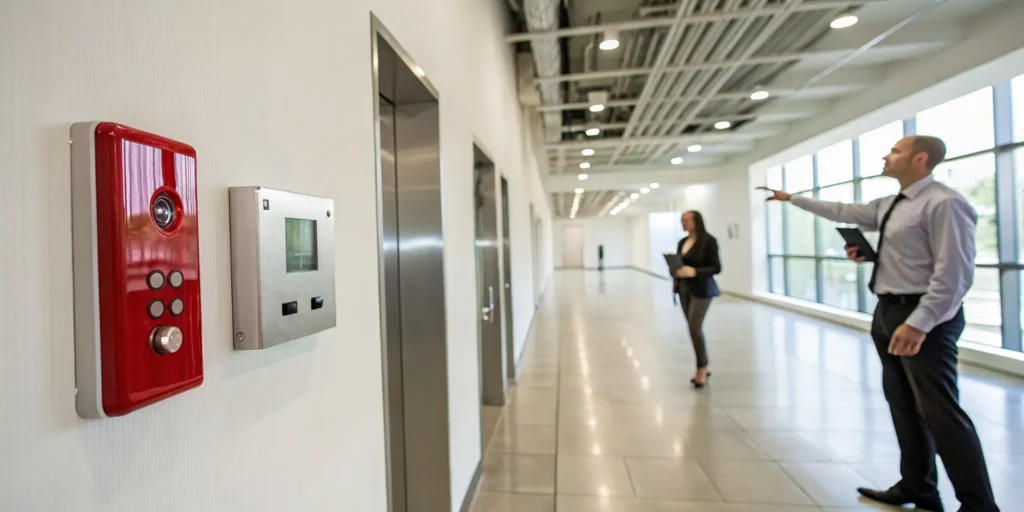
When it comes to fire safety, what works in another state might not meet the standards here at home. South Carolina has its own specific set of rules, adopted from national standards like NFPA 72 but enforced with local oversight. For business owners in the Upstate, this means compliance is a local issue. Your system will be inspected by a local fire marshal who expects it to meet every detail of the South Carolina commercial fire alarm code requirements. This guide is written from that local perspective, helping you understand the state-specific rules that apply directly to your facility, so you can be confident your protection is up to par.
Key Takeaways
- Follow South Carolina’s specific fire codes: Your business must adhere to state-level regulations, which are based on national standards like NFPA 72. Compliance isn’t just a best practice; it’s a legal requirement enforced by your local fire marshal.
- Install a complete life-safety system: A compliant fire alarm is more than just smoke detectors. It must include manual pull stations, alarms with both sound and strobe lights, 24/7 professional monitoring, and integration with your HVAC system to control smoke during a fire. A commercial fire alarm monitoring service ensures your system is watched 24/7.
- Commit to regular testing and inspections: Your system requires consistent upkeep to work correctly and stay compliant. This means performing monthly checks and scheduling a mandatory professional inspection every year, while keeping detailed records for officials.
What Are South Carolina’s Commercial Fire Alarm Codes?
If you own a business in South Carolina, from a small shop in Greenville to a larger facility in Spartanburg, fire safety isn’t just a good idea, it’s the law. Understanding the specific fire alarm codes can feel like a huge task, but it boils down to one key principle: keeping people safe. These regulations ensure that if a fire ever breaks out, everyone inside has the earliest possible warning to get out safely, and emergency services are dispatched immediately.
Unlike some regulations that are set at a federal level, fire safety is managed much closer to home. South Carolina has its own set of rules that are designed to meet the unique needs of our communities. These codes dictate everything from what kind of fire alarm system you need to where smoke detectors and pull stations must be placed. Staying compliant protects your employees, your customers, and your investment, while also keeping you on the right side of your local fire marshal. It’s about creating a secure environment where your team can work and your customers can visit without worry. Think of it less as a checklist of rules and more as a foundational part of your business’s safety plan. Getting it right from the start saves you from potential fines, business interruptions, and the devastating consequences of a fire.
State vs. Federal: Who Sets the Rules?
When it comes to fire safety, South Carolina calls the shots. The state adopts and enforces its own specific codes, which were most recently updated on January 1, 2023. The two main documents you need to know about are the 2021 South Carolina Building Code and the 2021 South Carolina Fire Code. These aren’t just suggestions; they are the legal standards for fire protection in every commercial building across the state. Chapter 9 of the building code is dedicated entirely to fire protection and life safety systems, showing just how critical these measures are. Because the rules are state-specific, working with a local security expert who understands the nuances of South Carolina’s requirements is the best way to ensure your business is fully protected and compliant.
Does Your Business Need to Comply?
The short answer is almost certainly yes. South Carolina regulations are clear that commercial buildings must have a fire alarm system that is professionally monitored around the clock. This isn’t a system that just makes a loud noise; it must automatically send a signal to a third-party monitoring center, like ours at ADP, the moment an alarm is triggered. This ensures the fire department is on its way, whether you’re there or not. For most businesses, this means installing an NFPA 72-compliant system that includes both automatic smoke detectors and manual pull stations in key areas like hallways, stairwells, and near exits. The goal is to create a reliable network that provides early detection and gives everyone a clear path to safety.
Key Components of a Compliant Fire Alarm System
When you think about a fire alarm, you might picture a simple smoke detector on the ceiling. But a commercial fire alarm system that meets South Carolina’s codes is a far more sophisticated ecosystem. It’s a network of devices designed to detect a fire, alert everyone in the building, and notify emergency responders automatically. Each component plays a critical role in protecting your property and the people inside. Understanding these parts helps you see your system not just as a requirement, but as an active life-safety solution for your Upstate business.
Manual Pull Stations & Automatic Detectors
A compliant system gives you more than one way to sound the alarm. It requires both manual and automatic methods for fire detection. Manual pull stations, those familiar red boxes on the wall, allow anyone who spots a fire to trigger the alarm immediately. At the same time, automatic detectors (like smoke and heat sensors) stand guard in case a fire starts unnoticed. South Carolina’s Code of Regulations specifies that facilities must have a system that includes these manual and automatic features. This dual approach ensures there are no gaps in detection, providing a crucial layer of protection whether your building is full of people or completely empty.
Alarms, Horns, and Strobe Lights
Once a fire is detected, the system’s job is to make sure everyone knows it’s time to evacuate. This is where notification appliances come in. It’s not enough to just have a loud horn; your system must also include visual alerts. To accommodate everyone, including individuals with hearing impairments, state rules require that all notification devices be combination units with both an audible alarm and a visual strobe light. This ensures your alert is both seen and heard, clearing up any misinformation about fire alarm systems that suggests one type of alert is sufficient. It’s an essential part of making your building safe and accessible for every employee and visitor.
24/7 Professional Monitoring
A local alarm that only makes noise inside your building is only doing half the job. For true protection, your fire alarm system must be connected to a 24/7 professional monitoring service. This means that the moment your alarm is triggered, a signal is sent to a central station where trained professionals are ready to dispatch the fire department to your Greenville or Spartanburg location immediately. This is a core requirement outlined in NFPA 72, the national code adopted by South Carolina. Continuous monitoring ensures a rapid emergency response, even if a fire breaks out after hours, giving you peace of mind that your property is always protected. It’s also a key part of passing required fire alarm system inspections.
HVAC Shutdown and System Controls
One of the greatest dangers in a fire isn’t the flames, but the smoke. A modern fire alarm system is smart enough to help contain it. When an alarm is triggered, the system must automatically integrate with your building’s HVAC (heating, ventilation, and air conditioning) controls. According to state regulations, the system is required to shut down central air and any outside air units that serve the affected area. This simple but critical function prevents the HVAC system from fanning the flames or, more importantly, circulating toxic smoke throughout the entire building. It’s a life-saving feature that helps keep evacuation routes clearer and safer for everyone inside.
How NFPA Standards Affect SC Fire Codes
When it comes to fire safety, South Carolina doesn’t reinvent the wheel. Instead, our state looks to the National Fire Protection Association (NFPA), a leading authority on fire, electrical, and building safety. The NFPA develops standards that are recognized and respected across the country. Think of them as the foundational playbook for safety.
South Carolina’s fire codes are built directly on this playbook. By adopting these national standards, the state ensures that businesses in Greenville, Spartanburg, and across the Upstate are protected by systems that meet rigorous, time-tested requirements. This approach creates a clear, consistent set of rules for everyone, from building designers to the technicians who install and inspect your fire alarm system. Understanding this connection is key to making sure your business is not just compliant, but truly safe.
The Role of NFPA 72
At the heart of commercial fire alarm regulations is NFPA 72, also known as the National Fire Alarm and Signaling Code. This document is the definitive guide for your system. It outlines the minimum requirements for everything from the initial installation and performance to the ongoing inspection, testing, and maintenance schedules. Following NFPA 72 ensures your smoke detectors, pull stations, and notification alarms work together reliably when you need them most. It’s the standard that professionals use to design and maintain a system that effectively protects your property and the people inside it.
Connecting with the SC Building Code
So, how does a national standard like NFPA 72 become law here in South Carolina? It happens through the official state building codes. The 2021 South Carolina Building Code directly references and incorporates NFPA standards, especially within Chapter 9, which is dedicated entirely to fire protection and life safety systems. This means that complying with NFPA 72 isn’t just a best practice; it’s a legal requirement for your business. Furthermore, state law requires local governments to enforce these codes, so your local fire marshal in Anderson or Easley will be checking to ensure your system is up to par with these state-mandated national standards.
Where Are Commercial Fire Alarms Required?
Figuring out if your South Carolina business needs a commercial fire alarm system isn’t always straightforward. The rules aren’t the same for every building; they change based on your property’s size, its purpose, and how many people it can hold. Think of it this way: the safety needs of a small boutique in Greer are very different from a large event venue in downtown Greenville. State and local codes set these standards to ensure everyone has enough time to get out safely during an emergency. Understanding where your business fits into these regulations is the first step toward ensuring you’re not only compliant but also providing a safe environment for your employees and customers. Let’s break down the two main factors that determine your requirements: your building’s classification and the specific areas within it that need protection.
Rules by Building Size and Occupancy
The type of business you run plays a huge role in determining your specific fire alarm requirements. For example, a retail or mercantile building usually needs a system if it’s over three stories high or has more than 30,000 square feet of space. An event space, church, or another assembly-style venue that holds over 300 people must have a monitored fire alarm. Similarly, educational buildings like schools or daycares with more than 100 occupants are required to have automatic voice and alarm systems. These rules are designed to match the level of protection to the number of people who would need to evacuate in an emergency.
Protecting High-Risk Areas
Beyond the building as a whole, regulations also focus on protecting specific high-risk areas. You’ll need to install smoke detectors in nearly every part of your commercial building, including individual offices, storage rooms, bathrooms, and hallways. The goal is to provide an early warning no matter where a fire might start. Special attention must be paid to escape routes, ensuring they are monitored to keep exit paths clear. Any areas where people might sleep, like in a hotel or residential facility, require detectors. Even accessible basements and attics need coverage, leaving no stone unturned when it comes to safety.
What Are the Rules for Installation and Certification?
Getting a fire alarm system installed involves more than just mounting detectors on the wall. In South Carolina, the entire process is regulated to ensure every system works reliably when it matters most. From choosing the right team to getting the final sign-off, understanding the rules for installation and certification is key to protecting your business and staying compliant.
Working with Licensed Installers
When it comes to installing a commercial fire alarm, this isn’t a DIY project. South Carolina law is very clear: your system must be designed, installed, and maintained by professionals who know the rules. The primary standard your installer will follow is NFPA 72, National Fire Alarm and Signaling Code. This isn’t just a best practice; it’s a legal requirement referenced directly in the state’s building and fire codes. Working with a licensed, certified installer ensures every component is placed correctly and functions as intended. It’s the first and most critical step to protecting your business and ensuring your system is compliant from day one, saving you from costly mistakes and failed inspections.
Passing Your Fire Marshal Inspection
After your system is installed, the final step before it’s officially operational is an inspection by your local fire marshal. This isn’t a formality. The fire marshal’s job is to verify that your system meets all applicable codes and standards. If it doesn’t, the consequences can be serious. The Office of the State Fire Marshal can issue citations for each violation, leading to fines. In some cases, they may issue a stop-work order, which halts all activity at your site until the issues are corrected. Passing this inspection is essential for getting your certificate of occupancy and running your business legally. The best way to ensure a smooth inspection is to partner with a reputable installer who guarantees their work will meet code.
How Often Should You Test and Maintain Your System?
Installing a fire alarm system is a critical first step, but it’s not a one-and-done task. Consistent testing and maintenance are essential to ensure your system works perfectly when you need it most. Think of it like regular upkeep on a car; skipping it can lead to major problems down the road. For South Carolina businesses, this isn’t just good practice, it’s a requirement that protects your employees, customers, and assets. A well-maintained system is your first line of defense, providing early warnings that allow for a safe evacuation and faster response from emergency services.
Neglecting these duties can result in failed inspections, fines, and even business closure orders from the fire marshal. More importantly, it puts lives at risk. A regular maintenance schedule keeps you compliant with local codes, satisfies insurance requirements, and gives you confidence that your protection is always active. It’s about moving from a reactive mindset to a proactive one, where safety is an ongoing commitment rather than a box you check once. This consistent attention ensures every component, from the smallest sensor to the loudest alarm, is ready to perform its job flawlessly. Here’s a breakdown of what you should be doing and when.
Monthly Checks and What to Look For
A quick monthly check-in with your fire alarm system is one of the easiest ways to catch potential issues early. The primary goal is to confirm that your detectors are powered and ready to respond. You don’t need to be a certified technician for this. Simply use your system’s test function to ensure the alarms sound and the monitoring station receives a signal. This simple action verifies that the core components are communicating correctly. Making this a regular part of your facility management routine provides ongoing peace of mind and ensures you’re always prepared.
Annual Inspections and Keeping Records
While monthly checks are great, a professional annual inspection is mandatory in South Carolina. A licensed technician will perform a comprehensive evaluation of your entire system to ensure it meets all NFPA standards and local fire codes. They will test every component, from pull stations to strobe lights, and verify sensor sensitivity. Just as important is keeping detailed records of these inspections. This documentation serves as proof of compliance for the fire marshal and your insurance provider. It creates a clear history of your system’s health and shows you’re committed to maintaining a safe environment.
Verifying Component and Sensor Health
Over time, dust and environmental factors can affect how well your smoke and heat detectors function. That’s why a key part of your annual professional inspection involves testing how well each sensor detects a threat. Technicians perform specific tests to ensure detectors are sensitive enough to react quickly in a real fire. They also confirm that every device, including smoke detectors, heat sensors, and sprinkler water flow switches, is properly connected to the main alarm panel. This ensures that if one component is triggered, the entire system activates to provide a comprehensive and immediate alert.
What Happens If You’re Not Compliant?
Staying on top of fire codes is about more than just following rules; it’s about protecting your people, your property, and your business’s future. When a system isn’t up to code, the consequences can be far more disruptive than the initial cost of compliance. For business owners in Greenville, Spartanburg, and across the Upstate, a single violation can spiral into serious operational and financial trouble. From hefty fines that hurt your bottom line to operational shutdowns that damage your reputation, the risks of non-compliance are significant. Let’s break down what can happen if your fire alarm system doesn’t meet South Carolina’s requirements. Understanding these risks is the first step in making sure your business is safe, secure, and prepared for anything.
Fines and Citations
Failing to meet South Carolina’s fire alarm regulations can directly impact your bottom line. The Office of the State Fire Marshal has the authority to issue citations for every violation found, whether it’s a failure to properly install, inspect, or maintain your fire safety equipment. For certain issues, like a missing or broken smoke detector, officials may give you a 15-day grace period to fix the problem. However, ignoring these warnings or failing to meet the standards can lead to significant financial penalties that add up quickly, turning a manageable maintenance task into a costly headache.
Business Interruptions and Correction Orders
A citation is one thing, but a complete shutdown is another. If an inspector finds a serious violation, they can issue a stop work order, forcing your business to halt operations immediately. The only work allowed is what’s necessary to correct the safety issue, which can mean days or even weeks of lost revenue and frustrated customers while you scramble to get your system compliant. According to the 2021 South Carolina Fire Code, continuing to operate after receiving an order will only lead to more severe penalties, making it crucial to address compliance issues head-on.
Insurance and Liability Risks
Beyond official penalties, non-compliance creates major insurance and legal vulnerabilities. In South Carolina, it is illegal for any person to practice in the alarm system business without the appropriate licensing. If a fire occurs and your system is found to be non-compliant, your insurance provider could deny your claim, leaving you to cover the damages out of pocket. Worse, you could be held liable for any injuries or losses, exposing your business to devastating lawsuits. Ensuring your system is installed and maintained by certified professionals isn’t just a good idea; it’s a critical layer of financial and legal protection for your business.
Common Myths About SC Fire Alarm Codes
Fire alarm codes can feel like a maze of technical rules, which leads to a lot of confusion and misinformation. Believing these common myths can put your business, employees, and customers at risk, not to mention lead to failed inspections and costly fines. Let’s clear up a few of the most common misunderstandings we see here in South Carolina so you can feel confident that your property is truly protected and compliant.
Misconceptions About System Needs
One of the biggest myths is that every building needs the same type of system, like assuming all alarms must have both a strobe light and an audible horn. The reality is that South Carolina’s fire codes are specific to your building’s size, use, and occupancy classification. An office building in Greenville has different requirements than a restaurant in Spartanburg. Modern fire alarms are complex systems, and a one-size-fits-all approach just doesn’t work. Understanding the specific needs of your facility, as outlined by the SC Building Codes Council, is the first step toward proper compliance and effective safety.
Misconceptions About Maintenance
Many people believe that once a fire alarm is installed, it’s good to go forever. This is a dangerous assumption. Fire alarm systems require regular inspections and maintenance to ensure they function correctly when you need them most. Components can fail, dust can obstruct sensors, and wiring issues can develop over time. Neglecting these routine checks is a common reason systems fail during an emergency. Consistent, professional fire alarm maintenance isn’t just about ticking a box for the fire marshal; it’s a critical part of your overall life safety plan.
Misconceptions About “Grandfather” Clauses
You might hear that older buildings are “grandfathered in” and don’t need to meet current fire codes. While South Carolina regulations allow some existing buildings to operate under the code they were built to, this rule has major exceptions. If you renovate, change the building’s use, or if a new state statute specifically requires an update, you will need to bring your system up to current standards. Relying on a grandfather clause without a professional assessment can be a risky and expensive mistake. It’s always best to confirm what applies to your specific situation with the Office of the State Fire Marshal.
Common Challenges in Fire Alarm Compliance
Staying on top of fire alarm codes can feel like a full-time job, especially when you’re already busy running your business. It’s completely normal to find the rules complex and the responsibilities a bit daunting. Many business owners in Greenville, Spartanburg, and across the Upstate face similar hurdles when trying to keep their properties safe and compliant. The key is to understand these common challenges so you can create a clear plan to address them head-on.
From managing the costs of mandatory inspections to making sense of highly technical systems, compliance involves more than just installing a few detectors. You might worry about unexpected expenses popping up, feel unsure if your current system is truly up to code, or wonder how your fire alarm can work with your other security measures. These are valid concerns that can add a layer of stress to your daily operations. Recognizing these potential roadblocks is the first step toward building a fire safety strategy that protects your property, your team, and your peace of mind without causing unnecessary headaches. Let’s walk through some of the most frequent challenges and how you can handle them effectively.
Managing Costs and Budgets
For many South Carolina businesses, the ongoing cost of compliance is a primary concern. It’s not just a one-time installation fee. State law requires an annual inspection for every commercial fire alarm system, which becomes a recurring operational expense. This means you need to budget for regular professional check-ups, routine maintenance, and any potential repairs or upgrades needed to keep your system in perfect working order. While these costs are mandatory, thinking of them as an investment in safety can help. Proactive maintenance not only ensures you pass your inspections but also prevents small issues from turning into costly emergencies down the road.
Closing Knowledge Gaps
Let’s be honest: modern fire alarm systems are complicated. They are sophisticated networks of sensors, wiring, and software, and it’s easy to feel out of your depth. Many building owners and managers have common misconceptions about what their systems do and what is required to maintain them. This knowledge gap isn’t a personal failing; it’s a reflection of the technology’s complexity. The most effective way to close this gap is by partnering with a trusted local expert. A professional can explain your system in plain English, ensure your maintenance schedule is correct, and help you understand exactly what you need to stay safe and compliant.
Integrating with Other Systems
Your fire alarm doesn’t have to operate in a silo. In fact, today’s best safety strategies involve systems that work together. Newer fire alarms can connect with other security systems, like your access control or surveillance cameras, to create a more unified and intelligent response during an emergency. For example, an integrated system could automatically unlock doors for a quick evacuation and send video feeds to first responders. The challenge lies in ensuring all the components are compatible and configured correctly. A seamless integration requires careful planning and professional installation to make sure every part of your security ecosystem communicates flawlessly when it matters most.
Related Articles
- Fire Alarm System Design for Greenville, SC Business
- Commercial Fire Alarm Installation Greenville SC: A Guide
- The Small Business Guide to Fire Alarms in Upstate SC
- SC Multi-Location Fire Alarm Monitoring Guide
Frequently Asked Questions
This all seems overwhelming. What’s the first thing I should do to check if my business is compliant? The best first step is to schedule a professional assessment. A licensed fire safety expert can review your current system, or lack thereof, against the specific requirements for your building’s size and use. They can identify any gaps in coverage, check for outdated equipment, and provide a clear report on what you need to do to meet South Carolina’s codes. This takes the guesswork out of the process and gives you a concrete action plan.
My building is older. Am I exempt from these new codes? Not necessarily. While some existing structures can operate under the codes they were built to, this “grandfather” status often ends the moment you renovate, change the building’s purpose, or if a new state law requires an update. Relying on your building’s age as a reason to avoid upgrades is a risky assumption. It’s always safer to have your property evaluated to confirm which specific regulations apply to you today.
Do I really need professional monitoring? Can’t my alarm just be loud enough for people inside to hear? A loud, local alarm is only half the solution. South Carolina law requires commercial fire alarm systems to be professionally monitored 24/7. This ensures that even if a fire breaks out when no one is around, a signal is sent directly to a central station that dispatches the fire department immediately. This constant connection is a non-negotiable part of the state’s fire code because it guarantees the fastest possible emergency response.
How can I be sure the company I hire for installation or inspection is properly licensed? You can and should ask for proof of their credentials. A reputable fire and security company will be happy to provide their state licensing information. In South Carolina, these professionals are regulated, and you can verify their status. Working with a certified team is crucial because it ensures they are knowledgeable about the current NFPA 72 standards and local codes, which is your best guarantee that the work will pass a fire marshal inspection.
What’s the difference between a monthly check and the required annual inspection? Think of it as a quick check-up versus a full physical. The monthly check is something you can often do yourself by using your system’s test function to confirm it has power and the alarms sound. The annual inspection, however, is a mandatory and much more thorough process that must be done by a licensed technician. They will test every single component, from individual sensors to the control panel, and provide official documentation that you are compliant for the year.