Why Professional Alarm Monitoring Matters: 2026 Guide
October 17, 2026
Evaluating Your Home Security Culture: A Practical Guide
October 18, 2026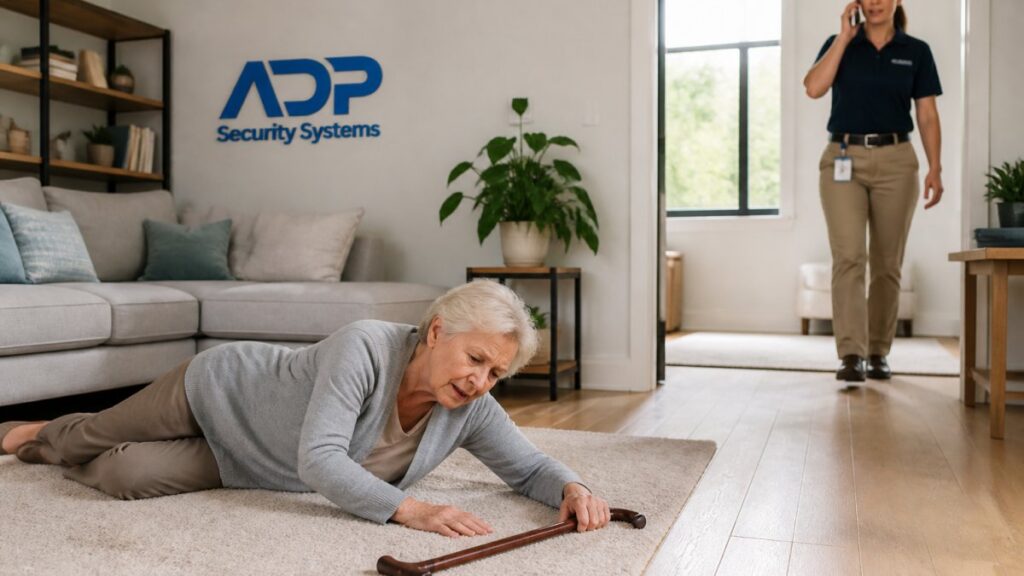
Table of Contents
- Why Automatic Fall Detection Matters for Seniors Living Independently
- How Automatic Fall Detection Works
- Fall Detection Accuracy and Limitations
- Medical Alert Systems with Fall Detection
- Fall Detection Monitoring and Response: What Happens After an Alert
- Key Benefits for Seniors and Family Members
- Choosing the Right Fall Detection Device for Your Needs
- Frequently Asked Questions
Last Updated: October 16, 2026
Why Automatic Fall Detection Matters for Seniors Living Independently
Falls are a serious health risk for older adults, which is why automatic fall detection seniors rely on has become increasingly important. Every year, one in four seniors experiences a fall (the CDC). Many of these falls happen at home, where help isn’t nearby.

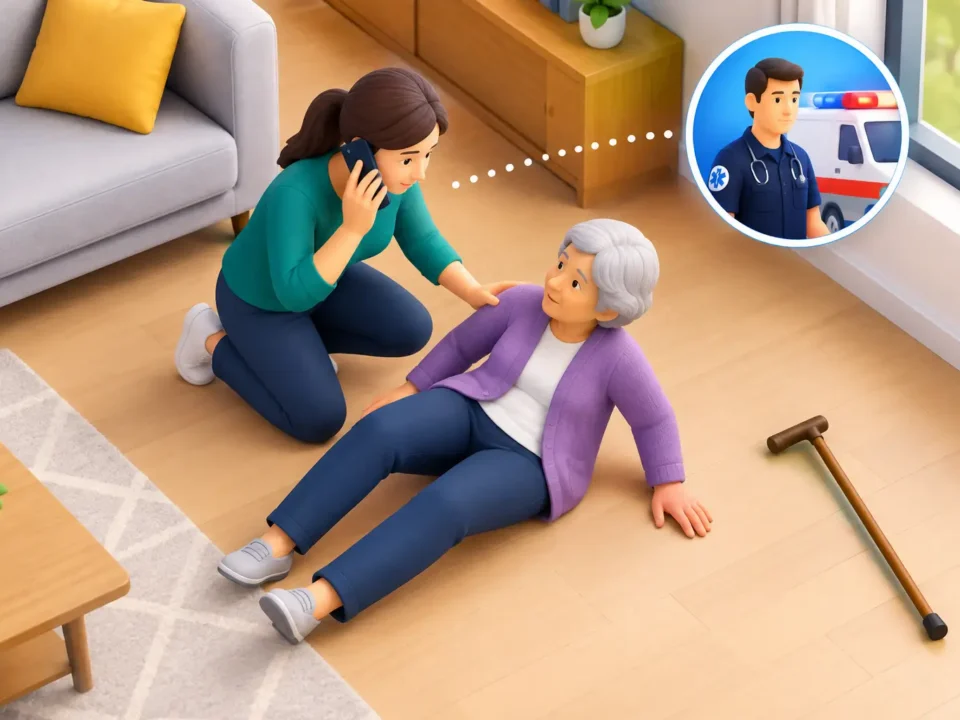
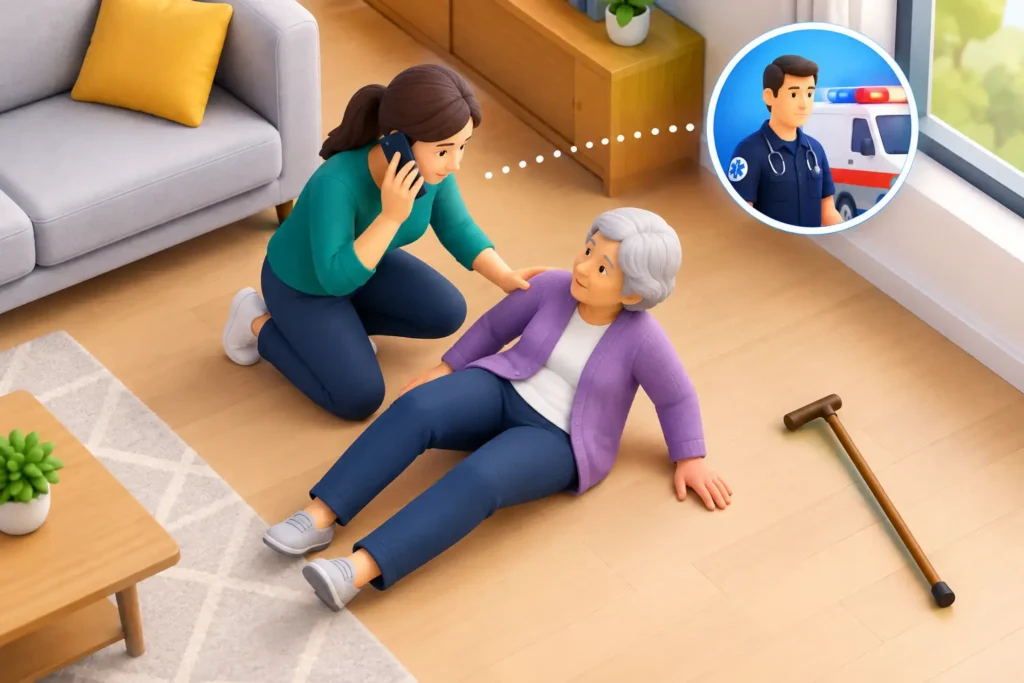
Automatic fall detection changes this reality. It watches for falls and calls for help without requiring the person to push a button. This matters most for seniors living alone. If someone falls and can’t reach a phone, automatic fall detection gets them help fast.
The fear of falling often keeps seniors from doing what they love. They avoid stairs, skip social activities, and stay home more. This isolation hurts both physical and mental health. When seniors know help will arrive quickly after a fall, they regain confidence. They stay active. They live more fully.
Seniors in our service areas rely on fall detection to maintain independence while staying safe. The peace of mind extends to family members too. Adult children stop worrying constantly about their parents’ safety.
Automatic fall detection enables seniors to live independently with confidence, knowing help will arrive within minutes if they fall, even if they can’t reach a phone or call for help themselves.
How Automatic Fall Detection Works
Automatic fall detection uses motion sensors and algorithms to identify when someone has fallen. The device learns the difference between normal movement and a sudden, rapid descent.
Here’s what happens step by step:
- Sensors detect motion, The device tracks movement patterns throughout the day
- Algorithm analyzes the fall, The system recognizes a sudden drop that matches a fall pattern
- Alert is triggered, The device sends a signal to the monitoring center
- Confirmation process begins, The monitoring center tries to reach the wearer by voice
Most devices worn on the wrist or as a pendant use accelerometers. These sensors measure changes in speed and direction. When someone falls, gravity pulls them downward at a specific rate. The accelerometer detects this unique pattern and triggers an alert.
Some systems also use gyroscopes. These measure rotation and body position. Together, these sensors create a detailed picture of what’s happening. The combination helps reduce false alarms from normal activities like sitting down quickly or bending over.
Test your fall detection device monthly by gently dropping it from waist height onto a soft surface. This confirms the sensors are working without triggering a real emergency response.
The device must stay close to the body to work effectively. Wrist-worn pendants work best when worn consistently. Some people forget to wear them or take them off during showers. Devices designed for water use help solve this problem. Seniors who wear their devices faithfully get the full benefit.
Fall Detection Accuracy and Limitations
No fall detection system is perfect. Understanding what these devices can and cannot do helps set realistic expectations.
Detection accuracy varies. Most modern systems catch 85-90% of actual falls. This is strong performance, but not 100%. Certain types of falls are harder to detect.
False alarms happen. A person dropping something, sitting down hard, or exercising vigorously can sometimes trigger an alert. This frustrates users and can erode trust in the system.
A common concern comes from past experiences with unreliable systems. If your current provider cries wolf repeatedly, you worry about switching. The solution is testing.
Missed falls are the real risk. If the system fails to detect a fall, the person stays on the ground without help. This is why wearing the device consistently matters.
Environmental factors matter. Very cold temperatures can affect battery life and sensor performance. Extreme heat does the same. Devices with backup power options provide extra reliability. Water resistance is critical too.
The best fall detection systems combine automatic alerts with manual help buttons. If the automatic system misses a fall, the wearer can still push the button. This backup layer catches situations the sensors miss.
Medical Alert Systems with Fall Detection
Medical alert systems with fall detection combine two technologies in one device. The system detects falls automatically and also lets the wearer call for help manually.
Modern medical alert devices come in several forms:
Wrist-worn devices, These look like smartwatches. They’re convenient because people wear them all day. They work indoors and outdoors. Battery life typically lasts 3-7 days between charges. Many people find wrist-worn options most practical for daily use.
Pendant devices, These hang around the neck on a cord or chain. They stay close to the body and detect falls reliably. Some people find them less convenient than wrist devices. They can catch on clothing or feel uncomfortable during certain activities. Pendants work well for people who prefer not wearing a watch.
Mobile devices, Smartphone apps offer fall detection on phones people already carry. These work well for active seniors who use smartphones regularly. The challenge is that phones often sit on tables or in bags. If someone falls away from their phone, the app can’t help.
Each type has trade-offs. Wrist devices balance convenience and effectiveness. Pendants offer strong detection but less daily comfort. Mobile apps add fall detection to existing technology but have coverage gaps.
Connection type matters too. Devices using cellular networks work anywhere with cell service. Landline-based systems only work at home. GPS-enabled devices let monitoring centers pinpoint the wearer’s location. This speeds response, especially for falls outside the home.
Fall Detection Monitoring and Response: What Happens After an Alert
Understanding what happens after a fall alert is crucial. Many seniors and families worry about response time. They want to know that help will actually arrive.
Here’s the process when a fall is detected:
Within seconds, The device sends an alert to the monitoring center. The monitoring center receives the signal and opens the wearer’s account information.
Within 30-60 seconds, A trained operator calls the wearer. They ask if the person needs help. The operator hears the wearer’s voice and can assess the situation.
If the wearer responds, They can say they’re fine, or they can request help. If they’re fine, the alert is canceled. If they need help, the operator asks what they need.
If the wearer doesn’t respond, The operator assumes a fall occurred and the person cannot answer. They immediately dispatch emergency services to the address on file.
Get a Free Security Assessment →
Within 5-15 minutes, First responders arrive at the location. They enter using the access code provided to emergency services. They assess the person and provide medical care if needed.
This process is faster than calling 911 manually. An older adult who falls and is confused or injured may not be able to dial.
Response time depends on location. Urban areas typically see faster response. Rural areas may take longer. GPS-enabled devices help first responders locate the exact address quickly, even in unfamiliar areas.
If you live in a rural area or far from emergency services, ask about response time estimates before signing up. Some areas have 30-minute response times. Knowing this helps you decide if the system meets your needs.
One concern people raise is about false alarms. If the monitoring center dispatches emergency services for a false alarm, what happens? First responders still respond. They confirm the person is fine and leave. The person may feel embarrassed. In some areas, repeated false alarms can result in fines. This is why testing your device and understanding how it works prevents unnecessary dispatches.
Key Benefits for Seniors and Family Members
Automatic fall detection delivers specific, measurable benefits for both seniors and their families.
For seniors living alone:
Confidence to stay active. When seniors know help will arrive if they fall, they resume normal activities. They climb stairs without fear. They garden, exercise, and socialize more. This activity keeps them healthier overall.
Reduced time on the floor. A person who falls and can’t get up may lie there for hours. Extended time on the floor causes pressure injuries, hypothermia, and shock.
Independence without isolation. Seniors can live alone without moving to assisted living. They maintain control over their lives. They stay in their homes where they’re comfortable.
For family members:
Peace of mind. Adult children stop worrying about their parents’ safety every moment. They can work, travel, and live their own lives. The constant background anxiety about “what if they fall” decreases significantly.
Reduced caregiver burden. Family members don’t need to check on elderly parents constantly. They don’t need to move in or hire full-time caregivers as early. This saves money and preserves the parent-child relationship.
Faster emergency response. If a parent does fall, help arrives quickly. The family gets notified immediately. They can be at the hospital within minutes instead of hours.
| Benefit | For Seniors | For Family Members |
|---|---|---|
| Peace of mind | Confidence to stay active | Reduced constant worry |
| Safety | Quick help after falls | Faster emergency response |
| Independence | Live alone safely | Delayed or avoided institutional care |
| Health | More activity and social engagement | Better long-term outcomes |
Choosing the Right Fall Detection Device for Your Needs
Selecting a fall detection system requires matching your situation to device features. Not every system works equally well for every person.
Ask yourself these questions:
Does the person wear a watch regularly? If yes, a wrist-worn device works well.
Does the person live alone or with others? Those living alone benefit most from automatic fall detection.
What’s the primary location where falls happen? Falls at home suggest a home-based system. Falls while walking outdoors suggest a mobile device with GPS.
How active is the person? Very active seniors need devices that handle vigorous movement without false alarms.
What’s the budget? Wrist devices often cost more than pendants. Monthly monitoring fees vary. Some systems require annual contracts. Others offer month-to-month plans.
Does the person have cell service at home? Cellular-based systems need adequate signal. Landline systems only work at home but don’t depend on cell networks.
Our team provides personalized assessments. We explain how our systems work with your home setup. We discuss what to expect after a fall alert.
Seniors living alone in their own homes, especially those with a history of falls or balance issues, who want to maintain independence while ensuring rapid help arrives if they fall.
Automatic fall detection gives seniors the independence they want with the safety their families need. It removes the fear that keeps older adults isolated.
The right system depends on your specific situation.
Frequently Asked Questions
How does automatic fall detection actually work without requiring a button press?
Automatic fall detection uses motion sensors and accelerometers embedded in wearable devices to recognize the sudden rapid descent and impact pattern of a fall. When the device detects these specific motion signatures, it automatically triggers an alert to a monitoring center without requiring the wearer to press a button. The system typically sends an alert within seconds of detecting the fall pattern, allowing rapid response even if the person is unconscious or unable to reach a help button.
What is the accuracy rate of automatic fall detection devices, and can they miss falls?
Automatic fall detection accuracy varies by device and ranges from 85% to 95% for detecting actual falls. However, no system catches 100% of falls, and false alarms do occur when devices misinterpret sudden movements or impacts. Factors affecting accuracy include device placement, the type of fall, and the person’s mobility level. Devices worn on the wrist may miss some falls where impact occurs elsewhere on the body. Understanding these limitations helps you choose a device suited to your specific situation and maintain realistic expectations about coverage.
Do seniors need a monthly monitoring plan with a medical alert system that includes fall detection?
Yes, automatic fall detection requires an active monitoring plan to be effective. When a fall is detected, the device sends an alert to a professional monitoring center staffed 24/7, and those operators contact emergency services or designated family members. Without an active monitoring subscription, the device may alert nearby contacts but cannot dispatch professional emergency responders. The monitoring service is essential for rapid emergency response, especially for seniors living alone who may be unable to call for help themselves.
How quickly do emergency responders arrive after a fall is detected?
Response time depends on several factors: the monitoring center’s efficiency, local emergency services availability, and your location. Most professional monitoring centers contact first responders within 60 to 90 seconds of detecting an alert. Actual arrival time varies based on distance and local EMS workload, typically ranging from 5 to 20 minutes depending on your area. In rural locations or during peak emergency times, response may take longer. This is why having a medical alert system is critical, it ensures emergency services know about the fall even if the senior cannot call 911 themselves.