Keycards Versus Mobile Credentials for Business
September 1, 2026
Retail Loss Prevention Guide for Safer Stores
September 5, 2026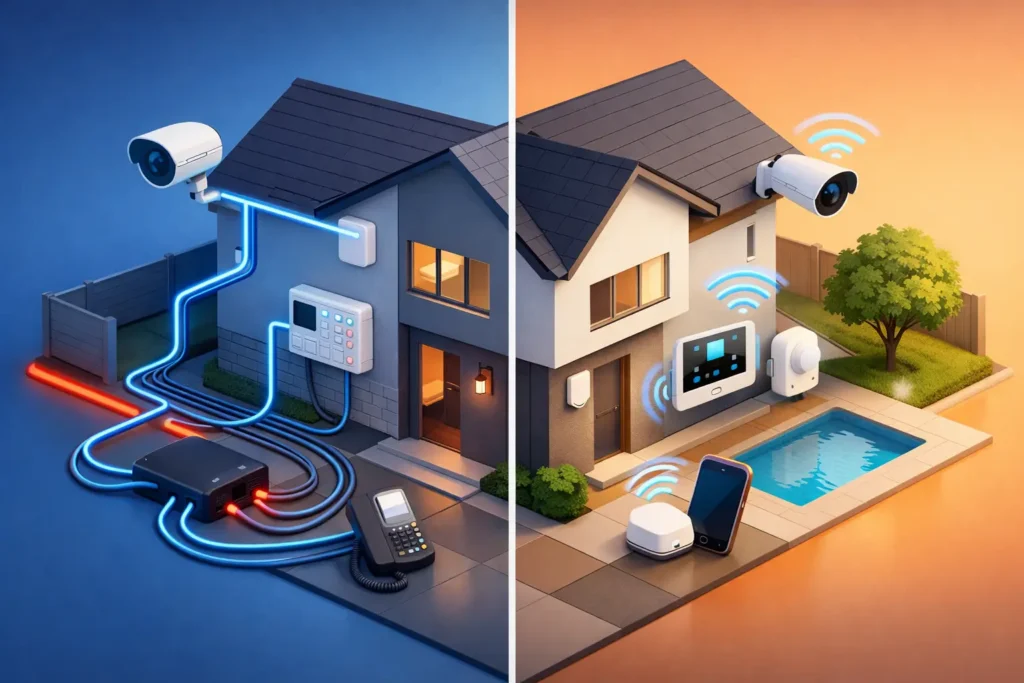
A new security system is not simply a choice between visible cameras and an app on your phone. When comparing wired versus wireless security, the real question is how your property is built, what needs protection, and how dependable the system must be when it matters most. A historic home in Greenville, a growing office in Spartanburg, and a retail location in Anderson may all need different answers.
Both approaches can provide strong protection when they are professionally designed, installed, and monitored. The better choice comes from matching the system to your building, your daily operations, and your long-term plans.
Wired Versus Wireless Security: The Core Difference
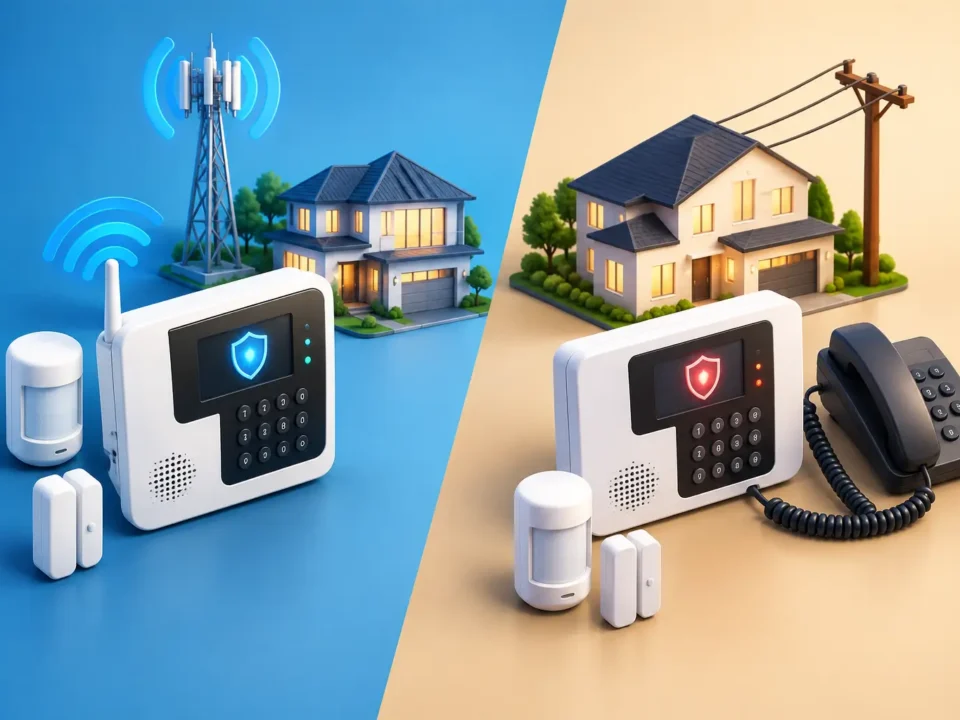
A wired security system uses physical low-voltage cabling to connect devices such as door contacts, motion detectors, cameras, keypads, and control panels. Depending on the equipment, cameras may also receive power and data through one network cable. Wired systems are often installed during construction, major renovations, or in commercial buildings where access above ceilings and through walls is practical.
Wireless security devices communicate with a central panel through secure radio signals. Many use replaceable batteries, while certain devices may still need nearby power. Wireless equipment is especially useful where running cable would disturb finished walls, damage historic features, add significant labor, or disrupt an occupied business.
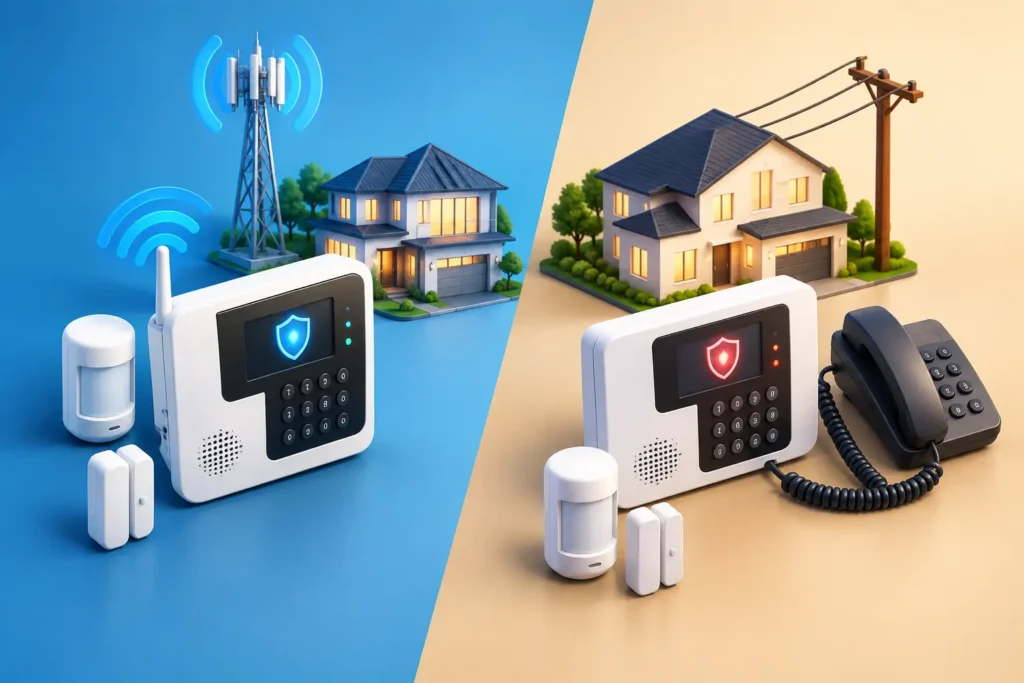
One point often causes confusion: a wired alarm system does not have to rely on a landline, and a wireless system does not mean every component is completely cable-free. Modern professionally installed systems can use cellular and internet communication for alarm signals, often with battery backup. The wiring decision is primarily about how devices connect within the property.
When Wired Security Is the Better Fit
Wired security is frequently the right long-term investment for new construction, large properties, and facilities with extensive protection needs. Once cables are properly installed, hardwired devices do not depend on individual batteries for normal operation. That can reduce routine maintenance across a building with many doors, sensors, and cameras.
For commercial properties, wired infrastructure can be particularly useful for high-resolution video surveillance, access control, and integrated security systems. A business may need cameras covering entrances, loading areas, registers, inventory rooms, and parking lots. It may also need access control at employee entrances and sensitive areas. Planning cable routes during construction or renovation creates a cleaner installation and supports future expansion.
Wired systems can also be a strong fit for homeowners who are building, remodeling, or planning to stay in their home for many years. If walls are already open, running security wiring is usually more economical and less disruptive than trying to add it later. The result can be a discreet system with sensors placed where they provide the best coverage rather than only where installation is easiest.
That said, wired equipment is not automatically better in every situation. Installation may require attic access, wall fishing, ceiling work, or trenching for detached buildings and outdoor cameras. In a finished home or a busy facility, the installation process may be more involved than the property owner expects.
Wired Security Strengths
Wired protection is often valued for stable device connections, reduced battery replacement needs, and the ability to support larger, more permanent systems. It is well suited to properties where construction access is available and where security infrastructure should grow with the building.
A professional design still matters. Cables should be protected, equipment should have appropriate backup power, and the system should be tested after installation. A wire alone is not a security strategy.
When Wireless Security Makes More Sense
Wireless security is often the practical choice for existing homes and businesses. It allows sensors, keypads, cameras, and other devices to be added without opening large sections of walls or running visible cable across finished spaces. For many South Carolina homeowners, that means gaining modern intrusion detection and smartphone control without turning a home improvement project into a construction project.
Wireless systems also offer flexibility. If a family adds a garage, converts a room into a nursery or home office, or changes how an entry is used, devices can often be repositioned or expanded more easily than in a fully hardwired setup. For businesses, wireless sensors can help protect leased spaces where major modifications are restricted or not cost-effective.
Modern wireless equipment is designed to supervise connected devices and notify the system when a sensor has a communication or battery concern. Still, battery maintenance is part of ownership. A reliable provider should explain which components use batteries, how low-battery alerts work, and what service support is available.
Wireless performance also depends on thoughtful placement. Building materials, large metal objects, equipment rooms, and the size of the property can affect signal paths. A professional site assessment identifies where devices will communicate reliably before the system is installed.
Wireless Security Strengths
Wireless systems minimize disruption, make upgrades easier, and work well in finished homes, leased locations, and buildings where preserving walls or architectural details matters. They are not a shortcut to be installed without planning. Proper device selection, signal testing, and ongoing maintenance are essential.
The Best Answer Is Often a Hybrid System
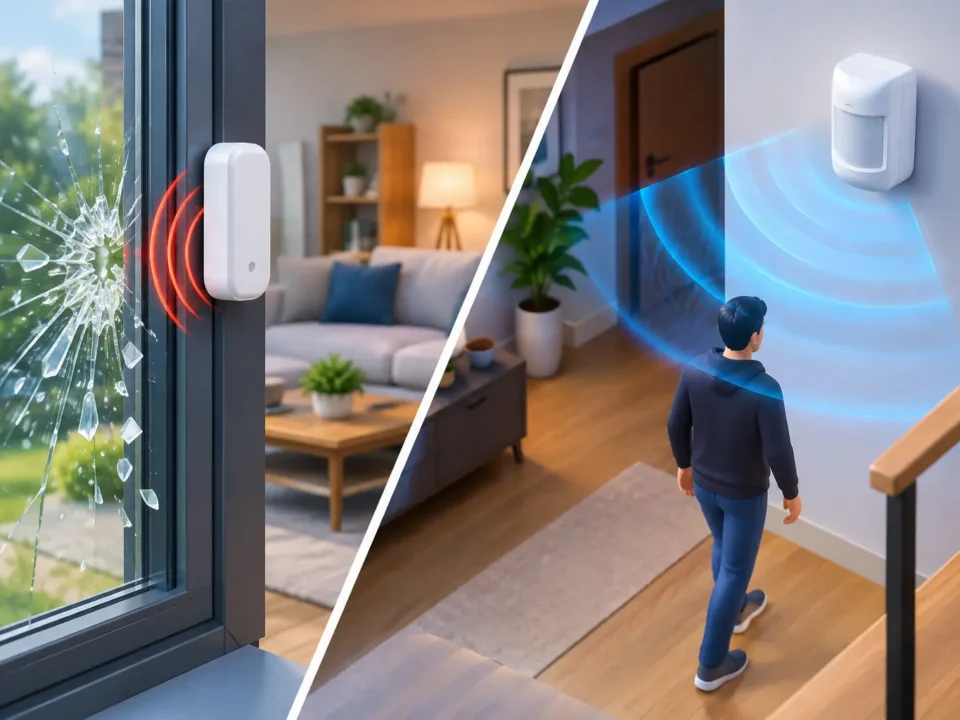
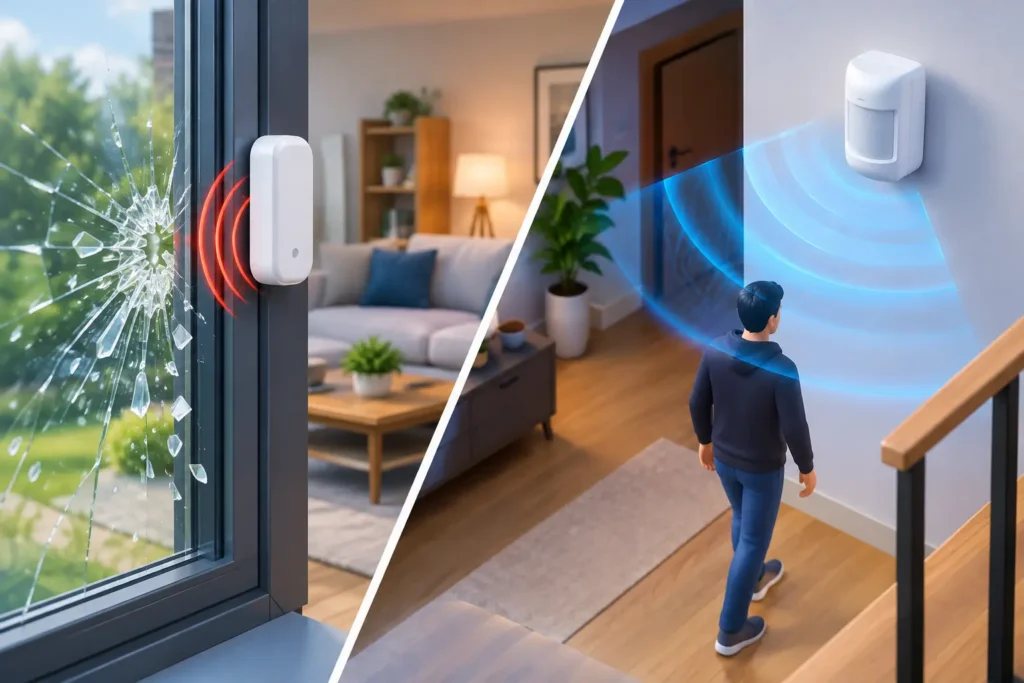
For many properties, wired versus wireless security is not an either-or decision. A hybrid system may use hardwired door contacts and cameras where cabling is available, then add wireless motion detectors, glass-break sensors, environmental devices, or emergency buttons where wiring is difficult.
This approach is common in homes that have an existing wired alarm but need updated control panels, mobile access, additional protection, or a cellular communication path. It also makes sense for businesses expanding into adjacent suites, adding a temporary work area, or securing a new storage space.
A hybrid design lets the system follow the property rather than forcing the property to fit the equipment. It can also make future changes less expensive and less intrusive.
Do Not Overlook Monitoring and Backup Power
The connection between your sensors and control panel is only one part of dependable protection. A complete security plan considers what happens when power is lost, internet service goes down, or an alarm is triggered while no one is on site.
Professionally monitored systems can send alarm events to a central station, where trained operators follow established response procedures. Cellular communication provides an important layer of protection when a property’s internet service is interrupted. Battery backup keeps key equipment operating through many power outages, though the exact duration depends on the system configuration and conditions.
For homes, monitoring can help ensure an alarm does not go unnoticed while you are at work, asleep, or away. For businesses, it provides coverage after closing time and during holidays, when a break-in, temperature issue, or fire-related signal may otherwise sit undiscovered.
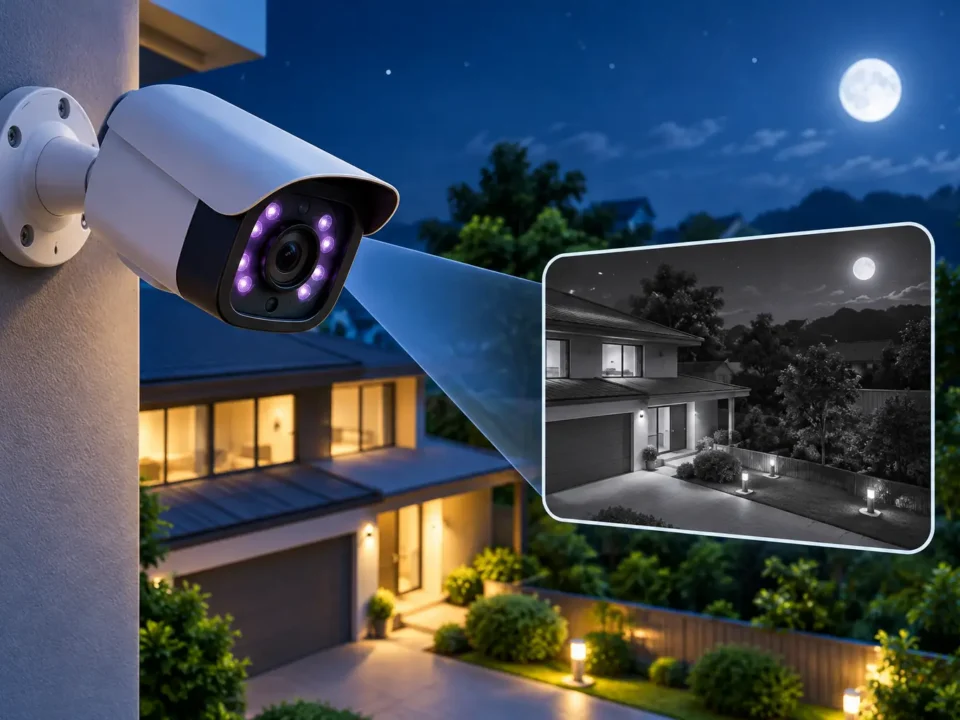
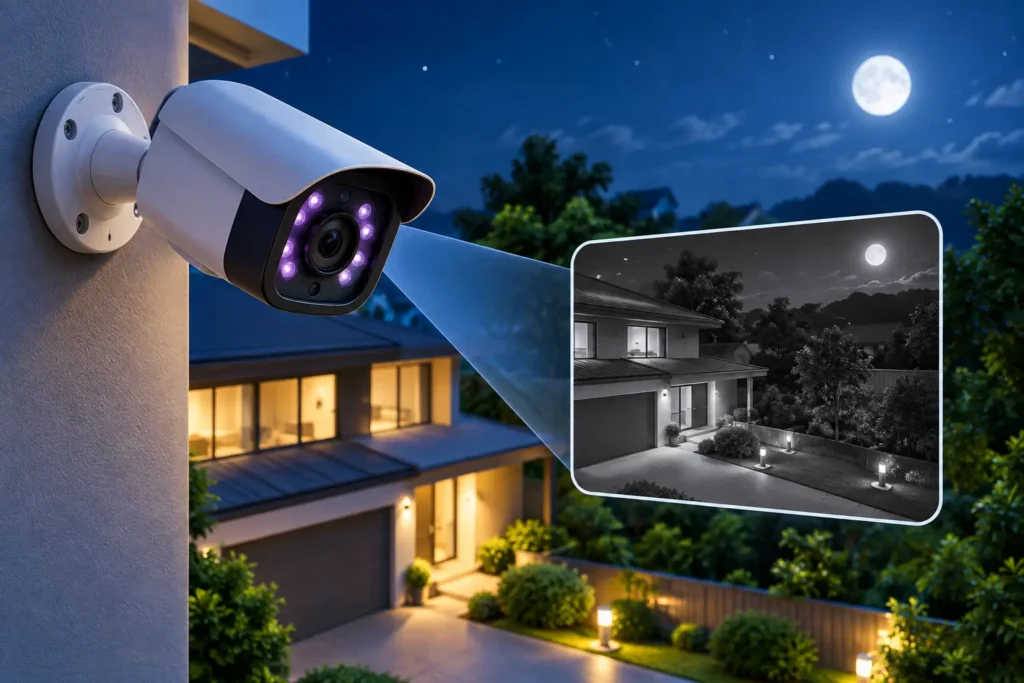
Security cameras deserve separate consideration. Some cameras use wired network connections for consistent power and data, while others use Wi-Fi and may need nearby electrical power or periodic recharging. The right camera choice depends on coverage goals, recording needs, available network capacity, and the environment around the camera. Outdoor areas, long driveways, detached structures, and low-light locations all need specific planning.
Fire and Life-Safety Systems Require Their Own Plan
Commercial fire alarm systems are governed by code requirements, occupancy type, and the building’s layout. They should never be selected solely because a wireless or wired option appears easier to install. Fire detection, notification appliances, monitoring, inspection, and maintenance must work together to protect occupants and support compliance.
The same principle applies to personal emergency response. A medical alert device may use wireless cellular connectivity because protection needs to travel with the wearer. For an older adult or medically vulnerable individual, the priority is reliable access to help at home and away from home, not whether a device fits neatly into a wired-versus-wireless category.
Questions to Ask Before You Choose
Before selecting equipment, consider whether the property is new, renovated, leased, or finished; whether you expect to expand; and whether cameras, access control, fire protection, or medical alerts are part of the plan. Also think about who will maintain batteries, respond to alerts, and support the system after installation.
A site visit is more valuable than choosing from a generic package. During a professional assessment, the installer can identify vulnerable entry points, evaluate signal strength and wiring access, account for pets and daily traffic patterns, and recommend coverage that makes sense for the way you actually use the property.
For more than 30 years, ADP Security Systems has helped South Carolina families and businesses build protection around their real needs, not a one-size-fits-all equipment list. The right system should leave you with clear answers, dependable support, and greater confidence when you lock up for the night.