Wired Versus Wireless Security for Your Property
September 3, 2026
Medical Alert Options for Travelers That Work
September 7, 2026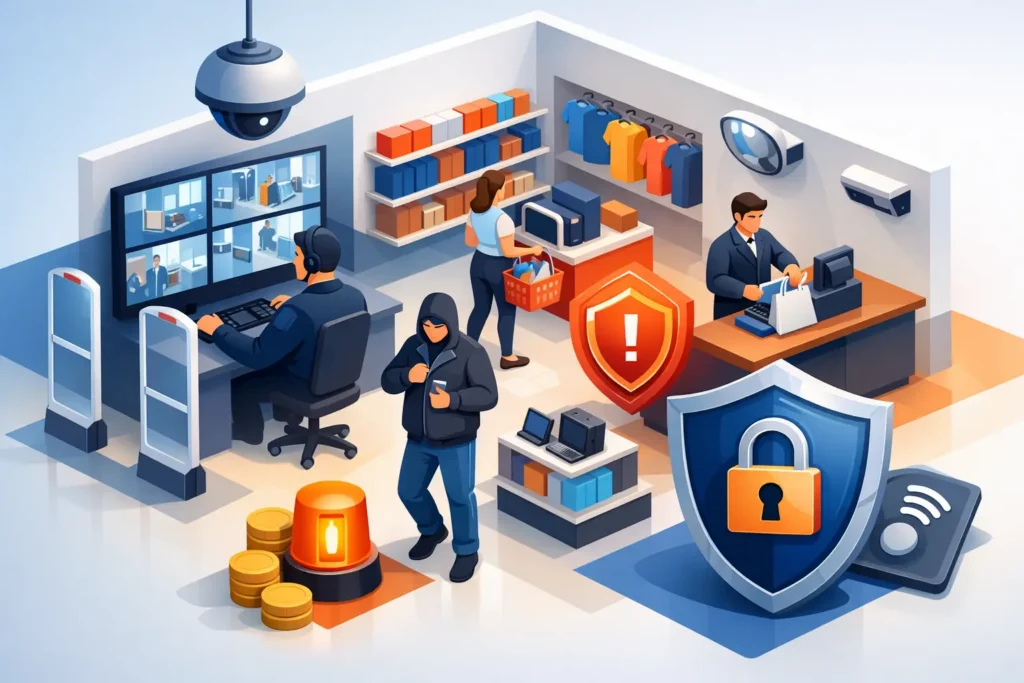
A missing power tool, a return processed without the product, or a back door left unsecured after a delivery can each look like a small operational problem. Over time, those gaps become shrink, disrupted service, and real pressure on a store’s margins. This retail loss prevention guide explains how South Carolina retailers can build practical protection around the people, inventory, and daily routines that keep a business moving.
Loss prevention is not solely about catching shoplifters. A well-run program helps employees work with greater confidence, gives managers clearer information, and creates a safer environment for customers. The right approach balances visible deterrence with respectful service and reliable response when something does go wrong.
Start With a Clear Picture of Your Risk
Every retail location has a different risk profile. A jewelry counter, convenience store, garden center, warehouse-style retailer, and specialty boutique may all face theft, but the methods, vulnerable areas, and consequences are not the same. Before choosing equipment or changing procedures, assess how your location actually operates.
Walk the property at opening, during the busiest hours, at closing, and after dark. Pay attention to blind spots, stockrooms, receiving doors, register areas, fitting rooms, parking areas, and locations where high-value or easily concealed items are displayed. Review who has keys, alarm codes, access credentials, and authority to approve discounts, refunds, or inventory adjustments.
Your records can point to patterns that a walk-through cannot. Compare physical counts against sales, returns, vendor deliveries, damage write-offs, and transfers between locations. Repeated shortages in one category or at one time of day deserve a closer look. The goal is not to make assumptions about employees or customers. It is to identify process failures and correct them before they become routine.
Build Layered Protection, Not a Single Barrier
A camera by itself cannot prevent every loss. Neither can an alarm, a locked cabinet, or a written employee policy. Retail protection works best when several sensible measures support one another. If one control is bypassed or missed, another can still provide deterrence, documentation, or a prompt response.
Make entry and exit points accountable
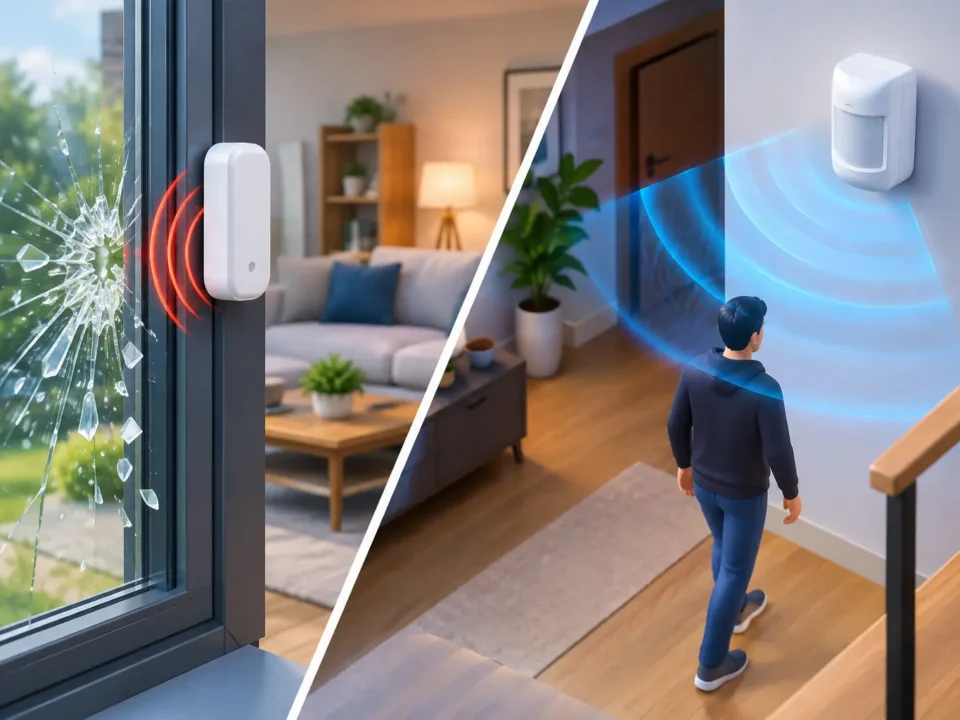
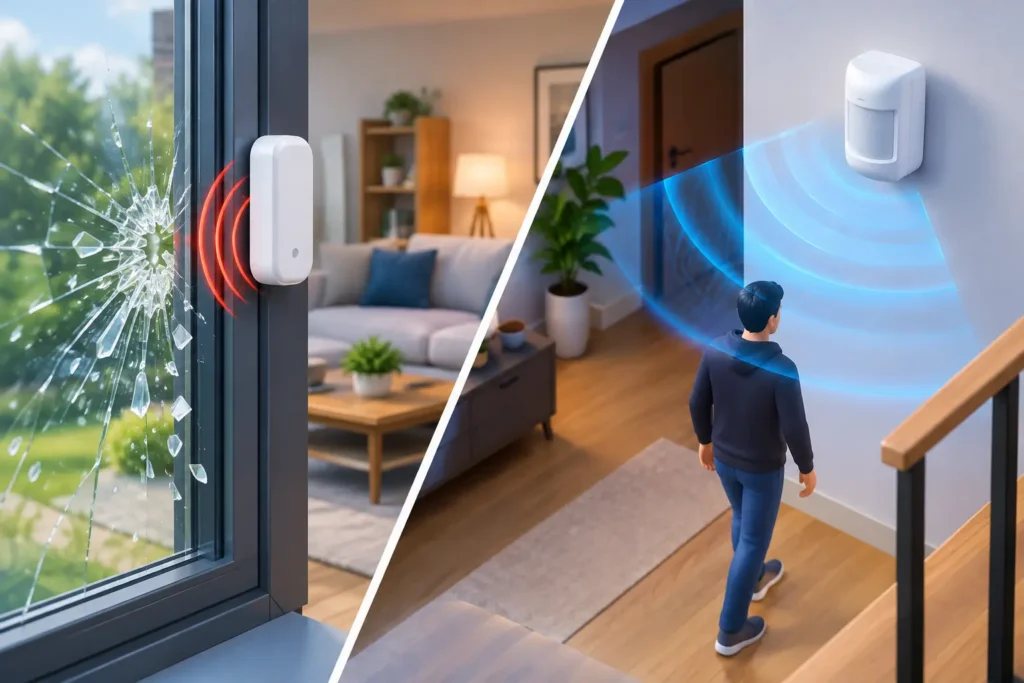
Exterior doors, receiving entrances, roof access, and employee-only exits need special attention. Commercial burglar alarms can alert a monitoring center when protected doors, glass breaks, or motion devices are triggered after hours. During business hours, door contacts and clear procedures can help managers notice when a restricted entrance is opened unexpectedly.
Access control adds another layer for areas that should not be open to everyone. Instead of relying on shared keys, authorized employees can use individual credentials for offices, stockrooms, medication cabinets, server rooms, or receiving areas. This creates accountability and makes it easier to remove access when a role changes. It also reduces the disruption and expense of rekeying locks after a lost key.
The appropriate system depends on the site. A small storefront may need a few protected doors and a carefully placed camera system. A larger operation with multiple shifts, delivery activity, and high-value inventory may benefit from more detailed access levels and event reporting.
Use cameras to support decisions and response
Video surveillance is most useful when cameras are positioned for a purpose. That may mean capturing a clear view of a point-of-sale counter, documenting deliveries at the rear entrance, monitoring aisles with high-shrink merchandise, or showing activity around the parking lot after closing.
Placement matters more than camera count. A camera aimed too high may show that someone was present without identifying what happened at the register. Poor lighting can limit usable footage. Unmonitored corners near stockrooms or fitting rooms can create opportunities for loss and make staff feel less secure.
Managers should also know how footage will be reviewed and retained before an incident occurs. Establish who may access video, when reviews are appropriate, and how to preserve relevant clips after a reported event. This protects privacy, supports fair investigations, and prevents the frustration of discovering that critical footage is unavailable.
Protect the transaction, not just the merchandise
Retail loss frequently occurs through process weaknesses. Excessive voids, false returns, unauthorized discounts, cash drawer shortages, and inaccurate receiving can all affect the bottom line. Clear approval rules and regular exception reporting are often as valuable as a visible camera.
Separate duties where staffing allows. The person who receives a shipment should not be the only person confirming the count in the system. Refund authority should be limited according to role. Cash counts should be verified and documented at shift changes. These controls are not about distrust. They give honest employees a consistent process and help management address discrepancies with facts rather than suspicion.
Train Employees for Awareness, Service, and Safety
Your employees are often the first people to notice an unfamiliar pattern, an unsecured door, or a customer who needs assistance. Training should explain what to watch for, but it should never turn staff into law enforcement.
Teach employees to acknowledge customers promptly, maintain awareness of restricted areas, follow receiving and cash-handling procedures, and report concerns to a manager. Friendly service can discourage opportunistic theft because customers know they have been noticed. It also improves the experience for legitimate shoppers, which is the point.
Set a firm policy against physical confrontation. No product is worth an employee’s injury. If a theft, threat, or suspicious situation occurs, staff should know how to notify a manager, activate a panic device if one is available, contact emergency services when needed, and provide useful details from a safe location.
Training is not a one-time orientation item. Reinforce procedures after policy changes, seasonal hiring, store layout changes, and security incidents. Short, practical refreshers tend to be more effective than a handbook employees are expected to remember months later.
Make Daily Operations Harder to Exploit
Reliable loss prevention is built into the day, not saved for an annual inventory count. Opening and closing checklists should confirm that doors are secure, alarm procedures are followed, registers are handled correctly, and high-value merchandise is stored as intended.
Receiving deserves particular care. Deliveries can create a busy, distracting period when doors are open and inventory is moving quickly. Designate who accepts shipments, verify quantities against paperwork, and move products into secured areas promptly. If deliveries occur after normal hours, make sure the access and camera plan reflects that reality.
Keep displays orderly and sightlines open. Overcrowded fixtures, tall signage, and poorly arranged promotional materials can hide activity from employees and cameras. For products with a high resale value or a history of loss, consider secure displays, controlled quantities on the floor, or staff-assisted access. The trade-off is convenience: too much friction can hurt sales, so protections should be proportionate to the risk.
Create a Response Plan Before You Need One
When an alarm activates or a loss incident is reported, uncertainty wastes time. A written response plan gives employees and managers a clear sequence: protect people first, contact emergency services when appropriate, notify designated leaders, preserve video and records, and document what was observed.
For after-hours events, professionally monitored alarm systems can provide a critical connection to trained operators who follow established response procedures. That is especially valuable for businesses that cannot have a manager watching the property overnight. Regular testing and maintenance are equally important. An alarm, camera, access reader, or panic device cannot protect the store if it is not working as expected.
Review incidents without blame whenever possible. Ask what conditions allowed the loss, what information was missing, and whether a procedure, layout change, or security upgrade would reduce the chance of recurrence. A lost item may be unrecoverable, but the lesson should not be.
Work With a Local Security Partner
Retail security is not a box of equipment installed once and forgotten. Store hours change, teams turn over, inventory shifts, and locations expand. A professional assessment can identify where commercial alarms, cameras, access control, and monitoring will have the greatest practical effect without overcomplicating daily operations.
For more than 30 years, ADP Security Systems has helped South Carolina businesses build protection around their specific sites and routines. Professional installation, scheduled maintenance, and 24/7 monitoring provide support beyond the initial installation, so owners and facility managers are not left to manage critical security systems alone.
A safer store begins with small, consistent decisions: secure the door, verify the delivery, train the team, review the exception, and keep systems ready to respond. Those routines protect more than inventory. They help protect the people and trust your business depends on.