Monitored vs Unmonitored: Commercial Fire Alarm Monitoring Guide for SC Businesses
July 17, 2026
Commercial Security System Maintenance: Testing Schedule
July 21, 2026
A poorly placed security camera can expose a South Carolina business owner to costly privacy lawsuits. Understanding video surveillance laws South Carolina enforces is the first step to keeping your commercial property both secure and legally compliant. While security cameras stop theft, business owners must follow strict state rules to keep their video recording legal.
Call ADP Security Systems today for a free consultation on compliant commercial security camera installation in Greenville and Upstate South Carolina.
South Carolina law allows business owners to install security cameras but strictly bans them in private spaces like restrooms and changing rooms. The state uses a one-party consent rule for audio recording, meaning you cannot legally record conversations unless at least one person in the conversation agrees. Violating these rules carries felony penalties with fines up to $5,000 and potential jail time.
Our guide answers these key questions to help you design a safe, legal surveillance system. First, you must find the exact areas where you can install your cameras under the law. The path begins with where you can legally place cameras on commercial property in South Carolina.
Where Can You Place Security Cameras on Commercial Property in South Carolina?
Business owners in Greenville and Upstate South Carolina often use cameras to protect their property. When you set up cameras, you must follow the exact video surveillance laws South Carolina enforces. To stay compliant, you should also review commercial security camera compliance guidelines for commercial sites. Knowing where you can legally put your cameras helps keep your site safe and compliant.
Areas with an expectation of privacy
In South Carolina, you cannot place cameras in areas where people expect privacy. Private spaces include bathrooms, changing rooms, and locker rooms. Placing cameras in these zones is a major violation. You should only record public areas like hallways, lobby desks, and parking lots.
If your cameras record sound, you must follow extra rules under S.C. Code Section 17-30-30 where oral communication is protected. This refers to any words spoken by a person who expects that no one is listening. If a camera captures sound in a private office, it might violate the law. To avoid issues, many businesses turn off the audio recording on their cameras.
Written camera policies
It is smart to create a written camera policy for your commercial property. This policy should outline why you have cameras, how you use them, and who can watch the video. Having a clear policy helps build trust with your workers and guests. It also shows you are acting in good faith if any legal issues arise.
A written document also makes sure your team knows the rules. Reviewing legal considerations for video surveillance is a critical step before you install new gear. A solid plan will prevent mistakes and keep your system compliant.
Clear signage requirements
You should post clear signs on your commercial property to warn visitors about your cameras. This is a vital best practice in South Carolina because signs tell people that you are recording. When visitors see a sign, their expectation of privacy changes, which helps protect your business from legal claims. Place these signs at entry points and outer walls to prevent complaints and deter theft.
Understanding South Carolina’s One-Party Consent Law for Audio Recording
Many business owners want to add audio to their security setups. But before you turn on a mic, you must know the state rules. South Carolina is a one-party consent state for recording conversations. This rule means you can record a conversation if at least one person in the conversation agrees to it.
The rule of one-party consent
If you are part of the conversation, S.C. Code Ann. Section 17-30-30 allows you to record it without telling the other speaker. The law allows this because your own consent is enough. But if you are not part of the conversation, you cannot record it. Under S.C. Code Section 17-30-20, recording a conversation without the consent of at least one party is a felony.
The law protects spoken words. The state defines these as words spoken by a person who expects that no one can hear them. In a closed room, two people have a right to feel safe. If a hidden mic records them without their knowledge, this is a clear breach of the state wiretap code.
Audio on security cameras
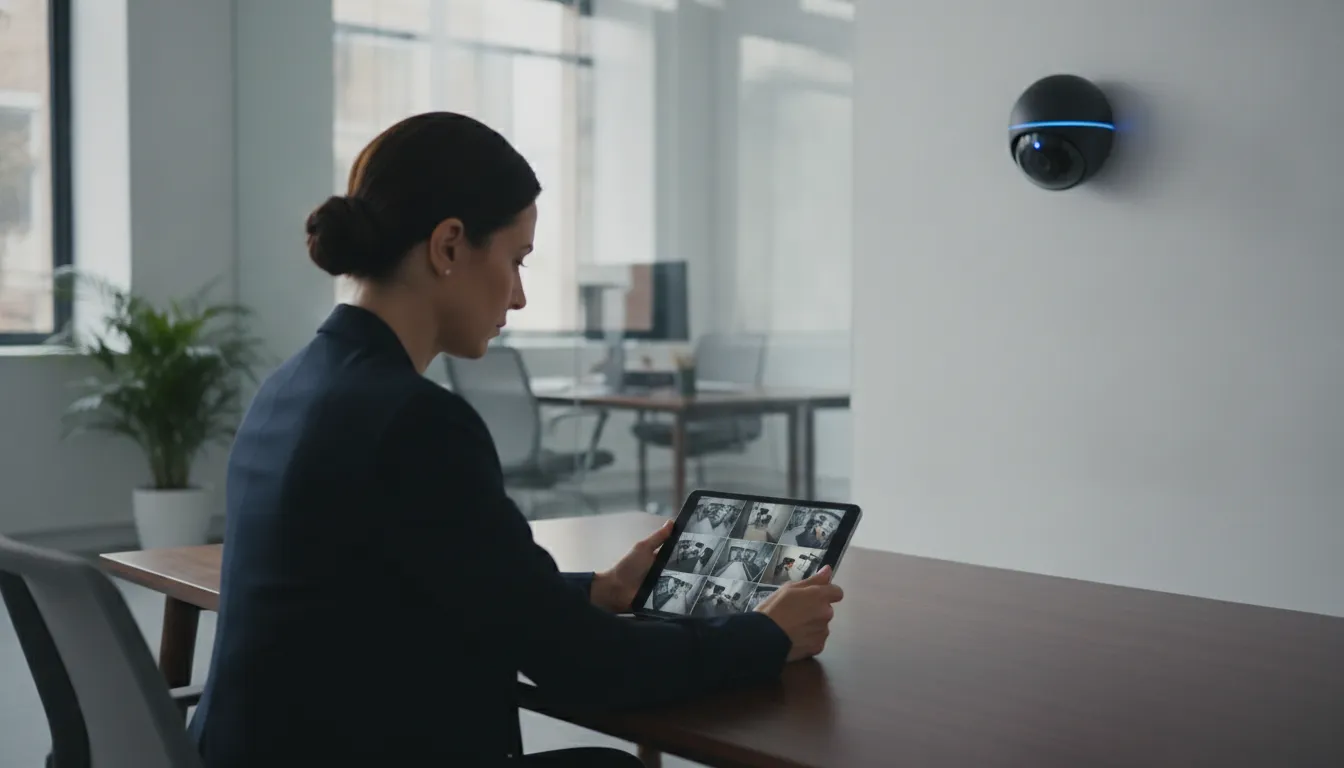
This law is clear when you look at video cameras. When you study commercial security camera systems, you might see models with built-in mics. Audio recording that goes with video surveillance follows the same one-party consent rule. If your cameras record sound in a public space where customers talk, you could run into legal trouble because they did not consent.
To avoid these legal issues, SC businesses should follow these simple rules:
- Turn off the default audio recording option on all office cameras.
- Place cameras in public lobby areas but do not capture sound.
- Train staff on where audio recording is banned.
| Feature | Video-Only Surveillance | Audio-Enabled Surveillance |
|---|---|---|
| Consent required | None for public areas | One-party consent required |
| Legal risk level | Low when avoiding private spaces | High, felony without consent |
| Best for | Lobbies, hallways, parking lots, warehouses | Only with active consent or direct party participation |
| Signage recommended | Yes, best practice | Yes, strongly recommended |
| SC Code reference | General property rights | S.C. Code Ann. 17-30-20, 17-30-30 |
To stay safe under video surveillance laws South Carolina business owners often choose to turn off the audio feature. They record video but do not record sound to avoid audio wiretap claims. You can still protect your property with clear video without risking a wiretap charge. High-quality systems offer great security even with the mics turned off.
Fines and legal penalties
The cost of breaking this law is high. If you record third-party conversations without consent, you face big fines. A court can sentence you to pay fines up to $5,000 and even face prison time. Because the risk is so high, working with local safety experts helps you set up cameras that keep you safe under the law.
Do You Need Signage for Video Surveillance on Your Commercial Property?
Many business owners wonder if they must post signs when they set up security cameras on their property. Under video surveillance laws, South Carolina does not force you to post warning signs in public spaces. But using signs is still a vital step for legal safety and theft prevention.
South Carolina Law and Security Camera Signs
While state laws do not demand signs for silent video, audio recording is a different matter. Under S.C. Code Title 17, Chapter 30, recording oral communication without consent is against the law. If your cameras capture both video and sound, you must be careful not to violate these wiretapping rules. Posting clear signs helps prove that guests had notice and no expectation of privacy on your property.
Using large security signs also acts as a strong way to stop crime. Intruders look for easy targets, and signs show that you are watching. When you are installing business security cameras, planning where to place your warning signs should be part of your checklist. This ensures the signs are easy to see from all main entry points.
Best Practices for Camera Placement and Signage
To follow the rules, you must know where cameras should and should not go. You should always avoid placing cameras in private zones such as restrooms or changing areas. People have a clear expectation of privacy in these spots, and filming there is a major violation. Signs will not make recording in private spaces legal, so keep cameras focused on public areas.
For public spaces like lobbies, parking lots, and sales floors, place signs at eye level near your doors. The signs should state that video surveillance is active on your site. This simple step protects your business from legal disputes and makes your security clear to all.
Creating a Clear Written Camera Policy
Signs are a great starting point, but you also need a solid written camera policy. This policy should outline why you use surveillance, who can view the footage, and how long you store it. Share this policy with your workers and tenants so they know your rules. A written policy helps prevent mix-ups and shows that you operate in good faith.
What South Carolina Law Says About Workplace Video Surveillance for Employees
Many South Carolina business owners use cameras to protect their buildings. Video surveillance helps stop theft and keeps staff safe. But bosses must know the legal rules of workplace surveillance before they set up any gear. These rules protect both the business and its staff. Local laws set clear limits on where cameras can be placed.
Legitimate business reasons for camera use
A business must have a clear and valid reason to record its staff. Safe work spaces, stopping theft, and guarding costly goods are all valid reasons under state rules. These goals help prove that your cameras serve a real business need. You cannot use cameras just to spy on your staff. When you plan your system, make sure each camera has a clear safety role. This focus helps keep your business in line with local rules.
Expectation of privacy in the workplace
Employees have a right to privacy in certain parts of a business. You can place cameras in common areas like sales floors, hallways, or warehouse spaces. In these places, staff members do not expect full privacy. But some spots are strictly off limits. State rules warn that cameras should avoid private areas like restrooms, locker rooms, and staff break rooms. Spying in these private spaces breaks the law.
Written policies and consent for audio monitoring
To keep your business safe, you should write a clear camera policy. This policy should explain why you use cameras, where they are, and who can view the files. Share this text with all workers before you start recording. This open sharing builds strong trust between you and your team. You must also limit who can see the video files to protect worker privacy. Having these clear rules helps you manage the legal considerations for video surveillance without any issues.
Audio recording at work falls under much stricter rules than video. South Carolina is a one-party consent state for voice recording. But you must be part of the conversation to record it under S.C. Code Ann. Section 17-30-30 unless another party gives prior consent. This means you cannot record your workers when you are not in the room. Always keep your audio turned off unless you have written consent. Adding microphones to your security video system without staff consent can lead to severe legal trouble.
Data Retention and Footage Access: Best Practices for SC Businesses
To stay in line with video surveillance laws South Carolina business owners must set clear rules for storing and viewing recorded data. Simply setting up cameras is not enough to protect a company. Business owners must plan how long to keep video records and who can view them. Following structured guidelines keeps your property safe while protecting citizen privacy.
Creating a Written Surveillance Policy
First, SC firms should write down a formal camera policy. Under industry best practices, a written camera policy outlines why you use cameras, where they are placed, and how you handle the footage. This document should detail how long you keep video files before they are deleted. Sharing these rules with your staff and tenants helps build trust and prevents legal issues. Most businesses do not need to store video files forever. Holding footage for thirty days is a common standard for retail shops and offices. But places with high security needs may hold files for ninety days or more. Your policy should cover:
- The exact storage time for each type of footage.
- The schedule for deleting old files.
- The process for saving clips of specific security events.
Limiting Footage Access and Electronic Storage Security
Keeping footage secure is just as vital as capturing it. Business owners must limit footage access to authorized staff only. Allowing too many employees to view or copy recordings can lead to privacy leaks. Keep your video servers in locked rooms, and use strong passwords for cloud storage accounts. Electronic records are also subject to state laws. In South Carolina, the electronic storage of wire, oral, or electronic communications is governed by Title 17, Chapter 30 of the South Carolina Code. This law sets rules for recording and storing data to protect citizen privacy. Business owners must ensure their storage systems comply with these state rules to avoid heavy legal fines. To make compliance simple, many SC firms use modern AI-powered security cameras. These smart systems can track events, read data, and keep logs without human help. An expert security firm can help you set up these systems to meet local laws.
Penalties for Violating Video Surveillance Laws in South Carolina
Setting up commercial security cameras helps protect your property and staff. But you must follow all state laws. Following the video surveillance laws South Carolina enforces will help protect your company from severe legal risks. These can include both criminal charges and costly civil lawsuits.
Criminal penalties for illegal recording
In South Carolina, recording audio without consent is a serious crime. Under S.C. Code Ann. Section 17-30-20, recording a private conversation without consent is a felony. This law is crucial because many new security cameras have built-in microphones.
If you record sound on your business cameras without proper notice, you could face criminal charges. Recording audio without the knowledge of at least one person is unlawful, even if your cameras are in plain sight. A conviction can result in fines up to $5,000 and possible prison time, as noted by Stillinger Investigations.
Civil liability and financial damages
Criminal charges are not the only threat to your business. You can also face civil lawsuits from employees, customers, or visitors. If someone proves you violated their privacy, a court can order you to pay heavy damages. These damages can cover lost wages and mental distress.
A single lawsuit can damage your brand and drain your cash reserves. In some cases, courts can also award punitive damages to punish businesses for willful privacy violations. Also, under state law, the interception of communications includes any electronic storage of that data. This means keeping illegal recordings on your servers can increase your legal risk.
Compliance steps for SC businesses
To avoid these penalties, you must plan your camera setup carefully. You should work with local experts who understand legal considerations for video surveillance. Start by turning off audio features on cameras in public areas unless you have consent.
You should also post clear signs that warn visitors they are on camera. Keep all footage secure and limit access to only a few trusted workers. These simple steps can keep your Greenville business safe and compliant.
Frequently Asked Questions
Is it legal to record video without sound in South Carolina?
Yes, it is legal to record video without audio in South Carolina. State laws let business owners place cameras in areas where people do not expect privacy. Under guidelines from First Service Residential, you must avoid putting cameras in private places like locker rooms or restrooms.
Can you record audio on business security cameras in South Carolina?
Yes, but only if you follow strict consent rules. South Carolina is a one-party consent state. This means you can record audio only if at least one person in the conversation agrees to it. According to the South Carolina Legislature, recording a private conversation without consent is a felony.
Do you need to post signs for security cameras in South Carolina?
No law says commercial properties must post signs for video cameras in public areas. Still, putting up signs is a great step to protect your business. Signs give clear notice to all visitors. Under best practices from First Service Residential, posting signs can also help deter crime on your property.
Is it legal to record employees at work in South Carolina?
Yes, business owners can record employees in common work areas for safety and security. However, you cannot record them in places where they expect privacy, like break rooms, locker rooms, or bathrooms. According to security experts at First Service Residential, you should also limit who can view the footage.
What are the penalties for violating South Carolina video surveillance laws?
Violating South Carolina video surveillance laws carries serious consequences. Recording audio without proper consent is a felony punishable by fines up to $5,000 and potential prison time. Business owners may also face civil lawsuits from employees or visitors seeking damages for privacy violations. Consulting with a local security professional helps ensure full compliance.
How long should South Carolina businesses keep security camera footage?
Most South Carolina businesses retain security footage for 30 days as a standard practice. Facilities with higher security needs may store footage for 90 days or longer. Your written surveillance policy should specify retention periods, deletion schedules, and procedures for preserving clips related to security incidents. Always limit access to authorized personnel only and store recordings securely.
Schedule a Free Security Camera Compliance Consultation
Failing to follow South Carolina video surveillance laws can lead to severe penalties, steep fines, and major legal issues for local commercial property owners. Setting up a compliant video system keeps your Greenville or Upstate South Carolina business safe and avoids costly mistakes.
Call (864) 528-4945 or contact ADP Security Systems online to schedule your free consultation. Our team designs and installs fully compliant commercial security camera systems tailored to your property.