How Do You Troubleshoot Two-Way Audio on Outdoor Cameras?
October 31, 2026
How to Use Video Verification to Cut False Alarms
November 1, 2026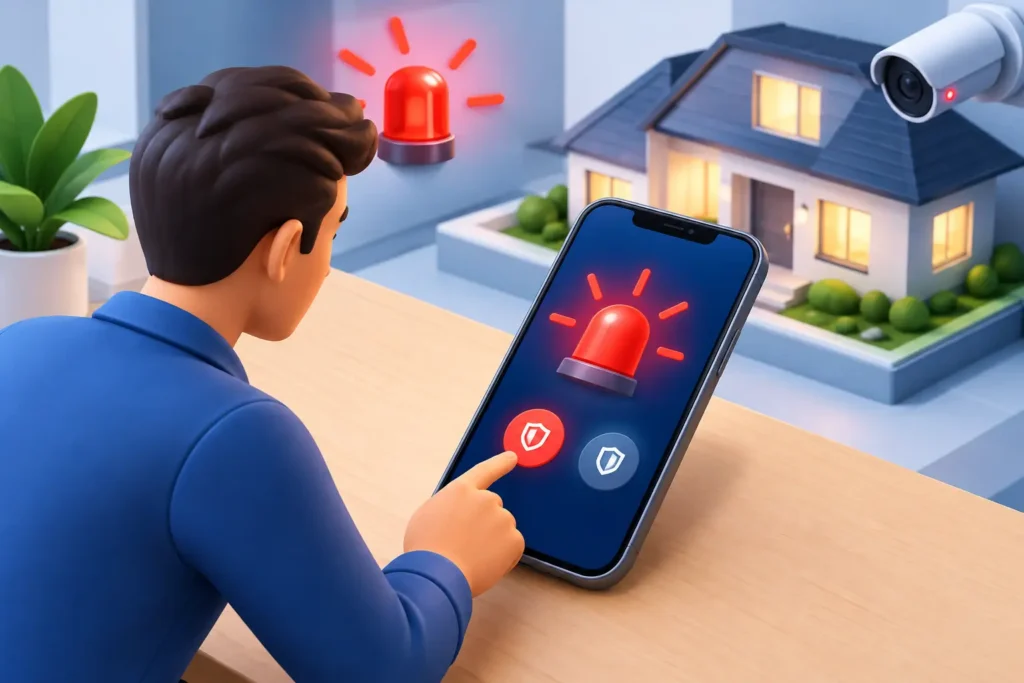
A phone notification at 2:14 a.m. is not the time to decide who has a key, where the evacuation point is, or whether an alert can wait until morning. Knowing how to respond to alarm alerts gives your family, employees, and monitoring team the information they need to act quickly when seconds matter.
The right response depends on the type of alert, the location, and what you can safely verify. An intrusion alarm, fire alarm, medical alert, low-temperature notification, and video motion alert should not all be treated the same way. The goal is simple: protect people first, avoid unnecessary risk, and communicate clearly with trained professionals.
Start With the Alert Type and Location
Before taking any action, look at what the system is reporting. A monitored security system may identify a door or window zone, smoke detector, carbon monoxide sensor, panic button, or medical device activation. If your system includes video verification, a camera notification can provide useful context, but it should never encourage you to put yourself in danger.
For homeowners, the first question is whether everyone inside is safe. For businesses, facility managers should know whether the building is occupied, who is authorized to be there, and whether the affected area contains a higher-risk operation such as a server room, stockroom, pharmacy, or mechanical space.
Do not assume an alert is false simply because there is no obvious sign of trouble. A smoke alarm may activate before flames are visible. A back door alert may indicate a forced entry, an employee arriving early, or a door that did not latch. Treat the notification as real until it is safely confirmed otherwise.
Respond to Fire and Carbon Monoxide Alerts First
Fire and carbon monoxide alerts require immediate action. If you are in the building, get everyone out using the nearest safe exit. Do not stop to collect valuables, search for a pet in a smoke-filled room, or investigate the source of the alarm. Once outside, move to your designated meeting location and call 911.
Never reenter a building because the alarm has stopped or because you cannot see smoke. Fire conditions can change quickly, and carbon monoxide cannot be seen or smelled. Wait for emergency responders to say it is safe.
If you receive a fire or carbon monoxide alert while away from the property, notify emergency services if your monitoring center has not already confirmed dispatch. Then answer calls from the monitoring center promptly. They may need to verify the address, confirm whether anyone may be inside, and relay details to responding authorities.
For commercial locations, make sure supervisors and employees understand who is responsible for evacuation, accounting for staff and visitors, and meeting emergency responders. A written fire plan is especially valuable for facilities with multiple exits, shift changes, customers, or employees who may need assistance leaving the building.
What to Do When an Intrusion Alarm Activates
An intrusion alert calls for caution, not confrontation. If you are inside and believe someone may be attempting to enter, move to a safe room if possible, lock the door, stay quiet, and call 911. Do not walk through the house or business looking for the cause of the alarm.
If you are away, do not return to investigate an activated alarm. Review available camera footage from a safe location if your system provides it, but let law enforcement handle a suspected break-in. A person on site may be armed, frightened, or trying to leave quickly. Even a familiar face on camera does not prove the situation is safe.
When your monitoring center calls, provide your password or verification information as requested. Tell the operator anything that may help, such as whether a family member, employee, contractor, or cleaning crew was expected at the property. If you cannot verify the event or see signs of a possible intrusion, request emergency dispatch.
A monitored system is most effective when contact information is current. Keep your primary and secondary contacts, call order, passcode, and property address updated. Business owners should also remove former employees and vendors from authorized user lists as soon as their access changes.
How to Respond to Alarm Alerts From Your Phone
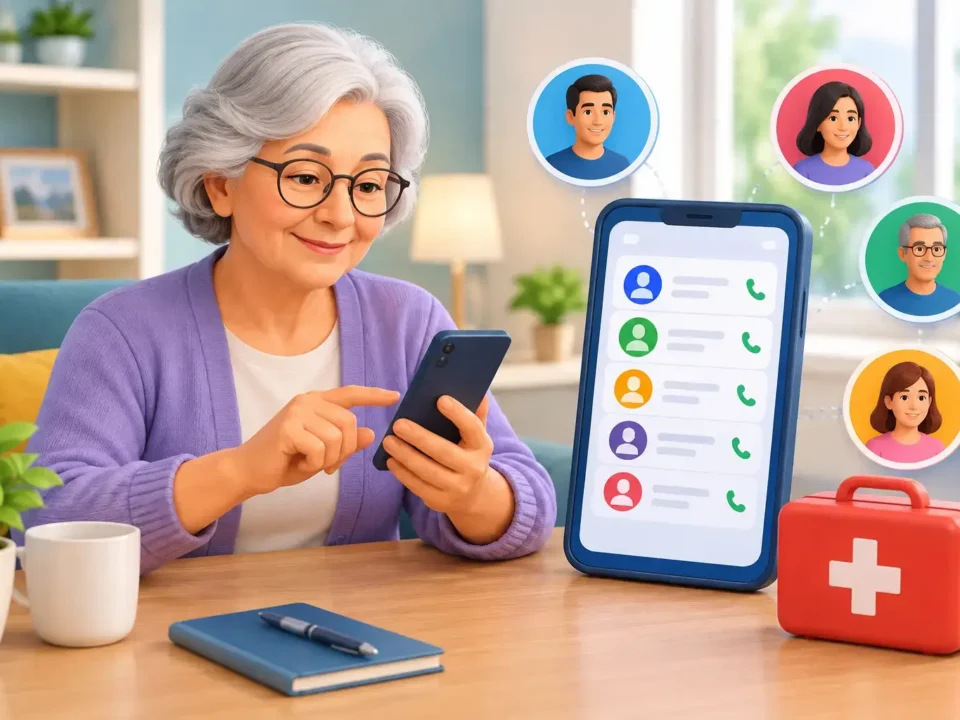
Smartphone control makes it easier to receive alerts while traveling, at work, or away from a commercial property. It also introduces a common mistake: dismissing a notification too quickly because it appears among routine phone alerts.
Set alarm and life-safety notifications to a distinct tone, and make sure the right people receive them. A homeowner may include a spouse or trusted relative. A business may need an owner, manager, facilities contact, and after-hours keyholder. Avoid sending every alert to a large group if no one has a clearly assigned response role.
When a notification appears, take three quick steps: identify the event, check whether anyone is at risk, and answer the monitoring call. If there is a serious threat, contact 911 immediately. If the alert appears to be a false alarm, disarm the system only after you know why it activated.
For example, a camera may show a delivery driver at a front door, while a glass-break sensor or interior motion detector may suggest a much more urgent concern. Context matters, but safety comes before convenience.
Medical Alert Activations Need a Clear Plan
A personal medical alert can be activated after a fall, sudden illness, or moment of fear. Whether the person presses an SOS button or a fall-detection device sends an alert automatically, treat it as a request for help until you know otherwise.
If the user is able to communicate, encourage them to remain where they are and avoid trying to stand after a fall unless they are certain they are uninjured. A monitoring professional can assess the situation and contact emergency services, family members, or caregivers based on the response plan.
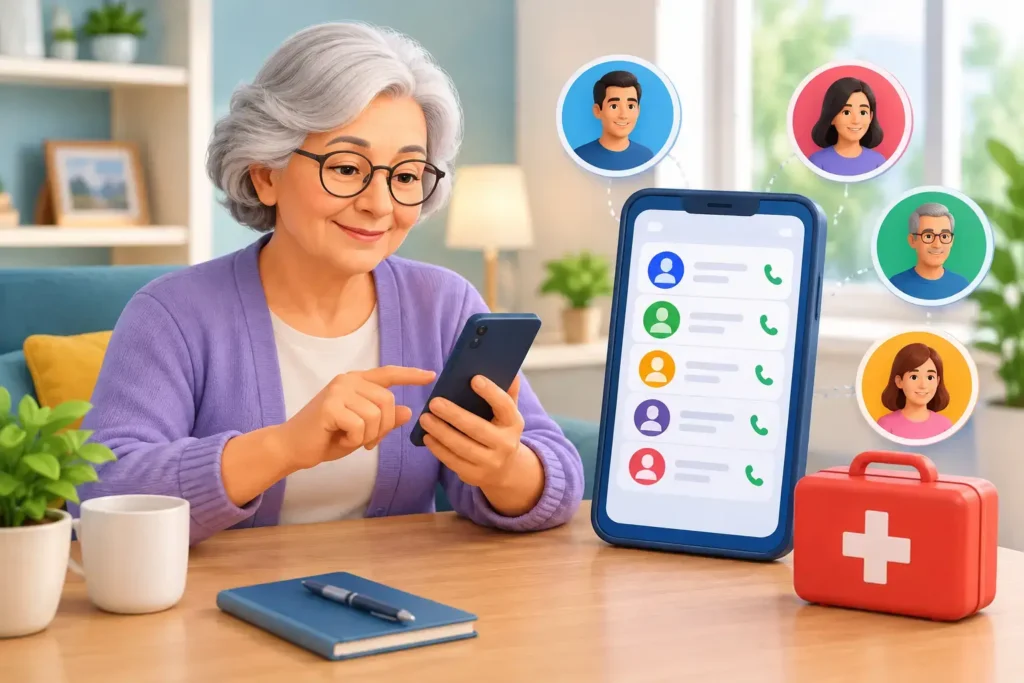
For older adults and medically vulnerable individuals, the best plan is one that is simple enough to use under stress. Wear the device consistently, test it on schedule, and make sure emergency contacts understand they may receive a call. GPS-enabled mobile devices can also provide added protection outside the home, but users should keep them charged and on their person.
Reduce False Alarms Without Delaying a Real Response
False alarms can happen, but they should be addressed after the immediate safety question is settled. Common causes include doors that do not close securely, pets triggering motion sensors, employee error, low batteries, open windows, construction work, and changes to a building layout.
Regular maintenance helps prevent avoidable activations. Test your system according to your provider’s instructions, replace batteries when notified, and report recurring trouble signals. If you renovate a room, add a pet, change business hours, or rearrange inventory near a detector, ask whether the system settings should be adjusted.
Training is equally important. Family members should know how to arm and disarm the system, use the passcode, and leave safely during an emergency. Employees should understand opening and closing procedures, who to contact after hours, and why propping open a secured door creates both a security and operational problem.
Build a Response Plan Before You Need It
A good alarm system is only part of the protection plan. The people connected to it need to know what to do. Keep emergency numbers current, identify a safe meeting place, establish a business keyholder procedure, and make sure every authorized user knows the correct passcode.
For South Carolina homes and businesses, local support matters when you need help with system changes, training, testing, or a service concern. ADP Security Systems pairs professionally installed security and life-safety solutions with 24/7 monitoring so customers have expert support behind the alert.
The most reassuring alarm response is not a heroic one. It is a calm, practiced decision that gets people to safety, brings in the right help, and leaves the investigation to trained professionals.