How Do You Plan a Commercial Security Camera Layout?
November 18, 2026
How to Automate Home Lighting for Safer Nights
November 20, 2026
Last Updated: November 17, 2026
Quick Summary
To choose a fire suppression system, name the fire hazard first, then buy the hardware that controls it. Match the system type to the fire class, occupancy, layout, and local code requirements before comparing price. Water, clean agent, inert gas, CO2, and foam systems each suit different hazards and spaces.
- Water is effective on Class A fires but dangerous on live electrical gear.
- Clean agent systems leave no residue and suit server rooms and control rooms.
- Carbon dioxide systems are lethal in occupied spaces, so use them only in unoccupied areas.
- Gaseous systems only work in a sealed room, so confirm room sealing before installation.
- Ask contractors for a written lifecycle view covering installation, testing, recharge, and service.
Table of Contents
- Start With the Fire Hazard, Not the Equipment
- Types of Fire Suppression Systems and What Each One Does
- Match the System to Occupancy, Layout, and Protected Area
- A Step-by-Step Selection Framework
- What Drives Fire Suppression System Price and Lifecycle Cost
- Choosing a Fire Suppression System for a Food Truck
- How to Evaluate Fire Suppression System Companies
- Get a Free Fire Safety Assessment
- Frequently Asked Questions
Start With the Fire Hazard, Not the Equipment
Most buyers start with the equipment catalog. That is backwards. The right way to choose a fire suppression system is to name the hazard first, then buy the hardware that controls it.
A fire suppression system is the fixed equipment that detects a fire and discharges an agent to put it out or hold it back until responders arrive.
At ADP Security Systems, we have served South Carolina for more than 30 years with fire and life safety solutions.
Before you look at a single product, write down what actually burns in your building.
Fire Classes and What They Mean for Your Building
Fire class tells you which agent will actually work. Get the class wrong and the system can make the fire worse.
- Class A: ordinary combustibles like wood, paper, cloth, and cardboard.
- Class B: flammable liquids such as grease, oil, gasoline, and solvents.
- Class C: energized electrical equipment, from panels to servers.
- Class K: cooking oils and fats in commercial kitchens (What Is a Class K Fire Extinguisher?).
A server room fire is a Class C problem. A commercial fryer fire is Class K. A warehouse full of cardboard is Class A.
Water is effective on Class A and dangerous on live electrical gear.
For a broader look at protecting a property from fire, including detection and escape planning, see our guide to fire safety for South Carolina homes and businesses.
Types of Fire Suppression Systems and What Each One Does
There is no single best fire suppression system. The right system matches your hazard, your space, and your code obligations. The fastest way to compare them is on the same five axes: fire-class effectiveness, cleanup and downtime after discharge, water or residue damage, occupant safety during and after discharge, and environmental and equipment impact. Here is how the main categories stack up.
Water-Based Systems: Wet, Dry, and Water Mist
Wet systems hold water in the pipes at all times and discharge the moment a sprinkler head opens.
Dry systems keep the pipes filled with pressurized air until a sprinkler opens. They exist for one reason: freezing. Unheated warehouses, loading docks, and parking structures need them.
Water mist systems push water out as a fine fog rather than a flood.
The honest trade-off: water is cheap, widely available, and proven, but it damages electronics, documents, and inventory, and it is unsafe on energized electrical equipment.
Clean Agents, Inert Gas, and Carbon Dioxide
Clean agent systems discharge a gas or chemical that stops the fire without leaving residue.
Inert gas systems lower the oxygen level enough to stop combustion.
Carbon dioxide systems are effective and inexpensive, but the gas is lethal in occupied spaces. They belong in unoccupied areas like generator rooms and industrial equipment enclosures.
Foam systems smother flammable liquid fires by blanketing the surface. They suit fuel storage and chemical handling areas.
| System type | Best fire classes | Cleanup / downtime | Water or residue damage | Occupant safety notes | Environmental / equipment notes |
|---|---|---|---|---|---|
| Wet sprinkler | A | Moderate to high (water cleanup) | High | Low risk; water only | Water supply and drainage needed |
| Dry sprinkler | A | Moderate to high | High | Low risk | Air supply and valve maintenance |
| Water mist | A, some B | Low to moderate | Low | Low risk | Listed engineered system required |
| Clean agent | A, B, C | Very low | None | Safe when designed with egress alarms | Some agents have global-warming considerations |
| Inert gas | A, B, C | Very low | None | Safe when room is sealed and egress is planned | Large storage footprint |
| CO2 | B, C | Very low | None | Lethal in occupied spaces | Unoccupied areas only |
| Foam | B | Moderate (foam cleanup) | Moderate | Low risk | Concentrate disposal considerations |
For server rooms and other high-value equipment spaces, our guide to protecting server rooms covers detection, agent choice, and room sealing in more detail.
Match the System to Occupancy, Layout, and Protected Area
The same hazard in two different buildings can call for two different systems. Occupancy and layout decide as much as the fire class does.
Start with who is inside. A space people sleep in, like a hotel or dormitory, carries stricter life safety expectations than a storage bay.
Then look at the building itself:
- Size and protected area: large open warehouses favor sprinklers; small enclosed rooms favor clean agents.
- Ceiling height and obstructions: high racks and mezzanines change how agent and water reach the fire.
- Ventilation and room sealing: gaseous systems only work in a sealed room.
- Water supply and drainage: a wet system needs both, and not every site has them.
A fire inspection is how you confirm what your building actually requires. Our page on fire inspections for South Carolina properties explains what an inspection covers and how compliance gets verified.
A Step-by-Step Selection Framework
Use this sequence to avoid buying equipment you do not need and to avoid missing a requirement.
- List the hazards room by room. Note fire class, ignition sources, and what would be lost.
- Classify each space by occupancy. Who is there, how many, and can they leave unaided?
- Check the code requirements. Local fire codes and NFPA requirements set the floor for your building type.
- Screen system types against the hazard. Rule out anything unsafe for the class or the space.
- Confirm installation readiness. Water supply, room sealing, pipe routes, and structural support.
- Get written proposals from licensed contractors. Compare scope, not just price.
- Verify inspection and maintenance terms. A system nobody tests is a system you cannot trust.
Step three is where most projects stall. Our overview of fire alarm requirements for South Carolina businesses lays out the local rules your chosen system has to satisfy.
What Drives Fire Suppression System Price and Lifecycle Cost
Fire suppression system price depends on design, and two buildings with the same square footage can cost very different amounts once the real cost drivers are considered. Comparing total cost of ownership across the life of the system, including installation, inspection and testing, agent recharge after a discharge, routine maintenance, downtime, and eventual replacement, gives a clearer picture than purchase price alone.
The big upfront drivers:
- Agent and system type. Clean agents and inert gases cost more up front than water, and inert gas storage can add floor space and structural support.
- Protected area and pipe runs. More space and longer runs mean more material and labor.
- Installation complexity. Retrofit work in an occupied building costs more than new construction, and room sealing for gaseous systems adds scope.
- Detection and controls. Panels, sensors, and integration with your alarm add scope.
- Water supply and drainage. A wet system may require a dedicated water supply, backflow prevention, and drainage that the building does not have.
The lifecycle drivers buyers forget:
- Inspection and testing. Every system needs scheduled inspection under NFPA standards, and the labor and documentation recur every year.
- Agent recharge. A clean agent or inert gas discharge consumes agent that must be recharged, and the cost can be significant relative to the original install.
- Maintenance and service. Valves, detection, and controls need periodic service, and neglected systems fail tests.
- Downtime. A false discharge in a server room or a water discharge in a warehouse can halt operations far longer than the repair itself.
- Replacement horizon. Detection and control panels have a service life, and replacement should be planned rather than discovered.
A practical way to compare bids is to ask each contractor for a lifecycle view in writing: installation scope, first-year inspection and testing, expected recharge cost after a discharge, annual service, and the expected replacement horizon for panels and agent. Pricing depends on your building, so request a written scope and current figures directly from ADP Security Systems.
Watch out: the cheapest bid often leaves out detection, monitoring, or the first year of testing, and those gaps show up later as failures and unbudgeted costs.
Choosing a Fire Suppression System for a Food Truck
A food truck is a small space with a serious hazard, and the rules are stricter than most owners expect.
The cooking surface runs on propane or electric heat, the oil is Class K, and the truck is a confined metal box on wheels. A wet sprinkler makes little sense here.
What to check before you buy:
- Listed for mobile and vehicle use, not just fixed kitchens.
- Shuts off the fuel supply when it discharges.
- Covers every cooking appliance, including fryers and griddles.
- Has a clear inspection schedule that fits your service route.
- Comes with a contractor who services mobile units, not just storefronts.
Watch out: skipping the fuel shutoff is the most common and most dangerous shortcut in food truck installs. A suppression system that puts out the oil fire while gas keeps flowing has not solved the problem.
How to Evaluate Fire Suppression System Companies
The contractor matters as much as the equipment. A well-specified system installed badly will underperform, and a good contractor will tell you when you are overbuying.
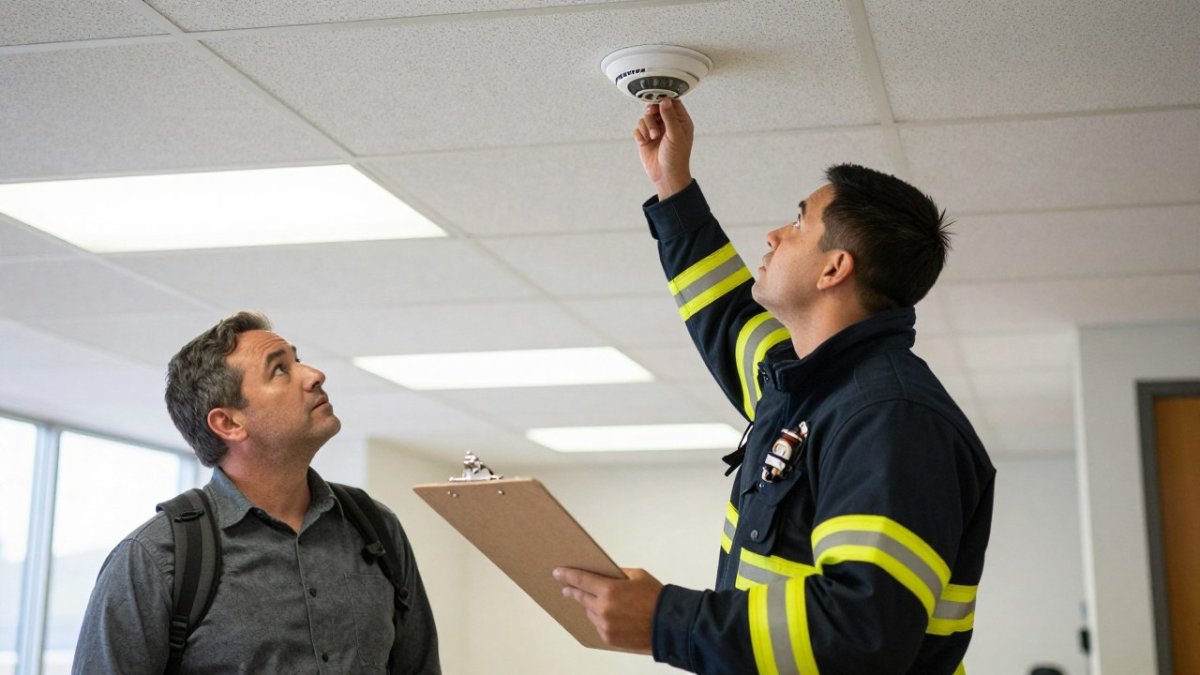
Use this checklist when you compare fire suppression system companies:
- Licensed and insured for fire protection work in your state
- Can show completed projects in buildings like yours
- Provides references you can actually call
- Explains the hazard analysis behind their proposal
- Quotes inspection and maintenance separately and clearly
- Answers false alarm and false discharge questions directly
- Responds to service calls on a defined schedule
Ask each one the same question: “Why this system for this room?” The answer separates a designer from an order-taker.
A common mistake is choosing on price alone. The cheapest bid often leaves out detection, monitoring, or the first year of testing, and those gaps show up later as failures.
Get a Free Fire Safety Assessment
Choosing a fire suppression system comes down to three things: the hazard, the space, and the code. Get those right and the equipment decision mostly makes itself.
ADP Security Systems has served South Carolina for more than 30 years.
If you are still mapping your escape routes and life safety plan, our commercial building evacuation guide is a good next read.
The hard part is not picking a system. It is knowing whether the one you picked will still work in year five.
Frequently Asked Questions
What is the best type of fire suppression system?
There is no single best type. Water-based sprinkler systems suit most commercial buildings and storage areas, clean agent and inert gas systems protect server rooms and sensitive electronics, and wet chemical systems handle commercial cooking. The right choice depends on the fire class, occupancy type, protected area, and local code requirements. A hazard analysis of your specific facility should come before any equipment decision.
How do I know which fire suppression system my building needs?
Start by identifying the combustible materials present, the occupancy type, and the size and layout of the protected area. Then check NFPA requirements and local fire codes for your building use. A qualified fire suppression company can run a risk assessment and recommend a system that meets code without oversizing the installation. Getting this wrong in either direction costs money.
What is the average cost of a fire suppression system?
Fire suppression system price varies widely by agent type, protected area, pipe routing, and whether the building is new construction or a retrofit. Clean agent and inert gas systems generally cost more than water-based systems for the same footprint, and retrofits add labor. Request a site-specific quote rather than relying on national averages, since installation conditions drive most of the difference.
How often should a fire suppression system be inspected and maintained?
NFPA standards set inspection intervals by system type, and the applicable schedule should be confirmed against the current edition of the standard and local requirements. Skipping maintenance is the fastest way to a false discharge or a system that fails when it matters, so put a scheduled maintenance plan in place at installation.