Commercial Fire Alarm Installation Checklist
June 10, 2026
Fire Alarm Monitoring vs. Inspection for Businesses
June 11, 2026
South Carolina businesses cannot treat a commercial fire alarm as a one-time purchase. It must work in an emergency and remain compliant through years of inspections, testing, maintenance, and building changes.
Commercial fire alarm systems detect fire or smoke, alert occupants, and can notify emergency responders before conditions spread through a building. For South Carolina businesses, the right system depends on occupancy, building height, floor area, hazards, and requirements set by the local Authority Having Jurisdiction. The state fire code requires life-safety systems to be installed, repaired, operated, tested, and maintained according to applicable codes. A complete plan should cover the control panel, initiating devices, audible and visual alerts, backup power, monitoring, permits, inspections, and ongoing maintenance. Choosing conventional or addressable equipment is only one step; reliable protection also depends on professional design, correct installation, regular testing, and prompt professional repairs.
The key question is not simply which panel to buy, but how the full system protects people, property, and business continuity during an emergency. To make a sound decision, start with What commercial fire alarm systems do first. Here’s how.
What commercial fire alarm systems do
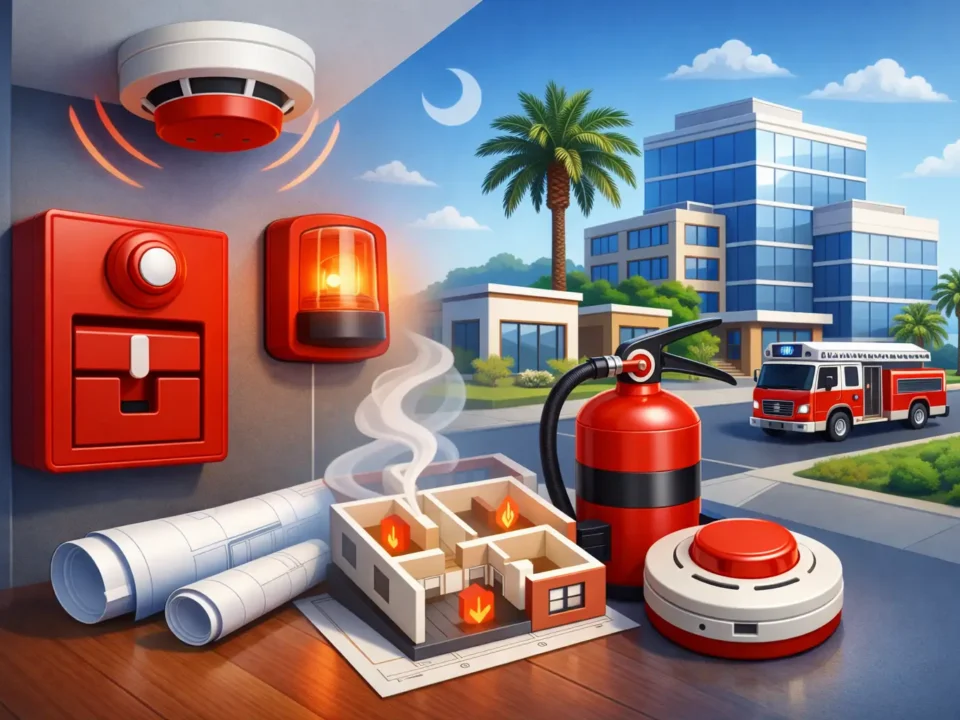
Commercial fire alarm systems form a connected life-safety chain. They detect signs of fire, warn people, guide other building systems, and send an alarm for outside response. Each part must work with the others, since a fast detector has little value if the warning never reaches occupants.
Detection and manual reporting
The chain starts with initiating devices. Smoke detectors sense smoke, heat detectors respond to set heat conditions, and sprinkler waterflow switches report flowing water. Manual pull stations let a person report a fire before an automatic device responds.
These devices send signals to the fire alarm control panel, which acts as the system’s central decision point. The panel reads the signal, shows its source, and starts the programmed response. System design must reflect the building’s occupancy, height, and area under South Carolina fire protection requirements.
Occupant notification and building control
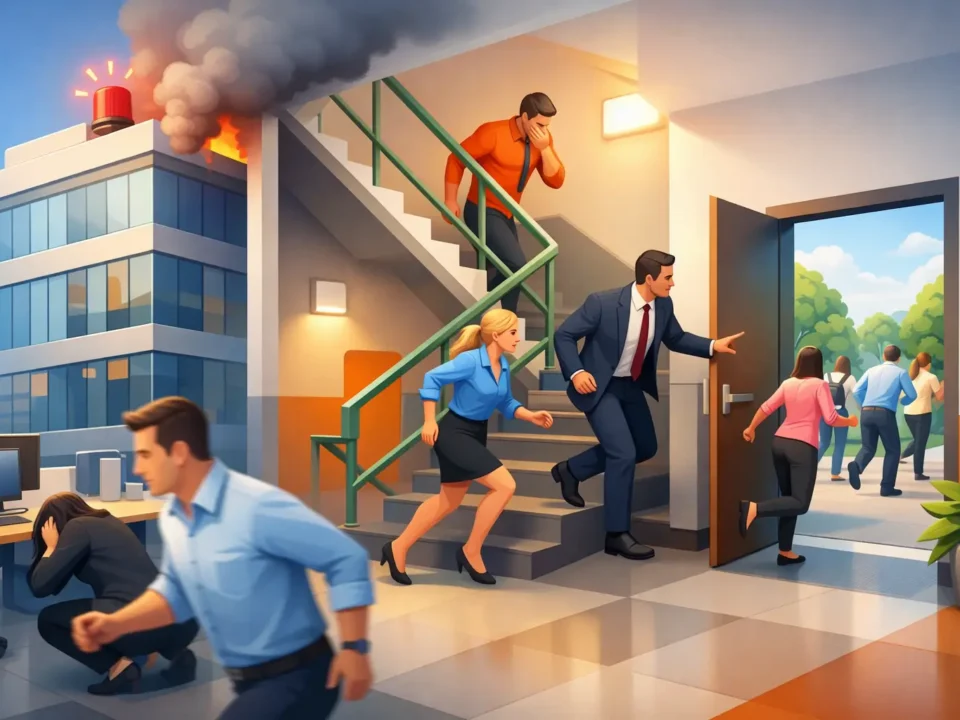
After the panel confirms an alarm, notification appliances warn people in the building. Horns, speakers, strobes, and voice messages help occupants notice the emergency and begin evacuation. Clear signals support the building’s response plan, including escape routes and methods for accounting for occupants.
The panel may also trigger safety controls based on the approved system design. These controls can release secured exits, recall elevators, close fire doors, or manage air systems. The exact actions depend on the facility and the local authority having jurisdiction.
An alarm supports people, but it does not replace planning. A written plan should define emergency reporting, escape steps, routes, and occupant accounting, according to this NIOSH fire safety checklist.
Monitoring and emergency response
Monitoring extends the chain beyond the property. When the panel sends an alarm signal, a monitoring center receives it and follows the site’s response process. This link matters when a building is empty, lightly staffed, or unable to place a call.
Alarm, supervisory, and trouble signals mean different things. An alarm points to a possible fire, while a supervisory signal can show an off-normal condition in a connected system. A trouble signal reports a fault that may keep part of the system from working as planned.
Reliable response depends on clear signal handling and current site details. Staff contacts, access notes, and response instructions should stay accurate as operations change. Ongoing commercial fire alarm monitoring connects detection and notification with a managed outside response process.
Core components and how they work together
Commercial fire alarm systems use several linked parts to detect danger, process a signal, warn occupants, and support an emergency response. The control panel serves as the system’s central point. Initiating devices send signals to it, while notification appliances alert people in the building.
Each part must suit the building and work as one system. South Carolina fire code applies to the design, installation, inspection, operation, testing, and maintenance of life-safety systems. Building occupancy, height, and area also shape system needs.
Roles of the main components
The table below shows each major component’s role and a practical point to review. Exact device needs depend on the site and the local authority having jurisdiction.
| Component | Primary role | Selection consideration |
|---|---|---|
| Control panel | Receives signals and coordinates the alarm response | System size, programming needs, and future changes |
| Initiating devices | Detect smoke or fire, or allow manual activation | Building risks, layout, and device placement |
| Notification appliances | Warn occupants through audible or visible signals | Occupant needs and effective coverage |
| Annunciator | Shows system status at a useful access point | Responder access and building layout |
| Alarm communication equipment | Sends alarm information beyond the protected site | Monitoring plan and signal path |
Conventional or addressable controls
A conventional system gives a broad indication based on the zone where a device activates. An addressable system identifies the specific device, which can help staff locate the source faster. The right choice depends on the building’s scale, layout, use, and planned changes.
System type is only one part of the decision. Review the full design with the local AHJ before work begins. A qualified provider can support existing equipment or plan a new commercial fire alarm installation around the site’s needs.
Reliable operation over time
Components must keep working together after installation. A sound plan covers inspection, testing, repairs, and updates as the building changes. The CDC fire protection checklist notes the need for testing and inspection of fire detection and alarm systems.
Annual checks cover remote annunciators, alarm communication equipment, initiating devices, and control panels. Smoke detection also needs sensitivity and function tests every two years. ADP’s commercial fire safety services include inspection, maintenance, installation, monitoring, upgrades, programming, and AHJ consultations.
What South Carolina businesses need to consider
Your building and its use
South Carolina businesses should treat fire alarm planning as a building-specific task, not a standard equipment purchase. The right approach depends on how a building is used, its layout, and the people inside. A warehouse, medical office, retail store, and mixed-use property can each present different needs.
The published South Carolina fire code text addresses the design, installation, inspection, testing, operation, and maintenance of life-safety systems. It also ties many requirements to a building’s occupancy, height, and area. Owners should review those details before choosing or changing commercial fire alarm systems.
- Confirm the building’s current occupancy and use.
- Note planned renovations, tenant changes, or additions.
- Identify areas with special hazards or access limits.
- Gather records for the existing alarm and related systems.
The local authority having jurisdiction
The authority having jurisdiction, often called the AHJ, applies the codes adopted for a specific project and location. Its review can shape plans, permits, documents, device connections, tests, and final acceptance. Requirements may differ by building and local jurisdiction, so a prior project is not a safe template.
Contact the AHJ early, before equipment is ordered or work begins. Ask which code editions apply, what plans are needed, and how inspections will be scheduled. A qualified provider can help prepare for that discussion and explain how the AHJ’s direction affects system design.
Business owners can also review this guide to South Carolina fire alarm codes before meeting with project partners. It offers useful background, but the AHJ remains the right source for project-specific direction. Keep written approvals and inspection records with the system documents.
Ongoing duties beyond installation
Acceptance of a new or updated system is not the end of the process. Businesses need a clear plan for tests, inspections, repairs, records, and changes to the property. Assign staff members to track service dates and report problems as soon as they appear.
Fire safety planning also reaches beyond the alarm panel. A CDC workplace fire prevention checklist calls for emergency reporting steps, escape routes, and ways to account for occupants. It also asks businesses to name the staff responsible for fire prevention equipment and ignition hazards.
Review the plan when the building use, layout, staffing, or equipment changes. Those changes can affect alarm coverage and emergency steps. Before relying on an older system or service plan, confirm current needs with the AHJ and a qualified fire alarm professional.
How to choose the right system for your facility
Start with the building and its occupants
The right choice starts with how people use the building, not with a product list. Note the occupancy type, daily headcount, operating hours, fire risks, and areas where people may need help. Building height and floor area also shape the system design and the way alarms must reach occupants.
Walk the full site and map offices, storage areas, loading docks, kitchens, mechanical rooms, and outdoor work zones. Record noise levels, locked spaces, and places where a standard audible alarm may not be enough. Also consider visitors, overnight staff, and people with hearing, sight, or mobility needs.
A practical system selection process
Use a site review to turn those needs into a clear design brief. The following steps help facility leaders compare commercial fire alarm systems without losing sight of code, daily operations, or future growth.
-
Define the building use. List each area’s purpose, likely hazards, normal occupancy, and hours of use. Include planned changes that could alter those conditions.
-
Map detection and notification needs. Mark where smoke, heat, pull stations, audible alarms, strobes, and other devices may be needed. Check that alerts can reach every occupied space.
-
Review existing infrastructure. Document the control panel, wiring, devices, sprinkler links, power sources, and communication paths. Note equipment age, condition, service records, and compatibility limits.
-
Plan for access and evacuation. Account for accessible notification, clear escape routes, and staff duties during an alarm. A written plan should cover reporting, escape routes, and occupant accounting, as outlined in this NIOSH fire safety checklist.
-
Allow for growth. Estimate future rooms, tenants, equipment, and changes in building use. Choose a system that can add devices or zones without a full replacement.
-
Set monitoring and service needs. Decide who receives alarms after hours and how faults are handled. Compare response procedures, testing support, and the provider’s service coverage.
Code review and long-term fit
Bring the site findings to the local Authority Having Jurisdiction before the design is final. Requirements can change with occupancy, layout, renovations, and connected fire protection equipment. Early review can reduce redesign work and clarify permits, device placement, and approval steps.
Then compare the cost of ownership, not just the first quote. Include inspections, tests, repairs, monitoring, replacement parts, staff training, and later expansion. A non-proprietary platform may offer more service choices, while compatibility with existing equipment may reduce disruption.
A qualified provider can assess whether the current system should be supported, upgraded, or replaced. Review the expected work through a detailed commercial fire alarm installation plan. If off-site response is needed, define those duties while comparing commercial fire alarm monitoring options.
Why inspection, testing, and monitoring matter
Inspection and testing
Inspection checks the visible condition of devices, panels, wiring, labels, and access points. Testing goes further by confirming that each part responds as intended when the system receives an input. Together, these checks can reveal blocked devices, damage, weak signals, or building changes that may affect system performance.
South Carolina code requires life-safety systems to be operated, tested, and maintained under the state building and fire codes. Since each property has different equipment and risks, the required scope should follow the adopted code and local AHJ direction. Do not assume that a past inspection covers later renovations, tenant changes, or added equipment.
A qualified provider can coordinate commercial fire safety services across the alarm panel, initiating devices, notification devices, and communication equipment. The provider should also explain failed results and needed repairs in plain terms. Ask how changes to the building may affect the next inspection or test.
Maintenance and clear records
Maintenance addresses faults and worn parts before they disrupt the system during an emergency. It may include cleaning devices, correcting trouble signals, replacing damaged parts, and updating programming after approved changes. The work should match the installed equipment, manufacturer guidance, adopted code, and AHJ requirements.
Good records show what was checked, what passed, what failed, and what work remains open. They help managers track repairs and give inspectors a clear history of the system. Keep documents organized by date, system, and location so staff can find them when needed.
- Inspection and test reports
- Open deficiencies and completed repairs
- System changes, permits, and approvals
- Monitoring account and contact details
- Staff training and drill records
Use the required schedule for the site rather than a generic interval. The AHJ, adopted code, equipment type, and facility use can shape the work. Reviewing South Carolina fire alarm codes can help managers prepare questions for their provider and local officials.
Monitoring and staff responsibilities
Monitoring gives commercial fire alarm systems a path to send signals beyond the building. It does not replace inspection, testing, repairs, or a trained staff response. Managers should confirm that account details and call lists stay current, especially after staffing or tenant changes.
Staff still need to know how to report an emergency, follow evacuation routes, and account for occupants. A NIOSH fire safety checklist also calls for naming the people responsible for maintaining fire-control equipment. Assign those roles in writing and give each person the access and training needed.
Employees should report blocked devices, damage, trouble signals, and unplanned changes as soon as they notice them. They should never silence, reset, or alter equipment unless that action is part of their assigned role. Clear duties help the service provider, monitoring team, and building staff respond to the same information.
Planning a commercial fire alarm project
A useful project plan starts with the building, not a product list. Define the work before comparing proposals for commercial fire alarm systems. This approach makes cost differences easier to understand and helps prevent missed items later.
Scope and code inputs
Give each provider the same facts about your site. Include its use, size, floor count, hours, renovation plans, and existing alarm equipment. Also note any areas with unusual noise, dust, heat, or access limits.
Ask who will confirm requirements with the local Authority Having Jurisdiction, or AHJ. South Carolina rules can depend on building use, height, and area. A provider should also explain permits, plan review, testing, and the steps needed for final approval.
Look for established commercial fire safety services for Upstate SC businesses with local expertise in navigating South Carolina fire code requirements.
- Will the project keep, replace, or expand the current control panel and devices?
- Does the scope include design drawings, permits, programming, and AHJ coordination?
- How will work affect occupied areas, normal operations, and planned renovations?
Planning should extend beyond alarm hardware. A facility’s written fire plan should cover emergency reporting, escape routes, signals, and occupant accounting, according to a CDC fire safety checklist. Ask how the finished system will support those procedures.
Budget lines beyond equipment
A clear budget separates one-time project work from ongoing service. One-time items may include design, devices, wiring, labor, permits, programming, testing, and staff training. Existing wiring and device condition can also change the final scope.
Ongoing costs may include monitoring, inspections, testing, maintenance, and future replacement parts. Ask whether the proposed equipment is non-proprietary and who can service it. Review options for commercial fire alarm monitoring as a separate operating decision.
- Request an itemized proposal with allowances, exclusions, and optional work clearly marked.
- Ask what conditions could lead to a change order and how approval will work.
- Confirm warranty terms, service response expectations, and recurring agreement terms.
- Set aside time and funds for testing, AHJ review, and corrections before opening or handoff.
Questions for the provider
Compare providers on project control as well as equipment. Ask who designs the system, manages permits, schedules inspections, and handles questions from the AHJ. Confirm whether one project manager will remain responsible from design through acceptance.
Request a proposed schedule with decision dates, site access needs, outage windows, testing, and handoff tasks. The proposal should state what records you receive, including drawings, device lists, test results, and training materials. A detailed commercial fire alarm installation plan should make every party’s duties clear.
Before signing, ask the provider to walk through the scope line by line. Resolve unclear exclusions and confirm how future service will work. This review helps you compare complete plans instead of choosing a low quote with missing work.
Frequently Asked Questions
How does a commercial fire alarm system work?
When a smoke detector, heat detector, sprinkler switch, or manual pull station activates, it sends a signal to the control panel. The panel identifies the event and starts the required alerts, such as horns, strobes, or voice messages. Under NFPA 72, on-site notification must occur within 10 seconds of activation, according to the NFPA.
What are the components of a commercial fire alarm system?
A commercial fire alarm system typically includes a control panel, initiating devices, notification appliances, and primary and backup power supplies. Initiating devices include smoke detectors, heat detectors, sprinkler switches, and manual pull stations. Notification appliances include horns, strobes, bells, or voice speakers. The exact equipment depends on the building’s occupancy, height, area, hazards, and local code requirements.
How often should commercial fire alarms be inspected?
Inspection and testing schedules depend on the equipment, applicable code, and local Authority Having Jurisdiction. Common maintenance includes annual checks of control panels, initiating devices, communication equipment, and remote annunciators. Smoke detector sensitivity and function tests may be required every two years. South Carolina code requires life-safety systems to be tested and maintained in accordance with applicable codes, as outlined in the state fire code.
What is the difference between conventional and addressable fire alarm systems?
A conventional fire alarm system groups devices into zones and identifies the general area where an alarm started. An addressable system assigns an identity to each connected device, allowing the control panel to show the specific device and location. Addressable systems can speed investigation in larger or more complex buildings, while conventional systems may suit smaller properties with simpler layouts.
Does every South Carolina business need a commercial fire alarm system?
Not every South Carolina business follows the same fire alarm requirements. The required system depends on factors such as building occupancy, height, area, layout, and specific hazards. The local Authority Having Jurisdiction reviews plans and applies the adopted building and fire codes. A qualified fire alarm provider can assess the property and coordinate with the AHJ before installation or modification work begins.
Ready to Improve Your Commercial Fire Safety?
Ignoring gaps in your commercial fire alarm system can leave employees, property, daily operations, and emergency response plans exposed when an emergency occurs. Delays can also make inspections, repairs, upgrades, and code concerns harder to manage as your building, operations, and safety needs change. Starting now gives your team time to review the current system, identify practical priorities, and plan necessary improvements before deadlines or problems create added pressure.
Do not wait until an alarm problem, failed inspection, or compliance concern forces your business into a rushed and costly response. Ready to protect your operation and improve preparedness? Contact ADP Security Systems to request a commercial fire alarm assessment and discuss your building, current system, response needs, and next steps.