6 Best Fall Detection Devices for Seniors Compared
May 28, 2026
What to Look For in Fire Alarm Contractors
June 1, 2026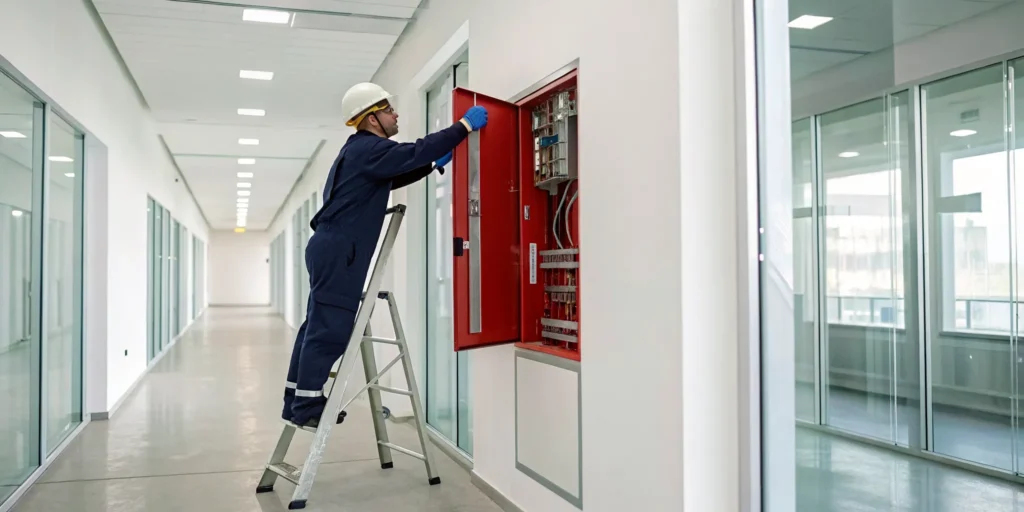
A fire alarm system for a small retail shop in Greer has very different needs than one for a large manufacturing plant in Spartanburg. There is no one-size-fits-all solution when it comes to life safety. Modern fire protection involves a range of technologies, from straightforward conventional systems to highly advanced addressable and smart systems that pinpoint a fire’s exact location and integrate with other building controls. Choosing the right fit is essential for effective protection. That’s why professional fire alarm system installation services begin with a deep understanding of your specific operations, building layout, and risks, ensuring you get a custom-designed solution that provides the precise level of safety your business requires.
Key Takeaways
- Prioritize Professional, Certified Installation: A fire alarm must be installed by a licensed and certified expert to meet complex safety codes like NFPA 72. This is the only way to guarantee your system will function correctly in an emergency, while also protecting your business from steep fines and legal issues.
- Choose a System Tailored to Your Space: The best fire alarm is not a one-size-fits-all product; it’s a custom solution based on your building’s size, layout, and purpose. A thorough site assessment will determine if a conventional, addressable, or wireless system is the right choice to protect your property effectively.
- Look Beyond Installation to Long-Term Care: A fire alarm’s reliability depends on consistent support after it’s installed. Plan for ongoing services like 24/7 monitoring, annual inspections, and routine maintenance by partnering with a full-service provider who can keep your system compliant and ready to perform for years to come.
Why You Need a Professional for Fire Alarm Installation
When it comes to protecting your business or home from a fire, the stakes are incredibly high. While a DIY approach can be tempting for some projects, fire alarm installation is not one of them. A professionally installed system is more than just a piece of hardware; it’s a life-saving ecosystem designed, wired, and tested by experts who understand the complexities of fire safety. From ensuring every component works together flawlessly to meeting strict local and national codes, a professional installer provides the expertise and peace of mind that you simply can’t get from a box.
The Dangers of DIY or Uncertified Work
Choosing an uncertified installer or attempting a DIY fire alarm installation can have serious consequences. A primary danger is failing to comply with critical safety regulations. Professionals are required to make sure all fire alarm systems follow the strict rules outlined in the National Fire Alarm and Signaling Code, also known as NFPA 72, as well as all South Carolina state and local fire codes. An improperly installed system can lead to devastating failures, like detectors that don’t activate or notification alerts that don’t sound. This not only puts lives at risk but can also lead to significant fines and potential legal liability if a fire occurs.
Common Myths About Fire Alarm Installation
One common myth is that professional installation is an unnecessary expense. In reality, having a compliant and properly maintained fire alarm system can help businesses save money on insurance and avoid costly penalties. Another misconception is that any electrician can handle the job. While electricians are experts in wiring, certified fire alarm technicians have specialized training in system design, device placement, and the specific codes that govern life safety systems. A professional installation is a clear, multi-step process involving planning, installation, thorough testing, and training your team, ensuring the system is effective from day one.
Protecting Your People, Property, and Business
Ultimately, hiring a professional is about protecting what matters most: your people, your property, and your business’s future. A correctly installed and maintained fire alarm system provides the earliest possible warning, allowing everyone to evacuate safely and minimizing property damage. Regular testing and inspection, which are required by NFPA 72, are crucial for ensuring your system remains reliable. By partnering with a certified expert like ADP Security Systems, you get a full range of fire alarm services, from initial installation to ongoing maintenance, ensuring your system is always ready to perform when you need it most.
What Are the Different Types of Commercial Fire Alarms?
Choosing a fire alarm system for your business isn’t a one-size-fits-all decision. The right system depends on your building’s size, its layout, and how you use the space. A small retail shop in Greer has very different needs than a sprawling manufacturing plant in Spartanburg. Understanding the main types of commercial fire alarms is the first step in finding the perfect fit to protect your property and the people inside it. Each system offers a unique approach to detection and notification, so let’s walk through the options to see which one aligns with your business’s safety goals.
Conventional Systems
Think of a conventional fire alarm as a straightforward, zone-based system. It’s a reliable and cost-effective choice, making it a popular option for smaller businesses, retail stores, and offices. In this setup, your building is divided into different zones. If a smoke detector or manual pull station is triggered, the fire alarm control panel will tell you which zone the alert came from, but not the specific device. For example, it might indicate a fire in the “upstairs office” zone rather than pinpointing the exact smoke detector. While they don’t offer the precision of more advanced systems, conventional fire alarm systems are simple, dependable, and meet code for many smaller commercial spaces.
Addressable Systems
Addressable fire alarm systems are a significant step up in technology and are ideal for larger or more complex buildings like hospitals, schools, and multi-story offices. Unlike conventional systems that only identify a general zone, every single device in an addressable system has a unique digital “address.” When a detector is activated, the control panel instantly shows its exact location, like “Smoke Detector, Room 204.” This precision is critical in an emergency, as it helps first responders get to the source of the fire much faster. According to the National Fire Protection Association (NFPA), this detailed information dramatically improves emergency response times and overall building safety, giving you a clearer picture when seconds count.
Wireless Systems
What if your business is in a historic building in downtown Greenville where running new wires is a major challenge? That’s where wireless fire alarm systems come in. These systems use secure radio signals to connect detectors and devices to the main control panel, eliminating the need for extensive and disruptive wiring. Installation is much faster and cleaner, making it a fantastic solution for retrofitting older properties or buildings with complex architecture. While wireless fire alarm systems offer incredible flexibility, they do require consistent maintenance to ensure batteries are fresh and signal strength is strong, keeping your connection reliable.
Smart and Integrated Systems
For the modern South Carolina business, smart fire alarm systems offer a new level of control and awareness. These systems don’t just detect fires; they integrate with your other building management systems, like HVAC and access control. Imagine a system that not only sounds an alarm but also automatically shuts down ventilation to stop smoke from spreading and unlocks specific doors to create a clear evacuation path. You can receive real-time alerts and system status updates directly on your phone or computer, no matter where you are. These smart fire alarm systems provide actionable data and remote access, turning your fire safety system into an active part of your building’s overall security ecosystem.
Mass Notification Systems
In large venues like schools, factories, or sprawling commercial campuses, getting the word out quickly during an emergency is essential. Mass notification systems are designed to do exactly that. They go beyond traditional horns and strobes to deliver clear, direct instructions to a large number of people simultaneously. These alerts can be sent through a variety of channels, including pre-recorded voice messages over a public address (PA) system, text messages, emails, and digital signage. The goal of mass notification systems is to eliminate confusion and ensure everyone, from employees to visitors, understands the situation and knows how to evacuate safely and efficiently.
What Are the Key Parts of a Fire Alarm System?
A commercial fire alarm is much more than a few detectors on the ceiling; it’s a complete ecosystem where every component has a critical job. Think of it like a team of specialists working together to protect your property and the people inside it. When one part detects a problem, it communicates with the others to trigger a coordinated, life-saving response. Understanding these key parts helps you appreciate why professional design and installation are so important for creating a system that works flawlessly when you need it most. From the central brain that processes information to the devices that alert everyone to safety, each piece plays a vital role in a fast and effective response.
The Control Panel
The fire alarm control panel (FACP) is the brain of your entire system. It’s the central hub that connects to all the other components, constantly monitoring them to make sure they’re working correctly. When a detector senses smoke or a pull station is activated, it sends a signal directly to the control panel. The panel then processes this information and initiates the right response, like activating the horns and strobes, shutting down HVAC systems to prevent smoke from spreading, and automatically dispatching your local fire department. As the National Fire Protection Association (NFPA) explains, modern fire alarm systems rely on this central unit to manage everything from detection to notification.
Smoke and Heat Detectors
Detectors are the frontline scouts of your fire alarm system, constantly watching for the first signs of trouble. The two main types are smoke and heat detectors. Smoke detectors are designed for early warning, using ionization or photoelectric technology to identify smoke particles in the air long before a fire grows. Heat detectors trigger an alarm when the temperature rises rapidly or reaches a fixed point, making them ideal for environments like kitchens or mechanical rooms where smoke is common. The NFPA emphasizes that properly placed smoke alarms are essential for giving occupants the earliest possible warning, which is why a professional assessment of your space is so important.
Manual Pull Stations
While automatic detectors are crucial, you also need a way for people to sound the alarm manually. That’s where manual pull stations come in. These familiar red boxes, typically located near exits and in main corridors, give anyone who spots a fire the power to immediately trigger the alarm. This ensures that an alert can be sent even if the fire is in a location without a detector or hasn’t produced enough smoke to trigger one yet. The NFPA requires that manual fire alarm boxes are clearly marked and easily accessible, allowing for quick and decisive action during an emergency. They provide a simple, reliable backup that empowers people to help protect themselves and others.
Notification Devices (Horns, Strobes, and Speakers)
Once the control panel confirms a fire, it’s critical to alert everyone in the building immediately. This is the job of notification devices. These include horns that produce a loud, audible alarm, and high-intensity strobes that provide a visual warning for noisy environments or for individuals who are deaf or hard of hearing. More advanced systems may also include speakers that broadcast clear, pre-recorded voice messages or live instructions to guide people to safety. The NFPA highlights the importance of effective notification appliances to ensure every single person in the building is made aware of the danger, no matter where they are or what their physical abilities may be.
Sprinkler System Integration
For the highest level of protection, your fire alarm system can be integrated directly with your building’s fire sprinkler system. This creates a powerful, two-pronged response. The alarm system provides the initial detection and notification, while the sprinklers activate automatically to suppress the fire, often controlling or even extinguishing it before the fire department arrives. According to the NFPA, combining alarms with sprinkler systems significantly improves life safety and can dramatically reduce property damage. This integration ensures that your system isn’t just telling you there’s a problem; it’s actively starting to solve it, buying precious time and protecting your assets.
What to Expect During the Installation Process
A professional fire alarm installation is a structured, multi-step project designed to give you complete peace of mind. It’s more than just mounting hardware on walls; it’s a detailed process that ensures your system is perfectly suited to your property, compliant with all regulations, and ready to perform when it matters most. From the initial design to the final team training, we manage every detail so you can focus on your business. Understanding these steps helps you know what’s happening at each stage and why every part of the process is critical for ensuring the safety of your people and property.
Step 1: Site Assessment and Custom Design
The first step is always a thorough site assessment. One of our experts will visit your Greenville or Upstate business to get a complete picture of your property. We’ll walk through the space, noting its size, layout, and how it’s used. We also identify specific risks and unique structural features that could impact fire safety. This isn’t about a one-size-fits-all solution. Based on this detailed evaluation, we create a custom fire alarm design that is tailored specifically for your building. This ensures you get the right type of protection exactly where you need it, providing a solid foundation for the rest of the installation.
Step 2: Handling Permits and Code Compliance
Dealing with local regulations can be one of the most complex parts of any building project. That’s why our team handles it for you. Once the system design is finalized, we manage all the necessary paperwork to secure permits from local authorities. We work directly with officials to ensure your new system design meets or exceeds all state and local fire codes. The South Carolina State Fire Marshal sets specific standards for commercial properties, and our job is to ensure your installation is fully compliant from the start. This step is crucial for the legality of your system and is a key part of a professional, worry-free installation.
Step 3: Installing and Wiring the System
With an approved design in hand, our certified technicians get to work on the physical installation. This is where the plan comes to life. Our team meticulously installs all the components, including the main control panel, smoke and heat detectors, manual pull stations, and notification devices like horns and strobes. We run all the necessary wiring, carefully integrating the system into your building’s infrastructure while working efficiently to minimize any disruption to your daily operations. Our technicians are experts in their craft, ensuring every connection is secure and every device is placed for optimal performance and reliability.
Step 4: Testing, Commissioning, and Final Approval
After the installation is complete, we begin a comprehensive testing phase to guarantee every part of the system works flawlessly. This process, known as commissioning, involves activating each detector, verifying every notification device, and ensuring the control panel communicates correctly. We conduct rigorous system performance tests to confirm the entire system functions as a single, cohesive unit. Once we are satisfied, we schedule a final inspection with the local fire marshal or Authority Having Jurisdiction (AHJ). Their final approval is the official sign-off that your system is ready to protect your business.
Step 5: Training Your Team
A fire alarm system is only effective if your team knows how to use it. The final step of our process is to provide comprehensive training for you and your staff. We’ll walk you through the system’s day-to-day operation, explain what different alerts mean, and show you what to do in an emergency. We want you to feel confident and prepared. You’ll also receive all the necessary documentation and user manuals for your records. Our goal is to leave you not just with a new fire alarm system, but with the knowledge and confidence to manage it effectively.
Understanding Fire Alarm Codes and Standards
When it comes to fire safety, there’s no room for guesswork. Installing a fire alarm system is more than just a technical task; it’s a process governed by strict codes and standards designed to protect lives and property. For business owners and homeowners in South Carolina, understanding these rules is the first step toward ensuring your building is safe and compliant. Let’s walk through the key regulations and organizations you should know.
NFPA 72 and South Carolina Fire Codes
Think of the NFPA 72 as the official rulebook for fire alarms in the United States. This code, formally called the National Fire Alarm and Signaling Code, details everything from how a system should be designed and installed to how it needs to be tested and maintained. It’s the gold standard for ensuring your system works correctly when you need it most. Here in South Carolina, state and local fire marshals adopt this national code, sometimes with specific amendments for our communities. Working with a local expert who understands both the NFPA 72 and our state’s unique requirements is essential for a compliant installation that keeps your business and its occupants safe.
The Role of the AHJ (Authority Having Jurisdiction)
You’ll often hear the term “AHJ” in discussions about fire alarm installation. This stands for the Authority Having Jurisdiction, which is usually your local fire marshal or a building code official in places like Greenville or Anderson. The AHJ is the person responsible for reviewing and approving your fire alarm system plans. They conduct inspections to verify that the installation meets all code requirements before giving the final sign-off. An experienced installer knows how to work with the local AHJ from the very beginning, ensuring a smooth process without costly delays. This collaborative approach helps everyone understand the role of the AHJ and achieve a safe, approved system.
Why NICET Certification Matters
How can you be sure your installer truly knows their stuff? Look for NICET certification. The National Institute for Certification in Engineering Technologies (NICET) provides a rigorous certification program for fire alarm technicians. A technician with a NICET Fire Alarm Systems Certification has proven their expertise in system design, installation, and maintenance according to the highest industry standards. Hiring a NICET-certified team gives you peace of mind, knowing your life-saving system is in the hands of qualified professionals who are committed to getting the job done right. It’s a clear indicator of quality and a non-negotiable for any commercial fire alarm project.
Meeting IBC and OSHA Rules
Beyond fire-specific codes, your installation must also align with broader building and workplace safety regulations. The International Building Code (IBC) sets the minimum safety requirements for all construction, including where fire alarms are needed and how they integrate with other building features like sprinkler systems. Additionally, the Occupational Safety and Health Administration (OSHA) has rules to ensure the safety of everyone on a worksite. A professional installer will follow all OSHA regulations during the installation process, protecting their team and preventing any liability issues for you as the property owner. Adherence to these codes is fundamental to a safe and legally sound installation.
How to Choose the Right Fire Alarm Installer
Choosing a fire alarm installer is one of the most important decisions you’ll make for your business. This isn’t just about checking a box for compliance; it’s about entrusting someone with the safety of your employees, customers, and property. The right partner will provide not only a reliable system but also peace of mind. A poor choice can lead to failed inspections, false alarms, or, in the worst-case scenario, a system that doesn’t perform when you need it most.
To make sure you’re partnering with a true professional, you need to do a little homework. Look for a company that is not only technically proficient but also deeply familiar with the specific requirements in your area, whether you’re in Greenville, Spartanburg, or Anderson. By asking the right questions and verifying their credentials, you can find an installer who will be a long-term asset to your business’s safety plan. Here are the key things to look for.
Verify Their Certifications and Licensing
Before you even discuss a quote, your first step is to confirm the installer is properly credentialed. In South Carolina, fire alarm contractors must be licensed, so don’t hesitate to ask for their license number. Beyond state requirements, look for technicians with NICET certification. This is the gold standard in our industry. For example, a NICET Level IV certification indicates the highest level of expertise in fire alarm systems. Hiring a certified team ensures your system is designed and installed by professionals who have proven their knowledge and skills, giving you confidence that the job will be done right the first time.
Confirm Their Commercial Experience
Experience is more than just the number of years a company has been in business. You want an installer who has a proven track record with businesses like yours. Have they worked on retail stores in Clemson, industrial facilities in Easley, or healthcare offices in Mauldin? A company with deep commercial experience has likely encountered and solved a wide range of challenges. They understand the unique fire risks associated with different industries and building types. Ask for case studies or references from similar businesses in the Upstate to get a clear picture of their expertise and the quality of their work.
Ask About Local South Carolina Code Knowledge
Fire codes can be complex and vary between the state, county, and city levels. A knowledgeable installer will be an expert on NFPA 72, the national fire alarm and signaling code, and will also know the specific amendments and requirements enforced by your local Authority Having Jurisdiction (AHJ) in South Carolina. This local expertise is critical for ensuring your system passes inspection without costly delays or revisions. Your installer should be able to confidently explain how their design meets all relevant codes, protecting you from potential fines and liability issues.
Look for a Full-Service Partner
A fire alarm system is not a “set it and forget it” piece of equipment. It requires ongoing maintenance, testing, and monitoring to remain effective and compliant. The best installers are full-service partners who can support you for the entire life of the system. Look for a company that handles everything from the initial design and installation to 24/7 monitoring, inspections, and repairs. Partnering with a single provider simplifies your life, as you’ll have one trusted contact for any questions or service needs. This integrated approach ensures continuity of service and a team that is already familiar with your system’s specific design.
Check Their Reputation and Reviews
Finally, take some time to investigate the company’s reputation in the community. A company’s website will always show them in the best light, so look for third-party validation. Read online reviews on Google, check their standing with the Better Business Bureau, and ask for a list of local references you can speak with. A reputable installer will have a long list of satisfied clients and won’t hesitate to share their success stories. Hearing directly from other business owners in your area is one of the best ways to gauge what your experience will be like with a potential installer.
What Does a Fire Alarm Installation Cost?
When you’re running a business in South Carolina, every dollar counts. So, it’s natural to ask: what will a professional fire alarm installation cost? The honest answer is that there’s no single price tag. The final cost is an investment in safety, and it depends entirely on your specific needs, your building, and the type of system you choose. Think of it less like buying a product off the shelf and more like creating a custom safety solution for your property.
The total price is shaped by several key factors, from the size of your facility in Greenville to the complexity of the system required to keep it code-compliant. A small boutique in Spartanburg will have different requirements than a large manufacturing plant in Anderson. To get a clear picture, it’s helpful to break the cost down into three main parts: the initial installation, ongoing services like monitoring and maintenance, and different ways to pay for it all. A trustworthy partner will walk you through each element, ensuring you get a system that protects your people and property without any financial surprises.
Factors That Affect Your Final Price
Your final installation price is influenced by a few key variables. The first is the size and layout of your building; a larger, more complex space requires more detectors, wiring, and labor. The second major factor is the type of system you install. A basic conventional system is more affordable upfront but can be harder to manage in a large building. An addressable system, which pinpoints the exact location of a fire, costs more initially but saves critical time in an emergency. The National Fire Protection Association estimates that basic systems can range from $1 to $2 per square foot, while more advanced systems can be closer to $3 to $5 per square foot.
Budgeting for Monitoring and Maintenance
The cost of a fire alarm system doesn’t end with installation. To ensure your system works when you need it most, you’ll need to budget for ongoing services. Professional 24/7 monitoring is essential; this service ensures that when an alarm is triggered, emergency services are dispatched immediately, whether you’re on-site or not. Monthly monitoring fees typically range from $25 to $50. You also need to plan for regular inspections and maintenance to keep your system compliant and reliable. Annual fire alarm system maintenance checks can cost between $100 and $300, which is a small price to pay for the peace of mind that your system is always ready to perform.
Exploring Service Agreements and Financing
Paying for a new fire alarm system doesn’t always have to be a large, one-time expense. Many professional installers offer service agreements that bundle monitoring, inspections, and even repairs into a predictable monthly or quarterly payment. This approach makes budgeting much simpler and helps you avoid unexpected repair bills down the road. For larger or more complex installations, financing options can make a state-of-the-art system more accessible. This allows you to get the protection your business needs now while spreading the cost over time. A full-service partner like ADP Security Systems can help you explore these options to find a plan that fits your budget.
How to Maintain Your System After Installation
Getting your new fire alarm system installed is a huge step, but it’s really just the first step in a long-term commitment to safety. Think of it like a new company vehicle; you wouldn’t drive it off the lot and then skip every oil change or tire rotation. Your fire alarm system needs the same kind of consistent care to perform reliably when you need it most. This ongoing maintenance ensures your system remains compliant with South Carolina fire codes, functions correctly, and provides the unwavering protection your team and property deserve. A proactive approach is always better than a reactive one, especially when it comes to life safety.
Partnering with a full-service provider makes this process straightforward. A dedicated team can manage your inspections, handle repairs, and keep you informed about necessary updates, giving you the peace of mind that comes from knowing your system is always ready to respond. This ongoing relationship is built on a few key practices: regular testing, diligent component care, detailed record-keeping, constant monitoring, and knowing when it’s time for an upgrade. By understanding these pillars of system maintenance, you can ensure your business is protected for years to come.
Schedule Regular Inspections and Tests
Once your system is installed, scheduling routine professional inspections is the most important thing you can do to ensure it works properly. These aren’t just casual check-ups; they are thorough evaluations required by law. The National Fire Protection Association (NFPA) sets the standards, and most jurisdictions, including those in South Carolina, mandate annual testing by a certified professional.
During an inspection, a technician will test every component, from the control panel and detectors to the notification devices, to confirm they are communicating and functioning correctly. This process verifies that your system is not only operational but also fully compliant with local fire codes, which is essential for passing fire marshal inspections and satisfying insurance requirements.
Keep Up with Component Maintenance
Over time, dust, environmental changes, and simple wear and tear can affect your fire alarm’s components. Smoke detectors can become less sensitive, backup batteries can lose their charge, and wiring can degrade. Regular maintenance helps catch these small issues before they turn into major system failures or annoying false alarms.
A professional service partner can perform routine check-ups to clean detectors, test batteries, and ensure every part of your system is in top condition. If a component does fail, having a team on call for 24-hour support means you can get emergency repairs done quickly. This proactive care keeps your system reliable and extends its lifespan, saving you from unexpected costs and vulnerabilities down the road.
Maintain Detailed Service Records
Keeping organized records of all maintenance, inspections, and tests is more than just good housekeeping; it’s a crucial part of your compliance strategy. When the local fire marshal or an insurance auditor visits, they will want to see a complete history of your system’s service. These documents serve as proof that you are diligently meeting your legal obligations to maintain a safe environment.
Your service log should include the date of each activity, the name of the technician, what was tested or repaired, and the results. A professional installer will provide you with the initial documentation and a framework for keeping these records. Maintaining a detailed logbook makes audits smoother and demonstrates your commitment to safety for everyone who walks through your doors.
Why 24/7 Monitoring is Essential
An unmonitored fire alarm system can only alert people who are already inside your building. But what happens if a fire breaks out after hours, on a weekend, or during a holiday? With 24/7 professional monitoring, your fire alarm system is connected to a central station where trained operators are watching over your business around the clock.
If an alarm is triggered, an operator receives an immediate signal and can dispatch the fire department to your location within moments. This rapid response can make all the difference in minimizing damage and protecting your assets, even when the building is empty. Monitoring transforms your fire alarm from a simple notification device into a true life-safety solution that provides constant, active protection.
Know When It’s Time for an Upgrade
Fire alarm technology is constantly improving. While a well-maintained system can last for years, there will come a time when an upgrade is necessary. Older systems may become obsolete, making it difficult to find replacement parts, or they may no longer meet evolving fire codes. Frequent false alarms or system malfunctions are also clear signs that your technology may be nearing the end of its effective life.
Upgrading isn’t just about replacing old equipment. It’s an opportunity to integrate your fire alarm with other building systems, like your security and access control, for a smarter and more cohesive safety solution. A modern system offers better performance, enhanced reliability, and advanced features that provide a higher level of protection for your business.
Protect Your Business with ADP Security Systems
When you run a business, protecting it is your top priority. A professionally installed fire alarm system is one of the most critical investments you can make for your company’s future. At ADP Security Systems, we specialize in comprehensive fire alarm installations designed specifically for commercial properties here in South Carolina. Our goal is to give you a system that is not only effective but also fully compliant with all safety standards.
We design and install every system to meet the strict guidelines of the National Fire Protection Association (NFPA) 72, which is the national code for fire alarm installation and maintenance. Following these rules is key to passing inspections and making sure your system works correctly when it matters most. Whether you run an office in Greenville, a warehouse in Spartanburg, or a healthcare facility in Anderson, we create custom solutions that fit the unique risks of your environment.
Choosing ADP Security Systems means you get more than just a fire alarm. You get a local partner dedicated to your safety. We manage the entire process for you, from the initial design and permitting to the final installation and testing. By working with us, you gain the peace of mind that comes from knowing your people, your property, and your business are protected from the threat of fire.
Related Articles
- SC Commercial Fire Alarm Codes: What You Need to Know
- The Small Business Guide to Fire Alarms in Upstate SC
- Fire Alarm System Design for Greenville, SC Business
- Commercial Fire Alarm Installation Greenville SC: A Guide
Frequently Asked Questions
Why can’t my regular electrician install a commercial fire alarm? While electricians are masters of wiring, a commercial fire alarm is a life-safety system that requires a different kind of expertise. Certified fire alarm technicians have specialized training in NFPA 72, the national code that governs everything from where a detector must be placed to how the system must be tested. Their job is focused on system design and code compliance to ensure a fast and reliable response, which is a different skill set than general electrical work.
My business is small. Do I really need a complex addressable system? Not necessarily. For many smaller businesses, a conventional fire alarm system is a perfectly suitable and cost-effective solution that meets all code requirements. These systems identify a fire within a general “zone,” like the front office or back warehouse. An addressable system, which pinpoints the exact detector that was triggered, is typically better for larger or more complex buildings where finding the fire’s source quickly is more challenging. We can help you determine which type is the right fit for your space and budget.
How often does my fire alarm system need to be professionally inspected? According to national codes (NFPA 72) that are adopted here in South Carolina, your commercial fire alarm system must be professionally tested and inspected at least once a year. This isn’t just a recommendation; it’s a legal requirement to keep your business compliant and your insurance valid. These annual inspections ensure every component, from the detectors to the backup batteries, is functioning correctly.
What happens if the power goes out? Will my fire alarm still work? Yes, absolutely. All professionally installed fire alarm systems are required by code to have a dedicated backup power source. This consists of sealed batteries that are kept constantly charged by the system. If utility power is lost, the battery backup kicks in automatically, keeping your system fully operational so your property remains protected around the clock.
Is 24/7 monitoring necessary if my building is empty at night? Professional monitoring is most critical when no one is around. An unmonitored alarm can only alert people who are already inside the building. If a fire starts overnight or on a weekend, a monitored system automatically sends a signal to a central station, where an operator immediately dispatches the fire department. This rapid response can save your business from catastrophic damage, even when you’re not there.