How Long Does Home Security Installation Take
October 5, 2026
Integrating Smart Locks With Security Systems
October 6, 2026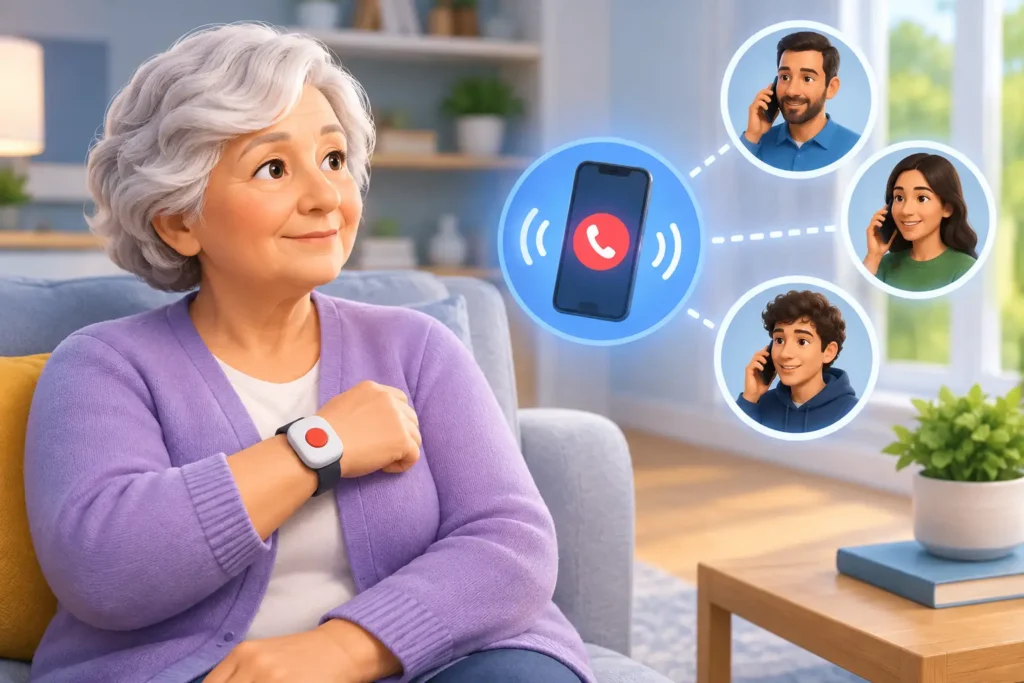
A fall in the kitchen, sudden dizziness in the driveway, or trouble breathing in the middle of the night can leave families asking one urgent question: can medical alerts call family? Often, yes. But the exact answer depends on the type of device, the monitoring plan, and the emergency contact instructions set up before an emergency happens.
A medical alert system is designed to get help quickly without requiring the person wearing it to find a phone, remember a number, or explain every detail while under stress. For many South Carolina families, the best arrangement is not choosing between family and emergency services. It is creating a response plan that can involve both.
Can Medical Alerts Call Family First?
Many monitored medical alert systems can notify family members or other designated contacts as part of the response process. When the wearer presses the SOS button, the device connects with a trained monitoring operator. The operator speaks with the user through the wearable device or base station when possible, assesses the situation, and follows the response plan on file.
That plan may include calling a spouse, adult child, neighbor, caregiver, or another trusted contact. If the situation appears life-threatening, if the user requests emergency help, or if the operator cannot reach the user, emergency medical services may be dispatched right away. The operator can then notify the family contacts listed on the account.
The order of those calls matters. Some people want a nearby family member contacted first for a non-life-threatening concern, such as help getting up after a minor fall. Others prefer emergency responders to be sent immediately, with family notified afterward. There is no single right setup. The safest choice depends on the person’s health, mobility, living situation, and whether a nearby contact can reliably respond.
How a Medical Alert Response Typically Works
A monitored system has a straightforward purpose: connect a person in distress to a live professional who can coordinate help. The steps are usually simple, but the planning behind them should be specific.
When the help button is pressed, or when an automatic fall detection feature identifies a possible fall, the monitoring center receives an alert. An operator attempts to communicate with the wearer. If the person says they need help, the operator follows the account instructions. If there is no response, the operator treats the situation according to the established emergency protocol.
A typical account includes the user’s address, relevant access details, medical information if provided, and a list of emergency contacts. That information helps responders and family members act faster when every minute feels long.
For an at-home medical alert, the operator may communicate through a base unit in the home. Mobile systems use cellular connectivity, allowing two-way communication through the pendant or device itself. GPS-enabled mobile devices can help identify the wearer’s approximate location if an emergency occurs away from home.
Family Notification Is Helpful, but It Is Not the Same as Monitoring
A phone app, smartwatch, or text alert can be useful for keeping family informed. However, family notification alone is not always enough during a serious emergency.
A family member may be driving, sleeping, in a meeting, traveling, or simply unable to answer their phone. They may also live 30 minutes away and not be able to safely assess a medical situation from a distance. A professionally monitored system provides another layer of support: a trained operator is available 24/7 to respond, communicate, dispatch emergency assistance when needed, and notify the contacts on file.
That does not reduce the role of family. It gives family members a more reliable starting point. Instead of receiving a vague call or missed notification, they can be informed that an alert occurred and that help is being coordinated.
Choosing the Right Contact Order
The most effective emergency contact plan is realistic. It should reflect who can actually answer and respond, not just who the wearer would prefer to call.
Start by identifying a primary contact and at least one backup. A nearby neighbor, caregiver, or close friend can be valuable when adult children live out of town. Confirm that every contact understands their role and has permission to receive information during an emergency.
It also helps to decide what should happen in different situations. For example, a wearer may want a local daughter called first if they need assistance after a minor incident, but want 911 dispatched immediately for chest pain, severe bleeding, difficulty breathing, or loss of consciousness. Share those preferences during system setup and review them regularly.
Do not overlook practical information. Emergency contacts should know whether there is a lockbox, garage code, gate access, pet in the home, or other detail that could affect emergency access. Keep this information current with the monitoring provider.
When immediate emergency dispatch may be the better choice
There are circumstances where waiting for a family member could create unnecessary risk. Symptoms of stroke, heart attack, severe injury, sudden confusion, or a fall with possible head trauma should be treated as medical emergencies. In those cases, the response plan should prioritize emergency services, with family notified as soon as possible.
A person’s medical history matters too. Someone with a known heart condition, seizure disorder, oxygen dependence, or frequent falls may need a more direct emergency response than someone using a device primarily for added reassurance.
Automatic Fall Detection Adds Protection, With Limits
Automatic fall detection can provide added protection when the wearer cannot press the button. This feature uses sensors that look for movements consistent with a fall and can send an alert to the monitoring center.
It is a useful safeguard, particularly for people who live alone or have a history of falls. Still, it should not be treated as a guarantee that every fall will be detected. A gradual slide from a chair, a fall with an unusual movement pattern, or a device that is not being worn may not trigger an alert. The wearer should press the help button whenever they can.
Families should also understand that fall detection may occasionally activate when no emergency exists. The ability to speak with a monitoring operator helps sort out those situations quickly.
At-Home vs. Mobile Medical Alerts
The best device is the one that matches the person’s everyday routine. An at-home system may be a strong fit for someone who spends most of their time at home and wants coverage throughout the house and yard. A mobile medical alert can be a better option for someone who still drives, shops, attends church, visits friends, or travels.
Mobile devices commonly rely on cellular service and may include GPS location capability. Before selecting one, ask about coverage where the wearer lives and regularly spends time. Rural areas, travel routes, and the places a person visits most often all deserve consideration.
Waterproof wearable options are also valuable because bathrooms and showers are common places for falls. A device only helps when it is nearby, so comfort, battery charging habits, and daily wearability are practical factors, not minor details.
ADP Security Systems offers Smart Care personal medical alert options with one-touch SOS access, automatic fall detection, GPS and 4G connectivity, and waterproof wearable devices. A professional assessment can help determine whether at-home or mobile protection better fits the individual’s needs.
Questions to Ask Before You Choose a System
Before enrolling, ask how emergency contacts are notified and whether you can set a preferred response order. Confirm whether the system uses a live, professionally staffed monitoring center and whether operators are available around the clock.
Ask how the device communicates, whether it works away from home, and how location is handled during a mobile alert. Find out how to update phone numbers, medical notes, and access instructions. Changes such as a new caregiver, a move, or a disconnected phone number can weaken an otherwise strong emergency plan.
It is also wise to ask how testing works. A monthly test, along with occasional review of emergency contacts, gives the wearer confidence that the button, device, and response plan are ready when needed.
Keep the Plan Current
A medical alert system is more than a pendant or wrist device. It is a connection between the wearer, trained operators, emergency responders, and the people who care about them. That connection works best when everyone knows what to expect.
Review the contact list after a move, health change, new diagnosis, caregiver change, or family phone-number update. Have a calm conversation about when to call family first and when to send emergency services immediately. A clear plan can spare loved ones from having to make difficult decisions with incomplete information.
The greatest reassurance comes from knowing that help is not limited to whoever happens to answer a phone. With the right medical alert setup, a loved one can reach trained support quickly, and family can be brought into the response when it matters most.