What Is a Smart Home App & How Do You Choose?
May 14, 2026
Best medical alert systems for seniors with fall detection
May 18, 2026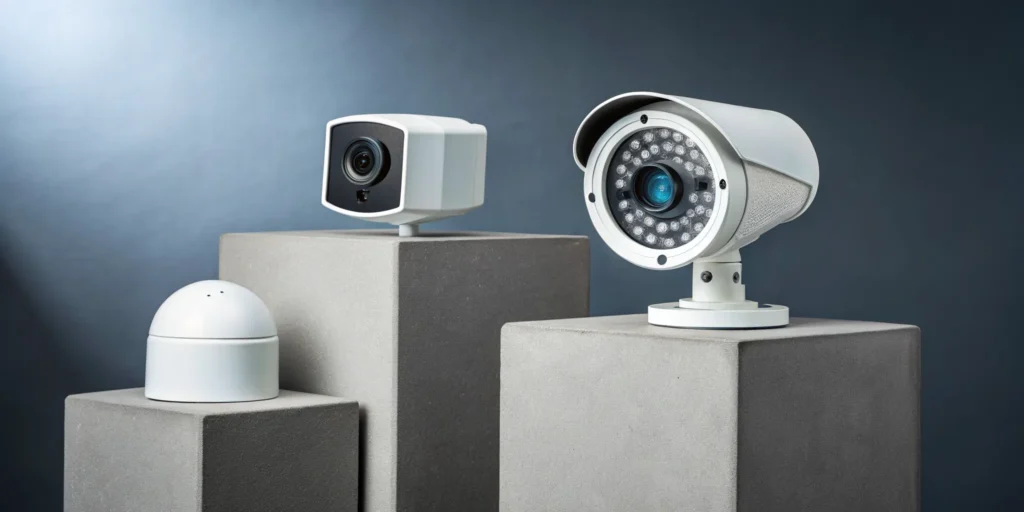
A security system is more than just a blaring alarm for break-ins. Sure, that’s part of it. But the best business security systems are also your secret weapon for day-to-day operations. They can help you stop internal theft at the register, protect your business from bogus slip-and-fall claims, and even send an alert if a pipe bursts in your stockroom. A truly effective system is a complete safety ecosystem. This guide will help you look beyond the basics to understand what a comprehensive solution can do, making it easier to choose the best security system for small business.
Key Takeaways
- Think Beyond Break-Ins: Your biggest security threats are not always external. A smart plan also addresses internal risks like employee theft and protects you from costly liability disputes with clear video evidence.
- Match the System to Your Business: There is no one-size-fits-all solution. The right choice depends on your specific industry and budget, whether that means a simple DIY kit or a professionally installed system that can grow with you.
- View Security as a Financial Tool: A professionally monitored system is more than an expense; it is an investment. It can directly lower your insurance premiums and prevent the significant financial losses associated with theft, vandalism, or fraudulent claims.
What Are the Biggest Security Risks for Your Business?
When you’re running a business, you have a million things on your plate. The last thing you want to worry about is a break-in or theft. But protecting your assets, your employees, and your hard work is a huge part of being a successful owner. The threats aren’t always what you’d expect, and they don’t just come from the outside. Understanding the most common risks is the first step toward building a solid security plan for your South Carolina business, whether you’re in a busy Greenville storefront or an Anderson office park.
Protecting Against External Threats Like Theft
Let’s start with the most obvious risk: someone breaking in. Unfortunately, commercial properties are often seen as easy targets. Offices, in particular, face significant threats; recent reports show tens of thousands of office burglaries in a single year. Thieves are after more than just cash. They target expensive equipment, computers, inventory, and sensitive company data. Vandalism is another concern that can lead to costly repairs and business downtime. A visible security system with cameras and alarms acts as a powerful deterrent, making potential criminals think twice before targeting your property. It’s your first line of defense against threats from the outside.
Understanding the Numbers on Business Crime
It’s easy to think a break-in is something that happens to other people, but the data paints a clear picture of the risks involved. Business crime is more common than many owners realize. In a single recent year, there were over 42,000 office burglaries reported nationwide. And it’s not just corporate high-rises; nearly 60% of small businesses reported experiencing theft or shoplifting in 2023. These aren’t just abstract figures. They represent real entrepreneurs in communities like ours who faced costly disruptions, lost inventory, and the stress that comes with a security breach. This shows that having a solid security plan is a fundamental part of protecting your investment and ensuring your business can thrive without interruption.
Expert Insight: How Burglars Target Businesses
Security experts point out a critical pattern: criminals actively seek out businesses that appear to be soft targets—those lacking obvious security measures. While a break-in at your shop might seem less likely than one at a home, thieves often view commercial properties as high-reward opportunities, especially after hours. They look for the path of least resistance, whether it’s an unlit alley, a weak back door, or even a shared wall in an office park or strip mall. We’ve seen situations where a thief breaks into one unit and then moves through adjoining spaces. This tactic highlights why a comprehensive security strategy is so important; it’s not just about the front door, but about securing your entire perimeter from these clever vulnerabilities.
How to Handle Internal Risks like Employee Theft
This one can be tough to think about, but it’s a reality for many businesses. Internal theft, whether it’s an employee taking products off the shelf or skimming from the cash register, can add up to significant losses over time. A comprehensive security system does more than just watch the doors; it helps you keep an eye on what’s happening inside. Strategically placed cameras can monitor stock rooms, cash-handling areas, and other sensitive spots. This not only helps you prevent employee theft but also protects your honest employees and creates a more secure work environment for everyone. It’s about accountability and protecting your bottom line.
Reducing Liability and Fighting False Claims
A security risk you might not have considered is liability. Imagine a customer staging a slip-and-fall accident in your store or an employee making a false workers’ compensation claim. Without proof, these situations can turn into a costly “he said, she said” battle that can damage your reputation and your finances. High-definition video footage provides clear, indisputable evidence of what actually happened. Even if you have staff on-site, they can’t be everywhere at once. Cameras, on the other hand, offer constant oversight and a reliable record you can turn to. This documentation is invaluable for quickly resolving disputes and protecting your business from fraudulent claims.
What to Look For in a Small Business Security System
Choosing a security system can feel like you’re staring at a massive menu with way too many options. The key is to start with the essentials and then add the features that truly fit your business needs. A system isn’t just a nice-to-have extra; it’s a fundamental tool for protecting your valuable assets, your team, and your sensitive information. Think of it as building your perfect setup piece by piece, starting with a strong foundation and then adding smart upgrades that make your life easier and your business safer. Let’s break down what you should look for.
The Must-Have Security Essentials
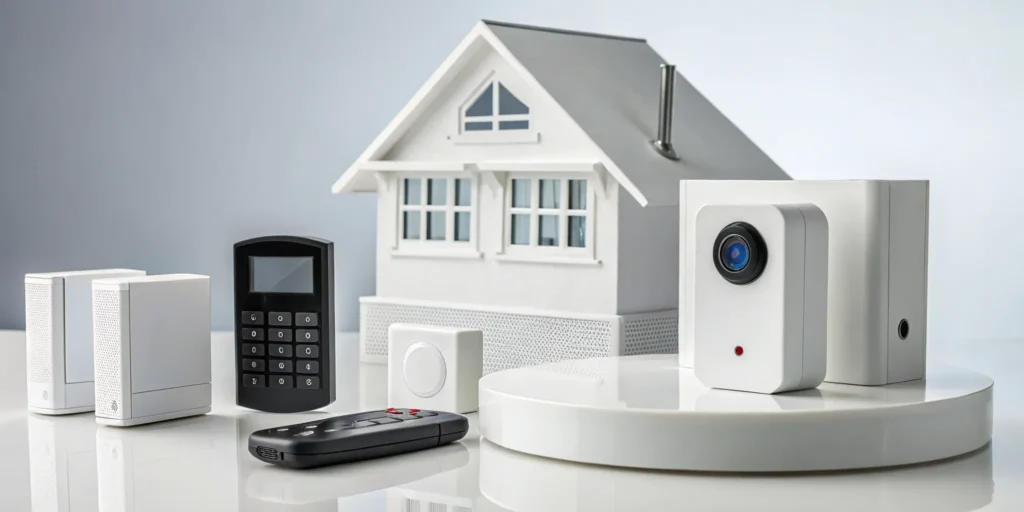
Every solid business security system is built on a few key components that work together to detect and deter threats. These are the non-negotiables. At a minimum, your system should include security cameras to provide visual evidence and motion detectors to catch unauthorized movement. You’ll also want contact sensors for your doors and windows, which trigger an alarm if a point of entry is breached. These core features create a reliable perimeter of protection around your property, giving you a baseline of security that covers the most common risks for businesses in areas like Greenville and Spartanburg.
Smart Upgrades for Enhanced Security
Once you have the basics covered, you can add features that streamline your operations and add another layer of control. Smart locks are a game-changer for businesses, allowing you to manage employee access without physical keys and lock down your office remotely from your phone. You can also integrate smart lights and plugs, which can be programmed to turn on and off automatically. This not only saves energy but also creates the illusion that someone is there after hours, which can be a powerful deterrent for potential intruders. These smart business solutions do more than just protect; they make your entire operation run more smoothly.
Professional vs. Self-Monitoring: Which Is Right for You?
This is one of the most important decisions you’ll make. With self-monitoring, an alarm trigger sends an alert directly to your phone. While that sounds good, it puts all the responsibility on you. What if you’re in a meeting, on a plane, or simply miss the notification? For a business, that delay can be costly. Professional monitoring means a dedicated team is watching over your system 24/7. The moment an alarm is triggered, a trained professional assesses the situation and dispatches emergency services if needed. This active security monitoring is highly recommended for businesses because it ensures a rapid response, giving you true peace of mind.
DIY vs. Pro Installation: What’s the Right Call for Your Business?
Once you start looking at security systems, you’ll quickly hit a fork in the road: should you install it yourself or hire a professional? There’s no single right answer, but understanding the trade-offs will help you make the best decision for your business in Greenville, Spartanburg, or anywhere in the Upstate.
The case for DIY installation is strong, especially if you’re watching your budget. Do-it-yourself systems from brands like SimpliSafe and Ring have made security accessible with kits you can set up in an afternoon. The main draw is cost. You avoid installation fees, and the equipment is often more affordable upfront. This path gives you total flexibility to place sensors and cameras wherever you see fit. For a small office or a simple retail space, a DIY system can be a perfectly good starting point. These systems are known for their easy setup, though some do offer professional installation as an add-on if you get stuck.
On the other hand, professional installation is about more than just convenience. When you partner with an expert, you’re paying for their experience. A trained technician can spot vulnerabilities you might overlook, like a blind spot in your parking lot or an unsecured back entrance. They ensure every component is installed correctly for optimal performance and can seamlessly integrate your security with other critical systems, like fire alarms and access control. Many business owners find that an established, local security partner provides more robust equipment and attentive service tailored to local needs. This is especially true for businesses in regulated industries or those with complex layouts.
Ultimately, the right choice depends on your specific needs, your comfort with technology, and your budget. Ask yourself: How much time can you realistically spend on setup and troubleshooting? How complex is your property? A properly installed system is a powerful asset that can even lead to lower business insurance premiums. It’s worth taking a moment to weigh the upfront savings of DIY against the long-term peace of mind that comes with a professional, customized installation.
How to Find a Reputable Local Installer
Choosing a professional installer is just as important as choosing the system itself, so it’s worth taking the time to find a local partner you can trust. A great place to start is by asking other business owners in your community for recommendations. Nothing beats advice from someone who has already navigated the process. You can also find great local options online; a pro tip is to use industry directories, like the dealer search on alarm.com, to find established companies nearby. Once you have a shortlist, do a quick check on their licenses, insurance, and online reviews. A key sign of a reputable installer is that they’ll insist on an on-site consultation. This hands-on approach is standard practice for our team at ADP Security Systems, because for businesses across the Upstate, a custom plan built on a real-world assessment is the only way to deliver true security and peace of mind.
Ready for a Local Security Assessment?
If your business has multiple entrances, valuable inventory, compliance requirements, or needs cameras, access control, fire alarms, and 24/7 monitoring to work together, it is time to call a local installer. ADP Security Systems designs and professionally installs commercial security systems for businesses across Greenville and the Upstate.
Request a Custom Security Quote
Breaking Down the Cost of a Business Security System
Let’s talk about the numbers. Investing in security is one of the most important decisions you’ll make as a business owner, and understanding the cost is the first step. The price of a commercial security system isn’t one-size-fits-all. It breaks down into two main categories: the initial cost for equipment and installation, and the recurring fee for professional monitoring.
While it’s an upfront expense, a well-designed system is an investment that protects your assets, your team, and your bottom line. It can even lead to significant savings down the road. Here’s a realistic look at what you can expect to pay.
Calculating Upfront Equipment & Installation Costs
The initial cost for your security system covers all the physical hardware, like cameras, door and window sensors, motion detectors, and the main control panel. For a small business, a standard equipment and installation package can run anywhere from $1,000 to over $10,000. The final price tag really depends on your specific needs, including the size of your Greenville facility and the complexity of the system you choose. A small retail shop in Simpsonville will have different requirements than a larger warehouse in Anderson. Getting a custom quote is the best way to understand what your unique business needs to be fully protected.
Typical Equipment and Installation Price Ranges
When you’re considering a security system, the first question is usually about the price. The initial cost, which covers the hardware and professional installation, can vary quite a bit. For a small business, you can generally expect a standard package to range from $1,000 to over $10,000. This typically includes the essentials like security cameras, door and window sensors, motion detectors, and the main control panel. The final number really depends on your specific situation. For example, a small boutique in downtown Greer will have different security needs than a large manufacturing facility in Spartanburg, which is why getting a custom quote tailored to your space is so important.
It’s helpful to see this cost not just as an expense, but as a smart investment in your business’s future. A professionally installed system is a powerful tool that protects your inventory, your employees, and your overall financial health. Beyond preventing theft, it can also lead to some serious long-term savings. Many insurance providers offer lower premiums for businesses with monitored security, and the clear video evidence from a good camera system can be invaluable in fighting fraudulent liability claims. When you consider the potential cost of a single break-in or a bogus lawsuit, you can see how a reliable commercial security system quickly pays for itself.
What Are the Ongoing Monitoring Fees?
Professional monitoring is the service that makes your security system work for you 24/7. For a monthly fee, a dedicated team of professionals keeps an eye on your business. If a sensor is triggered, they verify the alarm and dispatch the appropriate first responders, whether it’s the police or fire department. Monthly monitoring fees for small business security systems typically range from $40 to $120. The price often depends on the level of service you select. For example, plans that include video verification or remote access via a mobile app may be at the higher end of that range, but they provide invaluable peace of mind.
Average Monthly Monitoring Costs
After the initial investment in equipment, your main ongoing expense is the monthly monitoring fee. This is what pays for the 24/7 professional oversight that ensures someone is always watching over your property. For most small business security systems, you can expect this fee to range from about $40 to $120 per month. Where you fall in that range depends on the services you select. Plans that include advanced features like video verification—which allows a monitoring agent to visually confirm a threat—or remote system access from your phone will naturally be at the higher end. This fee ensures a team of trained professionals is always ready to assess a situation and dispatch emergency services when you can’t.
Save on Insurance with the Right Security System
Here’s some good news for your budget: a professional security system can actually save you money. Many commercial insurance providers offer discounts of 5% to 20% for businesses with a professionally installed and monitored alarm system. To qualify, your system usually needs to be UL-certified and connected to a 24/7 monitoring center that can dispatch emergency services. Beyond that, a visible security system is a powerful deterrent against theft and vandalism. It can also help reduce insurance costs by protecting you from false liability claims, like staged slip-and-fall accidents, which ultimately keeps your premiums down.
Budgeting for Security Based on Business Size
The security needs of a small boutique in Greer are very different from those of a large manufacturing plant in Anderson. As your business grows, so does its complexity, and your security budget should reflect that. To give you a clearer picture, let’s break down the typical costs based on the number of employees. These figures are a great starting point for planning, but remember that the best way to get an accurate number is to get a custom quote based on your specific layout, industry, and security goals.
For Small Businesses (1-50 Employees)
If you run a small business, you can get a robust security system without a massive upfront investment. For a company with up to 50 employees, industry experts suggest budgeting between $500 and $2,500 for equipment and installation. Your monthly monitoring fees will likely fall between $30 and $80. This budget typically covers the essentials: door and window sensors, a few high-definition cameras for key areas like the entrance and cash wrap, and a central alarm panel. It’s the perfect scale for securing a small office, a local retail shop, or a café, providing a strong deterrent and reliable monitoring without breaking the bank.
For Mid-Size Businesses (50-500 Employees)
As your business expands, so do your security requirements. For a mid-size company, you should plan for an initial equipment and installation cost ranging from $2,000 to $10,000, with monthly monitoring fees between $80 and $250. This increased budget accounts for covering a larger space, more entry points, and a greater number of employees. At this scale, you’re likely looking at a more complex system that might include advanced features like access control to manage employee permissions, more extensive camera coverage, and integration with fire and life safety systems. A custom-designed solution becomes essential to ensure there are no gaps in your protection.
Our Review of the Best Security Systems for a Small Business
Choosing a security provider can feel like a huge decision, because it is. You’re not just buying equipment; you’re investing in peace of mind and a partner to protect your hard work. With so many options out there, from DIY kits to national corporations, it’s easy to get overwhelmed. To help you sort through the noise, I’ve put together a straightforward look at some of the most common names in the business security space.
We’ll compare their strengths, typical costs, and who they’re best suited for. This isn’t about finding a single “best” system, but about finding the one that fits your specific business, budget, and needs here in South Carolina. I’m including everything from well-known national brands to the benefits of working with a dedicated local expert, so you can make a choice you feel confident about.
1. ADP Security Systems (Greenville, SC)
As a local South Carolina provider, our biggest advantage is our connection to the community we serve. We aren’t a faceless national chain; we’re your neighbors in Greenville. Instead of offering one-size-fits-all packages, we focus on creating custom security ecosystems designed for your specific business, whether it’s a retail shop in Spartanburg or a professional office in Anderson. Our team handles the design, professional installation, and 24/7 monitoring right here, ensuring you get personalized service from experts who understand local needs and regulations. Choosing us means you get a dedicated partner, not a call center.
2. ADT
ADT is one of the most established names in security, and that long history brings a sense of reliability. They offer professional installation and a range of plans with 24/7 monitoring. For small businesses, their services include advanced cybersecurity tools that can be a great fit for various industries. While their monitoring plans are competitively priced, starting around $24.99 per month, be prepared for an initial equipment cost that begins at $269. ADT is a solid choice if you’re looking for comprehensive security solutions from a widely recognized brand.
Key Features and Guarantees
ADT provides security systems designed for small businesses that cover all the essential bases, from intrusion detection to video surveillance. They are well-known for their professional installation, which means a technician will handle the setup and ensure everything is working correctly from day one. One of their standout offerings is a theft protection guarantee, where they may pay a certain amount toward your insurance deductible if a burglary occurs while your system is armed. This adds an extra layer of financial protection. For business owners, this guarantee can provide confidence that they are investing in a system the company stands behind.
Monitoring and Performance
The core of ADT’s service is its 24/7 professional monitoring. This means a team is always watching over your business, ready to act the moment an alarm is triggered. When a sensor goes off, a signal is sent to one of ADT’s monitoring centers, where a trained professional will verify the alarm and contact the police or fire department on your behalf. This ensures a fast response even when you can’t get to the phone. For a busy business owner, this service is invaluable. It removes the burden of self-monitoring and provides the assurance that your property is protected around the clock.
Pricing and Contracts
With ADT, you’re looking at both an upfront equipment cost and a monthly monitoring fee. Their monitoring plans are competitively priced, but you should expect an initial equipment cost that can start in the few hundred dollar range and go up from there depending on your needs. It’s important to know that ADT typically requires a multi-year contract for its services. While this commitment might be a drawback for some, it’s standard for professionally installed and monitored small business security systems. The contract locks in your rate and ensures continuous protection from a well-established provider.
3. Vivint
Vivint makes a name for itself with high-end, modern equipment. Their systems are known for smart home and business automation, featuring impressive tech like AI-powered cameras that can tell the difference between people, pets, and vehicles. This is especially useful for businesses like restaurants or storefronts that want to reduce false alarms. Monitoring starts around $24.99 per month but can climb higher depending on the features you add. Equipment costs begin at $199, but expect that number to grow as you customize your system with their advanced devices.
Key Features and Installation
Vivint’s systems are all about smart, integrated technology. Their professional installation is a core part of their service, which means a trained technician comes to your business to set everything up. This is a huge plus because a pro can spot vulnerabilities you might miss, ensuring cameras and sensors are placed for maximum effect. Their systems are built around key components like high-definition security cameras for clear visual evidence and motion detectors to catch any unauthorized activity. The real standout is their smart automation, which lets you control locks, lights, and thermostats from a single app, giving you a streamlined way to manage your business’s security and environment.
Pricing and Contracts
Vivint’s pricing can be a bit different from other providers. While they offer high-end equipment, you often finance it over time, which gets rolled into your monthly bill. This means a lower upfront cost, but you’ll likely be signing a multi-year contract to pay it off. Their monthly monitoring fees are competitive, generally falling within the typical small business security range of $40 to $120, depending on the services you choose. The total monthly cost will be a combination of that monitoring fee and your equipment payment. It’s a good model if you want top-tier tech without a huge initial investment, but be sure you’re comfortable with the long-term commitment before signing on.
4. SimpliSafe
If you’re looking for an affordable and straightforward system you can set up yourself, SimpliSafe is a top contender. It’s designed for easy DIY installation, which can save you money right from the start, though professional installation is also an option if you need it. Monitoring plans are very budget-friendly, and equipment packages are reasonably priced, making it a great budget-friendly option for new businesses or those wanting reliable protection without a hefty price tag. It’s a simple, effective system that covers all the essential security bases.
Key Features and Monitoring
SimpliSafe’s strength is in its name: simplicity. The system covers all the essentials you need to protect your business, including entry sensors for doors and windows, motion detectors, and security cameras. While it’s known as a DIY brand, they offer professional monitoring plans that are critical for any business owner. With this service, a team of trained professionals is ready to respond 24/7. If an alarm is triggered, they will verify the threat and contact the police for you, ensuring a fast response even when you can’t get to your phone. This gives you the core protection you need without unnecessary complexity.
Limitations to Consider
The DIY approach that makes SimpliSafe so accessible can also be its main drawback for a business. While setup is straightforward for a small, simple space, you miss out on the expertise a professional installer provides. A pro can identify security vulnerabilities you might not notice and ensure every component is placed for maximum effectiveness. The equipment is also generally less robust than what you’d get from a high-end provider. For a business with a complex layout, valuable inventory, or specific compliance needs, a custom-designed system from a local expert often provides more reliable and comprehensive coverage.
Pricing and Contracts
This is where SimpliSafe really shines for small businesses on a tight budget. Their equipment packages are reasonably priced, and you can build a system that fits your needs without a huge upfront investment. Their professional monitoring plans are some of the most affordable on the market, and best of all, they don’t require a long-term contract. This month-to-month flexibility is a huge advantage for new businesses that need to stay nimble. It’s a great budget-friendly option if you want reliable protection without being locked into a multi-year commitment.
5. Ring Alarm Pro
Ring has become a household name, and its Ring Alarm Pro system is a popular choice for small businesses that prefer a DIY approach. The system is known for its user-friendly setup and a wide variety of sensors you can add to customize your coverage. It offers professional monitoring, allowing you to get 24/7 protection without being locked into a long-term contract. Ring is ideal for the hands-on business owner who wants a flexible and easy-to-manage system with a strong mobile app experience.
6. Frontpoint
Key Features and Technology
Frontpoint is a solid middle-ground option that pulls together some of the best features from other systems, often at a more approachable price point for the equipment. One of its standout features is “crash-and-smash” protection. In simple terms, this means that even if an intruder tries to destroy the main control panel, the system has already sent an alert to the monitoring center. It also includes a cellular backup, so if your Wi-Fi ever goes out, your security system stays connected and continues to provide reliable monitoring. This combination of features ensures your business is protected even if your internet is down or a burglar attempts to disable the system.
Limitations to Consider
The biggest thing to know about Frontpoint is that you can’t monitor it yourself. Professional monitoring is required with their systems, which means you’ll always have a monthly fee. For some business owners, this is a positive, as it guarantees someone is always watching over their property. However, if you’re looking for a system where you have the option to self-monitor to save on monthly costs, Frontpoint won’t be the right fit. It’s built for business owners who want to hand off the responsibility of monitoring to a dedicated team of professionals.
Pricing and Contracts
Frontpoint’s pricing structure is pretty straightforward. The initial equipment cost is budget-friendly, with packages starting at around $69. The real cost comes from the required monthly monitoring. For businesses, their recommended “Ultimate” plan runs about $49.99 per month. While this fee is an ongoing expense, it covers the 24/7 professional monitoring and the advanced features that make the system so reliable. It’s a predictable cost that gives you access to a comprehensive security service without a massive upfront investment in hardware.
7. Lorex
Key Features and Technology
If your main security goal is high-quality video surveillance, Lorex is a brand you’ll want to look at. They specialize in cameras and do it very well, offering a wide range of options with impressive features like 4K resolution, excellent night vision, and smart AI detection. A major advantage of Lorex is that it records all video footage locally to a DVR or NVR device. This means you own your storage, and there are no mandatory monthly fees to record or access your video. It’s a great choice for businesses that need clear visual evidence and want to avoid recurring cloud storage costs.
Limitations to Consider
The biggest limitation with Lorex is that it’s a camera-only solution. It doesn’t offer the other components of a complete security system, like door sensors, window sensors, or motion detectors that trigger an audible alarm. It also doesn’t offer professional monitoring. This puts the responsibility entirely on you to watch the camera feeds and contact the authorities if you see something suspicious. Lorex is best for business owners who specifically need a robust video surveillance system and are comfortable with a completely self-monitored setup, rather than a comprehensive, monitored alarm system.
Pricing and Contracts
With Lorex, you’re looking at a one-time investment in equipment. There are no monthly monitoring fees or contracts to worry about. Basic camera systems can start at just a few hundred dollars, but the cost can easily climb to over $1,000 or even higher for larger, more advanced setups with multiple 4K cameras. While the upfront cost can be significant depending on the system you choose, the long-term savings from having no monthly fees make it an attractive option for business owners who want to control their security budget and own their equipment outright.
6. Verkada
Verkada operates in the higher end of the market, focusing on cloud-based, enterprise-level security. Their platform integrates video security, access control, and alarms into a single, streamlined dashboard. Verkada is known for its powerful AI analytics and ease of use for managing multiple locations, making it a strong fit for growing businesses or those with complex security needs. While it represents a larger initial investment, its integrated platform can simplify operations and provide deep insights that go beyond basic security, offering a scalable solution for the future.
Choosing the Best Business Security System for Your Budget
Finding the right security system is a lot like finding the right office space; what works for a solo startup in a small Mauldin office won’t fit a growing enterprise in Greenville. Your budget and business size are the two biggest factors that will guide your decision. The key is to find a solution that protects you effectively today while giving you room to grow tomorrow. Whether you’re carefully watching every penny, expanding your team, or simply want protection you don’t have to think about, there’s a security strategy that fits your specific stage. Let’s look at what makes sense for your business right now.
Best Security Options on a Budget
When you’re just starting out, every investment has to count. The good news is that securing your business doesn’t have to drain your resources. A comprehensive small business security system can have a wide price range, but you can get effective, foundational protection without a massive upfront cost. The goal is to prioritize your biggest risks, like securing the main entrance and monitoring cash-handling areas. A local expert can help you design a starter package with essential cameras and sensors that fits your budget, giving you a solid security base to build on as your business succeeds.
Security Systems That Grow With You
As your business expands from a small shop in Simpsonville to a larger operation, your security needs will evolve right along with it. A system that felt sufficient last year might leave you with blind spots today. This is the time to look for flexible and scalable security. While some businesses might opt for DIY systems, many find that as they grow, they need more customization. This is where professional installation and monitoring become invaluable. A scalable system allows you to add cameras, access control, or fire safety features as you hire more employees and acquire more inventory.
Best Options for Hands-Off Management
As a business owner, you already have a full plate. If you’d rather focus on growth than on managing your security system, a fully monitored solution is the way to go. This approach is all about achieving peace of mind through reliable, hands-off protection. With professional monitoring, a dedicated team of experts is watching over your business 24/7. If a sensor is tripped or an alarm sounds, they respond immediately, verify the threat, and dispatch emergency services if needed. This lets you step away from the day-to-day security oversight, confident that your assets and employees are always protected.
Tailoring Security to Your Specific Industry
A security system isn’t a one-size-fits-all solution. The system that works for a retail shop on Main Street in Greenville won’t be the right fit for a warehouse in Spartanburg. Every industry faces a unique set of risks, from specific types of theft to environmental hazards and regulatory requirements. Choosing the right system means looking beyond a basic alarm and considering the day-to-day realities of your business. What are your most valuable assets? Where are your most vulnerable points? Who needs access, and when?
Thinking through these questions helps you build a security strategy that truly protects your investment, your employees, and your customers. A tailored system integrates the right components, like access control for a medical office or environmental sensors for a warehouse, to create a seamless and effective safety net. Instead of just reacting to a break-in, a well-designed system helps you proactively manage risk. As a local provider, we’ve helped countless businesses across South Carolina design security ecosystems that address their specific operational needs, ensuring they get the protection they actually need without paying for features they don’t.
For Retail and Storefronts
For a retail business, your biggest concerns are often customer-facing: shoplifting, internal theft at the point-of-sale (POS), and after-hours break-ins. Your security system should focus on these key areas. High-definition video surveillance at entrances, exits, and over cash registers is essential for both deterring theft and providing clear evidence if an incident occurs. Integrating your security system with your POS system can also help you spot suspicious transactions, like an unusual number of voids or returns. A robust alarm system with door and window sensors, backed by 24/7 professional monitoring, provides the core protection you need when you lock up for the night.
Meeting PCI DSS Compliance
If your storefront accepts credit cards, you must meet the Payment Card Industry Data Security Standard (PCI DSS). While many business owners think of this as a digital issue involving firewalls, the standard also requires you to physically protect any systems that process or store cardholder data. This includes your POS terminals, back-office servers, and even network equipment. A comprehensive security plan helps you meet these requirements by restricting and monitoring access to sensitive areas. High-definition cameras and access control systems provide a clear record, proving you are taking the necessary steps to protect customer data from physical threats, not just digital ones.
For Offices and Professional Services
If you run an office or professional service, your most valuable asset might not be physical inventory but sensitive data. Protecting client information, proprietary documents, and expensive equipment is the top priority. This is where access control becomes critical. You can issue key cards or fobs to employees to restrict entry to server rooms or file storage areas, and easily revoke access for former employees. After-hours intrusion detection is also key for protecting the premises when no one is there. A good system will allow you to monitor activity and ensure your team and your clients’ information are always secure.
Meeting Financial (SOX) Compliance
For financial firms, law offices, or any business handling sensitive financial data, your security system plays a direct role in meeting regulatory standards like the Sarbanes-Oxley (SOX) Act. SOX isn’t just about accurate bookkeeping; it’s also about protecting the integrity of that data from unauthorized access or tampering. This is where a tailored commercial security system becomes a compliance tool. By implementing access control, you can create a detailed audit trail of who enters sensitive areas like server rooms or document archives, proving you have safeguards in place. This proactive approach not only secures your physical assets but also demonstrates due diligence, helping you satisfy strict regulatory requirements and protect your clients’ trust.
For Warehouses and Industrial Spaces
Warehouses and industrial facilities in areas like Anderson and Clemson present a unique challenge: securing a large, open space with multiple entry points and valuable inventory. Your focus should be on comprehensive perimeter protection. This includes outdoor cameras covering loading docks, parking lots, and fence lines, as well as large-area motion detectors inside. Beyond theft, environmental threats can be just as costly. Environmental sensors can alert you to temperature fluctuations that could spoil goods or to flooding from a burst pipe, giving you a chance to act before you face a major loss.
For Restaurants and Hospitality
The fast-paced environment of a restaurant comes with its own set of risks. The constant flow of staff, vendors, and customers through multiple entrances and exits requires careful monitoring. Kitchens also present a significant fire hazard. Your security plan must include integrated fire and life safety systems, especially heat detectors in cooking areas. Video surveillance over cash registers and in storage areas can help reduce internal theft, a common issue in the industry. Securing back doors is also crucial, as they are often a weak point for after-hours intrusions.
For Medical and Healthcare Offices
For medical and healthcare offices, security is directly tied to patient safety and legal compliance. Your system must be designed to help you adhere to the strict physical safeguard requirements of HIPAA. This means implementing strong access control to restrict entry to patient record rooms, labs, and pharmacies. A detailed audit trail showing who accessed which areas and when is essential for accountability. Securely managing access ensures that patient privacy is protected and that sensitive medications are kept safe, giving both your staff and your patients peace of mind.
Can a Security System Actually Save You Money?
A security system is definitely an investment, but it’s one that can pay for itself in more ways than one. Beyond the obvious value of preventing a costly break-in or inventory loss, a well-designed system can create financial benefits that directly impact your bottom line. Think of it less as an expense and more as a strategic tool for managing risk and reducing operational costs.
When you partner with a professional security provider, you’re not just buying equipment; you’re gaining access to a suite of services and financial perks. From lowering your monthly insurance bills to protecting your cash flow with flexible financing, the right system does more than just sound an alarm. It actively works to make your business more resilient and financially sound. Let’s break down a few of the ways a security system can put money back in your pocket.
Getting That Insurance Premium Discount
Here’s a tip that many business owners overlook: your security system can directly lower your insurance costs. Insurance companies love to see that you’re taking proactive steps to reduce risk. By installing a professionally monitored system, you’re showing them that your property is less likely to be a target for theft, vandalism, or fire. In return, many providers will offer a discount on your premium, often ranging from 5% to 20%.
To qualify, your insurer will likely want to see that you have a UL-certified system with 24/7 professional monitoring and emergency dispatch capabilities. These are standard features for a provider like ADP Security Systems, so be sure to call your insurance agent and ask what kind of discount you can get. A quick phone call could lead to significant annual savings.
How Bundling Services Can Save You Money
Instead of patching together different services from multiple companies, look for a provider that lets you bundle them. Combining your intrusion alarm, fire detection, video surveillance, and access control into one package is almost always more cost-effective than paying for each service separately. This integrated approach not only saves you money but also simplifies management. You can control your entire system from a single app on your phone, which saves you time and hassle.
Many providers offer customizable security solutions that are tailored to your specific needs. You get exactly what you need without paying for extras you don’t, all while benefiting from the efficiency and savings of a bundled plan.
Flexible Payment and Financing Options
The upfront cost of a comprehensive security system can feel intimidating, but you don’t have to pay for it all at once. Most professional security companies understand the cash flow challenges of running a business and offer financing to make the investment more manageable. This allows you to get the protection you need today while spreading the cost over time.
Many companies offer flexible payment plans, sometimes with options like 0% interest for a set period. This lets you preserve your capital for other business needs without compromising on safety. When you’re getting quotes, always ask about the available financing options. It makes top-tier security accessible for any budget.
Thinking Beyond the Alarm: What Else Do You Need?
A great security system does more than just sound an alarm during a break-in. Modern systems act as a central hub for your entire business, giving you more control, better awareness, and a smarter way to protect your investment. When you’re looking at options, think about how these additional features can make your life as a business owner easier and your workplace safer. These integrated solutions go beyond basic alerts to offer a complete safety and management tool for your South Carolina business.
Manage Who Comes and Goes with Access Control
Managing keys for your staff can be a constant headache. Who has a key? What happens if one gets lost? Smart access control solves this problem. You can install smart locks to manage entry for employees without physical keys, granting or revoking access from your phone. This is perfect for giving temporary access to cleaning crews or delivery drivers after hours. You can also see a log of who entered and when, giving you a clear picture of activity at your business, whether you’re on-site in Greenville or checking in from home.
Alarm Systems vs. Access Control
It’s easy to get these two confused, but they serve very different roles. Think of it this way: an alarm system is about keeping unauthorized people out, while access control is about managing who is allowed in. Your alarm system creates a secure perimeter with door sensors and motion detectors, protecting your business from after-hours break-ins. If it’s triggered, an alarm sounds and alerts our 24/7 monitoring center. Access control, on the other hand, replaces traditional keys with key cards or fobs. This lets you decide exactly who can enter your building and when, and even restrict access to sensitive areas like a server room or file storage. A complete commercial security strategy uses both, giving you robust protection from outside threats while streamlining internal management and eliminating the headache of lost keys.
Integrating Fire and Life Safety Alarms
Protecting your business isn’t just about theft; it’s also about life safety. A truly comprehensive system integrates fire, smoke, and carbon monoxide detection with your security monitoring. Instead of juggling separate systems, everything is connected to one 24/7 monitoring center. This ensures an immediate, expert response in any emergency. While security systems have upfront costs and monthly fees, combining services is often more efficient and is a critical step for meeting local fire codes in places like Spartanburg and Anderson. An integrated system means you have a single, reliable partner for total protection.
Proactively Deter Threats with AI Cameras
Old-school cameras just record what happens. New AI-powered cameras can help stop an incident before it starts. These smart cameras can tell the difference between a person, an animal, and a vehicle. If someone is loitering near your back door after hours, the system can automatically trigger a spotlight and a verbal warning, actively deterring them from going any further. This proactive approach uses technology to identify suspicious activity and prevent crime, rather than just giving you a video to review after the damage is done.
Manage Everything From Your Phone
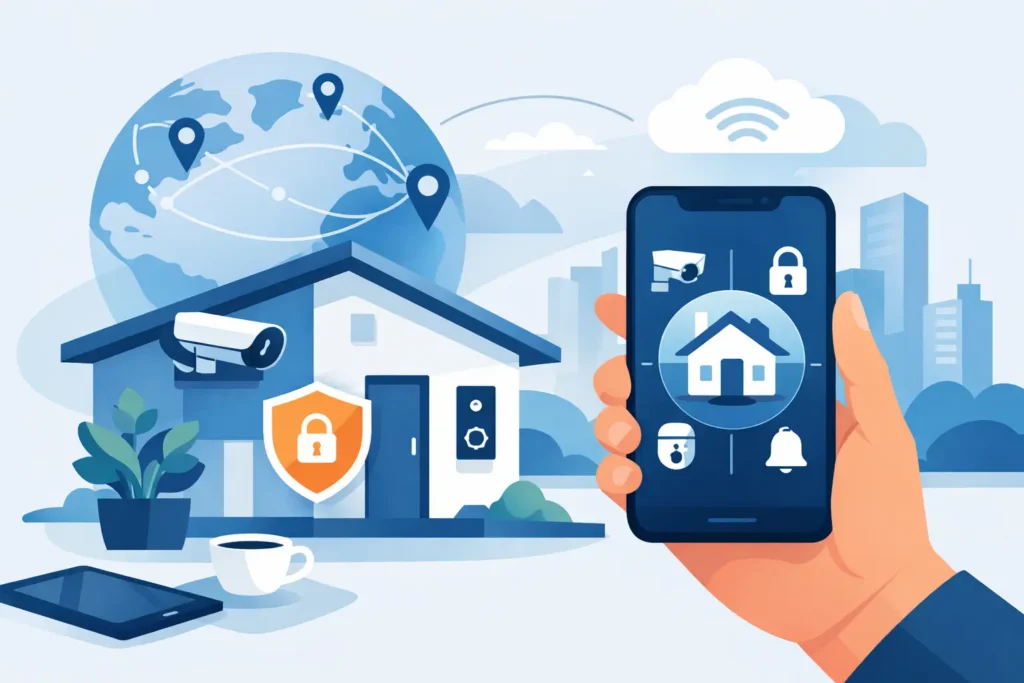
As a business owner, you can’t be everywhere at once, but your security system can. Look for a system that offers robust mobile app access so you can check on your business from anywhere. With a few taps on your phone, you can view live camera feeds, arm or disarm the system, lock doors, and even respond to alerts. Whether you’re at home in Simpsonville or on vacation, you have the peace of mind that comes with knowing exactly what’s happening at your business, right in the palm of your hand.
How to Future-Proof Your Security System
The system that’s perfect for your business today might not be enough a few years from now. As your company expands, you may need to add more cameras, door sensors, or even cover a second location. That’s why it’s so important to choose a system that can grow with your business. A scalable, professional-grade system allows you to easily add new devices without having to replace your entire setup. Planning for future growth from the start saves you time and money, ensuring your security can adapt as your business succeeds.
Protecting Your System from Digital Threats
As your security system gets smarter with features like remote access and AI cameras, it also becomes more connected to the internet. This connectivity is what makes it so powerful, but it also introduces a digital risk you need to consider: hacking. Just like you protect your computers from viruses, your security system needs protection from online threats. The last thing you want is for an unauthorized person to gain access to your camera feeds or disable your alarms. This is where choosing the right partner is crucial. A reputable provider manages the cybersecurity for you, ensuring your data is encrypted and your system’s software is always up-to-date. This is a key part of a truly comprehensive security plan, letting you enjoy the benefits of modern technology without the worry.
Related Articles
- Best Alarm System for Retail Store South Carolina Guide
- Your Guide to Commercial Burglar Alarms in Greenville SC
- Biometric Access Installation in SC: A Complete Guide
Frequently Asked Questions
Is professional monitoring really worth the extra cost for my small business? I get this question a lot, and it’s a good one. While self-monitoring seems like a great way to save money, it puts all the responsibility on your shoulders. As a business owner, you can’t be on call 24/7. If an alarm goes off while you’re in a meeting or on a flight, you might miss it. Professional monitoring ensures a trained expert is always ready to respond, verify the alarm, and dispatch emergency services. For a business, that immediate response is what truly protects your property and gives you genuine peace of mind.
I’m on a tight budget. What are the absolute must-have features I should start with? When you’re starting out, focus on creating a strong security foundation. I always recommend beginning with contact sensors on all your doors and windows, as these are your primary points of entry. Next, add a motion detector in the main workspace or hallway to catch any movement inside. Finally, place at least one high-definition camera covering your most valuable assets, like your inventory or cash register. This simple setup covers your biggest risks and creates a solid base you can easily add to as your business grows.
Why should I choose a local company over a big national brand like ADT or Ring? Think of it as choosing a partner versus just buying a product. National brands offer reliable, standardized systems that work for many. A local provider, however, offers a solution designed specifically for your business and your community. Our technicians understand the unique security challenges and building codes right here in South Carolina. When you call for service, you’re speaking with a neighbor who knows your system personally, not a stranger in a call center hundreds of miles away.
My business is in a pretty safe area. Do I still need a security system? Even in the safest neighborhoods, a security system is about managing more than just break-ins. One of the biggest risks for any business is liability from a fraudulent claim, like a staged slip-and-fall accident. Clear video footage can resolve these disputes instantly. A system also helps you prevent internal theft and can even alert you to environmental issues like a water leak. It’s a tool that protects you from all kinds of potential losses, not just crime.
Can a security system help with more than just break-ins? Absolutely. Modern systems are powerful business management tools. You can use smart access control to give employees entry without handing out physical keys, and you can revoke access instantly from your phone. Integrating fire and life safety features ensures you meet local codes and have a single, monitored system for all emergencies. It streamlines your operations and gives you more control, letting you manage security, safety, and access from one simple app.