What Your Commercial Security System Really Needs
March 18, 2026
How Fire Alarm Monitoring Protects Your Business
March 20, 2026Not long ago, a school lockdown meant a staff member running down the hall, manually locking each classroom door. This process was slow, inconsistent, and left too much room for error during a high-stress event. Today, technology has completely transformed how we protect our schools. Modern security is about speed, coordination, and reliability. Effective lockdown systems for schools give you the power to secure an entire campus in seconds, not minutes. These emergency lockdown systems replace manual processes with an instant, automated solution. A single command from a school lockdown alert system ensures every designated door is secured at once, creating a powerful barrier to keep everyone safe.
Key Takeaways
- Build Your Safety on Smart Access Control: A modern lockdown system is more than just panic buttons; it’s a complete access control solution that gives you immediate, centralized command over every entry point on campus.
- Look for Remote Lockdown and Integration Features: The best systems empower your team to secure the campus instantly from a mobile device and connect with existing cameras and alert systems, creating a smarter, unified response.
- Partner with a Local Expert for Long-Term Success: The right technology needs the right support, so choose a local South Carolina partner who can provide hands-on training, help you integrate regular drills, and offer responsive maintenance to keep your system reliable.
What Is an Emergency Lockdown System for Schools?
When we talk about a school emergency lockdown system, we’re talking about a coordinated plan to protect everyone inside the building from a potential threat. It’s a procedure designed to create a secure barrier between the school’s occupants and any danger, whether it’s an intruder on campus or a threat in the surrounding community. The goal is to give administrators and teachers the ability to secure their environment quickly and effectively, minimizing confusion and maximizing safety during a high-stress event.
At its core, a modern lockdown system isn’t just a set of instructions; it’s a technology-driven solution that integrates with your school’s infrastructure. It moves beyond manual processes, like a staff member running from door to door, and replaces them with instant, reliable security measures. This system is built upon a solid foundation of access control, which manages who can enter your school and when, giving you the power to respond decisively when every second counts.
What Are the Key Components of Access Control?
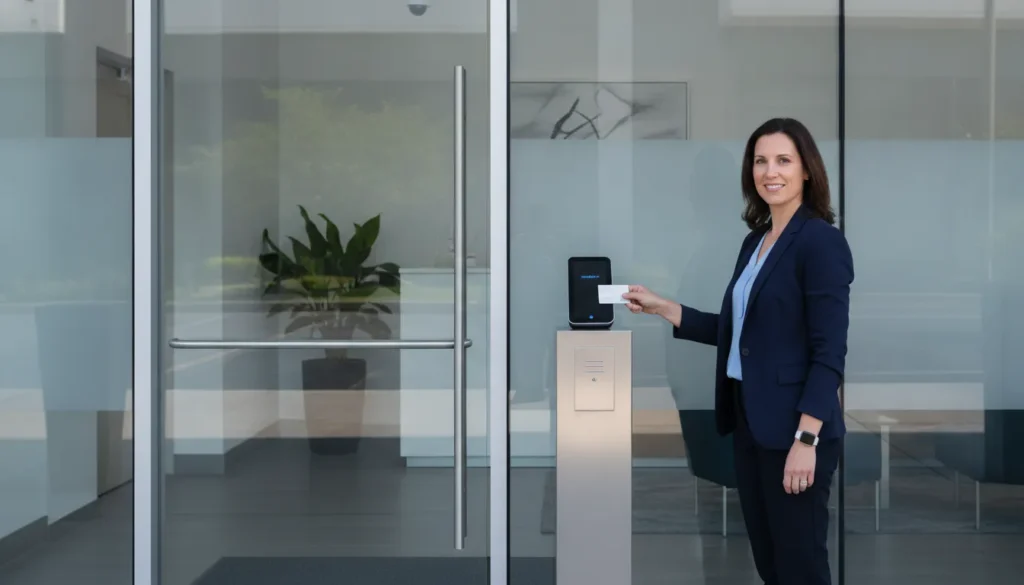
A strong access control system is the backbone of any effective school security plan. Think of it as the digital gatekeeper for your entire campus. Instead of relying on traditional keys that can be lost or copied, these systems use modern technology to manage every entry point. Key features often include secure keycards, fobs, or even mobile credentials on a smartphone, allowing you to grant or revoke access instantly. You can create custom door schedules, ensuring certain doors are locked automatically after hours, and assign specific permissions based on a person’s role. This gives you complete control over who is in your building at all times.
How Does a School Lockdown System Actually Work?
The most critical feature of a modern access control system is its ability to initiate a campus-wide lockdown almost instantly. In an emergency, there is no time to waste. With an integrated system, a lockdown can be triggered with the simple push of a button from a central office, a mobile app, or a strategically placed panic button. Once activated, the system automatically locks every designated door across the building or in a specific zone. This single command ensures that all access points are secured in seconds, not minutes. This rapid response removes the burden from individual staff members and creates a consistent, reliable barrier to protect students and faculty when it matters most.
Understanding Different Types of Emergency Actions
Not all emergencies are the same, so a school’s response shouldn’t be either. A flexible security plan includes different actions tailored to specific situations. Understanding the vocabulary—like the difference between a soft and hard lockdown—is the first step for administrators and staff to respond confidently and correctly. It ensures everyone is on the same page when an alert is issued, which is crucial for maintaining calm and order during a stressful event. This clarity helps everyone from the front office to the classroom know exactly what to do, turning a complex procedure into a series of clear, actionable steps.
Soft Lockdown vs. Hard Lockdown
A “Soft Lockdown” is typically used when there’s a potential threat outside the school building, like law enforcement activity in the neighborhood. During a soft lockdown, all exterior doors are locked, and no one is allowed to enter or leave the campus. However, inside the building, movement might be limited but not completely stopped, allowing classes to continue with some modifications. On the other hand, a “Hard Lockdown” is a response to a direct and immediate threat inside the school. This is a much more serious protocol where every classroom door is locked, lights are turned off, and everyone must remain silent and out of sight. No one moves until an all-clear is given by law enforcement.
Other Lockdown Scenarios
Modern security systems are designed to handle more than just one type of threat. A lockdown can be initiated to protect against dangers originating from both outside and inside the building. For example, a school might use a “Geographic Lockdown” to secure only a specific wing or area of the campus if an incident is isolated. This allows the rest of the school to operate more normally while the situation is managed. This level of control is a key benefit of an integrated security approach, as it allows for a response that is proportional to the threat, preventing unnecessary disruption and panic across the entire campus.
Reverse Evacuation: Bringing Students to Safety
Sometimes, the safest place to be is inside the school. A “Reverse Evacuation” is the procedure used to quickly bring everyone from outside the building—like students at recess or in a physical education class—into a secure location indoors. This action is critical when a threat develops suddenly in the surrounding area. Common triggers for a reverse evacuation include a nearby police incident, a dangerous animal on the grounds, or even a sudden weather emergency like a tornado warning. The goal is to get everyone out of harm’s way and behind locked doors as fast as possible, turning the school into a protective shelter.
Why Every SC School Needs a Lockdown System
Creating a safe learning environment is the top priority for every school administrator and parent in South Carolina. While we hope for the best, preparing for the worst is a critical responsibility. Modern lockdown capabilities, integrated into a school’s access control system, are no longer a “nice-to-have” feature. They are a fundamental tool for protecting students and staff, ensuring compliance, and enabling a swift, coordinated response when every second counts.
Staying Ahead of Modern Security Threats
The security challenges facing schools today are complex and constantly changing. A proactive approach is essential, and it starts with controlling who can enter your buildings and when. An up-to-date access control system serves as the foundation for a secure campus, allowing you to manage access points and monitor activity. In an emergency, this technology is crucial. It gives administrators the power to instantly secure specific areas, prevent unauthorized movement, and contain a threat. This isn’t just about keeping intruders out; it’s about strategically managing the space within the school to keep everyone as safe as possible during a critical incident.
Does Your School Meet SC Safety Standards?
South Carolina schools are required to be ready for emergencies, and that includes having clear safety protocols. Investing in robust security infrastructure is a key part of meeting these standards. State guidelines often require regular drills, including lockdown procedures, to ensure everyone knows how to react. An integrated lockdown system makes these drills more effective and realistic. It also demonstrates a clear commitment to safety that aligns with state expectations. By implementing these systems, schools aren’t just adding technology; they are strengthening their overall emergency preparedness plans and building a more resilient campus community.
Instantly Improve Your Crisis Response Time
During an emergency, confusion is the enemy, and time is the most valuable resource. A modern lockdown system dramatically reduces both. Integrating access control with surveillance systems provides a complete, real-time view of the situation, allowing administrators and first responders to make faster, more informed decisions. Instead of a manual process that can take several minutes, a campus-wide lockdown can be initiated with the push of a button from a central office or even a mobile device. This immediate action saves precious time and helps protect lives. It also provides peace of mind for parents, who can feel confident that the school is equipped with the best tools to keep their children safe.
Creating a Standardized Emergency Plan
The most advanced security technology is only as effective as the people using it. That’s why a clear, standardized emergency plan is just as critical as the hardware that supports it. When a crisis hits, you don’t want your staff guessing what to do next. A standardized plan removes ambiguity by creating a shared vocabulary and a set of predictable actions that everyone—from the principal to a substitute teacher to the students—can understand and follow. This consistency is vital not only for internal coordination but also for communicating effectively with first responders, who can provide faster, more effective help when they know the protocol your school is using.
Building this plan isn’t about preparing for one specific scenario; it’s about creating a flexible framework that can adapt to any situation. The goal is to empower your team with a clear course of action, turning potential panic into a calm, purposeful response. By establishing and regularly practicing these procedures, you build muscle memory across your entire campus community. This ensures that when an alert is issued, everyone knows exactly what it means and what their role is in keeping the school safe. It’s this combination of smart technology and a well-rehearsed plan that creates a truly secure environment.
Adopting the Standard Response Protocol (SRP)
You don’t have to reinvent the wheel when creating your emergency plan. Many schools across the country have successfully adopted the Standard Response Protocol (SRP), a framework developed by the “I Love U Guys” Foundation. The SRP is built on an all-hazards approach, meaning it uses a few simple, clear actions to respond to any type of emergency, whether it’s a medical issue in the hallway or a threat on campus. This simplicity makes it easy for students, staff, and first responders to learn and remember. Instead of memorizing dozens of different codes for different situations, everyone learns five basic actions, which provides a common language for safety.
The 5 SRP Actions: Hold, Secure, Lockdown, Evacuate, and Shelter
The SRP is based on five distinct, color-coded actions. Each one corresponds to a specific directive that tells everyone on campus how to react:
- Hold: This is used when hallways need to be kept clear, such as during a medical emergency. Students and staff remain in their classrooms and continue with business as usual.
- Secure: This action is called when there is a threat or hazard outside the school building. All outside doors are locked, and everyone gets inside, but normal activity can continue within the building.
- Lockdown: This is the protocol for a threat inside the building. Teachers lock their classroom doors, turn off the lights, and move students out of sight.
- Evacuate: This action is used to move people out of the building to a designated location, typically in response to a fire or gas leak.
- Shelter: This is for a personal or environmental hazard, like a tornado or a nearby chemical spill, where specific safety strategies are required.
Defining Clear Roles and Procedures
Once you’ve adopted a framework like the SRP, the next step is to define exactly who does what during an emergency. A successful response depends on every person knowing their specific responsibilities without hesitation. This means outlining clear, actionable steps for administrators, teachers, support staff, and even students. These roles should be documented and, most importantly, practiced through regular drills. Drills help identify gaps in your plan and build confidence, ensuring that when a real event occurs, the response is instinctual and efficient. Clear roles transform a written plan into a coordinated, real-time safety net for everyone on campus.
Teacher and Staff Responsibilities During a Lockdown
During a lockdown, teachers are the first line of defense for their students. Their primary responsibilities are to secure the room and keep students calm. This typically involves:
- Immediately checking the hallway for students and bringing them into the classroom.
- Locking and, if possible, barricading the classroom door.
- Turning off the lights and covering any windows.
- Moving all students to a corner of the room that is out of sight from the door.
- Taking attendance to account for every student and reporting any missing or extra students to the office.
- Enforcing absolute silence and waiting for the official “all clear” from an administrator or law enforcement.
Student Guidelines for Staying Safe
Students also play an active role in their own safety. Clear and simple instructions help them understand how their cooperation contributes to a secure environment. Key guidelines for students include:
- Following all teacher instructions immediately and without question.
- Remaining completely silent and still to avoid drawing attention to the classroom.
- Putting away cell phones and other electronic devices unless instructed otherwise.
- Staying calm and encouraging others to do the same.
- Waiting for a trusted adult to give the “all clear” before moving.
Protocols for Different Areas: Cafeterias, Gyms, and Hallways
Not all emergencies happen when students are neatly seated in a classroom. Your plan must account for students who are in common areas like the cafeteria, gym, library, or hallways. In these situations, the protocol is generally to move to the nearest securable room as quickly and quietly as possible. Staff members assigned to supervise these areas should be trained to direct students to the closest classroom, office, or even a kitchen or pantry. The goal is to get everyone out of open spaces and behind a locked door immediately.
What to Look for in a School Lockdown System
Choosing the right access control system is one of the most important security decisions a school can make. It’s about more than just replacing old keys; it’s about building a smart, responsive security foundation for your entire campus. The goal is to find a solution that not only controls who comes and goes but also serves as the central nervous system for your emergency response plan. A modern system should empower your staff with the tools they need to protect every student and faculty member, every day.
When you start evaluating your options, think beyond the hardware. The best systems are proactive. They help you identify potential issues before they escalate, like a door that’s been propped open or an attempt to access a restricted area after hours. This is a significant shift from older, passive security measures. You want a platform that provides real-time information and gives your team the ability to act on it instantly. It should also be scalable, capable of adapting as your school grows or your security needs change. Finally, a great system balances robust protection with a welcoming atmosphere. Security should be felt but not intrusive, ensuring students and staff feel safe without feeling like they’re in a fortress.
Look for Instant Alerts and Live Monitoring
A modern access control system should give you a live view of your entire campus. This means knowing the status of every door, gate, and entry point from a single dashboard. But monitoring is only half the equation. Your system must also send instant alerts to the right people when something is wrong. For example, if a door is propped open too long or an unauthorized key card is used, designated staff should receive a text or push notification immediately. This proactive approach helps your team manage access and address potential issues before they become serious threats, providing a strong foundation for a secure learning environment.
Prioritize Remote Lockdown and Mobile Control
In an emergency, every second counts. Your staff needs the ability to secure the campus instantly, no matter where they are. A critical feature to look for is the power to initiate a remote lockdown from a mobile app or web browser. An administrator walking the halls or even off-campus should be able to lock every exterior and interior door with a single tap. This capability is one of the most effective best practices for school safety, removing the need to physically run to a central control panel. Mobile access empowers your team to respond decisively and quickly, containing a threat and protecting students and staff from harm.
Ensure It Connects with Cameras and Alerts
Your access control system shouldn’t operate in a silo. To be truly effective, it needs to communicate with your other security tools. Look for a system that can integrate with your surveillance cameras, alarm systems, and mass notification platforms. For instance, when an access point is breached, the system can automatically trigger nearby cameras to record and send a live video feed to first responders. It can also activate strobe lights or broadcast emergency announcements over the PA system. Creating a comprehensive security solution ensures a more coordinated and informed response during a crisis, giving everyone the information they need to act safely.
Demand an Easy-to-Use Interface and Panic Buttons
The most advanced technology is useless if people can’t use it under pressure. The best systems are designed to be incredibly user-friendly, even for staff with no technical background. This includes strategically placed physical panic buttons in classrooms and common areas that can trigger a lockdown or alert silently. The software interface should also be clean and intuitive, allowing staff to perform critical functions with just a few clicks. Don’t let fears about complexity hold you back; modern systems are built for simplicity. When you evaluate your options, prioritize a system that feels straightforward, ensuring your team can use it confidently when it matters most.
Look for First Responder Integration
When an emergency happens, your school’s security system needs to do more than just protect the people inside; it needs to become a vital tool for the police and paramedics arriving on the scene. The goal is to eliminate information gaps and give first responders the access and intelligence they need to resolve the situation safely and quickly. A truly integrated system bridges the communication divide between your campus and law enforcement, ensuring that help can be delivered as effectively as possible. This level of coordination can dramatically change the outcome of a critical incident by saving precious minutes when they matter most.
Remote Door Access for Law Enforcement
During a lockdown, every door is secured, which is great for keeping threats out but can also slow down law enforcement trying to get in. The best systems solve this problem with remote access features. From a mobile device or computer, a school administrator can instantly unlock a specific door for an incoming police unit while keeping the rest of the campus secure. This allows first responders to make a strategic entry without having to waste valuable time breaking down doors or searching for a master key. It’s a simple but powerful feature that gives law enforcement swift, controlled access to where they are needed most.
Live Map and Camera Feed Sharing
Imagine law enforcement arriving on the scene with a complete, real-time view of your campus. Modern systems make this possible by allowing administrators to securely share a live digital map of the school with police. This map can include live feeds from integrated surveillance cameras, showing officers exactly what is happening and where. This intelligence is invaluable, helping them understand the layout of the building, locate threats, and identify safe entry points before they even step out of their vehicle. Providing this level of situational awareness helps first responders make faster, more informed decisions to keep everyone safe.
Check for Advanced Sensor Capabilities
The most advanced security systems don’t just react to what they see; they also respond to what they hear and sense. Beyond cameras and door contacts, modern technology includes sophisticated sensors that can detect specific environmental changes or sounds associated with a threat. These devices act as an early warning system, identifying potential dangers in areas where cameras may not be appropriate, such as bathrooms or locker rooms. By adding this layer of sensory intelligence, your system can initiate a lockdown or send an alert automatically, providing an even faster response to a developing situation.
Gunshot and Aggression Detection
Specialized acoustic sensors can be calibrated to recognize the distinct sound of a gunshot or the noise patterns of escalating aggression, like shouting or breaking glass. When one of these sounds is detected, the system can be programmed to trigger an immediate lockdown and instantly notify school administrators and law enforcement. This automated response is critical, as it can secure a campus before anyone even has a chance to make a 911 call. Placing these advanced sensors in key locations provides an essential layer of proactive protection that monitors your campus around the clock.
Ensure Smart Fire Safety Overrides
A common and valid concern is what happens if a fire alarm is pulled during a lockdown. Your security system must be smart enough to distinguish between threats and prioritize life safety above all else. A properly designed system will include fire safety overrides that are integrated with your building’s fire alarm panel. If a fire is detected, the system will automatically unlock designated doors along evacuation routes, ensuring that students and staff can exit the building quickly and safely. This fail-safe is not just a feature; it’s a requirement. Working with a local expert ensures your system is installed correctly and complies with all South Carolina fire codes, guaranteeing that your security measures never compromise your evacuation plan.
How to Choose the Right Security Partner in South Carolina
Selecting the right technology is only half the battle; choosing the right partner to install and support it is just as critical. The company you work with becomes an extension of your safety team, responsible for ensuring your system works flawlessly when you need it most. A great partner doesn’t just sell you equipment. They take the time to understand your campus layout, daily routines, and specific concerns. They should feel like a local resource you can rely on for years to come, from initial installation to ongoing training and maintenance.
When you’re vetting potential security providers, it’s important to look beyond the sales pitch and focus on three key areas: their local presence and understanding, their direct experience with educational facilities, and their ability to provide a solution that grows with your school. Asking the right questions upfront will help you find a partner who is truly invested in the safety of your students and staff, not just in making a sale. This decision is a long-term investment in your community’s peace of mind, so it’s worth taking the time to get it right.
Choose a Partner with Local SC Expertise
A security partner based here in South Carolina offers significant advantages over a national chain. A local team understands the specific security challenges that schools in our state face and is familiar with regional safety protocols and regulations. When you need on-site service, a technician from Greenville or Anderson can get to you much faster than one dispatched from a national call center hundreds of miles away. This local presence means quicker installations, more responsive maintenance, and a team that is genuinely invested in the well-being of your community because it’s their community, too. They can provide personalized consultations and build a relationship with your staff that a remote provider simply can’t match.
Do They Have Proven School Security Experience?
Securing a school is fundamentally different from securing an office building or a retail store. Your partner needs proven experience working within an educational environment. Ask for case studies or references from other schools in the Upstate. An experienced provider will know how to design a system that manages high-traffic areas during bell changes, secures multiple entry points, and accommodates different access levels for staff, students, and visitors. A modern access control system serves as the foundation for a safe campus, and a partner with school-specific expertise will know how to implement it without disrupting your learning environment. They’ll understand the unique rhythm of a school day and design a solution that fits seamlessly.
Can They Customize a System for Your School?
Your school’s security needs will evolve over time. The right partner will offer a flexible system that can adapt and grow with you. Avoid one-size-fits-all solutions. Instead, look for a provider who can customize a system for your specific campus layout, budget, and future goals. It’s also crucial that their technology can integrate with your existing infrastructure. For example, integrating access control with surveillance systems provides a more complete security picture, allowing your team to verify who is entering a building in real-time. A forward-thinking partner will help you build a scalable, cohesive security ecosystem, not just sell you isolated pieces of equipment.
The Real-World Benefits of a Modern Lockdown System
Investing in a modern lockdown system does more than just upgrade your hardware; it fundamentally changes how you manage campus safety. By moving beyond traditional locks and keys, you create a more responsive, controlled, and secure environment for students and staff. These systems provide practical, everyday advantages while delivering powerful tools for emergency situations, giving your team the confidence to handle any scenario.
Secure Every Door, Window, and Entry Point
A modern system gives you complete control over who can access your buildings and when. Instead of relying on physical keys that can be lost, stolen, or copied, you can manage access electronically. This means you can instantly grant or revoke permissions for staff, substitutes, or vendors from a central dashboard. Good access control systems serve as the foundation for a secure campus, ensuring that only authorized individuals can enter specific areas like administrative offices, server rooms, or athletic facilities. This granular control hardens your school’s perimeter and interior, making every doorway a smart checkpoint.
Achieve a Faster, Coordinated Response
During a crisis, every second is critical. An integrated lockdown system connects your access control with other security tools to create a unified response. When a panic button is pressed or a lockdown is initiated, the system can automatically lock designated doors, trigger surveillance cameras to record the area, and send instant alerts to administrators and first responders. This seamless coordination eliminates manual steps and potential delays. By integrating with alarms and fire safety systems, you build a comprehensive security solution that works together, ensuring a faster, more effective response when it matters most.
Streamline Your Daily Safety and Visitor Protocols
Beyond emergencies, a modern access control system streamlines daily operations and improves overall campus safety. Managing visitors becomes much simpler and more secure when you can issue temporary, time-sensitive credentials instead of relying on paper sign-in sheets. This creates a clear digital log of everyone who enters your buildings. By making security an integrated part of your daily routine, you help foster a stronger culture of safety and awareness among staff and students. These systems are a key part of the comprehensive safety measures that modern schools need to protect their communities effectively.
What Does a School Lockdown System Cost?
When you’re thinking about a school lockdown system, one of the first questions is always about the price. The truth is, there’s no single sticker price. The cost depends entirely on your school’s unique needs, layout, and goals. Think of it less like buying a product off the shelf and more like creating a custom safety plan. The total investment covers everything from the hardware on your doors to the software that runs the system and the local team that keeps it working perfectly.
Breaking down the costs helps you see exactly what you’re paying for and why each component is so important for protecting your students and staff. A modern, reliable system is a strategic investment in your school’s safety infrastructure. Let’s walk through the main factors that will shape your budget.
How Your School’s Size Affects the Price
The size of your campus is the biggest factor in determining cost. A single-building elementary school in Simpsonville will have different requirements than a sprawling high school campus with multiple buildings in Anderson. The number of entry points, classrooms, and common areas all influence how much hardware you’ll need. Beyond size, we also look at complexity. Do you need a standalone system, or one that integrates with your existing security cameras and communication tools? A good access control system provides the foundation, but it must be tailored to your specific environment to be truly effective.
How Equipment and Installation Impact Your Budget
The physical components of a lockdown system are a major part of the initial cost. This includes things like electronic door locks, panic buttons for classrooms and offices, and the central control panels that manage everything. The type of building you have also plays a role. A newer facility might be easier to wire, while an older, historic building could require more specialized installation work. When implementing new security systems in South Carolina, a thorough site assessment is the first step to identify exactly what equipment is needed to secure every corner of your campus without disrupting your school’s daily flow.
What About Ongoing Maintenance and Support?
A lockdown system isn’t a “set it and forget it” solution. To ensure it works flawlessly when you need it most, you’ll need a plan for ongoing maintenance and support. This typically includes regular system checks, software updates to protect against new threats, and access to technical support. Modern access control systems are designed to be scalable, meaning they can grow with your school. As you add new buildings or staff, your system can adapt. Partnering with a local Greenville-based team ensures that when you need help, an expert is just a short drive away, not a call to a national center.
How to Find Grants and Funding for Your System
We know that school budgets are tight. The good news is you don’t have to fund this critical investment alone. Because South Carolina schools face growing security challenges, there are specific grants and funding programs available to help. Many schools can access state and federal funding streams designed to cover the costs of security enhancements, including access control and lockdown systems. Exploring these options can make a state-of-the-art system much more attainable. A knowledgeable security partner can often point you in the right direction to find these valuable resources.
Common Myths About Emergency Lockdown Systems
When it comes to protecting students and staff, making the right decisions can feel overwhelming. Unfortunately, a few common myths about emergency lockdown systems often stand in the way of schools getting the protection they need. Let’s clear the air and look at the facts behind these misconceptions, so you can feel confident in your security planning. These systems are more accessible, user-friendly, and adaptable than many people realize, and understanding that is the first step toward a safer campus.
Myth #1: “It’s too expensive for our school.”
School budgets are always a top concern, and it’s easy to assume that a modern lockdown system is financially out of reach. While cost is a valid consideration, viewing this technology as a critical safety investment changes the perspective. These systems are designed to save lives. Plus, many solutions are scalable, allowing you to build a system that fits your school’s specific needs and budget. There are also various school safety grants and funding opportunities available to help South Carolina schools cover the costs of these essential upgrades, making them more accessible than you might think.
Myth #2: “Our staff won’t be able to use it.”
The last thing anyone wants during an emergency is a system that’s difficult to use. The fear that staff will be too confused or stressed to operate a lockdown system is a common one, but it’s largely unfounded with today’s technology. Modern systems are built with the user in mind. They often feature intuitive interfaces, clear instructions, and simple one-touch panic buttons that can be activated instantly. The goal of a good access control system is to simplify emergency response, not complicate it, ensuring your team can act quickly and decisively when it matters most.
Myth #3: “It won’t integrate with our existing tech.”
Many schools have already invested in security cameras, intercoms, or alarm systems, leading to the worry that a new lockdown system won’t be compatible. The good news is that you likely won’t have to start from scratch. Today’s access control solutions are designed for integration. They can connect with your existing infrastructure to create a more cohesive and powerful security network. For example, a lockdown trigger can automatically lock doors, send alerts through your notification system, and give law enforcement access to live camera feeds. This system integration enhances the technology you already have, creating a smarter and more responsive campus.
Your Step-by-Step Guide to Choosing a System
Selecting the right access control and lockdown system is a significant decision for the safety of every student and staff member. It’s not just about the latest technology; it’s about finding a solution that fits your school’s unique layout and emergency protocols. A thoughtful approach ensures you invest in a system that truly serves your community. To make the best choice, focus on a thorough campus evaluation, the value of a local partnership, and the system’s performance when it matters most.
Step 1: Get a Professional Security Assessment
Before finding the right solution, you need to understand the problem. A professional security assessment is the essential first step. This involves a detailed walkthrough of your campus to evaluate current security measures and pinpoint where access control is most needed. The assessment should map all entry points and analyze your visitor management process. This isn’t about finding flaws; it’s about gaining clarity. By identifying specific vulnerabilities, you can ensure the system you choose directly addresses your school’s security gaps. A comprehensive security plan provides a clear roadmap, helping you prioritize needs and invest effectively.
Step 2: Prioritize Partners with Local Support
Your relationship with your security provider shouldn’t end after installation. A security system requires ongoing maintenance, updates, and staff training to remain effective. That’s why choosing a local partner is so important. A provider here in South Carolina offers faster service and hands-on support from a team that understands the specific security challenges our communities face. A local team can be on-site quickly to resolve issues, provide in-person training, and help adapt your system as your school’s needs change. This partnership ensures your technology is always working correctly and your staff feels confident using it.
Step 3: Test the System’s Speed and Reliability
In a crisis, every second counts. Your system must be reliable and fast. During an emergency, access control systems are critical tools that help secure areas and prevent unauthorized movement. Before making a final decision, ask for a demonstration and test the system’s response time. How quickly can a campus-wide lockdown be initiated? Are alerts sent instantly to staff and first responders? The system should also integrate smoothly with your emergency plans. Since monthly fire and lockdown drills are conducted to prepare everyone, your technology must support these procedures. A user-friendly interface with clear panic buttons is crucial, allowing staff to act decisively under pressure.
How to Successfully Implement Your New Lockdown System
Installing a new access control and lockdown system is a huge step toward creating a safer campus. But the technology itself is only half the equation. To truly get the most out of your investment, you need a solid plan for how your team will use, manage, and maintain it. Think of it less like a one-time purchase and more like an ongoing safety strategy. A great security partner will help you build this strategy from day one, ensuring your system becomes a seamless and effective part of your school’s daily operations. The following practices are essential for turning your new hardware into a powerful, reliable safety net for your students and staff.
Create a Training Plan and Run Regular Drills
A security system is only as effective as the people who use it. That’s why comprehensive training for all staff members, from front office administrators to teachers, is non-negotiable. Everyone needs to understand how the system works, what their role is during an alert, and how to operate key features like panic buttons. Beyond initial training, regular drills are critical for building confidence and muscle memory. Just as you practice fire drills, conducting lockdown drills helps ensure that in a high-stress situation, your team can react quickly and correctly without hesitation. This consistent practice transforms your emergency plan from a document in a binder into an instinctive, coordinated response.
The Importance of Practicing at Least Four Times a Year
While “practice makes perfect” can sound cliché, it’s a life-saving principle for school safety. That’s why security experts recommend schools test their lockdown procedures at least four times a year, or once per quarter. This isn’t about checking a box for compliance; it’s about building crucial muscle memory for your staff and students. When a real emergency happens, there’s no time to second-guess. Consistent drills transform a safety plan from a document into an automatic, instinctive response. This ensures everyone can act quickly and confidently under pressure, which is a core part of any effective safety strategy and a common requirement for meeting state guidelines.
Schedule Routine Maintenance and System Tests
Your security system works around the clock to protect your school, so it needs regular check-ups to stay in top shape. Scheduling routine maintenance is key to ensuring every component, from door locks to cameras and software, is functioning perfectly. This includes testing panic buttons, checking battery backups, and verifying that alerts are being sent and received correctly. Proactive testing helps you catch small issues before they can become serious problems during an actual emergency. A well-maintained system provides the reliable foundation you need for a secure learning environment, giving you peace of mind that it will work exactly as intended when you need it most.
Stay Compliant with South Carolina Safety Rules
Here in South Carolina, schools must adhere to specific safety and fire code regulations. Your access control and lockdown system should be designed to help you meet and exceed these standards. This involves more than just the technology itself; it includes proper installation and integration to ensure you’re aligned with state requirements. For example, the South Carolina Fire Code has specific rules about emergency access and egress that your system must accommodate. Working with a local security partner who understands these state and municipal codes is crucial. They can ensure your system is not only effective but also fully compliant, protecting both your students and your school.
Frequently Asked Questions
How is a modern lockdown system different from our current manual lockdown procedure? A modern system replaces the slow, manual process of a staff member running from door to door with an instant, campus-wide solution. Instead of relying on individuals to secure their own areas under stress, a single command from a mobile app or panic button locks every designated door simultaneously. This creates a faster, more consistent, and reliable barrier that removes human error and saves critical time during an emergency.
Will an access control system make our school feel unwelcoming or like a fortress? Not at all. Modern security systems are designed to be discreet and integrate seamlessly into your school’s daily life. The technology works quietly in the background, managing access without creating an intrusive or intimidating atmosphere. The goal is to provide a strong sense of safety and peace of mind for students, staff, and parents, which helps support a positive and open learning environment.
Can a lockdown be triggered from anywhere, or only from the main office? The best systems offer multiple, flexible ways to initiate a lockdown. While it can certainly be activated from a central office dashboard, authorized administrators can also trigger it from a mobile app on their phone, no matter where they are on campus. Additionally, strategically placed physical panic buttons in classrooms and common areas allow any staff member to quickly and silently call for help and secure the building.
What happens to the system if the power or internet goes out? Professional security systems are built with reliability in mind. They include battery backups to ensure that all electronic locks remain powered and secure even during a complete power outage. While internet connectivity is needed for some remote monitoring features, the core lockdown and access control functions are designed to operate independently, so your campus stays protected no matter the circumstances.
Our school building is quite old. Can these modern systems be installed in older facilities? Absolutely. A key part of choosing the right security partner is finding one who can create a custom solution for your specific campus. An experienced team will conduct a thorough assessment of your building to design an installation plan that works with your existing infrastructure. While older buildings can have unique wiring challenges, a professional installer knows how to adapt the technology to fit any environment with minimal disruption.
Develop a Clear Parent Communication Plan
During a lockdown, keeping parents informed is just as important as keeping students safe. A clear, pre-established communication plan is essential for managing anxiety and preventing the spread of misinformation. Before an emergency ever occurs, you should proactively educate families on your school’s lockdown procedures and how you will share updates. When parents know what to expect, they are less likely to panic. During an actual event, use a multi-channel alert system—like text messages and emails—to provide timely, accurate information. A well-thought-out communication strategy builds trust and ensures parents become partners in safety, not sources of confusion.
Collaborate with Local Greenville and Upstate First Responders
Your security technology should be a bridge to local law enforcement, not an obstacle. Forging a strong partnership with Greenville and other Upstate first responders is a critical step in your safety planning. This means going beyond a simple 911 call. Provide local police and fire departments with floor plans, access credentials, and a direct line to your live camera feeds. Invite them to participate in your lockdown drills so they can become familiar with your campus layout and emergency protocols. When first responders can access your building and its systems instantly, their response time is drastically reduced, allowing them to address a threat more effectively and safely.