Integrated Life Safety Solutions for Modern Homes
October 21, 2026
How to Prevent False Alarms on Fall Sensors
October 22, 2026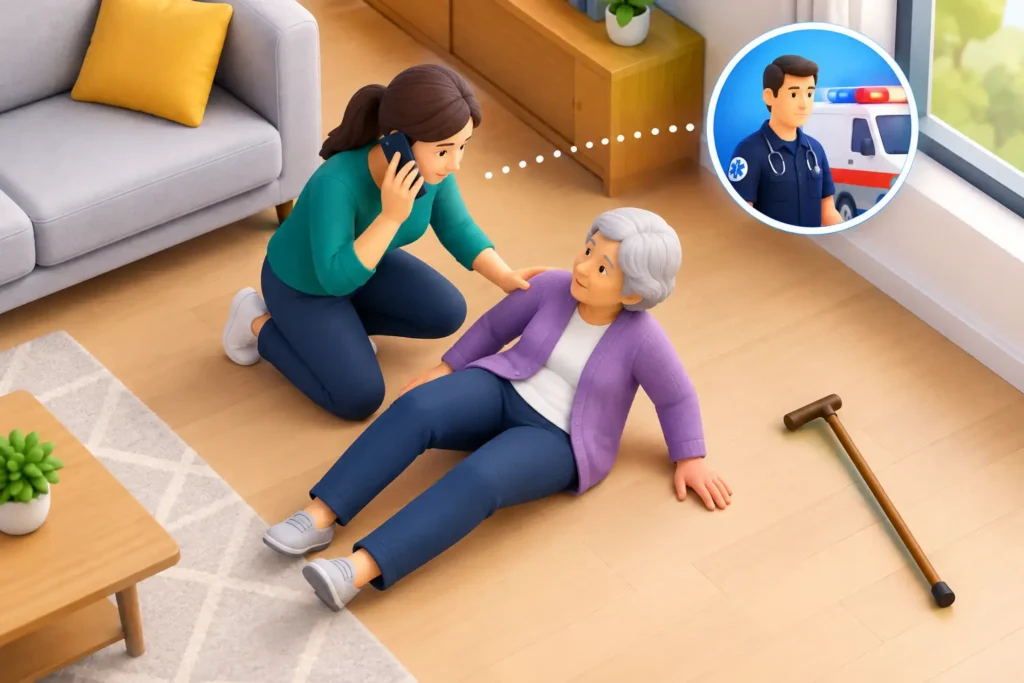
A fall can turn serious in minutes when a person cannot reach a phone, open the door for responders, or call a family member. A clear fall response example shows why a monitored medical alert system is more than a wearable device: it creates a direct path from a frightening moment to trained help.
For older adults, people managing a medical condition, and families who live nearby but cannot be present every hour, the right response plan can provide meaningful reassurance. The goal is simple – get help moving quickly, communicate clearly, and make sure the person is not left alone after an emergency alert.
A Fall Response Example From Alert to Help
Consider a South Carolina resident who is carrying groceries into the house. They lose their footing on the front steps, fall, and feel sharp pain in their hip. Their phone is inside, and they cannot safely stand up.
If they are wearing a monitored personal medical alert device, they can press the SOS button. The device connects them to a trained central-station operator through its built-in speaker. The operator asks whether the person is hurt, whether they can move safely, and whether emergency medical services should be dispatched.
Because the resident reports severe pain and cannot get up, the operator contacts emergency responders. Depending on the service plan and the information available, the operator can also notify designated family members or caregivers. The resident remains connected to the operator until help arrives, providing a calm voice during a stressful situation.
That is the core response: the alert is activated, a trained professional evaluates the immediate need, emergency help is sent when necessary, and loved ones can be notified. Details can vary based on the device, the monitoring plan, the user’s location, and the emergency contacts on file.
What Happens When Fall Detection Triggers an Alert?
Some wearable medical alert devices include automatic fall detection. This technology is designed to recognize movement patterns that may indicate a fall and initiate an alert even if the wearer cannot press the SOS button.
For example, an older adult may faint in the kitchen after feeling dizzy. They are unable to reach the pendant button. If the device detects a possible fall, it can begin the emergency connection process. A monitoring operator attempts to speak with the wearer through the device. If the person responds, they can explain what happened and request the appropriate help.
If the operator cannot get a response, the monitoring center follows the emergency procedures established for that account. That may include dispatching emergency services and contacting family members or caregivers. This is especially valuable when a person lives alone or spends portions of the day without someone nearby.
Automatic fall detection is a helpful layer of protection, but it should not be treated as a replacement for pressing the SOS button when possible. Not every fall creates the same motion pattern, and devices can sometimes detect a sudden movement that was not a true emergency. When a wearer is able to press the button and speak with an operator, that direct action remains the clearest way to request help.
The Difference Between a Medical Alert and Calling 911
Calling 911 is the right choice when a person can reach a phone and knows they need emergency assistance. A monitored medical alert system supports situations where that may not be possible, practical, or safe.
After a fall, someone may be disoriented, in pain, or unable to move without risking further injury. A waterproof wearable button can be available in places where a phone often is not, including the shower, bathroom, yard, or driveway. The person does not need to remember a phone number, unlock a screen, or explain their location to a stranger without support.
Monitoring also adds a human connection between the initial alert and the arrival of help. Certified operators can communicate with the wearer, act based on the emergency plan, and notify the people the family has chosen. For families, that response can reduce the uncertainty of wondering whether a loved one managed to get help.
A Fall Response Plan Should Cover More Than the Device
A medical alert system works best when the information behind it is current and the household has thought through what should happen. Before relying on a device, families should review emergency contacts, medical considerations, address details, and entry instructions.
A useful plan answers practical questions. Who should receive a call after emergency services are contacted? Is there a lockbox, garage code, or other approved way for responders to enter if the person cannot reach the door? Does the person have allergies, mobility limitations, or health conditions that a caregiver should know about?
It also helps to decide when to use the button. A wearer should feel comfortable activating an alert after any fall that causes pain, confusion, a head strike, dizziness, weakness, or concern about standing back up. Waiting to see if the pain improves can be risky, particularly when the person is alone.
Keep emergency contacts current
A change in phone numbers, caregiving arrangements, or a move to a new residence should prompt an update to the monitoring account. The operator can only follow the plan they have on file. Keeping those details accurate helps prevent delays when every minute feels longer.
Wear the device consistently
The device cannot help from a nightstand or charging counter. Many falls occur during routine activities, such as getting out of bed, stepping into the shower, climbing stairs, or walking to the mailbox. Wearing the pendant or smartwatch-style device consistently makes protection available when it is needed.
Test and practice the response
A new device should not be a mystery during an emergency. Families can practice how to press the button, speak with the operator, and explain the situation. They should also confirm that the wearer can hear the device clearly and understands that using it is never an inconvenience.
At-Home and Away-From-Home Fall Response Examples
The best device depends on where a person spends time. An at-home medical alert may be a good fit for someone who is primarily in their residence and wants reliable access to help throughout the house and yard. A mobile option with GPS and 4G connectivity may be more appropriate for an active adult who drives, visits friends, shops, or travels.
Imagine a Greenville resident who slips in the bathroom at home. A waterproof pendant allows them to summon help without having a phone in the room. Now consider that same person falling in a parking lot after a doctor’s appointment. A mobile device can help connect them to monitoring support away from home, with location information that can assist the response.
Neither option is automatically better for every household. The right choice depends on mobility, health needs, daily routines, cellular coverage, comfort with wearable technology, and whether the person is frequently alone. A professional assessment can help families avoid paying for features they do not need while making sure critical protection is not overlooked.
Why Professional Monitoring Matters After a Fall
A family group text or a consumer smartwatch alert may be useful, but it depends on someone seeing the message, responding promptly, and knowing what to do next. A professionally monitored system is built for a more direct emergency response.
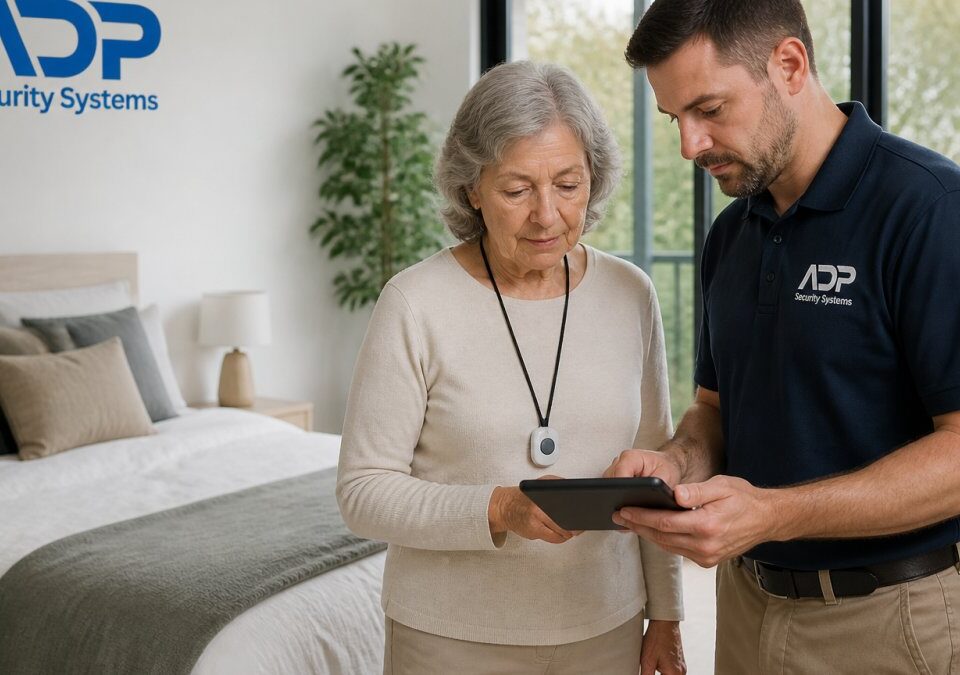
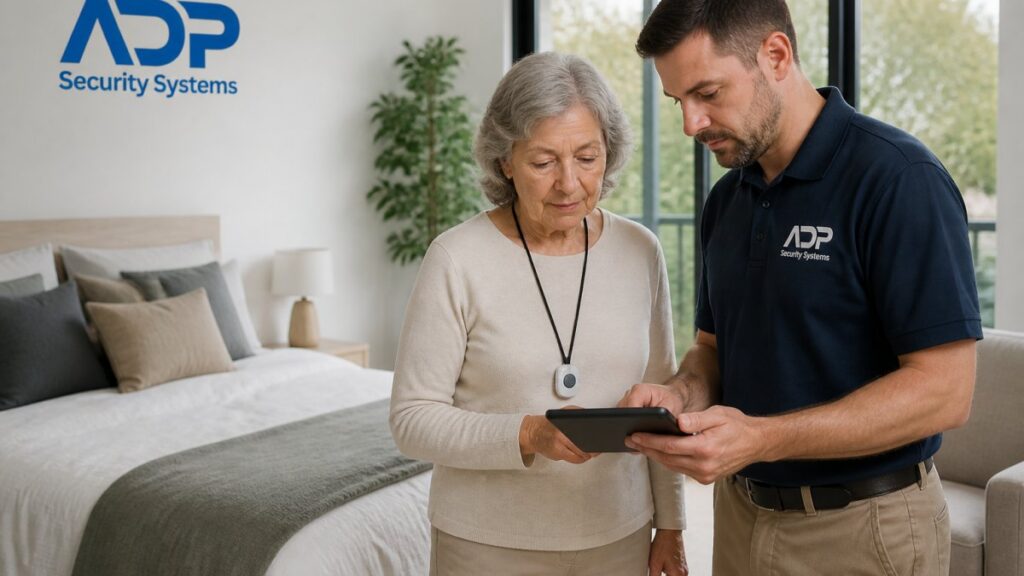
At ADP Security Systems, Smart Care personal medical alert systems are supported by trained monitoring professionals and can include one-touch SOS access, automatic fall detection, GPS-enabled mobile protection, and waterproof wearable options. The equipment matters, but so does knowing there is a defined response process behind it.
For adult children and caregivers, this type of support can preserve independence without pretending risk does not exist. It gives a loved one a way to call for help on their own terms while giving the family a clearer plan for the moments when a fall changes everything.
A fall response plan does not need to be complicated. It needs to be available, understood, and ready before a person is on the floor wondering how long it will take for someone to notice.