Fire Alarm Inspection Checklist South Carolina Property Managers Need
August 3, 2026
Warehouse Security Systems South Carolina: Complete Guide
August 4, 2026
A missing key, a camera with a blind spot, or a rear door that does not latch can create a serious exposure long before a break-in occurs. A business security assessment checklist gives South Carolina business owners and facility managers a practical way to find those weak points, prioritize improvements, and protect people, property, and daily operations.
The goal is not to add equipment for its own sake. The right protection plan reflects how your building is used, who needs access, what assets are at risk, and how quickly someone can respond when an alarm or emergency occurs.
Start With Your Building and Daily Operations
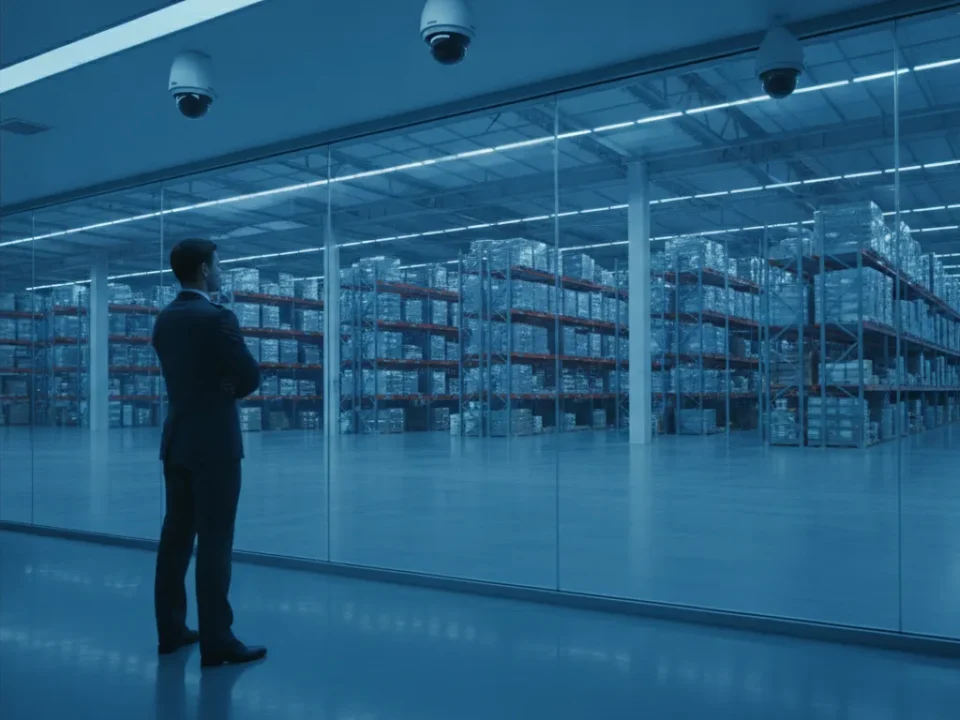
Walk the property at the same times your employees, vendors, and customers use it. A retail store after closing faces different risks than an office that receives deliveries all day, a warehouse with multiple loading bays, or a medical practice that handles sensitive records.
Review the exterior first. Note every entrance, emergency exit, loading door, gate, window, rooftop access point, and area where someone could approach without being seen. Pay attention to lighting, landscaping, signage, parking areas, and whether address numbers are visible for emergency responders.
Inside, identify spaces that need a higher level of protection. These may include cash-handling areas, server rooms, inventory storage, medication cabinets, equipment rooms, records storage, and offices where keys or access credentials are kept. Security works best when protection follows the real movement of people and valuable items through the building.
Business Security Assessment Checklist: 8 Areas to Review
Use the following checklist during a walkthrough with your management team or a professional security provider. Mark items that are working well, items that need attention, and areas where you need more information.
- Perimeter and exterior lighting. Are doors, windows, gates, and fences in good repair? Is the parking lot adequately lit after dark? Trim shrubs and trees that block camera views, conceal doors, or create hiding places near the building.
- Doors, locks, and physical entry points. Confirm exterior doors close and latch properly, frames are secure, and hardware is appropriate for the level of traffic and risk. Do not overlook rear exits, employee entrances, utility rooms, and delivery doors. A well-designed alarm system cannot compensate for a door that is routinely propped open.
- Intrusion detection and alarm coverage. Review whether alarm devices cover likely entry points and interior areas where an intruder could move undetected. Consider glass break detection where large glass panels are vulnerable and motion detection in areas that should be empty after hours. Verify who receives alarm notifications and whether your system is professionally monitored around the clock.
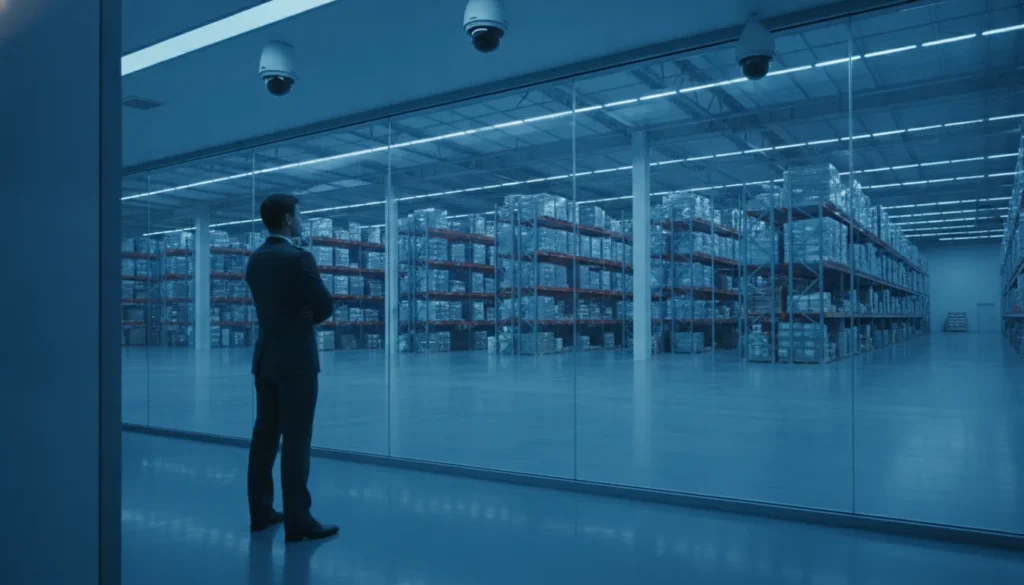
- Security camera placement and video quality. Cameras should help answer useful questions: Who entered? Which direction did they go? What happened at the register, loading area, or restricted doorway? Check for blind spots, poor nighttime images, glare, blocked views, and cameras mounted too high to capture usable detail. Retention time matters too. Footage that is overwritten before an incident is discovered will not help an investigation.
- Access control and credential management. List every person with a key, fob, card, code, or mobile credential. Can you remove access immediately when an employee leaves? Are shared codes being used by too many people? Access control is especially valuable when different employees, contractors, and vendors require different levels of entry at different times.
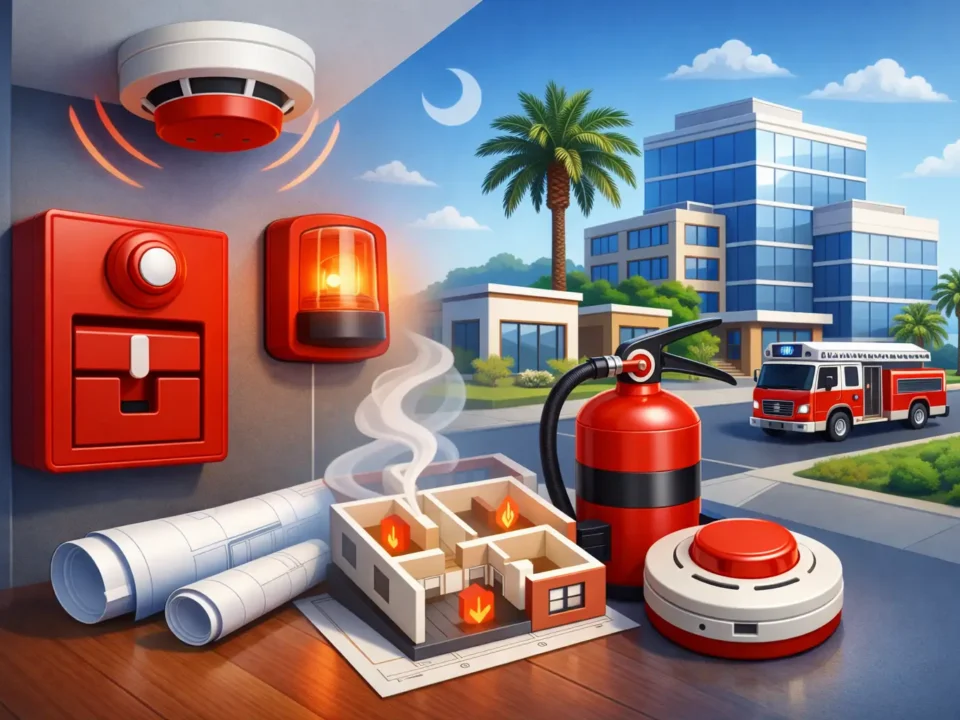
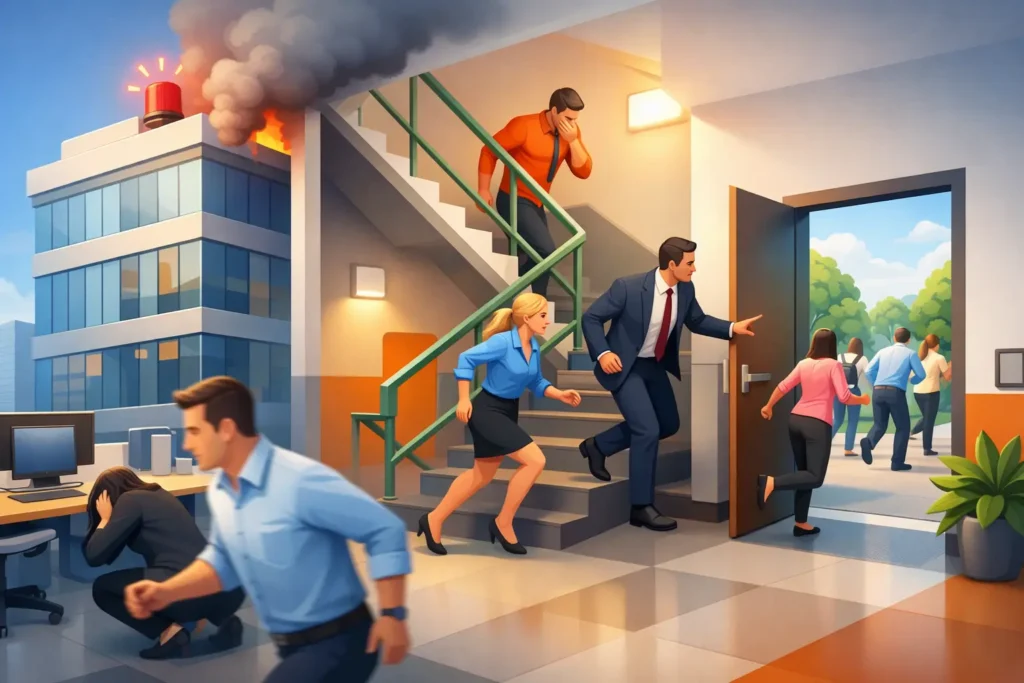
- Fire and life-safety systems. Confirm that fire alarm devices, notification appliances, pull stations, extinguishers, and emergency lighting are appropriate for the facility and maintained as required. Fire protection requirements vary by occupancy, building layout, local code, and the equipment present. A qualified fire-safety professional can help determine whether your current system supports both compliance and dependable emergency notification.
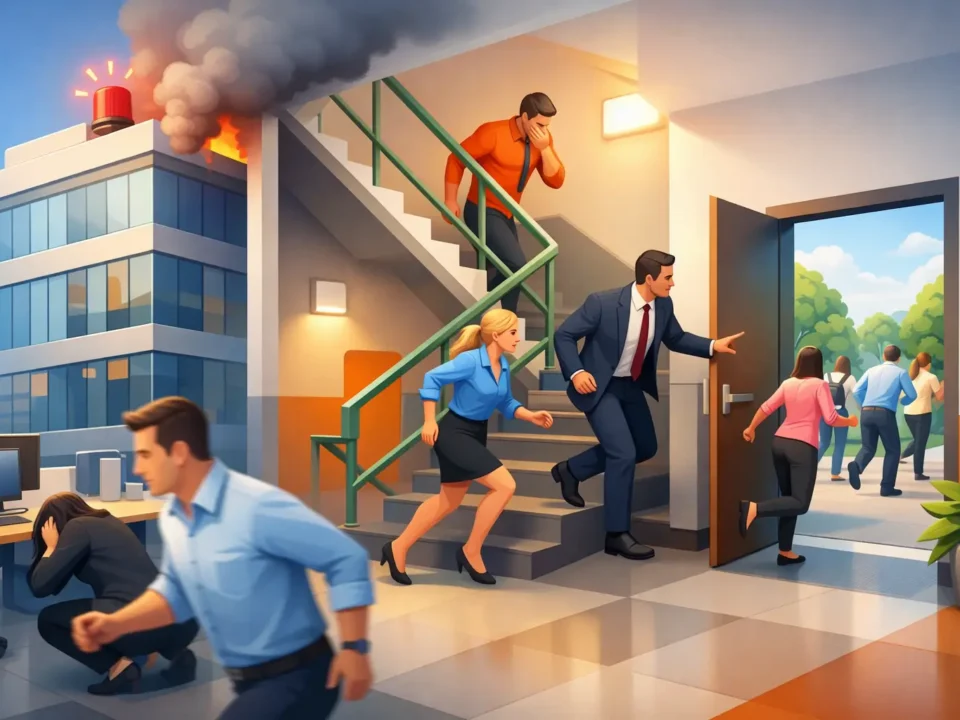
- Emergency procedures and staff readiness. Your equipment is only part of the response. Employees should know how to report an emergency, evacuate safely, secure the building at closing, and respond to a suspicious person or medical event. Assign responsibility for opening and closing procedures, visitor management, and alarm calls so decisions do not depend on one person being available.
- Maintenance, testing, and documentation. Record test dates, service visits, code changes, access updates, and camera issues. Batteries, communication paths, door contacts, and camera views can fail or change over time. Scheduled maintenance gives you a chance to correct small issues before they become a missed alarm, a false dispatch, or a system outage.
Look for Gaps Between Systems and Real Behavior
Many security issues are not equipment failures. They are routine workarounds. An employee may prop a door open for convenience, leave a shared access code unchanged for years, or assume someone else checks the alarm status at closing.
Ask employees where they feel least secure and which procedures slow them down. Their answers can reveal a practical trade-off: a tighter process that is ignored is not as effective as a process people can follow consistently. For example, a busy delivery entrance may need scheduled access permissions, a camera view, and a door position alert rather than a key that circulates among every driver.
Also consider how your systems work together. A camera at an entrance is more useful when you can match video to an access event. An intrusion alarm can be more effective when monitoring operators have current call lists and clear instructions. Fire, security, and access systems do not always need to be combined, but they should support one coordinated emergency plan.
Decide What to Fix First
Not every finding requires immediate replacement or a large project. Prioritize by considering the likelihood of an incident, the possible impact, and the reliability of your current protection. A damaged rear door near valuable inventory may deserve attention before a cosmetic camera upgrade. A building with no reliable after-hours alarm communication may need a faster solution than a site looking to expand video coverage.
Start with issues that affect life safety, emergency response, or an easy opportunity for unauthorized entry. Then address areas where a single improvement can solve more than one concern, such as access control that improves accountability while reducing the need to rekey doors after staff changes.
Document your decisions with a simple action plan: what needs to be corrected, who owns the task, the expected completion date, and how the change will be tested. Revisit the plan after a renovation, staffing change, incident, new equipment purchase, or change in operating hours.
When a Professional Assessment Makes Sense
A self-review is a useful starting point, but certain situations call for an experienced on-site assessment. These include opening a new location, expanding a facility, replacing an outdated alarm, addressing repeated false alarms, adding controlled access, or reviewing fire alarm requirements.
A professional can evaluate device placement, communication reliability, monitoring procedures, code considerations, and the way your team uses the property. That perspective is particularly helpful when a business has grown in stages and its security equipment was added piece by piece over several years.
For more than 30 years, ADP Security Systems has helped South Carolina businesses build protection plans around their actual facilities and risks, with professionally installed systems, scheduled maintenance, and 24/7 alarm monitoring supported by certified central-station operators.
A checklist is most valuable when it leads to action. Set aside time for a walkthrough, involve the people who open and close the building, and address the gap that would cause the greatest disruption if something went wrong.