Can Cameras Identify License Plates Reliably?
November 16, 2026
How Do You Plan a Commercial Security Camera Layout?
November 18, 2026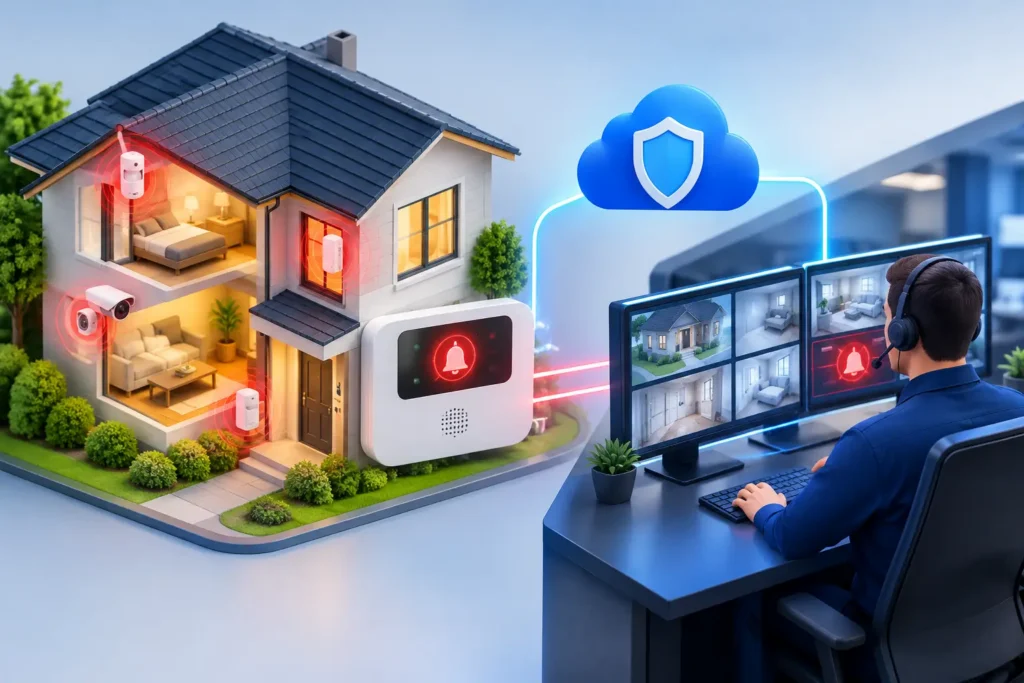
A burglar alarm can make a loud sound, send a phone notification, or trigger a flashing light. But if no one sees the alert, answers the call, or contacts help, the system may not provide the protection you expected. That is why do alarms need monitoring is such an important question for homeowners, business owners, and families caring for a loved one.
An alarm system detects a problem. Professional monitoring puts trained people and a response process behind that detection, 24 hours a day. For a family asleep, a business owner traveling, or an older adult facing a medical emergency, that difference can matter in the first minutes after an event.
An alarm signal is not the same as a response
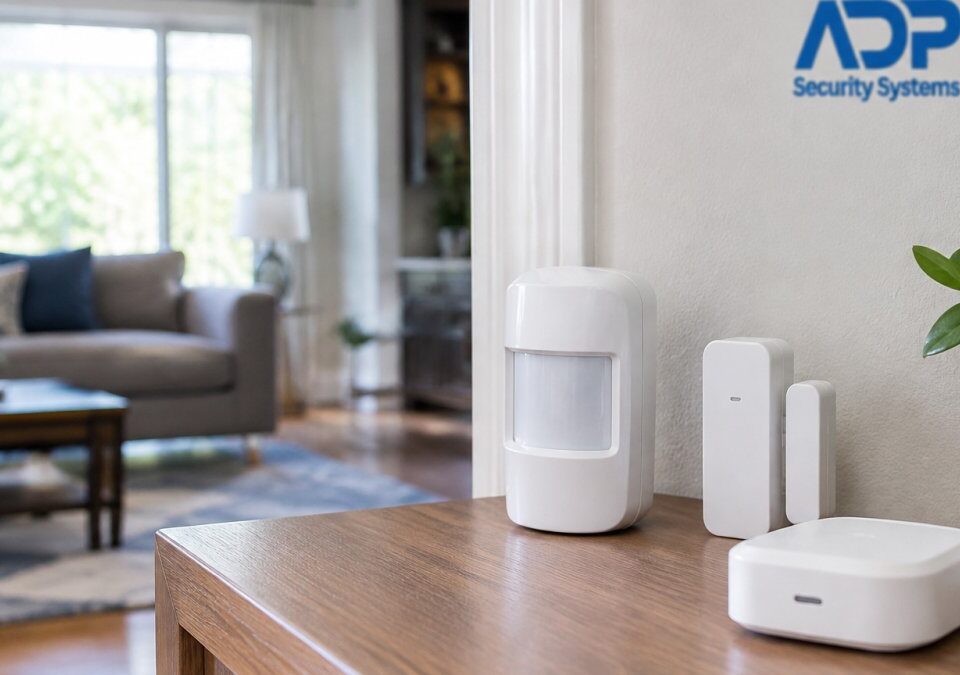
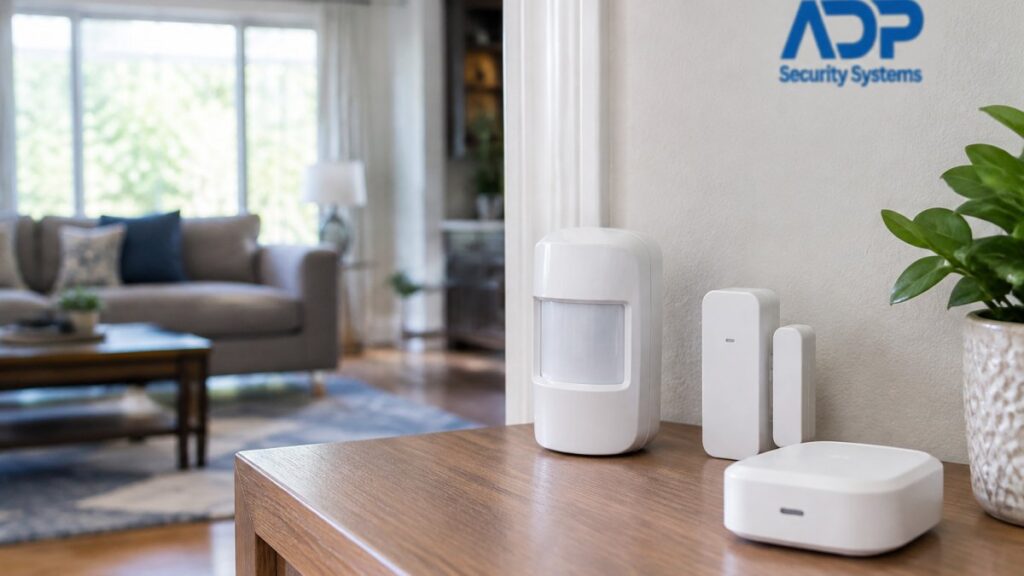
Security equipment is designed to recognize specific conditions. A door contact can detect an opening. A motion detector can sense movement. A smoke detector can identify signs of fire. A medical alert button can send an SOS signal after a fall or sudden health concern.
Without monitoring, those signals may only activate a siren or notify the people connected to the system. That can be useful when someone is nearby and able to act. It is less useful when a home is empty, a manager is away from the property, a phone is on silent, or the person who needs help cannot reach it.
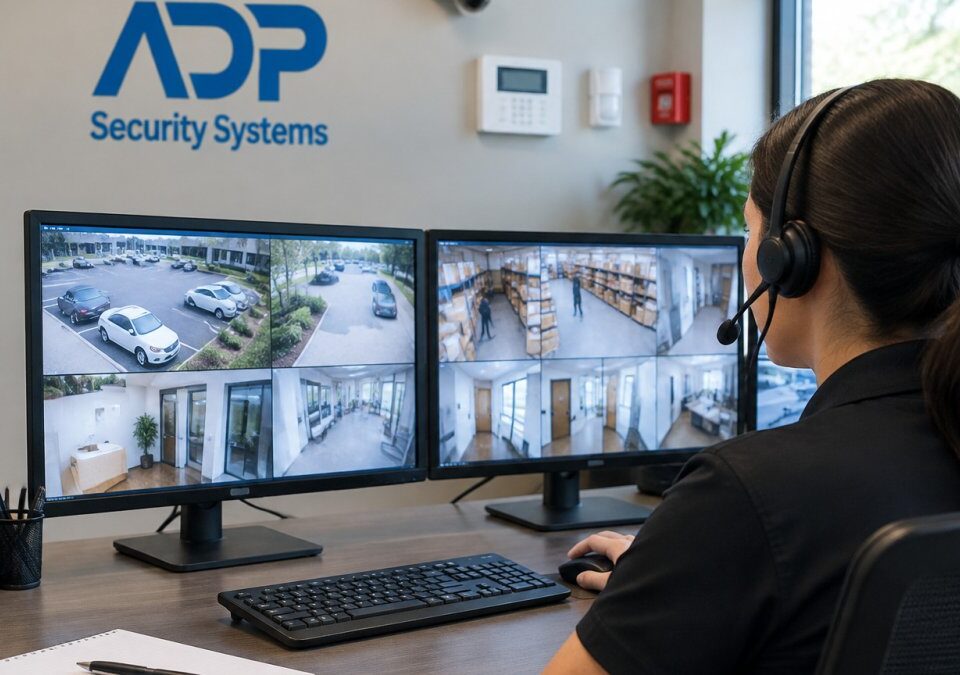
Professional monitoring creates a defined next step. When the system sends an alarm signal to a central station, trained operators follow established procedures based on the type of alarm and the account instructions. They can attempt to reach designated contacts and, when appropriate, dispatch emergency responders.
The goal is not simply to know that something happened. It is to make sure an alarm receives attention when you cannot provide it yourself.
Why do alarms need monitoring around the clock?
Emergencies do not keep business hours. Intrusions often occur when properties are vacant. Fires can start in a closed office overnight. A pipe leak or dangerous temperature change can develop while a family is on vacation. A medical event can happen when a spouse, neighbor, or caregiver is not in the room.
Around-the-clock monitoring gives your system a live connection to people whose job is to receive and act on alarm events. For South Carolina property owners, that brings added reassurance during workdays, overnight hours, holidays, and travel.
Consider a small business with an alarm that activates at 2:00 a.m. The owner may be asleep and may not see a push notification until much later. A professionally monitored system can send the signal to a central station immediately, where operators can follow the property’s response plan. That may include contacting the owner, notifying a keyholder, or requesting law enforcement response according to local procedures.
At home, monitoring can be just as valuable. If smoke alarms activate while a family is asleep, the alarm provides a warning inside the home. Monitoring adds another layer by ensuring the event is received outside the home as well. This is especially meaningful for households with children, older adults, pets, or family members who may need extra time to get to safety.
Monitoring supports security, fire, and medical protection
People often associate monitoring only with burglary alarms. In practice, it supports a broader life-safety plan.
For intrusion systems, monitoring helps make sure an unauthorized entry, glass-break event, panic alarm, or other security signal does not rely solely on a neighbor hearing a siren. For commercial properties, it can also support after-hours protection for inventory, equipment, records, and restricted spaces.
For fire alarm systems, a fast, reliable transmission path is essential. Commercial fire protection has specific code, inspection, and response requirements that vary by occupancy and system design. Monitoring helps ensure alarm conditions are promptly reported so the proper response can begin. It does not replace evacuation planning, maintained equipment, or employee training, but it is a critical part of the overall process.
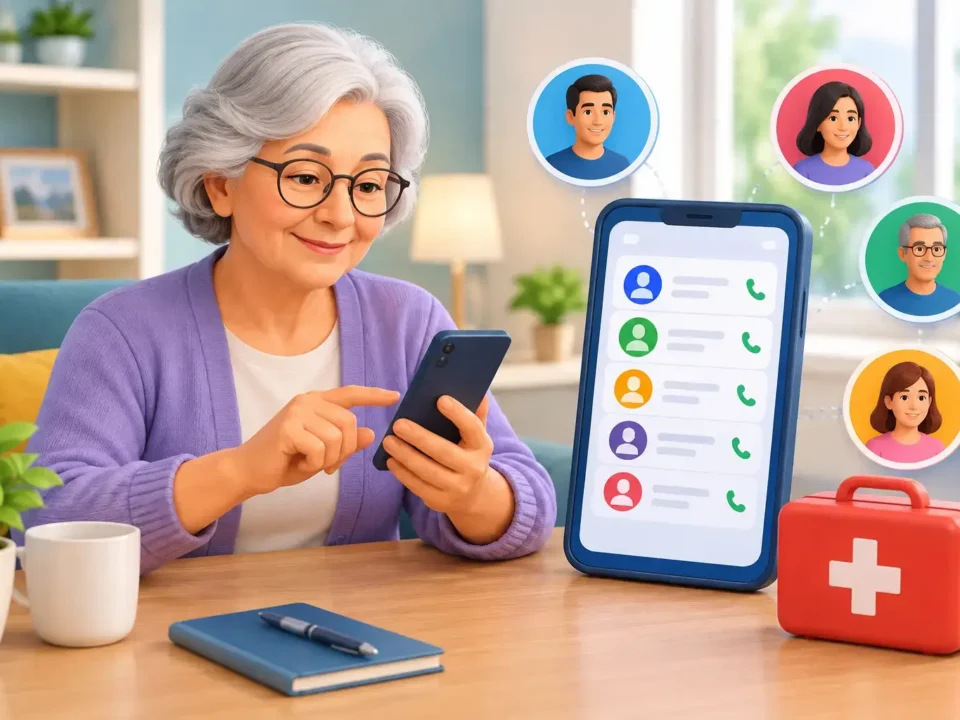
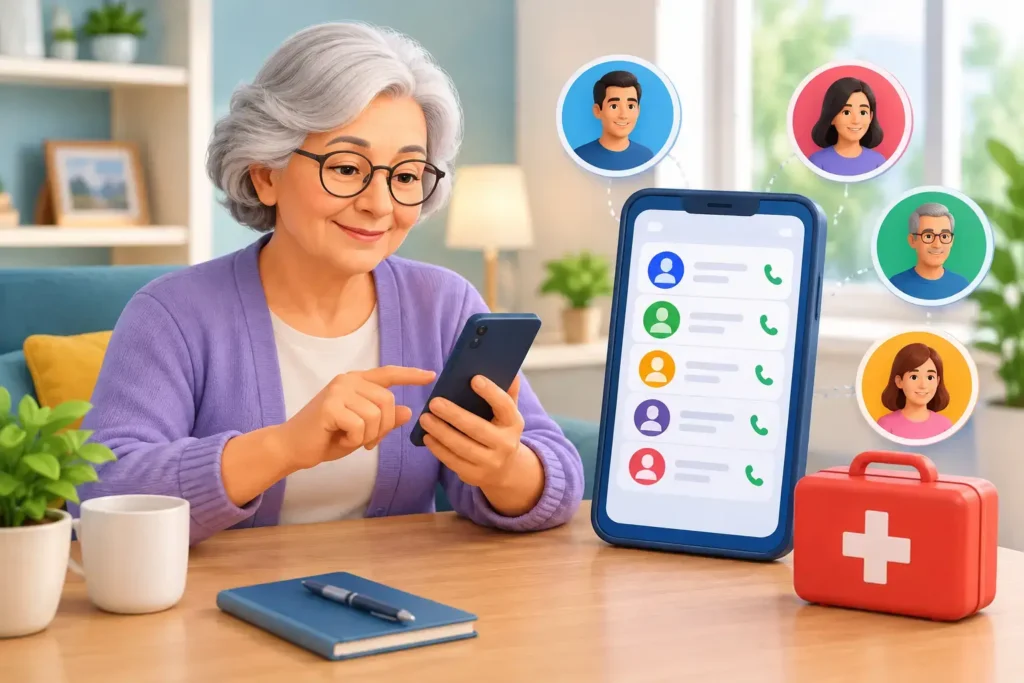
Medical alert monitoring serves a different but equally urgent need. A wearable help button or automatic fall-detection device can connect an individual with assistance at home or away from home. If a person cannot get to the phone, monitoring provides a way to summon help without depending on someone else to notice the emergency.
A phone alert is helpful, but it has limits
Smartphone control has made security systems more convenient. You can arm or disarm your system remotely, view camera footage, receive activity notifications, and check on your property from almost anywhere. These features provide useful awareness and more control over daily routines.
But app notifications are not a substitute for professional monitoring. Phones lose battery power. Notifications can be muted, delayed, missed in a meeting, or buried among other alerts. A homeowner might be driving. A business owner might be on a flight. A family member may see an alarm notification and be unsure whether it is a false alarm, an accidental activation, or a real emergency.
Monitoring gives you support when you are unavailable, uncertain, or unable to safely investigate. It also avoids putting you in the position of rushing to a potentially unsafe property alone. If you receive an alert from your business after closing, it is usually wiser to let trained professionals and responding authorities follow the appropriate process than to investigate an intrusion yourself.
The response plan matters as much as the equipment
Monitoring is most effective when the system and procedures are tailored to the property. A warehouse, medical office, family home, and independent senior living alone will not have identical risks or response needs.
During a professional security assessment, the focus should be on how people use the space, which areas need protection, who should be contacted, and which events require immediate attention. A business may need separate schedules, multiple keyholders, access control, video verification, and fire alarm coordination. A homeowner may prioritize perimeter protection, interior motion detection, cameras, smart locks, and environmental alerts. A medical alert customer may need a device that works in the shower, at the grocery store, or while traveling.
Your contact list also needs ongoing attention. If a manager changes roles, an adult child moves, or a keyholder’s phone number changes, update the monitoring account promptly. An outdated contact list can slow communication at the moment it is needed most.
Professional installation helps reduce avoidable problems
No security system can eliminate every false alarm or every risk. Pets, open windows, employee mistakes, loose sensors, low batteries, and changing routines can all affect performance. The right design and regular maintenance help reduce these issues.
Professional installation matters because devices must be placed, programmed, tested, and explained correctly. Motion detectors need appropriate coverage. Door and window sensors need secure alignment. Fire equipment requires knowledgeable design and service. Cameras should be positioned to capture useful activity, not just empty space or glare.
Ongoing maintenance is equally valuable. Testing communication paths, replacing batteries, checking devices, and reviewing changes to the property help keep the system ready. A system that worked perfectly when it was installed years ago may need adjustments after a renovation, a staffing change, a new pet, or a change in how the building is used.
Monitoring does not guarantee an outcome, but it improves readiness
It is important to be clear about what monitoring can and cannot do. It cannot prevent every break-in, stop a fire from starting, or guarantee how quickly emergency services will arrive. Response times depend on local conditions, emergency call volume, weather, and the nature of the event.
What monitoring does provide is a dependable process for receiving alarm signals and escalating them according to your instructions. It reduces the chance that a critical alert sits unseen until it is too late to respond promptly. Combined with quality equipment, professional installation, regular service, and a practical emergency plan, it gives homes and businesses a stronger layer of protection.
For more than 30 years, ADP Security Systems has helped South Carolina customers build protection around real needs, from monitored intrusion and fire alarms to connected home security and personal medical alerts. A system should fit the people and property it protects, not force them into a one-size-fits-all setup.
The best time to review your alarm coverage is before you are relying on it during an emergency. Consider who will receive an alert at 3:00 a.m., what happens if they cannot answer, and whether your current system has a trained team ready to respond.