7 Ways to Secure Vintage Windows Without Damaging Frames
November 12, 2026
Key Cards vs Mobile Credentials for Offices
November 13, 2026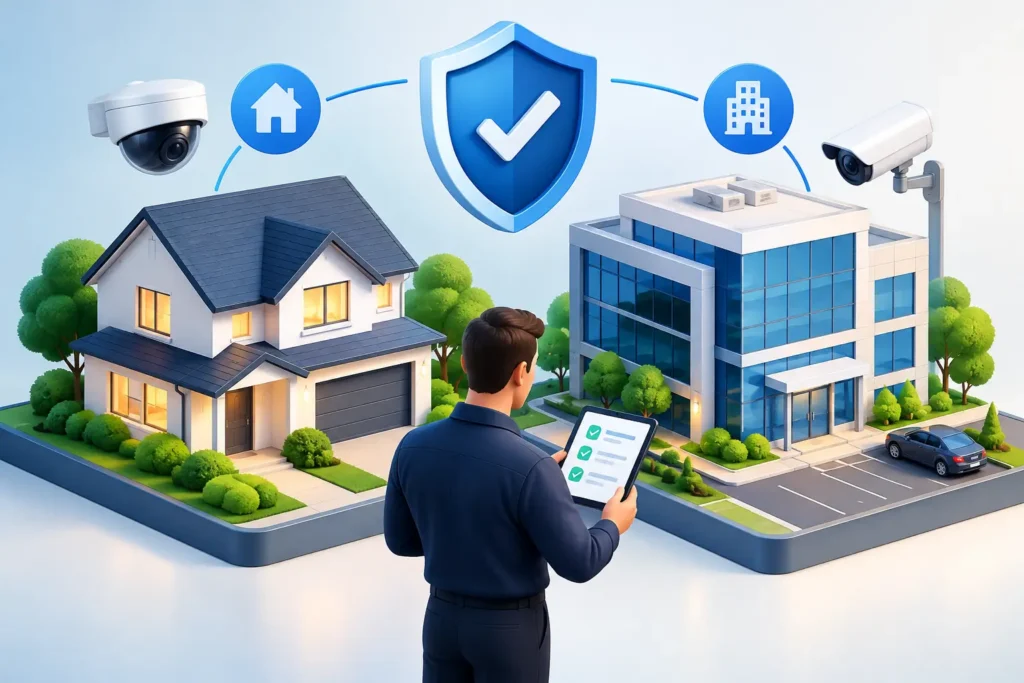
A security system should solve the problems your property actually has, not simply add more equipment. That is where security assessment benefits become clear. A professional assessment looks at how people enter and use a home or facility, where valuables are kept, what happens after hours, and how quickly help can be summoned during an emergency. The result is a protection plan built around real risks, daily routines, and the people who depend on the property.
For a homeowner, that may mean identifying an unprotected side door, a poorly lit driveway, or a need to check on an aging parent from a smartphone. For a business, it may mean controlling access to inventory, improving visibility at a receiving entrance, or confirming that fire and intrusion systems support operational needs. The goal is not to make security complicated. It is to make protection dependable.
What Happens During a Security Assessment?
A professional assessment starts with a conversation. Before recommending an alarm, camera, access control system, fire alarm, or medical alert device, a security professional should understand what you want to protect and what concerns you most. A retail owner may be focused on employee access and after-hours break-ins. A family may want reassurance when children arrive home from school. A facility manager may need a clearer picture of life-safety requirements, visitor traffic, and emergency response procedures.
The walkthrough then turns those concerns into practical observations. Entry and exit points, windows, parking areas, lighting, valuable equipment, blind spots, network needs, and existing systems all matter. In commercial settings, an assessment may also consider key management, restricted areas, delivery schedules, employee turnover, and the way a building is occupied throughout the day.
A good assessment does not assume every door needs the same device or every camera needs the same view. It prioritizes the areas where a failure in protection would have the greatest impact.
The Security Assessment Benefits That Matter Most
It finds gaps that are easy to overlook
Property owners know their buildings well, but familiarity can hide vulnerabilities. A back entrance may feel secure because it is rarely used, even though it is not well lit or monitored. A camera may be installed high on a wall but fail to capture faces at the right angle. A residential garage door may be used every day without being included in the alarm plan.
An outside perspective helps reveal those weak points. It also distinguishes between a minor concern and a higher-priority exposure. That matters because security decisions are often made after a break-in, false alarm, fire event, or medical emergency. An assessment gives you the chance to address issues before they become a crisis.
It helps you spend in the right order
Security budgets are not unlimited, and more equipment is not always better protection. One of the most practical security assessment benefits is the ability to prioritize. A business may get better results from securing a single employee entrance with access control than from placing cameras in low-risk areas. A homeowner may need monitored intrusion detection and a video doorbell before adding indoor automation features.
This is also where trade-offs become clearer. Cameras can provide valuable visibility, but they do not prevent someone from opening an unsecured door. Access control can limit entry, but it should be paired with policies for lost credentials and former employees. An alarm can send a signal for response, but it needs proper placement, testing, and monitoring to perform as intended.
A thoughtful plan can often be completed in phases. Start with the highest-risk areas, then expand protection as needs and budgets change.
It connects security with life safety
Protection is about more than stopping theft. Smoke, fire, carbon monoxide, medical events, and extreme temperatures can all put people and property at risk. A complete assessment considers the life-safety side of the property along with intrusion prevention.
For businesses, that may include evaluating whether a commercial fire alarm system, notification devices, and scheduled maintenance support the building’s use and applicable requirements. A restaurant, warehouse, office, and multi-unit property each present different conditions. Fire protection should be designed around those conditions, not treated as an afterthought.
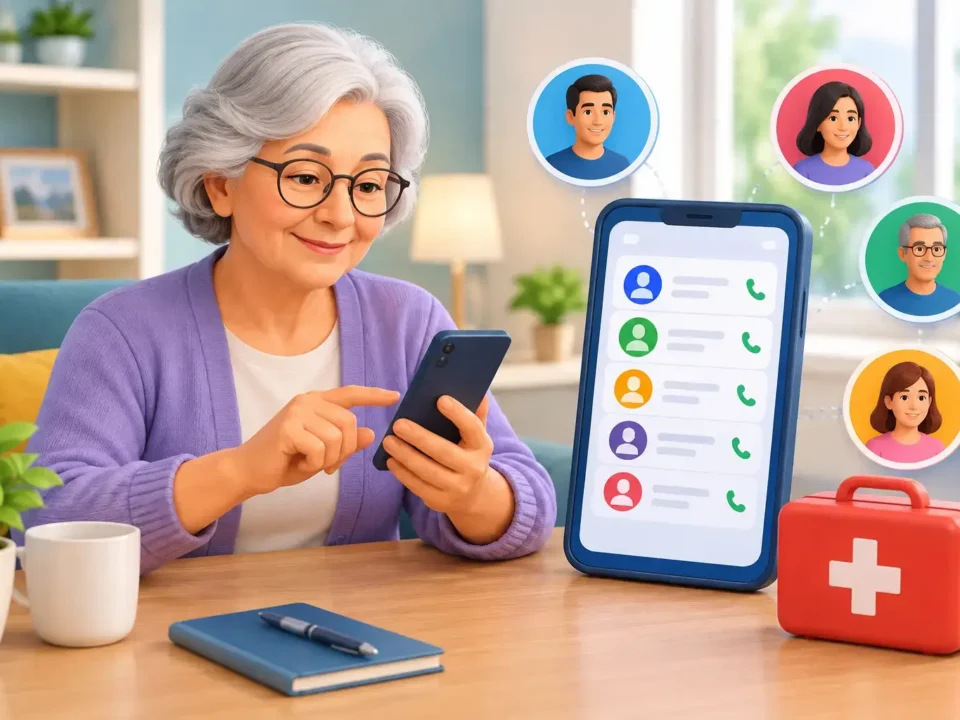
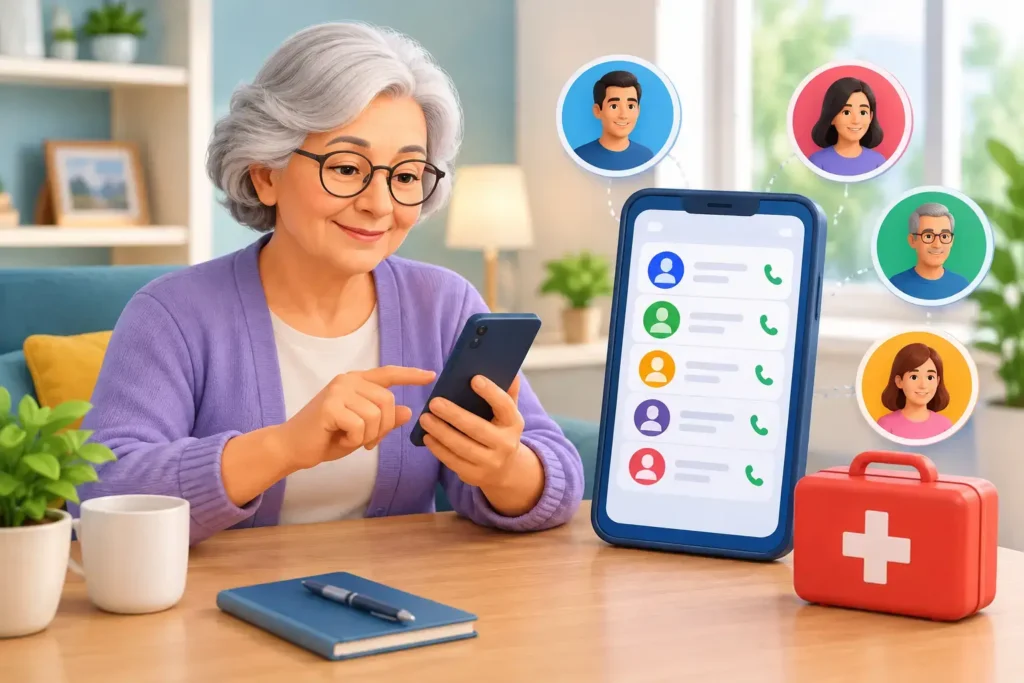
For households, life safety can include monitored smoke and carbon monoxide detection, temperature alerts for vulnerable areas, and personal medical alert protection for a loved one who may need help after a fall or health event. A wearable emergency device can be especially valuable when a person lives alone or wants confidence while traveling. The right option depends on mobility, health needs, coverage requirements, and family support.
It improves day-to-day awareness
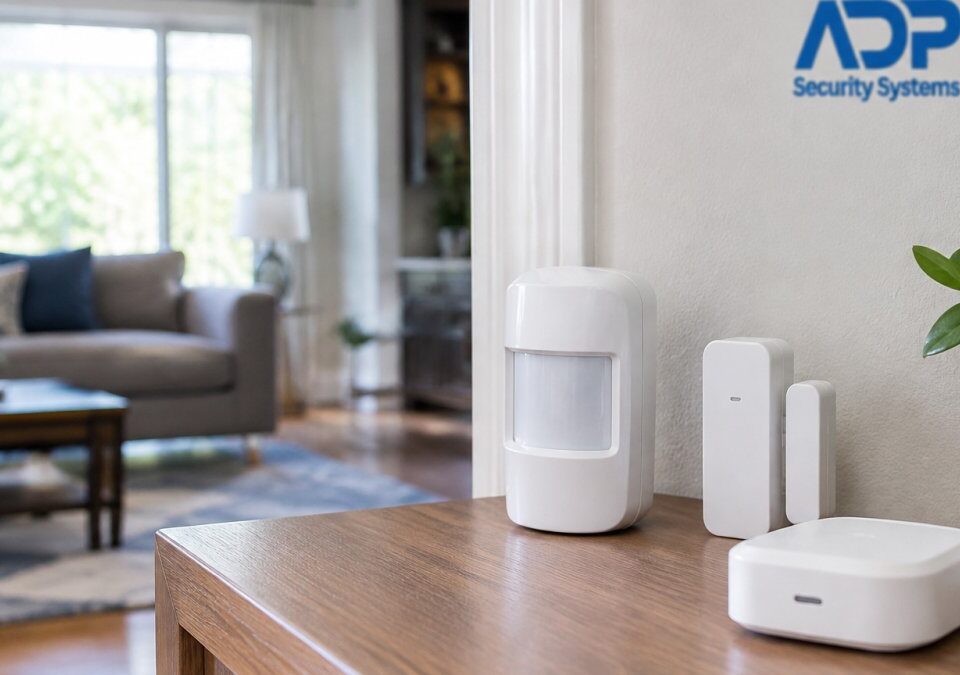
A security assessment is not only about what happens during an emergency. It can improve how confidently you manage your property every day. Smartphone-enabled security tools can allow homeowners to check activity, receive alerts, arm or disarm a system, and view important areas remotely. For many families, that means greater awareness without needing to be physically at home.
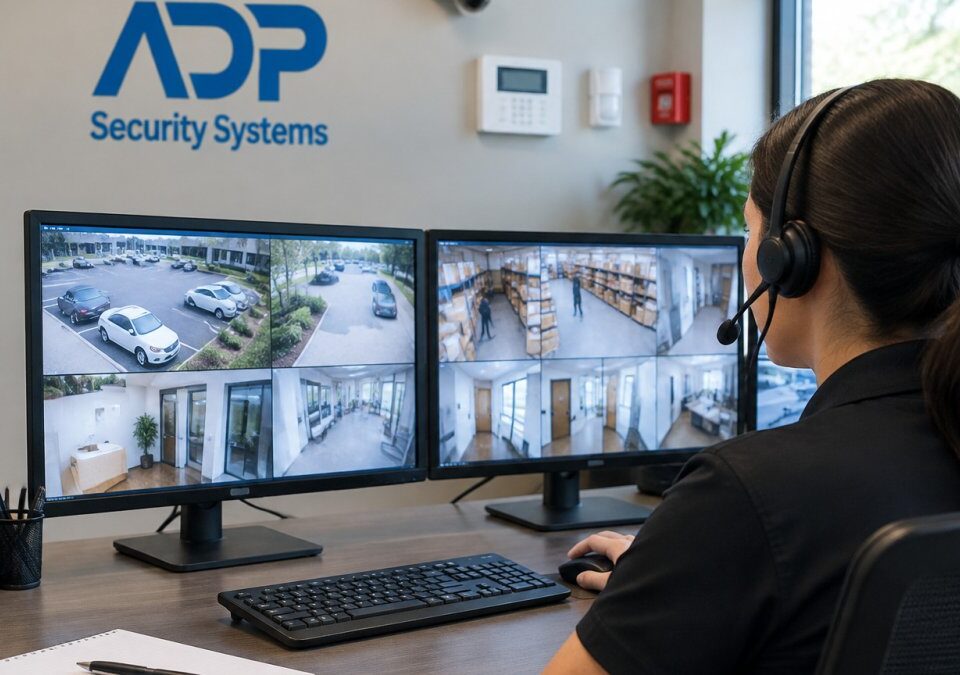
Commercial systems can provide similar operational value. Access control can help business owners understand who entered a restricted space and when. Cameras can help verify deliveries, investigate incidents, and monitor areas that cannot be watched continuously. These tools should support people and procedures, not replace them.
Privacy should be part of the discussion. Cameras require careful placement, especially in employee spaces and shared areas. Access permissions should be limited to the people who need them. Notification settings should be useful rather than so frequent that they are ignored. A professional assessment helps define practical boundaries before equipment is installed.
Why Professional Installation Changes the Outcome
A well-chosen system can still disappoint if it is poorly installed, difficult to use, or never maintained. Device placement affects detection range, image quality, reliability, and convenience. Wiring, power sources, connectivity, backup considerations, and integration between components all require attention.
Professional installation also gives customers a point of contact when needs change. A growing business may add doors, employees, or storage areas. A homeowner may remodel, adopt a pet, or want additional coverage for a detached garage. Security is not always a one-time decision, which is why ongoing support and scheduled maintenance are part of dependable protection.
Monitoring adds another layer of reassurance. When an alarm event occurs, trained central-station operators can follow established response procedures, helping ensure that a signal is not left unseen because someone missed a phone notification. Monitoring does not eliminate every risk, and response times can vary based on local conditions, but it provides an important connection to help when you cannot respond yourself.
When Should You Schedule an Assessment?
The best time is before a problem forces the decision. That said, several changes are strong reasons to revisit your protection plan: moving into a new home, opening or relocating a business, renovating a facility, changing operating hours, adding employees, storing higher-value inventory, or caring for an aging family member.
It is also wise to reassess after a security incident or a near miss. A broken lock, unauthorized entry, package theft, repeated false alarms, or a camera that did not capture useful footage can reveal a gap in the system or the process around it. The answer may be new equipment, but it could also be a change in placement, training, access permissions, or maintenance.
For South Carolina property owners, local knowledge can make the conversation more useful. ADP Security Systems has spent more than 30 years helping customers match professionally installed security and life-safety solutions to the way they live and work. That consultative approach keeps the focus where it belongs: protecting people, property, and peace of mind.
A Better Starting Point for Protection
The right security plan begins with clear questions: What needs protection? Who needs access? What could happen when no one is present? How will help be reached if an emergency occurs? A professional assessment gives those questions practical answers, then turns them into a plan you can understand and maintain.
The most valuable outcome is not a longer equipment list. It is the confidence of knowing your protection is designed for your property, your routines, and the people who count on you.