What Is a Monitored Alarm System & Is It Worth It?
May 25, 2026
Top Access Control Systems Brands: A Comparison
May 27, 2026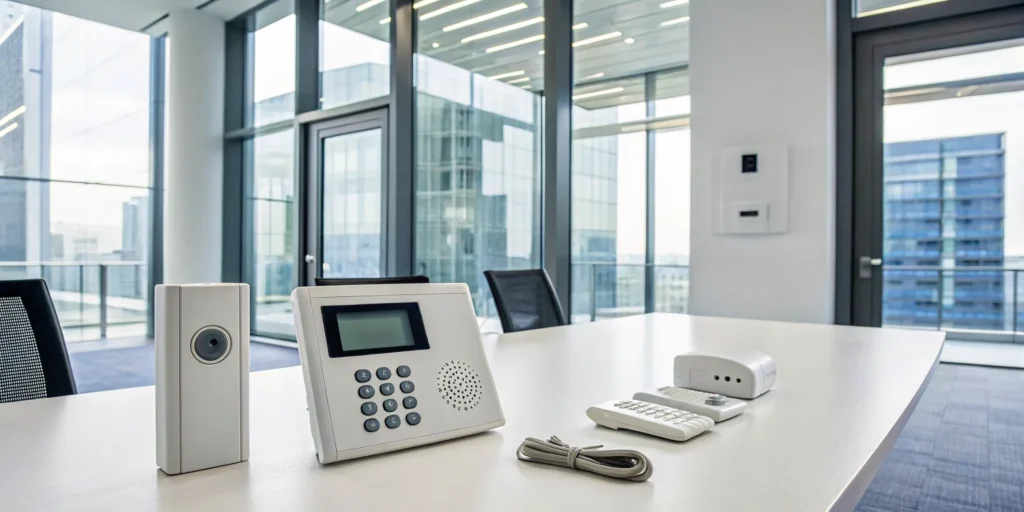
The technology inside today’s security systems has evolved far beyond a simple keypad and a siren. We now have smart sensors that can tell the difference between a pet and an intruder, cameras with AI that proactively deter trespassers, and mobile apps that let you control your entire home from your phone. A modern security alarm can integrate with your lights, locks, and thermostat, creating a seamless safety ecosystem. While all these features are impressive, they can also be overwhelming. This article will help you understand the key features to look for, so you can build a system that fits your lifestyle and provides real protection for your family in the Upstate.
Key Takeaways
- Protection is more than just break-ins: A modern security system also acts as a life safety net. Look for integrated sensors that monitor for fire, carbon monoxide, and water leaks to safeguard your home or business from all angles.
- Customize your security to fit your life: The most effective system is one built for your specific needs. Assess your property’s unique risks first, then select features like mobile alerts, smart cameras, or access control that solve your real-world challenges.
- Professional monitoring is the critical final step: An alarm is just a noise without a response. Subscribing to a 24/7 monitoring service connects your system to a team of professionals who can verify emergencies and dispatch help, ensuring you’re protected even when you can’t respond yourself.
How Do Security Alarm Systems Work?
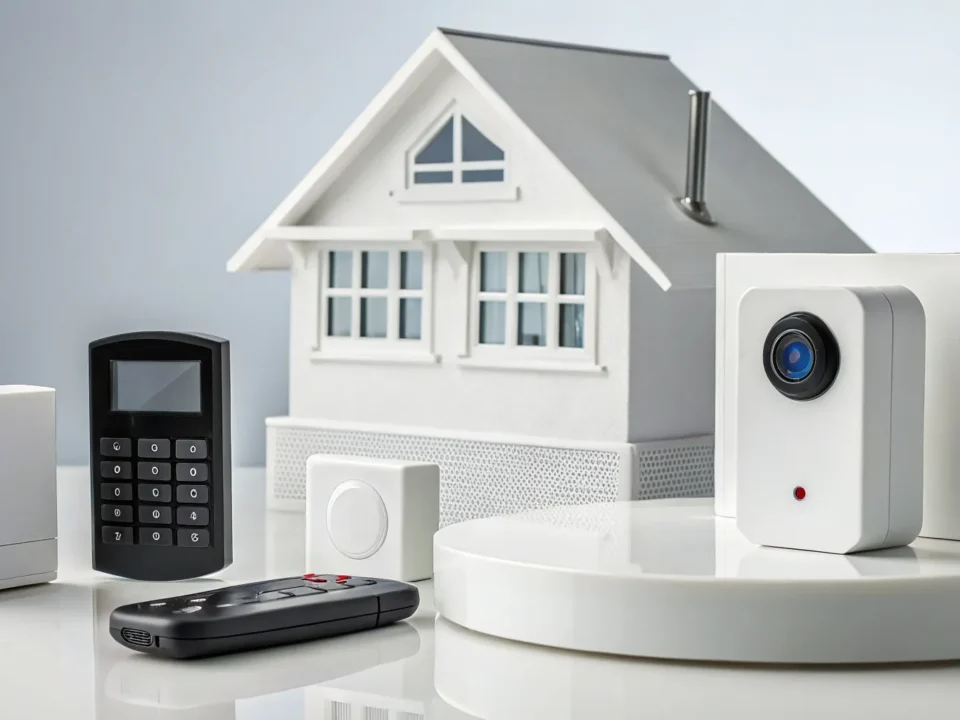
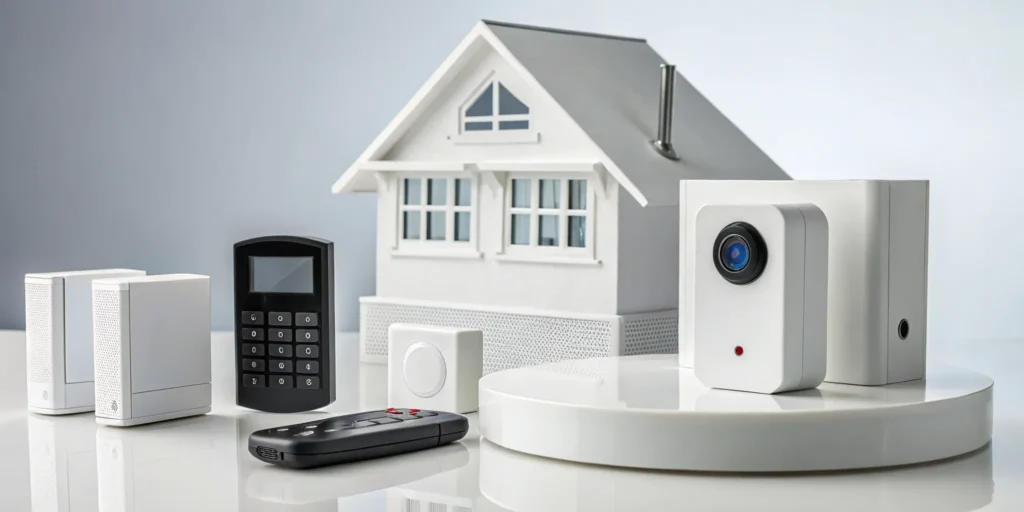
It’s easy to think of a security system as just a loud alarm, but it’s actually a smart, interconnected team of devices working together to protect your property. Think of it as a digital nervous system for your home or business. At its core, every system has three main parts that communicate with each other: sensors, a control panel, and a notification system.
First, you have the sensors, which are the eyes and ears of the system. These are the small devices you place on doors, windows, and in rooms throughout your property. There are many different types of sensors designed for specific jobs, from magnetic contacts that detect an opened door to motion detectors that sense movement in a room and glass-break sensors that listen for the sound of a shattered window. When one of these sensors is triggered, it immediately sends a wireless signal.
That signal goes directly to the control panel, the brain of the operation. This central hub receives the information from the sensor and decides what to do next based on whether your system is armed. It’s the command center you use to arm or disarm your system, and it’s the component that connects your home to the outside world.
When the control panel receives an alert from a sensor while the system is armed, it triggers the response. This can be a loud, high-decibel siren designed to startle an intruder and alert your neighbors. Simultaneously, it sends an instant notification to your smartphone. Most importantly, with a professionally monitored system, the panel sends a signal to our 24/7 monitoring center. From there, our South Carolina-based team can verify the emergency and dispatch the police or fire department to your home or business, ensuring help is on the way.
Key Features to Look for in a Security System
When you start looking at security systems, it’s easy to feel overwhelmed by the technology and terminology. But a great security system isn’t about having the most gadgets; it’s about having the right ones that work together to make your home or business safer and your life easier. Think of it as building a custom solution piece by piece. The best systems are more than just a loud alarm. They are intelligent, responsive, and tailored to your specific needs, whether you’re protecting your family in Greenville or your business in Spartanburg. Let’s walk through the essential features that turn a basic alarm into a comprehensive safety ecosystem.
Smart Sensors and Detection
At the heart of any effective security system are its sensors. These are the digital eyes and ears that stand guard 24/7. We’re talking about more than just a simple motion detector. Modern systems use a variety of smart sensors, including door and window contacts that alert you the moment they’re opened, glass break detectors that listen for the specific sound of shattering, and advanced motion sensors that can tell the difference between your dog and an intruder. These devices are the first line of defense, instantly sending a signal to your control panel and alerting you to a potential issue. They provide the foundational awareness that makes everything else in your security setup possible.
Smart Home Integration and Mobile Alerts
A truly modern security system doesn’t just stand alone; it integrates seamlessly into your daily life. This is where smart home automation comes in. Imagine your system disarming automatically as you pull into the driveway, turning on the lights, and adjusting the thermostat. With smart home integration, your security system can become the central hub for your entire home.
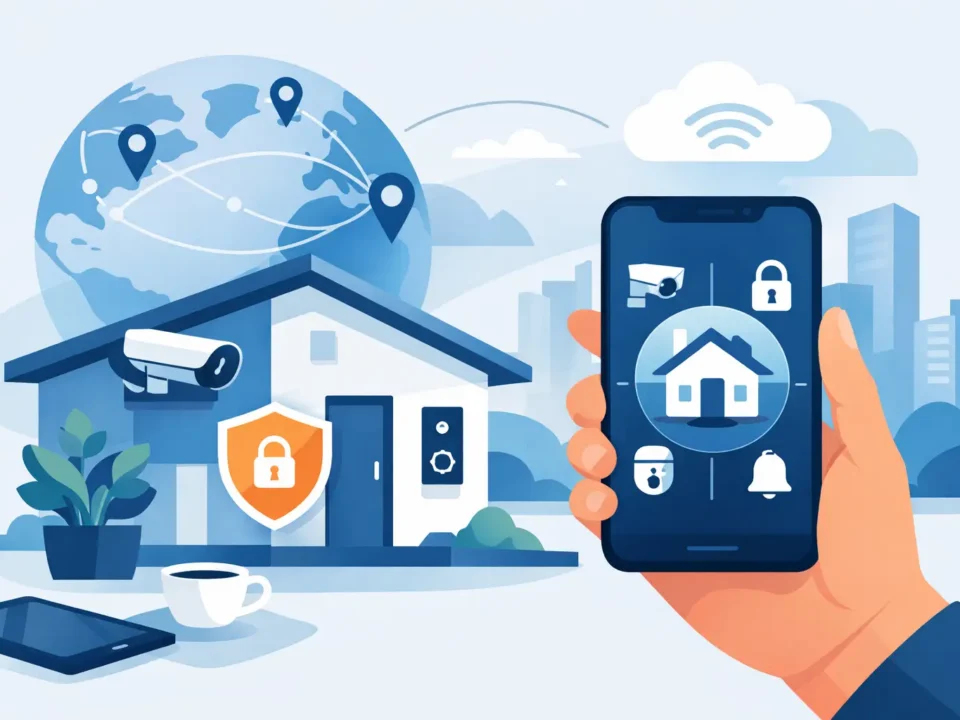
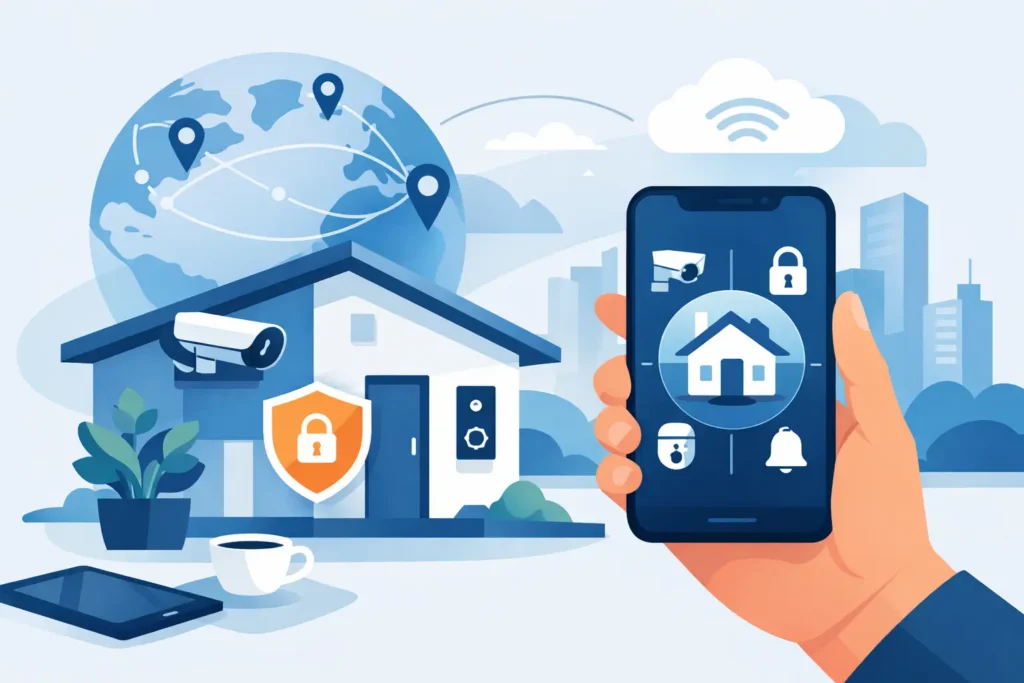
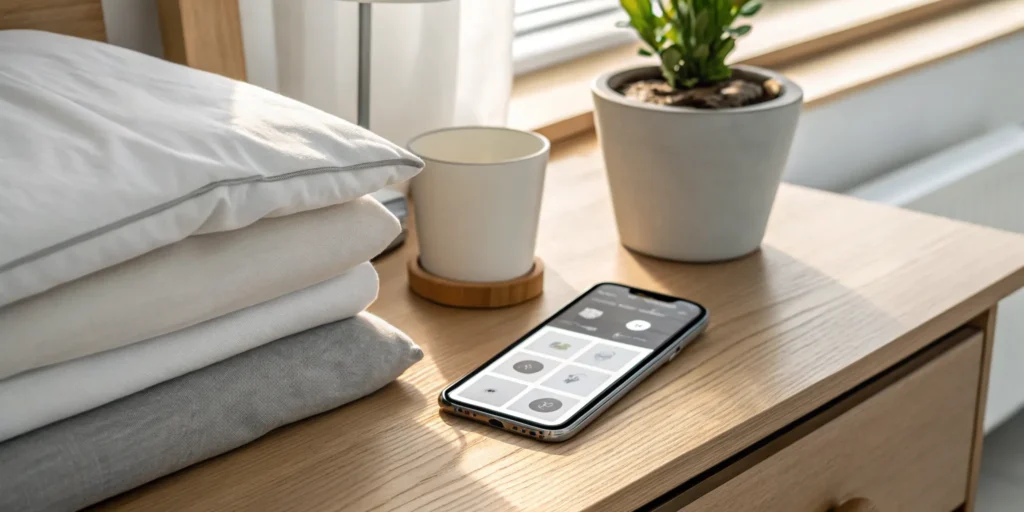
Even more importantly, you get complete control right from your smartphone. A dedicated mobile app lets you arm or disarm your system, check sensor status, view live camera feeds, and receive instant alerts no matter where you are. This constant connection gives you peace of mind, knowing you can manage your property’s security from across town or across the country.
Video Surveillance with AI Analytics
Security cameras have become a standard feature, but the real game-changer is the intelligence behind the lens. Modern video surveillance uses artificial intelligence (AI) to provide smarter, more accurate alerts. Instead of getting a notification every time a car drives by, AI-powered cameras can distinguish between people, animals, and vehicles, so you only get notified about what actually matters.
Some of the best home security systems even include proactive features like “Smart Deter,” which uses AI to identify someone lingering on your property. The system can then automatically trigger a spotlight and an audible warning to let them know they’ve been spotted. This turns your camera from a passive recording device into an active deterrent against crime.
Environmental Monitoring for Smoke, CO, and Water
Your property faces threats beyond break-ins. A truly comprehensive security system also protects you from environmental dangers. Monitored smoke detectors are a crucial feature, as they can alert our 24/7 monitoring center to dispatch the fire department, even if you’re not home. The same goes for carbon monoxide (CO) detectors, which protect your family from this odorless, invisible gas.
Additionally, water sensors can be a lifesaver for any South Carolina homeowner. Placed near water heaters, washing machines, or in basements, these small devices can detect leaks early, sending an alert to your phone before minor drips turn into major floods. This level of protection safeguards not just your belongings, but the structural integrity of your home or business.
Scalability and Customization Options
Your security needs today might not be your needs tomorrow. Maybe you’re planning to finish your basement, add a new wing to your office, or build a detached workshop. A good security system is not a one-size-fits-all box. It should be a flexible, scalable platform that can grow and adapt with you.
Look for a provider that allows you to build a security system tailored to your exact layout and lifestyle. You should be able to start with the essentials and easily add more cameras, sensors, or smart home devices later on. This ensures your investment continues to serve you well into the future, providing protection that is always a perfect fit for your property and your budget.
Comparing Popular Security System Options
Choosing a security provider can feel overwhelming with so many names out there. The right partner depends on your specific needs, whether you prefer a DIY setup, want advanced smart home features, or value a local team you can trust. Let’s look at how some of the most popular options stack up so you can find the perfect fit for your home or business in South Carolina.
ADP Security Systems
As a local South Carolina provider, we specialize in creating custom security ecosystems designed for our communities. We believe protection isn’t a one-size-fits-all product. Our Greenville-based team works directly with you to design, install, and monitor integrated systems for homes, businesses, and seniors. Whether you need smart home automation in Simpsonville, a code-compliant fire system in Spartanburg, or a medical alert system in Anderson, we provide state-of-the-art technology backed by local, 24/7 support. With us, you get a dedicated partner committed to your safety.
ADT
ADT is one of the most established names in the security industry, with over 150 years of experience. They offer professionally installed systems with mandatory 24/7 professional monitoring, meaning their team is always ready to contact emergency services. Their plans start around $24.99 per month for basic monitoring, with options for camera support beginning at about $39.99 per month. With multiple monitoring centers and a long history, ADT is a well-known choice for homeowners looking for a traditional, professionally managed security service.
SimpliSafe
If you’re looking for a flexible, do-it-yourself option, SimpliSafe is a popular choice. Their systems are designed for easy DIY installation that you can often complete in under an hour. You can choose to monitor the system yourself for free through the app or opt for professional monitoring, which starts at around $22.99 per month. SimpliSafe also offers unique features like “Intruder Intervention,” where monitoring agents can speak to intruders through an outdoor camera. This makes it one of the best home security systems for users who want control and flexibility.
Vivint
Vivint is recognized for its advanced smart home automation capabilities. Their systems are designed to seamlessly connect with a wide range of smart devices, from thermostats and door locks to lighting and garage doors. Vivint requires professional installation to ensure all your smart home rules are set up correctly from the start. Professional monitoring is also required, with plans typically ranging from $24.99 to $49.99 per month depending on the features you select. It’s a strong option for anyone wanting to build a fully integrated and automated smart home.
Understanding Security System Costs
Figuring out the cost of a security system can feel a bit like solving a puzzle. There are initial expenses, monthly fees, and different service models to consider. But once you understand the pieces, you can see the full picture and find a solution that fits your budget without compromising on safety. The total price depends on the equipment you choose, whether you have it professionally installed, and the level of monitoring you need. Let’s break down the main costs so you know exactly what to expect when protecting your home or business in South Carolina.
Equipment and Installation Fees
Your first investment will be in the hardware itself, which includes things like sensors, keypads, and cameras. The more doors, windows, and areas you want to cover, the more equipment you’ll need. After the equipment, you have the cost of installation. While DIY is an option, having a professional install your system ensures every component is placed correctly and tested thoroughly. Companies like ADT offer expert installation, giving you confidence that your system is ready to go from day one. Think of it as a one-time cost for long-term peace of mind.
Monthly Monitoring Costs
The monthly monitoring fee is what keeps your system connected to a 24/7 professional team. If an alarm is triggered, these are the people who verify the emergency and dispatch police, fire, or medical help. Basic professional monitoring services can be quite affordable, but the price may change if you add more advanced features. For example, plans that include support for security cameras or smart home automation will typically have a higher monthly fee. This ongoing cost is what ensures someone is always watching over your property, whether you’re at home, at work, or on vacation.
Subscription vs. Ownership Models
When it comes to monitoring, you generally have two paths: you can monitor the system yourself or subscribe to a professional service. Self-monitoring means you’re responsible for responding to every alert, while a subscription connects you to a dedicated security team. Many modern providers offer flexible plans, so you can choose what works for you. Some even provide services with no long-term contracts, allowing you to adjust as your needs change. This flexibility is great, but for true security, nothing beats having a professional team ready to respond when you can’t.
Potential Insurance Discounts and Savings
Here’s a financial perk that many people overlook: a monitored security system can often lower your homeowner’s insurance premium. Many insurance providers offer significant discounts for homes with professionally monitored fire and intrusion alarms because a protected home is less of a risk. Be sure to call your insurance agent and ask what kind of discount you qualify for. In many cases, the annual savings can help offset the monthly monitoring cost, making your security system an even smarter investment for your family and your finances.
DIY vs. Professional Installation: Which Is Right for You?
Deciding between a DIY security system and one installed by professionals is a major first step. There’s no single right answer; the best choice depends on your budget, your technical comfort level, and what you value most in a security solution. Let’s break down the pros of each approach so you can feel confident in your decision.
The Appeal of a DIY System
The biggest draw for do-it-yourself systems is often the price tag. By handling the installation yourself, you can avoid labor costs and sometimes find equipment at a lower price. This approach offers a lot of flexibility, too. You can start small with a few sensors and add more later, and you have the freedom to choose between self-monitoring through an app or paying for a professional monitoring service. If you’re comfortable with technology, enjoy a good project, and want a basic, customizable setup, a DIY security system can be a great fit, especially for smaller homes or apartments.
The Benefits of Professional Installation
On the other hand, professional installation offers something DIY can’t guarantee: total peace of mind. When our local experts in Greenville install your system, we ensure every sensor is placed correctly and every component is tested for optimal performance. This is crucial for creating a truly reliable security ecosystem that integrates everything from intrusion detection to fire and carbon monoxide monitoring. You get the benefit of 24/7 professional monitoring by people who are ready to respond, without having to troubleshoot setup yourself. For busy homeowners and business owners in South Carolina, this hands-off, expert-led approach means your property is protected correctly from day one.
Do Security Alarms Actually Deter Crime?
It’s one of the first questions people ask when considering a security system, and it’s a great one. The short answer is yes, security alarms absolutely deter crime. It’s not just about the loud siren; it’s about fundamentally changing a potential burglar’s risk assessment. When a criminal is deciding on a target, they are looking for the path of least resistance. A home with a visible security system is simply a harder, riskier target.
The data backs this up. Studies have found that the presence of an alarm system significantly reduces the likelihood of a burglary. In fact, a survey of convicted burglars revealed that most of them would immediately leave a property if they discovered an alarm. They know that a professionally monitored system means the police could be on their way in minutes, dramatically increasing their chances of getting caught.
That’s why even simple visible deterrents, like a yard sign or window sticker from a local provider like ADP Security, can be incredibly effective. They send a clear message: “This property is protected.” While an alarm is a powerful tool on its own, it works best as part of a complete security plan. When you combine it with smart sensors, video surveillance, and 24/7 monitoring, you create layers of protection that give you and your family in the Upstate true peace of mind.
What Businesses Should Look for in a Security System
Choosing a security system for your business is a different ballgame than securing your home. Your company has unique assets, employees, and legal responsibilities to consider. Whether you run a single shop in Greenville or manage multiple locations across the Upstate, your security system needs to be a reliable partner in protecting your livelihood. Here are the key factors every South Carolina business owner should consider.
Scaling for Larger Spaces and Multiple Locations
Your business plan is all about growth, and your security system should be ready to grow with you. Scalability simply means the system can expand easily. Think about your five-year plan. Will you be opening a new location in Spartanburg? Adding a warehouse in Anderson? A scalable system allows you to add more cameras, sensors, or access points without having to replace the entire setup. This flexibility is crucial, as a truly scalable security system can adapt to your changing needs, ensuring your protection keeps pace with your success. It’s a smart investment that saves you from costly overhauls down the road.
Meeting Compliance and Safety Codes
For a business, security isn’t just about theft; it’s also about safety and legal compliance. South Carolina has specific building and fire codes that your business must follow. A commercial security system should integrate seamlessly with required fire alarms and smoke detectors. The National Fire Protection Association makes it clear that businesses must comply with these regulations to avoid fines and, more importantly, to ensure the safety of employees and customers. Working with a local expert who understands Greenville, Spartanburg, and Anderson municipal codes can help you make sure your system is fully compliant from day one.
Remote Access and User Management
As a business owner, you can’t be on-site 24/7. Modern security systems offer remote access, allowing you to monitor your property from anywhere using your smartphone or computer. You can view live camera feeds, arm or disarm the system, and receive instant alerts about unusual activity. This feature is especially powerful for managing user permissions. You can grant temporary access to a vendor, track employee entry, and see who is opening or closing up shop. This level of remote access gives you complete control and peace of mind, even when you’re away from the business.
Integrating Access Control, Surveillance, and Fire Safety
The most effective business security solutions don’t treat safety components as separate pieces. Instead, they integrate them into one cohesive ecosystem. Imagine your fire alarm is triggered. An integrated system can automatically unlock doors for a safe evacuation, send an alert to the fire department, and give you immediate video access to see what’s happening. This unified approach also applies to access control and surveillance. The benefits of integrated security systems include a more streamlined and effective response to any incident, from a break-in to a fire, creating a much safer environment for everyone.
5 Common Security System Myths, Busted
When you start looking into security systems, you’ll probably run into a lot of opinions and “common knowledge” that can be confusing or just plain wrong. It’s easy to get overwhelmed by the noise, especially when you’re trying to protect your family in Greer or your business in Clemson. Let’s clear the air and tackle some of the biggest myths floating around. By separating fact from fiction, you can make a much more informed decision about how to protect what matters most to you. Here are five common security system myths we’re going to bust, once and for all.
Myth: “All security systems are the same.”
It’s easy to think a camera is a camera and an alarm is an alarm, but that’s far from the truth. The quality, reliability, and features can vary dramatically between different providers and packages. In one major study, experts tested over 60 home security systems for six months, evaluating everything from equipment durability to how quickly a monitoring center responds. Some systems have frequent false alarms, while others are built to last and provide swift, accurate alerts. The difference between a basic and a high-quality system is in these details, which are critical when your safety is on the line.
Myth: “Alarms are only for break-ins.”
While deterring break-ins is a primary job, modern security systems are multi-talented life safety tools. They can protect you from much more than intruders. With integrated environmental sensors, your system can alert you to fire, carbon monoxide leaks, and even water damage from a burst pipe, saving you from disaster. For many families, especially those with seniors aging in place, features like medical alert pendants with fall detection are invaluable. The key is having a team of real people monitor your home around the clock, ready to dispatch the right help for any emergency, not just a burglary.
Myth: “DIY systems are just as good as professional ones.”
DIY systems have become popular, and for a tech-savvy person with a simple layout, they can be a viable starting point. You can find a wide variety of security systems online that you can install yourself. However, professional installation isn’t just about convenience; it’s about expertise. A trained technician understands the optimal placement for sensors, how to avoid interference that could create blind spots, and how to correctly integrate all the components. For business owners in places like Spartanburg or Anderson, professional installation also ensures your system meets local fire and safety codes, a detail that’s too important to guess.
Myth: “A security system is ‘set it and forget it’.”
Buying security equipment is only the first step. A system is only truly effective when it’s connected to a team that can respond to alerts. This is where professional monitoring comes in. Professional monitoring is a service where trained agents are on standby 24/7. When an alarm triggers, they verify the emergency and dispatch police, fire, or medical services on your behalf. Without it, an alarm is just a loud noise that your neighbors might ignore. It’s the active, ongoing service that provides true peace of mind, ensuring that someone is always watching over your property, even when you can’t.
Myth: “Effective security is too expensive.”
The idea that good security has to break the bank is one of the most persistent myths. While you can invest in a highly advanced system, there are many affordable and effective options. In fact, professional 24-hour alarm monitoring can be surprisingly budget-friendly. Think of it as an investment in your peace of mind and the safety of your property. Plus, many insurance providers offer discounts on homeowner’s or business policies for properties with professionally monitored security systems. The cost of not having protection during an emergency is always far greater than the monthly investment in a reliable system.
What’s Next in Security Technology?
The world of security is evolving faster than ever. Gone are the days of a simple alarm panel by the door. Today’s systems are smarter, more connected, and deeply integrated into our daily lives, offering a level of protection and convenience we could only have imagined a decade ago. From artificial intelligence that can spot a threat in real time to cloud-based systems you can manage from your phone, technology is making it easier to keep your home in Greenville or your business in Anderson safe. Let’s look at the key trends shaping the future of security.
The Shift to Cloud-Based and IoT Systems
One of the biggest changes in security is the move to the cloud. Instead of storing all your data on a physical device in your home, cloud-based systems let you access everything securely over the internet. This means you can check your camera feeds, arm or disarm your system, and get alerts right on your smartphone, whether you’re at work in Spartanburg or on vacation. This trend is closely tied to the “Internet of Things” (IoT), which allows your security system to connect with other smart devices like lights, locks, and thermostats. The cloud-based security market continues to grow because this approach offers incredible flexibility and makes it simple to scale your system as your needs change.
Using AI and Machine Learning to Detect Threats
Artificial intelligence (AI) is making security systems much smarter and more reliable. Instead of just detecting motion, modern systems use AI to analyze what’s happening and determine if it’s a real threat. This intelligence helps differentiate between a delivery driver dropping off a package, a stray cat wandering across the lawn, or an actual intruder trying to get in. The result? Fewer false alarms and more meaningful alerts. AI can enhance the effectiveness of security systems by learning your property’s normal patterns, so it gets better at spotting unusual activity over time. This means you can trust that when you get an alert, it’s something that truly needs your attention.
The Link Between Cybersecurity and Physical Security
As our security systems become more connected, we have to think about protecting them from more than just physical threats. A system connected to the internet is also a potential target for cyberattacks. This is why the convergence of physical and cybersecurity has become so important. Think of it this way: you wouldn’t leave your front door unlocked, and you shouldn’t leave your security system’s digital door open either. A truly secure system includes safeguards like data encryption and secure network protocols to protect your privacy and prevent hackers from disabling your alarms or accessing your cameras. For both homeowners and business owners, ensuring your provider prioritizes cybersecurity is now a non-negotiable part of staying safe.
Smarter, More Intuitive Controls
All this advanced technology wouldn’t be very helpful if it were difficult to use. Thankfully, modern security systems are designed with user-friendly controls that make managing your safety simple. Sleek mobile apps put complete control in the palm of your hand, allowing you to view live video, speak through two-way audio, and adjust settings with a few taps. The integration of voice control is another huge step forward. Now, you can arm your system or lock your doors with a simple command as you’re heading out the door with your hands full. This focus on intuitive design makes powerful security accessible to everyone, from busy parents to seniors wanting to maintain their independence at home.
How to Choose the Right Security Alarm System
Finding the right security system can feel like a huge task, but it doesn’t have to be complicated. When you break it down, the process is really about answering a few key questions about your home or business. The goal is to find a solution that fits your specific space, your daily routines, and your budget. A system that works perfectly for a retail shop in downtown Greenville might be overkill for a family home in Greer, and vice versa.
Thinking through your decision in a structured way helps you move past the flashy ads and focus on what truly matters: reliable protection and peace of mind. Instead of getting overwhelmed by all the options, you can approach it step-by-step. By first understanding your unique security needs, then matching features to your lifestyle, and finally weighing the long-term costs, you can confidently select a system that feels like it was made just for you. This thoughtful approach ensures you invest in a system that not only protects your property but also integrates smoothly into your life.
Assess Your Property and Unique Risks
Before you look at a single piece of equipment, take a walk around your property. The first step is always to understand what you need to protect. For a homeowner, this could mean identifying vulnerable ground-floor windows, a poorly lit side yard, or a detached garage. For a business owner in Anderson, it might involve securing a stockroom, monitoring a cash register, or protecting sensitive client information. Make a simple list of these potential weak spots. This initial assessment helps you decide what level of protection you need, including whether you prefer to monitor the system yourself or have the assurance of professional monitoring services. A local expert can also provide a professional risk assessment to spot vulnerabilities you might have missed.
Match Features to Your Lifestyle or Business
Once you know your risks, you can find features that directly address them. This is where you align technology with your daily life. If you’re a busy parent, you might want mobile alerts that tell you when your kids get home from school or a smart lock to let a neighbor in remotely. For seniors wanting to age in place safely, a medical alert system with automatic fall detection and two-way voice communication offers independence and reassurance for caregivers. For a business, the needs are different. You might require an access control system to manage employee entry, video surveillance to watch over your inventory, or a fire alarm system that meets all South Carolina safety codes. The key is to choose features that solve your specific problems, not just add complexity.
Consider Long-Term Costs and Support
Finally, it’s important to look at the complete financial picture. Your investment includes more than just the initial price of the hardware. You should also account for any installation fees and the recurring monthly cost for professional monitoring. While some DIY systems advertise low upfront costs, they often leave you to handle maintenance and troubleshooting on your own. When comparing options, think about the value of ongoing support. Having a dedicated, local team you can call for help provides a level of service that national call centers can’t match. Also, remember to ask your insurance agent about potential savings; many providers offer discounts on homeowners insurance for properties with professionally monitored security systems, which can help offset the cost over time.
Related Articles
- Your Guide to a Burglar Alarm for a House in Greer
- Your Guide to Commercial Burglar Alarms in Greenville SC
Frequently Asked Questions
Is professional monitoring really worth the monthly cost? Think of professional monitoring as having a dedicated safety team on call for your property 24/7. While a loud alarm might scare someone off, a monitored system ensures that if you’re away, asleep, or unable to get to your phone, a real person is ready to verify the emergency and dispatch police or the fire department. The monthly fee is for that constant connection and response, which turns your alarm from a simple noisemaker into a true life-safety service.
Will a security system be complicated to use every day? Not at all. Modern systems are designed to fit right into your daily routine without adding any stress. You can manage everything from a simple app on your phone, so you can arm the system, check cameras, or lock your doors from anywhere. Many systems also integrate with voice assistants or can be automated, for example, to disarm when you pull into the driveway. The goal is to make security feel effortless and intuitive.
What happens if my pet accidentally sets off the alarm? This is a common worry, but today’s technology is built to handle it. Many systems use smart motion sensors that are calibrated to ignore the movement of pets up to a certain weight, which significantly reduces false alarms. If an alarm is triggered, our 24/7 monitoring center will always follow a verification protocol. This usually involves calling you first to confirm if there is a real emergency before they dispatch any authorities.
Does a security system protect against anything besides break-ins? Absolutely. A comprehensive security system is also your first line of defense against environmental dangers. By integrating monitored smoke, carbon monoxide, and water leak detectors, your system can alert you and our monitoring center to threats that go far beyond intrusion. This means help can be on the way for a fire or a burst pipe even if you aren’t home, protecting your family and your property from multiple kinds of disasters.
Why should I choose a local South Carolina company over a big national brand? Choosing a local provider means you’re working with a team that is part of your community. We understand the specific needs of homeowners and businesses here in the Upstate, from local building codes in Spartanburg to the security concerns of families in Greenville. You get personalized service from technicians you know and trust, not a faceless call center. When you need support, you’re calling a neighbor who is invested in keeping our community safe.