Evaluating Your Home Security Culture: A Practical Guide
October 18, 2026
Improving Retail Store Safety With Smart Locks
October 19, 2026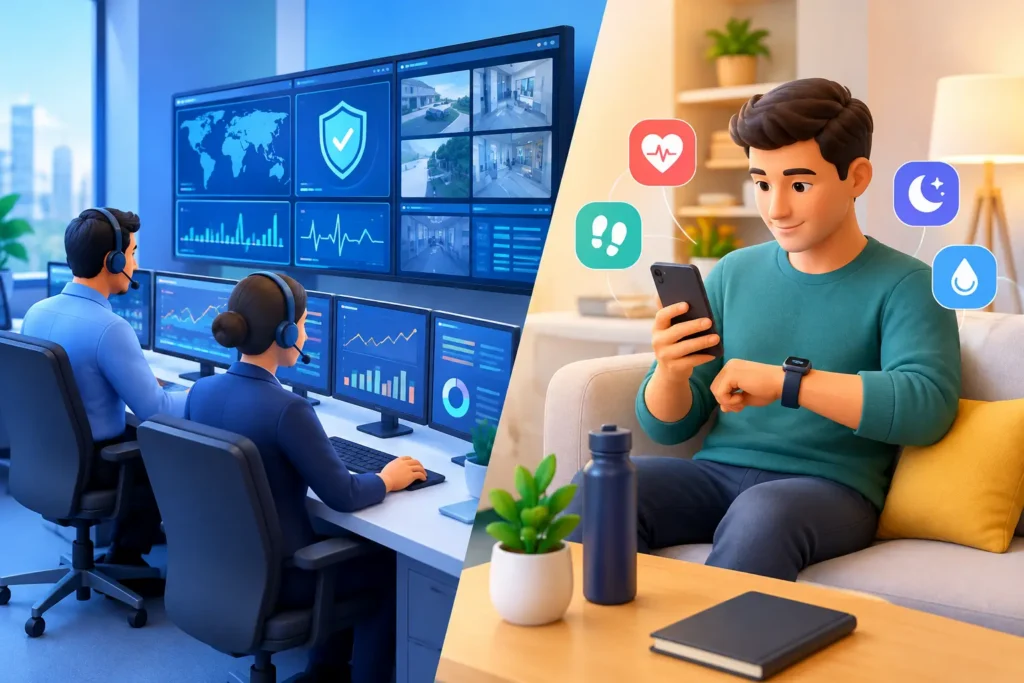
A security alert at 2:13 a.m. creates a simple but serious question: Who is responsible for seeing it and deciding what happens next? Professional monitoring versus self monitoring is not just a choice about a monthly fee or a mobile app. It determines how your home, business, or loved one is supported when you are asleep, in a meeting, traveling, or unable to respond.
For many South Carolina property owners, the best answer comes down to the type of risk they are managing. A homeowner may want help dispatching emergency responders after an intrusion or fire alarm. A business owner may need dependable coverage after closing, when no one is available to watch a phone. A family using a medical alert device may need immediate access to trained help after a fall. Understanding the difference makes it easier to choose protection that fits real life.
What Self Monitoring Means
Self monitoring sends security system notifications directly to you, usually through a smartphone app, text message, email, or automated call. When a door opens, a camera detects motion, or a sensor goes into alarm, you receive the alert and decide whether to check video, contact a neighbor, call the police, or dismiss it as a false alarm.
For some households, this can be a practical option. A person who is almost always nearby, comfortable with mobile technology, and primarily interested in checking cameras may feel confident handling alerts independently. It can also provide a lower monthly cost than a professionally monitored service.
The limitation is that self monitoring depends on one person being available and able to act. An alert may arrive while you are driving, on a flight, in an area with limited service, in a meeting, or asleep with your phone on silent. A camera notification can tell you something happened, but it cannot independently contact emergency services on your behalf.
Self monitoring also asks you to interpret events under pressure. Is the motion on camera a delivery driver, an employee who forgot an access code, a pet, or someone attempting to enter? If smoke or carbon monoxide equipment activates, will you see the notification quickly enough to make the right call? These are manageable decisions in calm circumstances. They are harder when the alarm happens at an unexpected moment.
How Professional Monitoring Works
With professional monitoring, a signal from your alarm system is sent to a central monitoring station staffed by trained operators. Depending on the type of alarm and the response procedures established for your account, operators work to verify the event, contact the appropriate people, and request emergency dispatch when necessary.
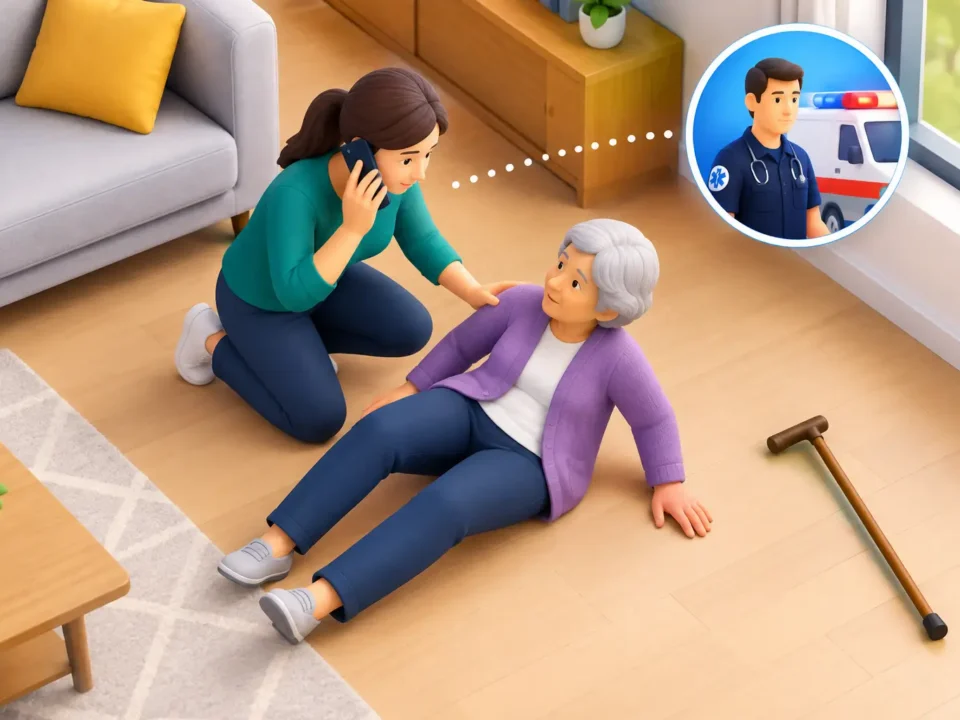
That distinction matters because monitoring is active around the clock. The system does not rely on a single phone, one family member, or an employee noticing a message. If an intrusion alarm activates after business hours, the monitoring center receives the signal even if the owner is out of town. If a medical alert wearer presses an SOS button, trained personnel can communicate with them and coordinate help according to the situation.
Professional monitoring does not eliminate every risk, and it should never replace safe habits, working locks, fire-prevention practices, or an emergency plan. What it does provide is a dependable layer of response when the people closest to the situation cannot respond themselves.
For fire and life-safety events, that layer is particularly valuable. Smoke, heat, carbon monoxide, and panic alarms can escalate quickly. A monitored system creates a direct path from the alarm event to professionals who are prepared to follow response procedures, rather than placing the full burden on a homeowner or employee to notice and act.
Professional Monitoring Versus Self Monitoring: Key Differences
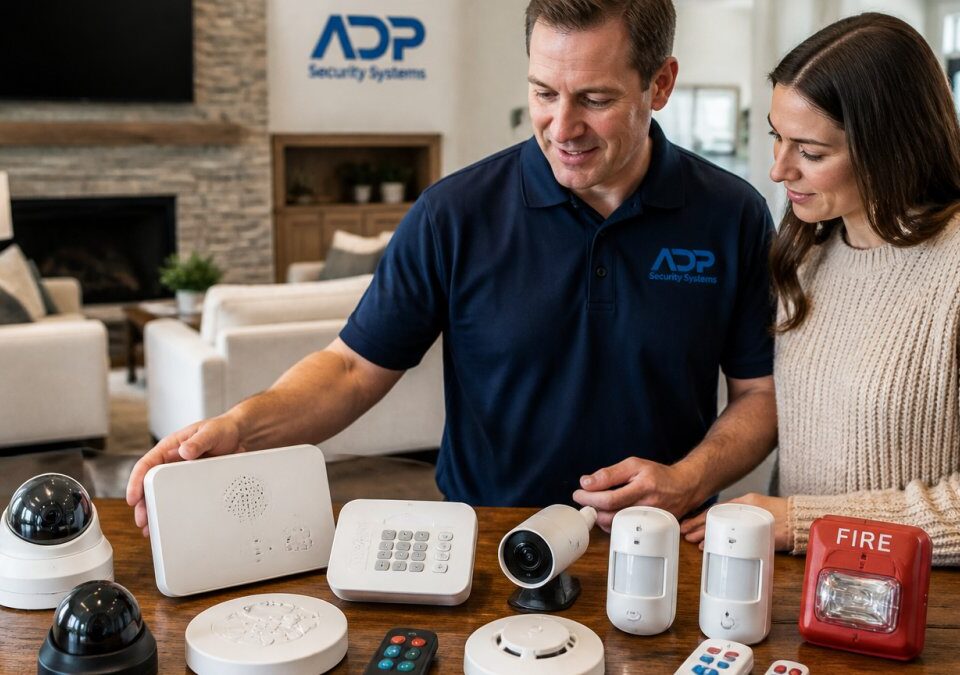
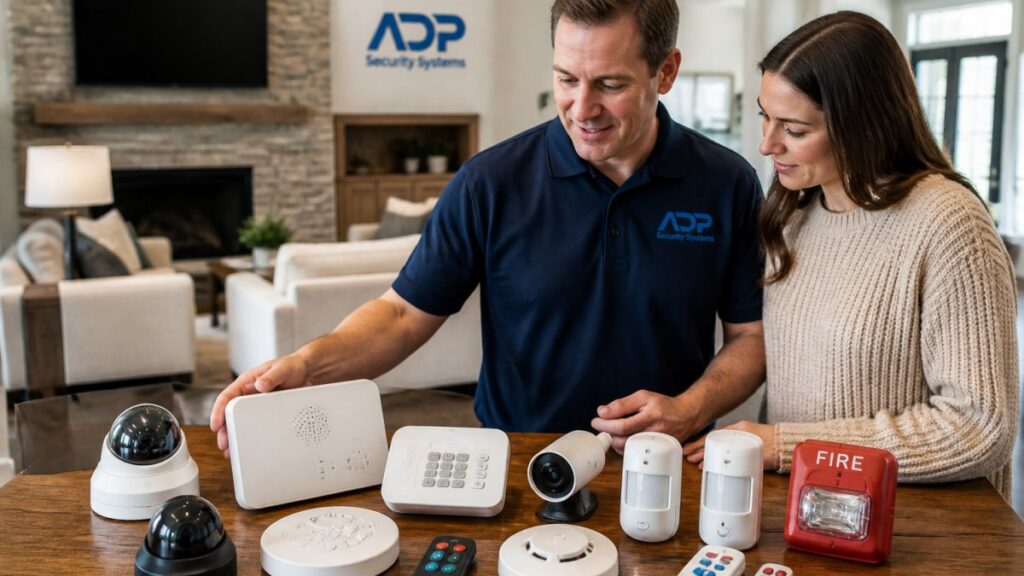
The biggest difference is not the equipment. Many modern systems can include smart locks, video doorbells, cameras, intrusion sensors, mobile control, and automation in either setup. The difference is what happens after the system detects a problem.
With self monitoring, you are the response center. You receive the alert, assess the information, and decide who to contact. With professional monitoring, trained operators serve as a dedicated response resource while you still retain access to alerts, video, and remote controls through your system.
Response coverage is another important distinction. Self monitoring is strongest when you can reliably see alerts and respond quickly. Professional monitoring is designed for the gaps that affect everyone: overnight hours, vacations, school events, work shifts, medical emergencies, dead phone batteries, and moments when multiple people assume someone else is handling the alert.
There is also a difference in how each option supports commercial properties. A manager may receive camera alerts from a retail store, office, warehouse, or church, but reviewing every event can become unrealistic. Professional monitoring helps establish consistent alarm response coverage after hours, while access control and video tools can help the business investigate activity and manage daily operations.
Cost deserves an honest look. Self monitoring can have lower ongoing costs, especially for someone using a basic camera system. Professional monitoring includes a recurring service expense because trained operators and central-station infrastructure are available 24/7. For many customers, the decision is whether that predictable cost is worthwhile for the reassurance of having an established response process when they cannot take the call.
When Self Monitoring May Be Enough
Self monitoring can be a reasonable fit when the system’s main purpose is convenience and awareness rather than emergency response. For example, a homeowner may want to check whether a package arrived, confirm that children got home from school, or receive a notice when a side gate opens. In those cases, app-based alerts and recorded video can be very useful.
It may also work for a secondary property that is frequently occupied by someone who is willing and able to handle notifications. The key is to be realistic about availability. If the plan depends on checking every alert immediately, decide in advance who will respond when you cannot.
A self-monitored setup should not be treated as a substitute for a comprehensive fire alarm plan or a personal emergency response solution for an older adult living alone. Convenience notifications and life-safety response serve different needs.
When Professional Monitoring Is the Better Fit
Professional monitoring is often the better choice when an alarm needs a response regardless of where you are. That includes families with children, homeowners who travel, business owners responsible for valuable inventory or sensitive information, and facilities that are empty overnight.
It is also well suited for people who want help without having to manage complicated technology. A professionally installed system can be configured around the property, tested for proper operation, and supported over time. Instead of wondering whether a sensor was placed correctly or whether an alert rule is active, customers have a knowledgeable team to turn to.
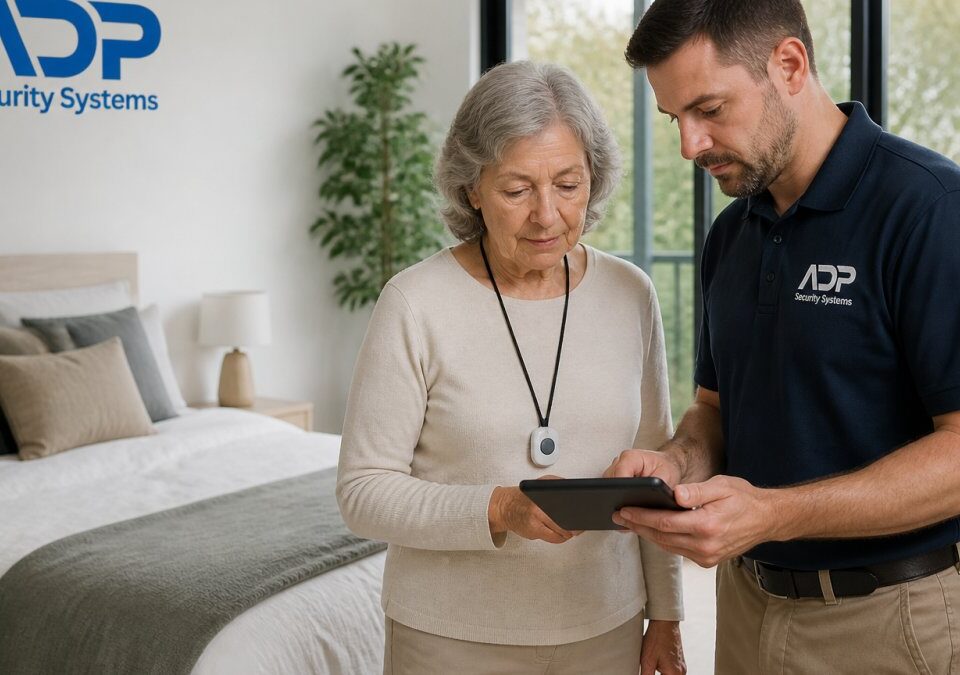
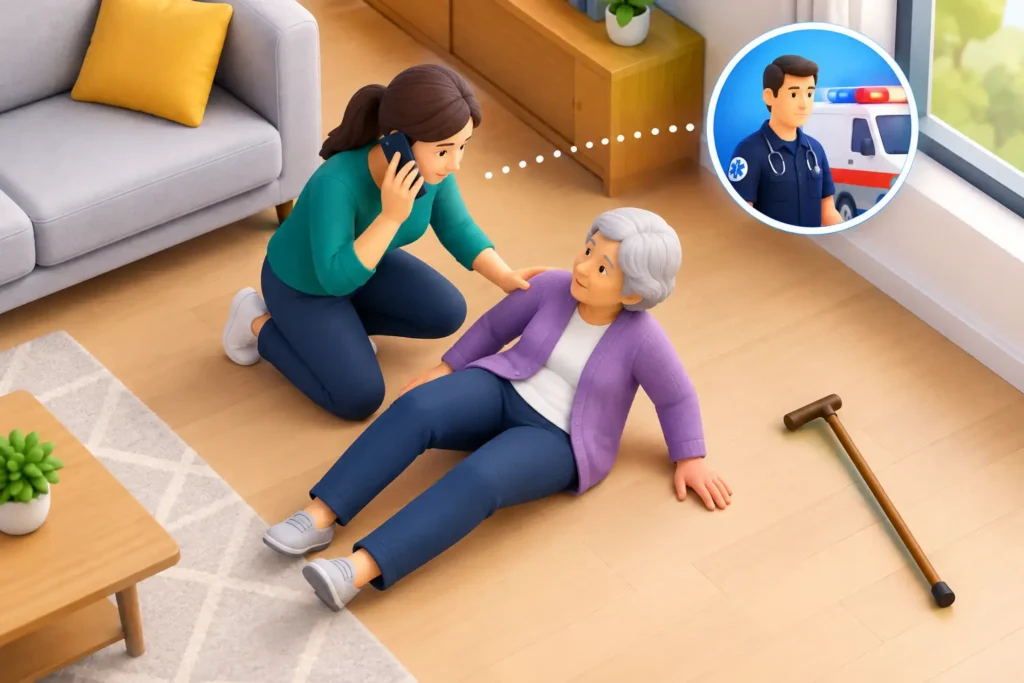
For medical alert users, professional monitoring can be especially meaningful. A wearable emergency button with fall detection may be used by someone who cannot reach a phone after a fall or sudden health event. The value is not simply that the device sends an alert. It is that the wearer can connect to someone prepared to arrange help, whether they are at home or away from it.
Commercial fire systems are another clear case. Business owners and facility managers have obligations to protect occupants, property, and continuity of operations. Professional installation, scheduled inspection and maintenance, and 24/7 monitoring help create a more dependable life-safety strategy than relying on an individual to notice an app notification.
Look Beyond the Monthly Price
The right monitoring choice should account for the full protection plan, not only the line item on a bill. Consider the property layout, the hours when it is unoccupied, the reliability of internet and cellular communication, the value of the assets inside, and who might need help during an emergency.
It is also worth asking how the system will be installed and maintained. A security system is only as useful as its devices, programming, communications, and ongoing performance. Professional assessment can identify weak entry points, camera blind spots, fire-safety needs, and areas where automation can make daily routines easier.
For South Carolina homes and businesses, local support can make a meaningful difference after installation. ADP Security Systems brings more than 30 years of regional experience to professionally installed security, fire, video, access control, and life-safety solutions, backed by trained central-station operators and ongoing support.
Choose the Response You Can Count On
The choice between self monitoring and professional monitoring is personal, but it should be based on more than how often you check your phone. Ask what you want to happen when an alarm occurs at the one moment you cannot respond.
If awareness and convenience are your primary goals, self monitoring may serve you well. If you need trained help available around the clock for intrusion, fire, medical, or after-hours business alarms, professional monitoring can provide the added reassurance of a response plan that does not depend on you being available. The most helpful next step is a security assessment that turns your property, routine, and concerns into a clear plan for protection.