Best Security Upgrades for Warehouses in 2026
October 9, 2026
Security Camera Placement for Maximum Coverage
October 11, 2026
Table of Contents
- How Home Alarm Systems Work: The Complete Signal Path
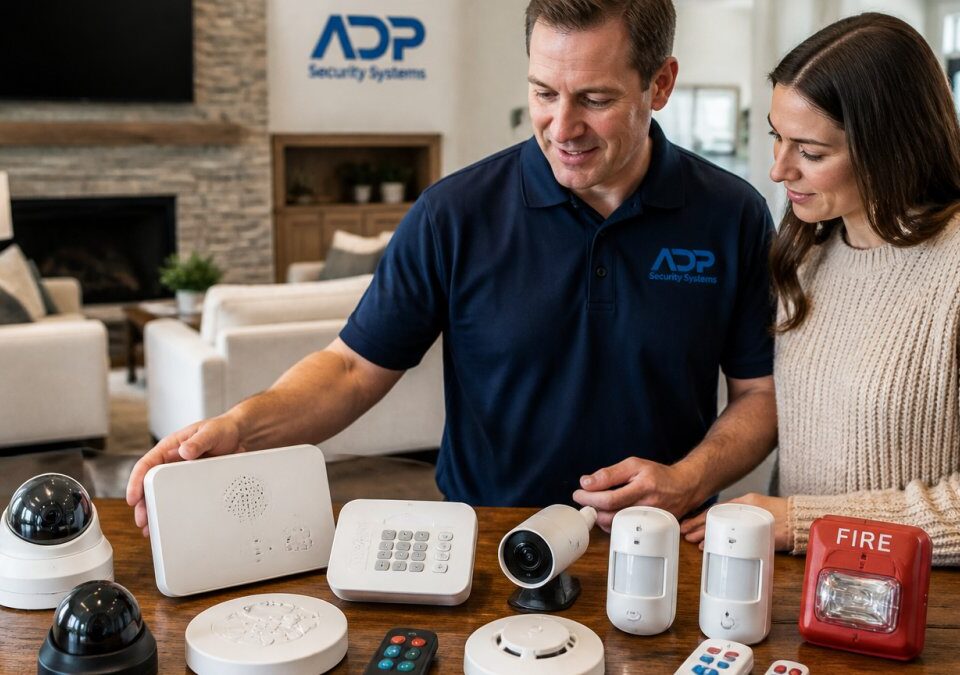
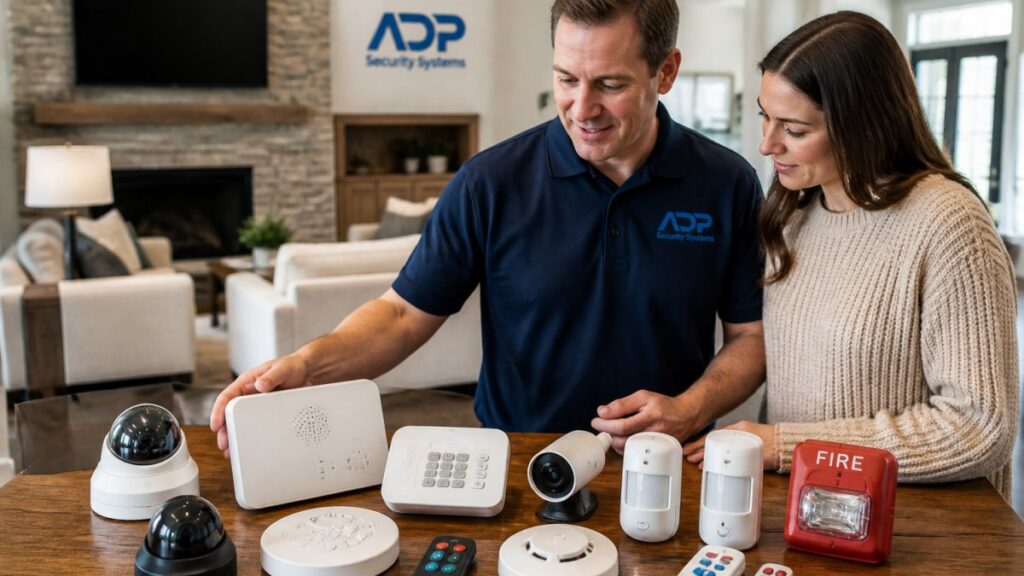
- Home Alarm System Components and Their Roles
- What Triggers a House Alarm and How Sensors Respond
- Monitored vs. Unmonitored Alarm Systems: What’s the Difference
- How Long a House Alarm Goes Off and When It Stops
- What Happens When Your System Loses Power or Internet
- False Alarms, Sensor Errors, and Alarm Verification
- Frequently Asked Questions
Last Updated: October 10, 2026
How Home Alarm Systems Work: The Complete Signal Path
A home alarm system is a network of sensors, a control panel, and monitoring services that work together to detect unauthorized entry or emergencies and alert you and authorities.
Sensors detect a breach, the control panel processes that signal, and an alarm sounds. Between that first trigger and emergency response, a chain of events unfolds that determines whether your system catches a real threat or triggers a false alarm.
Home Alarm System Components and Their Roles
Your alarm system has three essential layers: detection (sensors), processing (control panel), and response (alarms and monitoring).
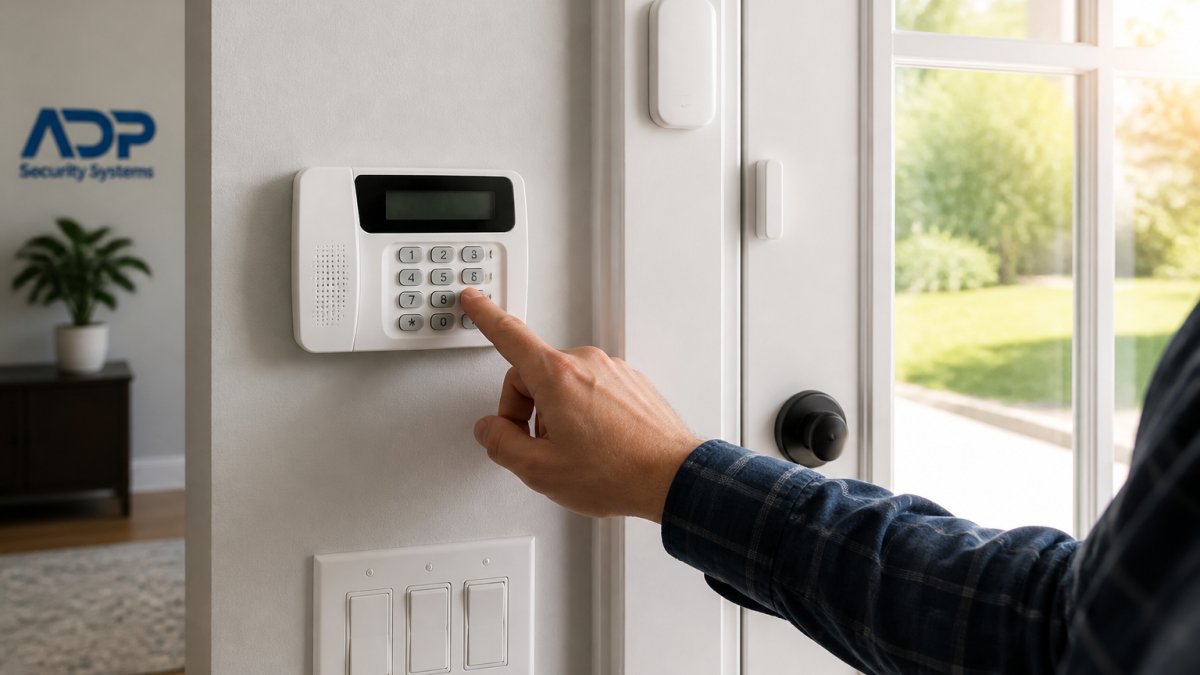
Sensors: Detection at Every Entry Point
Sensors monitor doors, windows, motion, and environmental hazards. Different types catch different threats.
Door and window sensors use magnetic switches: a magnet on the moving part and a switch on the frame. When they separate, the circuit breaks and the sensor triggers. These are most common because entry points are where most intrusions occur.
Motion detectors use infrared to sense heat signatures. They catch intruders already inside, so they typically protect interior rooms while door and window sensors protect the perimeter.
Glass-break sensors listen for the specific frequency of breaking glass. They’re useful for ground-floor windows and sliding glass doors where an intruder might break the glass to reach the lock.
Specialized sensors detect environmental hazards. Smoke detectors sense fire. Carbon monoxide detectors sense that odorless, deadly gas. Water leak sensors sit under appliances or near pipes and trigger if moisture is detected. These sensors save lives by alerting you to dangers you can’t see or smell.
Sensors only work where you place them. Proper placement requires thinking like someone trying to break in, which is where professional installation matters.
The Control Panel: Your System’s Central Brain
The control panel receives signals from sensors, interprets them, and decides what to do.
When a sensor triggers, the panel checks: Is the system armed? Which sensors are active? Has the entry delay expired? Based on those answers, it either sounds the alarm or stays silent.
You can arm and disarm via keypad, key fob, or mobile app. Most systems have an entry delay (30-60 seconds) to disarm after opening a door, and an exit delay to leave without triggering the alarm.
Modern panels connect via Wi-Fi or cellular, letting you arm and disarm remotely and receive notifications. If that connection fails, cellular backup ensures signals reach the monitoring center.
Most panels have a battery that keeps the system running for 24-48 hours during power outages.
Audible Alarms and Visual Deterrence
When the panel triggers an alarm, it activates the siren. Most residential sirens are loud enough to alert neighbors and deter intruders.
The siren alerts you and deters intruders by drawing attention.
Some systems activate a strobe light for visual deterrence and to help emergency responders locate your property.
The siren typically runs for a set duration before stopping automatically. However, if you have professional monitoring, the monitoring center will contact you and dispatch emergency services regardless of whether the siren is still active.
What Triggers a House Alarm and How Sensors Respond
A house alarm triggers when a sensor detects a breach and the control panel is armed. But the exact sequence matters.
When you open a door or window after arming the system, the magnetic sensor breaks its circuit and sends a signal to the panel. The panel receives that signal and checks the entry delay timer. If you’re within the entry delay period (usually 30-60 seconds), the panel waits for you to disarm it. If the entry delay expires without disarming, the alarm sounds.
This is where many false alarms happen. Someone forgets the entry delay is active, opens a door, and doesn’t disarm the system in time. The siren blares. The monitoring center calls. Embarrassment follows.
Motion detectors work differently. They trigger immediately when they sense movement (unless there’s a delay programmed in). This is why motion sensors are typically armed only when you’re away or asleep, not when you’re home and moving around.
Glass-break sensors also trigger immediately. They’re designed to catch break-ins in progress, not just entry.
Environmental sensors like smoke and carbon monoxide detectors trigger based on the hazard they detect, not on the armed/disarmed state. A smoke detector will sound even if your alarm system is disarmed because fire is an emergency regardless of whether your system is “on.”
Monitored vs. Unmonitored Alarm Systems: What’s the Difference
The choice between monitored and unmonitored fundamentally changes how your system responds to an alarm.
Professional Monitoring and Emergency Response
Professional monitoring means a trained operator is watching your system 24/7. When an alarm triggers, the monitoring center receives the signal, verifies it, and dispatches emergency services if needed.
Here’s the actual sequence: Your sensor triggers. Your panel sends a signal to the monitoring center (via Wi-Fi, cellular, or landline). An operator receives the alert and calls your home to verify. If you confirm there’s an emergency, or if you don’t answer, they dispatch police, fire, or medical services based on the alarm type.
This verification step is crucial. It catches false alarms before police arrive, which saves you from fines and embarrassment. It also means someone is actively working on your behalf even if you’re unconscious, away, or unable to respond.
Professional monitoring typically costs a monthly fee. The fee varies based on the number of sensors, the type of monitoring, and the monitoring center’s pricing. With ADP Security Systems, our 24/7 monitoring ensures that trained professionals are always standing by to verify your emergency and dispatch help.
The real benefit isn’t the siren. It’s the human being on the other end of the line who can make decisions, call for help, and provide information to emergency responders.
Get a Free Security Assessment →
Self-Monitoring Through Mobile Apps
Self-monitoring means you receive the alerts and decide whether to call for help. When a sensor triggers, you get a notification on your phone. You check your security cameras, assess the situation, and decide what to do.
Self-monitoring is cheaper than professional monitoring because you’re doing the work yourself. But it has a critical flaw: you have to be available and able to respond. If you’re asleep, in a meeting, or out of cellular range, you might not see the alert until it’s too late.
Self-monitoring works best as a supplement to professional monitoring, not a replacement. Many homeowners keep professional monitoring for serious threats (intrusion, fire, carbon monoxide) and self-monitor through cameras for general awareness.
How Long a House Alarm Goes Off and When It Stops
Most residential alarms sound for a set duration, then stop automatically. Some systems allow you to set a custom duration.
The siren stops to prevent endless noise that disturbs your neighborhood. But the alarm doesn’t “end” just because the siren stops. If you have professional monitoring, the monitoring center is still responding. Police are still en route. The emergency is still active.
This is where confusion happens. A homeowner hears the siren stop and thinks the alarm is done. They disarm the system or assume everything is fine. But if it was a real intrusion, the intruder is still in your home, and emergency services haven’t arrived yet.
If you disarm the system before police arrive, you’re disarming the very tool that proves to police that you called for help. This can complicate their response.
The bottom line: the siren stopping doesn’t mean the emergency is over. It just means the noise has stopped.
What Happens When Your System Loses Power or Internet
This is where most homeowners have a gap in understanding. What happens to your alarm system when the power goes out?
Most modern systems have a battery backup in the control panel. This battery keeps the panel running for 24-48 hours during a power outage. The sensors continue to work. The panel continues to process signals. The siren will still sound if triggered.
However, if your system relies on Wi-Fi or broadband for monitoring, that connection dies when your internet goes down. Your panel can’t reach the monitoring center.
This is why backup communication is critical. Many systems use cellular backup (4G or 5G) that works independently of your home internet. If your Wi-Fi fails, the system automatically switches to cellular and continues sending signals to the monitoring center.
Some older systems use landline backup, which requires an active phone line. If you’ve switched to VoIP or removed your landline entirely, this backup won’t work.
During a power outage, your sensors continue to run on battery power. But wireless sensors (which use radio signals instead of wires) may drain their batteries faster because they have to transmit signals without the panel supplying power.
The key: a system with battery backup and cellular communication will keep working during most outages. A system without both is vulnerable.
False Alarms, Sensor Errors, and Alarm Verification
False alarms are the most common complaint about home alarm systems. A sensor triggers, the siren blares, emergency services respond, and nothing is actually wrong.
Common causes include:
- Entry delay mistakes: Someone forgets the entry delay and opens a door without disarming
- Motion sensor sensitivity: Pets, curtains blowing, or shadows trigger motion detectors
- Sensor malfunction: A battery dies, a magnet shifts, or a sensor develops a fault
- User error: Wrong code entered, system armed by accident, or settings changed without realizing
False alarms create real problems. Many jurisdictions fine homeowners for repeated false alarms.
Professional monitoring helps by verifying alarms before dispatching police. An operator calls your home. If you answer and say “false alarm,” they don’t dispatch.
Sensor errors are different from false alarms. A sensor can fail silently without triggering an alarm. A door sensor battery dies. A motion detector loses power.
This is why regular maintenance matters. Testing sensors monthly (opening doors, walking in front of motion detectors) confirms they’re working.
Alarm verification, confirming that an alarm is real before dispatching police, is becoming standard. It reduces false dispatch and improves police response to genuine emergencies.
Understanding how home alarm systems work explained means understanding the full chain from sensor to response. A sensor detects a breach.
The weak points are usually human: forgetting entry delays, placing sensors poorly, or ignoring battery warnings.
If you’re considering a home alarm system, the most important question isn’t which sensors to buy.
At ADP Security Systems, we design systems with professional monitoring built in.
Get a Free Security Assessment from ADP Security Systems to find out exactly what your home needs.
Frequently Asked Questions
What triggers a house alarm to go off?
A house alarm is triggered when a sensor detects unauthorized entry or environmental hazards. Door and window sensors activate when opened, motion detectors sense movement in protected areas, glass-break sensors respond to breaking glass, and smoke or carbon monoxide detectors trigger on dangerous air quality. Once triggered, the sensor sends a signal to the control panel, which activates the siren and alerts your monitoring center if professional monitoring is active.
How long does a house alarm go off before it stops?
Most house alarms sound continuously for a set duration before automatically silencing, though some systems allow customization. The siren’s primary purpose is immediate deterrence and alerting neighbors or authorities. If your system has professional monitoring, the monitoring center receives the alert within seconds and can contact emergency services regardless of when the siren stops. Self-monitored systems rely on you to disarm the alarm or respond to mobile app notifications.
What’s the difference between monitored and unmonitored alarm systems?
Monitored systems connect to a professional monitoring center that receives alerts 24/7 and can dispatch emergency services immediately. Unmonitored systems only sound a local siren and send notifications to your phone, requiring you to respond. Monitored systems provide faster emergency response, especially when you’re away or unable to act. Unmonitored systems offer lower monthly costs but depend entirely on your awareness and ability to contact authorities.
Do home alarm systems work without Wi-Fi or internet?
Wired systems function without internet because they use hardwired connections to the control panel and monitoring center via telephone or cellular lines. Wireless systems typically require Wi-Fi or cellular backup to send alerts to your phone and notify the monitoring center. If internet fails, cellular backup connections activate automatically to maintain communication with your monitoring center. Battery backup ensures the control panel and wireless sensors continue operating during power outages.