Fire Alarm Requirements for South Carolina Businesses
August 22, 2026
Addressable Fire Alarm System: SC Business Guide
August 25, 2026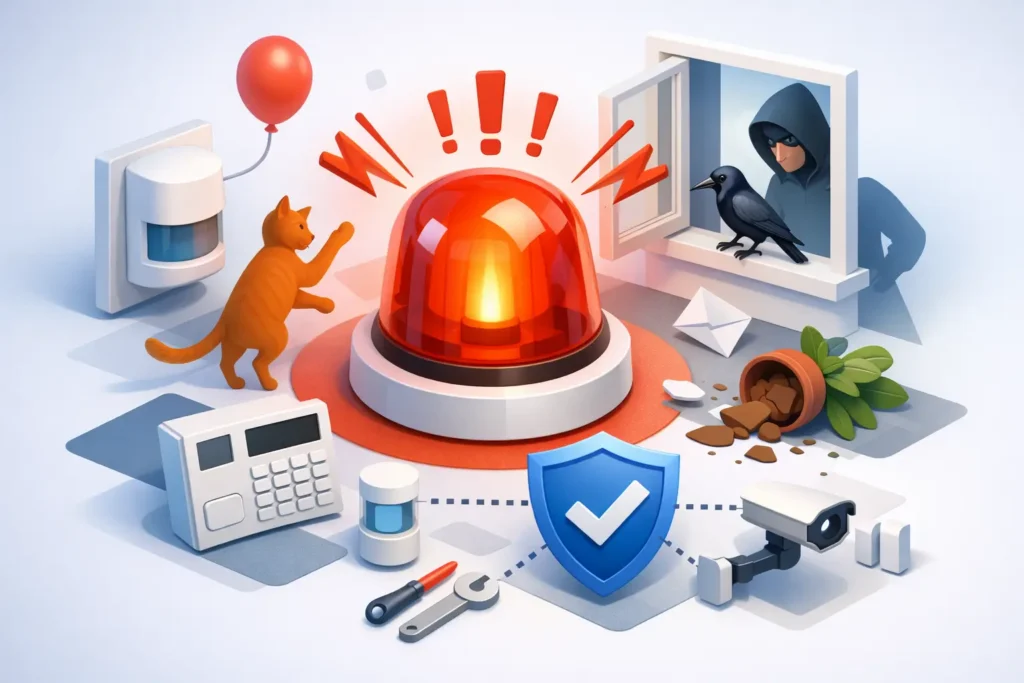
A call from a monitoring center at 2:00 a.m. deserves a fast, clear answer. Yet many alarm events turn out to be avoidable. Understanding the most common false alarm causes helps homeowners, business owners, and facility managers reduce disruptions while keeping the protection they depend on ready for a real emergency.
False alarms are not simply an inconvenience. They can interrupt employees, worry family members, create unnecessary emergency dispatches, and pull attention away from a genuine security, fire, or medical event. The right response is not to make a system less sensitive. It is to identify why it is activating and correct the underlying issue.
What Causes False Alarms?
The source depends on the type of system and the environment it protects. An intrusion alarm reacts differently than a smoke detector, and a personal medical alert device has its own set of triggers. In every case, professional setup, routine maintenance, and clear user habits make a meaningful difference.
Intrusion alarm triggers at home and work
Open doors and windows are among the most common reasons a burglary system activates. A door may appear shut while the latch has not fully engaged, or a window contact may be misaligned after a repair, a storm, or normal settling of the building. Before arming the system, take a moment to check that protected openings are closed and secured.
Motion sensors can also be affected by activity inside the protected area. Pets, balloons, decorations, moving curtains near HVAC vents, and even insects near a sensor can create conditions that resemble movement. Pet-immune sensors can help in homes with animals, but placement still matters. A large dog jumping onto furniture or moving close to the detector may exceed the sensor’s intended pet range.
For businesses, false activations often come down to changes in the daily routine. An employee entering early, a cleaning crew working after hours, or a delivery arriving before the system is disarmed can trigger an alarm if procedures and user codes are not current. Each authorized person should know how to arm and disarm the system, use their own code, and contact the monitoring center when needed.
False Alarm Causes in Fire Detection Systems
Fire alarms deserve special care because their purpose is life safety. Never remove batteries, cover a detector, disable a device, or silence a system indefinitely to stop recurring alerts. A false fire alarm should be investigated promptly so the system remains ready to provide early warning when smoke, heat, or carbon monoxide is present.
Cooking smoke and steam are frequent residential triggers. A smoke detector installed too close to a kitchen, bathroom, or laundry area may respond to ordinary household conditions. The solution may be improved ventilation, a different detector type, or professional evaluation of detector placement. It is not always appropriate to relocate a device without considering fire-code requirements and the home’s overall coverage.
Dust, insects, aerosol sprays, and aging detectors can also lead to unwanted alarms. Renovation work deserves particular attention. Sanding drywall, painting, or creating airborne dust near detection equipment can contaminate sensors. Protect the area according to the manufacturer’s instructions, notify the monitoring provider before work begins, and have the system checked afterward.
Commercial properties face additional variables. Cooking operations, warehouse dust, high humidity, exhaust fumes, and equipment that produces heat or steam can all affect detection devices. A fire alarm system designed for an office may not be appropriate for a commercial kitchen, manufacturing area, or loading dock. Proper device selection and placement are essential, particularly when code compliance and employee safety are at stake.
Low batteries and equipment issues
A low battery warning is designed to get attention before a device loses power. Ignoring chirps, trouble notifications, or messages in a security app can eventually lead to a false alarm or a gap in protection. Replace user-serviceable batteries promptly with the correct type, and follow the system instructions rather than mixing battery brands or sizes.
Some issues require a trained technician. Loose wiring, a failing sensor, a weak cellular signal, panel trouble, water damage, or a worn device can create intermittent alarms that are difficult to diagnose from the keypad. If the same zone repeatedly causes problems, record the date, time, and conditions, then arrange service. Repeatedly bypassing that zone is not a long-term solution.
Medical Alert Activations That Need Attention
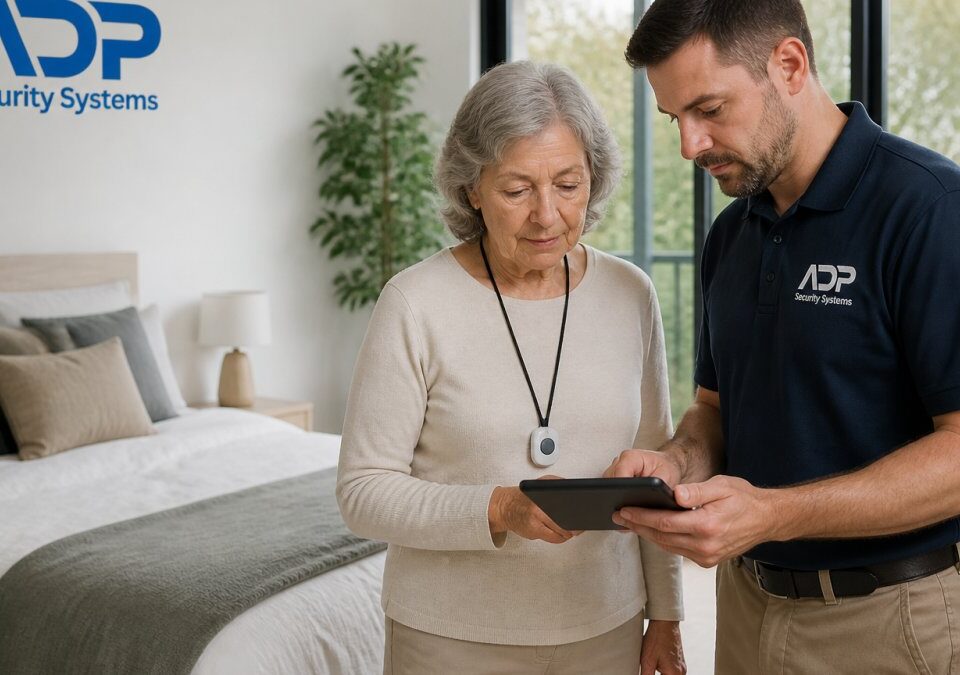
Personal medical alert systems are intentionally simple: press the button to request help. That ease of use can occasionally lead to an accidental activation when a wearable button is bumped against furniture, pressed while dressing, or handled by a child. Automatic fall detection can also activate during a sudden movement that resembles a fall.
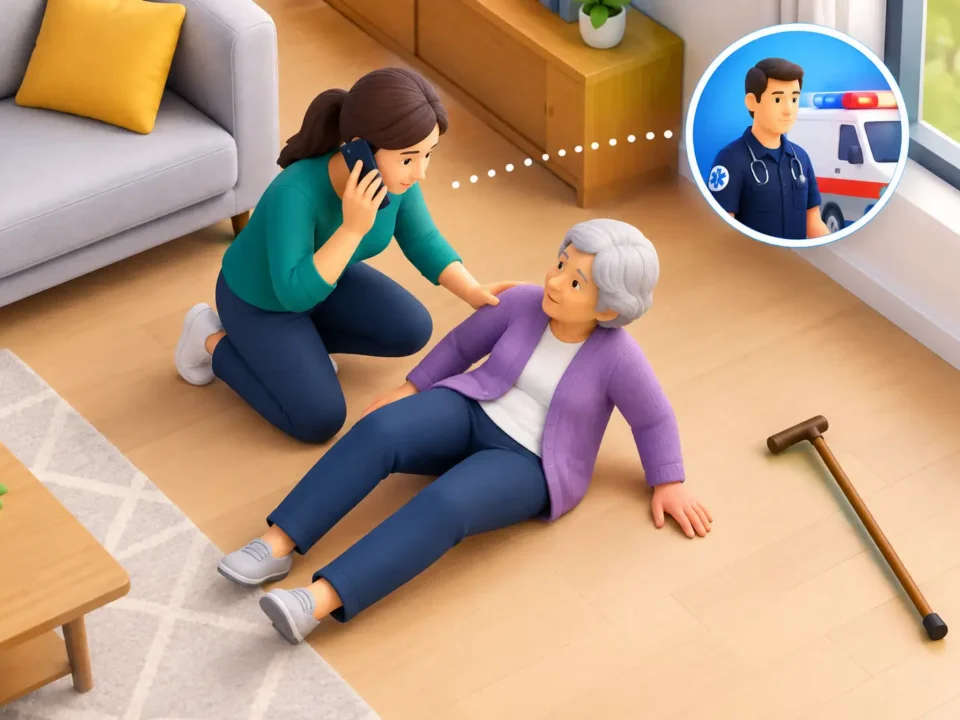
Even if an activation appears accidental, users should respond to the monitoring center when contacted and clearly state whether assistance is needed. Families should review how the device works, where it should be worn, and how to test it safely. For a person who is medically vulnerable, a mistaken call is generally preferable to being unable to call for help after a real fall or health emergency.
Practical Steps That Reduce Unwanted Activations
The most effective prevention plan combines reliable equipment with simple, repeatable habits. These five steps address many common issues without compromising protection:
- Walk through protected doors and windows before arming, especially after guests leave or a business closes.
- Give every authorized user a unique code and remove access promptly when employees, tenants, or service providers no longer need it.
- Keep motion detectors clear of decorations, plants, pet climbing areas, and strong airflow from vents.
- Respond quickly to low-battery, tamper, and trouble notifications instead of waiting for the next service visit.
- Schedule professional inspection and maintenance, particularly after construction, storm damage, a remodeling project, or repeated alarm activity.
It also helps to maintain current emergency contacts and call lists with the monitoring provider. If a phone number changes or a keyholder is no longer available, update the account right away. During an alarm event, accurate information helps central-station operators reach the right person quickly.
Build alarm procedures around real life
A system can be technically sound and still generate false alarms if it does not match the people using it. A family with teenagers who arrive home at different times needs a different setup and training approach than a business with multiple shifts. A facility manager may need clear opening and closing procedures, while a homeowner may need help setting up smartphone notifications and remote arming.
Review procedures after any major change: a new employee, a new pet, a home renovation, a move, or a change in operating hours. This is also a good time to test user knowledge. Can the right people disarm the system? Do they know the verbal password or account verification process? Do they know whom to call if they make a mistake?
When to Call for Professional Service
Call for service when alarms occur repeatedly, a sensor is damaged, a fire device shows a persistent trouble condition, or the keypad displays a message you do not understand. The same applies when a system has been exposed to lightning, flooding, roof leaks, pest activity, or construction dust.
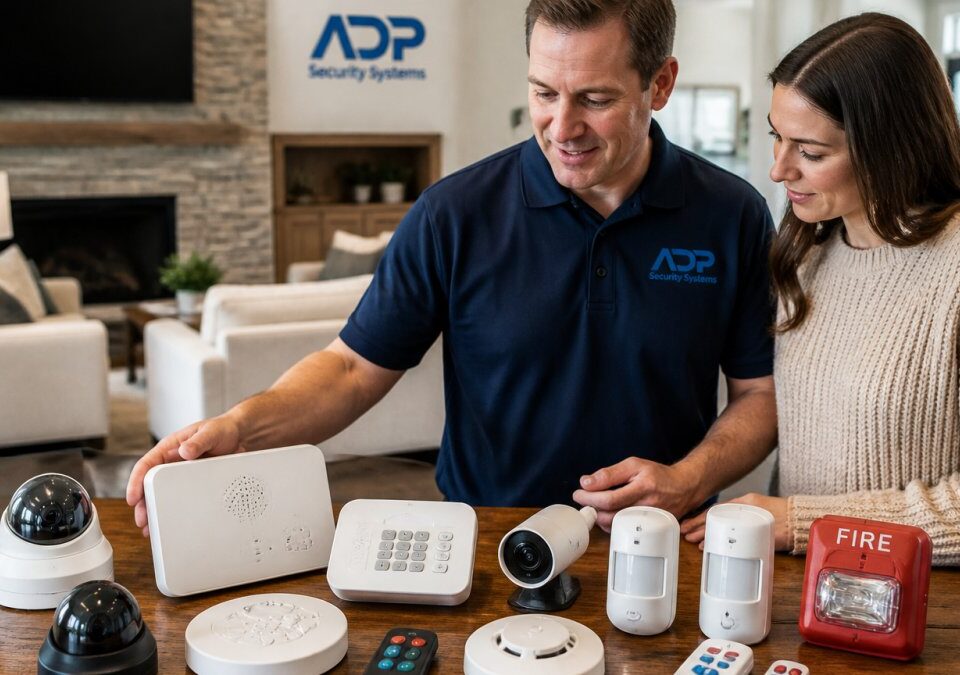
A qualified security and life-safety provider can inspect device placement, test communications, review user settings, and determine whether a component needs repair or replacement. For South Carolina homes and businesses, ADP Security Systems can also help tailor a professionally installed system and maintenance plan to the way the property is actually used.
A dependable alarm system should be easy to live with, not something people hesitate to arm. Addressing small warning signs early protects that confidence and helps ensure that when the system calls for attention, everyone takes it seriously.