Fire Alarms 101: Your Complete Safety Guide
April 24, 2026
5 Best Local Home Security Companies in Greenville
April 24, 2026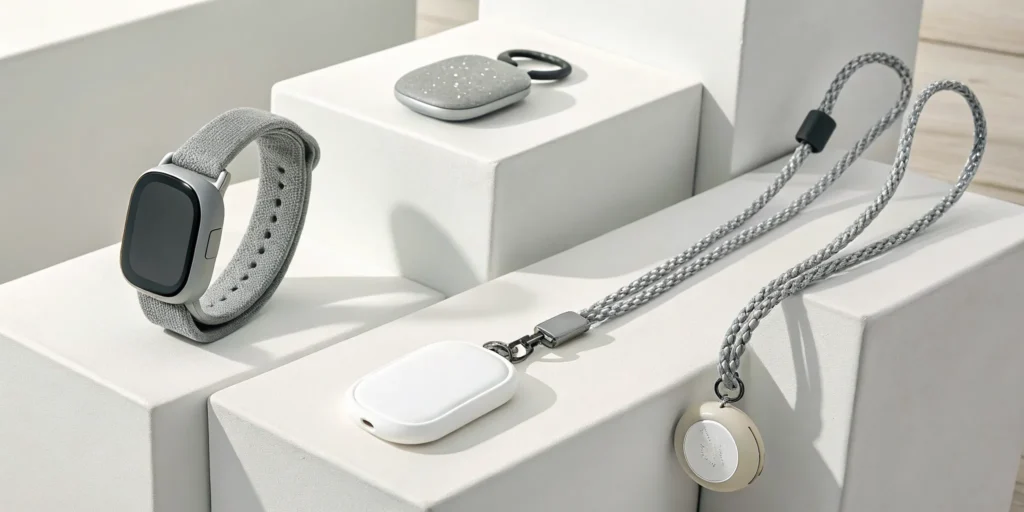
Bringing new technology into a dementia care routine can feel overwhelming. Will it be too complex? Will your loved one even use it? The truth is, the best systems are designed with absolute simplicity in mind. They aren’t complicated gadgets; they are straightforward, life-saving tools that work quietly in the background. Their most critical feature is that they function automatically, requiring no action after a fall. We’ll break down exactly how fall detection devices use smart sensors to identify a fall and instantly call for help, removing the guesswork and providing protection when it matters most.
Key Takeaways
- Focus on dementia-specific features: Look for non-negotiable functions like automatic fall detection, which sends an alert without a button press, and GPS tracking to provide a safety net in case of wandering.
- Choose simplicity for reliable use: The most effective devices are designed to be intuitive, often with a single help button and background automation, removing any technical stress from your loved one during an emergency.
- View technology as a supportive partner: A fall detection system is a tool that enhances care, not a replacement for it. It provides a 24/7 safety net that reduces caregiver worry while giving your loved one the confidence to live more independently.
Why Is Fall Detection So Important for Dementia Care?
Caring for a loved one with dementia means their safety is always top of mind. While you do everything to create a secure home, accidents can still happen. This is where fall detection technology becomes more than a gadget; it’s a vital layer of protection. Understanding why this tool is so critical can help you provide the best care while also giving yourself some much-needed peace of mind.
Facing the Reality of Fall Risks
It’s a startling fact that falls are a leading cause of serious injury for older adults. For those with dementia, the risk is even greater as cognitive changes can affect balance and judgment. A simple trip can lead to severe consequences, creating a constant weight for caregivers. A medical alert system with automatic fall detection acts as a silent guardian, ready to call for help the moment a fall occurs, even if your loved one is confused or unable to press a button themselves.
Understanding the Statistics
The numbers behind fall risks can be sobering, but they also highlight why immediate help is so important. According to the National Council on Aging, about one in four older adults experience falls each year, and more than half of those happen at home. For people over 65, falling is the primary reason they die accidentally, and even a minor stumble can have serious repercussions. The most critical factor is response time. The longer a person remains on the floor after a fall, the lower their chances of survival and a full recovery. This is why automatic detection is a game-changer—it ensures help is dispatched in seconds, providing a crucial bridge to safety when your loved one can’t call for it themselves.
The Added Danger of Wandering
Wandering is a common and concerning behavior associated with dementia. The Alzheimer’s Association reports that six in ten people with the condition will wander, potentially into unsafe situations. A fall that happens away from home is a caregiver’s worst nightmare. That’s why modern fall detection devices often include GPS tracking. This combination is crucial, allowing you to locate your loved one quickly and ensuring an alert is sent to a 24/7 monitoring center if a fall occurs while they are lost.
Support Independence and Ease Caregiver Worries
As a caregiver, your own well-being matters. The constant worry about a loved one falling can be emotionally draining. A reliable fall detection system provides incredible peace of mind, knowing help is always an automatic alert away. This technology also supports your loved one’s dignity and independence, allowing them to move more freely at home. Our medical alert solutions are designed for this dual benefit: empowering them with freedom while providing you with the reassurance that they are always protected.
Our Top Picks for Fall Detection Devices
Choosing the right fall detection device can feel overwhelming, but you’re not alone in this. With so many options on the market, it’s hard to know which one will truly meet your loved one’s needs, especially when dementia is a factor. You need a system that is not only accurate and reliable but also simple enough for them to use without frustration. It’s about finding that perfect balance of advanced technology and straightforward design that promotes independence while ensuring a safety net is always in place. The right device doesn’t just alert you to a fall; it provides a constant, quiet reassurance that help is just a button-press away.
To help you get started, I’ve looked at some of the most trusted and effective options available. We’ll explore what makes each one stand out, from local providers who understand our South Carolina communities to national brands known for specific features like long battery life or exceptional customer service. My goal is to give you a clear, honest overview so you can make an informed decision with confidence. Each of these systems is designed to support your loved one’s safety and give you much-needed peace of mind. Let’s walk through what makes each of them a strong choice for families managing the challenges of dementia care.
ADT Medical Alert Systems
As a local South Carolina provider, we design our medical alert solutions to give families like yours complete peace of mind. Our systems are built around the core needs of seniors who want to maintain their independence safely. Key features include reliable automatic fall detection that calls for help even if your loved one can’t, and GPS tracking to provide an extra layer of security. What truly sets us apart is our 24/7 monitoring from a team that understands our local communities. When you call for help, you’re connecting with people who are dedicated to protecting their neighbors right here in the Upstate.
Bay Alarm Medical
Bay Alarm Medical consistently earns top marks for its reliability and is often considered one of the best overall systems. In testing, their devices have shown incredible accuracy, successfully detecting every simulated fall. This level of performance is exactly what you need when caring for someone with dementia. Families also praise their excellent customer service, which is a huge comfort when you’re setting up a new system or have questions. Their combination of accurate tracking and dependable support makes them a solid choice for ensuring your loved one is protected around the clock.
Medical Guardian
Medical Guardian is another name that comes up frequently, largely due to its reputation for great customer service and user-friendly devices. Their MGMini Lite is a great example of simplicity and function. It’s a small, one-button device that’s easy for someone with dementia to use without feeling overwhelmed. Plus, it’s water-resistant, so it can be worn in the shower where many falls happen. The system also includes advanced GPS tracking, which is an essential feature for caregivers concerned about wandering. This focus on practical, real-world needs makes Medical Guardian a strong contender for seniors.
ADT Health
Many people are familiar with ADT, and their health division offers a capable “On-the-Go” system designed with mobility in mind. This device includes GPS tracking and gives you the option to add fall detection, so you can tailor it to your loved one’s specific risk level. The design is straightforward, featuring a single button to call for help, which reduces confusion. One of its standout features is its powerful speaker, ensuring communication with the monitoring center is always loud and clear. This is especially important in an emergency when instructions need to be heard and understood without any trouble.
LifeFone
If you’re looking for an affordable option without sacrificing key features, LifeFone is worth a look. They are known for offering some of the most budget-friendly fall detection plans on the market. A major advantage of their systems is the long battery life, which means less frequent charging and fewer worries about the device running out of power. Beyond fall detection, LifeFone includes helpful extras like medication reminders and room temperature monitoring. These thoughtful additions can be incredibly beneficial for managing the day-to-day care of a person with dementia, providing support that goes beyond just emergency response.
Exploring the Different Types of Fall Detection Systems
When you start looking into fall detection, you’ll quickly see it’s not a single type of product. Instead, it’s a category of technology with several different approaches to keeping your loved one safe. Understanding these options is the key to finding a solution that fits seamlessly into your life and theirs. The main types fall into three groups: devices your loved one wears, sensors that monitor their environment, and systems that respond to their voice. Each has its own strengths, and sometimes the best solution is a combination of a few. Let’s break down what each one does so you can feel confident about which path is right for your family.
Wearable Devices
This is probably what comes to mind first: a small device worn as a necklace or a watch. These wearables are equipped with smart sensors that can detect the sudden, sharp movement of a fall. When a fall is identified, the device automatically sends an alert to a 24/7 monitoring center, which then contacts your loved one and dispatches help if needed. These are fantastic for active seniors, providing protection both inside and outside the home. The main consideration, especially with dementia, is that the device must be worn consistently to be effective. Our GPS medical alert systems are designed to be lightweight and comfortable, making them easier to incorporate into a daily routine for continuous peace of mind.
Non-Wearable and Environmental Sensors
For some families, especially when a loved one may forget or resist wearing a device, non-wearable sensors are a game-changer. Instead of being on the person, these systems are installed in the home to monitor the environment for a fall. This approach provides a safety net that works completely in the background, offering protection without requiring any action from your loved one. It removes the daily struggle of remembering to put on a pendant or watch, which can be a huge relief for caregivers. These systems come in a few different forms, from advanced radar monitors to simple, strategically placed help buttons, each designed to cover different needs within the home.
Radar-Based Fall Detectors
Radar-based detectors are a newer, highly effective type of non-wearable sensor. You can mount a small device on the wall in a high-risk area, like a bathroom or bedroom, and it uses radar waves to monitor the space for a fall. The biggest benefit here is privacy. Unlike a camera, it can detect a fall without any visual recording, which is essential for maintaining dignity in private spaces. These systems are incredibly accurate and work around the clock, providing an invisible layer of security where it’s needed most, without making your loved one feel like they are being watched.
Wall-Mounted Help Buttons
While not automatic, wall-mounted help buttons are a simple and effective part of a comprehensive safety plan. These are waterproof buttons that you can stick on the wall in key locations—think next to the toilet, in the shower, or by the bedside. If a fall occurs and your loved one is conscious and able to reach it, they can press the button to immediately call for help. They are an excellent backup, ensuring there’s always an accessible way to signal for assistance, even if a wearable device isn’t on or is out of reach. They provide an extra layer of reassurance in the areas where falls are most common.
Voice-Activated Alert Systems
Voice-activated systems add another convenient layer of protection to the home. Using a smart speaker or a dedicated device, your loved one can simply use a voice command to call for help. For example, they could say, “Alexa, call for help,” to connect with an emergency contact or a monitoring center. This is an excellent option for situations where someone has fallen without their wearable and can’t get to a wall button but is still able to speak. As AARP points out, these systems offer an additional layer of convenience, but it’s important to remember they rely on the person being conscious, able to speak clearly, and within range of the device’s microphone.
What Features Matter Most in a Fall Detection Device?
When you’re choosing a medical alert system for a loved one with dementia, not all devices are created equal. The cognitive challenges associated with dementia mean that certain features move from “nice-to-have” to absolutely essential. A standard device might not offer the right level of support. You need a system designed with specific safeguards that account for memory loss, confusion, and behaviors like wandering. Focusing on these key features will help you find a solution that provides true security and gives you confidence that your loved one is protected, even when you can’t be there.
Automatic Detection You Can Trust
The single most important feature is automatic fall detection. While many devices have a help button, a person experiencing dementia may become disoriented after a fall and forget to press it. They might also be unable to call for help. An automatic system doesn’t rely on the user to take action. It uses sensors and algorithms to identify a fall and immediately sends an alert to the 24/7 monitoring center. This proactive technology ensures that help is dispatched quickly, which is critical for preventing serious complications after an injury. It’s a safety net that works independently, providing protection when your loved one is most vulnerable.
GPS Tracking for Wandering Prevention
Wandering is a serious concern for many families caring for someone with dementia. A medical alert device with built-in GPS tracking is a must-have for this reason. This technology allows you to see your loved one’s location in real-time, usually through a caregiver mobile app. If they leave a designated safe area, you can receive an immediate notification. This feature provides an incredible amount of peace of mind, allowing your family member to maintain some independence, like taking a walk in the yard, while you know you can find them quickly if they stray too far.
24/7 Support with Clear Two-Way Communication
When an alert is triggered, your loved one needs to be able to communicate with a calm, reassuring voice. Look for a device with a high-quality, clear speaker and a sensitive microphone. This enables easy two-way conversation with the monitoring center professional. It’s also vital that the monitoring team is trained to interact with individuals who may be confused or frightened. A patient, well-trained operator can de-escalate a stressful situation and gather important information for first responders. This human connection is just as important as the technology itself, ensuring your loved one feels supported, not scared.
Connectivity Options: Cellular, Landline, and Wi-Fi
A fall detection device is only as good as its connection to the monitoring center, and the right choice depends entirely on your loved one’s lifestyle. Cellular systems are the most flexible, offering protection anywhere with a mobile signal. This makes them essential for active seniors or those prone to wandering, providing peace of mind that help is always available. On the other hand, a traditional landline system can be a reliable and affordable choice for individuals who primarily stay at home, though its range is limited. Some modern devices also use Wi-Fi to supplement their connection, which can improve location accuracy indoors. To make the best decision, consider where your loved one spends their time to ensure they always have a dependable link to help.
Comfortable and Waterproof for Everyday Wear
For a medical alert device to be effective, it has to be worn consistently. That’s why comfort and practicality are so important. The device should be lightweight and unobtrusive, whether it’s a pendant or a wristband, so it doesn’t become a nuisance. A waterproof design is also non-negotiable. A significant number of falls happen in the slippery environment of a bathroom, so the device must be wearable in the shower or bath. This ensures continuous protection throughout the day, covering all activities without needing to be taken off and potentially forgotten.
Why Waterproofing Is Non-Negotiable
Let’s be honest: one of the most common places for a fall to happen is in the bathroom. The combination of water and slippery surfaces creates a high-risk environment. This is exactly why a waterproof design isn’t just a nice perk—it’s a critical safety feature. A device that can be worn in the shower or bath ensures there are no gaps in coverage during your loved one’s daily routine. More importantly, it eliminates the need to take the device off and risk forgetting to put it back on. For a fall detection system to work, it has to be worn all the time. Waterproofing makes that possible, providing true, continuous protection from morning to night.
Long Battery Life (and Helpful Alerts)
Remembering to charge a device every day can be a challenge for someone with dementia. A system with a long-lasting battery reduces the chance that the device will be powerless when it’s needed most. Some devices can go for days or even longer on a single charge. Just as important are low-battery alerts. The best systems don’t just make a beeping sound on the device itself; they also send a notification directly to a caregiver’s smartphone. This allows you to step in and make sure the device gets charged, closing a potential gap in their safety net.
The Importance of a Backup Device
Even with the most reliable primary device, it’s smart to have a backup plan. A wearable pendant can get misplaced, or a battery might run low at an inconvenient time, which can be a common occurrence when managing dementia care. This is where a backup device creates an essential second layer of security. Think of it as a safety net for your safety net. Placing a wall-mounted help button in a high-risk area like the bathroom or beside the bed ensures help is always accessible, even if the primary device isn’t being worn. This redundancy isn’t about expecting failure; it’s about building a complete system that closes any potential gaps. For many caregivers, knowing there is more than one way to call for help can significantly ease the constant stress that comes with their role, providing reassurance that protection is always within reach.
A Caregiver App for Peace of Mind
A dedicated caregiver app on your smartphone can be a game-changer. It acts as your central dashboard for managing your loved one’s safety from anywhere. Through the app, you can typically check their location via GPS, monitor the device’s battery level, and receive instant alerts for falls or other emergencies. Some apps even allow you to set up “safe zones” and get notified if your loved one wanders outside of them. This direct line of sight into their well-being provides constant reassurance and empowers you to be a more effective and informed caregiver.
Coverage Range for At-Home Systems
For an at-home system, the fall detection pendant communicates with a base station that plugs into a central location in the house. The distance the signal can travel between these two points is the coverage range, and it’s a critical detail to confirm. You need to consider your loved one’s entire property. Do they live in a multi-story home in Greer or enjoy gardening in their yard in Simpsonville? Most systems offer a range of 300 to 600 feet, but the actual performance can be affected by your home’s construction. Walls, floors, and even large metal appliances can interfere with the signal. That’s why it’s so important to test the system thoroughly in every area they might go, from the front porch to the back garden, to ensure there are no dead zones.
How Does Fall Detection Technology Actually Work?
It can feel a bit like magic, but the technology behind fall detection is actually a smart combination of tiny sensors and rapid communication. When you understand how it works, it’s easier to see why it’s such a reliable tool for keeping loved ones safe, especially those living with dementia. These devices are designed to be more than just a button to push; they actively monitor for falls and call for help on their own, which is a complete game-changer. The entire process breaks down into two simple steps: detecting the fall and then immediately notifying someone who can help.
This isn’t about being intrusive; it’s about providing a discreet safety net that allows your loved one to maintain their independence at home with confidence. For caregivers, it means you can worry a little less, knowing that a system is in place to provide immediate assistance, even when you can’t be there. It bridges the gap between wanting to respect their freedom and ensuring they are protected around the clock. The technology is designed to be a silent partner in their care, stepping in only when it’s truly needed.
How a Device Knows a Fall Happened
Inside every fall detection pendant or wristband are tiny, powerful sensors called accelerometers. Think of them as the same technology in your smartphone that flips the screen when you turn it sideways. These sensors constantly measure speed and changes in motion. When a person falls, their body experiences a unique combination of a sudden, rapid descent followed by an abrupt stop. A smart algorithm, which is just a set of rules for the device’s computer, is programmed to recognize this specific pattern. This automatic detection is key, as it can reduce the risk of false alarms and ensure help is on the way even if your loved one is unconscious or unable to press their emergency button.
What Happens After a Fall Is Detected?
The moment the device’s algorithm confirms a fall, it automatically springs into action and places a call to a 24/7 professional monitoring center. This is where the speed is so impressive; many of the best systems connect to a live operator in under a minute. That operator can then speak directly to your loved one through a two-way speaker built into the device to assess the situation. They can ask if they’re okay, provide reassurance, and determine the next steps. If the person doesn’t respond or confirms they need help, the operator immediately dispatches local emergency services and notifies the family members on the contact list. This rapid, automated alert system is vital, especially when an injury or confusion makes it impossible for someone to call for help themselves.
Understanding Device Accuracy and Limitations
While this technology is incredibly advanced, it’s important to go in with clear expectations. These devices are powerful tools designed to add a significant layer of safety to your loved one’s life, but understanding their capabilities and limits is key to using them effectively. Think of it as a partnership between the technology and your care plan. The device acts as a vigilant lookout, but it works best when you know exactly what it’s looking for and how it operates. This knowledge helps you trust the system while also maintaining your own awareness, creating a more complete and reliable safety net.
No System is 100% Perfect
It’s a practical reality that no technology is flawless. As the National Council on Aging wisely points out, “no fall detection system is perfect (100% accurate).” This means a device might occasionally trigger a false alarm if it’s dropped, or in rare cases, it could miss a slow, sliding fall from a chair. This doesn’t diminish its value; it simply reinforces that the device is a powerful aid, not a replacement for human care. The goal is to drastically reduce the risk of an undetected fall, and these systems do that exceptionally well by providing a safety net that is always on, ready to catch the most common and dangerous types of falls.
Device Placement and Accuracy
Where your loved one wears their device can make a real difference in its accuracy. For the best results, most experts agree that devices worn on the chest or the body’s trunk are often more accurate than wrist devices. This is because your torso is your body’s center of gravity, and its movement provides a much clearer signal of a genuine fall compared to an arm, which can swing around during normal daily activities. To maximize the system’s effectiveness, encourage your loved one to wear the device as a pendant around their neck. This simple habit helps the internal sensors do their job correctly, reducing false alarms and ensuring it’s ready to detect a real emergency.
Are These Devices Too Complex for Someone with Dementia to Use?
It’s a completely valid concern. Introducing any new technology can feel daunting, especially when you’re caring for a loved one with dementia. You might worry that a medical alert device will be too complicated, causing more confusion than comfort. The good news is that these systems are designed with simplicity at their core. The goal is to make getting help as straightforward as possible, without requiring any technical skills or complex steps during an emergency.
Modern fall detection devices are built for intuitive use, focusing on reliability rather than complicated features. They provide a safety net that works in the background, allowing your loved one to maintain their routine without needing to learn a new, complex gadget. Let’s look at the specific features that make these devices accessible and effective for individuals with cognitive challenges.
Designed for Simplicity: The One-Button System
When a fall or emergency happens, clarity is everything. The best medical alert systems are designed around a single, prominent help button. There are no confusing menus to sort through or multiple buttons to choose from. Your loved one only needs to press one button to be instantly connected with a 24/7 monitoring center. This simple, one-button activation is one of the most important features to look for because it removes any guesswork during a stressful moment. Think of it as a direct line to help that’s always within reach, offering a clear and simple way to call for assistance whenever it’s needed.
Helping Your Loved One Adapt to New Tech
While it’s easy to assume that new tech and dementia don’t mix, that’s often not the case. Many caregivers are surprised to learn how well their loved ones adapt. In fact, research shows that people with dementia often find assistive technologies both helpful and easy to use. From smart home devices to specialized apps, technology can support daily living skills and improve overall quality of life. A medical alert device falls right into this category. It’s a tool that empowers independence rather than creating a barrier, and with a little gentle introduction, it can quickly become a normal and reassuring part of your loved one’s daily routine.
The Benefit of Automatic Detection
This is where fall detection technology truly shines for dementia care. The system doesn’t rely on the user to press a button. Instead, it uses advanced sensors and algorithms to automatically detect a fall. If a fall occurs and your loved one is unable to call for help, whether due to injury or confusion, the device sends an alert to the monitoring center on its own. These systems can passively detect falls and notify emergency staff, removing the burden of action from the individual. This automatic feature provides the ultimate safety net, ensuring that help is on the way even if your loved one can’t ask for it themselves.
What Do Fall Detection Systems Really Cost?
When you’re looking for a fall detection device, the price is understandably a major factor. The good news is that getting this peace of mind is more affordable than many people think. The total cost is typically broken down into two main parts: the initial price for the equipment and a recurring monthly fee for the monitoring service.
It’s helpful to think of it like a cell phone plan. You might have an upfront cost for the phone itself, and then you pay a monthly fee for the service that makes it work. Medical alert systems operate on a similar model. Some companies bundle everything into one monthly payment, while others separate the hardware and service fees. Let’s break down what you can expect to see so you can find a solution that fits your family’s budget without any surprises.
Breaking Down Equipment and Setup Costs
The first cost you might encounter is for the physical device your loved one will wear. Some companies require you to buy the equipment upfront, which can be a one-time fee of up to $300. Others might lease the device to you as part of your plan. It’s also common to see activation or setup fees, though many providers waive these to make getting started easier. When you’re comparing options, always ask if there are any one-time charges so you can get a clear picture of the initial investment required to get the system up and running.
Watch for Activation or Other Hidden Fees
Beyond the initial equipment cost, you’ll have a monthly monitoring fee, and this is where you need to look closely. Many companies advertise a low base price, but the fall detection feature itself often costs extra—typically an additional $10 per month. It’s also smart to ask about activation fees. While some providers waive them to make getting started easier, others include them as a one-time charge. Before you commit, get a clear breakdown of the total cost, including any potential fees for shipping, cancellation, or equipment replacement. A trustworthy company will be upfront about every charge, so you never have to worry about surprises on your bill.
What’s Included in a Monthly Plan?
The monthly monitoring fee is the most consistent cost associated with a fall detection system. This fee covers the 24/7 professional monitoring that ensures someone is always ready to respond in an emergency. Generally, you can expect these plans to range from $20 to over $50 per month. The specific fall detection feature usually adds about $10 to the base price of a standard medical alert plan. This recurring payment is what keeps your loved one connected to the help they need, day or night, making it the most critical part of the service.
Are There Options Without Monthly Fees?
While most fall detection systems rely on a monthly subscription to cover 24/7 professional monitoring, some alternatives operate without this recurring fee. These devices typically involve a higher one-time cost for the equipment itself. Instead of connecting to a monitoring center, they are programmed to send alerts directly to a pre-selected list of contacts, like family members or neighbors. A device like MyNotifi is an example of this model. The key difference is who responds to the alert. For some families, having a call go directly to a relative is enough. For others, the peace of mind that comes with a dedicated, professionally staffed monitoring center is well worth the monthly investment, especially when caring for someone with dementia.
Ways to Pay and Potential Savings
Thinking about the cost of a medical alert system is a practical and important step. It’s natural to be concerned about adding another monthly bill, but there are several ways to make this essential service more affordable. Beyond just comparing monthly plan prices, you can explore different payment methods and potential savings that can significantly reduce the overall expense. From using pre-tax health accounts to qualifying for special discounts or even tax deductions, you have options. Taking the time to look into these avenues can make a big difference, ensuring you can secure the best protection for your loved one in a way that fits your family’s budget.
Using an FSA or HSA for Payment
If you have a Flexible Spending Account (FSA) or a Health Savings Account (HSA), you may be able to use those funds to pay for a medical alert system. These accounts allow you to set aside pre-tax money for qualified medical expenses, and fall detection devices often make the list. This is a fantastic way to save, as you’re essentially paying with tax-free dollars. Both the initial equipment cost and the ongoing monthly monitoring fees can be eligible. It’s always a good idea to check with your plan administrator to confirm coverage, but this is a common and smart way to make this life-saving technology more affordable.
Discounts and Tax Deductions
Don’t forget to ask about potential discounts. Some organizations, like AARP or veterans groups, have partnerships that can lower your monthly costs. It never hurts to inquire when you’re signing up. Additionally, the cost of a medical alert system may be tax-deductible. According to AARP, if a doctor deems the device medically necessary for your loved one’s care, you might be able to deduct the expenses on your taxes. Be sure to get a written recommendation from their physician and consult with a tax professional to see if you qualify. This can provide significant savings and further reduce the financial burden on your family.
Will Insurance or Medicare Help Pay?
This is a question I hear all the time, and the answer can be a bit tricky. Original Medicare (Parts A and B) does not cover medical alert systems. However, some Medicare Advantage plans (Part C) may cover some or all of the cost, so it’s essential to check the details of your specific plan. On the other hand, Medicaid often pays for these systems, which they refer to as Personal Emergency Response Services (PERS), for those who are eligible. Your best first step is to call your insurance provider directly to confirm what your policy covers.
Original Medicare (Parts A & B)
Let’s start with the most common question. Unfortunately, Original Medicare Parts A and B generally do not cover medical alert systems. Because these devices are not considered “medically necessary” in the same way as equipment like walkers or hospital beds, they typically fall outside of standard coverage. This means that if your loved one relies solely on Original Medicare, you should plan for the cost of a fall detection system to be an out-of-pocket expense. While this can be disappointing, understanding it upfront helps you budget accordingly and explore other options without hitting a dead end.
Medicare Advantage (Part C)
This is where you might find some flexibility. Medicare Advantage plans, also known as Part C, are offered by private insurance companies and are required to provide at least the same coverage as Original Medicare, but they often include extra benefits. Some of these plans may cover some or all of the cost of a medical alert system as part of their supplemental benefits. The key is that coverage varies widely from one plan to another. The best course of action is to call the number on the back of your loved one’s insurance card and ask specifically about coverage for “Personal Emergency Response Systems” (PERS).
Veterans Affairs (VA) and Long-Term Care Insurance
If your loved one is a veteran, be sure to explore benefits available through the Department of Veterans Affairs. The VA sometimes provides medical alert systems to veterans who meet certain eligibility requirements as part of their healthcare services. Separately, if your family has a long-term care insurance policy, it’s worth reviewing the details. Some of these policies will provide coverage for devices that support aging in place, including fall detection systems. In both cases, you’ll need to contact your VA representative or insurance provider directly to confirm the specifics of what they will pay for.
Choosing the Right Fall Detection Device for Your Family
Choosing a fall detection device can feel like a huge decision, but it doesn’t have to be complicated. The best system is simply the one that fits your loved one’s specific needs and daily routines. By focusing on a few key areas, you can confidently find a solution that provides safety for them and peace of mind for you. Let’s walk through what to look for.
Start with Your Loved One’s Specific Needs
Every person’s situation is unique, so start by thinking about what your loved one truly needs day-to-day. For someone with dementia, certain important features are non-negotiable. Automatic fall detection is at the top of the list, as it calls for help even if they are disoriented or unable to press a button. GPS tracking is also essential for safety if they are prone to wandering. Look for a device with clear two-way communication, a long battery life, and a simple, waterproof design they can wear comfortably in the shower, where many falls happen. These details make a world of difference in how effective and easy to use the system will be.
Consult with Healthcare Professionals
Before you make a final decision, it’s always a good idea to talk with your loved one’s healthcare team. Their doctor, occupational therapist, or dementia care specialist has a unique perspective on their physical and cognitive condition. They can help you weigh the importance of specific features, confirming that automatic fall detection is essential because a person with dementia might become disoriented and forget to press a button after a fall. This conversation turns a good decision into a great one, ensuring the device you choose is perfectly matched to their medical needs. This collaborative approach helps you provide the best care and gives you confidence that you’ve covered all your bases.
Factor in Their Home and Daily Routine
Next, consider their environment and daily habits. Do they live alone? Are they still active in the garden or community, or do they spend most of their time at home? A mobile, GPS-enabled pendant is perfect for someone who is out and about, while a home-based system might be sufficient for someone who rarely leaves the house. The goal is to find technology that seamlessly integrates into their life, not disrupts it. The right device can help older adults age in place more safely, supporting their independence while also easing your worries as a caregiver. It should feel like a natural part of their routine.
Don’t Forget to Compare Response Times
A device is only as good as the team behind it. When a fall occurs, every second counts. That’s why it’s so important to choose a provider with a reliable, 24/7 professional monitoring center. Ask about their average response times and what their emergency protocols are. A high-quality system uses advanced technology to reduce false alarms, ensuring that when a call for help goes out, it’s taken seriously. Ultimately, you are trusting this service with your loved one’s well-being. Prompt and compassionate assistance is key to enhancing safety and giving them the confidence to live more independently.
Evaluate the Monitoring Center
The device itself is only half of the equation; the other half is the team of people who answer the call. When an emergency happens, you want a fast, professional, and compassionate response. That’s why it’s so important to ask about the company’s monitoring center. Find out their average response time—because as the experts at Senior Living point out, every second counts. It’s also wise to ask if their operators are trained to speak with individuals who may be confused or scared due to dementia. A calm, reassuring voice on the other end of the line can make a world of difference. This is one area where a local provider can be a huge asset. Our monitoring center is staffed by professionals who live and work right here in South Carolina, offering a level of local knowledge and neighborly care that you can trust.
Check Company Reputation and Policies
You are placing an immense amount of trust in the company you choose, so it’s essential to do a little homework on their reputation. Look for online reviews from other families and caregivers, and check their rating with the Better Business Bureau. A reputable company will have a history of reliable service and positive customer feedback. Also, ask about their policies regarding false alarms. A high-quality system uses advanced technology to ensure that when a call for help goes out, it’s taken seriously. You want a provider that stands behind its technology and has clear, fair policies that protect both you and your loved one.
Look for Warranties and Trial Periods
Before you commit, make sure you understand the company’s policies on returns and equipment protection. A trial period or money-back guarantee is a great sign, as it gives you a risk-free opportunity to see if the device is a good fit for your loved one’s lifestyle and comfort. Ask about the warranty on the equipment, too. What happens if the device stops working or gets damaged? You’ll also want to get a clear picture of the total cost. Be sure to ask if there are any one-time activation or equipment fees so you aren’t surprised by the initial investment required to get the system up and running.
Plan for Emergency Home Access
Here’s a critical detail that’s easy to overlook: how will emergency responders get inside if the door is locked? A locked door can cause dangerous delays when every moment is critical. Paramedics may be forced to break down a door to provide aid, which is not only costly to repair but also incredibly stressful for your loved one. Fortunately, there are simple solutions to ensure first responders can get inside quickly and safely. Planning for emergency home access is a key part of a complete safety strategy, and it’s something you can set up easily with your medical alert provider.
Using Lock Boxes and Smart Locks
The two most common solutions for home access are lock boxes and smart locks. A traditional lock box is a small, secure container that holds a key to the house. You give the combination to the medical alert monitoring center, and they can relay it to first responders in an emergency. Some communities also use a Residential Knox Box, which is a special, highly secure box that only local emergency personnel can open with a master key. Alternatively, a smart lock can be integrated into your security system. This allows the door to be unlocked remotely, either by you through a smartphone app or by the monitoring center, providing immediate access without any damage to your home.
Consider Privacy and Data Security
In our connected world, it’s smart to ask about privacy and data security. A medical alert device with GPS collects sensitive location data, and the monitoring center will have personal health information on file. It’s perfectly reasonable to ask a provider how they protect this information. Is the data encrypted? Who has access to it? Is the system safe from hackers? A trustworthy company will be transparent about their privacy policies and the steps they take to secure your family’s data. You are trusting them with your loved one’s well-being, and that includes their digital safety, too.
Systems and Brands to Approach with Caution
While there are many excellent medical alert systems on the market, not all of them are the right fit for someone with dementia. Some popular devices and well-known brands either lack the specific features needed for memory care or come with business practices that can be problematic for caregivers. This isn’t to say these products are bad, but they may not be the most effective or practical tool for your unique situation. Knowing what to watch out for can save you time, money, and frustration down the road. It’s all about finding the right tool for the job, and sometimes that means steering clear of options that look good on the surface but fall short in practice.
Why the Apple Watch Isn’t a Dedicated Substitute
The Apple Watch is a fantastic piece of technology, but it is not a reliable substitute for a dedicated medical alert device, especially for dementia care. The primary issue is its fall detection capability. According to the National Council on Aging, the Apple Watch is designed to detect “hard falls” only. Many falls experienced by seniors, such as sliding out of a chair or slowly slumping to the floor, are not hard falls and will not trigger an alert. Furthermore, the watch requires daily charging, which can be easily forgotten, and it lacks a 24/7 monitoring center with trained professionals. It calls 911 directly, which may not always be the most appropriate response and doesn’t notify caregivers.
Brands with High Costs or Long Contracts
Be wary of companies that lock you into long, multi-year contracts. A loved one’s care needs can change quickly, and you need the flexibility to adapt without being penalized. For example, the well-known brand Life Alert has been flagged by consumer advocates for requiring three-year contracts that are difficult to cancel. This kind of rigid agreement can become a significant financial burden if the service is no longer needed. Always look for providers that offer transparent, month-to-month pricing. This gives you the freedom to make changes as your family’s situation evolves and ensures you’re only paying for a service that truly meets your needs.
Common Myths About Fall Detection Devices
When you’re considering a fall detection device for a loved one, it’s easy to get tangled up in worries and what-ifs. Misconceptions about this technology can sometimes prevent families from getting a tool that could genuinely make life safer and less stressful. Let’s clear the air and look at two of the most common myths we hear from families in the Greenville area and beyond. The truth is that these systems are designed to empower both seniors and their caregivers, not complicate their lives.
Myth: These Devices Replace a Caregiver
One of the biggest fears is that a medical alert system is meant to replace the essential, human touch of a caregiver. This couldn’t be further from the truth. Think of a fall detection device as a supportive partner, not a replacement. Its job is to be the safety net that’s always on, providing an extra layer of protection when you can’t be there. These devices are designed to reassure those at a risk of falling and their families, giving everyone greater peace of mind. It allows you, the caregiver, to run errands or get a full night’s sleep without constant worry, knowing that help will be summoned automatically if a fall occurs.
Myth: They Limit Independence and Privacy
It’s natural to worry that a monitoring device will feel intrusive or take away a loved one’s sense of independence. In reality, these systems often have the opposite effect. A reliable fall detection device empowers seniors to continue living their lives with confidence. Knowing that a fall won’t go unnoticed allows them to move freely around their home and garden without fear. These are not surveillance tools; they are discreet, life-saving devices that activate only when needed. For many, this technology is a key part of maintaining independence and staying safe in the comfort of their own home.
Related Articles
- ADP Smart Care – ADP Security
- GPS Medical Alert with Professional Installation Guide
- Medical Alert – ADP Security
- 5 Best Medical Alert Systems in South Carolina
Frequently Asked Questions
What happens if the device detects a fall by mistake? This is a great question, and it’s a common concern. If the device triggers a false alarm, the process is very simple and stress-free. A professional from the 24/7 monitoring center will immediately try to speak to your loved one through the device’s two-way speaker. They can simply tell the operator it was a false alarm, and the operator will cancel the alert. If they don’t respond, the operator will follow the emergency protocol just in case, but these brief check-ins prevent unnecessary emergency calls while ensuring every potential fall is taken seriously.
My loved one rarely leaves home. Is GPS tracking still necessary? Even if your loved one is mostly at home, GPS is an essential safety feature for anyone with dementia. Wandering can be unpredictable and may start without warning. A person could step out into the yard and become disoriented or leave the house during a moment of confusion. The GPS feature allows you to locate them quickly, providing a critical layer of security and peace of mind. It ensures their safety net extends beyond the four walls of their house.
How do I convince my loved one to wear the device? Introducing the device with patience and positivity is key. Frame it as a tool that helps them stay independent and safe in their own home, rather than as something that limits them. You can say it’s for your peace of mind, which often helps. Choosing a comfortable, lightweight design also makes a big difference. By making it part of their daily routine, like putting on a watch or necklace, it can quickly become a familiar and reassuring habit.
What makes a local provider like ADP different from the big national brands? While national brands offer great technology, a local provider offers a personal connection to your community. When you work with a company like ours here in South Carolina, you’re supported by a team that understands the Upstate. Our monitoring professionals are dedicated to protecting their neighbors, and our technicians are right around the corner if you need hands-on help. This local presence often means more personalized service and a deeper commitment to your family’s safety.
Besides the monthly fee, are there other hidden costs I should know about? Transparency is important, so you should always ask about the total cost upfront. Some companies charge a one-time fee for the equipment itself or have an activation fee to get the service started. However, many providers, including us, often have promotions or plans that waive these initial costs. When comparing your options, be sure to ask for a full breakdown so you can understand the initial investment as well as the recurring monthly monitoring charge.