How to Protect Server Rooms From Real Threats
September 11, 2026
Do Cameras Work at Night? What You Need to Know
September 15, 2026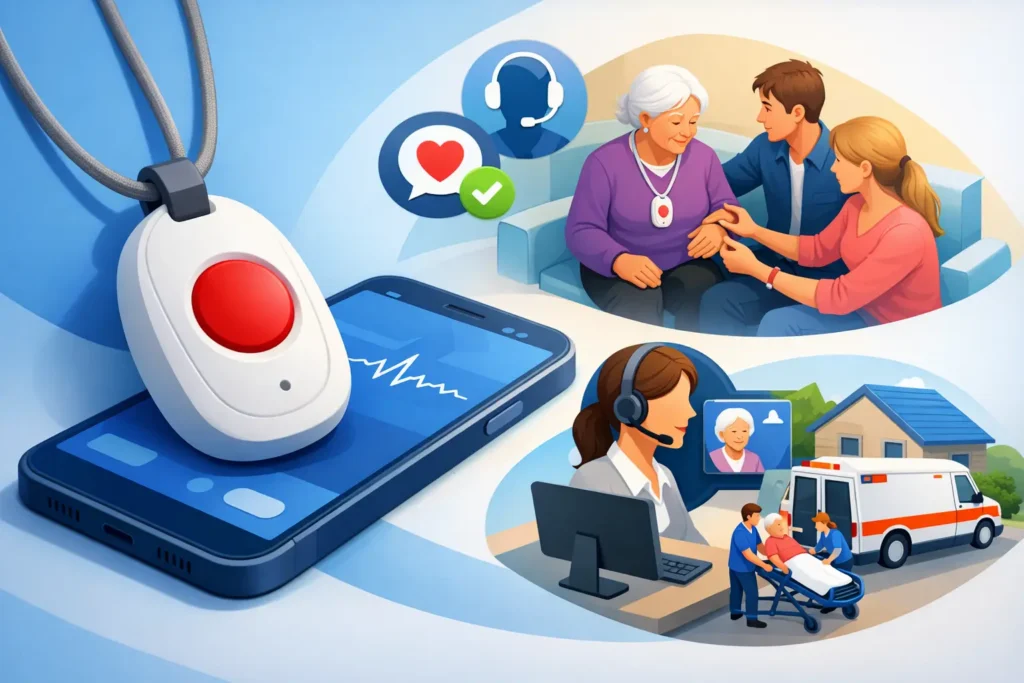
A medical alert pendant is meant for the moment a loved one cannot reach a phone. That is why medical pendant feedback should be more than a quick star rating or a comment about how the device looks. Families need to know whether the button is easy to press, whether help answers promptly, and whether the wearer will actually keep it nearby every day.
For older adults, people managing chronic health concerns, and families who live a few minutes or a few states away, a medical pendant can provide meaningful reassurance. But the right choice depends on the person, their routine, and the type of support they may need during an emergency.
What Medical Pendant Feedback Should Tell You
The most useful feedback comes from people who describe how the system performs when it matters. A pendant may have a simple design and useful features on paper, but day-to-day experience reveals whether it is comfortable, understandable, and dependable.
Look past broad statements such as “works great” or “easy to use.” Specific comments are more valuable. Did the wearer find the pendant light enough to wear all day? Could they communicate clearly with an operator? Was the setup explained in plain language? Did customer support respond when a question came up?
Feedback from family members also matters. Adult children and caregivers often see a different side of the service: how clearly a company explains billing, how emergency contacts are managed, and how easily they can get help when a device needs attention. A strong medical alert provider supports both the wearer and the people who care about them.
Reliability Comes Before Extra Features
GPS tracking, automatic fall detection, and mobile connectivity can be valuable features. They should not distract from the central question: can the wearer quickly summon help and speak with a trained operator when they need assistance?
A dependable system starts with a clear, easy-to-find SOS button. During a fall, a sudden illness, or a frightening moment of confusion, no one should have to navigate a screen, remember a sequence, or search for a tiny control. The pendant should be simple enough to use under stress.
Monitoring is equally important. Ask how emergency calls are handled and who is available after the button is pressed. A professionally monitored system connects the wearer with an operator who can assess the situation, contact emergency responders when needed, and notify the people listed on the emergency contact plan.
For South Carolina families, local support can add another layer of confidence. ADP Security Systems pairs personal medical alert options with professional guidance and a monitoring approach built around immediate access to help. The goal is not to add another complicated device to the home. It is to make getting help feel straightforward.
How to read comments about response experience
Customer comments about emergency response deserve careful attention, but they also need context. A reviewer may describe a true medical event, a test call, or an accidental button press. Each can show something useful.
A test call can indicate whether the speaker volume is clear and whether the wearer understands the process. An accidental press can reveal whether operators are courteous and able to confirm that the person is safe. A real emergency account can provide insight into how calmly the process worked under pressure. One review cannot predict every experience, but repeated details across feedback are meaningful.
Be cautious about treating response time as a single number. The time required to reach a wearer, assess the emergency, contact local responders, and receive on-site care can vary based on cellular coverage, the nature of the event, and local emergency service conditions. What matters is a clear monitoring process, trained operators, and reliable communication.
Comfort Determines Whether the Pendant Gets Worn
A medical pendant only helps if it stays within reach. Some people prefer a neck pendant because it is always on their person. Others may be more likely to wear a wrist device. The best choice is often the one that fits naturally into the wearer’s habits.
When evaluating medical pendant feedback, pay attention to comments about weight, clasp comfort, button placement, and battery routines. A device that feels bulky or irritating may end up on a bedside table just when its wearer needs it elsewhere.
Water resistance is another practical consideration. Many falls happen in bathrooms, where slippery surfaces and limited access to a phone create a serious risk. A waterproof wearable can be worn in the shower, reducing the temptation to take it off during a vulnerable part of the day. Still, families should confirm the device’s stated water-use guidance rather than assuming every pendant is suitable for every situation.
The wearer should have a say in the decision. An adult who feels that a pendant makes them look frail may resist it, even if family members see the benefit. Framing the device as a way to protect independence is often more productive. It can give someone the confidence to garden, walk the dog, run an errand, or remain at home with a reliable way to call for help.
Home-Based or Mobile Coverage: Match the Device to Real Life
Not every personal emergency response system works the same way. A home-based option may suit someone who rarely leaves home and wants coverage around the house. A mobile medical pendant can be a better fit for someone who drives, visits friends, shops, travels, or spends time outdoors.
Mobile devices that use 4G and nationwide GPS can help connect the wearer to support away from home and can assist responders in locating them. That added freedom is valuable, but it depends on available cellular service. In rural areas, along highways, and in certain buildings, coverage can vary. Families should discuss where the person spends time rather than choosing solely based on the broadest feature list.
Automatic fall detection is another feature worth considering, especially for someone with a history of falls, balance concerns, or conditions that could make it difficult to press a button. It is not a replacement for pressing the SOS button whenever possible. Fall detection uses motion patterns to identify a possible fall, and no technology can recognize every event or distinguish every sudden movement perfectly. It works best as an added safeguard, not a reason to ignore the basic button function.
Questions to Ask Before You Choose
A short conversation with a provider can prevent long-term frustration. Ask whether the pendant is professionally installed or activated with personal guidance, how the emergency contact list is updated, and what happens if the device is lost or damaged. Understand the monthly monitoring cost, any equipment charges, and whether there is a service agreement.
It is also wise to ask about testing. A wearer should know how to perform a safe test call and should practice using the button before an emergency happens. This small step can reduce hesitation later. If a family member helps manage care, make sure they understand whom the monitoring center will call and in what order.
Finally, consider support after the sale. A medical alert system may need occasional testing, charging, replacement, or changes to contact information. Families should be able to reach a knowledgeable person without being passed between departments. Consistent service becomes especially important when the wearer is not comfortable troubleshooting technology alone.
Turn Feedback Into a Better Safety Plan
Reviews and testimonials are helpful starting points, but a personal assessment is more valuable than any rating. Consider the person’s health needs, living arrangement, mobility, comfort with technology, and normal weekly routine. A pendant for an active retiree who regularly travels may look different from one for a person recovering from surgery or living alone after a recent fall.
The strongest choice is one the wearer understands, accepts, and can rely on without second-guessing. Take time to test the device, confirm emergency contacts, and talk openly about when to use it. A well-chosen medical pendant does not take away independence. It gives a loved one a direct path to help when being alone should not mean being without support.