Retail Loss Prevention Guide for Safer Stores
September 5, 2026
How to Secure Retail Storefronts After Hours
September 9, 2026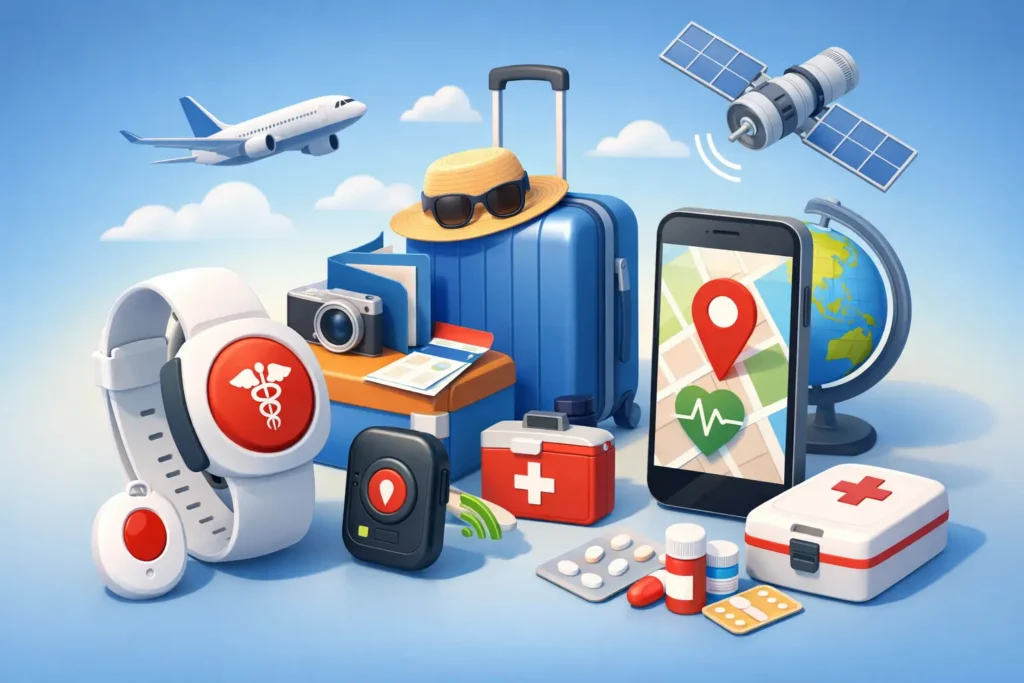
A medical emergency does not wait until a loved one is back in their own kitchen, near a landline, or within earshot of a neighbor. For older adults and medically vulnerable travelers, the right medical alert options for travelers can provide a direct path to help during a fall, health event, or moment of confusion far from home.
The best choice is rarely just the smallest device or the lowest monthly price. A dependable travel medical alert needs to work where the person is going, be simple enough to use under stress, and connect them to trained help without requiring a family member to coordinate an emergency from miles away.
What Makes a Medical Alert Device Travel-Ready?
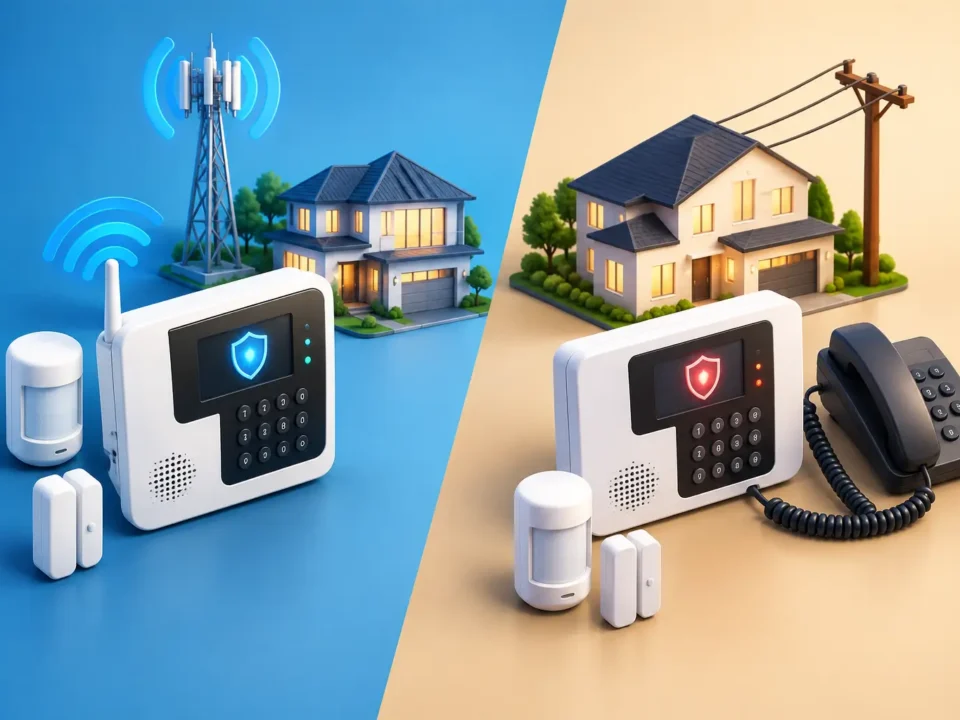
At home, many people use a traditional medical alert button connected through a base station. That approach can be effective inside the home, but it has clear limits once someone leaves the property. If the device depends on a home phone line or a base unit, it may not protect the wearer at an airport, hotel, restaurant, or family gathering.
For travel, look for a mobile device with nationwide cellular coverage. These systems use 4G cellular service to connect the wearer to a monitoring center through a wearable pendant or wrist device. A single press of the SOS button can open two-way communication and allow trained operators to assess the situation and dispatch emergency services when needed.
GPS location technology is equally valuable. If a traveler is unable to clearly describe where they are, location information can help responders find them more quickly. No GPS system is perfect indoors, in remote areas, or in dense urban locations, so it should not replace sharing an itinerary and contact details with family. Still, it is a meaningful layer of protection when a person is away from familiar surroundings.
The Main Medical Alert Options for Travelers
The right solution depends on how a person travels, their health needs, and whether they can reliably press a button during an emergency. Most travelers will be choosing between a mobile personal emergency response system, a smartwatch-style device, or a phone-based alternative.
Mobile GPS pendants and wrist devices
A mobile medical alert pendant or wrist-worn button is often the most practical option for frequent travelers. The wearer carries it throughout the day, presses the button when help is needed, and speaks with an emergency operator through the device.
This option is especially useful for someone who does not routinely carry or confidently use a smartphone. It provides a dedicated emergency connection rather than asking the person to unlock a phone, find an app, place a call, and explain the situation. Waterproof models can also remain on in the shower, where falls are common.
For a traveler who wants straightforward protection, a wearable mobile device with nationwide 4G connectivity, GPS, and professional monitoring is usually the strongest starting point.
Automatic fall detection
A fall can leave someone hurt, disoriented, or unable to press an SOS button. Automatic fall detection uses sensors to identify the motion pattern associated with a serious fall and can initiate an alert if the wearer does not respond.
Fall detection is not a guarantee. A device may not detect every fall, and occasionally it may register an alert during an abrupt movement that was not a fall. That trade-off is worth discussing honestly. For a person with a history of falls, balance concerns, mobility limitations, or medications that increase dizziness, the added protection can be very worthwhile.
Travel can introduce unfamiliar stairs, slick hotel bathrooms, uneven sidewalks, and fatigue. In those situations, fall detection offers meaningful support, but the device should still have a clearly accessible SOS button for any emergency that does not involve a fall.
Smartphone-based emergency features
Many smartphones include emergency calling and location-sharing features. They can be helpful, particularly for tech-comfortable travelers who always keep a charged phone close by. A phone also makes it easy to stay in touch with family and share travel updates.
However, a smartphone is not always the best primary medical alert solution. It can be left in a hotel room, tucked into luggage, run out of battery, or prove difficult to operate after a fall. A dedicated wearable device is generally easier to reach in an emergency because it stays on the person rather than in a pocket or purse.
For some travelers, a phone works well as a backup layer alongside a monitored medical alert device. For others, especially those who value simplicity, the wearable should remain the main emergency tool.
Questions to Ask Before Choosing a Device
Before selecting a medical alert system for travel, begin with the trip itself. A weekend with relatives in Greenville creates different needs than a cross-country flight, a cruise, or a month-long stay in a rural area.
Ask whether the system works throughout the United States and whether its cellular network has coverage at the destinations on the itinerary. If international travel is planned, confirm that separately. Many devices designed for nationwide use in the United States are not intended to provide the same service outside the country.
Battery life matters as well. A device is only protective when it is charged and worn. Choose a model with a charging routine the traveler can manage, and make sure the charger is packed in a carry-on bag rather than checked luggage. It is also wise to test the device before departure and confirm that the wearer knows how to use it.
Consider whether the device is comfortable enough for daily wear. A medical alert that stays on a nightstand offers little protection during a walk through an unfamiliar neighborhood or a trip to the hotel lobby. Lightweight, waterproof options are easier to wear consistently, including during bathing and sleep.
Finally, ask what happens after the button is pressed. Professional monitoring provides a real person who can communicate with the wearer, contact emergency services, and notify designated family members or caregivers according to the account plan. That is different from a device that only sends a text message or calls one contact who may be unavailable.
A Travel Plan Should Include More Than a Device
Even the best personal emergency response system works best as part of a simple plan. Before leaving, travelers and family members should make sure emergency contacts are current and that the monitoring provider has accurate medical information, mobility needs, allergies, and preferred hospital details when applicable.
Keep a written medication list in a wallet or travel bag, along with physician contact information and insurance details. A small card stating that the traveler uses a medical alert device can help hotel staff, family members, or fellow travelers understand what to do if an alert occurs.
It also helps to establish a check-in routine. This does not need to feel restrictive. A quick call or text after arrival, before an outing, or at the end of the day gives family members useful context if they receive an emergency notification later.
For air travel, wear the device unless security personnel instruct otherwise, and keep charging equipment accessible. If the traveler uses a mobility aid, oxygen, or other medical equipment, plan extra time at the airport and confirm airline requirements in advance.
Professional Monitoring Brings Reassurance Beyond the Button
A medical alert device is more than a piece of equipment. Its value comes from what happens in the minutes after an emergency begins. A trained monitoring professional can speak with the wearer, determine whether assistance is needed, send emergency responders, and notify the right people.
That support can be especially reassuring for adult children who cannot travel with a parent or relative. Instead of relying on luck, a nearby stranger, or an unanswered phone call, they know their loved one has a direct connection to help.
ADP Security Systems offers Smart Care personal medical alert systems designed for one-touch SOS access, automatic fall detection, waterproof wearables, GPS location support, and nationwide 4G connectivity. The most appropriate setup depends on the individual, which is why a conversation about daily routines, medical concerns, and travel habits matters before selecting a device.
A traveler should be free to visit family, enjoy a weekend away, or take a well-earned vacation without leaving safety behind. The right medical alert system helps make that independence feel supported, not limited.