How to Choose Between Traditional Locks and Commercial Access Control Systems
July 15, 2026
Video Surveillance Laws South Carolina: Compliance Guide for Business Owners
July 20, 2026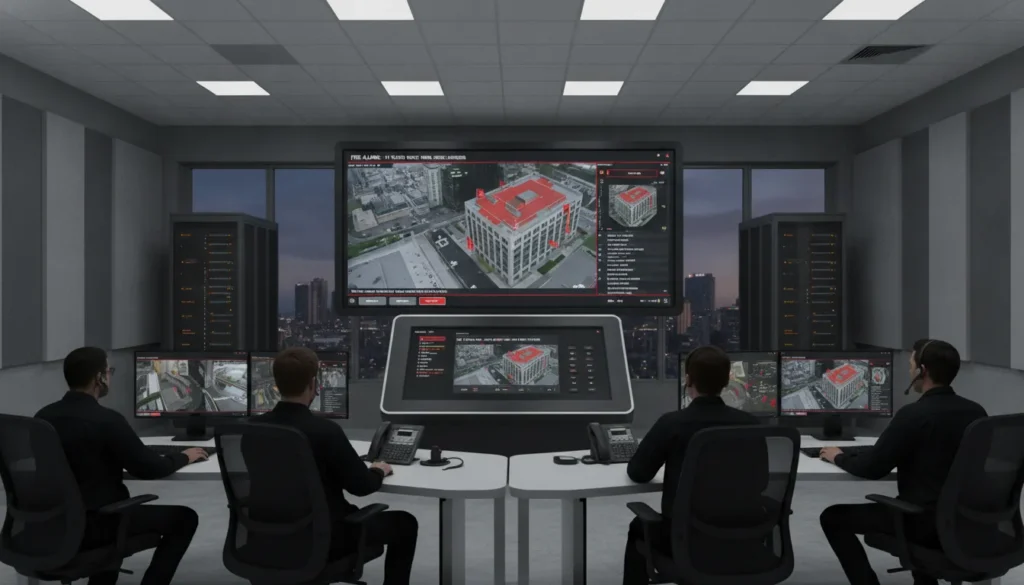
A single spark in an empty warehouse can destroy a business overnight. For commercial properties in Greenville and Upstate South Carolina, fire safety is not just about mounting alarms on the walls. It is about how quickly help arrives when a crisis occurs. Understanding your protection options is the first step toward safeguarding your assets and keeping your building compliant with local codes.
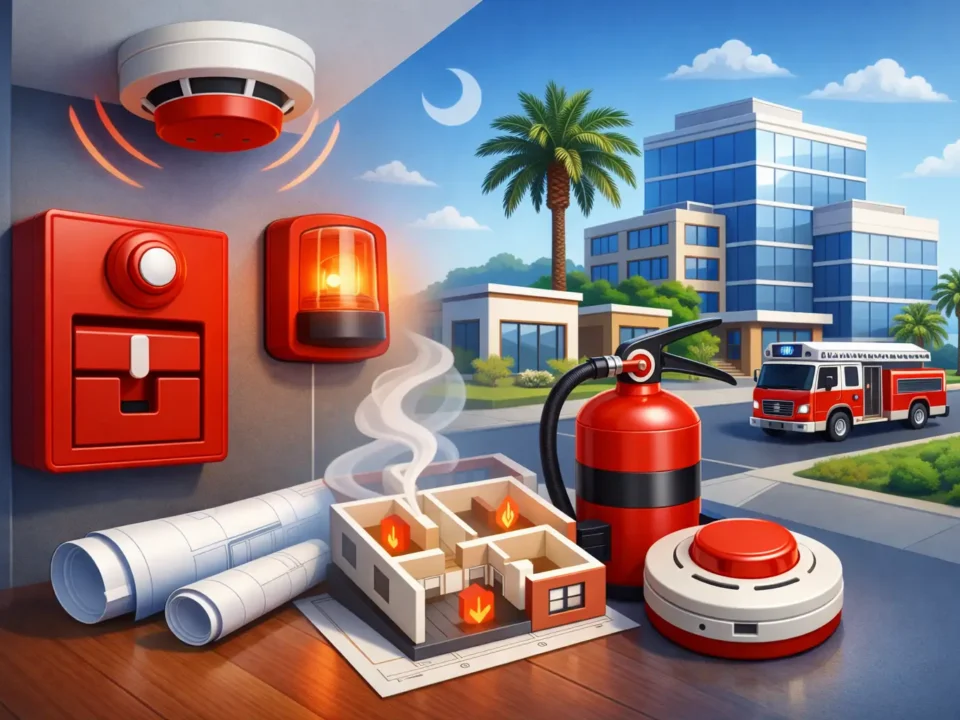
Commercial fire alarm monitoring is a continuous safety service that automatically connects a building’s fire panel to a certified supervising station during an emergency. In a monitored setup, the system sends an instant digital signal to operators who verify the threat and dispatch local fire departments within seconds. Unmonitored systems lack this connection, relying instead on local sounders and manual telephone calls from occupants or passersby. According to code guidelines from the San Diego County Fire Authority, monitored configurations provide essential protection by dispatching emergency services even when a facility is empty. This constant oversight ensures that Upstate business owners maintain compliance, reduce property risks, and secure rapid response times around the clock.
Choosing the right setup can feel difficult when sorting through technical details and state guidelines. To find the best fit for your facility, it helps to look closely at Monitored vs Unmonitored Fire Alarm Systems: What’s the Difference? Here is how.
Monitored vs Unmonitored Fire Alarm Systems: What’s the Difference?
Every year, the United States faces a massive threat from structure fires. There are over 470,000 structure fires annually in the U.S., according to data from local fire authorities. For South Carolina business owners, choosing the right way to protect life and property is a critical decision. The choice often comes down to the core difference between a monitored system and an unmonitored system. Understanding how these setups operate under real-world emergency conditions is essential for business continuity and safety.
| Feature | Monitored System | Unmonitored System |
|---|---|---|
| Emergency dispatch | Automatic signal to supervising station; dispatcher calls fire department | Relies on someone to hear alarm and manually call 911 |
| Off-hours protection | 24/7 coverage; fire detected even when building is empty | No protection when unoccupied; fire can spread for hours |
| Signal transmission | 1 to 3 seconds with cellular/IP communication | No offsite signal is sent |
| NFPA 72 compliance | Meets code requirements for approved supervising stations | Does not satisfy commercial monitoring mandates |
| Insurance impact | May qualify for premium discounts (5-15% off property insurance) | Higher premiums; risk of denied claims |
| Maintenance alerts | Station notifies you of trouble signals and faults | No proactive fault notification |
How Monitored Systems Protect Your Business
A monitored system is designed to provide immediate, automated protection. When a fire occurs, these monitored fire alarm systems automatically send an alert to an approved supervising station. This direct communication path ensures that local emergency services are dispatched right away, even if the building is vacant. Our team at ADP Security Systems connects your system to a UL 827 certified supervising station to guarantee continuous coverage. Modern wireless systems can transmit alarm signals in just 1 to 3 seconds, whereas old-style copper phone lines can take up to 45 seconds to establish a connection. This rapid response time is critical for limiting property loss and saving lives.
The Real Danger of Unmonitored Systems
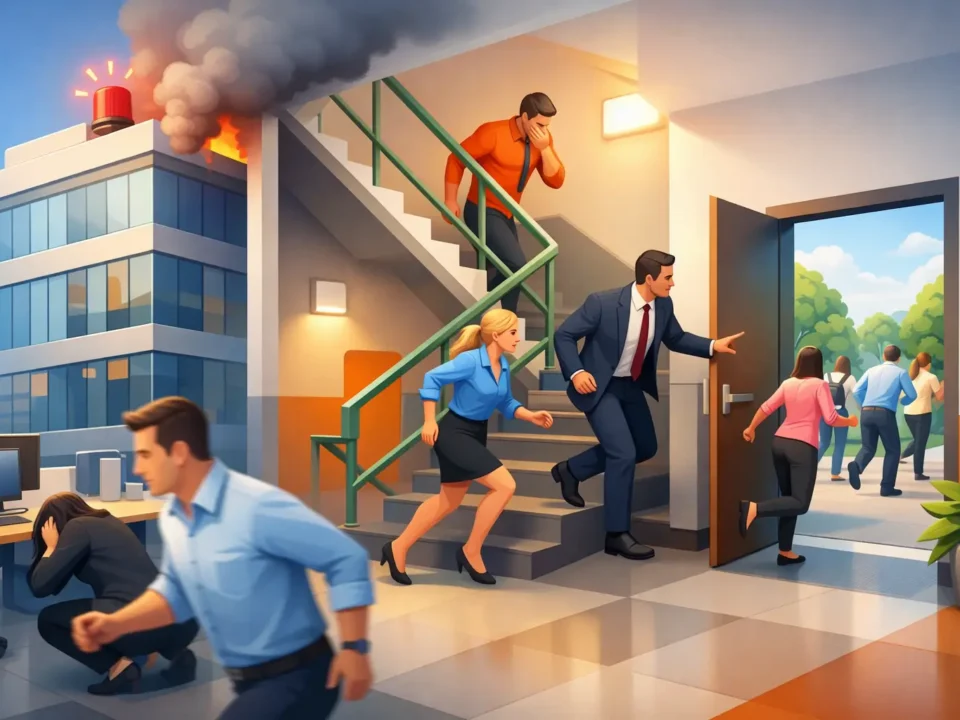
An unmonitored fire alarm system only makes noise on the property. It does not send an alert to a supervising station or emergency dispatchers. Because of this, unmonitored fire systems rely entirely on people in the area to notice the danger and manually call 911. If a fire starts late at night or during the weekend when the property is empty, the delay in detection can be catastrophic. Small fires can quickly grow into massive events before anyone outside hears the local horn or sees the smoke. This delay increases the risk of total business loss and poses a severe threat to nearby structures.
Choosing the Right Path for Code Compliance
When you install or update commercial fire alarm systems, local fire codes often dictate your choices. Many commercial properties must have active commercial fire alarm monitoring to stay compliant with state and local laws. Working with local experts who have 30 years of experience in Greenville and Upstate South Carolina ensures your system meets all code standards. Monitored systems provide true peace of mind and satisfy local fire inspectors, making them the best option for modern business security.
How Commercial Fire Alarm Monitoring Works
A fire can spread through a business in seconds. Understanding the path of an alarm signal from your building to local first responders shows why 24/7 commercial fire alarm monitoring is vital. This setup is key to protecting your property when no one is there to call for help. According to the San Diego County Fire Alarm Systems bulletin, fire alarm and detection systems provide early warning to occupants, but monitoring ensures that even in unoccupied conditions, help is summoned. The monitoring process follows a strict three-step path to keep your business safe.
Signal sensing and real-time transmission
The process starts when a sensor in your building detects heat, smoke, or water flow. Your main alarm panel processes this signal and immediately sends an alert out of the building. Modern setups do not rely on old analog phone lines that are easy to cut or fail during storms. Instead, they use cellular or dual-path communication to send the signal. This dual-path system uses both the internet and cellular networks to transmit data. The San Diego County Fire Alarm guidelines confirm that modern systems utilize dual-path communication to ensure that even if the primary line fails, the alarm signal still transmits to the station. This ensures the alarm reaches safety operators in seconds.
Operator verification and false-alarm screening
Once the signal leaves your building, it goes to an approved supervising station. Here, trained operators work around the clock to review every incoming alert. When an alarm signal comes in, the operator checks the data and tries to contact your business to verify the emergency. This step is crucial because it helps screen out false alarms, which saves you from costly city fines. However, if the operator cannot reach anyone or if you confirm there is a fire, they move to the next step. If your panel sends a trouble signal, like a low battery, the operator alerts you so you can fix the system before an emergency happens.
Emergency dispatch with zone-specific information
The final step is the dispatch of local emergency services. If a real fire is confirmed, the station operator contacts local dispatchers immediately. They do not just tell the fire department that there is a fire. They also send zone-specific details from your panel. Modern addressable fire alarm systems identify the specific initiating device and location, providing valuable intelligence to emergency responders, as outlined in the San Diego County Fire Life Safety guidelines. This means firefighters know exactly which room or floor to target the moment they arrive. This precise data saves precious minutes and helps protect lives and property.
NFPA 72 Compliance and South Carolina Fire Code Requirements
Local businesses must follow strict rules to protect lives and property. In Upstate South Carolina, fire safety is not just a best practice. It is a legal obligation under the law. Understanding these local requirements helps you keep your business safe, avoid costly penalties, and ensure your system is ready when you need it most.
National Fire Alarm Code rules
The National Fire Protection Association sets the industry standard for fire safety. Specifically, NFPA 72 dictates the technical requirements for supervising stations responsible for monitoring fire alarm systems. This code ensures that every signal is sent, received, and processed without delay. If your business needs a fire system, it must connect to an approved supervising station that meets these strict guidelines. Our team stays fluent in these complex rules so you do not have to worry about compliance gaps.
When monitoring becomes mandatory in South Carolina
Local regulations spell out exactly when a commercial property must have active fire alarm monitoring. South Carolina follows the International Fire Code, which requires monitoring for buildings constructed on or after January 1, 2004. Older buildings are included if they house high-risk occupancies such as hospitals, care homes, or daycares. High-rise structures must always have monitored systems, no matter when they were built. Understanding these thresholds is key to staying compliant and passing local fire marshal inspections.
The role of the Authority Having Jurisdiction
Your local fire marshal is the Authority Having Jurisdiction for your area. This official reviews your fire system plans and inspects your safety records. They have the power to approve your system design or require changes before you can operate. They also track your inspection logs to make sure you perform regular maintenance checks on your commercial fire alarm systems. Our project managers work closely with local fire marshals to ensure every system meets the code before the first inspection. This proactive approach saves you time and prevents expensive retrofit orders.
Mandatory testing and non-compliance risks
Installing a system is only the first step. NFPA 72 requires regular testing and maintenance to keep communication paths operational. Smoke detector sensitivity testing is required every two years, and annual inspections are recommended for control panels and initiating devices. Failing to meet these requirements brings serious consequences. Your business could face steep municipal fines, receive a building closure order, or lose its insurance coverage. In some cases, a fire insurance claim can be denied if the system was not properly maintained. Regular professional maintenance protects you on every front.
Insurance Implications: Why Monitoring Affects Your Premium
Operating a business in South Carolina involves managing various operational risks. Fire safety is one of the most critical areas where your decisions directly impact your financial bottom line. Choosing fire alarm monitoring service SC providers trust is not just a safety choice. It is also a key financial strategy that commercial insurers closely examine when setting your rates.
How Insurance Companies Assess Fire Risk
Commercial property insurers calculate your monthly or annual premiums based on risk exposure. Fire is one of the leading causes of total-loss property claims for businesses. When a building lacks active monitoring, fire can spread unchecked for hours, especially when the property is empty at night or over weekends. This raises the probability of a total loss, forcing insurers to charge higher rates to cover the risk.
By contrast, commercial fire alarm systems with active monitoring significantly reduce this risk. According to the San Diego County Fire Authority, while alarms warn occupants, professional monitoring ensures that emergency services are summoned even in unoccupied conditions. This fast notification limits property damage and lowers the insurer’s potential payout, making your business much safer and cheaper to cover.
The Financial Value of Premium Discounts
Because monitored properties present a lower risk, major commercial insurance carriers offer significant discounts to businesses that implement them. Businesses using monitored systems are highly likely to qualify for substantial premium discounts due to the lower risk of catastrophic fire damage. These insurance discounts typically range from 5% to 15% off the property insurance premium, depending on your building size, location, and industry.
Over time, these premium savings add up. In many cases, the reduction in your insurance bill will completely offset the ongoing cost of your fire alarm monitoring guide for SC setup. This turns a mandatory safety requirement into a self-funding investment that protects your assets while improving cash flow.
Hidden Risks of Unmonitored Systems
Choosing to run an unmonitored system to save a few dollars can lead to severe financial consequences. If your local fire code or your insurance policy requires standard monitoring, operating without it can result in a denied claim after a fire. Insurers write specific compliance clauses into their policies, and failing to maintain active monitoring can void your coverage entirely.
Additionally, you face municipal fines for non-compliance and potential building closures by the local authority having jurisdiction. According to the Philadelphia Fire Department, failing to maintain required systems and their monitoring components can lead to major legal and operational risks. When you add up the threat of unpaid claims, fire code fines, and high insurance premiums, unmonitored systems pose an unacceptable hazard to South Carolina businesses.
Choosing the Right Fire Alarm Monitoring for Your Greenville Business
Selecting the best way to safeguard your property requires looking at several unique factors. Your building size, occupancy type, and local code rules all shape your safety needs. As a local partner with over 30 years of local experience, ADP Security Systems helps Upstate South Carolina companies design custom safety setups. We handle your code needs so you can focus on running your business with peace of mind.
Step-by-Step Selection Guide
Every commercial property needs a clear plan to find and set up the right service. Follow these five steps to find the best fit for your business.
- Check your building size and layout. Large commercial spaces and high-rise structures have complex needs. They require advanced systems to locate fires quickly. Small retail shops can often use simpler, direct alert setups.
- Review local fire safety codes. Commercial properties must meet specific standards to stay open. According to the National Fire Protection Association (NFPA) 72 standards, code compliance is a key legal duty for every property owner. Failing to meet these rules can lead to heavy fines or loss of insurance.
- Evaluate your current system hardware. You do not always have to buy all-new equipment to upgrade your safety. ADP supports non-proprietary systems, which means we can maintain and monitor your existing panels from any brand. This open approach saves you money while keeping your property safe.
- Choose your monitoring path. Modern commercial fire alarm monitoring uses secure cellular or IP links rather than old analog lines. To get the best protection, look for a partner with UL 827 certified central station monitoring. This ensures your business has 24/7 coverage even when your building is empty.
- Create a phased migration plan. If you have an outdated system, you do not have to replace it all at once. You can work with a team fluent in local codes to build a gradual upgrade path. A smart, phased plan keeps your business safe and compliant without breaking your budget.
Local Safety Expertise
Upstate companies must work with local experts who understand regional fire codes. Working with a team that has deep local ties ensures your system passes every official inspection. If you need to upgrade your setup or start a new plan, explore our commercial fire alarm services for Upstate SC to find the right fit for your property.
Frequently Asked Questions
What is fire alarm monitoring?
Fire alarm monitoring is a continuous service where a remote supervising station oversees your building fire alarm panel. According to NFPA 72 standards, monitored systems automatically send a signal to a central hub the moment an alarm or system fault occurs, allowing operators to dispatch local fire departments instantly.
How does fire alarm monitoring work?
When a smoke detector or manual pull station triggers, your fire panel sends an electronic signal through cellular or internet lines. A cellular or dual-path communication setup ensures the signal reaches the supervising station even if one line fails. Operators verify the alarm and notify emergency responders within seconds.
Why do businesses need fire alarm monitoring?
Unmonitored alarms only make noise onsite, relying on someone nearby to hear them and call for help. According to the Minnesota State Fire Code, unmonitored systems delay response times. Monitored systems provide constant coverage so emergency services are summoned even when your building is empty at night or during weekends.
What is the benefit of UL certified fire alarm monitoring?
Under UL 827 standards, certified supervising stations must meet strict national safety, equipment redundancy, and staffing rules. This certification ensures your system signals are received and processed by a facility built to withstand power failures, natural disasters, and physical security threats.
How fast are fire alarm signals transmitted with modern monitoring?
Older systems using traditional analog phone lines can take up to forty-five seconds to transmit an alarm signal. Modern cellular and IP-based transmitters send alarm data to the supervising station in just one to three seconds. This speed helps emergency crews arrive much faster to limit property damage and save lives.
Can monitored fire alarm systems lower insurance costs?
Yes, many insurance providers offer premium discounts to businesses that use monitored fire systems. Under standard fire protection guidelines, insurers recognize that automatic, twenty-four-hour monitoring greatly reduces the risk of total property loss. This safety upgrade protects your assets while lowering your annual operating costs.
Ready to Schedule a Free Fire Alarm Consultation?
Leaving your Upstate commercial building unmonitored puts your business assets and local fire safety compliance at serious risk. A single fire event during off-hours can cause severe property damage long before anyone notices. Upgrading to a professional, round-the-clock monitoring setup helps you avoid heavy code fines and stops minor issues from turning into major business disasters.
Starting with a dedicated safety plan is the fastest way to shield your local facility. Our team has thirty years of local experience and can help you maintain constant safety. Ready to secure your property? Schedule a free fire alarm consultation with ADP Security Systems today to protect your commercial space and get peace of mind.