Find the Right Alarm App for Your Sleep Style
June 3, 2026
What Are Wireless Alert Systems? A Simple Guide
June 4, 2026
A storefront and a warehouse should not receive the same alarm budget. Greenville companies need pricing built around their sites, risks, and daily operations before installation begins.
Business alarm systems pricing depends on the building, the risks inside it, and the protection a company chooses. For Greenville and Upstate South Carolina businesses, a clear budget should separate upfront equipment and installation from monthly monitoring, permits, inspections, and maintenance. ADP commercial monitoring and service typically runs $27.95 to $45 per month, while added cameras. Access control, fire alarm work, more entry points, and multi-site coverage can raise the total. A risk review matters because security needs depend on known threats, past theft or violence, and valuable assets. Start with a site survey, then compare the full service period instead of judging a quote by its first invoice.
The right number is not a national average. It is the amount that covers your actual doors, assets, operating hours, and response needs without leaving surprise line items. Business alarm systems pricing for Greenville companies is the next step. Here is how.
Business alarm systems pricing for Greenville companies
Greenville companies should budget for two cost buckets: the initial system and the ongoing service. A public pricing guide puts basic small-business systems at $500 to $2,000. It places equipment and installation for many business systems at $1,500 to $3,000.
Those figures are a starting point, not a Greenville quote. The final price depends on entry points, sensors, cameras, access control, wiring, and site size. ADP Security Systems is based in Greenville, so the quote can reflect the building and the way the business runs.
Local budget starting points
A simple intrusion alarm usually sits at the lower end of the range. A system with video surveillance or access control needs a larger equipment budget. Public guidance also shows that integrated commercial systems can range from $2,000 to more than $5,000.
For local planning, use these examples as scope guides. They are not fixed packages:
- Small retail store: Start with doors, windows, motion sensors, and monitoring. Add cameras where staff handle cash or where customers enter and leave.
- Professional office: Plan for entry sensors, after-hours monitoring, and access control if staff need separate permissions.
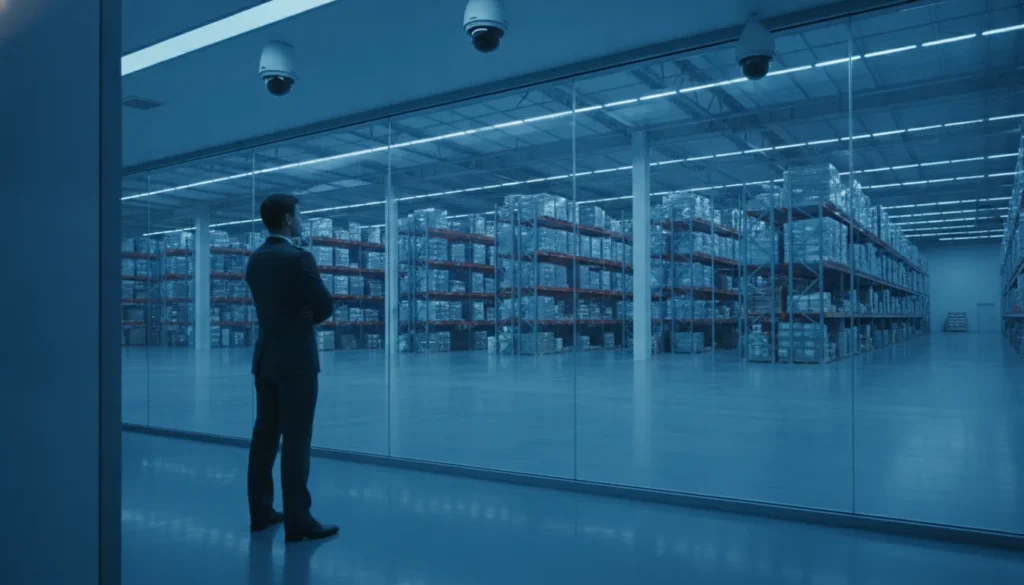
- Warehouse or light industrial site: Budget for more zones, loading areas, larger perimeters, and camera coverage around key assets.
Retail planning should also account for staff safety. The CDC notes that small retail businesses may have limited resources to reduce robbery and violence risks. Its retail workplace safety guidance supports a risk-based approach instead of a one-size-fits-all package.
Total cost of ownership
Upfront equipment is only part of business alarm systems pricing. ADP commercial monitoring and service pricing typically ranges from $27.95 to $45 per month. ADP does not require long-term contracts for commercial clients, which helps Greenville businesses plan recurring costs with fewer surprises.
Build a full budget around installation, monitoring, maintenance, and later changes to the site. For example, a new stockroom may need another sensor. A growing office may need new access permissions or added doors.
What happens during the quote process?
Start with a review of the property, business hours, entry points, and areas that hold valuable items. Then decide whether intrusion detection is enough. Some businesses also need cameras, access control, or commercial fire alarm monitoring.
Ask for the initial equipment cost and the monthly service cost as separate lines. Also ask how later additions would be priced. That format makes it easier to compare a small starting system with a broader plan for future growth.
What drives the cost of a commercial alarm system?
Business alarm systems pricing starts with the property, not a flat package. A useful quote maps the site, the risks, and the daily workflow before listing equipment. Security needs can vary with known threats, past incidents, and valuable assets, as this security planning guidance explains.
Equipment and coverage
The number of protected doors is a core cost driver. Each entry may need a contact sensor, and some spaces need motion, glass-break, or other sensors. The quote should also show the keypad, control panel, and any cellular or internet backup used to keep signals moving.
Coverage grows when the plan adds cameras, video verification, or access control. Access control can require readers, credentials, and door hardware at each managed entry. A site that needs both intrusion detection and cameras may require more design work than a basic alarm. See ADP Security Systems’ commercial security systems overview for the available layers.
Installation complexity
Two buildings with the same sensor count can still produce different quotes. Wiring routes, wall materials, ceiling access, and the distance between devices affect labor. After-hours installation may also add labor if technicians must work around customers, staff, or active production areas.
Fire alarm integration needs its own review. The team may need to coordinate alarm design, testing, maintenance, and inspection needs with the property’s existing setup. Businesses in Upstate South Carolina can review the basics of commercial fire alarm monitoring before comparing quotes. Permitting should also appear as a separate line item when local rules apply.
Monitoring and ongoing service
Recurring cost depends on the monitoring tier and the services tied to it. Standard alarm monitoring, cellular backup, video verification, and added service support do not create the same monthly bill. Ask which features are included, which are optional, and how future service calls are handled.
Multi-site businesses need a wider budget view. A shared plan may include several panels, more users, separate permits, and service visits across locations. Compare both the upfront quote and the ongoing service plan, then ask how the system can grow when a location adds doors or cameras.
Greenville companies should also ask how service is handled after the install. A low upfront number can lose value if every change, sensor issue, or user update becomes a surprise charge. ADP’s knowledge base notes flexible maintenance schedules for businesses, which helps owners plan service around operating hours instead of guessing later.
Contract terms matter too. If a quote requires a long commitment, compare that obligation against the equipment cost, monthly monitoring, and service response. ADP’s no-long-term-contract positioning, where applicable, gives local companies a cleaner way to compare the real cost of the system over time.
Typical budget ranges by business type
A starting point for planning
Business alarm systems pricing changes with the site, the risks, and the equipment mix. These ranges are planning estimates, not quotes. A site walk-through is still needed before a provider can price doors, sensors, cameras, access points, wiring, and service needs.
The figures below use cautious market ranges for common projects. Published estimates place basic small-business systems at $500 to $2,000. Integrated systems can run from $2,000 to more than $5,000. Broader projects can cost more when video surveillance or access control expands the scope. See this published pricing reference for the market ranges behind these planning bands.
| Business type. | Common needs. | Typical upfront budget range. | Monthly monitoring and service planning. | What can raise the quote. |
|---|---|---|---|---|
| Small retail storefront. | Entry sensors, motion detection, panic buttons, and a focused camera plan. | $500 to $2,000 for a basic setup. | Plan for alarm monitoring, service needs, and permit costs. | More cameras, cash-handling areas, after-hours access, or several entry points. |
| Professional office. | Door sensors, motion detection, access control, and cameras at main entry points. | $1,500 to $3,000 as a practical starting band. | Plan for monitoring and scheduled system support. | Several suites, restricted rooms, more access doors, or added video coverage. |
| Restaurant or service business. | Alarm coverage, cameras, staff access, and attention to rear or delivery doors. | $2,000 to $5,000 or more for an integrated plan. | Plan for monitoring, service visits, and any fire-system needs. | Late hours, several entrances, outdoor areas, fire needs, or video storage. |
| Warehouse or light industrial site. | Perimeter protection, cameras, access control, and coverage for key equipment areas. | $3,000 to $5,000 for a basic video-led setup. Larger plans vary. | Plan for monitoring, maintenance, and support for a larger site. | Large square footage, loading docks, high-value equipment, wiring, or many cameras. |
Risk changes the equipment mix
Square footage matters, but it is not the only driver. A small storefront may need a tighter plan around staff safety and cash-handling areas. The CDC notes that small retail businesses may have limited resources for reducing robbery risk and other violent incidents. Its retail workplace safety guidance helps explain why the lowest equipment price is not always the right plan.
An office may need fewer cameras but more control over who can enter certain rooms. A warehouse may need broader perimeter coverage, loading-dock cameras, and protection for valuable equipment. Restaurants and service businesses often need a plan for staff doors, customer areas, and delivery access.
What to confirm during the walk-through
Ask for a written scope that separates upfront equipment and installation from ongoing service planning. Review the number of doors, camera views, access points, and restricted areas. Also ask whether the quote includes permit tasks, system testing, and future support.
For Upstate South Carolina companies, local site conditions should shape the final design. Companies can compare security system options for small businesses before scheduling a site walk-through. The final budget should stay tied to the actual building and the risks that matter most.
How to budget for installation, monitoring, and service
A three-to-five-year view
A useful budget looks past the first invoice. Build a three-to-five-year view that covers equipment, installation, monitoring, service, and likely changes to the site. This gives Greenville and Upstate South Carolina businesses a clearer way to compare quotes.
Start with the property, not a package. A retail store, office, warehouse, and multi-site operation may need different sensors, cameras, access points, and service plans. ADP Security Systems can scope commercial security systems around the site instead of forcing every business into the same setup.
Five budgeting steps
-
Map risks before pricing equipment. List entrances, restricted rooms, cash-handling areas, after-hours access, and high-value assets. Review past incidents and daily routines. A sound risk review keeps the quote tied to real needs. The NCBI security planning guidance notes that system needs depend on threats, past events, and valuable assets.
-
Separate one-time and recurring costs. Put equipment, wiring, installation, and setup in one column. Put monitoring, inspections, maintenance, repairs, and connectivity in another. Then total each year. This makes business alarm systems pricing easier to compare across vendors with different quote formats.
-
Include local rules and false alarm policies. Ask whether the property needs an alarm permit. Check the local false alarm policy and note any fees that could apply. If the site includes fire protection, confirm inspection and testing needs before approving the budget.
-
Plan for growth. Note any new doors, cameras, employees, buildings, or future locations that may be added. Ask which parts of the system can expand without a full replacement. A phased plan can keep the first project focused while leaving room for change.
-
Compare contract terms. Review monitoring terms, cancellation rules, renewal language, service response, equipment ownership, and upgrade costs. ADP does not require a long-term contract. That can make future budgeting simpler when a business changes locations or needs a different system.
A quote comparison worksheet
Use one worksheet for every proposal. Add a row for each location and a column for each cost type. Keep optional upgrades separate from the core system. The worksheet should show the first-year total and the expected cost for each later year.
Price is only one part of the choice. A lower first invoice may not include the same service, testing, or room to expand. Greenville businesses can use this buyer guide to business security systems in Greenville to review local selection points before comparing proposals.
When should a business add cameras, access control, or fire monitoring?
When an alarm-only system fits
An alarm-only system can be enough for a small Greenville office with one main entrance and limited after-hours activity. This may fit a site with no stock on display. Door contacts, motion sensors, and professional monitoring form a clear starting point. The goal is to match the system to the site, not add equipment by default.
Start with a walk-through of the building. Note each entry point, the hours when staff work alone, and the rooms that hold stock or records. A guide to security system options for small businesses can help owners compare the basic parts before requesting a quote.
When video or access control adds value
Add cameras when the business needs visual context around entrances, parking areas, stock rooms, or cash-handling areas. A retail shop in downtown Greenville may want coverage near the register and rear delivery door. A warehouse in the Upstate may focus on loading areas and gates.
Access control makes sense when several people use the building, but they do not all need the same access. It can help an office manage staff entry, vendor visits, and sensitive rooms. It may also fit a shop that wants to limit access to stock rooms after hours.
The right scope starts with risk, not a preset package. A security planning guide from the National Center for Biotechnology Information notes that system needs depend on known threats, past incidents, and valuable assets. That same approach helps an Upstate SC business decide where added layers are worth the cost.
When fire monitoring belongs in the plan
Fire monitoring is a separate decision from intrusion protection. Ask about it when the site has life-safety needs, stored materials, cooking equipment, or a building layout that needs a closer review. It is also important when a business is opening a new location or changing how it uses the space.
A Greenville restaurant, medical office, warehouse, and retail store may each need a different plan. The review should cover the building, operations, and local requirements before equipment is selected. This article on commercial fire alarm monitoring explains the Upstate SC context in more detail.
For business alarm systems pricing, ask for the base alarm and each added layer as separate line items. That makes the budget easier to review. It also shows which camera, controlled door, or fire monitoring feature solves a real site need.
Questions to ask before you request a quote
A useful quote starts with a clear picture of the site. Before you discuss business alarm systems pricing, gather details that affect equipment, installation work, and monitoring. This prep helps the assessment stay focused and makes it easier to compare recommendations.
Site layout and daily use
Start with the building basics. Note the total square footage, number of floors, and every door, loading bay, and ground-level window. Include side doors that staff use rarely. A local assessment should also cover detached storage areas, shared hallways, and any spots with limited visibility.
Then map how people use the property. Write down business hours, after-hours access needs, and the times when opening or closing staff work alone. If employee turnover is high, ask how access permissions can be changed when roles change. For a retail site, review customized security solutions for SC retailers before the visit.
- Which doors need alarm sensors, controlled access, or both?
- Where do customers, vendors, and delivery drivers enter?
- Are there cash-handling points, customer areas, or staff-only rooms?
- Does the property have blind spots, outdoor equipment, or detached storage?
Risk, inventory, and operations
Estimate the value of inventory, tools, records, and other key assets. Flag items that would be hard to replace or could halt work if stolen. Security needs depend on known threats, past incidents, and valuable assets, according to security planning guidance published through NCBI.
Ask whether the business has had theft, vandalism, false alarms, or safety concerns. Note where those events happened and when. Also explain any planned changes in staffing, inventory, or operating hours. These details help the assessor focus on the risks that matter now.
Fire requirements and room to grow
Security planning should account for more than intrusion alarms. Ask whether the building has fire code requirements, inspection needs, or an existing fire alarm panel. If fire safety is part of the project, review the basics of commercial fire alarm monitoring before the assessment.
Finally, share plans for future expansion. A new suite, warehouse area, second location, or longer schedule can change the right starting point. Ask which parts of the system can grow later. Also ask what the quote includes, what remains optional, and which ongoing costs should be reviewed.
- Will the business add doors, rooms, cameras, or access users?
- Are renovations or a move already planned?
- Which fire, inspection, or permit questions need follow-up?
- Which equipment, installation, monitoring, and service items appear in the quote?
Frequently Asked Questions
How much is monthly monitoring for a business alarm?
Standard monthly monitoring often ranges from $40 to $120, depending on the service tier, according to a published pricing guide. A Greenville business should ask whether its quote includes cellular backup, video verification, and service support. Added features may change the recurring cost, so compare the monthly scope as well as the price.
What is included in business alarm systems pricing?
A written quote should separate initial equipment, installation, and setup from recurring monitoring and service. It should also identify permits, inspection needs, maintenance, connectivity, and optional additions such as cameras or access control. Ask whether future additions are priced separately. This makes comparisons more useful because a low upfront total may exclude recurring or site-specific costs.
What is the best security system for a small business?
There is no single system that fits every small business. The right plan depends on doors, business hours, valuable assets, and past incidents. A small office may start with entry sensors, motion detection, and monitored alarms. A retail store may also need cameras near cash-handling areas, a rear entrance, or a delivery door.
Can a business alarm system be expanded later?
Yes. Many business alarm systems can expand when a company adds doors, rooms, cameras, access users, or another location. Ask which panel, wiring, and monitoring choices leave room for growth. Also request pricing for common additions before installation. That helps an Upstate South Carolina company choose a focused starting system without making later changes harder to budget.
Ready to budget your business security system?
Waiting to plan your alarm system can lead to unclear costs and rushed choices when security needs become urgent. Starting now gives you time to define priorities, compare options, and build a practical budget for your Greenville or Upstate South Carolina property. A clear plan helps focus spending on the protection your business needs today while preparing for future changes.
Ready to get clear pricing for your business? Request a commercial security quote to discuss your property, priorities, and budget with ADP Security Systems. Contact the team now so your planning can start before an urgent need narrows your choices. A short review can give your team a clear place to begin without forcing a rushed decision.