Key Cards vs Mobile Credentials for Offices
November 13, 2026
7 Radio Frequency Fire Alarm Mesh Network Advantages
November 14, 2026
A locked exterior door only protects a facility when every person who enters has been authorized to do so. One employee holding the door for a stranger, a delivery driver following a staff member inside, or a visitor slipping through during a busy shift can defeat an otherwise well-designed access control system. Learning how to prevent tailgating access helps South Carolina businesses protect people, property, records, and restricted work areas without making their building feel unwelcoming.
Tailgating, also called piggybacking, occurs when an unauthorized person enters a secured area by following someone with valid credentials. It can happen at a front entrance, employee-only door, loading dock, data room, warehouse gate, or even a secured residential community entrance. The risk is not limited to large companies. A small medical office, school, retail location, manufacturer, apartment office, or professional services firm may all have assets and information worth protecting.
How to Prevent Tailgating Access Starts at the Door
The most effective approach combines physical barriers, clearly defined procedures, and technology that gives management visibility. No single measure works every time. A badge reader may confirm that one person is authorized, but it cannot automatically tell whether a second person entered behind them. Likewise, a camera records activity, but recording alone does not stop an unauthorized entry in the moment.
Start by identifying every point where people can enter a protected space. This includes doors that are routinely used, doors employees prop open for convenience, delivery entrances, side gates, and interior doors leading to sensitive areas. During a professional security assessment, it is common to find that the most vulnerable entrance is not the main lobby. It is often a side door near parking, a receiving entrance, or a door employees use during shift changes.
Each entry point should have a purpose and an appropriate level of protection. A public lobby may need a welcoming reception process, while a server room may require individual credential verification and tighter access permissions. The goal is not to treat every door the same. It is to match the control to the risk behind it.
Use Access Control That Verifies Individual Entry
Electronic access control gives facility managers a practical way to decide who can enter, where they can go, and when their credentials will work. Credentials may include key cards, fobs, mobile credentials, PIN codes, or biometric readers. Unlike traditional keys, access permissions can be changed quickly when an employee leaves, changes roles, or loses a credential.
For doors where tailgating is a recurring concern, consider controls that support one-person-at-a-time entry. Depending on the building and traffic flow, this may include a monitored vestibule, turnstile, controlled gate, or mantrap-style entry area. These options require more planning and may not make sense for every location, but they are valuable for high-security areas such as labs, financial offices, data centers, pharmacies, and facilities with regulated inventory.
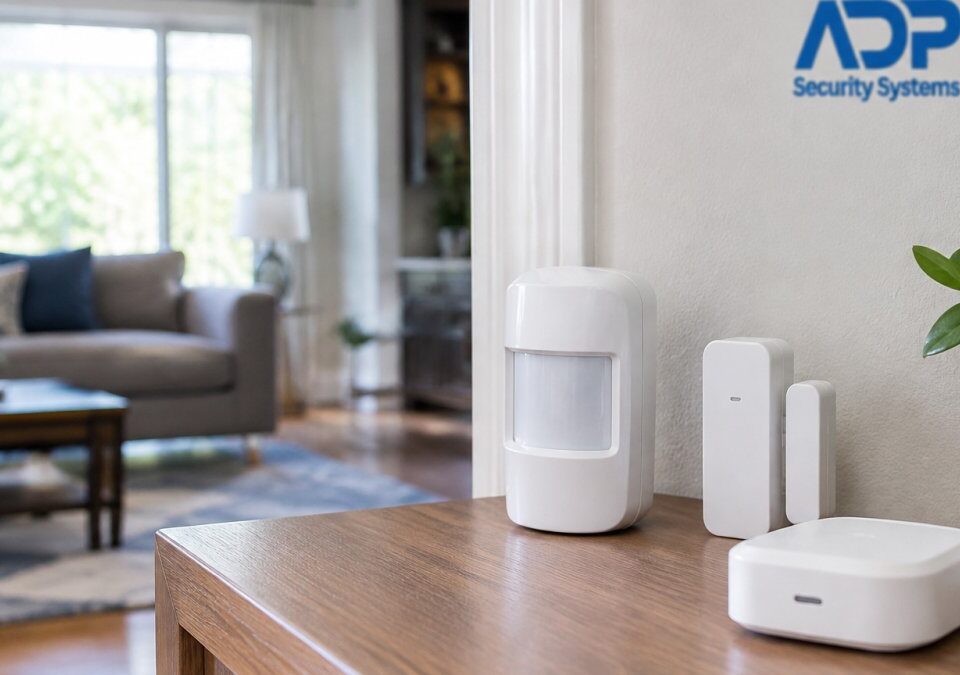
Door position switches are also useful. They can alert staff or a monitoring center when a door is held open longer than expected or forced open without valid access. This creates an opportunity to respond while the event is happening rather than discovering it later during a review.
Access control should be installed with the daily operation of the building in mind. If employees find the system inconvenient or confusing, they may look for shortcuts. Professional installation and thoughtful door scheduling can help maintain security without slowing down legitimate work.
Make Visitor Management Clear and Consistent
Many tailgating incidents begin with a person who appears to belong there. Someone carrying a box, wearing work clothes, or walking confidently behind an employee may not draw attention. That is why visitor procedures must be simple enough for staff to follow every day.
Visitors should be directed to a designated entrance whenever possible. From there, they can check in, state who they are meeting, and receive a visitor badge or escort instructions. A badge alone is not proof that someone is permitted in every area, but it helps employees quickly recognize who should be in the building.
Delivery personnel and contractors need special consideration. They may require access to a loading area, mechanical room, telecom closet, or worksite after normal hours. Establish who can authorize their entry, what areas they may access, and whether an employee must accompany them. For recurring vendors, temporary credentials with defined schedules are safer than sharing a staff key or access card.
Reception staff, managers, and employees should all know the same basic rule: do not allow unknown individuals to follow them through a controlled door. Instead, politely direct the person to the appropriate check-in point. A simple response such as, “For everyone’s security, please check in at the front desk,” is professional and clear.
Train Employees Without Asking Them to Confront Risk
Employees are often the first line of defense, but they should not be expected to handle a suspicious situation alone. Effective training explains the reason behind the policy and gives people safe, realistic actions to take.
Staff should understand that holding a secure door for an unknown person, lending a badge, or propping open an entrance creates a security gap. Training is especially important for new hires, temporary staff, and teams working early, late, or during shift changes, when doors may be busier and supervision may be lighter.
Encourage employees to verify rather than assume. If they recognize someone but are unsure whether that person has access to an area, they can contact a supervisor, receptionist, or security contact. If someone becomes aggressive or refuses to follow the entry process, employees should step away and report the issue promptly. Protecting the building should never require an employee to put themselves at risk.
Short reminders work better than a policy that is discussed once and forgotten. Include entry expectations in onboarding, post clear signs at controlled doors, and revisit procedures after a move, renovation, staffing change, or security incident.
Add Cameras Where They Support a Response
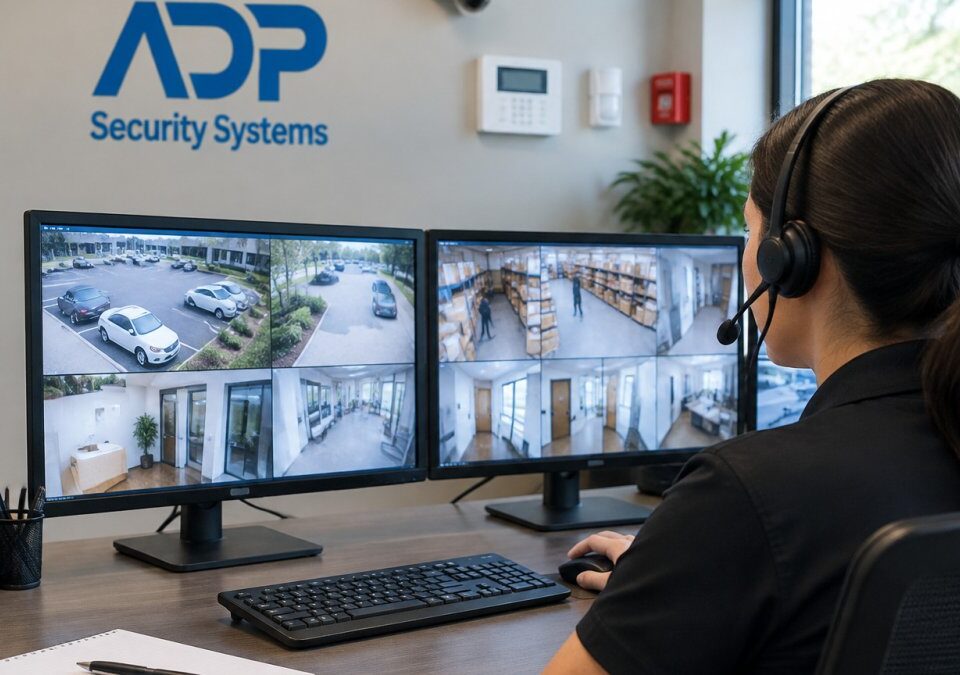
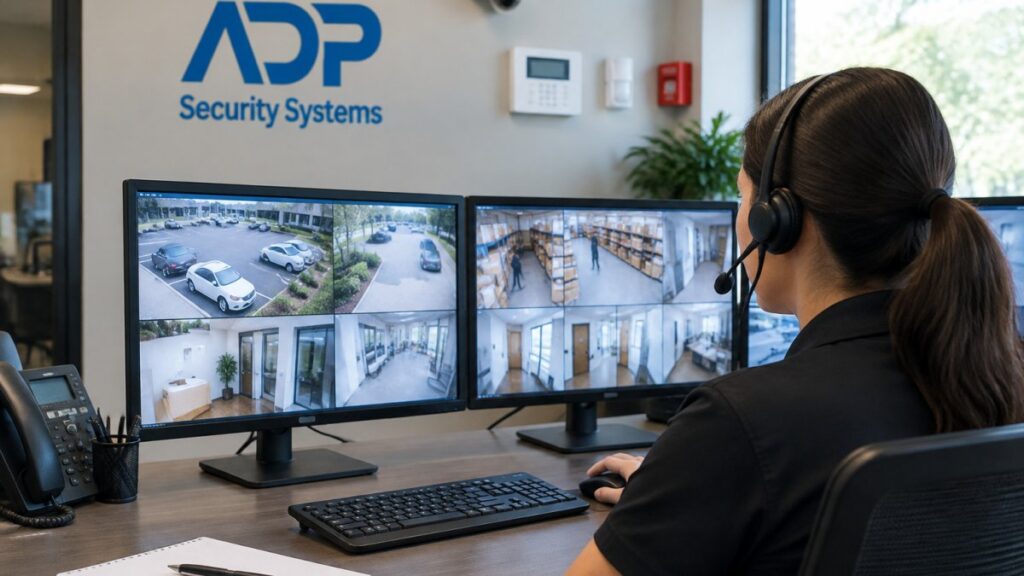
Security cameras provide valuable context before, during, and after a tailgating event. At entrances, camera coverage can show whether one authorized credential was used for multiple people, whether a door was propped open, and which direction an individual traveled after entering.
Positioning matters. A camera aimed only at the outside of a door may capture a face but miss what happens inside. Coverage of both sides of key entrances can provide a clearer picture. Interior cameras near sensitive corridors, inventory areas, and reception points can also help staff investigate concerns without relying on memory alone.
Camera systems are most useful when someone can act on the information. Remote viewing through a smartphone or computer may help managers check an after-hours alert. Integrated systems can also connect camera footage with door activity, making it easier to review events tied to a specific credential use or forced-door alarm.
Camera placement should respect privacy expectations and workplace requirements. Avoid recording areas where people reasonably expect privacy, and make sure staff understand the purpose of the system. The objective is safety, accountability, and faster response, not unnecessary surveillance.
Address the Everyday Habits That Create Open Doors
Tailgating prevention is often less about sophisticated criminals and more about routine habits. A door gets wedged open because employees are moving supplies. A staff member lets in a coworker who forgot a badge. A rear entrance remains unlocked because it is more convenient for breaks. Each decision may feel harmless, but repeated exceptions can turn a secure facility into an easy target.
Look for operational changes that remove the reason for the shortcut. If employees frequently carry materials through a secured door, add an approved delivery process or access-controlled gate. If forgotten credentials are common, establish a fast, documented way for supervisors to issue temporary access. If a side entrance creates problems, adjust traffic patterns, lighting, signage, or camera coverage rather than relying on repeated reminders.
Physical maintenance matters as well. A door closer that does not latch fully, a damaged strike plate, poor exterior lighting, or an unreliable reader can encourage workarounds. Scheduled inspections help identify these weaknesses before they become a security incident.
Build a Response Plan for Tailgating Events
Even with the right controls, an attempted tailgating event can occur. Staff need to know what happens next. The response should be proportionate to the situation: a visitor who missed the check-in process needs redirection, while a person entering a restricted area without authorization may require an immediate security or law enforcement response.
Document incidents, including the time, entry point, description of the individual, and any camera footage or access activity. Reviewing patterns can reveal whether the issue is tied to a specific door, time of day, vendor process, or staffing gap. Those details help turn a one-time concern into a practical improvement.
For businesses that need around-the-clock protection, professionally monitored alarms and access alerts can add another layer of support when local staff are unavailable. ADP Security Systems helps businesses across South Carolina evaluate these layers together, from controlled entry and video surveillance to alarm monitoring and ongoing system support.
A secure entrance does not need to feel unfriendly. When the process is clear, equipment works as intended, and employees know how to respond, authorized people can move confidently while everyone else is directed to the right place. That is the kind of everyday protection that keeps a facility open for business and better prepared for what may come through the door.